
Kropa Village: What to See in Slovenia's Iron-Forging Town

Give Kropa half a day. It is a small former iron-forging town in the Lipnica valley under the Jelovica plateau, in the Municipality of Radovljica, and the sights sit within a short walk of each other. This guide covers where the village sits, how to reach it by bus or bike, what to look for in the old streets, and which of its three separate ironworking sights suits you.
The village is laid out along the Kroparica stream, so the walk is short and mostly flat, with the plateau rising above the rooftops. Plan your time around the forge demonstration and the museums rather than around a checklist of streets, and leave slack for a slow look at the doorways and shutters.
Where Kropa sits
Kropa lies in Upper Carniola in the Municipality of Radovljica, about 10 km from Radovljica itself, which puts it roughly between Bled and Kranj. The settlement sits at around 588 m above sea level with a population of about 839, and the valley setting explains why the town is so compact.
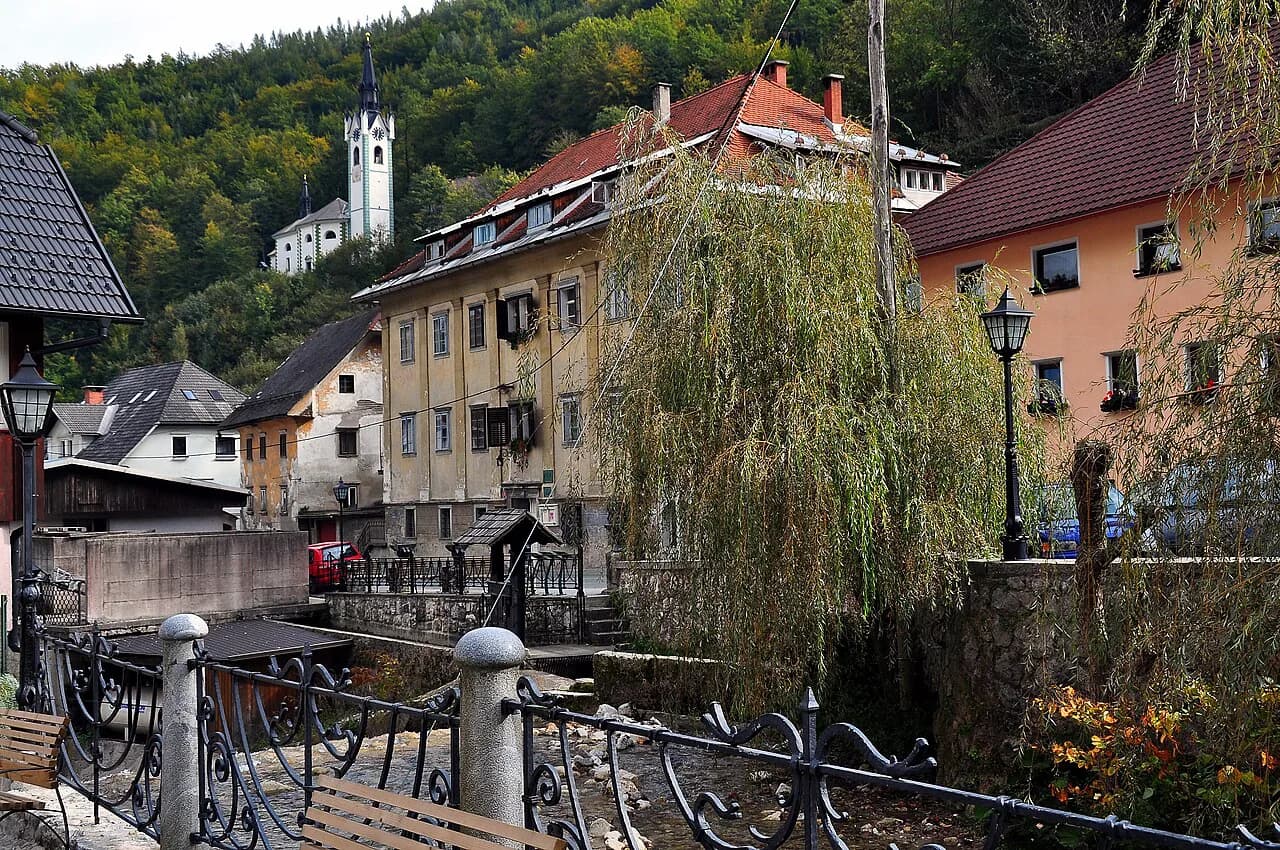
The old ironworking core is a tight cluster of tall townhouses, narrow lanes and water channels built for the trade, and the steep slopes of the Jelovica plateau close in on three sides. That geography is what makes Kropa a natural half-day stop rather than a place you cross town to see.

How to get to Kropa
Scheduled bus routes connect Kropa with Radovljica, Bled, Kranj, Ljubljana and Jesenice, so you do not need a car to reach the village. Check times with the Radovljica tourist information center before you set out, because the last return bus shapes how late you can stay.
Cyclists can ride in on the Radovljica network of mountain bike routes from Radovljica or Bled, which makes the village a realistic add-on to a day based in either town. The approach climbs into the Lipnica valley, so allow more time uphill than the distance suggests.
If you are coming from Radovljica, pair the trip with the town itself, where Linhart Square (Linhartov trg), Radovljica is the natural starting point for a walk before or after the bus. That combination fills a day comfortably without rushing either place.
What to see in the old town
Walk the lanes slowly and look for the details that made Kropa an ironworking Centre: water locks and canals along the stream, stone-carved portals, and window shutters made of wrought iron. These are the features that give the place its character, and they reward close looking rather than a quick pass.
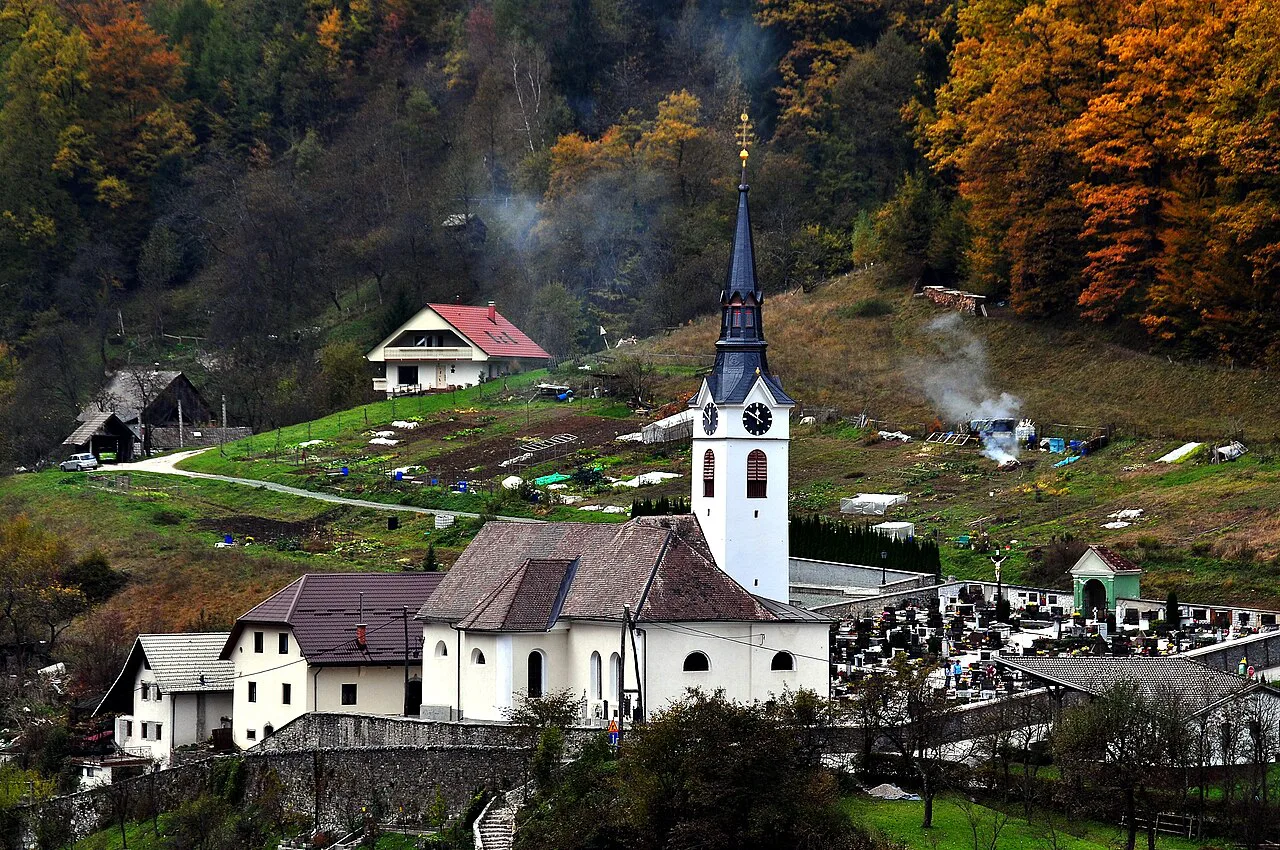
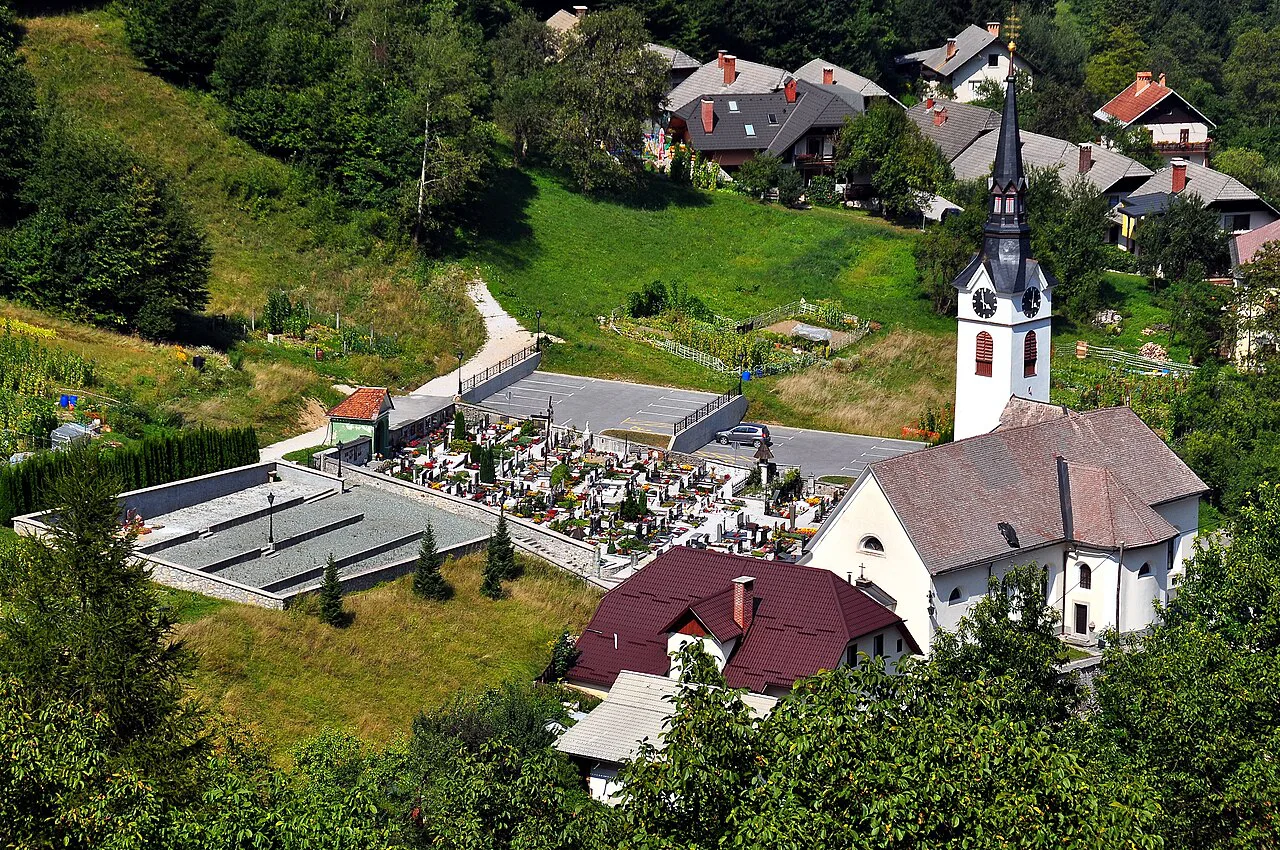
The village churches stand out against the small scale of the settlement, and St. Leonard's Parish Church is among the landmarks listed for Kropa. Treat the churches as part of the walk rather than a scheduled stop, and check locally if you want to look inside.
The streets are narrow and the paving is old, so wear shoes that handle uneven ground. A circuit of the center takes well under an hour at an easy pace, leaving the rest of your time for the forge and museums.

Vigenjc Vice: the nail forge
Vigenjc Vice is the site to choose if you want to see ironwork being made rather than displayed. At the forge you can watch a live demonstration of hand forging nails and try forging one yourself, and there is an entrance fee.
Because the hands-on element is the draw, build your visit around the demonstration rather than turning up and hoping. Ask at the Radovljica tourist information center about the day's timing before you travel out.
Iron Forging Museum and Fovšaritnica Museum House
The Iron Forging Museum and the Fovšaritnica Museum House are separate sights from the forge, and people often mistake one for another. Both are inside the village and both are listed with an entrance fee, so budget for them as distinct stops.
Entry to the Fovšaritnica Museum House is free for holders of the Julian Alps:Radovljica card and costs 5.00 EUR per person for everyone else on the published listing. The forge and the Iron Forging Museum are priced separately, so check the current fees before you go and treat the card as a possible saving rather than a guarantee.
If you want the museum-house stop that the card covers, the Fovšaritnica house is the pick when the card is valid. Otherwise choose by interest: objects and the trade's story at the Iron Forging Museum, domestic life at the museum house.
The Wednesday guided tour
A guided tour of Kropa ran on Wednesdays at 10:00 a.m. between July 1 and September 20, 2025, meeting by the water reservoir at Kropa 1b with a local guide. In 2025 the tour was listed at 5.00 EUR per person, was not suitable for children under 12, and was free for Julian Alps:Radovljica card holders. Confirm the current season, time and meeting point with the tourist board before relying on it.
The tour was a fixed weekly slot in 2025 rather than a drop-in service, so build your day around it rather than arriving and expecting a guide on demand. For families with younger children, the self-guided walk plus the forge demonstration is the better fit.
How long Kropa needs
Plan two to three hours for the old town, the forge and one museum, which is enough for the core of the village on a half-day trip. The walking distances are short, but the demonstrations and museum displays set the pace.
Allow a full day or two if you want to add the Jelovica plateau above the village, where trails climb out of the valley to water troughs, old paths and villages such as Kamna Gorica. The plateau itself rises steeply above the rooftops you have just walked among.
The Lipnica valley and Kamna Gorica nearby
Kropa shares the Lipnica valley with Kamna Gorica, another former ironworking village whose water troughs and small bridges earned it the nickname Mini Venice. The two are close enough to visit in one outing, and the valley between them is part of the appeal.
If you are building a Radovljica day, add Begunje na Gorenjskem for a change of scene, or stay in town for the gingerbread museum Radovljica. Both work as pairings with a Kropa morning rather than as alternatives to it.
Practical points before you go
The Radovljica Tourist Information Centre at Linhartov trg 9 in Radovljica is the place to confirm tour dates, opening times and the card's current benefits, since these change by season. It is also where you pick up local material on the Lipnica valley.
Travelers who want Radovljica, its squares and its old houses as the base of the day will find the wider set of local sights laid out in the Radovljica Attractions: 4 Visitor Guides, which puts Kropa in context with the rest of the area.
Is Kropa worth the detour?
Yes, for anyone interested in craft and industrial heritage, and especially for travelers basing themselves in Radovljica or Bled with a spare half day. The forge demonstration is the reason to schedule the visit rather than simply drive through.
Build the trip around the Wednesday tour if the season fits, otherwise walk the lanes and pick one museum. Either way, confirm the current schedule and fees in Radovljica first, then pair Kropa with Kamna Gorica for a fuller valley day.
Frequently Asked Questions
Do you need a car to visit Kropa?
No. Scheduled buses link Kropa with Radovljica, Bled, Kranj, Ljubljana and Jesenice, and cyclists can arrive on the Radovljica mountain bike route network. A car gives more flexibility for combining Kropa with Kamna Gorica in the same valley.
How much does it cost to visit Kropa?
The forge, the Iron Forging Museum and the Fovšaritnica Museum House are each listed with an entrance charge. The tourist board publishes the current figures, including the Julian Alps:Radovljica card conditions, so ask at the Radovljica tourist information center before you travel out.
Can children join the guided tour?
The Wednesday guided tour was not suitable for children under 12 in 2025, when it ran from July 1 to September 20 at 10:00 a.m. Families with younger children can walk the village independently and try the nail forging at Vigenjc Vice instead.