Lake Bohinj: What to See, How to Get There, and How Long to Stay
Plan a trip to Lake Bohinj in Triglav National Park: Ribčev Laz, Ukanc, Savica Waterfall, the Vogel cable car, buses from Ljubljana, and parking around the lake.
On this page
Lake Bohinj needs a full day, and the best day follows the shoreline in one direction: start at the far end near Savica Waterfall, ride the Vogel cable car before afternoon weather builds, then work back toward the church and stone bridge at Ribčev Laz. The lake sits inside Triglav National Park in the Julian Alps, so the layout is simple but long, and getting the order right saves you a second lap by car or bus. This guide covers where the lake sits, the villages at each end, buses and driving times, parking, the main sights, and how much time to give it.
Treat Bohinj as a road-trip lake rather than a single viewpoint. You will park several times, or use the local public bus, if you want to see Savica, the cable car, and the Ribčev Laz church in one day. Carry cash for parking and arrive early in summer, when lots fill and the road along the shore slows to a crawl.
Where Lake Bohinj sits and how it differs from Lake Bled
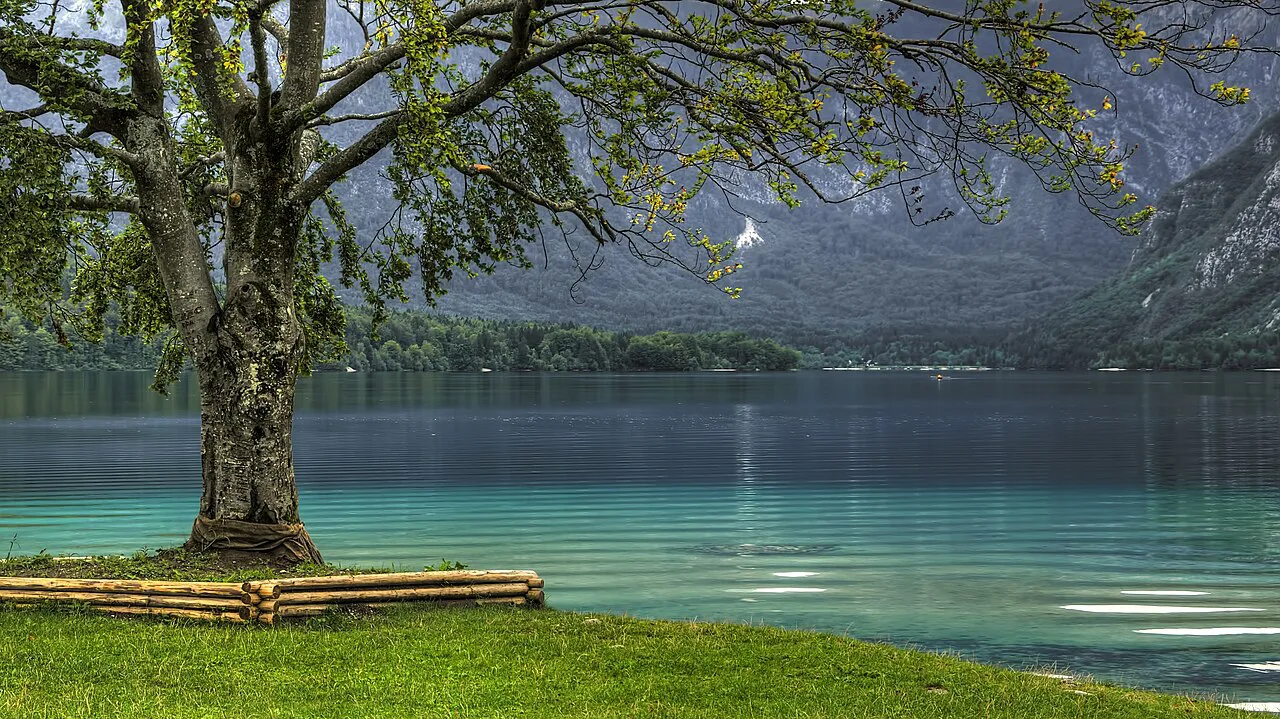
Lake Bohinj lies within Triglav National Park in the Julian Alps, in northwestern Slovenia. The main settlement, Ribčev Laz, sits in the southeast corner of the lake. Bled is roughly 25 to 30 kilometers away, and Ljubljana is about 80 kilometers from the lake.
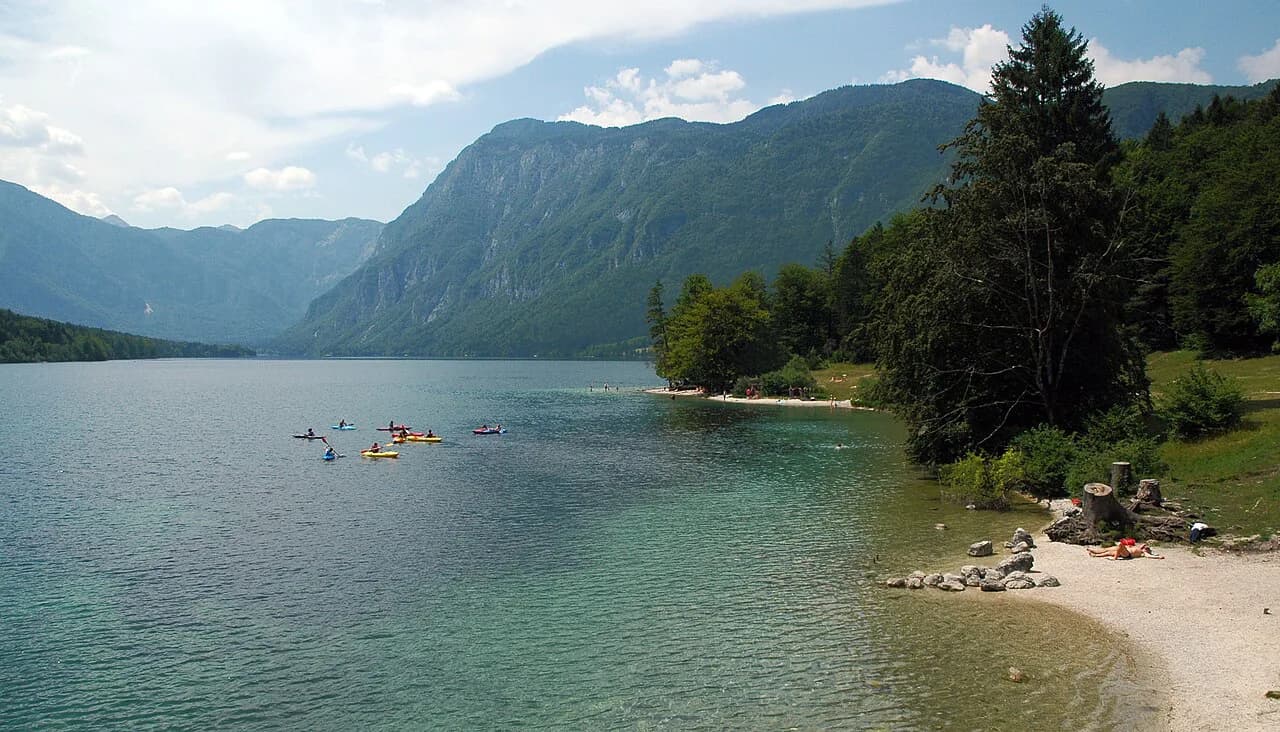
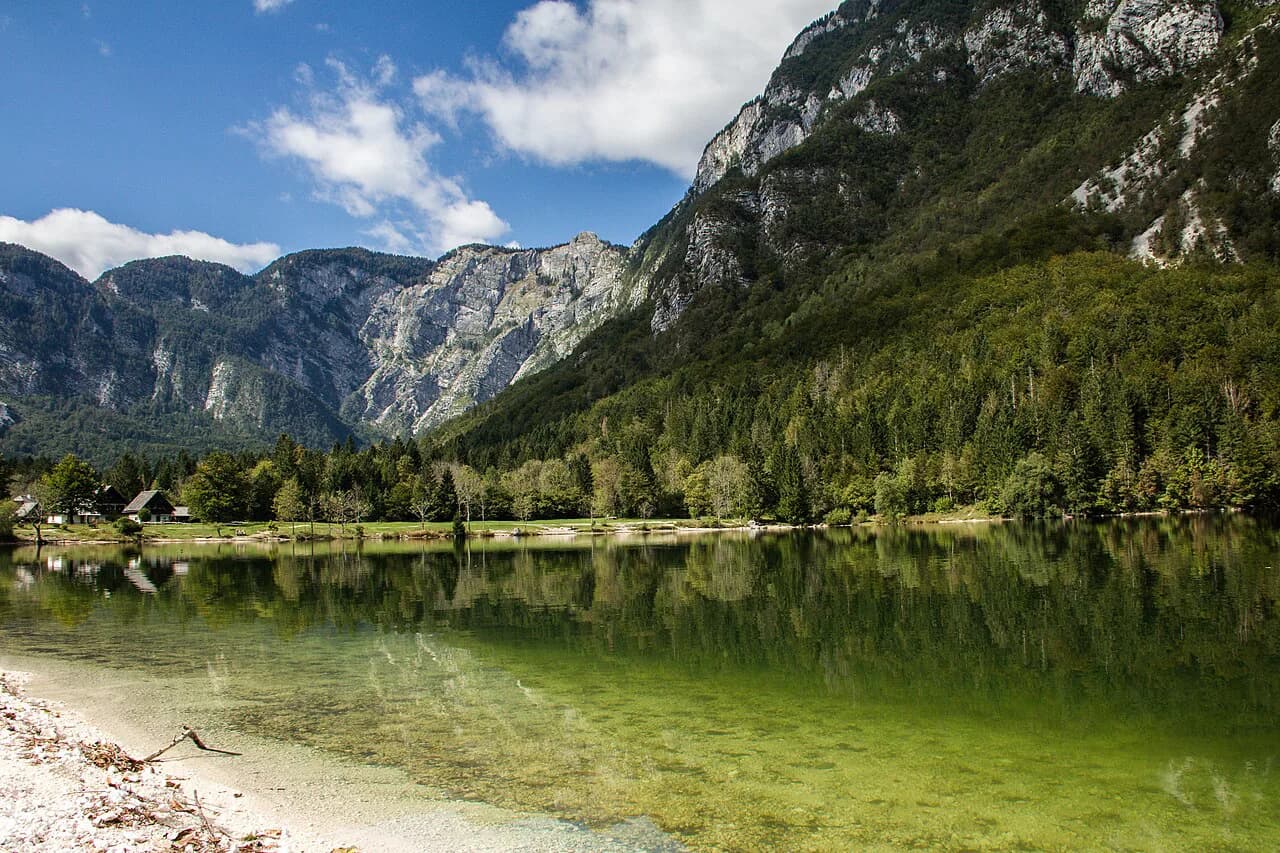
The contrast with Bled is the reason to come. Bled runs as a resort town with hotels, restaurant menus, and a cliffside castle plus an island church that draw crowds along paved promenades. Bohinj sits entirely inside the national park, where commercial development is heavily restricted and the shoreline is a continuous ribbon of beech and spruce forest.
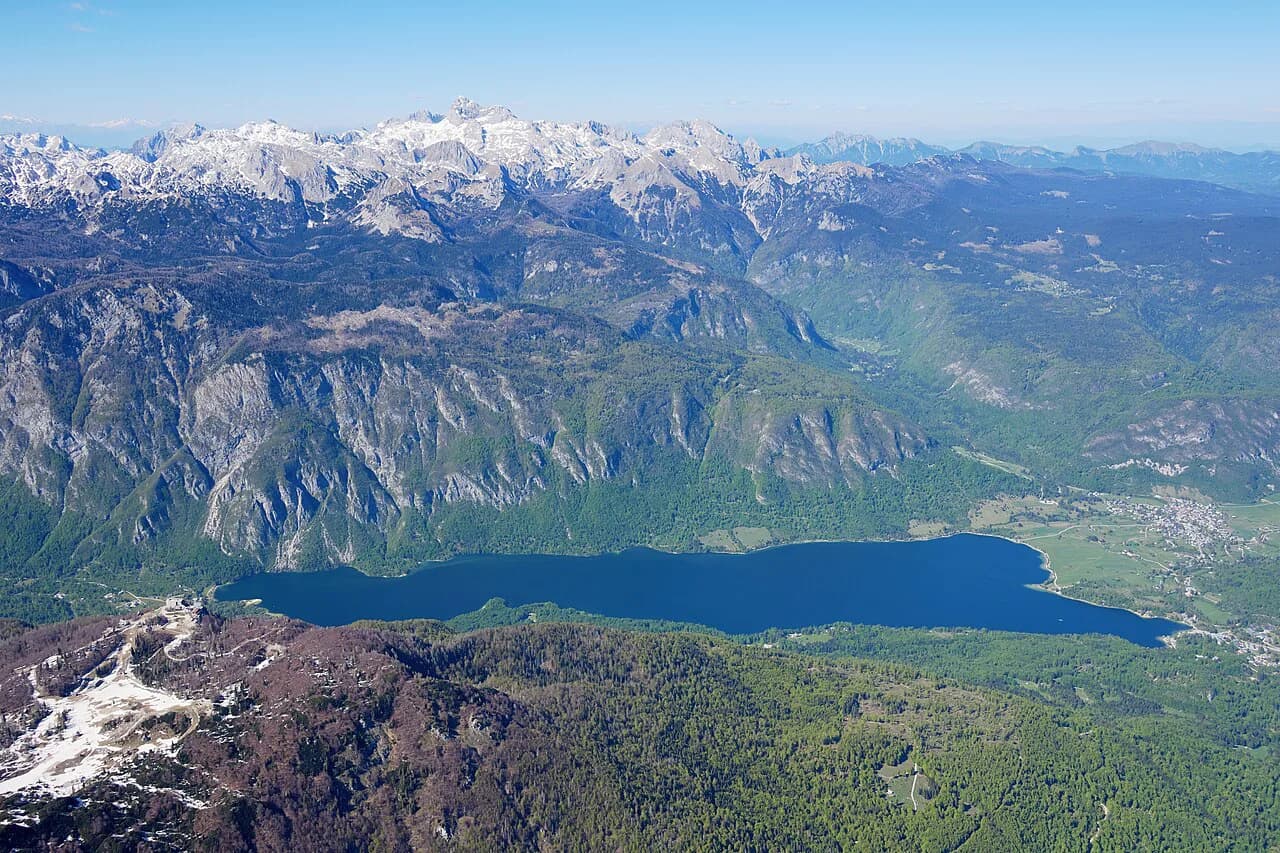
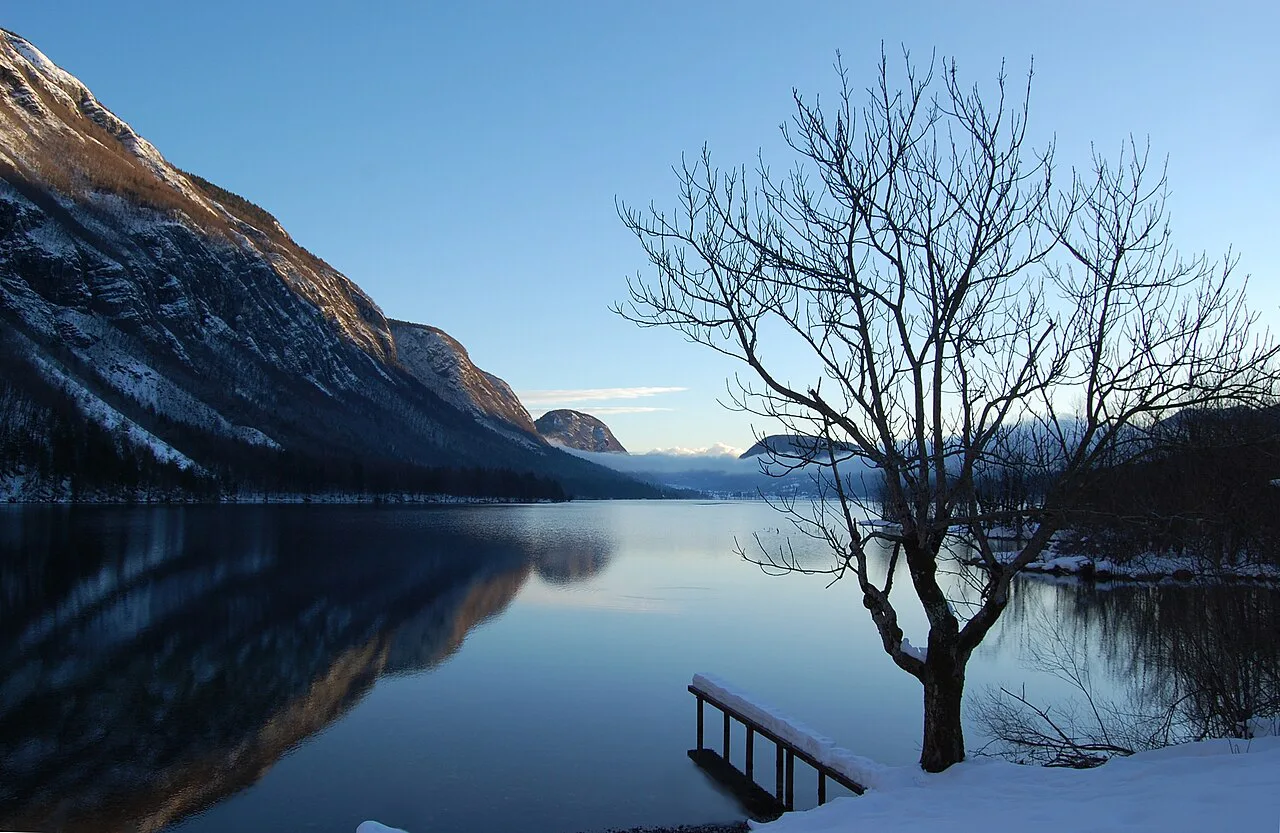
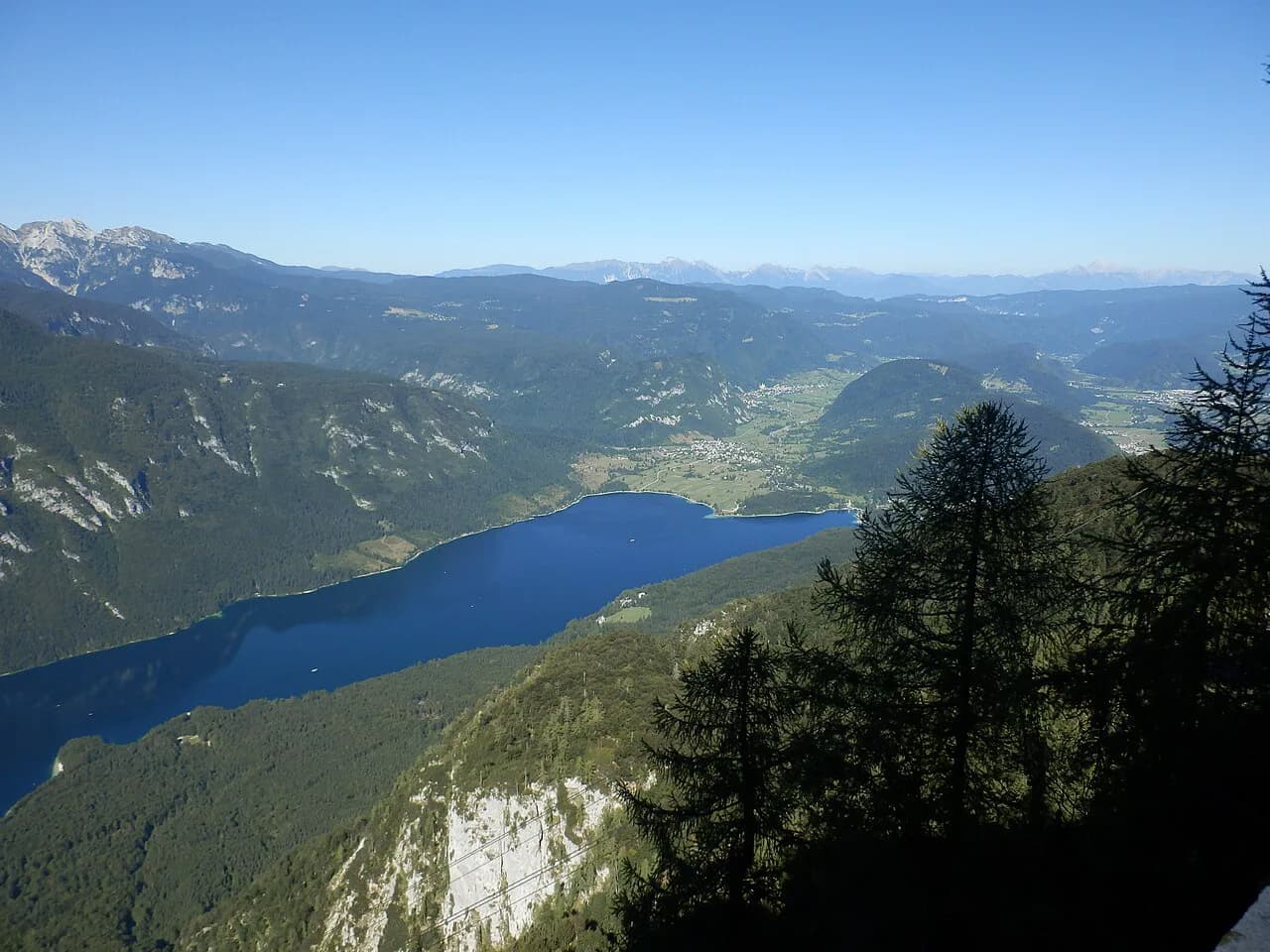
Physically, the lake is long and narrow: it stretches 4.2 kilometers and drops to depths of 45 meters, making it Slovenia's largest permanent natural lake. That shape matters for planning, because the far end at Ukanc and the near end at Ribčev Laz are a real drive apart, not a short stroll.
The villages: Ribčev Laz, Stara Fužina, and Ukanc
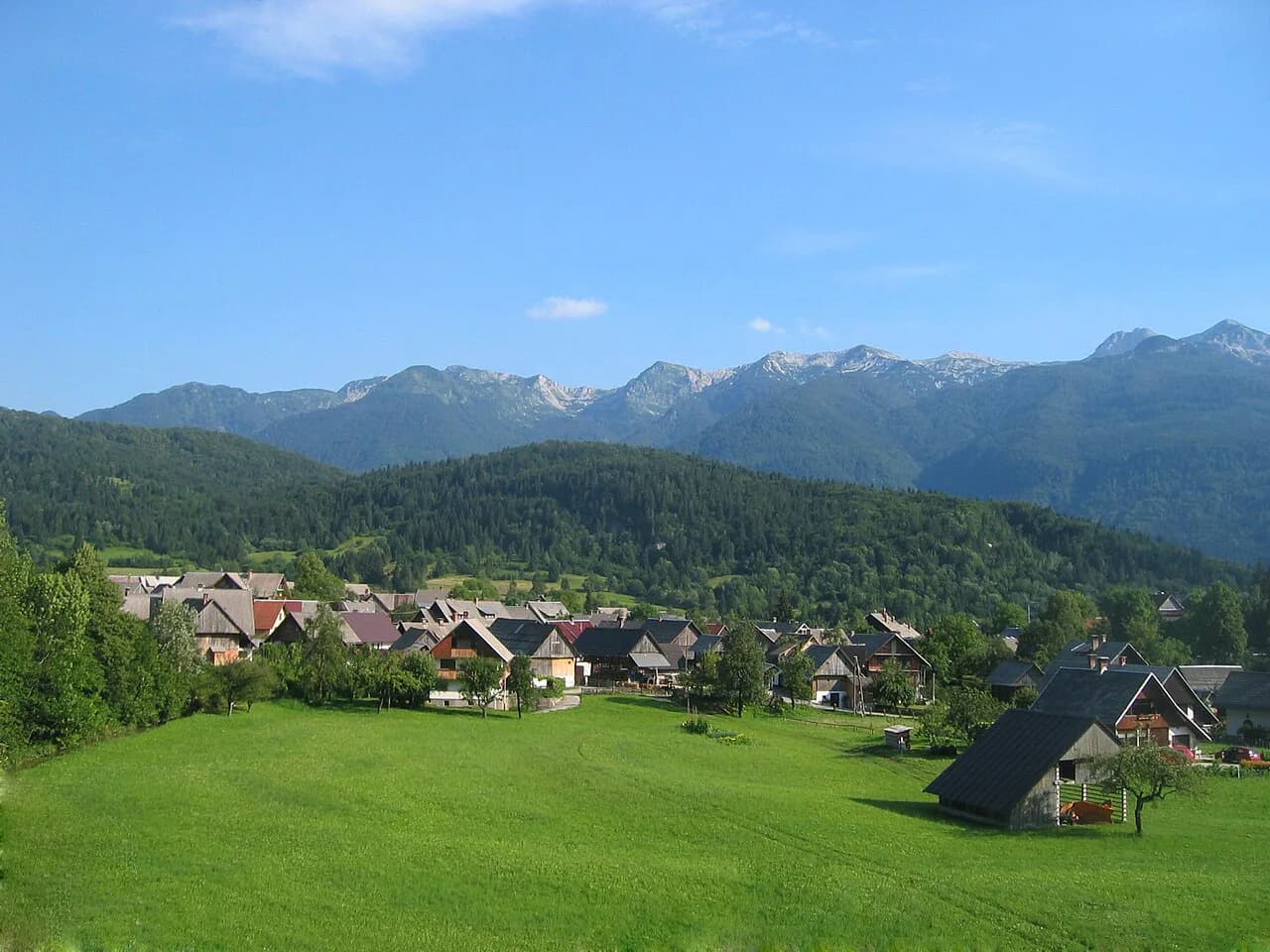
Ribčev Laz is where most visits begin. It holds the accommodation and dining options, the church and stone bridge, and the bus stop from Ljubljana and Bled, which makes it the natural base. Stara Fužina sits just inland from the lake and is the side trip for Mostnica Gorge, while Ukanc anchors the western end, closest to Savica Waterfall and the Vogel cable car.
Getting the villages straight in your head solves most sequencing problems. Park once at the far end in Ukanc for Savica and the cable car, then drive or ride back to Ribčev Laz for the church view and a walk along the shore. Our Bohinj Attractions: 5 Visitor Guides give each sight its own page so you can build that order before you arrive.
Getting there by bus from Ljubljana and Bled
Direct buses run from Ljubljana to Ribčev Laz via Bled at least once an hour through the day, and the trip takes around two hours. Tickets are bought at the station or from the driver, and weekend fares are lower than weekday ones. Confirm current fares before you travel, since prices change.
If you are coming from Ljubljana by bus, the usual pattern is a direct bus to Bled and then a second bus to Bohinj. Once you are at the lake, a public bus runs along the shore, which lets you skip repeated parking if you are staying overnight or have a day ticket.
Getting there by car, driving times, and parking
Driving is the easiest option. Distances run about 30 kilometers and 30 minutes from Lake Bled, 83 kilometers and 1 hour 15 minutes from Ljubljana, and 68 kilometers and 1 hour 15 minutes from Kranjska Gora. Coming from Ljubljana or Kranjska Gora in summer, expect to crawl through Bled, which can add around 20 minutes unless you leave before 8 am.
Plan for paid parking. Several lots along the lake charge a fee, so have cash on hand rather than relying on a card. Summer weekends and warm days strain the few spaces, so arrive early or use the bus. Lake Bohinj parking rules and lot locations are broken down by end of the lake, and the Lake Bohinj map shows how the road connects them.
St. John the Baptist Church and the stone bridge at Ribčev Laz
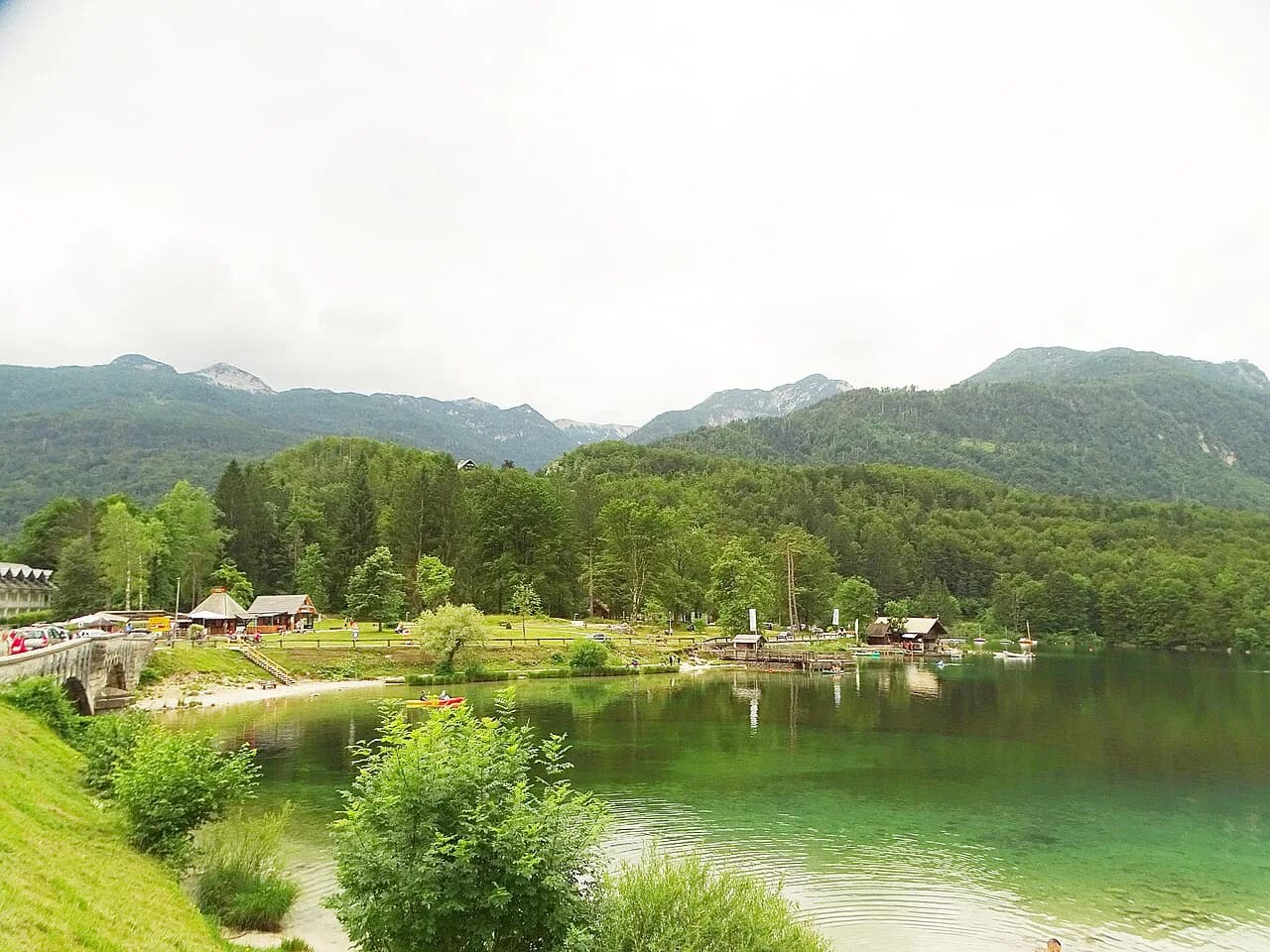
The view of St. John the Baptist Church with the stone bridge is the picture most visitors take from Bohinj. The church sits on the lake shore at Ribčev Laz, and you reach the classic angle by parking near Hotel Jezero and walking to the bridge. Continue along the shore to the Zlatorog statue, which puts the church, water, and mountains in one line.
Give this stop 30 to 45 minutes if you are moving fast, longer if you want the walk along the water. It works best as the final stop of the day, after Savica and the cable car, when the light softens and the day-trippers have thinned out.
Savica Waterfall: the walk from the parking area and what to expect
Savica Waterfall is at the far western end near Ukanc, and visiting it means a short trail from the parking area rather than a roadside stop. Go first thing: the walk is cooler and quieter before the heat and crowds arrive, which is why a 9 am arrival at the lake works so well.
Build in time for the climb and the return, then drive back down to the cable car. Pairing the waterfall with the Vogel cable car in the morning keeps both ahead of the afternoon storms that the valley generates.
The Vogel cable car and the upper viewpoint
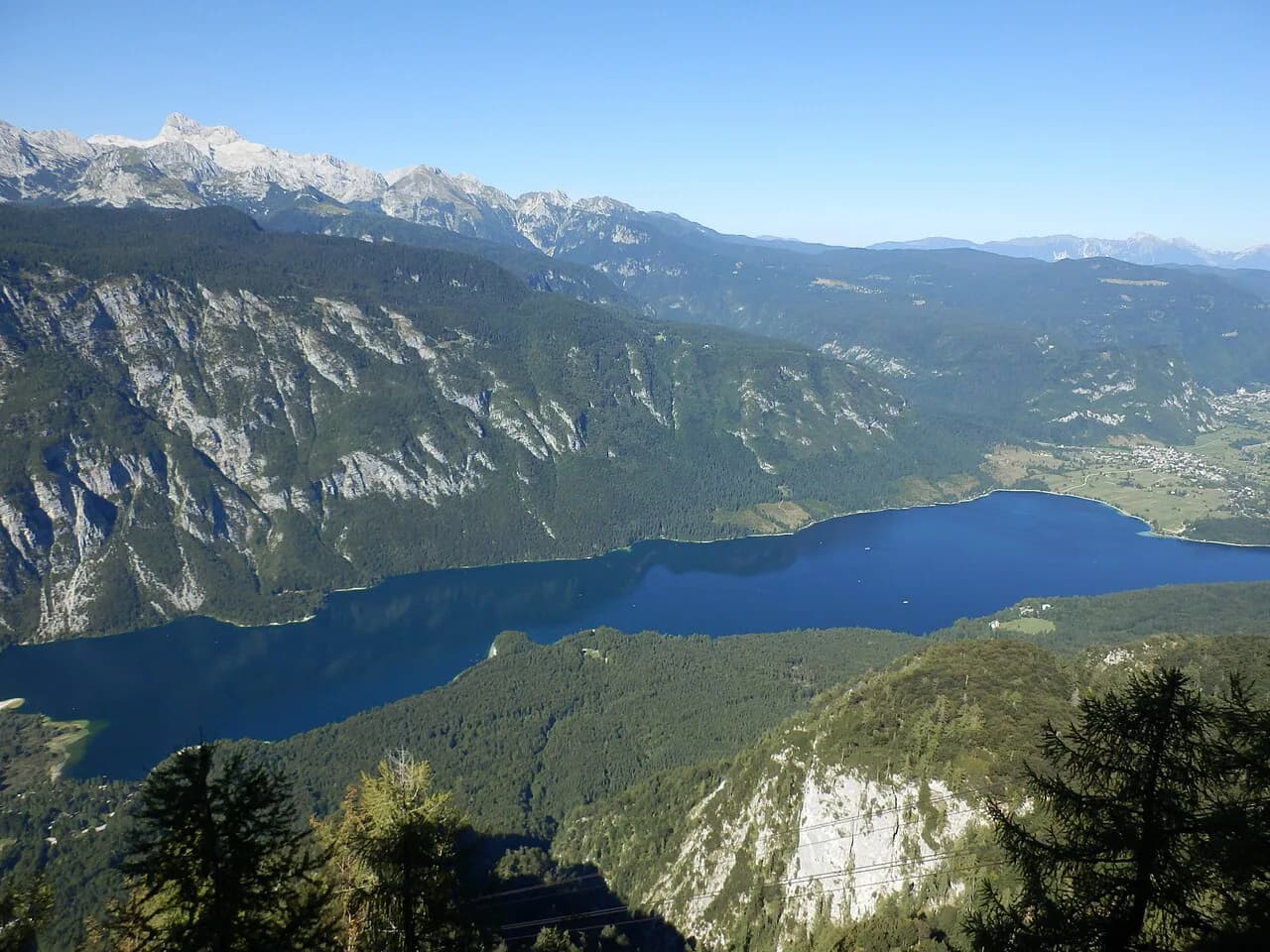
The Vogel cable car lifts you above the lake to a ridge with the shoreline laid out below. From the top station, take the chair lift to Orlove Glave for the higher viewpoint, and allow several hours up there if you want lunch at one of the mountain restaurants or a longer walk.
Budget your day honestly here. A cable car ride plus the chair lift and a meal eats half a day, so if you also want to paddle or see Mostnica Gorge, choose one. Ride up in the morning and you will likely have clear views before clouds build.
Walking around the lake and putting the shoreline in order
A full circuit of the lake on foot is a long walk, and most visitors cover a section rather than the whole loop. The practical version starts at the far end near Savica and works back toward Ribčev Laz, so the church view and the village come last. Our guide to the Lake Bohinj walk covers the shoreline path section by section.
If a full loop is your plan, start early and keep the afternoon free for storms. The gravel paths stay shaded in stretches, but the valley catches rain, so a waterproof layer belongs in your pack whatever the morning sky looks like.
Renting a paddleboard or kayak at the lake
On a warm, sunny day, kayaking and paddleboarding are the best way to get off the shore. Rentals are available next to the stone bridge at Ribčev Laz, so you can combine the church view with an hour on the water. Kayaking on Lake Bohinj covers where to launch and what to expect on the water.
Expect cold water even in high summer. The lake is fed by mountain runoff and holds around 100 million cubic meters of water, replenished roughly three times a year, which keeps it clean and bracing.
The Goldenhorn (Zlatorog) statue and the Mostnica Gorge side trip
The Goldenhorn statue, Zlatorog, stands on the lakeside walk near Ribčev Laz and makes a natural turnaround point on a shoreline stroll. Mostnica Gorge is the side trip inland from Stara Fužina, worth adding if you have a second day or are skipping the cable car.
These two pair well on a slower afternoon. Walk to the statue after the church, then drive to Stara Fužina for the gorge if your legs and the weather hold. Skip the gorge if you have already spent the morning on Vogel.
How much time the lake needs: a half day, a full day, or an overnight
A half day covers either Savica and the cable car or the church and a shoreline walk, not both plus a meal. A full day, starting at 9 am and working from the far end back to Ribčev Laz, fits Savica, Vogel, the church, and a short walk or paddle. Staying overnight buys you a quieter morning and the Mostnica Gorge or a longer stretch of shore.
A Lake Bohinj tour from Ljubljana suits travelers who want to pair the lake with other stops in a single day without managing bus schedules. If you drive yourself, the trade-off is parking time; if you take the bus, you gain flexibility to walk and lose the ability to hop between lots quickly.
Weather and water temperatures by season
Bohinj catches a lot of rain, averaging about 1,906 millimeters a year, so pack a waterproof jacket in any month. Summer highs reach the late twenties Celsius, with record heat of 35°C recorded in August 2018, and sudden afternoon thunderstorms are common. January days hover just above freezing, with nights often below minus 5°C.
Water temperatures in summer typically run 19°C to 24°C, spring and autumn sit at 10°C to 18°C, and winter drops to 4°C to 6°C. Those are seasonal averages, not a forecast. Swimming in Lake Bohinj is a cold-water affair even in August, so plan a short dip rather than a long swim.
Where to eat around Ribčev Laz and near the lake
Ribčev Laz is where the dining options cluster, which makes it the sensible lunch or dinner stop after a morning at the far end. Hotel Jezero is a useful landmark for parking when you head to the church and bridge. Bohinj restaurants around the lake and in the villages are mapped out by area.
If you are picnicking, pick up local Bohinj cheese and bread before you head to the shore. Plan lunch either on Vogel, where mountain restaurants sit at the top station, or back in Ribčev Laz rather than trying to eat at Savica mid-morning.
Lake Bohinj or Lake Bled for a one-day decision
If you have one day and want an easy resort experience with hotels, cafes, a castle, and an island church, choose Bled. If you want mountains coming down to the water, forested shorelines, a waterfall, and a cable car, choose Bohinj. The two are close enough that a very early start lets you see both, though you will spend more time in the car than on the shore.
Bled's paved promenades fill with visitors in peak summer weeks, while Bohinj feels wilder and gets fewer visitors because the road in only comes from the east. For a calm day on the water, that difference decides it.
Should you book the cable car or the bus first?
Lock in the morning before anything else: arrive by 9 am, drive to the far end for Savica, and ride the Vogel cable car while the sky is still clear. Then work back along the shore to the church and bridge at Ribčev Laz, where the day ends naturally with a meal.
Decide on transport early. With a car, budget for several parking stops and an early start on summer weekends; without one, the direct bus from Ljubljana via Bled is the no-car route, with fares cited above. Either way, check current bus times and cable car operating days before you commit.
Explore more Bohinj guides
Frequently Asked Questions
How long does it take to walk around Lake Bohinj?
A full circuit on foot is a long day, and most visitors cover a section instead. The practical approach is to walk from the far end near Savica back toward Ribčev Laz, which puts the church view and the village at the end of your route. Start early so you finish before afternoon storms build in the valley.
Can you swim in Lake Bohinj?
Yes, and summer water temperatures typically run 19°C to 24°C, which is cold but manageable for a short dip. Spring and autumn sit between 10°C and 18°C, and winter drops to 4°C to 6°C. These are seasonal averages, so treat any single day as unpredictable.
Is Lake Bohinj worth a full day or just a half day?
Give it a full day if you want Savica Waterfall, the Vogel cable car, and the church at Ribčev Laz in one visit. A half day fits either the waterfall and cable car or the church and a shoreline walk. Staying overnight lets you add Mostnica Gorge or a longer stretch of the shore.
Where do you park for the church and stone bridge at Ribčev Laz?
Park near Hotel Jezero and walk to the bridge for the classic church view, then continue along the shore to the Zlatorog statue. Several lots along the lake charge a fee, so carry cash. Summer weekends fill the spaces, so arrive early or take the bus.
Sources
Notes for your Slovenia trip
Optional updates to our Slovenia place guides.
You might also like
Continue reading
More guides you'll find useful