Things to Do in Piran, Slovenia: Old Town, Walls and Views
Plan a day in Piran with old town lanes, Tartini Square, the city walls and St. George's bell tower, plus how long it takes and what to expect.
On this page
Plan on three to four hours for the core of Piran, or a single overnight if you want the lanes to yourself after the day-trippers leave. The town is small and walkable, so a visit is about pacing and shade rather than transport: most people start at Tartini Square, climb to the city walls and St. George's, then finish on the water.
This guide covers the old town lanes, both viewpoints, the monastery cloister, the harbor and the swimming platforms, plus the salt pans and Strunjan for a half-day extension. It also sets out the trade-offs, from the steep stairs to the wet-day indoor option.
Start at Tartini Square
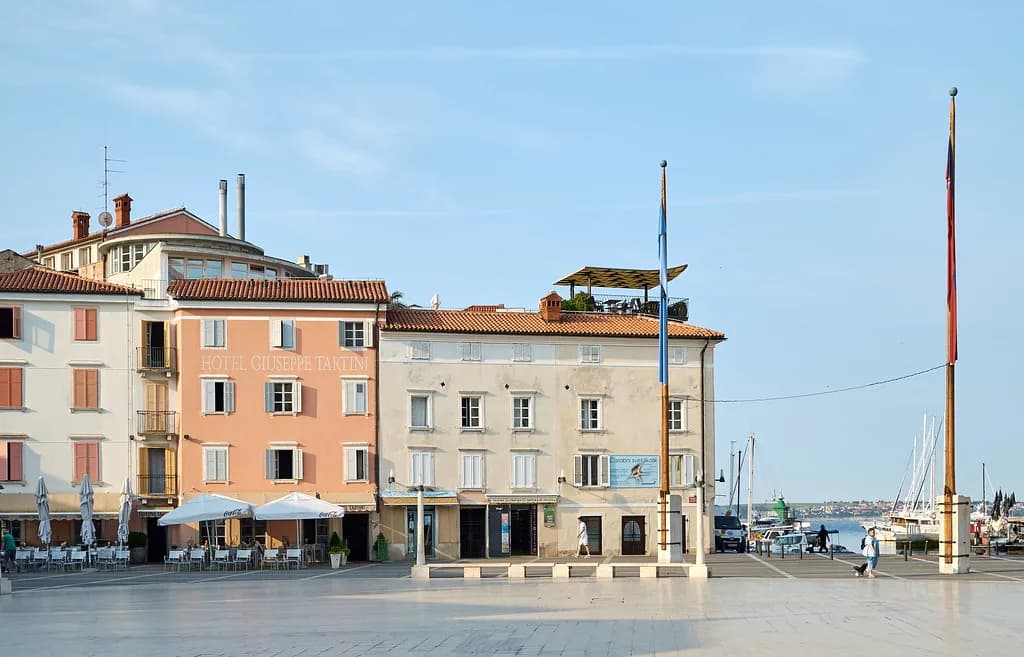
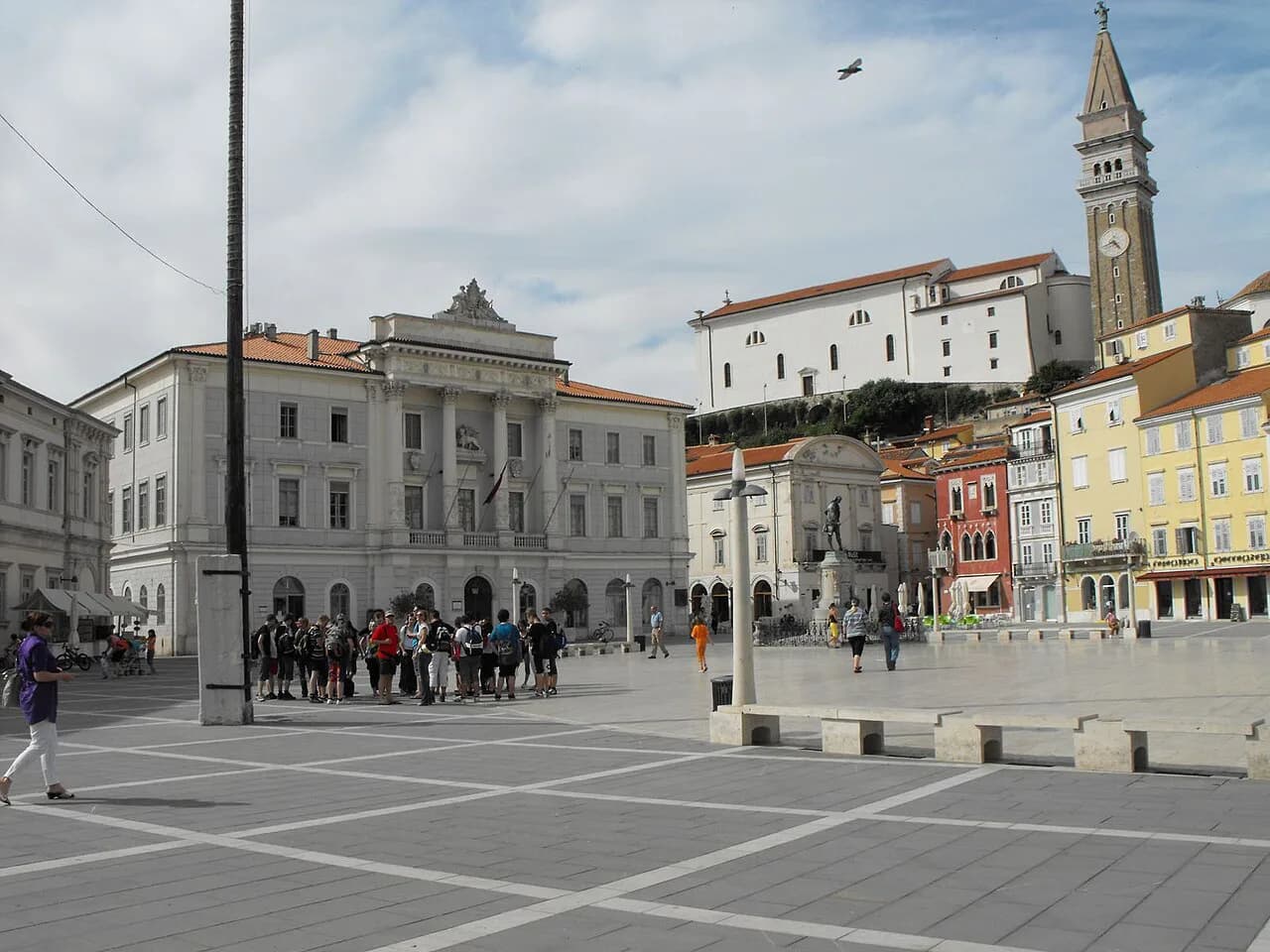
Tartini Square, Tartinijev trg in Slovenian, is the natural first stop and the point where most arrivals land. The wide paved space was once part of the inner harbor before it was filled and paved in the late 1800s, and it is named after the violinist and composer Giuseppe Tartini, who was born in Piran; his statue stands in the center. Pastel facades line the square, the Red Venetian House on the corner is the most photographed building, and the renovated Town Hall faces the open space.
Use the square to get your bearings rather than to tick off a sight. From here you can see St. George's Parish Church on the hill above the rooftops and pick out the streets leading into the old town, with the harbor a few steps away in the other direction. Cafés ring the paving if you want a coffee before the climbs.
Wander the old town lanes
The old town is a compact maze of narrow cobblestone streets, small courtyards, shuttered windows and stone archways, and you are never more than a few minutes from the sea. Some lanes lead to quiet residential corners, others open onto small squares with outdoor tables, which is why the walking itself is the main activity rather than a checklist of sights. Give the lanes at least an hour of unhurried time, and more if you plan to stop for coffee or lunch.
Because the center is car-free, you cover it on foot and the distances stay short. Pick a street and follow it, working uphill or downhill rather than trying to cross the town in a straight line; the lanes bend enough that a plan rarely survives first contact anyway.
Walk the old city walls for the panorama back over the peninsula
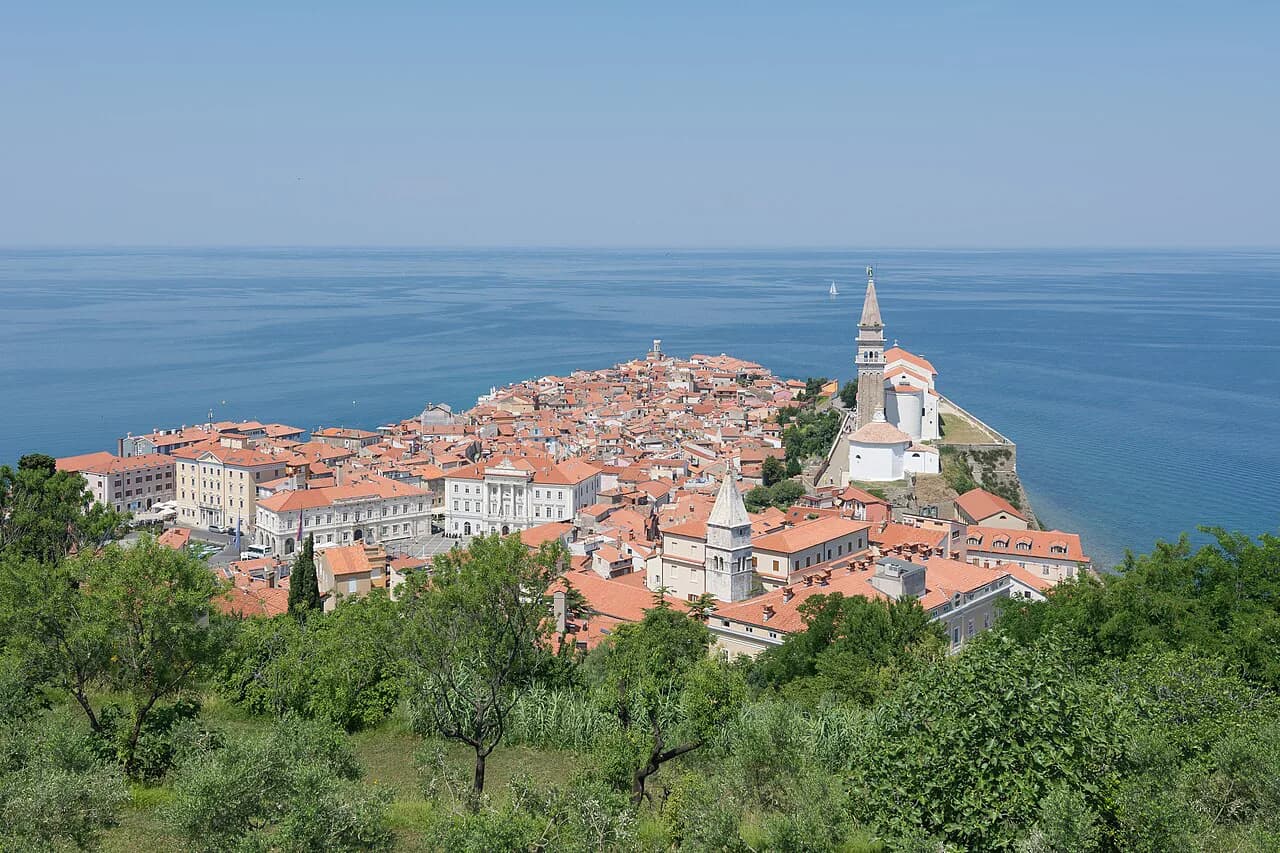
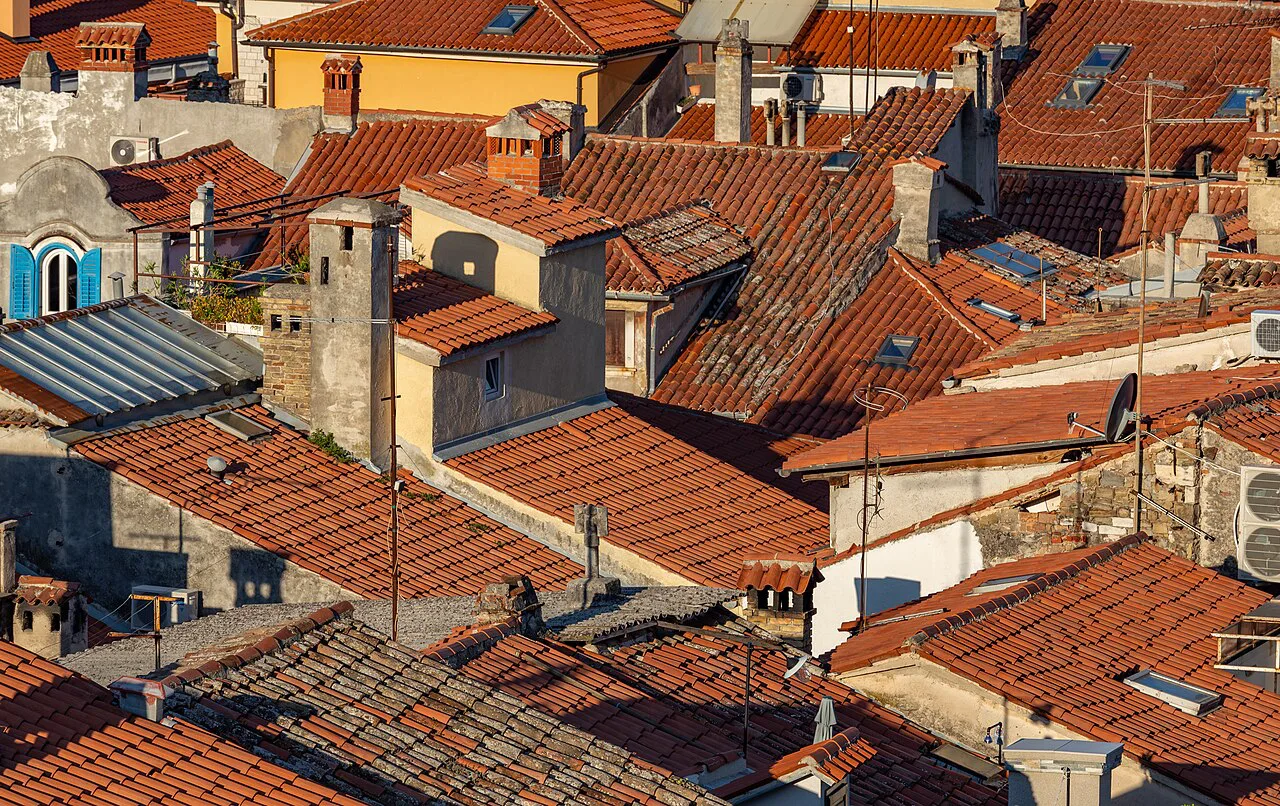
Parts of the former city wall and its watchtowers sit on a hill above town, and the walk from the historic center takes about ten minutes before you start on the sometimes very narrow and steep stairs to the viewing platforms. Allow at least an hour for the whole round trip including the walk from the old town; this is not a ten-minute detour. The reward is the look back over the peninsula and the terracotta roofs, a perspective you only get from up here.
Late afternoon works best, when the light falls behind the town, and the climb is exposed enough that you want to avoid the hottest part of a summer day. Rain can close the wall, so treat it as a fair-weather plan rather than a fixed slot.
Climb to St. George's Parish Church and the bell tower
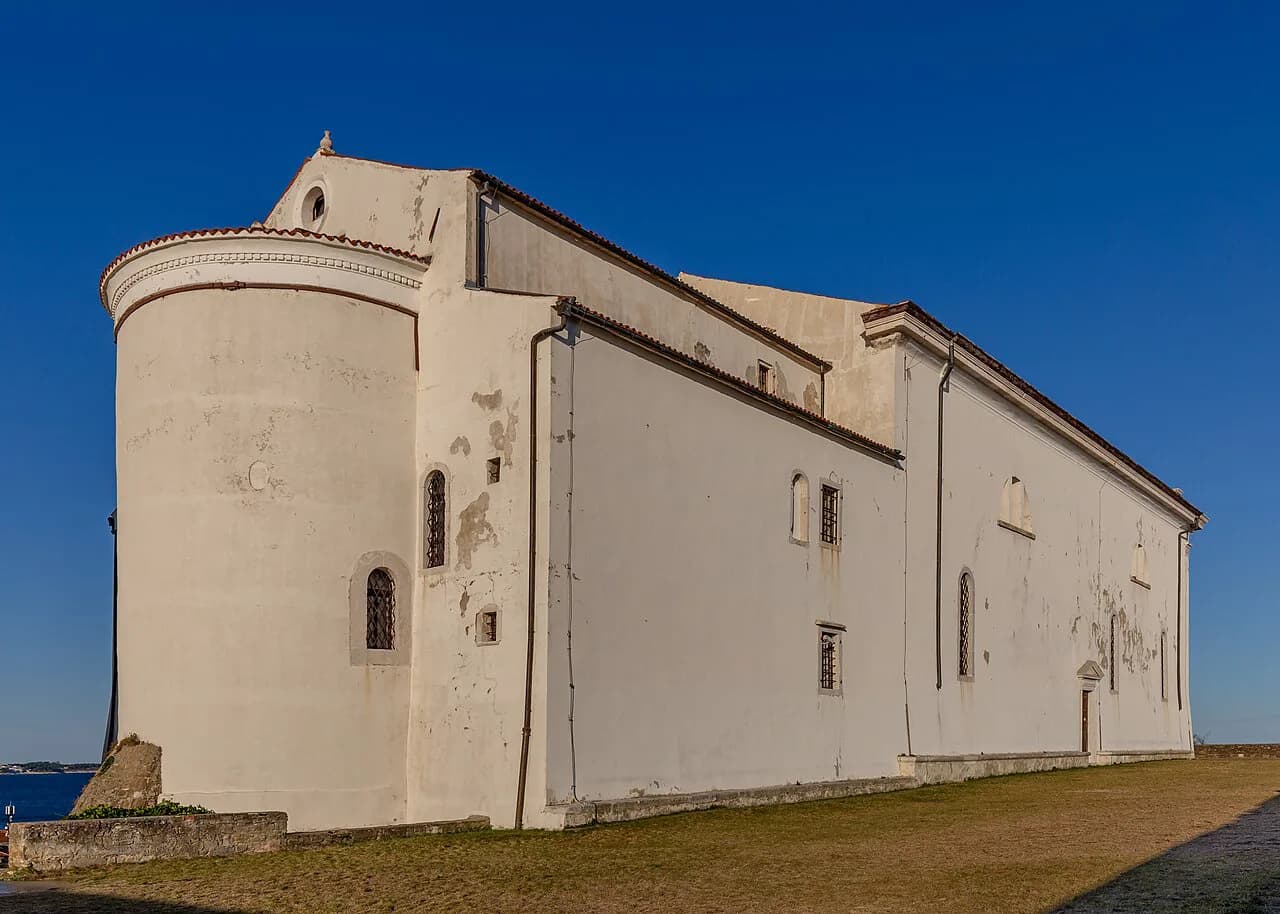
St. George's Parish Church sits on the hill above the rooftops, a short but steep uphill walk from the square that feels longer in summer heat. Inside, the church has frescoes and an organ, and the courtyard gives you space to catch your breath before the tower.
The bell tower is the higher payoff: a restored wooden staircase leads up 146 steps, almost straight up, to a view over Tartini Square, the harbor and the lanes you just walked. On a clear day the view reaches along the coasts of Croatia and Italy. The bells ring every 15 minutes and they are loud, so check the time before you head up, especially with children.
The Minorite Monastery of St. Francis and its cloister
The Minorite Monastery of St. Francis sits in the middle of the historic center, a little off the main routes, and the photogenic cloister makes a quiet stop when the waterfront is busy. Visitors have reported finding the cloister almost empty, but access is not guaranteed, so check the current visiting arrangements at the door rather than assuming the cloister is open.
Harbor promenade, Punta Lighthouse and the mermaid statue
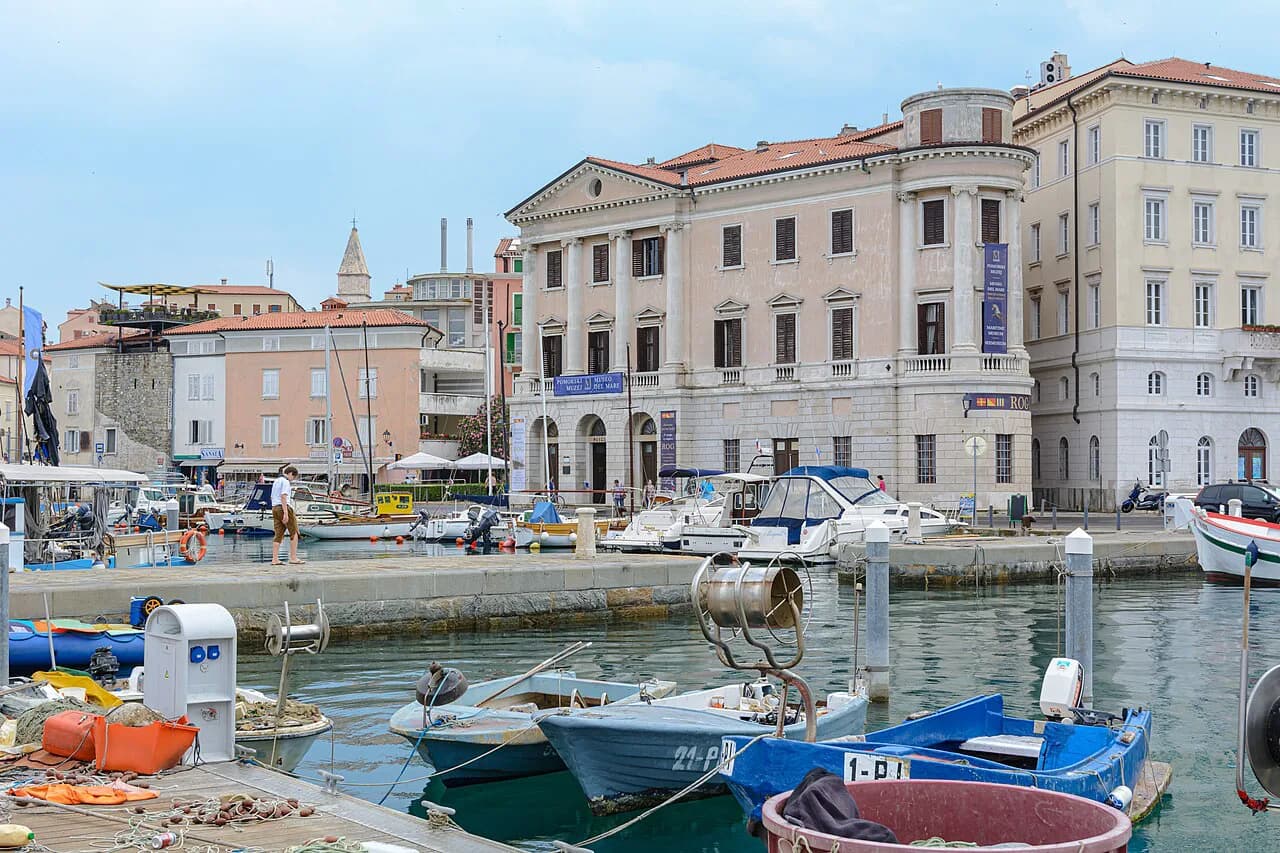
South of Tartini Square a promenade runs down to the harbor waterfront, where fish restaurants and cafés face the water and the boats. This is the place for a sea-view drink or an early dinner, and it is where the town shifts from lanes to open water.
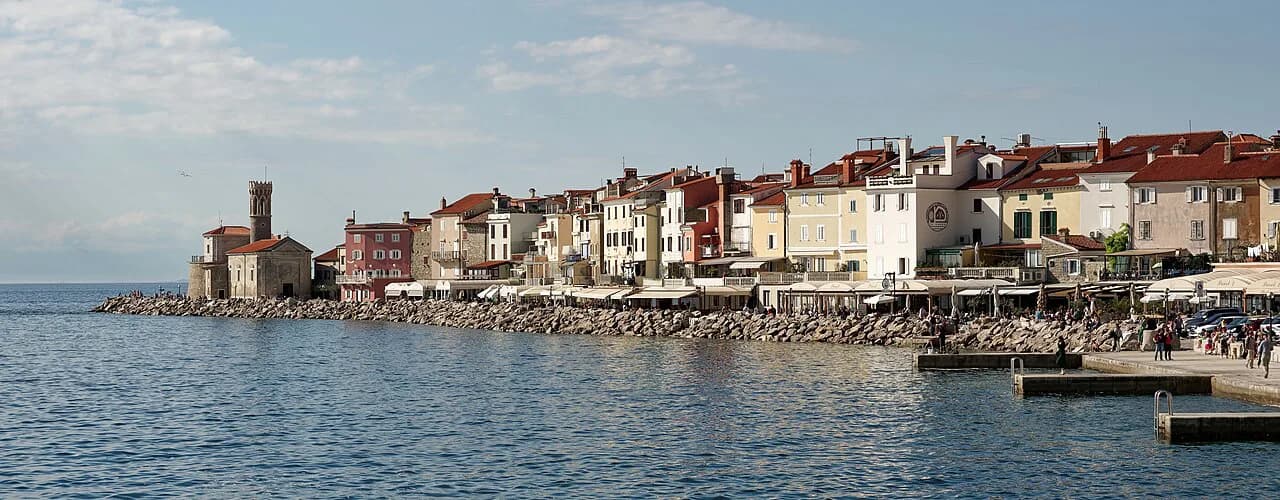
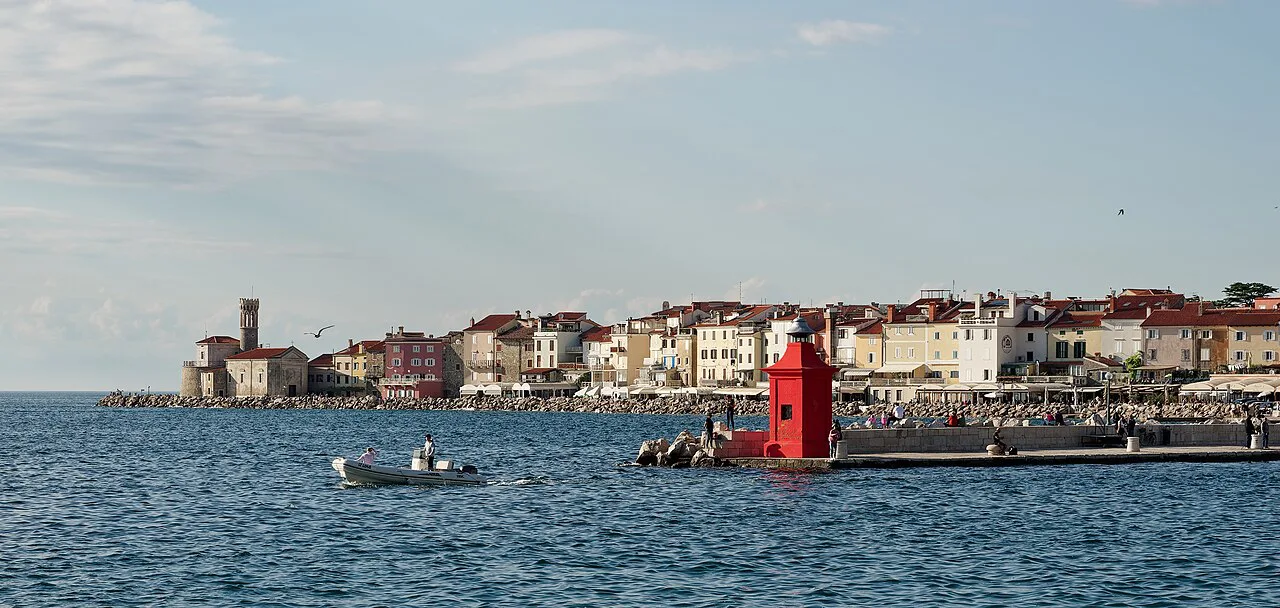
Follow the shoreline around to the Punta Lighthouse at the tip of the peninsula, where the mermaid statue nearby is an easy landmark for children to spot. The walk is short and flat, so it pairs naturally with an evening circuit before dinner.
Where to swim in town: the platforms and the walk to Fiesa
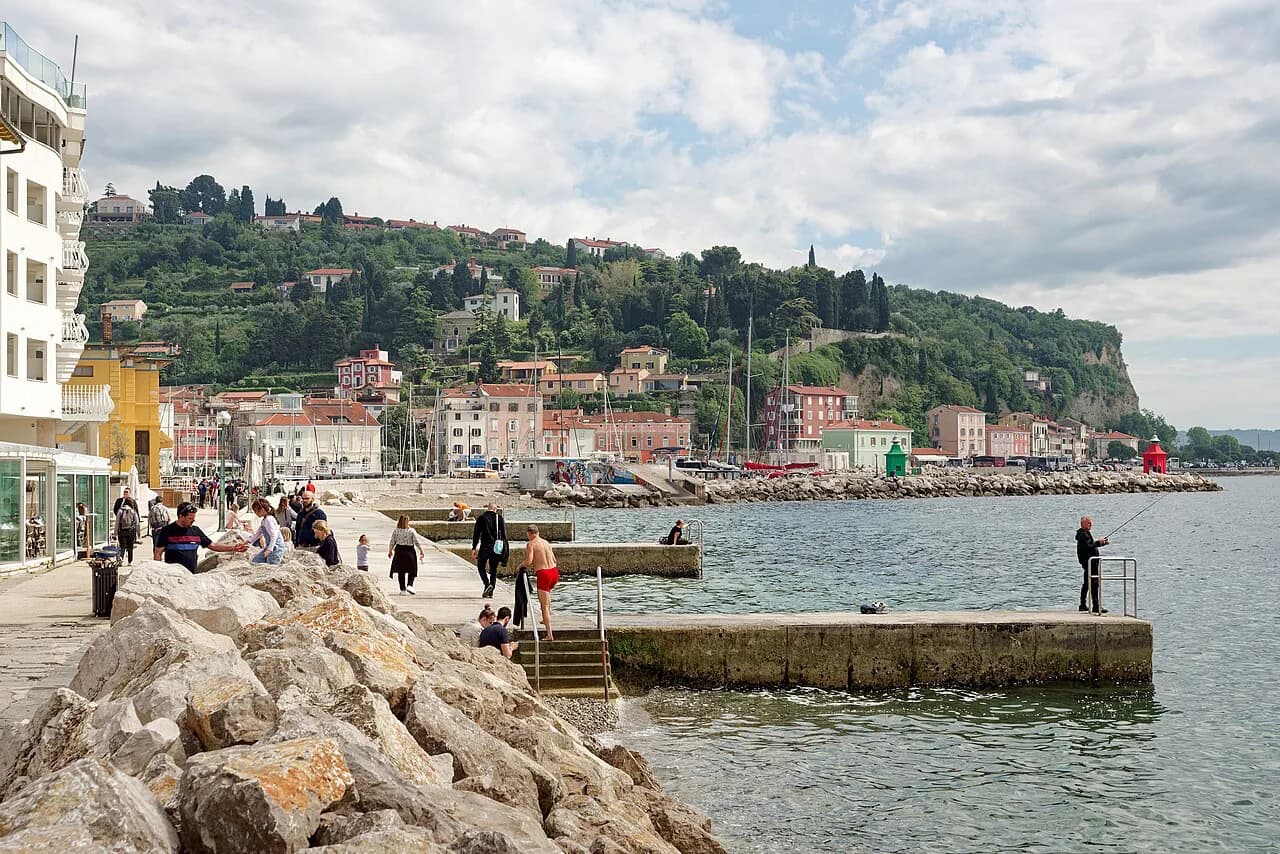
Piran has no sandy beach in town, but you can swim from the concrete platforms along the coastline and near the Punta Lighthouse, where locals sunbathe and swim. Fiesa Beach is about a 20-minute walk along the Fiesa footpath, and Pacug Beach is another 20 minutes beyond it for a quieter setting. Strunjan, within Strunjan Nature Park, is roughly a 10-minute drive or a 45-minute walk from Piran.
The water is the point rather than the sand: bring shoes that handle concrete and rock, and treat swimming as a fair-weather plan. Conditions change with the weather, so judge it on the day.
The Maritime Museum as the indoor option on a wet day
When rain settles in, the Maritime Museum is the indoor fallback, and it suits the town's seafaring identity better than a generic gallery stop. Pair it with the monastery cloister and a long lunch and a wet afternoon still works. Confirm current opening days before you build a day around it.
Piran on foot: the car-free center and how you arrive
Piran's center is car-free, and arrivals by road typically park outside and take the small shuttle bus into town, which drops you at Tartini Square. From Ljubljana the drive takes about 90 minutes on a well-kept highway.
That arrangement is the main practical constraint: you walk everywhere once you are in, so wear shoes that handle cobblestones and stairs, and plan the day around shade and water breaks in summer. If you are driving, sort out where you leave the car before you arrive rather than circling the edge of the old town.
How long does Piran need: a few hours vs an overnight
You can see the core of Piran in a few hours, which is why so many visitors come as a day trip and combine it with time elsewhere on the coast. Staying one night is the better call if you want the lanes and the waterfront in the quieter hours, when the day crowds thin out.
A sensible shape for a longer day is Tartini Square first, the old town lanes next, then the walls and the bell tower in the late afternoon light, finishing with dinner on the harbor. If you only have an afternoon, pick one climb: the walls for the look back at the peninsula, the tower for the view over the roofs.
When to come: summer crowds and the quieter shoulder season
Piran is a hotspot in summer, and out of season things wind down, with many restaurants and shops closing for the cooler winter months. September brought temperatures around 20°C with a coastal breeze that felt closer to 15°C, a reminder that the sea air changes what the number on the forecast means.
If you want the town at its easiest, aim for the shoulder months and go early or stay late in summer rather than arriving at midday. That also improves your odds on the exposed wall and tower climbs.
Beyond town: Sečovlje Salina Nature Park and Strunjan
Two extensions make Piran a half-day rather than an afternoon: the salt pans at Sečovlje Salina Nature Park and the cliffs and water at Strunjan Nature Park. Piran sea salt, reclaimed using a traditional method, is for many the local souvenir worth carrying home.
Closer in, Portorož and Izola are easy add-ons along the same short coast, and Koper continues the run of Venetian-influenced towns further north. If you would rather trade the coast for mountains and rivers, the things to do in Bovec make a very different day out. Choose one extension rather than stacking several, or you end up driving more than walking.
Eating in Piran: seafood, fresh pasta and square-side cafés
Most Piran restaurants specialize in fish and seafood, and the waterfront tables come with a view and a premium. Inland lanes and the square offer less scenic but often calmer rooms for the same cooking.
For pasta, Rosetlin rolls fresh dough in its window by day and fills up as the afternoon goes on, with spinach and cheese ravioli among the dishes worth ordering. Book or arrive early in high season, when the good tables go first.
Walls or bell tower: which climb to pick
If you climb one thing, take the city walls for the look back at the peninsula and the shape of the town, and allow an hour from the old town including the stairs. Pick the bell tower instead if you want the tighter, higher view over Tartini Square and the harbor; 146 steps gets you there, and the bells keep you honest about timing.
Build the day around walking, shade and a water stop, and let the lanes fill the gaps between the climbs. If rain sets in, swap the walls for the Maritime Museum and the monastery cloister and keep the harbor for dinner.
Explore more Piran guides
- Piran Boat Trips
- Piran Old Town
- Piran Restaurants
- Piran Salt
- The Piran Bell Tower at St. George's Church
- Churches in Piran
- Coffee in Piran
- Museums in Piran
- One Day in Piran
- Piran History
- Piran Map
- Piran Market
- Piran Parking
- Piran Swimming
- Piran Tours
- Piran Viewpoints
- Piran Walking Tour
- Shopping in Piran
Frequently Asked Questions
Do I need a car in Piran?
No. The center is car-free and compact, and everything in this guide is within walking distance of Tartini Square once you arrive. If you drive, you leave the car outside town and come in on foot or by the small shuttle that serves the center.
Can I visit Piran as a day trip from Ljubljana?
Yes. The drive from Ljubljana takes about 90 minutes on a well-kept highway, which makes a few hours in town feasible. Staying a night gives you the lanes and waterfront after the day visitors leave.
Sources
Notes for your Slovenia trip
Optional updates to our Slovenia place guides.
You might also like
Continue reading
More guides you'll find useful