Things to Do in Koper, Slovenia: Old Town, Squares and Coast
Plan a day in Koper around its main square, cathedral, palaces and old-town lanes, with practical notes on cruise-port timing and what lies within reach.
On this page
Spend your time in Koper on foot in the compact core: the main square with its palaces and cathedral, the lanes around Čevljarska ulica, and the waterfront just beyond. Half a day covers the center at an unhurried pace, and a full day adds either a longer museum stop or a short run along the coast. This guide breaks the town into walkable pieces, then frames the side trips so you can decide what to cut.
Koper sits on Slovenia's short Adriatic coast, and the tourism board describes it as a historic coastal town and the country's maritime window to the world. Trieste and Ljubljana both appear as origins for organized excursions, and tours from Koper also run to Postojna Cave, Predjama Castle and Lake Bled. That range is the real planning problem: the old town rewards slow walking, while the headline sights elsewhere eat the day.
What to see in Koper's old town in a few hours
Treat the center as one loop rather than a checklist. Start at the main square, walk the lanes behind it, and finish at the water so you are never retracing steps. The palaces on the main square date to the 15th century, and the cathedral is older still, built in the second half of the 12th century, with bells cast in 1333.
Three to four hours is enough for the square, the cathedral exterior, and a wander through the lanes with a coffee stop. Add time if you want to go inside churches or a museum. Group the indoor stops together so a spell of rain does not send you back and forth across the center.
Cruise passengers should decide early whether the old town is the whole day or the first half of it. A walking loop of the core is short enough that a port call can also absorb a coastal stop, but squeezing in Postojna Cave and Predjama Castle leaves little room for Koper itself. Shore excursion listings for the port show those cave-and-castle trips and Lake Bled trips offered alongside old-town time, so the trade-off is real, not theoretical.
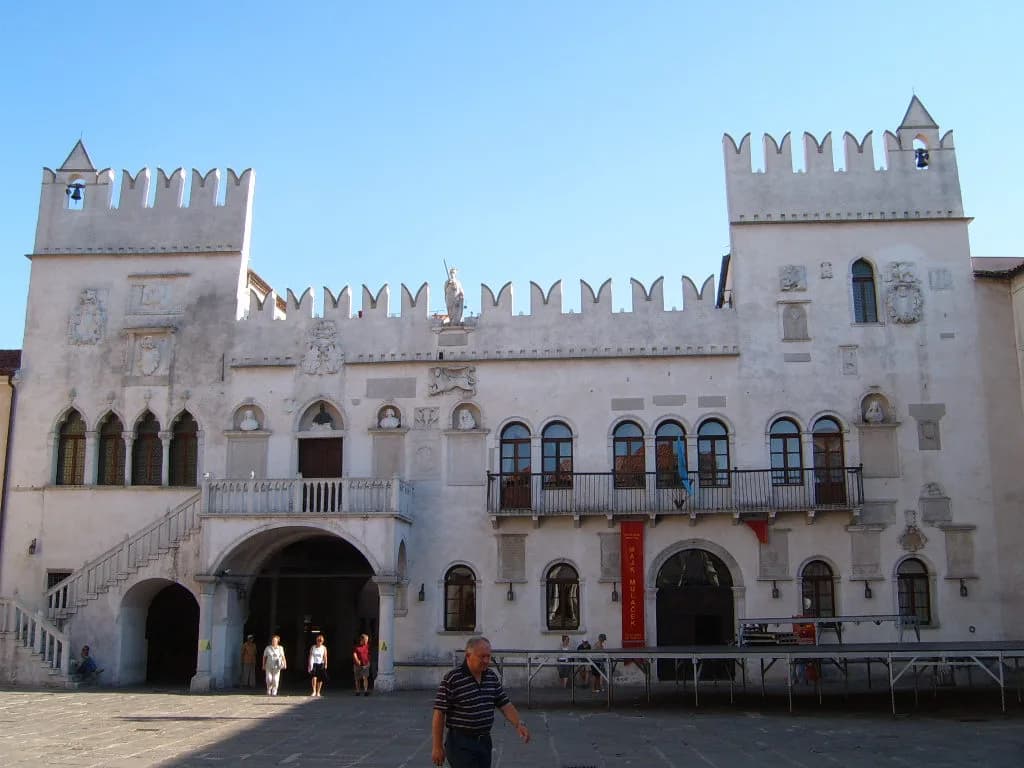
Titov trg and the main square: the palaces and the cathedral
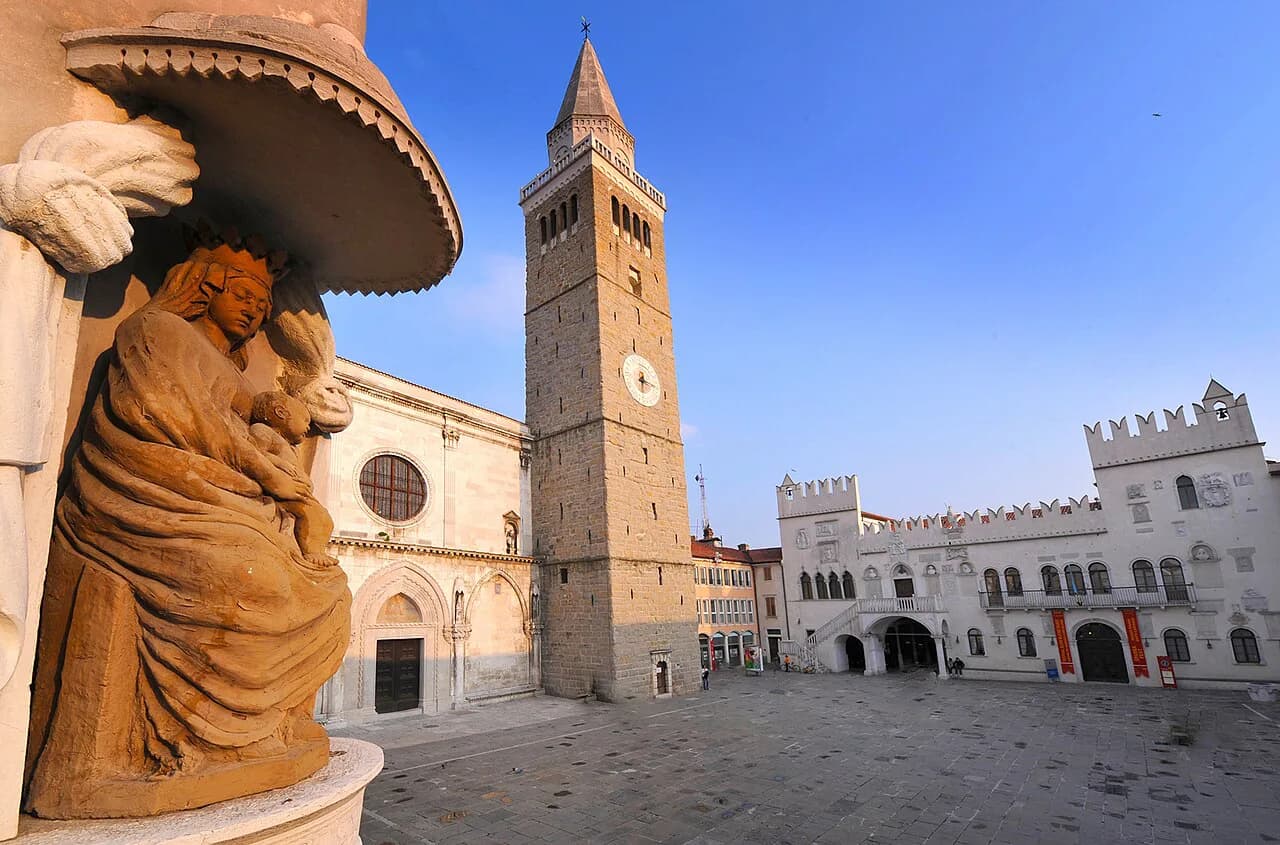
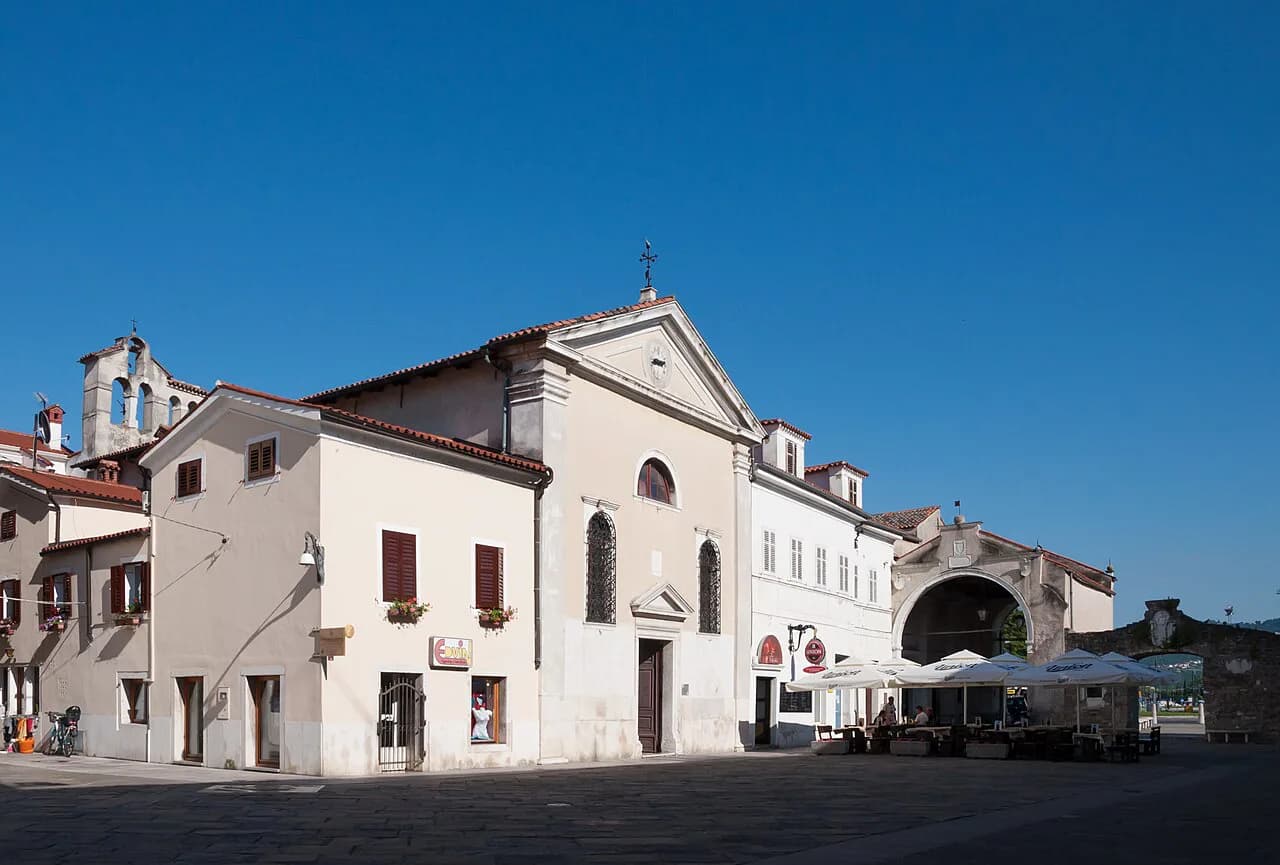
Koper Old Town centers on Titov trg, the anchor of any visit and the easiest place to orient yourself. Stand at the square's edge and read the facades: the palaces around it are the 15th-century layer of the town, while the cathedral behind them reaches further back. The square is small enough to cross in a couple of minutes, which makes it a natural meeting point before or after the lanes.
The cathedral repays a closer look at the exterior even if you skip going in. The building dates from the second half of the 12th century, and its bells, cast in 1333, are described as the oldest in the country. That single detail gives the facade more weight than a quick photo stop suggests.
If you want the square's buildings explained street by street rather than admired from a café table, a guided walk pays off here more than anywhere else in town. The alternative is to read up before you go and use the square as your starting pin. Either way, arrive before the middle of the day, when the square fills with groups moving between the port and the lanes.
Čevljarska ulica and the old-town lanes on foot
Čevljarska ulica is the lane to build a wander around. It appears in traveler accounts as the core of an old-town stroll, and it sits close enough to the main square that you can drift into it without a map. Walk it slowly, look up at the facades, and let the side alleys pull you off course.
The lanes are where Koper feels lived-in rather than staged. Shops, doorways and small squares open off the main drag, and the whole district is compact enough that getting mildly lost costs you ten minutes, not an afternoon. Keep the sea on one side as a rough compass and you will always find your way back.
For a structured hour rather than a drift, a self-guided route through the lanes pairs well with the square. Pick two or three named stops and let everything else be a bonus. That approach suits travelers who want the texture of the old town without committing to a fixed tour slot.
Koper's waterfront and marina
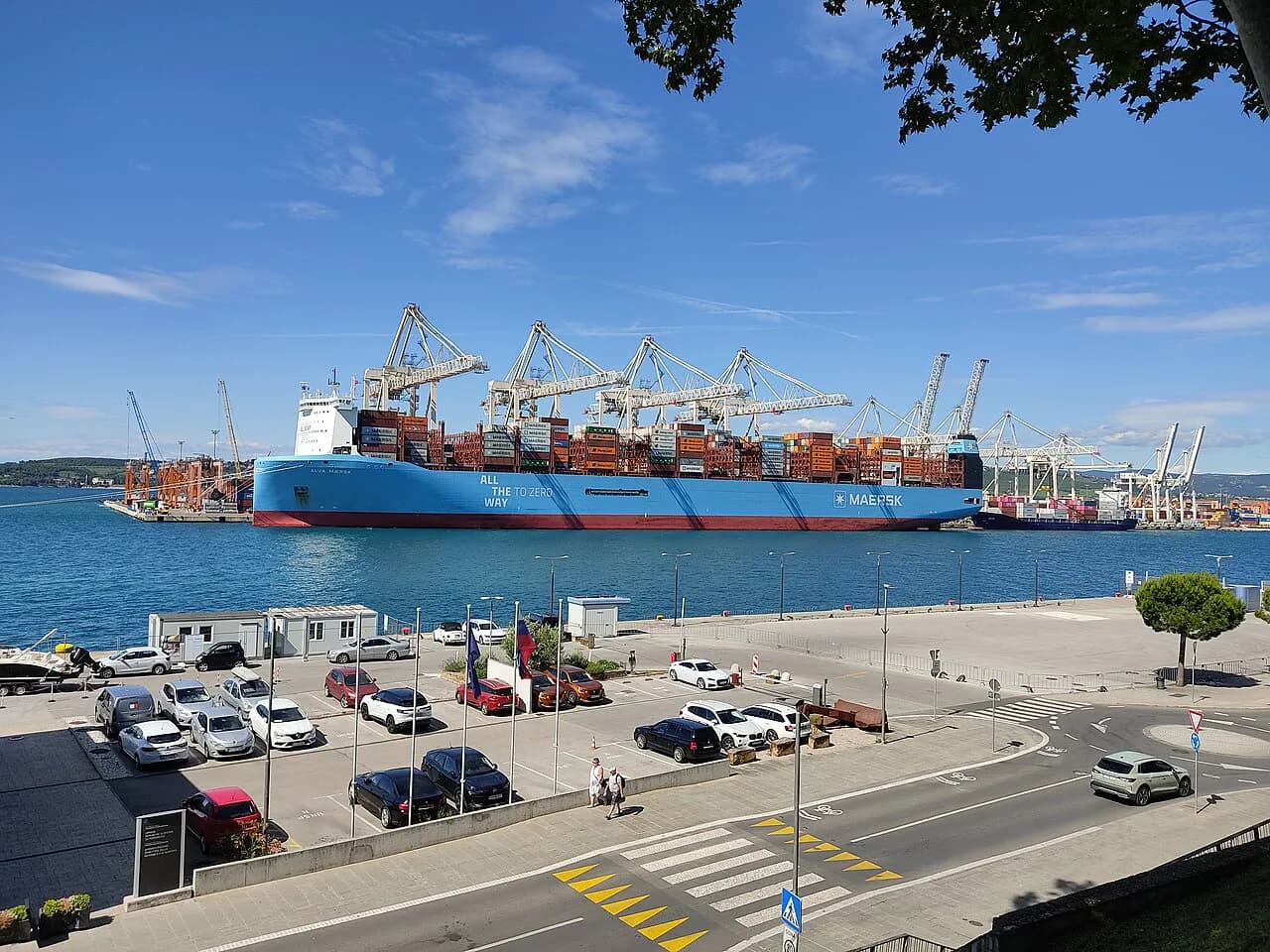
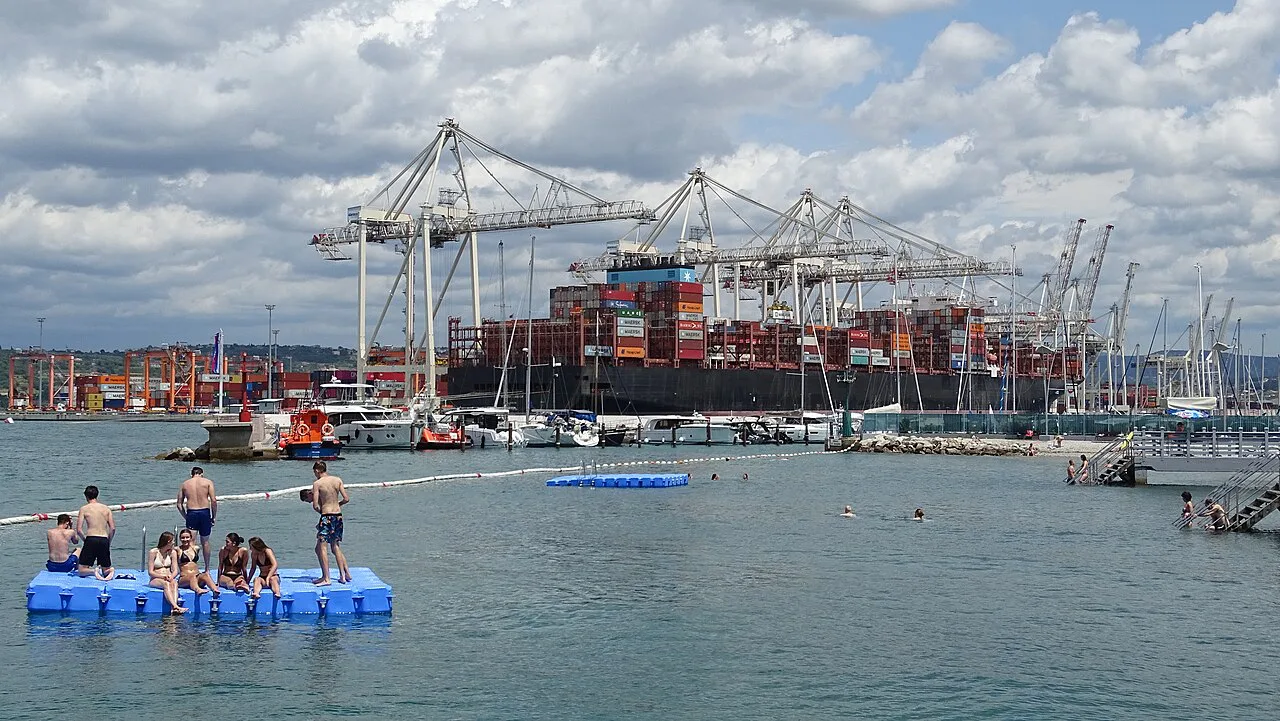
The waterfront is a short walk from the lanes and closes the loop nicely. Come out of the old town, cross toward the water, and walk the edge of the marina before turning back. This is the part of Koper that connects the historic core to its working port identity.
Cruise passengers have the port as their front door, which makes the waterfront the first and last thing they see. Use that: walk the marina on arrival to get your bearings, then dive into the lanes. On the way back, leave a buffer for the walk to the ship rather than cutting it fine.
The waterfront is also the natural place to end a hot afternoon. Rather than doubling back through the center, finish here and pick your route out from the marina side. It keeps the old-town loop clean and gives you one last look at the water before you leave.
How Koper is laid out
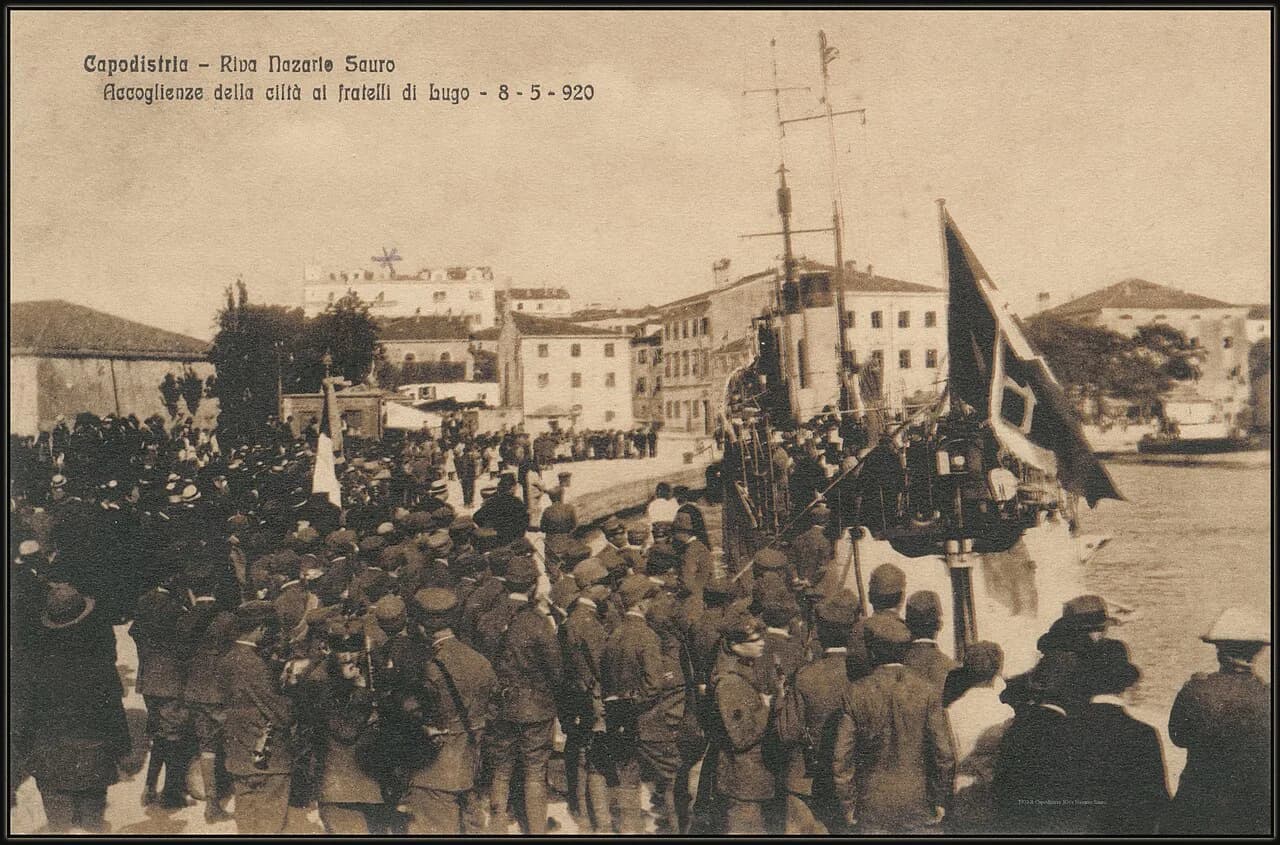
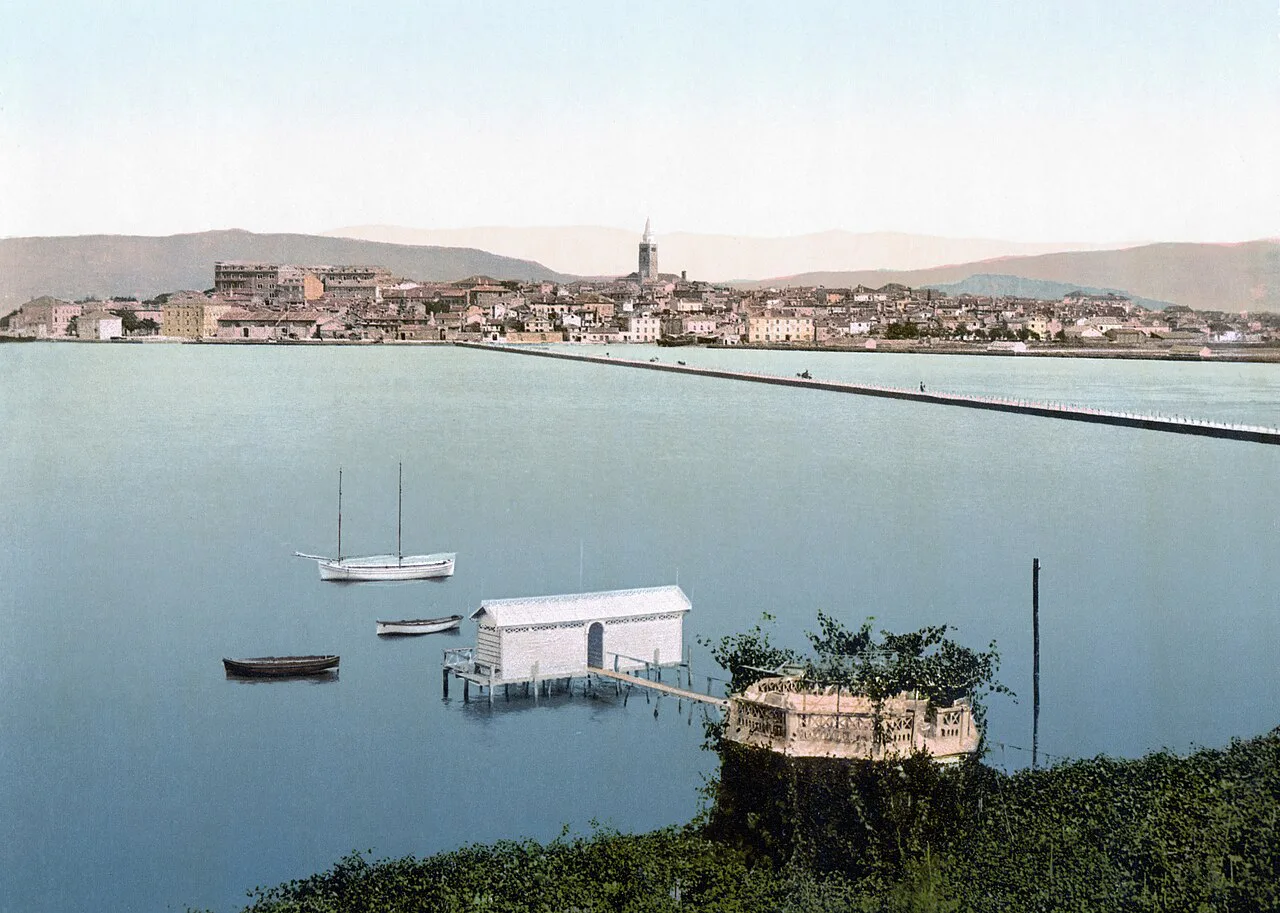
Koper began as a Roman settlement on what was then an island, later reconnected to the coast through reclaimed land. That origin explains the shape of the center: a tight historic core with the water close on one side and later growth pushing inland. Once you know the sea edge, the rest of the layout falls into place.
In practice there are three zones to hold in your head. Titov trg and the palaces form the civic heart, Čevljarska ulica and the surrounding lanes make up the residential and shopping core, and the marina and waterfront sit just beyond. The distances between them are minutes, not kilometers.
Because the center is so compact, your route matters more than your pace. Choose a direction and stick to it: square first, lanes second, water last. That order keeps the sun behind you on a bright afternoon and puts you near the port or the bus and train stations at the end.
Timing and crowds
Koper's rhythm follows the ships and the day-trippers. When a cruise ship is in, the main square and the lanes fill quickly and then empty again. Time your cathedral and square visit for a quieter window, and save the lanes for when groups have moved on.
A practical plan for a port day is to cover the old town in the morning, eat, and then choose between the waterfront and a short coastal hop. Attempting Postojna Cave, Predjama Castle and Koper in one call is a scheduling exercise rather than a relaxed day. Organized trips from Koper exist for the caves and for Lake Bled, which tells you how much of the day they consume.
If you are staying overnight rather than arriving by ship, reverse the logic. Do the lanes in the late afternoon when the light softens and the square is calmer, and use the morning for a museum or a coastal trip. The town rewards the hours when groups are absent.
Getting around on foot
Everything in the center is walkable, and walking is the only sensible way to see it. The square, the cathedral, Čevljarska ulica and the marina sit within a few minutes of each other. Wear shoes that handle polished stone, which gets slick in the lanes after rain.
For the coast beyond town, the question is whether to move by road or by water. Travelers commonly weigh Koper against Piran, and the two work best as separate halves of a day rather than a rushed double. Decide which one gets your unhurried hours before you set out.
Izola and Strunjan sit along the same stretch of coast and appear among the stops on organized coastal tours that also include Koper and Piran. Doing all of them in one day means a lot of time in transit. If you have one free afternoon, pick a single coastal stop and give it your attention.
Food and drink stops in the old town
Food in Koper leans on its Istrian setting: seafood, olive oil and the wider Slovenian Istria pantry. Build a meal around the lanes rather than the waterfront strip, where cruise traffic concentrates. A long lunch in the old town is a reasonable use of a port day if the alternative is a rushed side trip.
Addresses cluster on and around Čevljarska ulica, including Čevljarska ulica 9, and along Pristaniška ulica near the water at number 2 and number 3. Use those streets as your search zone rather than hunting across the whole town. Booking ahead matters most at dinner in season.
For a short stop, a bakery or a café in the lanes beats a sit-down meal and keeps your walking time intact. If food is the point of the visit, plan the day around one good lunch and let the sights fit around it.
Day trips from Koper: Postojna Cave, Predjama Castle and Lake Bled
The big-name trips out of Koper are Postojna Cave with Predjama Castle, and Lake Bled. Both appear as day excursions departing from Koper, and each swallows most of a day with transport. Choose one, not both, if Koper itself is also on your list.
The cave-and-castle combination pairs an underground train ride with a castle, while the Bled trip heads north into the Alps. They pull in opposite directions geographically, so the decision is about which landscape you want rather than which is better. Neither leaves much room for the old town on the same day.
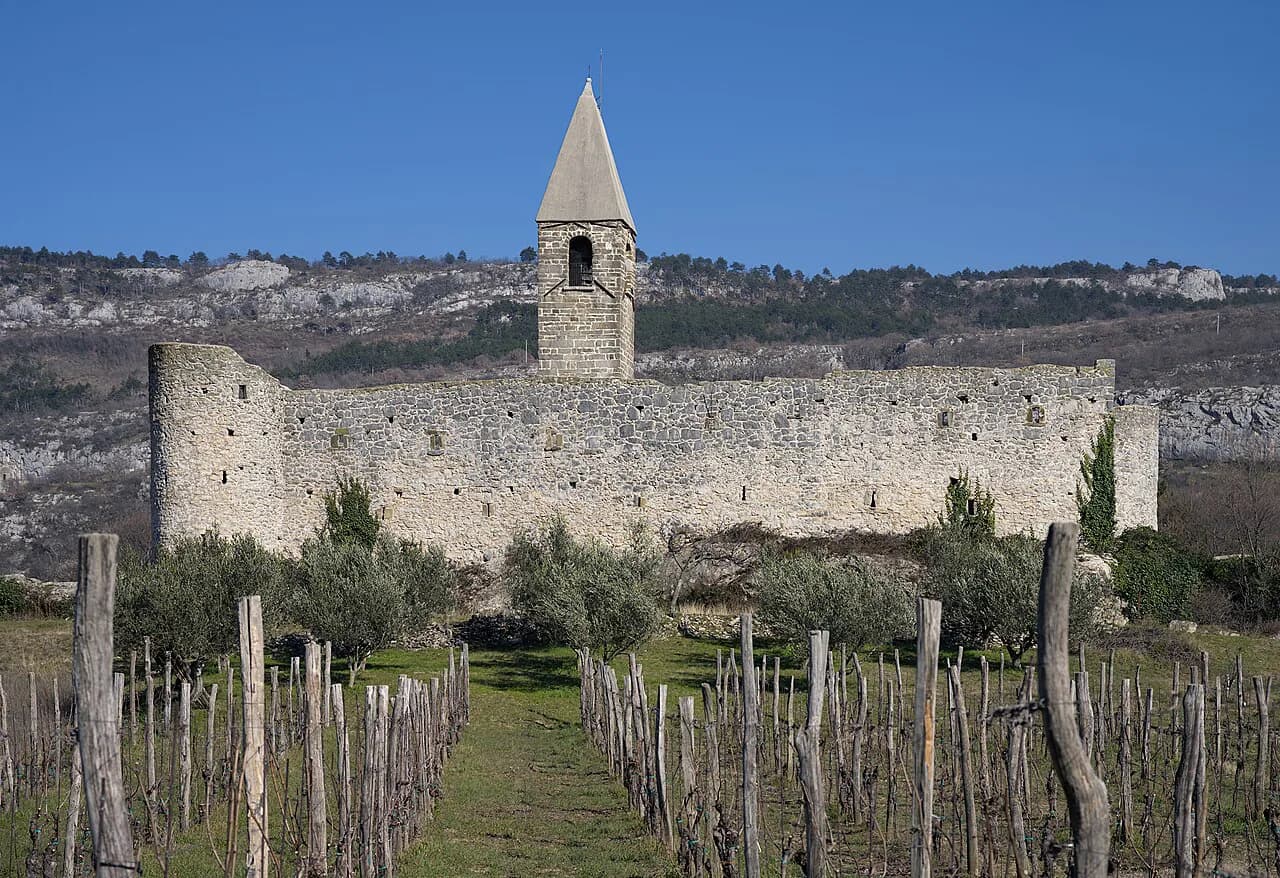
Closer to hand, churches in the surrounding area make a half-day contrast to the coast. The Church of the Holy Trinity at Hrastovlje is the one most often paired with a Koper visit, and it suits travelers who would rather see one small interior than spend hours on a bus.
If you are based inland and weighing where to spend a day, the Soča valley is a different trip entirely, with its own logistics and its own reasons to go. Koper and the coast work as a compact pair; the mountains need their own day. For the alpine half of that choice, see the things to do in Bovec, where the river and valley options begin.
Museums and churches worth an hour
Indoor stops in Koper are small and best treated as one addition rather than a whole afternoon. A regional museum and the town's churches give context to the square and the lanes when you want more than facades. Pick one, see it properly, and move on.
Church interiors are where the medieval layer of Koper is easiest to read, and they sit close enough to the square to slot into a walk. Check what is open on the day you visit before building a route around one building. Opening arrangements change with the season, so confirm before you commit.
If your interest runs to the town's longer story, the cathedral's dedication to St. Nazarius and the Venetian centuries are the threads to follow. Read up before you walk, then use the square as the place to connect what you have read to what you see.
Which half of the day do you give to Koper?
Give the old town your first hours: Titov trg, the cathedral, Čevljarska ulica and the marina make a coherent morning on foot. Then decide whether the afternoon belongs to the coast at Piran or Izola, or to one big excursion. Trying to hold both is how a port day turns into a bus ride.
Overnight visitors can spread the same ground over two half-days and add a museum or a church without rushing. Either way, confirm the day's opening arrangements before you set out, then let the compact center do the rest of the work.
Explore more Koper guides
Frequently Asked Questions
Can you see Koper's old town in a few hours?
Yes. The main square, the cathedral exterior, the lanes around Čevljarska ulica and the marina sit within minutes of each other, so three to four hours covers the core at a relaxed pace. Add time if you want to go inside a church or a museum.
Is Koper a good port day for cruise passengers?
It works well if you stay in town. The old town is compact and the waterfront is close, so a walking loop fits between arrival and departure. The cave-and-castle and Lake Bled excursions leave little room for Koper itself, so choose one approach rather than both.
What is there to do near Koper without a long transfer?
Look at the coast first. Piran, Izola and Strunjan sit along the same stretch and appear on organized coastal tours, and the Church of the Holy Trinity at Hrastovlje makes a short inland contrast. Each is a half-day rather than a quick stop.
Sources
Notes for your Slovenia trip
Optional updates to our Slovenia place guides.
You might also like
Continue reading
More guides you'll find useful