Soča Valley Guide: Bovec, Kobarid, Tolmin and the Emerald River
Plan the Soča Valley by town and by river: what Bovec, Kobarid and Tolmin each give you, which gorges and waterfalls to add, and how to link them by car or bus.
On this page
Plan the Soča Valley in three pieces: Bovec for activity and access to the Trenta Valley, Kobarid for the Kozjak waterfall and the World War I museum, and Tolmin with Most na Soči at the lower end. The Soča River runs through all of them, so the towns, not the sights, are what you use to decide where to sleep and what to reach each day. This guide covers each anchor, the gorges and waterfalls worth a day, the quieter water at the Nadiža and the Most na Soči lake, and how to link the valley by car, train and shuttle.
Distances between the anchors are short by car but awkward without one, so the order you visit in matters more than the total time in the valley. Trains reach the lower valley at Most na Soči, which makes a car-free start possible, while Bovec and Trenta sit at the upper end on the road over the Vršič pass.
What the Soča Valley is and how the river organizes the trip
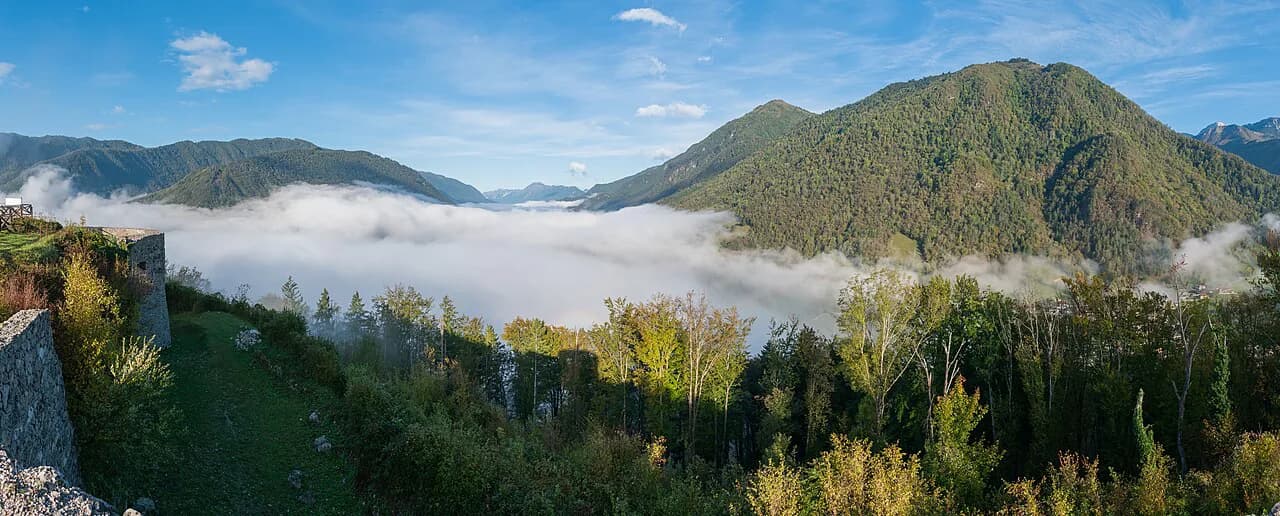
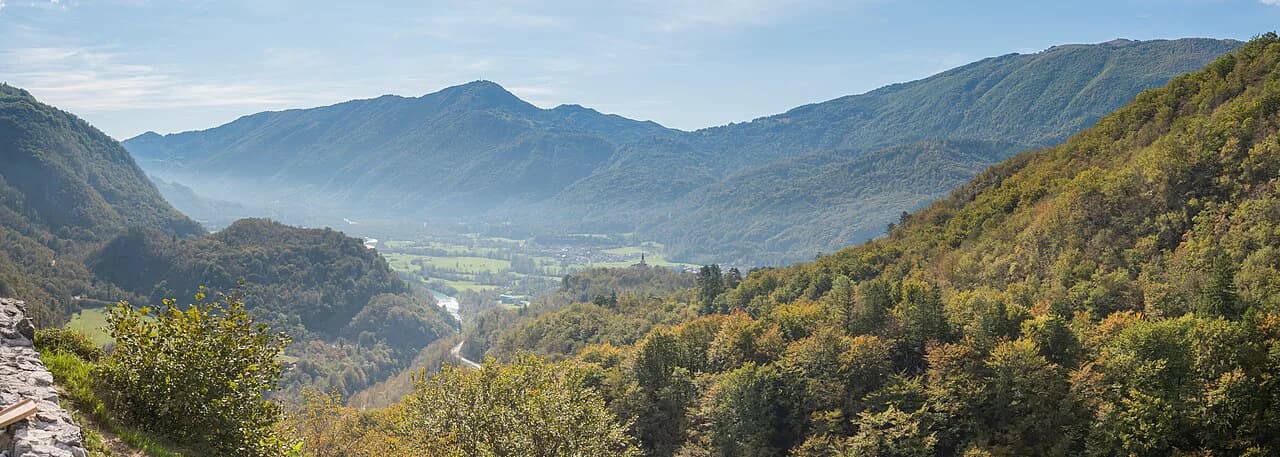
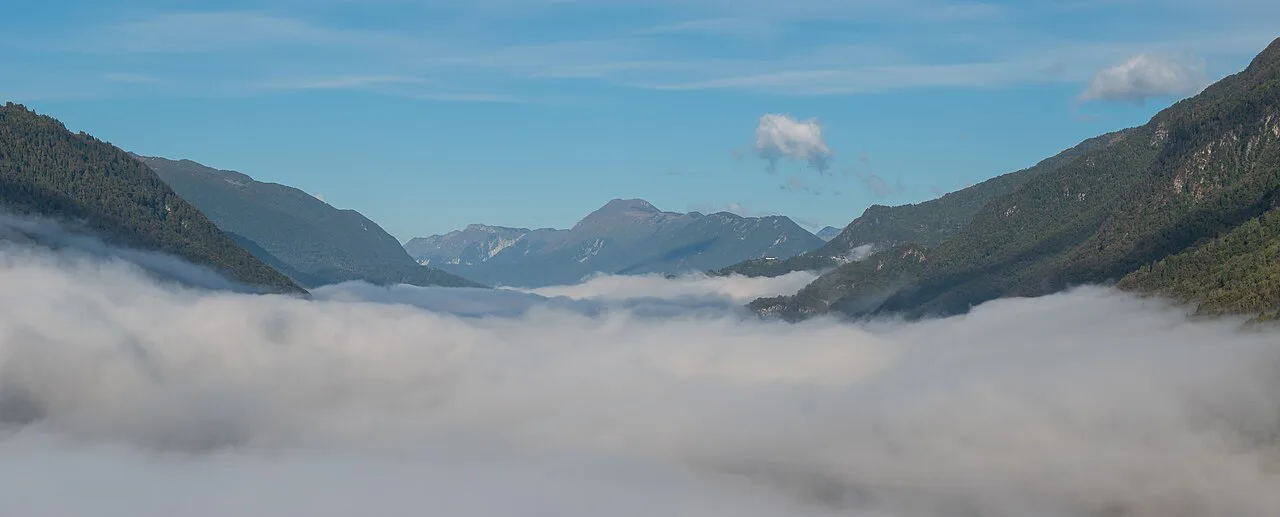
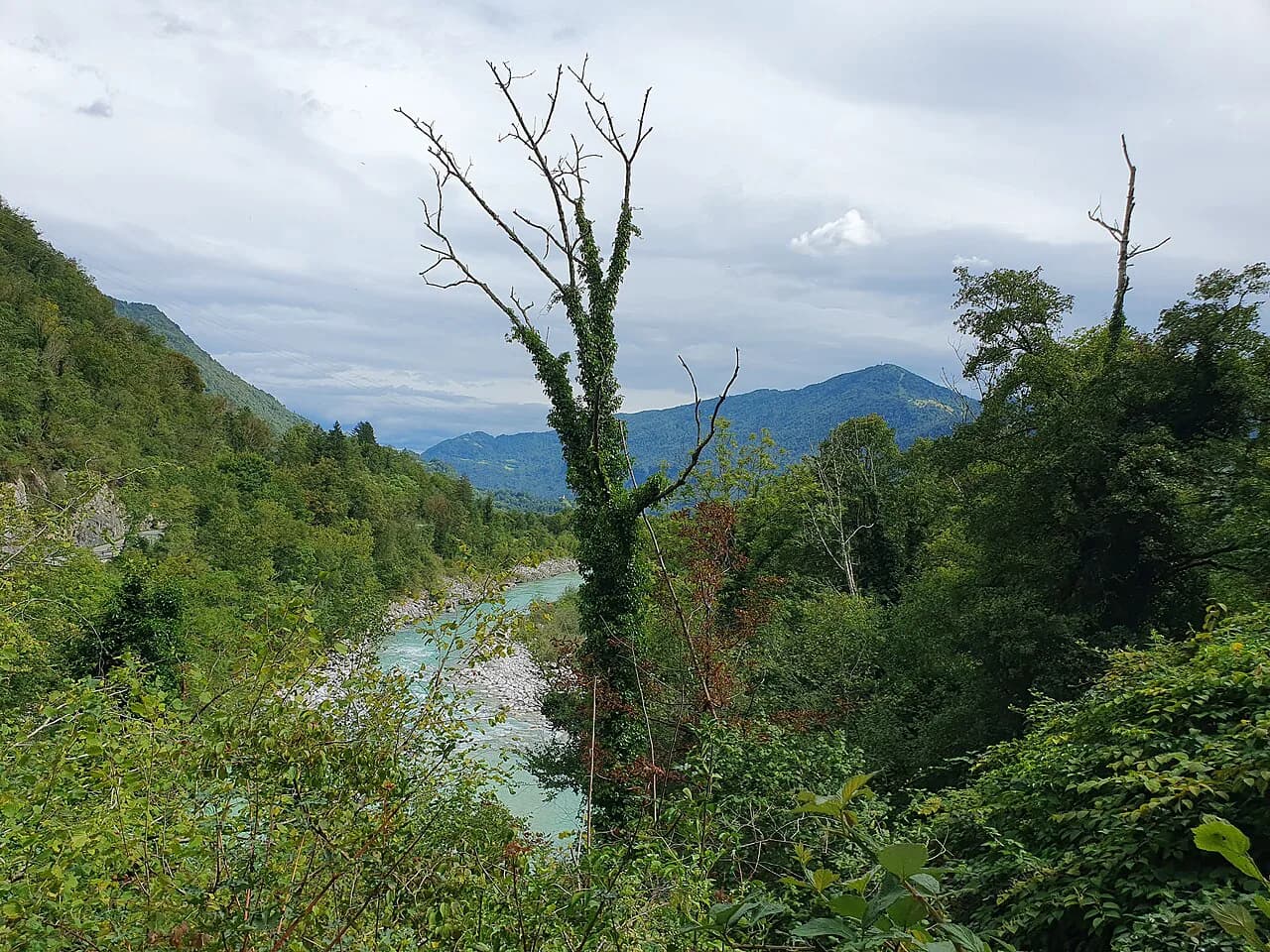
The valley is an alpine river corridor around Bovec in northwest Slovenia, with the Soča as its emerald thread from the Trenta Valley down through Kobarid and Tolmin. The river leaves an unavoidable mark on the valley, the towns along it and the people who live there, which is why most itineraries are simply a list of places on the water.
Treat the river as your map. Sights cluster in three bands: the upper valley around Bovec and Trenta, the middle around Kobarid with its waterfall and museum, and the lower end at Tolmin and Most na Soči. Pick one band per day and the driving collapses to short hops.
The climate mixes sub-Mediterranean, Alpine and continental influences, with warm summers and mild winters compared with the rest of the Alps. Snow in the Kanin range mostly falls between November and March, so the upper valley looks very different outside summer.
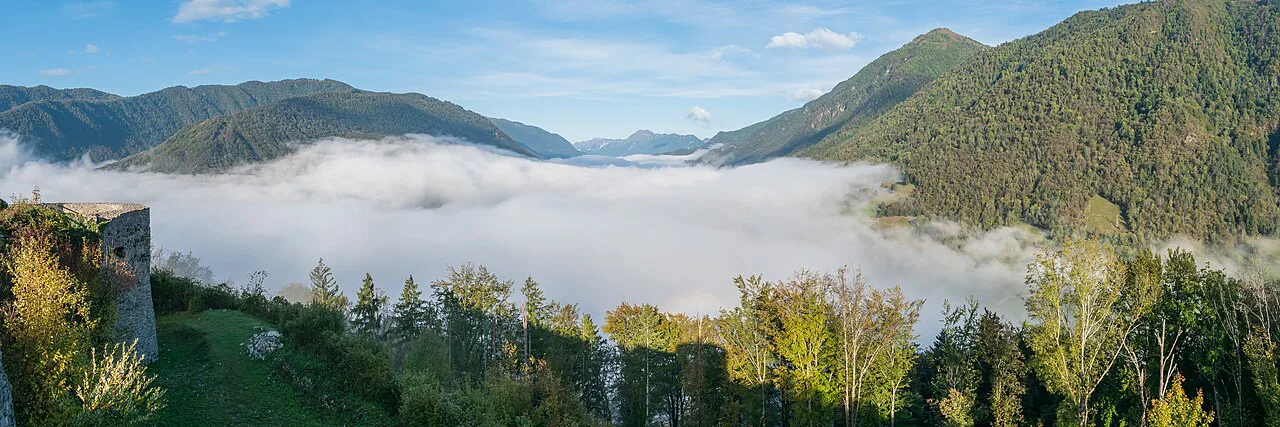
The valley's three anchors: Bovec, Kobarid and Tolmin
Bovec is the small town filled with adventures and adrenaline, with Kanin rising above it and the Trenta Valley just beyond. Kobarid sits slightly down the river and is known for cuisine and a large World War I museum. Tolmin, further down again, has a festival atmosphere in summer at the confluence of the Soča and Tolminka.
For a two-night stay, Bovec saves the most driving if you want water activities and the upper gorges. Kobarid suits travelers who want the museum and a cave waterfall a short walk from the parking lot outside town. Tolmin and Most na Soči fit a train arrival or a first or last night on the way in from Nova Gorica.
Whichever you choose, you can reach the other two in under an hour by car on the valley road, so the base mainly decides your evenings and how early you reach the water.
Bovec: the activity base under Kanin and the gateway to Trenta
Bovec functions as the valley's adventure hub: rafting, kayaking, canyoning and hydrospeeding on the Soča all launch from around here, and the hills above the valley give paragliders the conditions they come from around the world for. There is also a sports airport near town, right next to the river.
The Kanin range above Bovec is where the 3 km zip line crosses the Krnica Valley, with views over the Bovec Basin and peaks above 2,000 meters from roughly 200 m above the ground. Book through an operator and confirm the current season and weight limits directly, since mountain activities here run on weather and season.
From Bovec, the road climbs into the Trenta Valley, the quiet upper stretch that leads toward the Vršič pass. Base here if you want both the water and the high mountain scenery without long transfers.
The Trenta Valley and the Soča Trail through Triglav National Park
The Soča Trail runs through Triglav National Park with the river as its emerald thread, passing the valley's natural features and cultural heritage along the way. It is the obvious way to see the upper valley on foot rather than through a car window, and the national park publishes the route.
Plan a one-way walk and arrange a pickup or a return by shuttle, because the trail follows the river rather than looping back to your start. Local operators advertise shuttle and luggage transfers in the valley, which solves the logistics if you are based in Bovec or Tolmin.
Long-distance routes such as the Alpe Adria and Juliana trails also cross the valley, so you will share the path with through-hikers. Keep your day short and specific rather than treating the valley as a trekking stage.
Kobarid: the Kozjak waterfall and the World War I museum
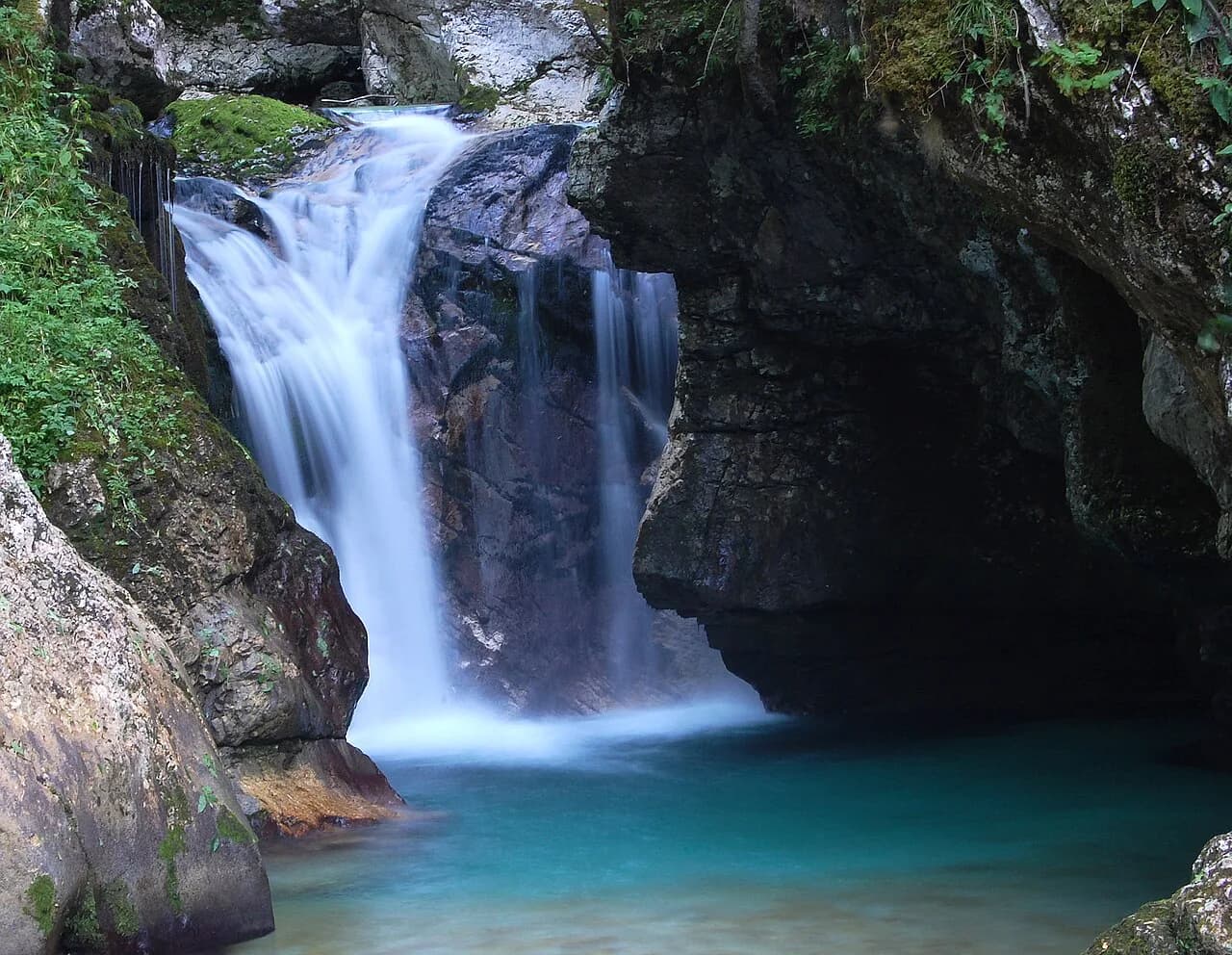
Kobarid pairs a World War I museum with a waterfall a short walk away. The Kozjak waterfall sits in a cave reached by a simple walkway along the water, about a ten-minute walk from the parking lot outside town.
The museum in Kobarid is devoted to World War I, and the town is the right place to put the Soča Front in context before you look at the landscape differently. Check the museum's own site for current hours and admission before you build a day around it.
With a car, Kobarid also works as a lunch stop between Bovec and Tolmin. Without one, it is the most walkable of the three anchors for a short stay.
Tolmin and Most na Soči at the valley's lower end
Tolmin anchors the lower valley, and its summer reputation comes from music festivals held at the confluence of the Soča and Tolminka. The town itself is a practical stop with the river running through it.
Most na Soči, just up the valley, has a lake on the Soča where you can walk the banks. It is also the valley's railhead, so arriving by train puts you in the lower valley without a car.
Waterfalls and gorges worth building a day around: Boka, Kozjak and the Great Soča Gorge
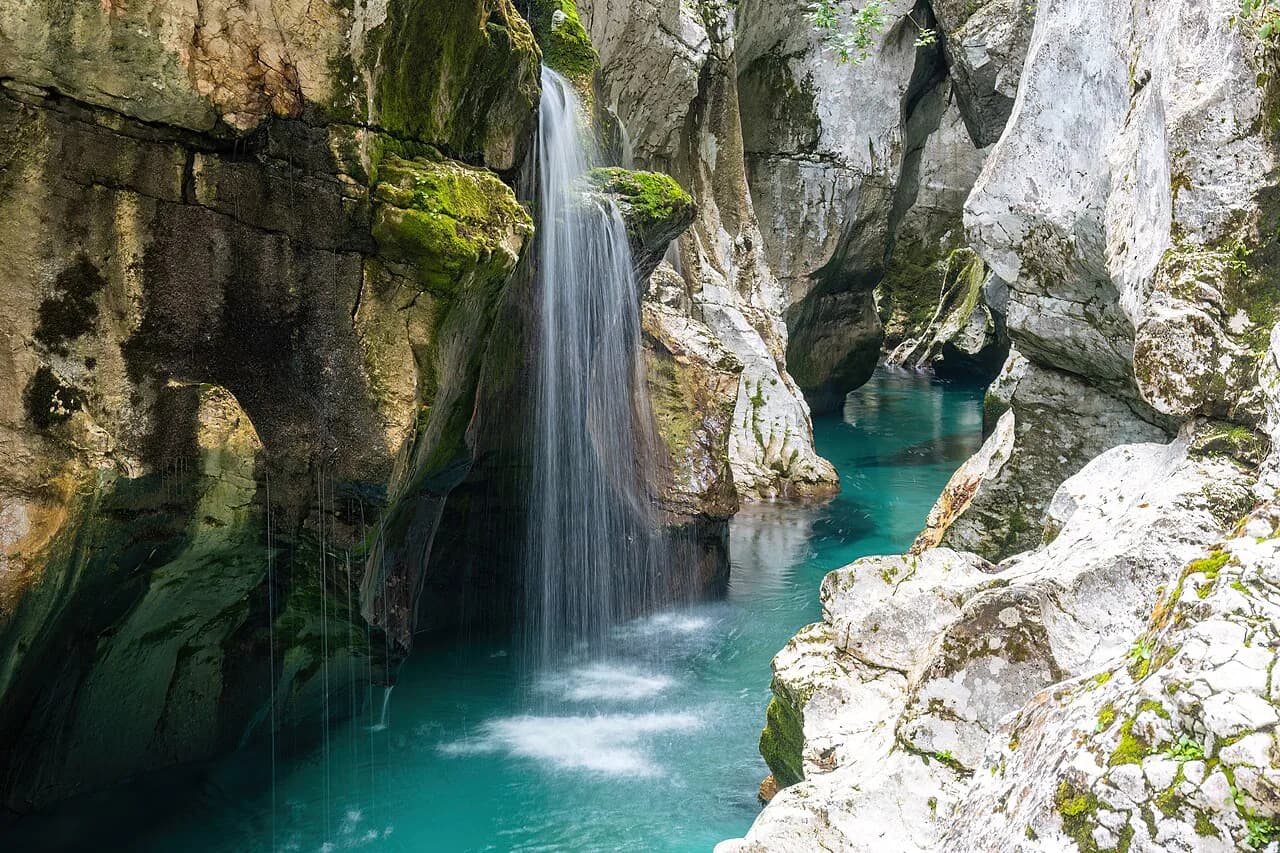
Three water sights carry most of the valley's day-tripping. The Boka waterfall is visible from the road and also has a viewpoint reached on foot in about 15 minutes. Kozjak is the cave waterfall outside Kobarid. The Great Soča Gorge, between Bovec and Trenta, is the classic place to see the river's color close up.
The Great Soča Gorge rewards timing: after rain the water runs high and the color is at its brightest, so check conditions the morning you go rather than locking it into a fixed day.
If you only have one day for water, do Boka and the Great Soča Gorge from Bovec and add Kozjak on the drive down to Kobarid. Arrive early and treat each stop as a short visit, not a half day.
The Kolovrat open-air museum on the Italian border
Kolovrat is an open-air museum on the border between Italy and Slovenia, reached by a drive into the mountains above the valley. It is dedicated to World War I, and you can still walk through the old trenches, with Italy visible below.
It pairs naturally with the Kobarid museum, since both are about the same front. Allow for the climb and check the weather before you drive up, because the view is the point.
Water in the valley: the Soča, the warmer Nadiža and the Most na Soči lake
The Soča is cold even in summer, and the valley has a ready alternative. If you like swimming, the Nadiža is warmer than the Soča and is the river the valley points swimmers toward when the Soča is too bracing.
The Soča and its tributaries, including the Idrijca, hold the native Soča trout and draw fly fishers. Fly fishing is popular here, so arrange a trip through an operator rather than turning up with a rod.
Still water is limited to the lake at Most na Soči, which is best for a bank walk rather than a swim stop. For the river's color in photographs, head to the side valleys and gorges, where the water pools.
On the water and in the air: rafting, kayaking, canyoning, the Kanin zip line and paragliding
Water activities in the Soča Valley center on kayaking, rafting, canyoning and hydrospeeding, all run by local operators with guides and gear. These are weather-dependent and release-dependent, so the routine is to book a day ahead and accept that rain can cancel or reschedule.
In the air, the hills above the valley give paragliders strong conditions, with tandem flights offered as an option. The Kanin zip line above Krnica Valley is the other big draw, and both depend on wind and visibility.
If your group is mixed, split the day: send the adrenaline-seekers on the water and take the rest to a gorge, a waterfall or the lake. The valley is compact enough that you can regroup for dinner in the same town.
Getting there and getting around: car, train to Most na Soči and shuttles
Trains reach Most na Soči, which puts you at the lower end of the valley and the lake without needing a car. From there, local operators offer shuttle and luggage transfers, which is how you reach Bovec, Kobarid and trailheads if you are not driving.
By car, the valley is one road from Tolmin up through Kobarid to Bovec and on into Trenta, with the Vršič pass at the top. Come in from Nova Gorica for the lower valley, or over the pass from Kranjska Gora for the upper end.
Parking is the practical limit on a summer day, so build in an early start for the roadside water stops. If you are using shuttles, confirm the pickup point with the operator the day before.
How much time the valley needs and how to split it between towns
Three nights is the sensible minimum: one each for Bovec and the upper valley, Kobarid and its waterfall and museum, and Tolmin with Most na Soči. Two nights works if you pick one band and skip the rest.
A sample split: Day one arrive in Bovec, walk or drive to the Great Soča Gorge and the Boka viewpoint. Day two do a water activity or the Soča Trail, then move down to Kobarid. Day three visit the Kozjak waterfall and the museum, then finish at Tolmin or Most na Soči for the train.
If you have more time, add a side valley or the Lepena Valley and save Kolovrat for a clear day. The valley rewards fewer stops done well over a long list of drive-bys.
Is the Soča Valley a river trip or a town trip?
It is both, but the towns make the plan. Pick Bovec for action, Kobarid for the waterfall and museum, and Tolmin or Most na Soči for the lower valley and the train. Then slot the gorges and waterfalls into the days between them.
Come with a car or a shuttle plan, start early for the roadside water stops, and accept that rain changes the schedule. That is how the Soča Valley works: the river decides the weather and you decide the towns.
Explore more Soča Valley guides
Frequently Asked Questions
Do I need a car to see the Soča Valley?
Not necessarily, but it helps. Trains reach Most na Soči at the lower end, and local operators offer shuttle and luggage transfers, which cover Bovec, Kobarid and trailheads. Without a car you will move more slowly between the three anchors, so plan on one band per day.
Which town is best for a first stay in the Soča Valley?
Bovec suits travelers who want water activities and access to the upper gorges and Trenta. Kobarid is best if the Kozjak waterfall and the World War I museum matter most and you want a walkable town. Tolmin and Most na Soči work for the lower valley and for arriving by train.
Is the Soča river warm enough to swim?
It is cold even in summer. If you like swimming, the Nadiža is warmer than the Soča and is the usual alternative. If you plan to be in the water, a guided rafting or canyoning trip gives you the river experience with gear.
Why is the Soča river so blue?
The valley's sources describe the emerald-green water and its pooled color in the gorges and tributaries without giving a single cause. For the brightest color, the advice is to go after rain, when the water runs high, and to visit the gorges between Bovec and Trenta.
Sources
Notes for your Slovenia trip
Optional updates to our Slovenia place guides.
You might also like
Continue reading
More guides you'll find useful