
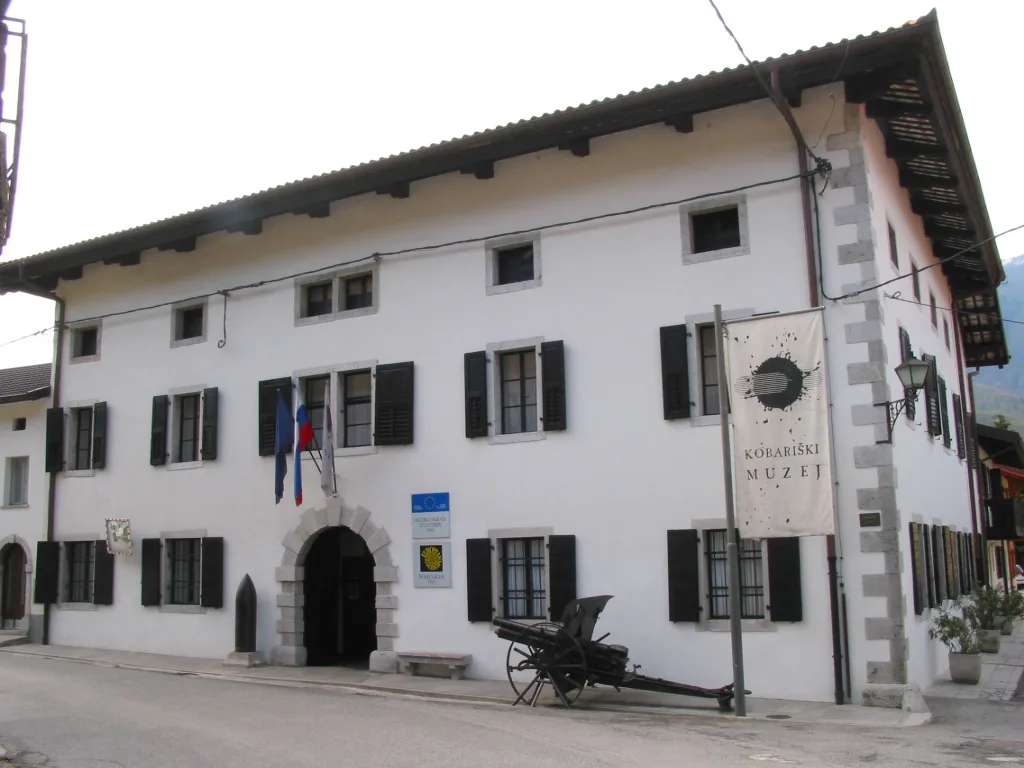
Kobarid Museum (Kobariški muzej): A Visitor's Guide

The Kobarid Museum (Kobariški muzej) is the place to go in the Soča Valley for a clear account of the Isonzo Front and the Caporetto breakthrough. Its permanent exhibition uses maps, photographs, diaries and relief models to follow the fighting in the mountains around Kobarid. This guide covers where the museum is, the seasonal opening hours, what each room holds, how much time to allow, and how the museum fits with the outdoor sites it also runs.
The museum sits on Gregorčičeva ulica in the center of Kobarid, within walking distance of the town's main square and the church. If you are coming from Bovec, Tolmin or Nova Gorica, the museum is easy to include in a half day in town. Visitors who want the full picture can pair the indoor exhibition with the Kobarid Historical Trail, which the museum also coordinates.
What the Kobarid Museum covers
The museum describes the events of World War I on the Soča Front, known in Italian as the Isonzo Front, and the 12th battle, the Caporetto breakthrough. Its displays cover two and a half years of static fighting in the mountains, with particular attention to that breakthrough. The museum opened in 1990 in the Mašera house, and in 1993 it received the Council of Europe Museum Prize. You should treat the exhibition as an explanation of the front and the people caught in it, not as a general museum of Slovenian history.
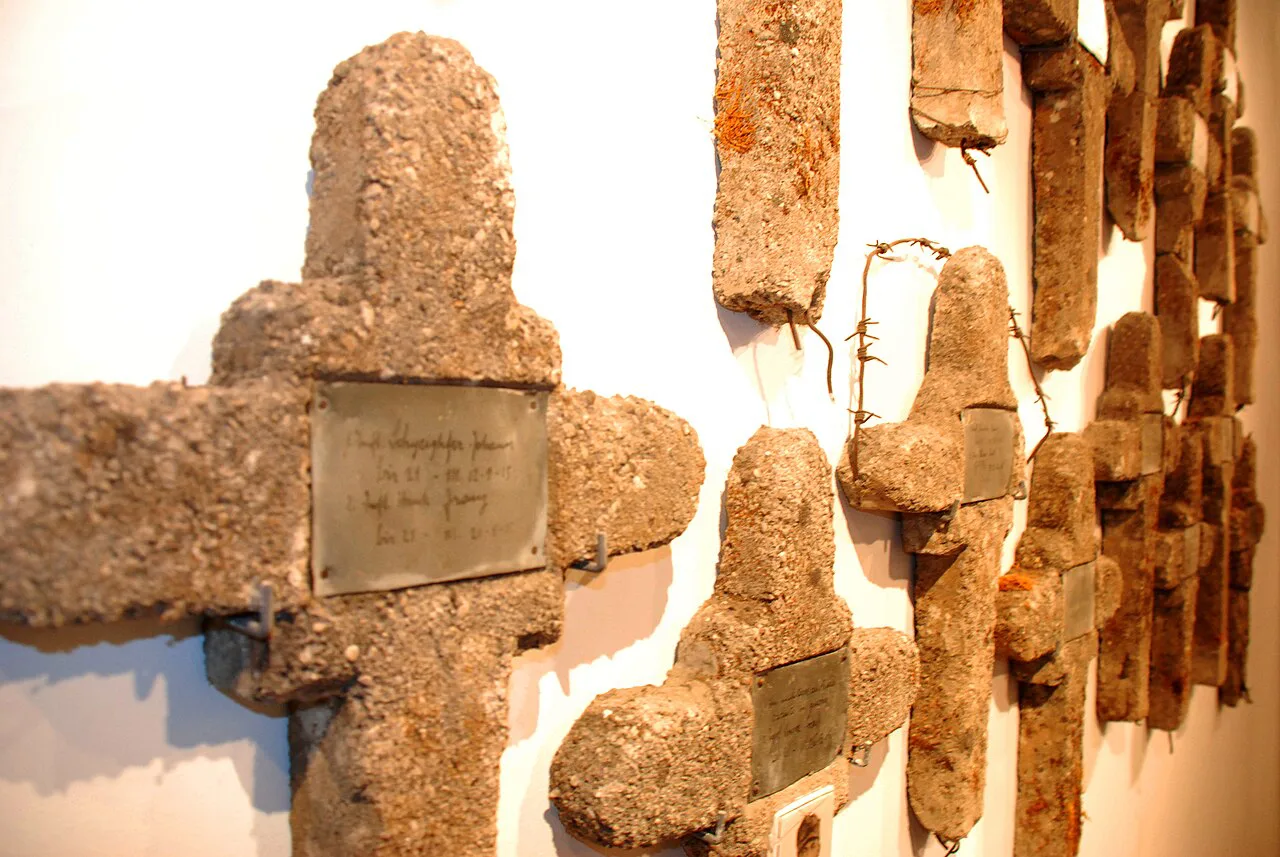
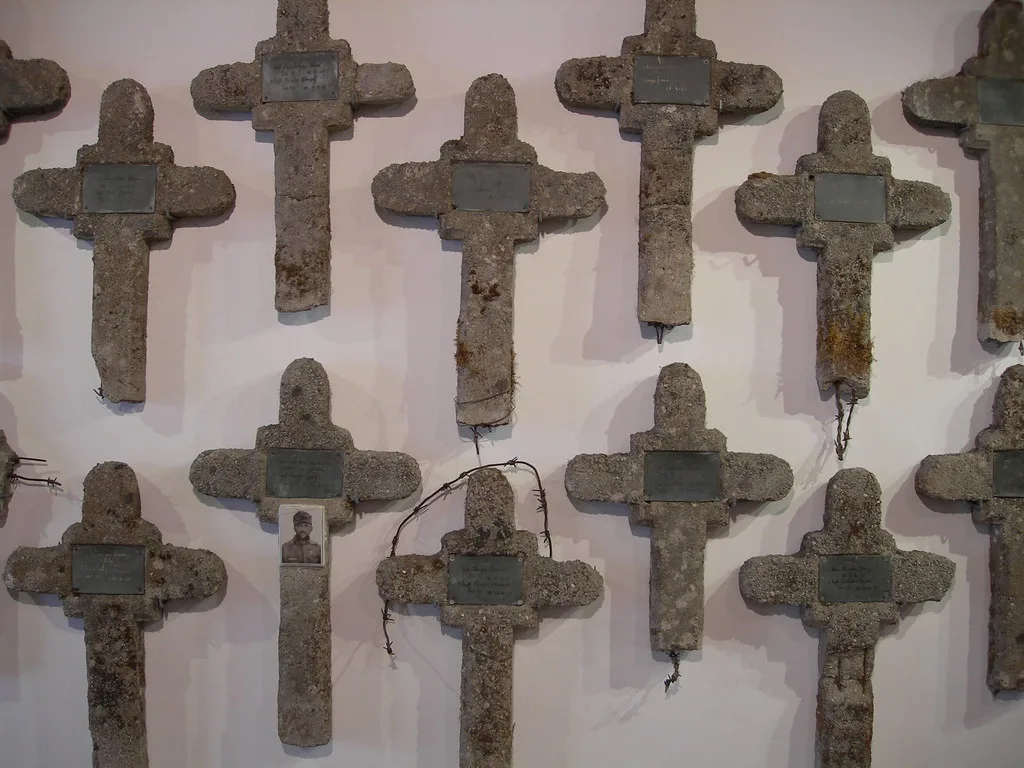
The museum's own description frames the subject as the fighting along the Soča River and the experience of soldiers and civilians in the rear. Photographs, military charts, diaries and maps document the front, and two large relief displays show the positions of the armies in the mountains. That combination makes the geography of the valley easier to read before you head out to the outdoor sites.

Where the museum is and how to reach it
The address is Gregorčičeva ulica 10, 5222 Kobarid. The museum is in the town center, so if you arrive by bus or park in the center you can walk to the entrance. Kobarid is on the road through the Soča Valley between Bovec and Tolmin, and drivers coming from Nova Gorica reach it via the valley road. The museum's site lists a telephone number and email address for questions about access.
For drivers, the practical choice is to park in the town center and walk. Arriving from Bovec takes you along the Soča River road, while coming from Tolmin is a shorter drive south. If you are based in Kobarid, the museum is close enough to visit on foot between other stops.
Opening hours by season
The museum is open every day throughout the year, but the hours change with the season. January through March it opens 10:00 to 17:00, April through June 9:00 to 18:00, July and August 9:00 to 19:00, September 9:00 to 18:00, and October through December 10:00 to 17:00. The July and August closing time is 19:00, so plan a late-afternoon visit around that.
Because the museum is open daily, you do not have to build your day around a single opening window. Still, the shorter winter hours mean a visit after 16:00 in January or December leaves little time inside. Check the season you are traveling in against the published hours before you set out, especially on a day when you are also driving to Bovec or Tolmin.
What you see inside, room by room
The permanent exhibition begins with maps of the European battlefields and the borders redrawn after the war. From there it moves through a sequence of rooms that each take a different angle on the front. Following that order helps, because the rooms build the story rather than repeat it.
The Krn Room covers the initial attacks along the Soča River after Italy entered the war. The White Room turns to the soldiers' struggles in the mountains over 29 months of fighting. The Room of the Rear describes daily life for soldiers and workers behind the lines, and the Black Room focuses on the tension and horror of the front. The Italian Bunker presents a documentary built around a soldier's letter about the stress of the war, and the second floor covers the final campaign of the Isonzo Front.
The exhibition is built around personal stories as well as military maps: soldiers' letters, diaries and photographs appear throughout. If you read Hemingway's A Farewell to Arms, the Caporetto material will connect directly with the novel's setting.
How long to allow
Plan about one hour for the permanent exhibition at a normal pace. The rooms are compact, so the time goes into reading the panels and studying the relief displays rather than walking between galleries. If you stop for the documentary in the Italian Bunker and read the literature displays, allow closer to 90 minutes.
Move through the rooms in the order the museum lays them out, starting with the maps and ending on the second floor with the final campaign. That sequence makes the relief models and the maps of the front lines easier to follow. If you are short on time, the White Room and the Black Room carry the core of the story, but skipping the opening maps makes the geography harder to grasp.
Tickets, reservations and guided tours
The museum's visit section covers entry fees and ticket purchase, so check the current price and arrangements on its own site before you go. It also lists a reservation service for visits. Booking ahead makes sense for groups and for anyone who wants a guided museum tour rather than a self-guided walk through the rooms.
Guided tours are listed separately from general admission, and the museum also lists guided tours of the outdoor sites. Those include the Kobarid Historical Trail, the Kolovrat outdoor museum and a program called The Story of a Soldier from the Isonzo Front. Ask at the desk or through the website whether a tour is running on your dates.
Nearby sites run by the same museum
The Kobarid Historical Trail is a 5-kilometer route that links former battlefields and other sites around town, and the museum lists it along with the Kolovrat outdoor museum. The Italian Charnel House in Kobarid is another of the sites the museum presents. If you have already spent an hour inside, the trail is the natural next step for seeing the terrain the exhibition describes.
Other nearby stops in and around town include the Kozjak waterfall and the Napoleon Bridge in Kobarid. Both are outdoor stops rather than museum rooms, so they fit a separate part of the day. The Kozjak Waterfall Near Kobarid is a short trip from the center, and the Napoleon Bridge in Kobarid is an easy add-on if you are driving through the valley.
Practical notes for drivers and day visitors
Kobarid works well as a stop between Bovec and Tolmin, and the museum is central enough to visit before or after a drive through the valley. Coming from Nova Gorica means a longer approach, so pair the museum with one nearby outdoor site rather than trying to fit in several. The daily opening means you can shift the museum earlier or later in the day if weather changes your plans.
The town center is compact, so park once and walk to the museum and the nearby sites rather than moving the car between stops. In July and August the museum stays open until 19:00, which leaves room for an afternoon outdoors before a late visit. Outside summer, the 17:00 or 18:00 closing time makes the museum a morning or early-afternoon stop.
Is the Kobarid Museum worth an hour of your day?
Yes, if you want to understand the Soča Valley's wartime landscape before or after seeing it on foot. The museum's room-by-room account of the Isonzo Front and the Caporetto breakthrough gives context to the outdoor sites around Kobarid. Allow about an hour, check the seasonal hours and entry fee on the museum's site, and consider a guided tour if you want the outdoor trail included.
Explore more Kobarid guides
Frequently Asked Questions
Do you need to book the Kobarid Museum in advance?
No reservation is required for general admission; the museum is open every day throughout the year. The museum offers a reservation service for visits and guided museum tours, which is worth using for groups or if you want a tour rather than a self-guided walk.
How much is a ticket to the Kobarid Museum?
The museum publishes entry fees and ticket arrangements in the visit section of its own website, so check the current price there before you go. Ticket prices are not quoted in this guide.
Are there guided tours of the Kobarid Museum?
The museum lists guided museum tours and reservations for them. It also lists guided tours of outdoor sites, including the Kobarid Historical Trail and the Kolovrat outdoor museum. Ask at the desk or through the museum's website about tours on your dates.