
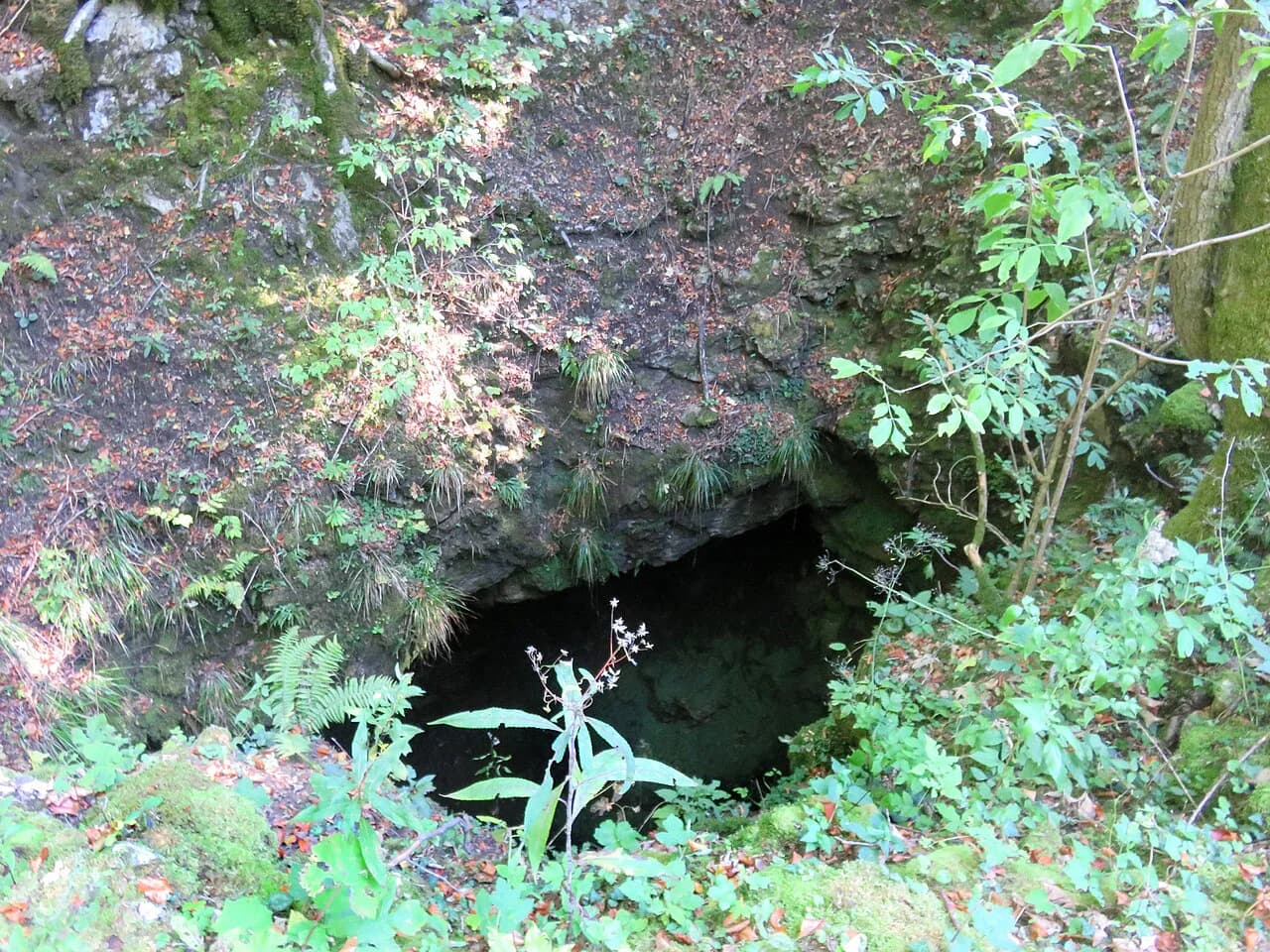
Planina Cave: Visiting Slovenia's Water Cave Near Postojna

Planina Cave, or Planinska jama, is a guided water cave at the southern end of the Planinsko Polje near Postojna, and it is worth planning around one fact: the cave operator's own website states that tours are currently unavailable because of bridge renovations, with a reopening expected on April 1, 2027. That notice is the first thing to check before you build a day around the cave. This guide covers where the cave sits, how to reach the entrance, what the guided route shows, and what you can see from the portal if tours are not running.
The cave is not a walk-in show cave with electric lighting and a ticket window at the mouth. It is a river cave entered through a large portal under a cliff, and the section beyond a locked iron gate is visited only with a guide. Plan your time around the meeting point in the small parking area rather than the cave mouth itself, because that is where the guide collects the group.
Where Planina Cave sits at the end of the Planinsko Polje
Planina Cave is located about 5 km northeast of Postojna, next to the village of Planina, in the valley behind Mali grad and beneath a limestone wall roughly 100 m high. The Planinsko Polje is a closed basin, and when it floods it forms the Planina lake, one of the sources of which is the cave itself. That setting explains the cave's position: it is the point where the underground river surfaces at the low, narrow end of the plain.
The cave lies in the Notranjska Karst region, the same limestone country that holds Postojna Cave and the Rakov Škocjan reserve. If you are mapping a day around the area, our Postojna Attractions: 4 Visitor Guides lays out the main sites by distance and character so you can judge what fits around a cave visit.

Getting there from Postojna
The cave is reached by road from Postojna toward the village of Planina, with parking in a small lot near the cave entrance. From there, a short walk leads to the cave portal beneath the cliff. Groups are asked to wait at the caver's hut in the little car park rather than walking down to the cave mouth, so allow a few minutes to find that hut before your tour time.
The road approach crosses the flat agricultural basin of the Planinsko Polje, with the cliff line rising at its edge. Build the cave into a route that also passes Postojna rather than treating it as a stand-alone stop, since the nearby sites sit close together and the guided walk itself takes under an hour.
Why the rivers matter: the Unica, the Pivka and the Rak
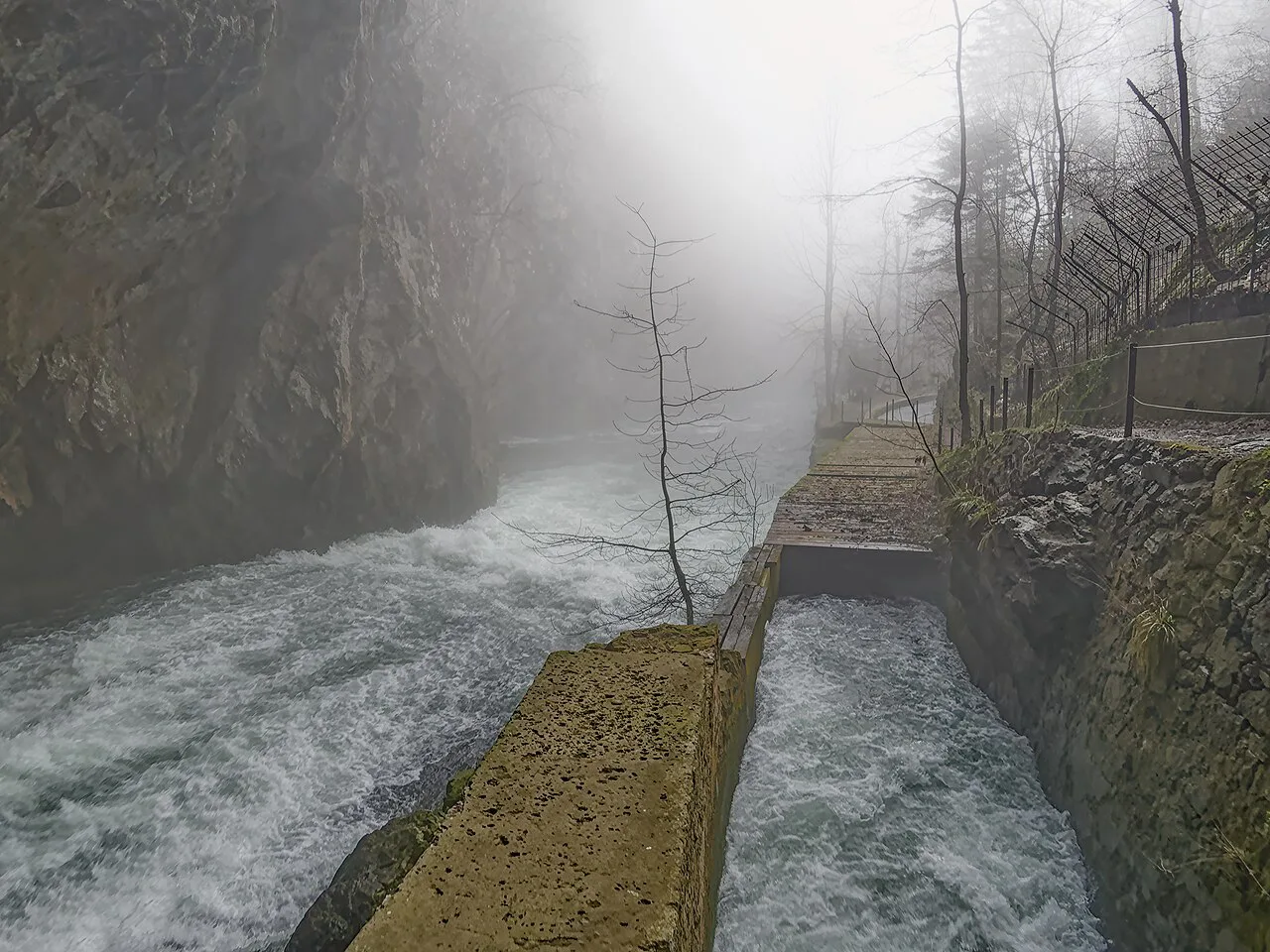
The cave is the outlet for the Unica river, which pours out of the portal and runs across the Planinsko Polje. Inside, the guided route follows the underground channels to the point where the Pivka comes in from the branch that leads back toward Postojna and the Rak arrives from the Rakov Škocjan side. The meeting of two underground rivers in one passage is the reason the cave draws cavers and photographers.
The water leaving the cave is only one stretch of what is sometimes called the river of seven names, since the same water reappears under different names along its course. If you have already visited Postojna Cave, the Pivka is the river that disappears into the hill there and resurfaces at Planina, which makes the two caves a single hydrological story rather than two unrelated stops.
How the tours work: meeting point, locked gate and route
Visits beyond the entrance are guided only. A locked iron gate sits about 100 m into the cave mouth, so you can step inside the portal and see the river as far as the gate on your own, but the passage beyond requires a guide with a key. Groups wait at the caver's hut in the car park for the guide to arrive; the start can run a little late, so build in some slack.
The guided walk covers roughly 900 m and takes about an hour along largely flat paths beside and above the underground rivers. The route crosses small iron bridges built by the Italian army when it attempted to drive a passage through toward Postojna, and it passes the point where the Rak joins the Pivka. The cave has no electric lighting, so the guide supplies a torch and the group walks in handheld light.
The operator publishes the schedule and price list on its own site, which is where to confirm tour days and ticket cost before driving out. The same site currently carries a notice that tours are unavailable during bridge renovations, with reopening expected on April 1, 2027. Treat any tour time you see elsewhere as unconfirmed until the operator lists it.
How long to allow and what to bring
Set aside about an hour and a half on site: a few minutes at the meeting point, roughly an hour inside, and time to walk back out and look at the portal. The ground inside is damp, so sturdy shoes are more useful than sandals, and a light layer helps because the cave air is cool and still. Leave tripods and flash rigs for a dedicated photography visit rather than a scheduled tour.
The guided route is mostly flat, which makes it manageable for most visitors who can walk for an hour. Because lighting is handheld, the darkest stretches come between torches, so keep a hand free and stay with the group rather than wandering ahead toward the river channels.
The cave mouth and the old mill outside tour hours
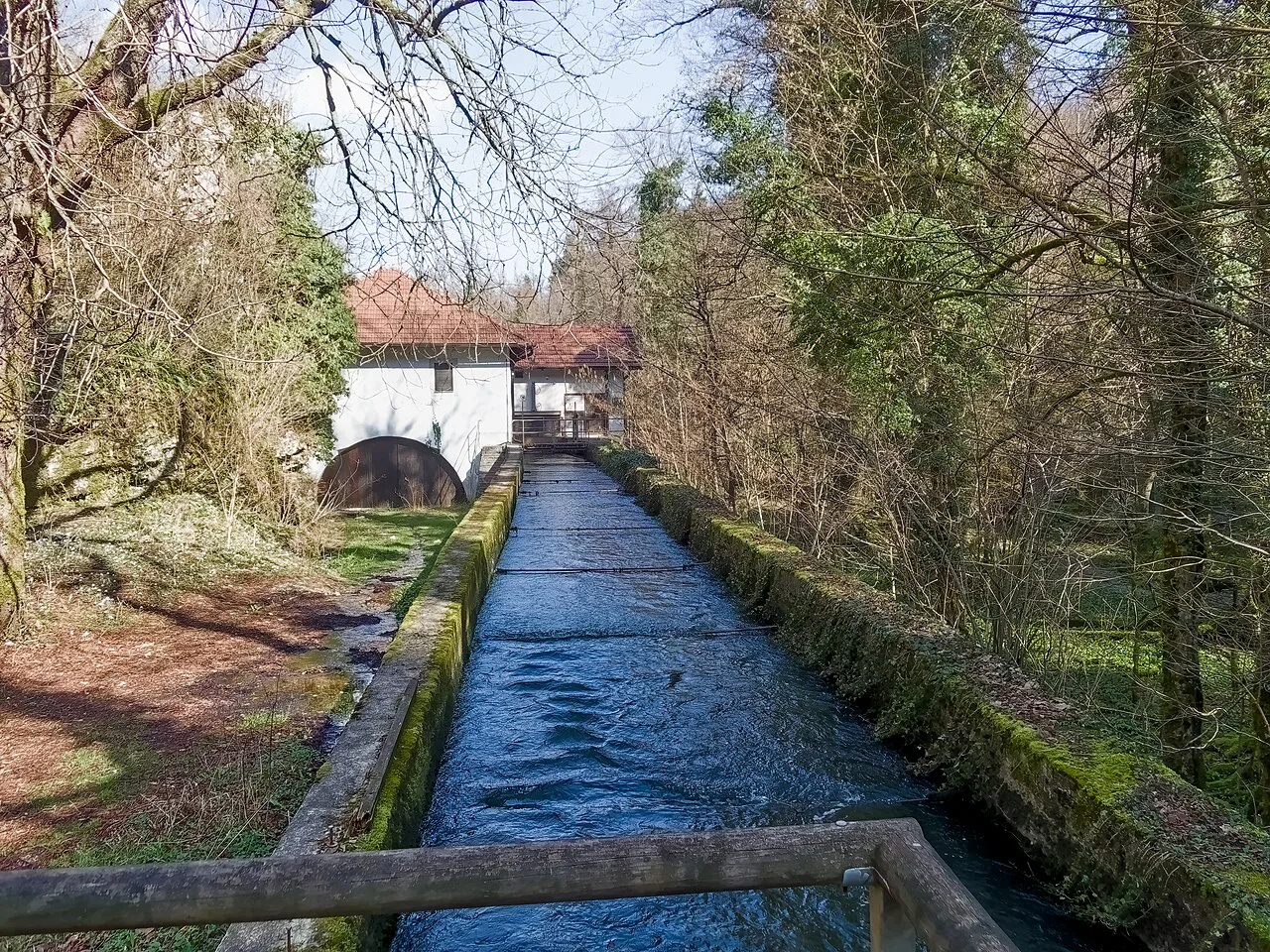
Even when the gate is locked, the cave mouth is a worthwhile stop. The Unica thunders out of the portal beneath the cliff, and around the entrance you can still see the remains of an old water mill that used the Pivka's water. Visitors who drive up without a tour can step inside the first stretch as far as the gate and watch the river emerge.
Nearby: Ravbarjev stolp and Rakov Škocjan
Above the cave, the tower of Ravbarjev stolp, also called the Tower of Rauber, is the remnant of a castle that once guarded the merchant route across the plain. It is a short add-on to a cave visit and gives a view over the Planinsko Polje on a clear day. The tower sits above Mali grad, the same hill referenced in the cave's location.
Rakov Škocjan Landscape Park lies on the Rak side of the same water system and is the place to see where that river reappears above ground before it flows underground to Planina. Pairing the two gives you the surface and subterranean halves of one river in a single afternoon.
If you are building a fuller Postojna itinerary, Predjama Castle is the other headline sight in the municipality, and the Notranjski muzej Postojna covers the region's natural and cultural history in town. Both sit within easy driving distance of the Planinsko Polje and work well as the second stop of a cave day.
Confirming tours and tickets before you drive out
The Planina Cave Union, the local caving group that runs the guided visits, publishes opening hours and a price list on its own site, so check that page before setting out. Its current notice states that tours are unavailable because of bridge renovations, with reopening expected on April 1, 2027. That notice is the most reliable signal on whether the gate will open during your trip.
Contact details for the guiding group are listed alongside the tour information, and a phone call is the quickest way to confirm whether a tour is running on your dates. If the answer is no, the portal and mill ruins still justify the drive, and the nearby tower and Rakov Škocjan fill out the rest of the day.

Is Planina Cave worth the detour while tours are suspended?
Planina Cave is a strong add-on to a Postojna trip when tours are running: an hour underground beside two rivers, a flat route and a guide who opens the gate. While the operator's renovation notice stands, the cave mouth and the mill ruins still give you the scale of the place, and the Ravbarjev stolp tower and Rakov Škocjan are close enough to fill the same afternoon.
Build the day around confirmed information rather than assumptions: check the operator's page for the current tour status, park at the small lot by the caver's hut, and keep the cave as one stop among the Postojna area's sights rather than the whole reason for the drive.
Frequently Asked Questions
Can you visit Planina Cave without a guide?
You can step inside the cave mouth and see the river as far as the locked iron gate, which sits about 100 m in. Beyond that gate the passage is visited only with a guide, and groups meet at the caver's hut in the small car park rather than at the portal.
What is there to see inside Planina Cave?
The guided route follows the underground river channels for roughly 900 m and reaches the point where the Rak joins the Pivka. It crosses small iron bridges built by the Italian army, and because the cave has no electric lighting, the guide supplies a torch for the walk.
Are tours at Planina Cave running at the moment?
The Planina Cave Union's own site states that tours are unavailable because of bridge renovations, with reopening expected on April 1, 2027. Check that page or phone the guiding group before you drive out, and treat other listings as unconfirmed.