Lake Bled Photography: Where to Shoot the Island and Castle
Plan Lake Bled photography around the promenade, the western shore, the island and the castle: what each position gives you, and how to plan around light and crowds.
On this page
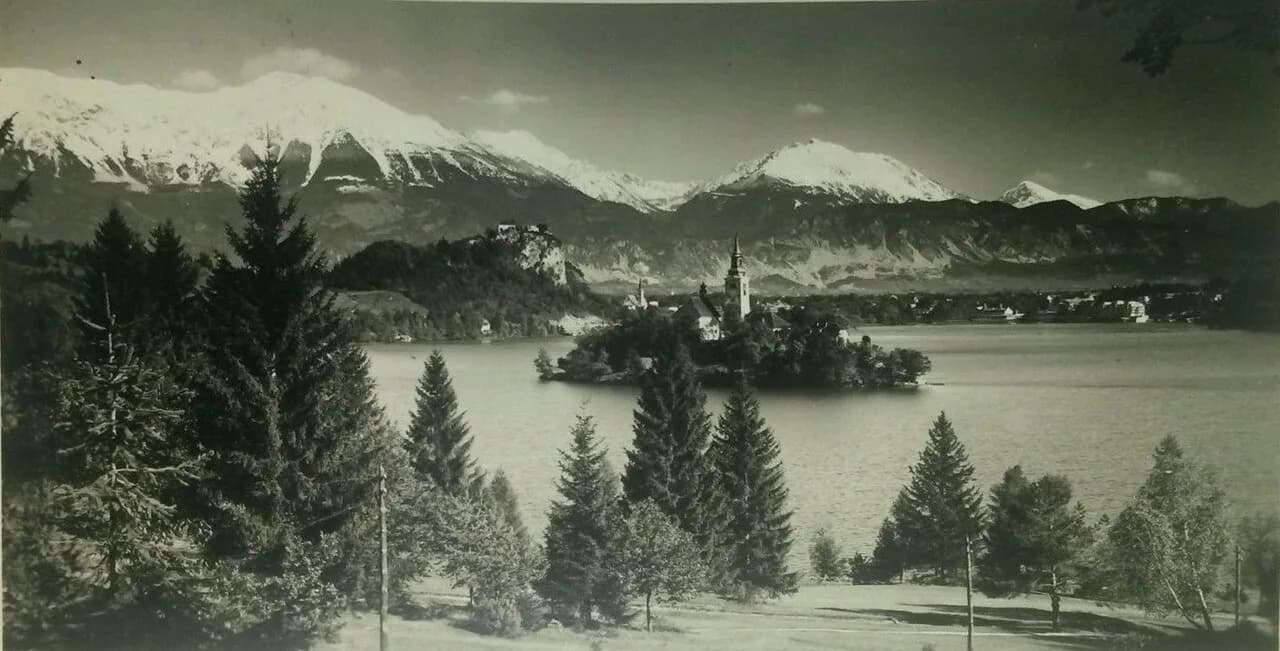
The classic shot on Lake Bled is the island in the middle of the lake, the church and its staircase rising from the water, and Bled Castle on its hill above the shore. You do not need a summit to work with it: the lakeside promenade, the western end of the lake and the island steps all give you a different relationship between island and castle. This guide covers the shore and island positions worth trying, the castle seen from below, the pletna boats and the Heart pier as foreground, and how to plan around light and crowds.
What the classic Lake Bled photo actually contains
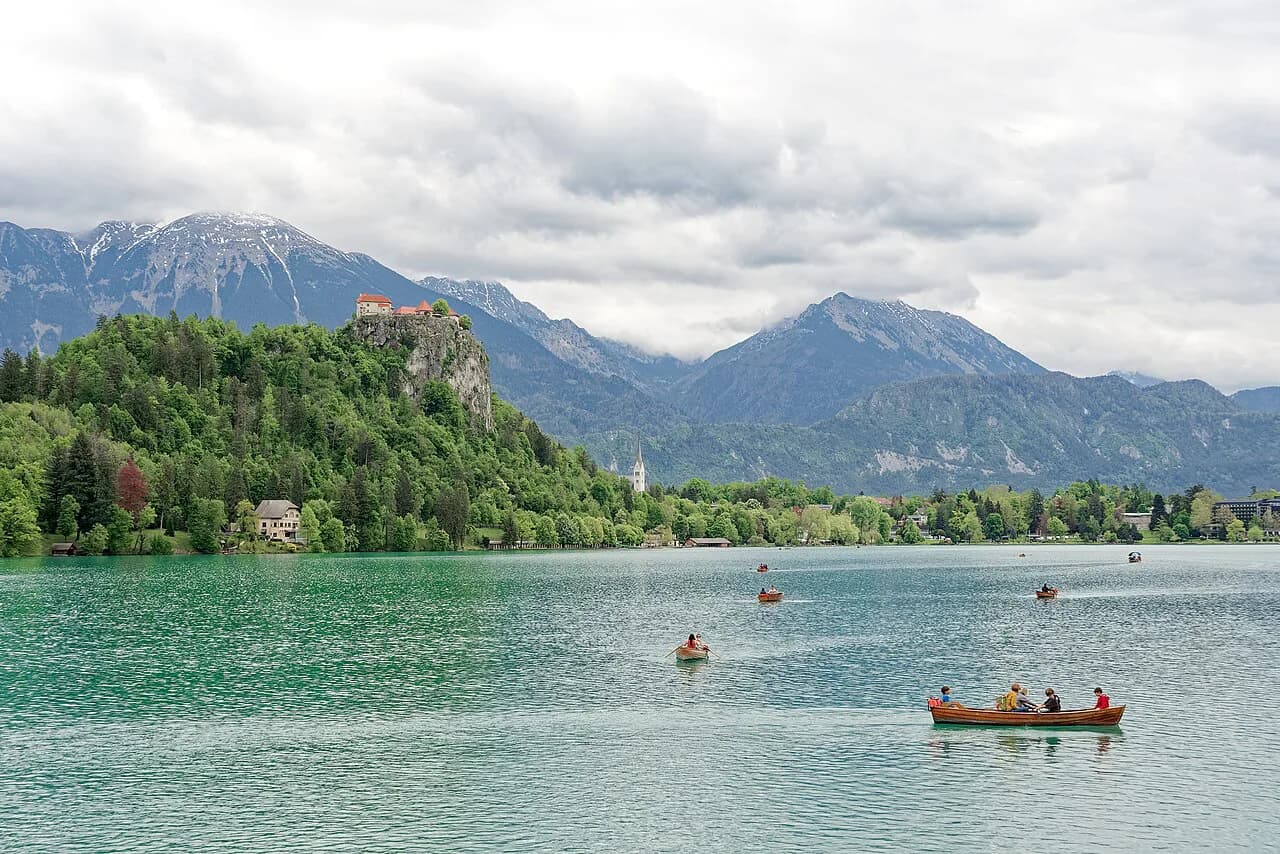
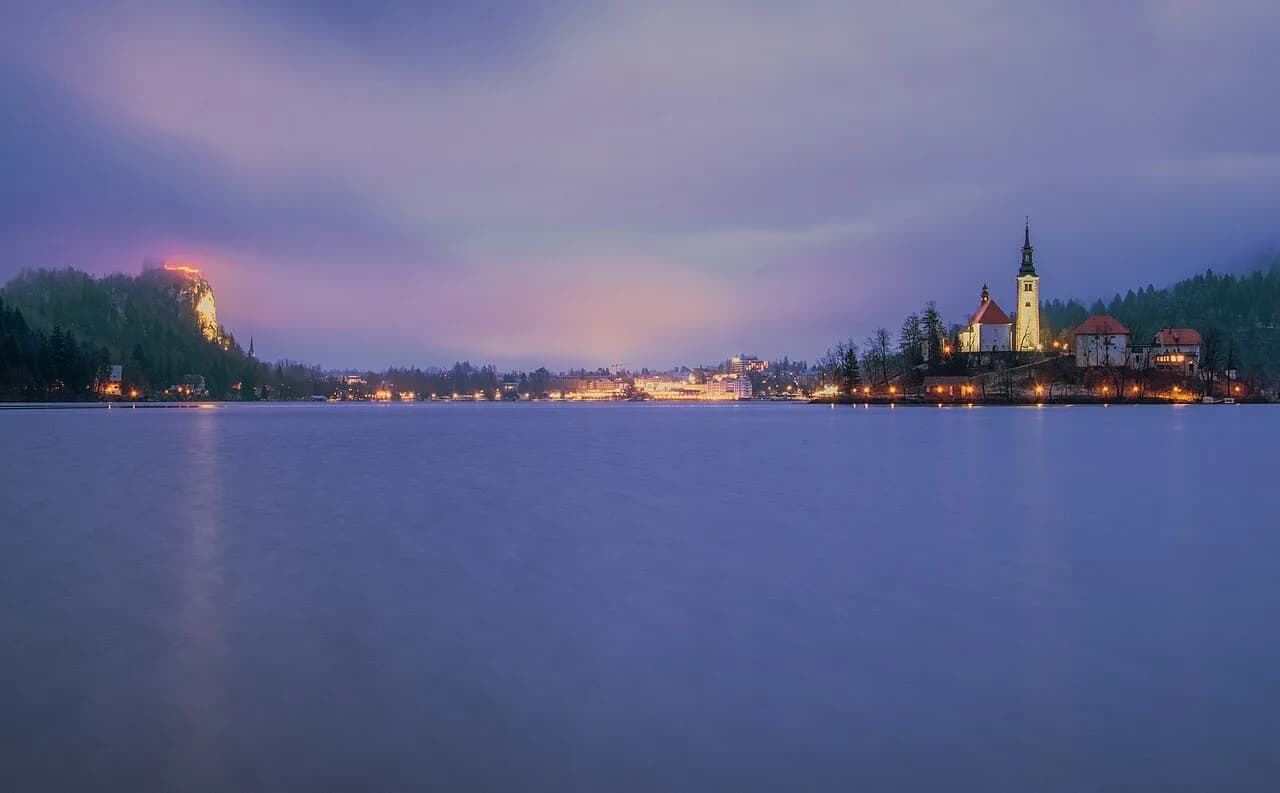
The composition turns on two fixed elements: the island, set in the middle of the lake with a church and an impressive staircase climbing to it, and Bled Castle, perched on a hill with a wide view over the surrounding landscape. Because the castle sits above the lake to one side, its position relative to the island changes as you move around the shore, so where you stand changes the picture more than which lens you use.
Before you commit to a position, work out which side of the water you are on. A Lake Bled map saves guesswork, because the island and the castle sit at different points on the shore, and a spot that gives you a clean island view may crop the castle or hide it behind trees. Scout the shoreline in daylight first and pick two or three standing points rather than chasing one perfect frame.
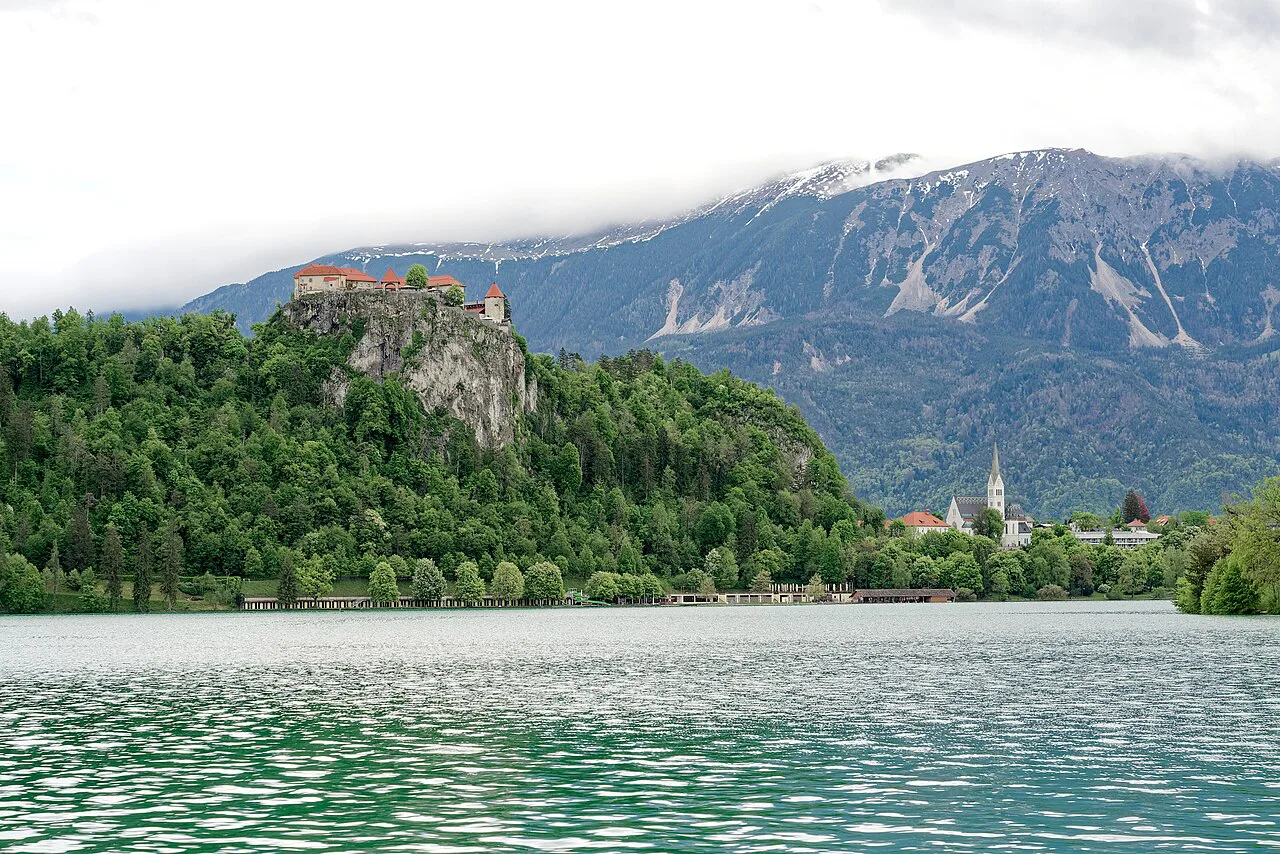
Shooting from the lakeside promenade
The promenade along the northern shore is the easiest place to start, because you can walk it with a camera and try angles without committing to a long setup. Hotel and restaurant terraces overlooking the lake line this stretch, and the pier by the start house under the promenade is where the Heart by Lake Bled stands. Frame the island and the castle from the water's edge and use the pier and railings as foreground.
A clean frame on a busy morning is the real constraint here, not the view. Arrive early, shoot tight enough that a few people fall outside the frame, and accept that some foreground figures will stay in wide shots. Bring a small tripod only if you plan to work one spot for a while; on a busy promenade a steady hand and a fast shutter are simpler.
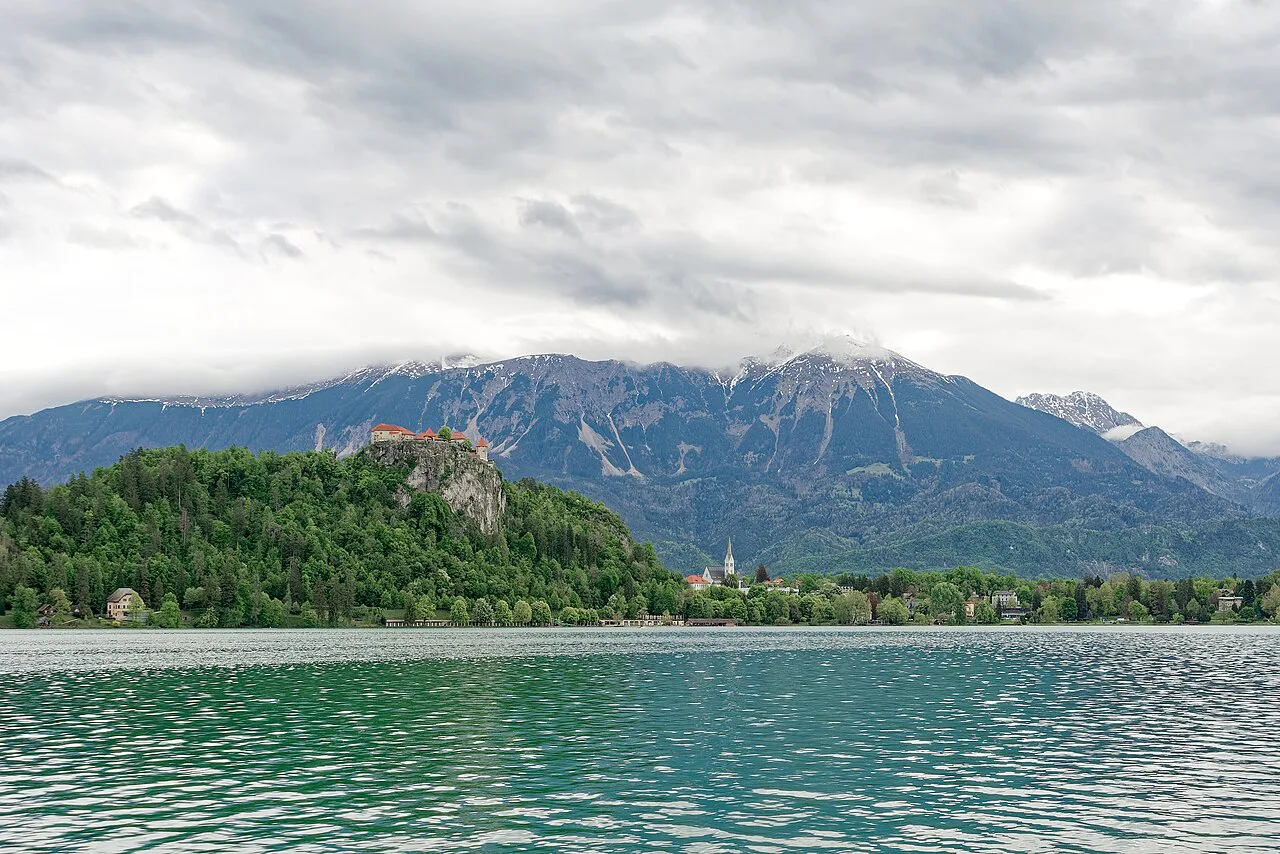
The western end of the lake
The western end of the lake gives you a longer stretch of open water between you and the far shore, which changes the balance of the frame: more water, a smaller island, and the castle pushed further to one side. That suits a wide lens. Walk the shore path until the castle and the island sit where you want them in the frame, then set up.
The state of the water is the variable you cannot control. On a still morning you can get a reflection of the island and the castle; a breeze breaks it into texture. Both are usable, but treat wind-rippled water as a different picture rather than a failed one.
Bled Island itself
On the island, the staircase from the landing to the church is the detail most people photograph, and it works from below as well as from the top looking down. The church and its impressive staircase give the island its character, so give yourself time on the steps instead of shooting from the boat and leaving. The view back toward the shore is the other half of the visit, because it puts the castle and the tree line in a frame you cannot get from the mainland.
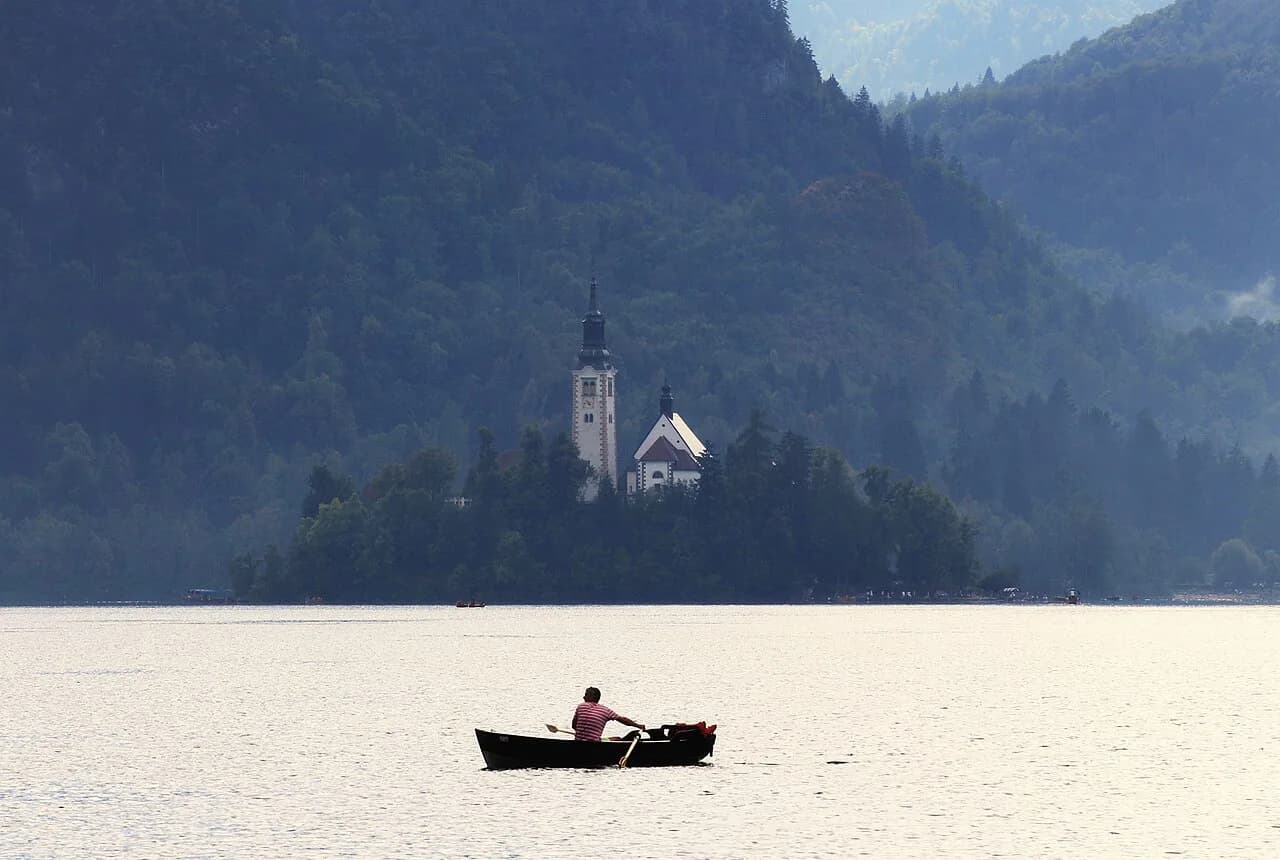
Traditional wooden pletna boats take visitors across to the island, and the awnings that shade them are easy to spot from the steps. Photograph them coming in rather than only shooting the church, and the island sequence gains movement. Check crossing arrangements and any charges with the operator on the day.
Bled Castle seen from below
The castle photographs well from the ground: it sits on a hill with a broad view of the surrounding landscape, and it is well preserved and carefully maintained. Shoot it from the paths and shore below the walls. The castle terrace then gives you the reverse view, looking down over the lake and the island.
Opening times and admission for the castle and for the island church are set by the sites themselves, so confirm both before you build a day around the terrace view. If the castle is your priority, go up first and shoot the lake from the terrace while you are there.
The pletna boats on the water
The pletna boats are made by locals and each is named after a woman, which gives you a reason to shoot them close enough to read the name. A colored awning against dark water and green shoreline is a strong, simple frame, and one boat crossing the middle distance adds scale to a wide lake shot. Wait for a boat to enter the gap between you and the island rather than shooting the empty water and hoping.
The Heart pier and small foreground details
The Heart by Lake Bled stands on the pier by the start house under the promenade, and it has been a spot for photographs of couples, families and friends since it was set up in 2014. Use it as a foreground anchor: place it low in the frame and let the island and castle fill the rest. It is a fixed, findable spot, which makes it more useful than a generic stretch of railing.
Other small details earn their place in a set: the shoreline path edges, the hotel terraces along the water, and the reflections in the shallows near the start house. Set your kit down, shoot a few frames at each, and move on. A short sequence of details often tells the lake better than one more wide shot.
Hotel and restaurant terraces facing the lake
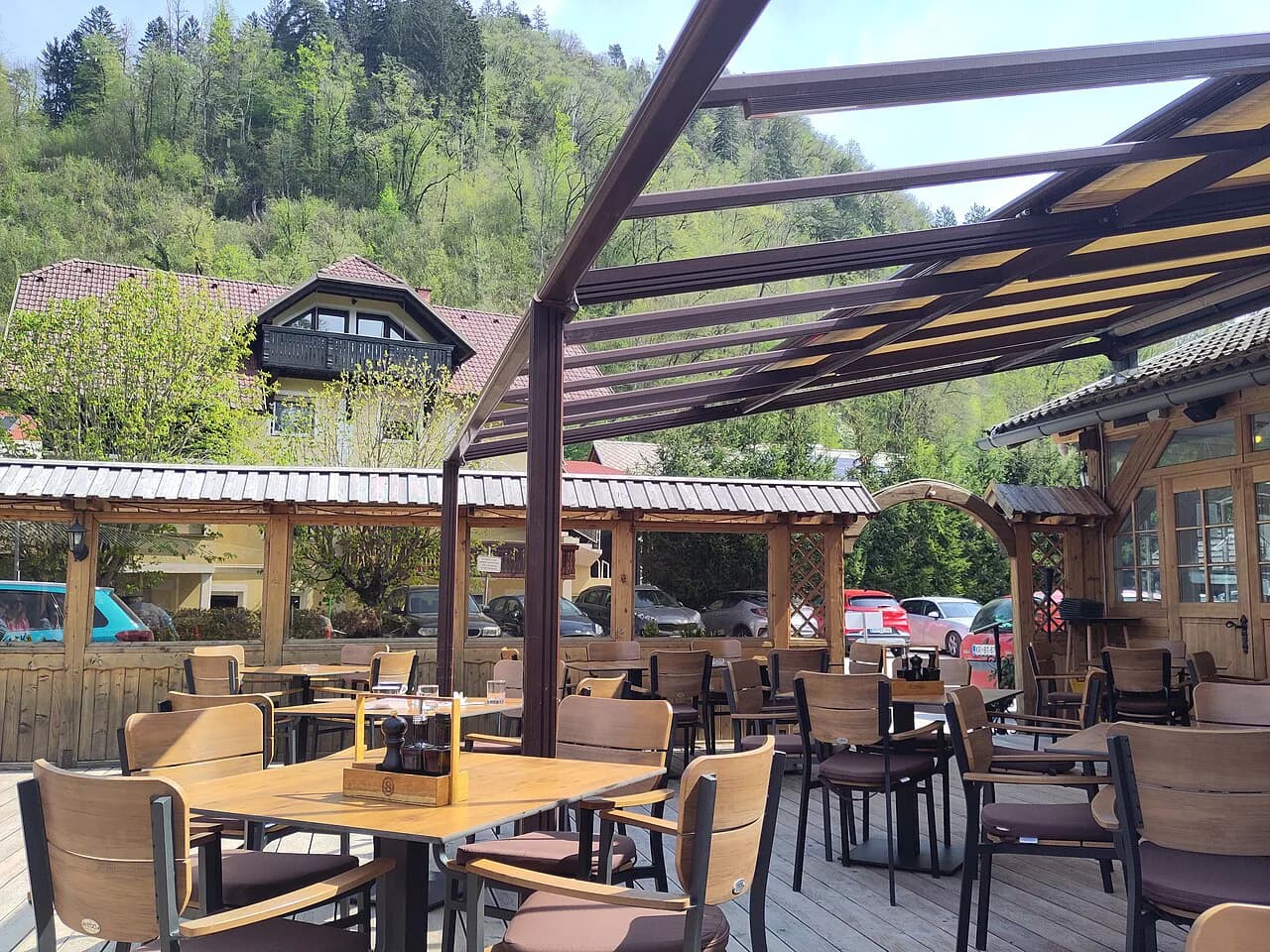
When rain or wind kills the shore shot, the terraces of hotels and restaurants facing the lake are a genuine alternative. They overlook the water, so you keep the island and castle in view while staying dry, and an awning or window edge can frame the shot for you. This is a position, not a recommendation of any particular venue; pick whichever terrace you are already sitting at.
On a wet day, low cloud can hide the far shore and the hills above it entirely. If the wide view is gone, switch to closer subjects: the island in mist, rain on the water, the castle wall. Wait a while before giving up, since cloud cover at the lake shifts and the wide frame can come back.
Beyond the lake
Vintgar Gorge is a separate attraction outside the lake basin, with its own access arrangements, and this guide does not cover it. Keep a lake session at lake level and treat the gorge as its own outing.
Planning light and crowds
There are no clock times to plan around here, only the sequence of the day. Softer contrast at the start and end of the day suits the wide island-and-castle frames; the brighter middle hours are better spent on closer subjects, the island steps, the castle paths and the boats.
Because the castle and the island sit at different points around the shore, a position that is backlit for one can be front-lit for the other. When the light is not working from one side of the lake, cross to the other rather than waiting. That walk is the single most useful adjustment you can make to the day's pictures.
Crowds, tripods and getting a clean frame
On busy days the promenade fills with walkers, and nobody can promise you an empty frame. The workable approach is to shoot early, pick positions where a few figures read as scale rather than clutter, and keep the wide frames for moments when the crowd thins. If you want a tripod shot, choose a spot off the main walking line and be ready to move.
Parking is the other practical squeeze on a busy morning, and the rules change by lot and by season. Read the Lake Bled parking notes before you commit to a sunrise start, since a long walk from a distant lot can cost you the light you came for.
Camera kit that earns its place
A wide lens covers the island-and-castle frame from the western end of the lake and the promenade; a moderate zoom lets you isolate the boats and the church steps from the same spot. A polarizer is the most valuable extra at the lake, because it cuts glare on the water and deepens the sky over the castle. Add a light tripod or a stable surface for the low-light ends of the day, and nothing else is essential.
What this guide leaves out
The hilltop viewpoints around the lake are a separate subject with their own access, timing and effort, and they are not covered here. If your plan is to shoot from above the water, set that up as its own outing rather than folding it into a shore session. The positions in this guide are at lake level, where the island, the castle and the boats are all within walking reach.
Which shot do you shoot first?
Start on the promenade or at the western end of the lake with a wide lens and get the island and the castle in one frame before anything else. Then cross to the island for the staircase and the view back, and finish below the castle walls or on the castle terrace for the view down. Two or three positions, used at the softer ends of the day, will cover the classic Lake Bled photographs without a hilltop.
Explore more Bled guides
Frequently Asked Questions
Do I need to climb a hill to photograph Lake Bled?
No. The promenade, the western end of the lake and the island itself put the island church and the castle within reach at lake level. Hilltop viewpoints are a separate outing with their own access and timing.
Can I photograph the island from the water?
Traditional wooden pletna boats take visitors across to the island, and the crossing gives you a moving view of both the island and the castle. Confirm arrangements and any charges with the operator on the day.
What is the best lens for Lake Bled?
A wide lens handles the island-and-castle frame from the western end of the lake, while a moderate zoom isolates the boats and the church steps. A polarizer helps cut glare on the water.
Sources
Notes for your Slovenia trip
Optional updates to our Slovenia place guides.
You might also like
Continue reading
More guides you'll find useful