Maribor History: What to See and What It Tells You
Maribor history in a short timeline, from a 12th-century fortress site on Piramida Hill to the 2012 European Capital of Culture, tied to places you can visit.
On this page
Maribor history is easiest to follow as a walk, because the city's periods sit on top of each other within a small center. The city grew from a 12th-century settlement watched over by a fortress on Piramida Hill, kept the name Marburg in official use into the early 20th century, and turned its industrial past into a cultural identity around 2012. This guide lays out that timeline and names the hill, churches, and streets where you can still see each layer.
You do not need a museum ticket to grasp the shape of the story. A hill, a cathedral, a Baroque-era church in the old town, and the riverfront district each stand for a different century, and the old town between them is compact enough to cover on foot. Use this page to decide which stops deserve your time, then hand the logistics to the wider list of things to do in Maribor.
What country is Maribor in, and where does it sit in Slovenia?
Maribor is in Slovenia, in the country's northwest, in the Styria region, and is described as the cultural, economic, and university center of that part of the country. Slovenia itself sits where the Alps meet the Adriatic and the Pannonian plains, which is why the country packs mountains, coast, and open farmland into a small area.
The city's position explains much of its history. It lies close to the Austrian border, on the old route between the Habsburg lands and the Balkans, so German-speaking administration, Slovene-speaking residents, and a trading economy overlapped here for centuries. That borderland setting is also why older maps and signs use a different city name than the one you see today.
Maribor's beginnings: a 12th-century fortress on Piramida Hill
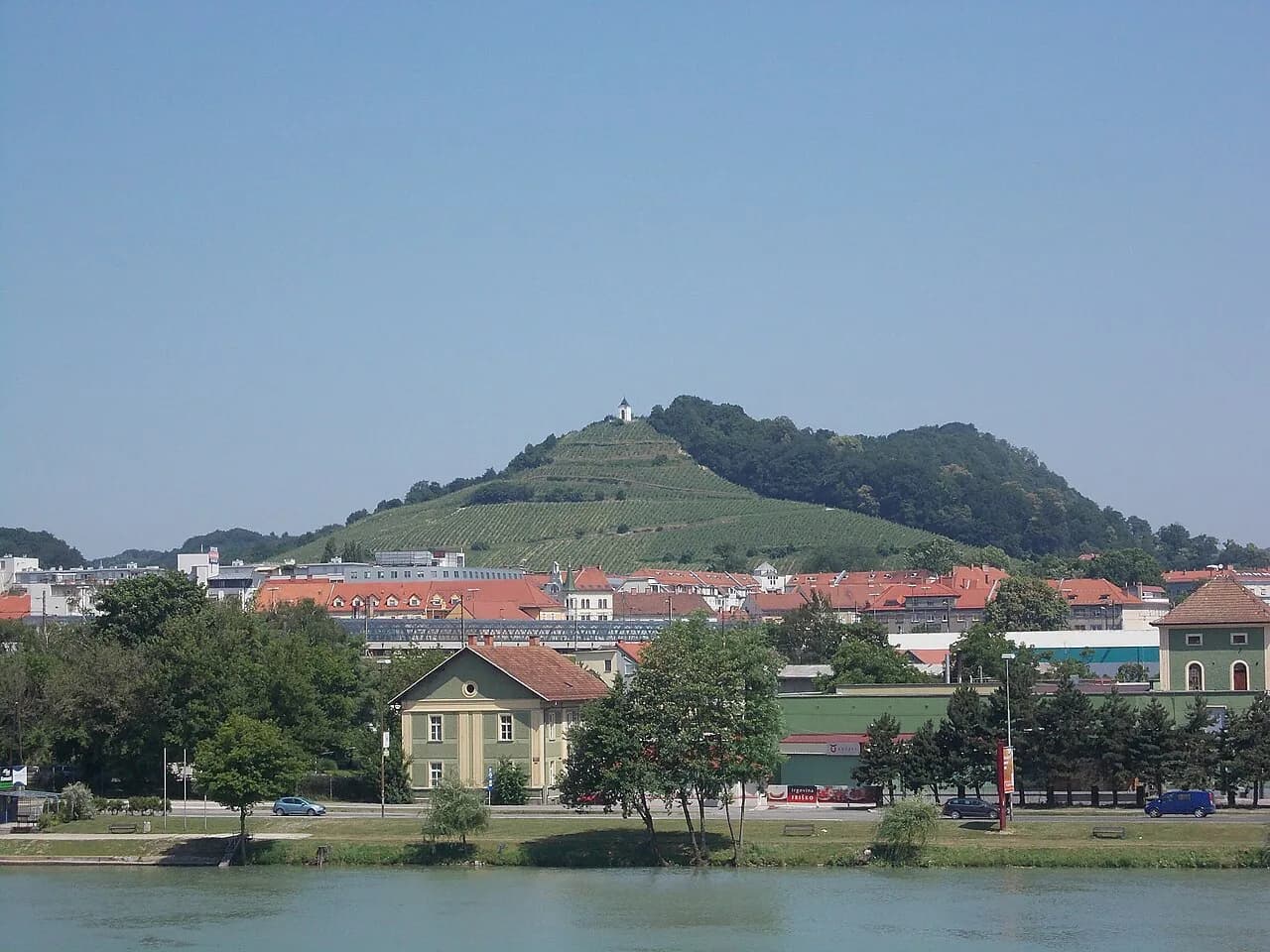
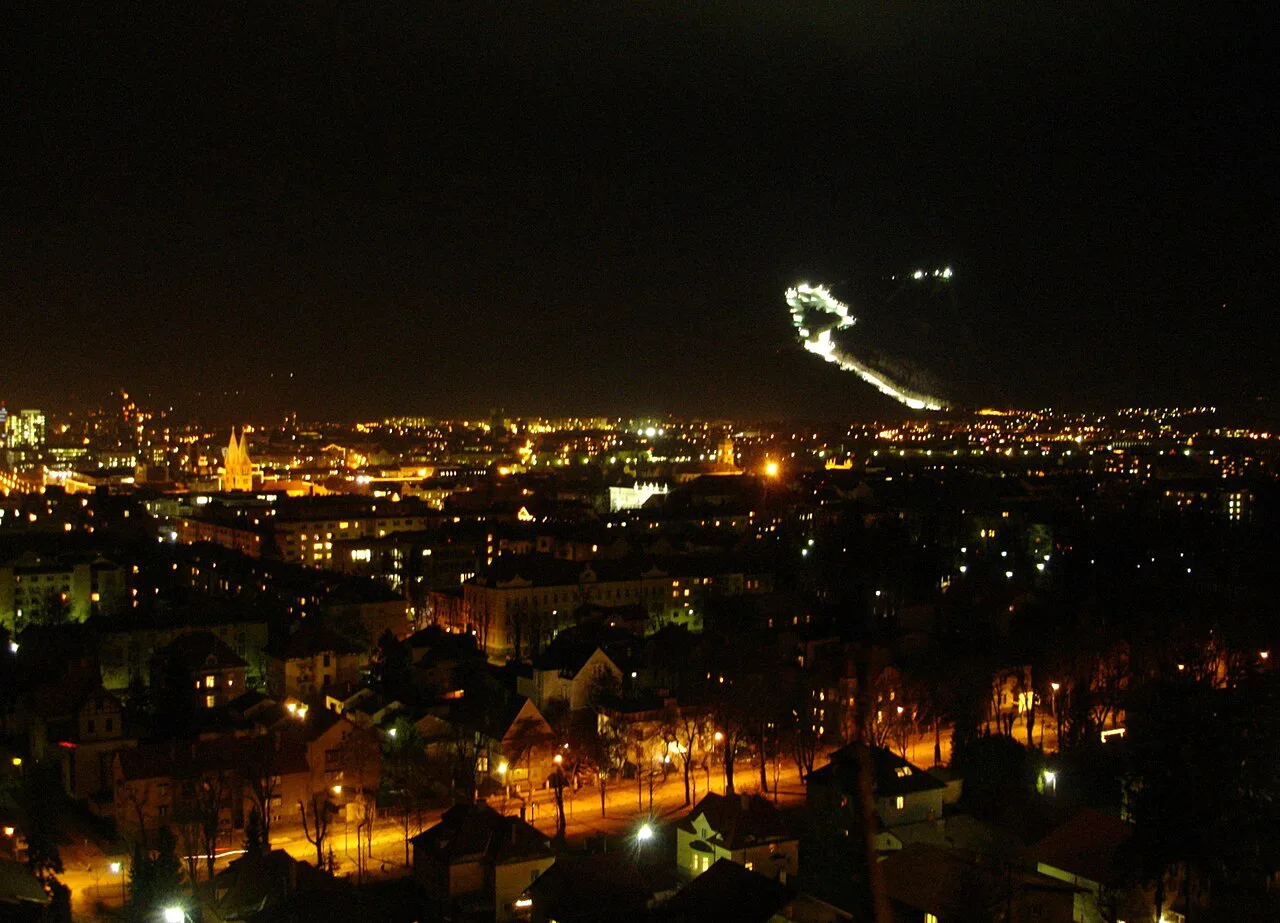
Maribor's origins are traced to the 12th century, when a fortress was erected on Piramida Hill to protect the surrounding region. The fortress no longer stands, so what you see on the hill today is the site and the view rather than the structure. Knowing this changes how you read the hill: it is the city's starting point, not a ruin to inspect.
Treat Piramida as a first stop on a clear day. The climb gives you the geography the fortress was built to command, with the Drava valley and the city roofscape spread below. Pair it with the old town rather than making it a separate outing, since the two sit close together.
Marburg to Maribor: the name change and the German-speaking centuries
From the early 13th century until the end of 1918, the city was officially called Marburg. The Slovene name Maribor came into use in the 1830s, as the Slovene national movement grew. Both names are correct for their periods, which is why a German-language map from 1900 and a modern street sign refer to the same place.
For a visitor, the name change is a practical reading aid. If you are tracing family records, old postcards, or building inscriptions, search Marburg for anything before the end of 1918 and Maribor for the period after. The shift also marks the end of the Habsburg era: after 1918 the city became part of the new South Slavic state, and later of Yugoslavia.
The 20th century is where the political story gets crowded. The older generation's memory, as recorded in community research in Maribor, was shaped by life in the former common Yugoslav state, and the city entered the post-Yugoslav era with Slovenia's independence recognized in 1992. You do not need to untangle the whole sequence to read the buildings, but the layered names help explain why the city's identity questions run deep.
The cathedral and Bishop Anton Martin Slomšek
Maribor Cathedral is associated with Bishop Anton Martin Slomšek, a church figure whose name recurs in the city's religious history. Visiting the cathedral gives that name a place in the historic center.
Approach the cathedral as a period marker rather than a single-date building. The construction of the cathedral and the development that followed it shaped the surrounding quarter. For the broader set of churches and their stories, the guide to churches in Maribor sorts them by what each one shows.
St. Aloysius Church in the old town
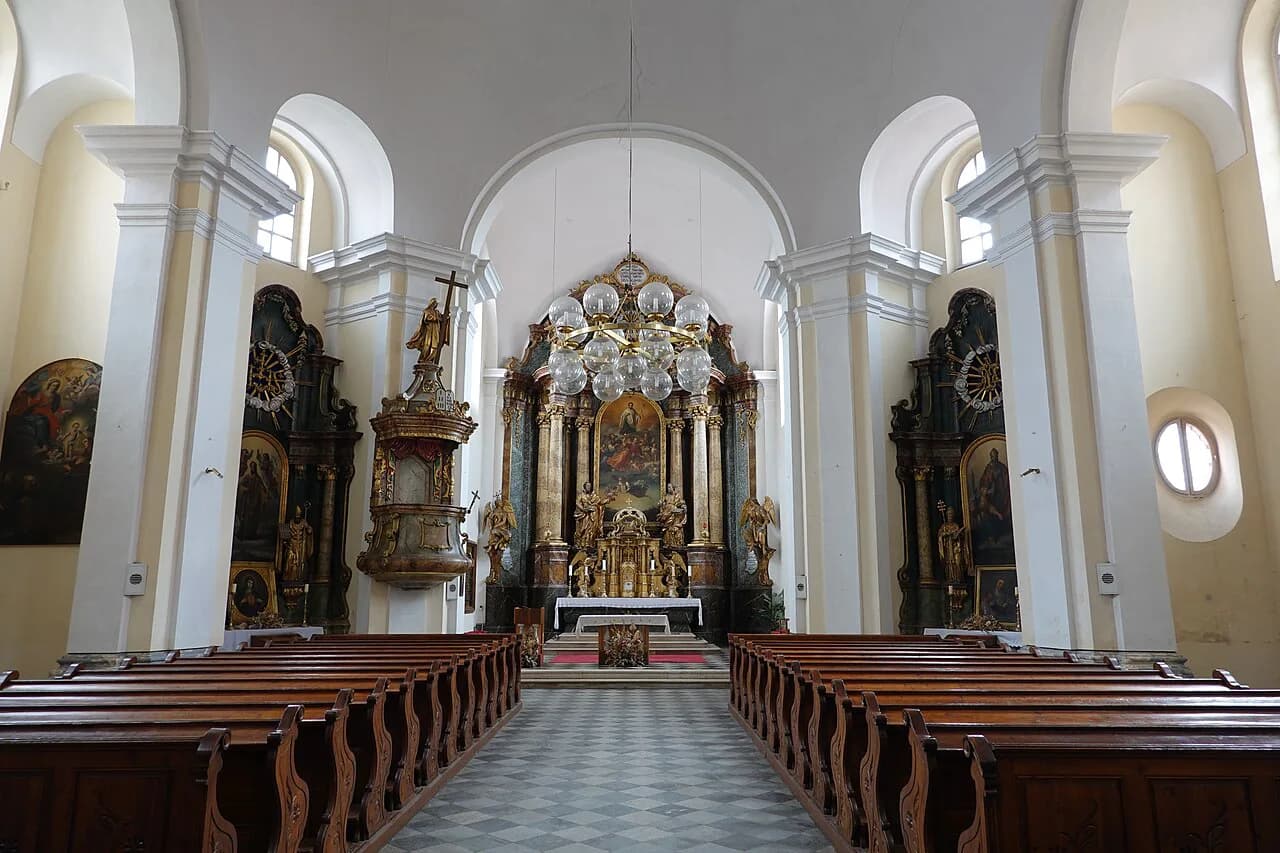
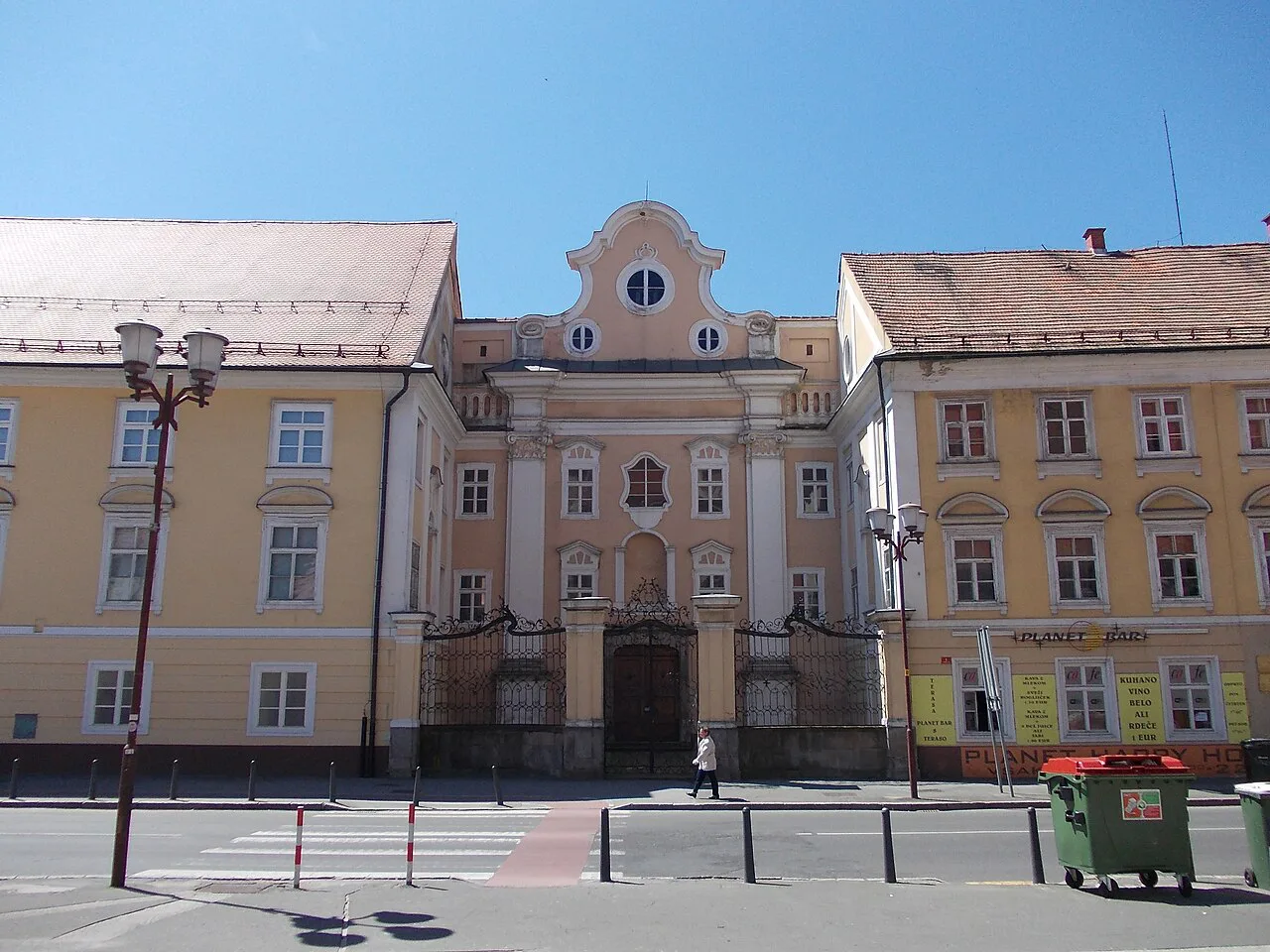
St. Aloysius Church stands in the old town of Maribor; a historic-sites listing describes it as built at the end of the 18th century in a Baroque style. If accurate, that date places it after the medieval core and before the industrial expansion, making it a useful marker for the city's late-Habsburg phase. It is one of several churches in the historic center.
The building's plain exterior and its setting among the old-town streets tell you more than the facade alone. Look at how the church sits against the surrounding blocks: the old town was rebuilt and layered repeatedly, and a late-18th-century church inserted into a medieval street plan is part of that story. For the walking order that connects it to the cathedral, use the guide to the Maribor old town.
Maribor as an industrial city and its post-industrial turn
Maribor spent much of the 20th century as an industrial city, and its modern identity is still being renegotiated after that base weakened. The city has worked for decades to build a cultural identity in what its own cultural sector describes as the post-industrial era. That is not a footnote: it explains the converted spaces, the emphasis on design and visual arts, and the energy you find in the center today.
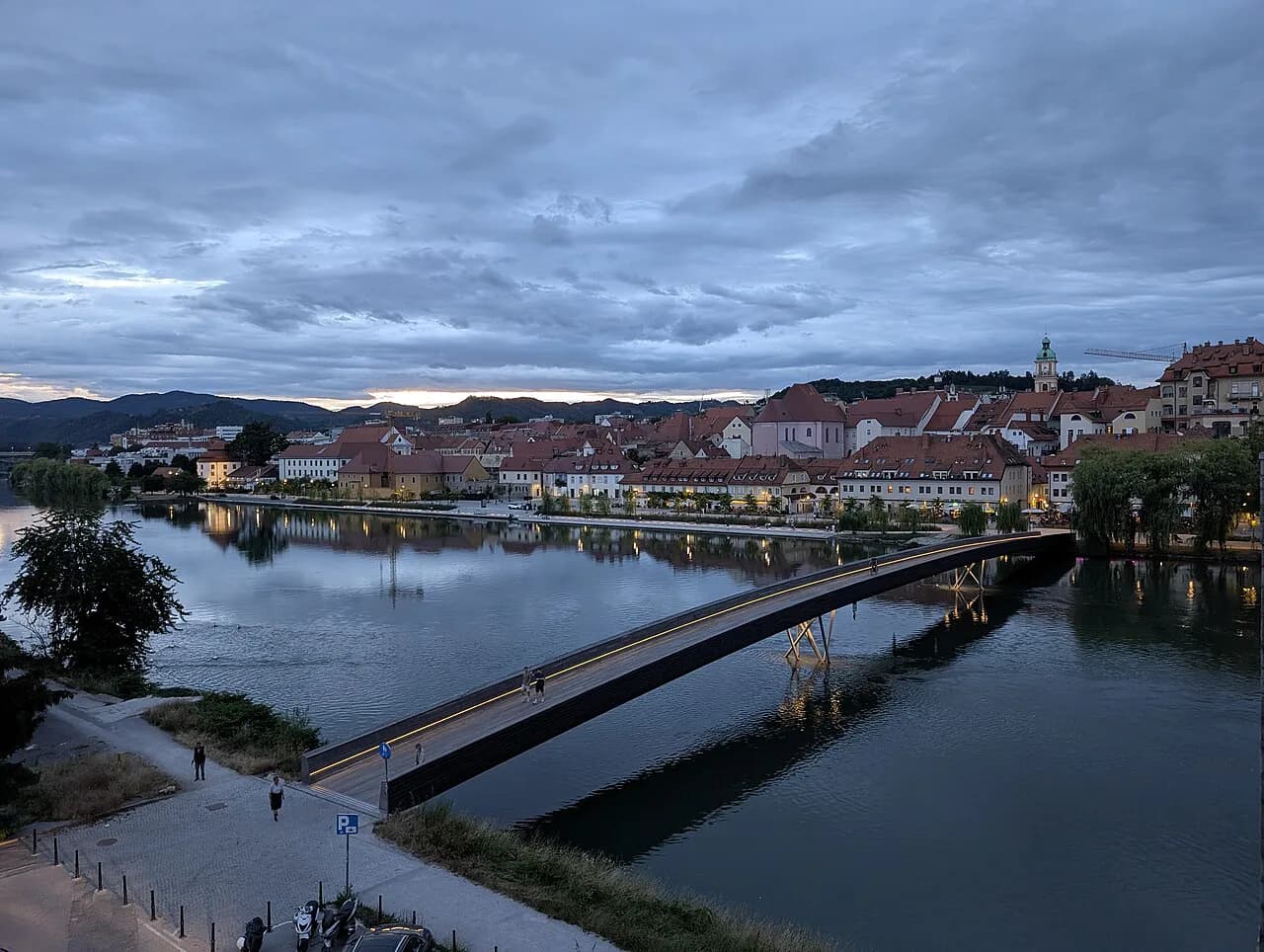
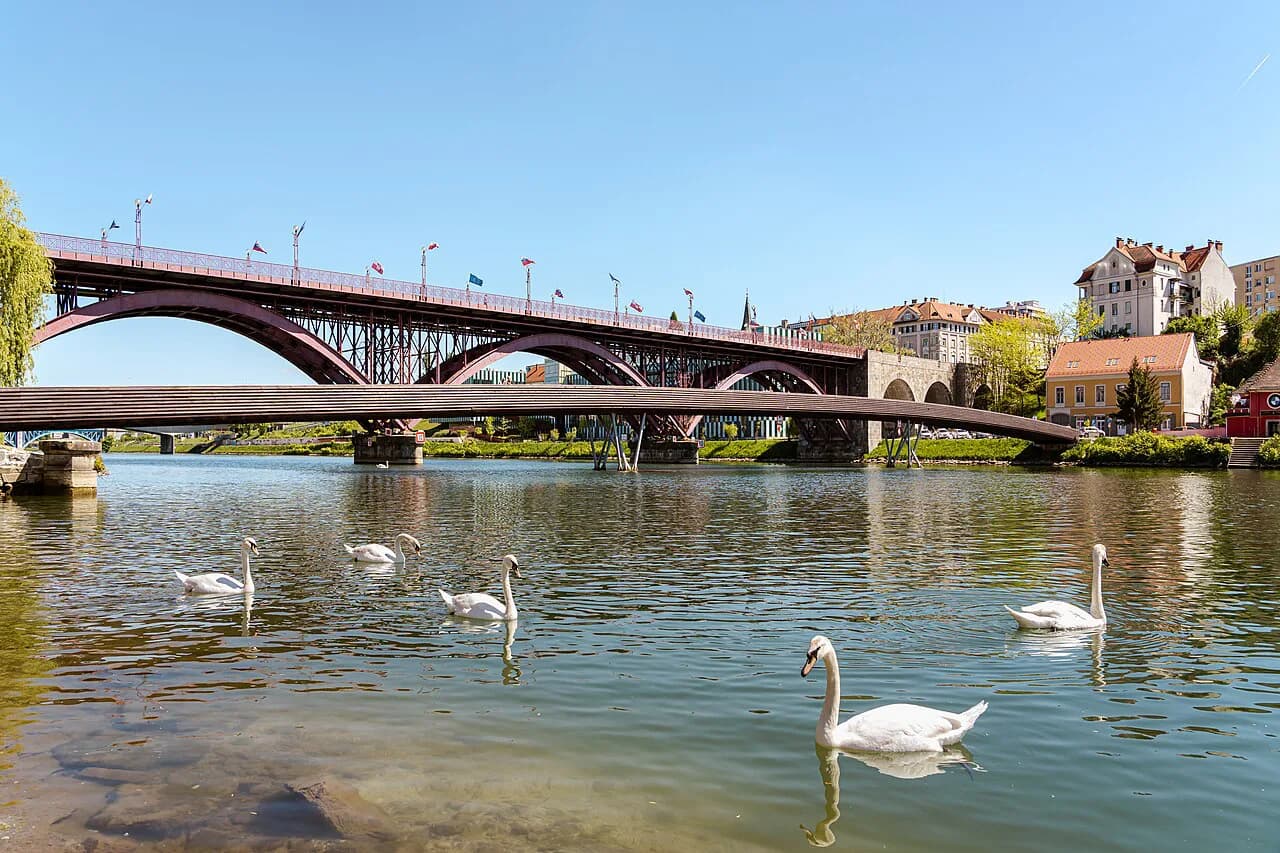
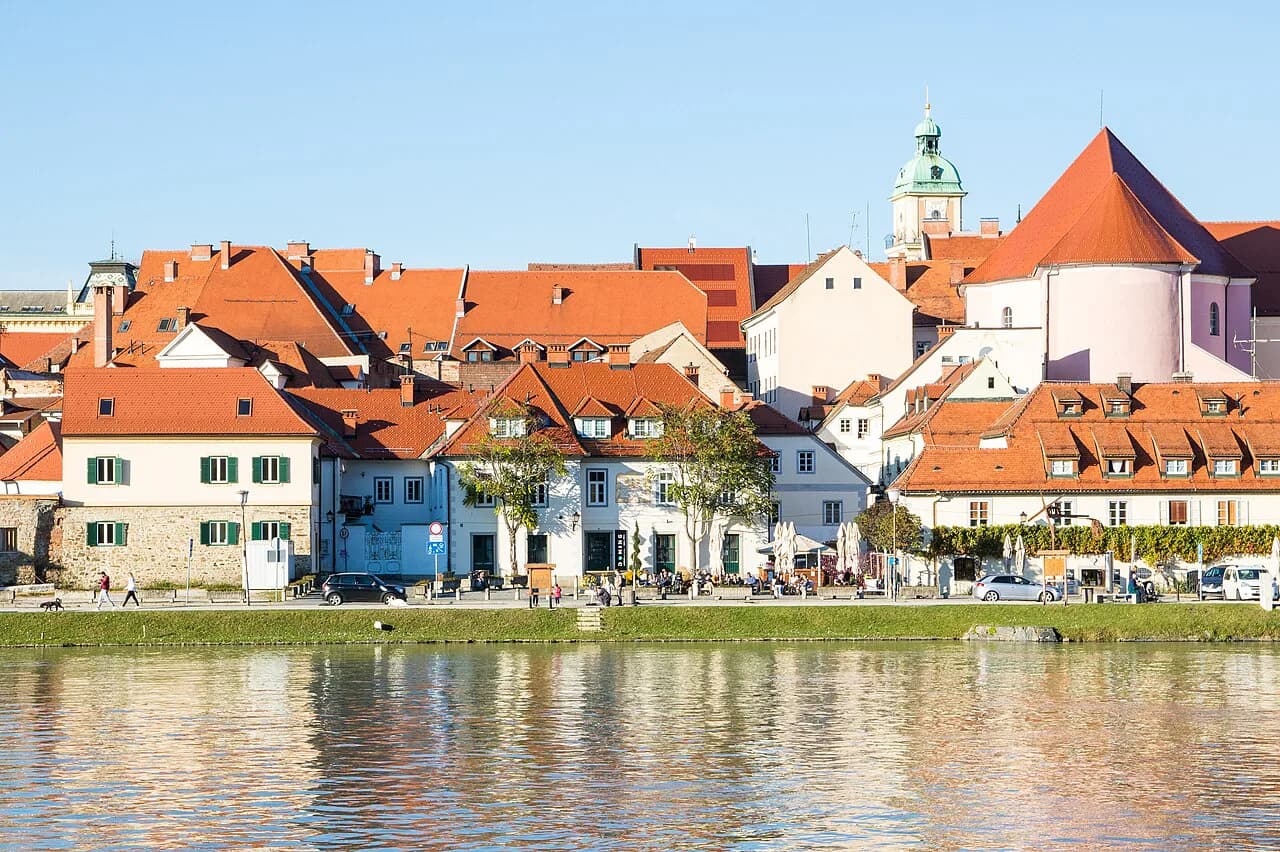
For a visitor, the industrial layer shows up less in grand monuments than in the texture of the city. Look at the scale of the riverfront blocks and the way cultural venues have taken over spaces that were not built as museums. The Maribor Lent district, downstream along the Drava, is the clearest place to read this.
If you want the institutional version of this story, the city's museums hold industrial and art collections. The guide to Museums in Maribor covers what each one holds and how long to allow. It is a good stop on a wet day, when the hillside and the old-town loop lose their appeal.
European Capital of Culture 2012 and what it left behind
Maribor held the European Capital of Culture title in 2012. The year is the hinge in how the city talks about itself: residents had already lived through a major cultural project, and afterward the creative sector kept working on questions of local, regional, and national identity. When you see a cultural program or a refurbished venue, 2012 is often the starting point.
One strand of the 2012 program revisited neglected parts of the city and set up a seed bank for native Slovene species. The goal was sustainable local production with community involvement, including the Roma minority. That legacy is not a single monument you can point to, so treat it as context for the programming you see advertised around the center rather than as a sight.
What to look for on a walk through the old town
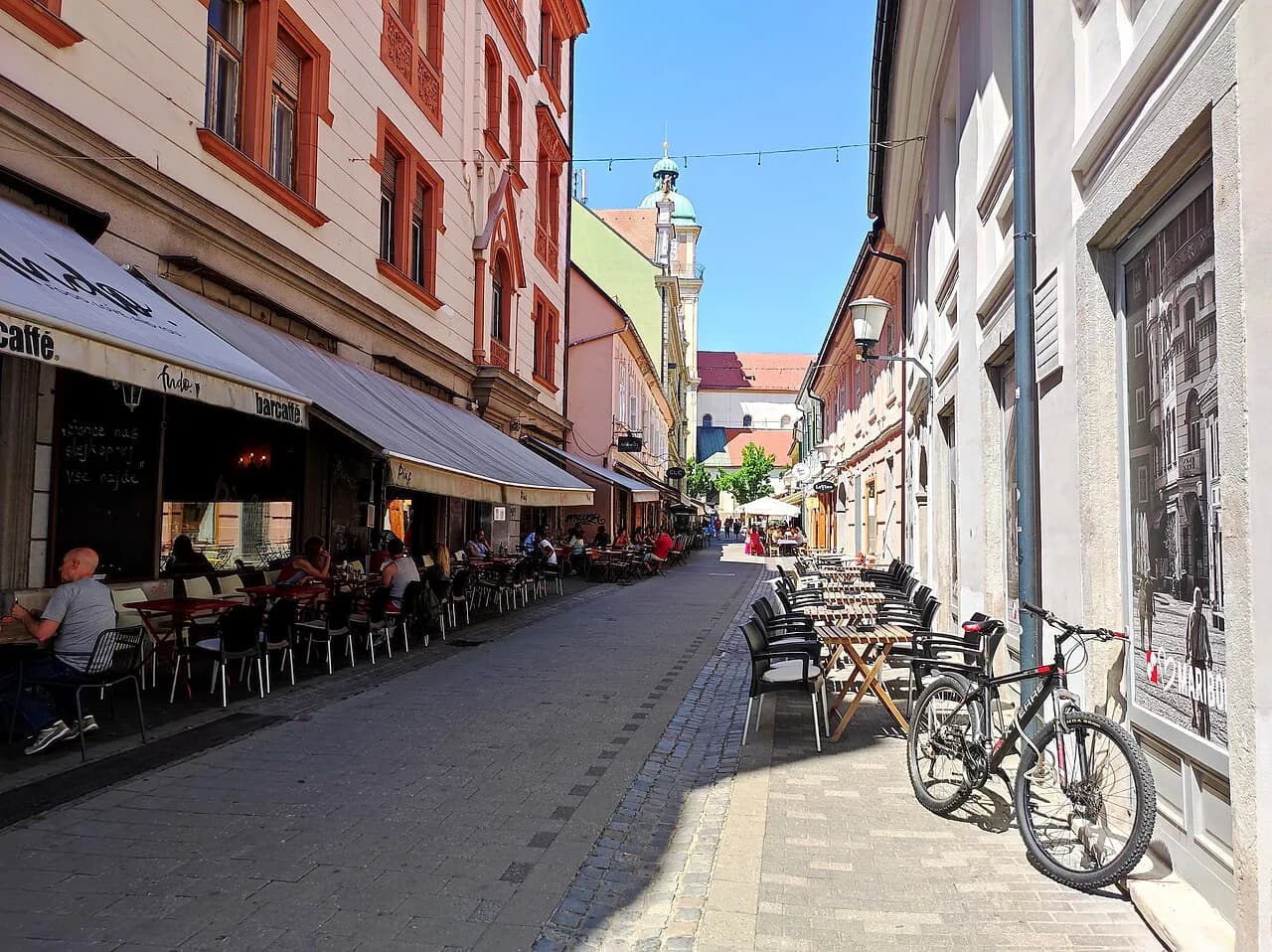
Start at the river and work inland, or reverse it, but keep the sequence: water, Lent, the old-town streets, St. Aloysius Church, the cathedral, then Piramida Hill. Each stop corresponds to one of the periods above, so the walk doubles as the timeline. If you are only in the city briefly, this route fits a single day.
On the ground, look for three things. First, inscriptions and older signs using Marburg, which date a building before the 20th century. Second, the transition from the riverside to the denser old-town blocks, which marks the boundary between the trading city and the religious core. Third, the sight lines uphill, which show how Piramida related to the settlement below.
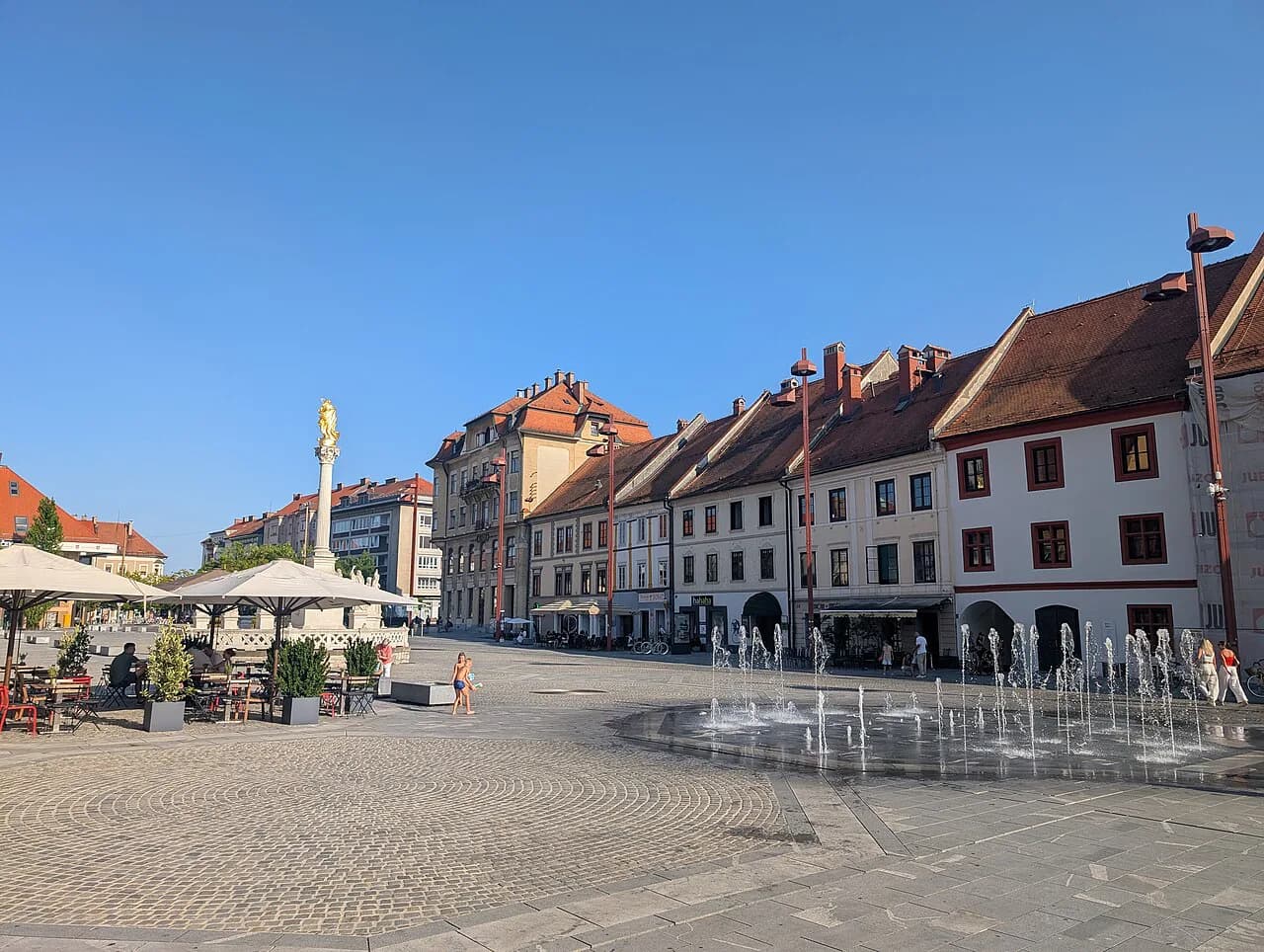
The old-town square Glavni trg is the natural midpoint for a break, and the streets around it hold most of what you want to see in an hour or two. From there, the cathedral and the river are both within a short walk, so you can rearrange the order around opening times. Check the guide to Glavni trg for what surrounds the square before you set out.
When you want a wider view, the Pohorje hills rise above the city and give the industrial and postwar story a geographic frame. The contrast between the dense center and the wooded ridge is part of how Maribor understands itself. It is also where you see the city's setting rather than its buildings.
Which stop tells you the most?
If you only have time for one stop, choose Piramida Hill, because the site explains the city's origin and the view shows you the geography the rest of the story depends on. If you have half a day, add the cathedral and St. Aloysius Church, which together cover the religious and late-Habsburg layers. The old town between them connects the pieces without any extra planning.
Check the cathedral's and St. Aloysius Church's visitor arrangements before you go, and confirm Piramida's access on the day. Beyond that, the streets, squares, and riverfront are open to walk, and the history above is enough to read them. Build the rest of the trip around food and coffee stops rather than more monuments, since the city's recent identity lives in its everyday places.
Explore more Maribor guides
Sources
Notes for your Slovenia trip
Optional updates to our Slovenia place guides.
You might also like
Continue reading
More guides you'll find useful