
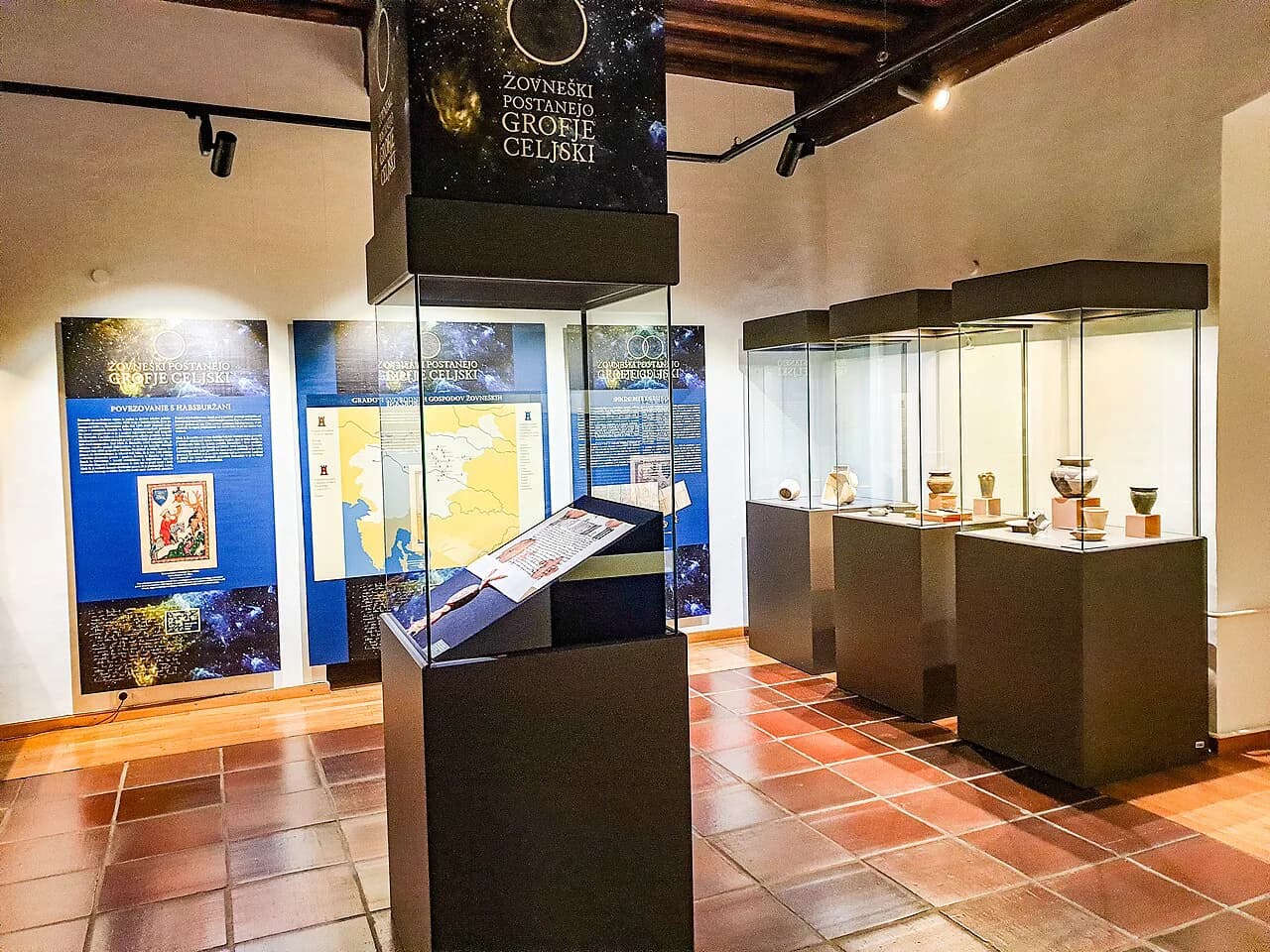
Celje Regional Museum: A Visitor's Guide to the Prince's Mansion and Old Landgrave's House

Celje Regional Museum is not one building. Its main displays are split between the Prince's Mansion and the Old Landgrave's House, two historic buildings in the old town, and the museum also runs ten external locations outside the city. Plan on visiting both city venues and treating the rest as separate outings.
The Prince's Mansion holds the Counts of Celje exhibition over two floors and, below it, the in situ Roman remains of Celeia. The Old Landgrave's House is where you find the Celje Ceiling. This guide covers the order that makes sense, the objects worth seeking out, how long to allow and where to confirm hours before you go.
One museum, two old-town addresses
The Celje Regional Museum is described as the second oldest museum in Slovenia, founded in 1882, and as one of the larger Slovenian regional museums. Its collections run from prehistory to the First World War and are shown mainly in two buildings near the river Savinja in the downtown. That split is the first thing to understand: you are not looking for a single entrance.
The two venues sit a short walk apart in the old town, so you can walk between them without a car or a bus. Pair the museum with a wander through the surrounding streets rather than trying to cover the entire city in the same afternoon. For a broader look at what sits within walking distance, see the Celje Attractions: 5 Visitor Guides overview.
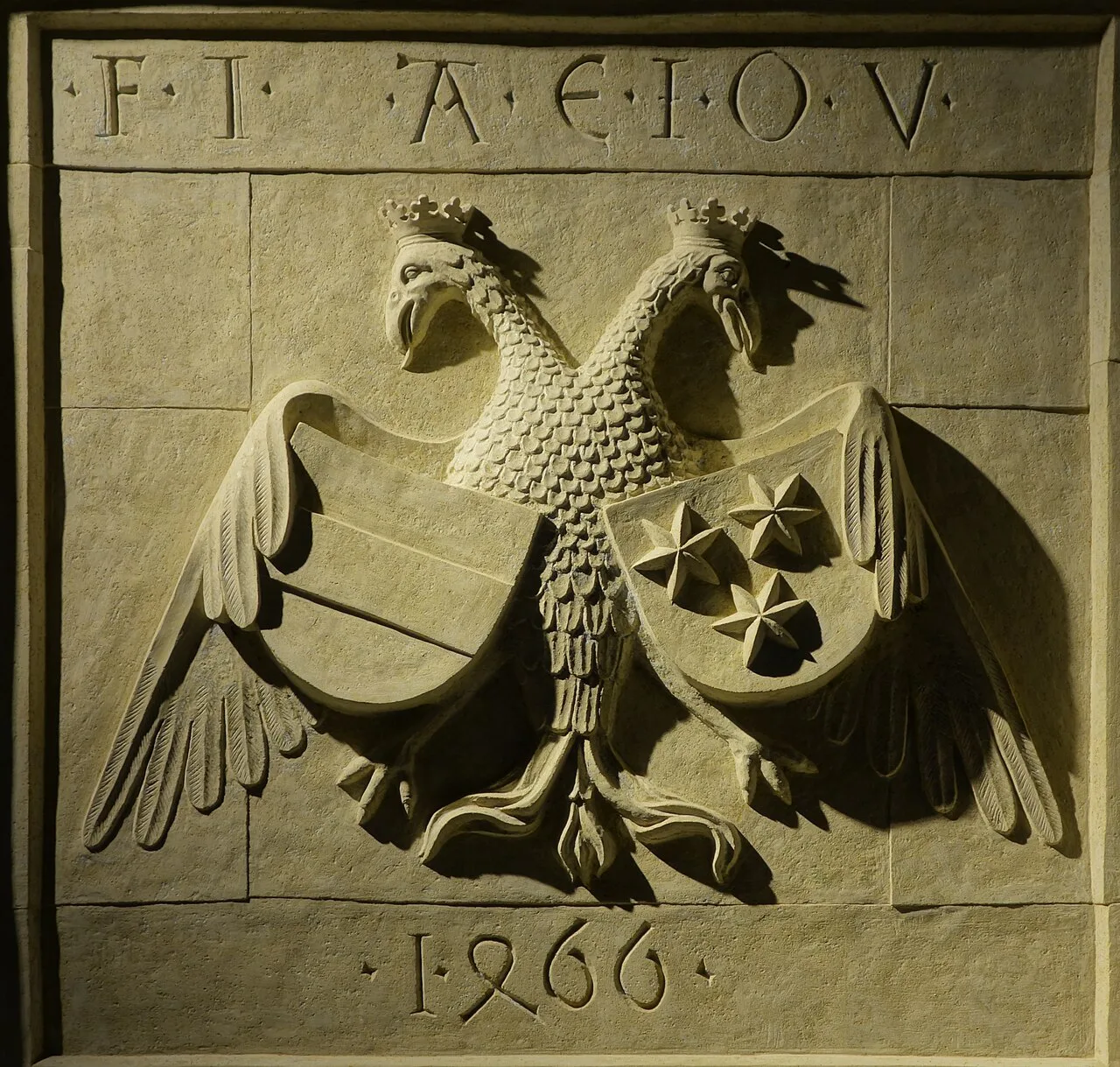

The Prince's Mansion and the Counts of Celje exhibition
The Prince's Mansion dates from the 14th and 15th centuries and was built by the Counts of Celje. Inside, the exhibition on that dynasty spreads over two floors and includes two knights' halls, which are the rooms to linger in if you care about the building as much as the objects. The display traces the family's rise, including the titles granted under Emperor Sigismund of Luxembourg.
A more unexpected exhibit sits in a darkened room: the skulls of the Counts, which the museum has held since 1956 and now displays. They give the exhibition a different tone from the usual case of documents and portraits. Decide in advance whether you want to spend your time on the dynastic story or move quickly to the Roman basement below.
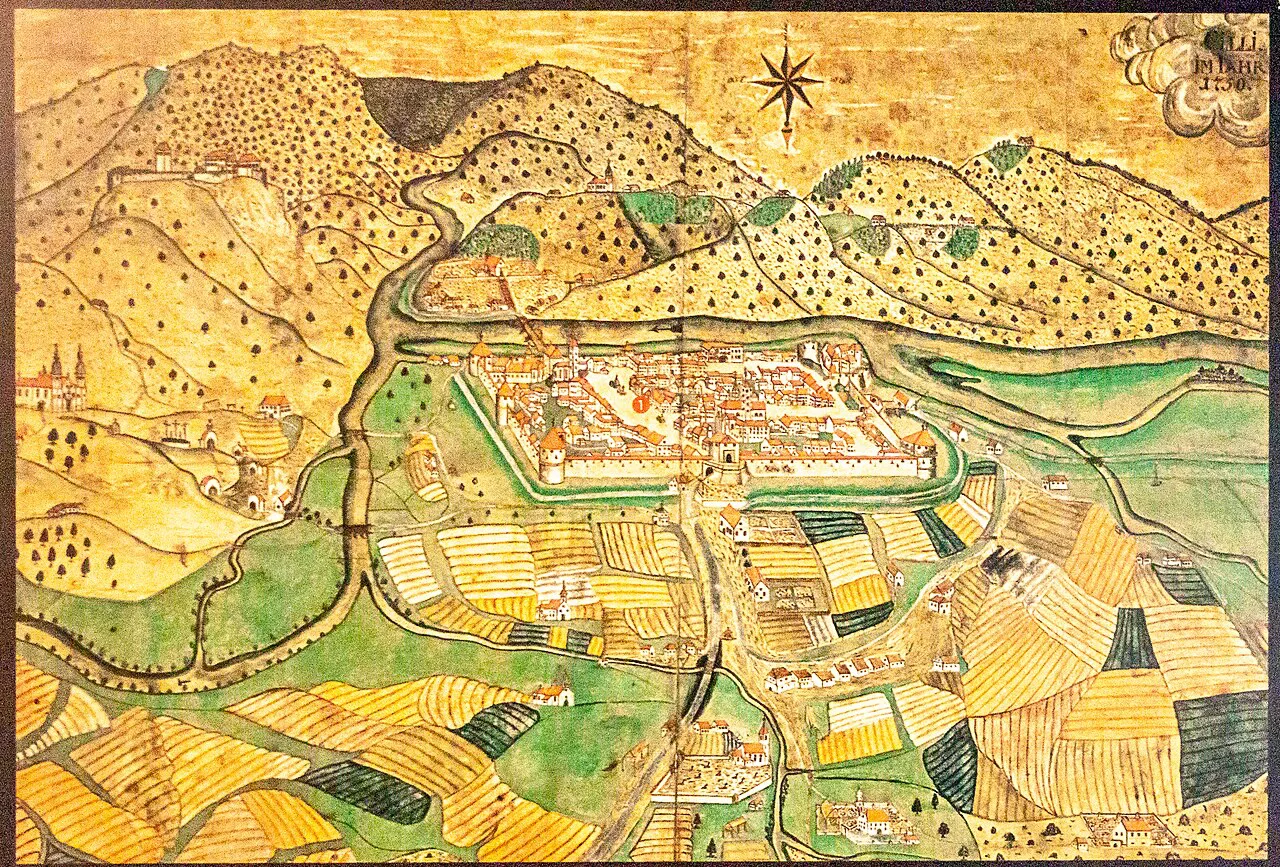

Celeia – City Beneath the City, in the basement
Under the Prince's Mansion, the Celeia – City Beneath the City exhibition presents the remains of the Roman town in situ across a floor area of about 1,000 square meters. The museum describes it as the largest in situ archaeological display of ancient Celeia. You are looking at the actual buried street level rather than a reconstruction in cases, which is why this section feels different from the floors above.
Look for the stretches of Roman wall, a section of Roman road with wheel tracks still visible, and a statue of Pohorje marble built into later medieval masonry. Walking the basement takes on more meaning if you have already read the dynastic exhibition upstairs. If you only have time for one section, choose between the Counts and the Romans rather than rushing both.
The Paths of Alma M. Karlin
One of the permanent exhibitions at the museum follows Alma M. Karlin, the Celje-born traveler and writer, through the objects and material connected to her life and journeys. The exhibition sits alongside the larger displays, so it is easy to fold into the same visit.
The Celje Ceiling at the Old Landgrave's House
The Old Landgrave's House is the second city venue, and its draw is the Celje Ceiling, a painted ceiling commissioned by the Counts of Thurn-Valsassina at the transition from the Renaissance to the Baroque. It is the kind of object that rewards looking up rather than reading labels. Check the ceiling before you leave the building, because it is easy to walk under it without noticing.
Because the two buildings are separate, plan the order rather than assuming you can see both on one stop. Walk from the Prince's Mansion to the Old Landgrave's House while you still have energy for the second venue, and confirm on the museum's own site which displays are running when you arrive.
Collections beyond the headline shows
The museum's holdings extend well past the Counts and the Romans. They include prehistoric archaeology, regional ethnology, old Savinja ceramics, glass and an Asian collection that grew in part from Karlin's travels. A samurai armor is among the pieces singled out in that Asian collection, which makes a useful detour if the dynastic rooms start to blur.
Ten further locations outside Celje also fall under the museum, so do not expect to see everything under one roof. Treat those as separate trips rather than trying to squeeze them into a museum morning. The two city venues are the practical core of a visit.
How long to allow and how to split the visit
Allow roughly two hours if you want the Counts of Celje exhibition, the Roman basement and the Celje Ceiling without rushing. If you read every label, add time in the knights' halls and the Karlin display. If you have only an hour, pick either the dynastic floors or the Roman basement, then see the ceiling at the other building on the way out.
The natural order is the Prince's Mansion first, because the Roman basement sits below the dynastic exhibition and the two connect, then the Old Landgrave's House for the ceiling. That sequence keeps you indoors on a wet day and outdoors only for the short walk between them. Rest your legs between the buildings rather than saving it all for the end.
Getting there from Celje's old town
Both buildings sit in the old town near the river Savinja, so the easiest approach is on foot from the center. If you are arriving by train or bus, walk into the old town first and locate the two venues before committing to a route. The streets around Krekov trg, Celje make a sensible starting point for finding them.
Driving into the center brings parking and one-way street complications, so consider leaving the car and walking the last stretch. The two buildings are close enough that moving between them on foot costs only a few minutes. That also lets you combine the museum with the surrounding squares without hunting for a second parking spot.
Tickets and hours: where to confirm
Ticket prices and opening hours can change, so check the official Pokrajinski muzej Celje pages before you travel and again on the morning of your visit. That is also where you confirm whether special exhibitions are running in either building.
The museum is described as the second oldest in Slovenia, which helps set expectations: this is a regional museum with deep collections rather than a blockbuster attraction. Go for the specific objects, the Roman basement and the ceiling, and you will leave satisfied.
Nearby: Celje Castle, the cathedral and the old-town streets
Celje Castle sits above the town and works as a separate visit rather than an extension of the museum. Its entrance and walls give you the view back over the city that the museum's rooms cannot. Plan the museum and the castle as two outings.
The Celje Museum of Recent History is another nearby option if you want twentieth-century everyday life after the Roman and medieval material. It focuses on the town and the Lower Savinjska region from the early twentieth century onward and runs the Herman's Den children's museum. It is a distinct museum, so budget separate time for it rather than squeezing it into the same slot.
For the old-town streets, the Celje Cathedral (Stolnica sv. Danijela) is easy to add on foot, and the Celje water tower is another landmark worth locating on a walk. Pair one of these with the museum rather than trying to cover every sight in a single day. For orientation across the town, the Celje: What to See in Slovenia's Town of the Counts hub is a useful starting point.
Which building should you start with?
Start at the Prince's Mansion for the Counts of Celje exhibition and the Roman basement, then walk to the Old Landgrave's House for the Celje Ceiling. That order follows the logic of the collections and saves you from backtracking. Confirm current hours and prices on the museum's website before you set out.
Frequently Asked Questions
Is the Celje Regional Museum in one building?
No. Its main city displays are split between the Prince's Mansion and the Old Landgrave's House, two historic buildings a short walk apart in the old town. The museum also operates ten external locations outside Celje, which are separate outings rather than part of the same visit.
What is the Celje Ceiling?
The Celje Ceiling is a painted ceiling at the Old Landgrave's House, commissioned by the Counts of Thurn-Valsassina at the transition from the Renaissance to the Baroque. It is the main reason to include that building in your visit.
Who was Alma M. Karlin?
Alma M. Karlin was a traveler and writer from Celje whose life and journeys are covered in a permanent exhibition at the museum. The museum's collections also include an Asian collection connected to her travels.