Celje, Slovenia: What to See in the Counts' Town
Plan time in Celje around the hilltop Old Castle, the compact old town, the Regional Museum over Roman Celeia, and Lake Šmartno on a warm afternoon.
On this page
Celje suits a half day for the castle and the compact center, or a full day if you add the Regional Museum of Celje and Lake Šmartno. The town sits in the Savinja valley in Lower Styria, at the confluence of the Savinja, Hudinja, Ložnica and Voglajna rivers, which is why the riverbanks show up on every walk between the sights.
This guide separates the hilltop ruin from the street-level old town so you know how much climbing is involved, then groups the sights into a short core and a longer version with the museum and the lake. Football results and fixtures for NK Celje are a separate subject and have no bearing on what you do with a day here.
Where Celje sits and how it fits a trip
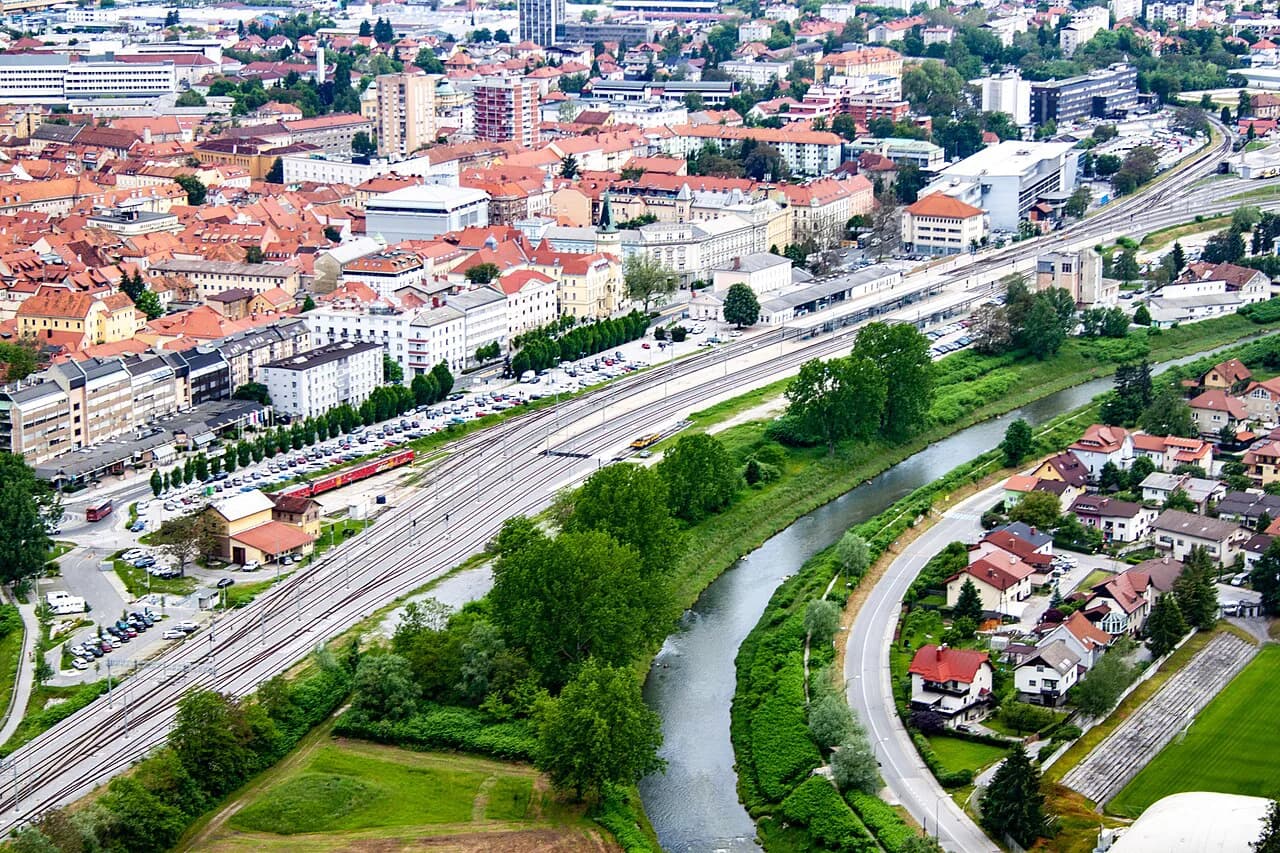
Celje lies in the Savinja valley in the Lower Styria region, with the Savinja, Hudinja, Ložnica and Voglajna rivers meeting around the city. On a map that confluence explains the shape of the center: the streets follow the water, and the castle hill rises directly above the built-up area.
Because the center is compact, Celje works as a stop rather than a base. Travelers moving between Ljubljana and Maribor can use it as a break in the middle of the day, and the sights below are close enough that you are not spending the visit in transit.
How Celje is laid out
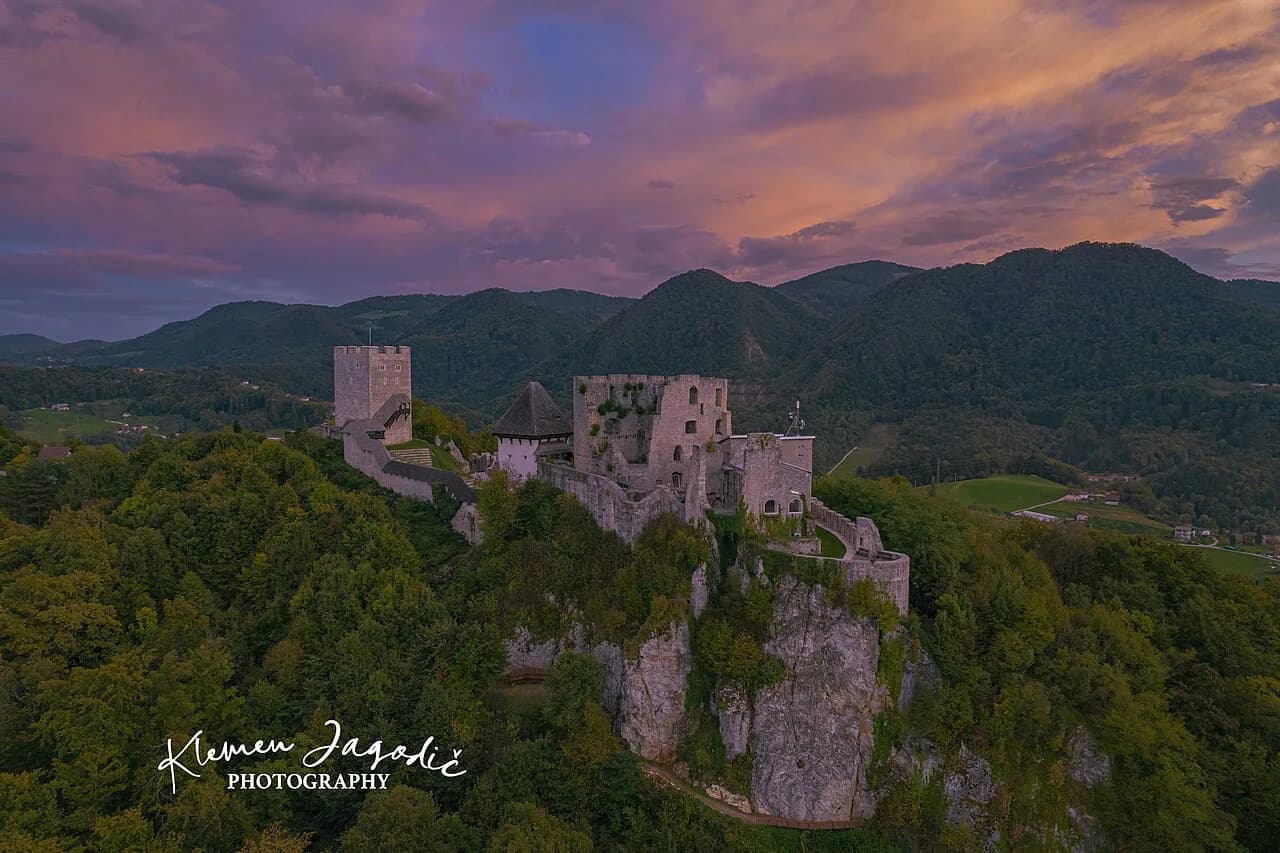
Think of Celje in three layers. The compact old town center is the walking layer, with cobbled streets, squares and historic buildings packed tightly enough to cross on foot. Above it sits Celje Castle, the ruin on the hill that gives the wide view over the town and the green landscape below. At the edges lie the city forest, Celjska Koča and Lake Šmartno, which need a car or a longer walk.
That layout sets your order of business. Do the center and the castle on foot in one block, then treat the lake and the wooded edge as a separate outing rather than trying to fold them into the same walk. The climb to the castle is the one real effort of the day.
Celje Castle (Stari grad): the ruin above the town
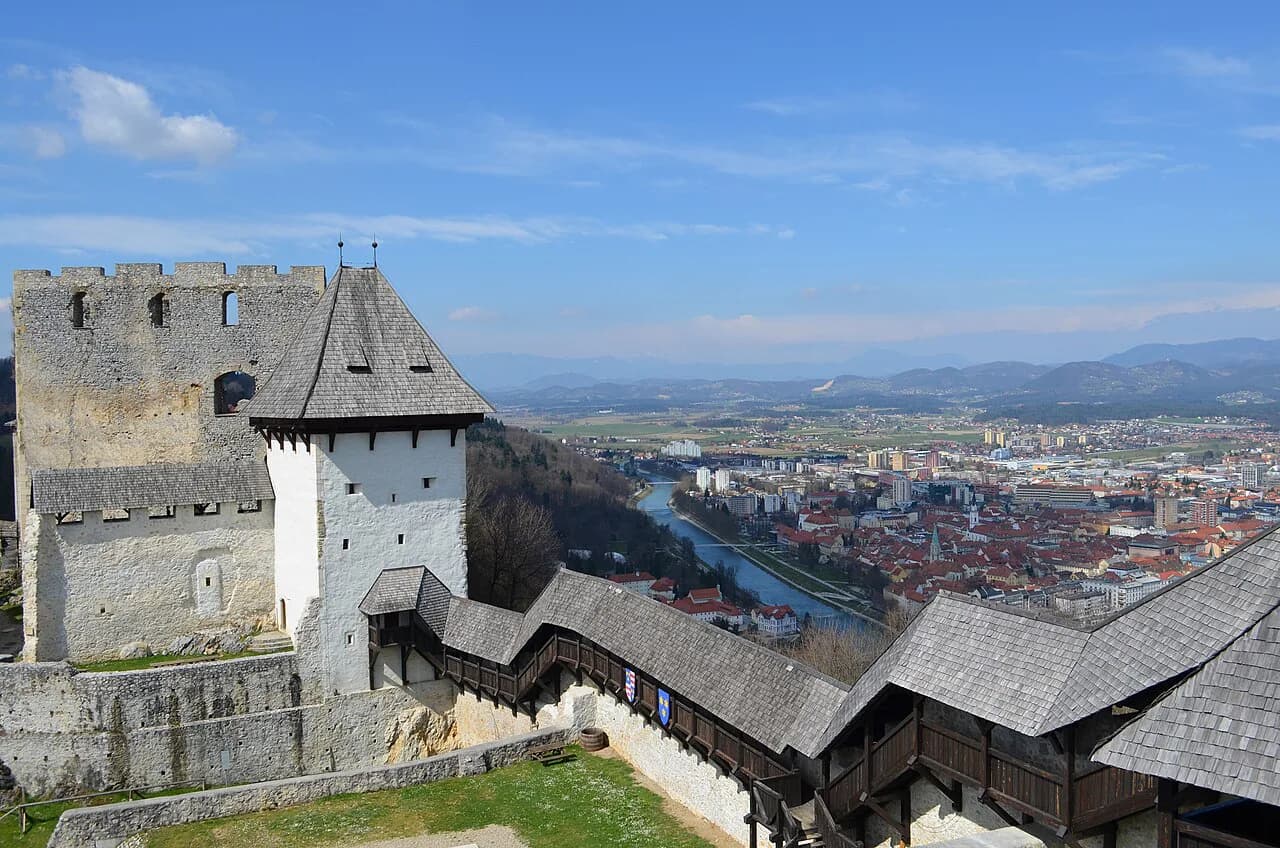
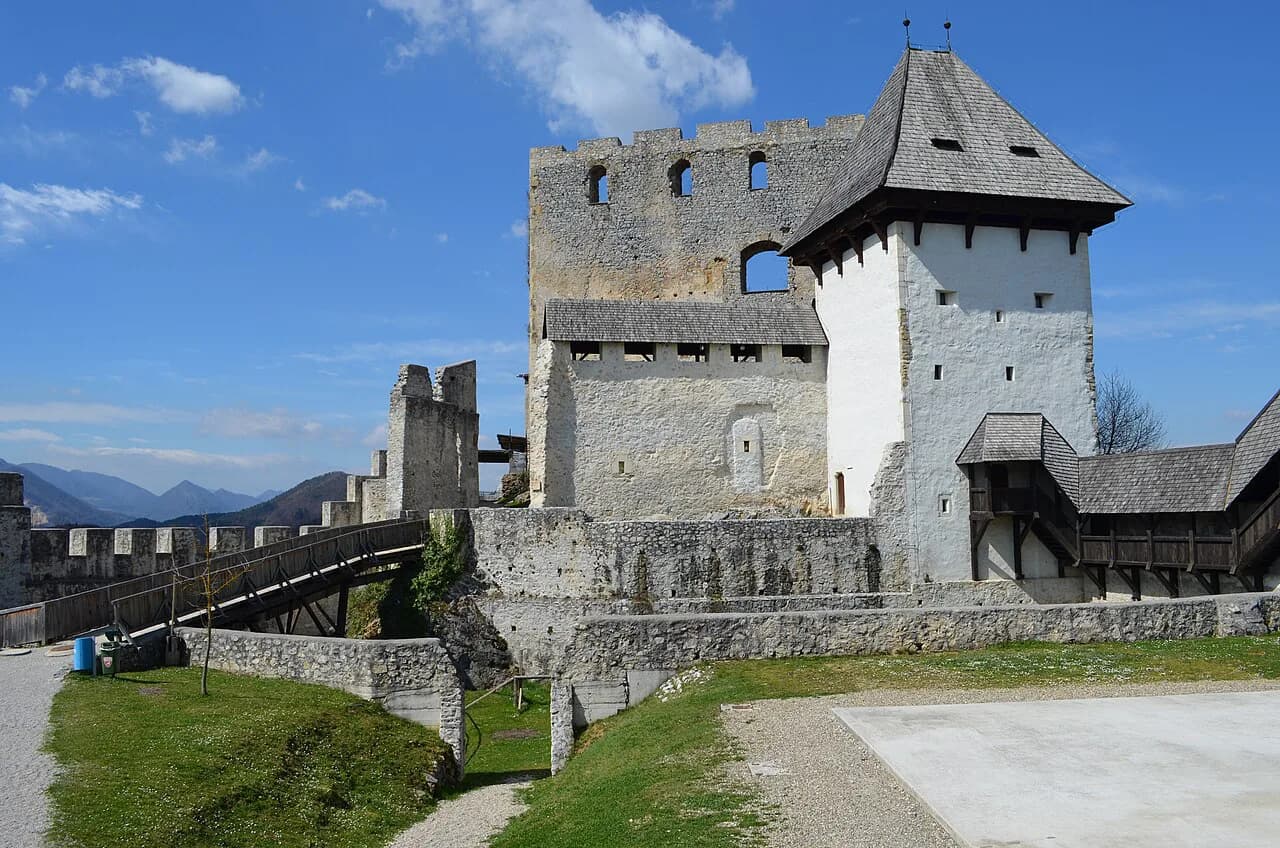
Celje Castle stands on the hill above the city and is the reason most travelers get off the train. The ruins are extensive enough to fill a while: towers, courtyards and dungeons to wander, with the main tower giving the broadest view over Celje and the countryside around it.
Budget the climb up as the trade-off. The reward is the panorama and the space to move around a large ruined complex, and the effort is why the castle pairs naturally with a slow hour in the flat center afterward rather than another uphill leg.
The old town center on foot
Below the hill, the old town is a short walk of cobbled streets and historic buildings where you pass the squares and facades rather than queue for them. The center is compact, relaxed and easy to cover on foot, and it feels like a place where people live rather than a streetscape built around visitors.
Give the streets an hour on their own, separate from the castle, so the hill climb does not crowd out the lower town. If you are working out where to pause for lunch between the two, our guide to Celje restaurants covers the eating options in the center.
The Regional Museum of Celje and Roman Celeia
The Regional Museum of Celje covers the history of the city and its surroundings from the prehistoric period to the end of World War II, which makes it the indoor counterpart to the ruin on the hill. Set aside a proper block for it rather than squeezing it between the castle and the station.
Roman traces run through the city. Aqua Romana preserves the remains of Roman-era baths, and the museum's sweep is where the older layers of the settlement come together. Check the museum's current opening days before you build the day around it, since a closed door is the one thing that can wreck a museum-heavy plan.
Saint Daniel's Cathedral and Celje Hall
Saint Daniel's Cathedral and Celje Hall sit on the same walk and give the center its architectural stops. The cathedral is a Gothic building that has stood through the city's changes, and Celje Hall is a neo-renaissance building that hosts cultural events through the year.
Treat both as short stops folded into your loop of the center rather than as destinations in themselves, and look at the event listings for Celje Hall if you want to know what is on while you are in town.
Prince's Mansion and the municipal quarter
Prince's Mansion is a Renaissance palace that now houses the municipal administrative offices, so it belongs to the working city as much as to the sightseeing circuit. You pass it as part of the center walk, and its current role is a reminder that Celje's historic buildings are still in daily use.
Lake Šmartno on a warm afternoon
Lake Šmartno sits at the edge of town and is where locals go when the streets get hot, with boating, fishing and picnicking by the water. It is the natural second half of a summer day in Celje, after the castle and the center are done.
Getting there is the planning point. The lake lies away from the compact walkable center, so it works best as a separate outing rather than a stop squeezed between the streets and the castle.
Celjska Koča and the city forest
Celjska Koča is a short drive from the city, with recreation in summer, skiing in winter and views of the valley below. The city forest is the greener, closer option, a place for a stroll or an easy hour out of the streets when you want to be among trees without leaving town.
Both are the answer to the question of what to do when the castle and the center are finished and you still have daylight. Pick one rather than both, and in winter check the state of the road or the snow line before driving up.
How long Celje needs
A half day covers the castle and the compact center at an unhurried pace: climb the hill, take the view, then walk the streets below. A full day adds the Regional Museum, Saint Daniel's Cathedral and Celje Hall on the same loop, plus Lake Šmartno if the weather is warm.
If Celje is one stop on a longer run through the region, keep it to the half-day core and save the lake and Celjska Koča for a return. The town works better as a lived-in place you give a few hours than as a tick-box detour.
Getting around without a car
The center rewards walking: the old town is compact, the castle is a climb from the streets, and the two halves of the day sit within easy reach of each other. For the lake and Celjska Koča at the edges, plan on driving or arranging a transfer, because they sit outside the compact core.
Trade-offs: the climb, the museum and a short visit
The hill climb is the main physical cost of a Celje day, so anyone with limited time should decide first whether the castle is in or out. The castle carries the view and the ruin, the museum carries the city's story from prehistory to the end of World War II, and a short visit rarely fits both.
With only an afternoon, take the castle and the old town, and leave the museum, the lake and Celjska Koča for a longer stay. One practical note: check current opening times for the museum and the castle before setting out, since those decide the order of the day more than anything else.
Which version of Celje fits your day?
If you have half a day, climb to Celje Castle, take the view over the town and the green landscape, then walk the compact center past Saint Daniel's Cathedral and Celje Hall. That is the core that makes the stop worthwhile, and it leaves the lake for another time.
With a full day, add the Regional Museum of Celje and finish at Lake Šmartno or Celjska Koča. Where to eat fits between the two halves; our guide to where to eat in Celje keeps the lunch stop inside the same walking loop.
Explore more Celje guides
Sources
Notes for your Slovenia trip
Optional updates to our Slovenia place guides.
You might also like
Continue reading
More guides you'll find useful