
Koper Regional Museum (Pokrajinski muzej Koper): A Visitor's Guide

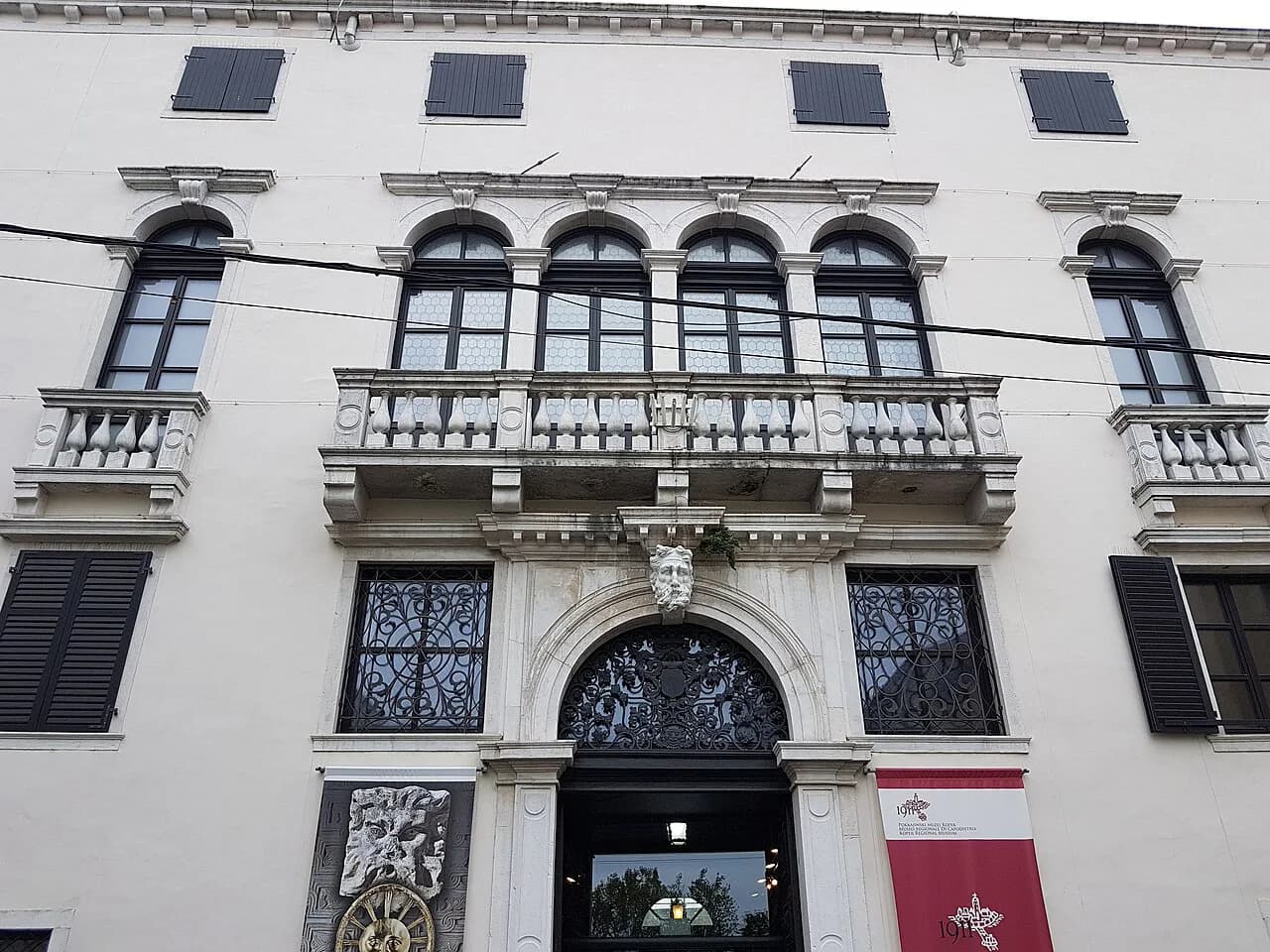
The Koper Regional Museum is a compact regional collection housed in the Belgramoni Tacco Palace at the northern end of Titov trg, opposite the Praetorian Palace. One to two hours covers its archaeology, art and cultural-history rooms, the Pinakoteka picture gallery and the permanent exhibition on the region's Venetian, Napoleonic and Habsburg past. This guide covers where the building sits, how to walk to it from the waterfront and bus station, and what to see inside.
What the Koper Regional Museum is, and where it sits
The museum, known in Slovene as Pokrajinski muzej Koper, keeps the cultural heritage of the Primorska region. Its home is the Belgramoni Tacco Palace, an early 17th-century building that gives the collection an ornate setting rather than a neutral gallery box.
The institution traces its founding to 1911, when it opened as the city museum of history and art. It moved into the palace after the First World War, and its collections survived the wartime evacuation of artworks to grow into what visitors walk through now. Read those years as history, not as a schedule.
For orientation, the museum anchors the old center's northern edge. The full set of Koper Attractions: 6 Visitor Guides maps how the museum sits among the town's other sights, which helps you group it with the square and the palaces around it.

Where it is: the palace at the north end of Titov trg
The palace sits on Titov trg, at the northern end of the square and directly opposite the Praetorian Palace. If you can see the Praetorian Palace's facade, the museum is across the paving from it.
Titov trg, Koper is the reference point for the whole visit: the square holds the palace ensemble, and the museum is one of the buildings that frame it. Use the square rather than a street number to find your way, because the old center's lanes bend around the palace block.
Standing at the same spot, the Praetorian Palace (Pretorska palača), Koper is the natural companion stop, since its facade faces the museum across the square. Pairing the two takes little extra walking and gives you a sense of how the town's civic buildings cluster.

How to get there on foot from the marina and the bus station
Koper's old center is compact enough that you reach the museum on foot from the waterfront and the bus station, which both sit on the landward edge of the historic core. Aim for Titov trg and then for the palace opposite the Praetorian Palace. The lanes are pedestrian, so allow a slow ten to fifteen minutes if you are stopping to look.
If you arrive through the Muda Gate in Koper, the old town entrance, keep heading inland and slightly north until the square opens up. The gate makes a convenient landmark for the walk back to the marina as well.
Inside: the archaeology collection
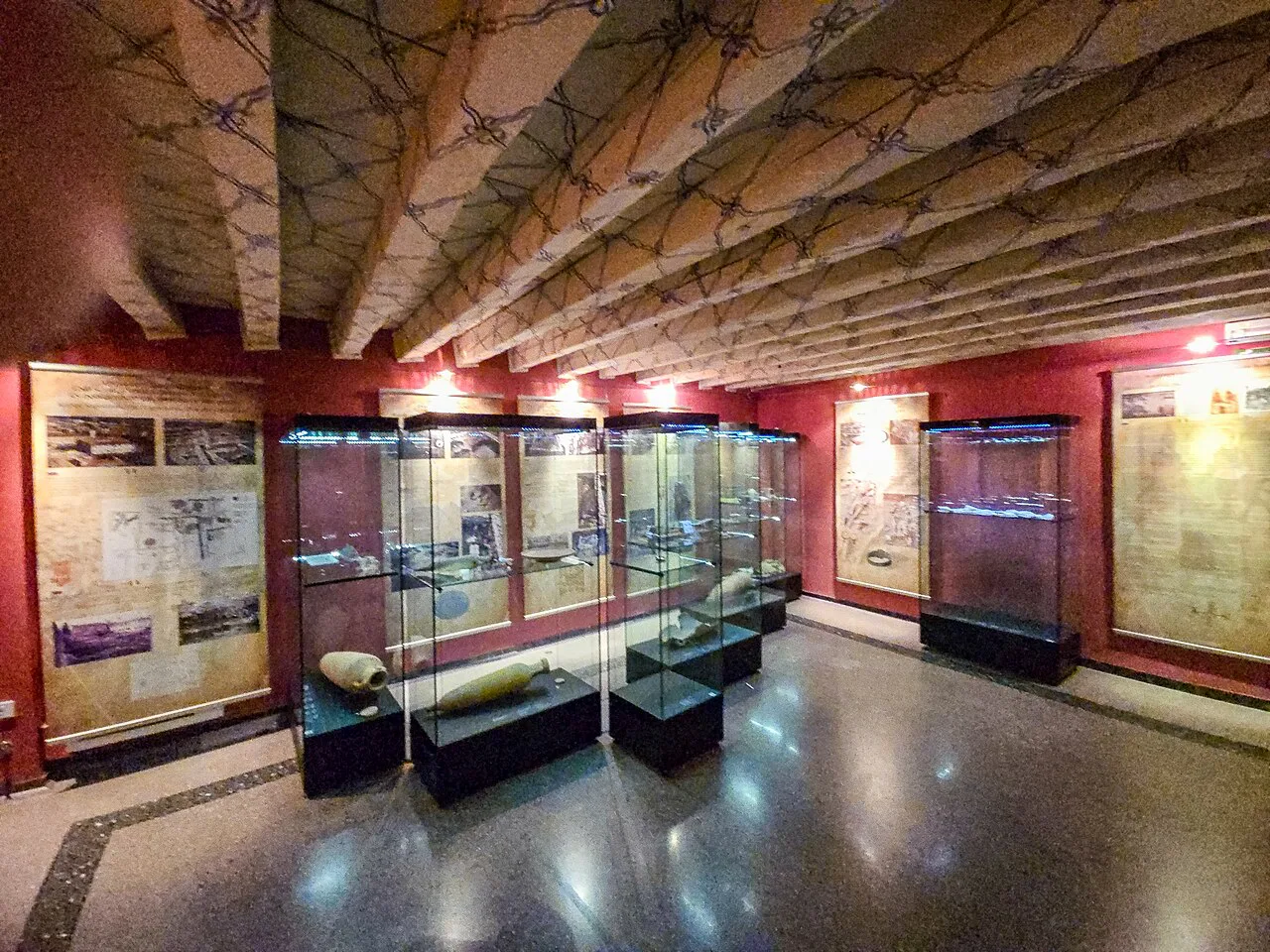
The archaeological rooms display finds from the earliest settlement of the Primorska area, including tools, pottery and other everyday relics. Taken together, they give a picture of how people lived along this part of the coast long before the Venetian and Habsburg eras.
The museum's collections run across archaeology, history, art and ethnology, so the archaeology section is one strand of a broader regional story rather than a separate antiquities museum. Visitors who want the whole arc should move through the rooms in sequence rather than jumping to the gallery.
Art and cultural history: sculpture, frescoes and Glagolitic inscriptions
The art and cultural-history collection is arranged chronologically, moving from early medieval sculpture through painted works and decorative pieces. Look for fresco fragments and inscriptions in Glagolitic script, the old Slavic alphabet that appears on this part of the Adriatic coast.
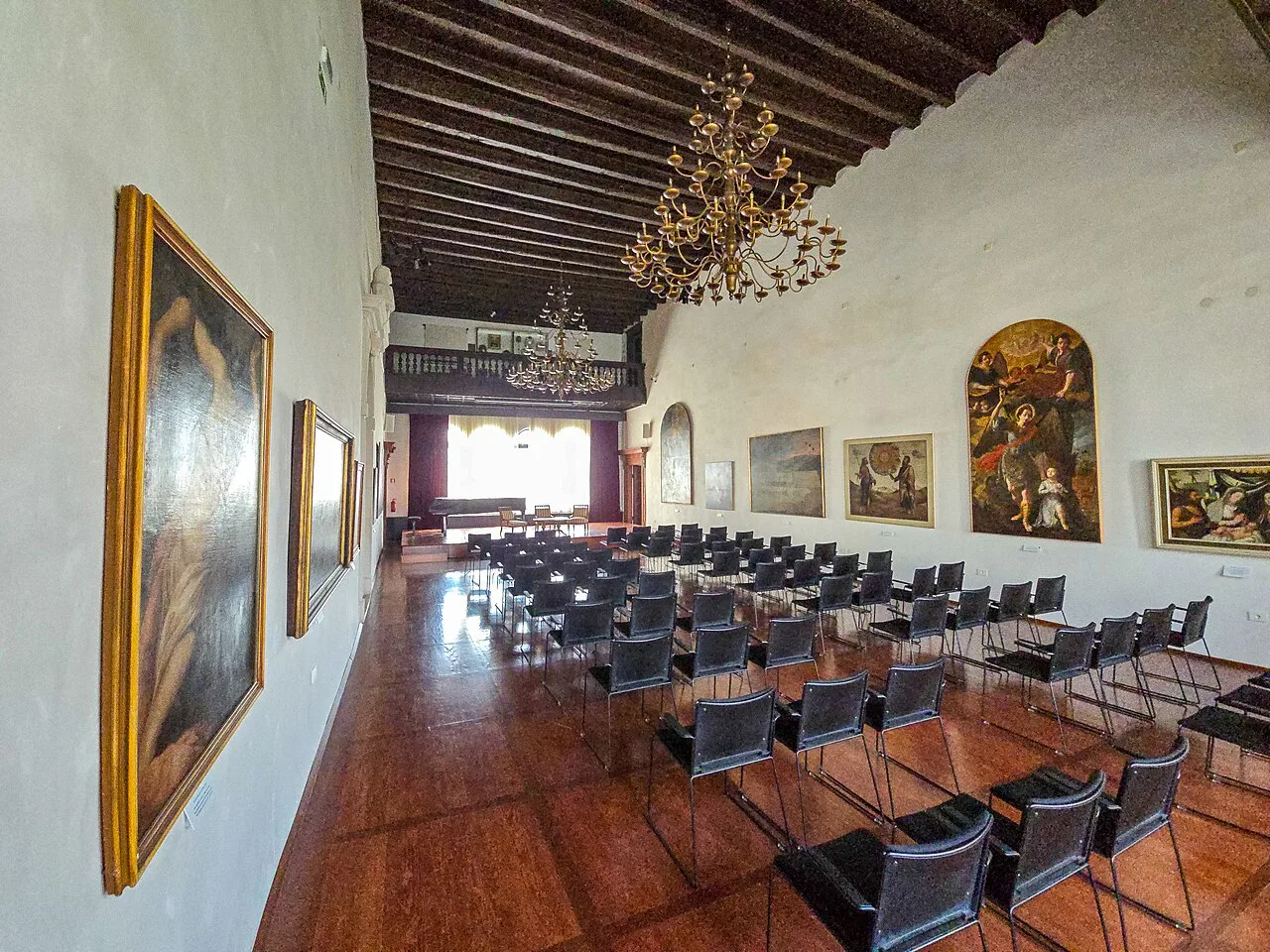
Because the palace itself is part of the visit, keep an eye on the rooms as well as the display cases; the building's early 17th-century fabric frames the collection. That combination is what makes this a regional museum rather than a single-theme exhibit.
The Pinakoteka: paintings and decorative arts
The Pinakoteka is the museum's picture gallery, holding paintings, sculpture and decorative arts mainly from the 17th and 18th centuries. It suits travelers who prefer objects and images to text panels, and it can be seen in a focused pass.
If your time is short, choose between the Pinakoteka and the archaeology rooms rather than trying to absorb both in detail. The gallery rewards a slow look at a few works, while the archaeology displays read faster as a sequence.
The permanent exhibition on Venice, Napoleon and the Habsburgs
The permanent exhibition is titled Between the Serenissima, Napoleon and the Habsburgs and opened for the museum's centenary in 2011. It walks through the centuries when this coast passed between Venetian, French and Austrian rule, which is the core of Koper's identity.
Displays cover the period from the pre-Roman era through recent decades, so the exhibition gives context for everything else in the building. If you only have time for one part of the museum, start here and let the other rooms fill in the detail.
How long to allow, and why it suits a shorter visit
Allow one to two hours for the whole museum: archaeology, art and cultural history, the Pinakoteka and the permanent exhibition. That pace leaves room to read the key labels without trying to absorb every object, and it fits comfortably into a morning in the old center.
This is a compact regional museum, not a half-day institution, so treat it as a focused stop rather than the centerpiece of your day. Travelers with a tight schedule can see the permanent exhibition and the Pinakoteka and still have time for the square outside.
Nearby: Titov trg, the Praetorian Palace and the old town
After the museum, step back onto Titov trg to see the Praetorian Palace in Koper and the surrounding civic buildings at leisure; the square is the natural place to pause. From there, the old town's lanes lead toward the waterfront and the rest of the historic core.
The Koper cathedral is a short walk away and makes a logical next stop if you are following the town's main sights. The Loggia Koper, the town's historic loggia, is another building worth a look on the same circuit.
For a broader plan of the town, the collection of things to do in Koper helps you decide what to pair with the museum. Keep the museum as one element of an old-town walk rather than a destination on its own.
Opening hours and tickets: where to confirm
The museum publishes its current opening hours, ticket prices and any tour arrangements itself, so check the Pokrajinski muzej Koper site or ask at the entrance before relying on a plan. Seasonal changes on the coast can shift the daily schedule, and only the museum's own listing will be current.
Should you fit the museum into your Koper walk?
Yes, if you want the regional story behind Koper's squares and palaces in a single compact stop. Give it one to two hours, prioritize the permanent exhibition and the Pinakoteka, and treat the archaeology and art rooms as the supporting detail.
Check the museum's published hours and ticket information before you set out, then build the visit around Titov trg so the Praetorian Palace and the old-town lanes come with it.
Explore more Koper guides
Frequently Asked Questions
Do I need to book Koper Regional Museum in advance?
The museum publishes its own visitor information, so confirm booking arrangements with it before you go rather than assuming a walk-in visit. Group visits and guided tours are the cases most likely to need advance contact.
How do I find the museum without a map?
Head for Titov trg, the main square of the old center, and look for the palace directly opposite the Praetorian Palace at the northern end. If you enter through the Muda Gate, keep walking inland and slightly north until the square opens up.
Is the museum a good rainy-day stop in Koper?
It is an indoor attraction in the old center, so it works as shelter during a wet spell. Plan one to two hours inside, then continue to the Praetorian Palace and the surrounding lanes when the weather allows.