Koper History: A Timeline Tied to the Old Town You Can Still See
Koper's history runs from Roman Capris through Venice to Slovenian independence. A short timeline, each date tied to a square, gate, or palace you can visit.
On this page
Koper's history makes sense as a walk, not a list of dates. The town began on an island known in Roman times as Capris, took the name Iustinopolis in the sixth century, and gathered the Venetian palaces and gates that still frame the center; figure on half a day to trace that layer on foot. This guide pairs each date the city records with the square, gate, fountain, or palace where you can see it, then adds the countryside stop at Hrastovlje.
Most of what you will photograph sits within a few minutes of each other, so the timeline doubles as a route rather than a background read. It also explains why the old town feels Venetian rather than Austrian, and why the water that once surrounded it is now a street. Use it alongside the broader Things to Do in Koper if you are building a full day, and start with the Koper Old Town layout before you walk.
What Koper's origins look like on the ground
The city's own account of its past opens with settlement traces on the Karst edge from the Middle Paleolithic and Neolithic, then moves to hillfort sites such as Kaštelir nad Elerji near Koper. For the island itself, the oldest settlement phase is recorded under two place names, Aegida and Capris. You will not see Roman masonry on a casual stroll, but knowing the town started as an island explains the shape of the center: tight lanes, a compact core, and later filling where water once was.
The European Parliament's regional profile describes Koper as the biggest city on the Slovenian coast, with a history reaching back to the Middle Bronze Age. That framing helps you place the small historic core inside a working modern port city.
524 and the founding story the city tells
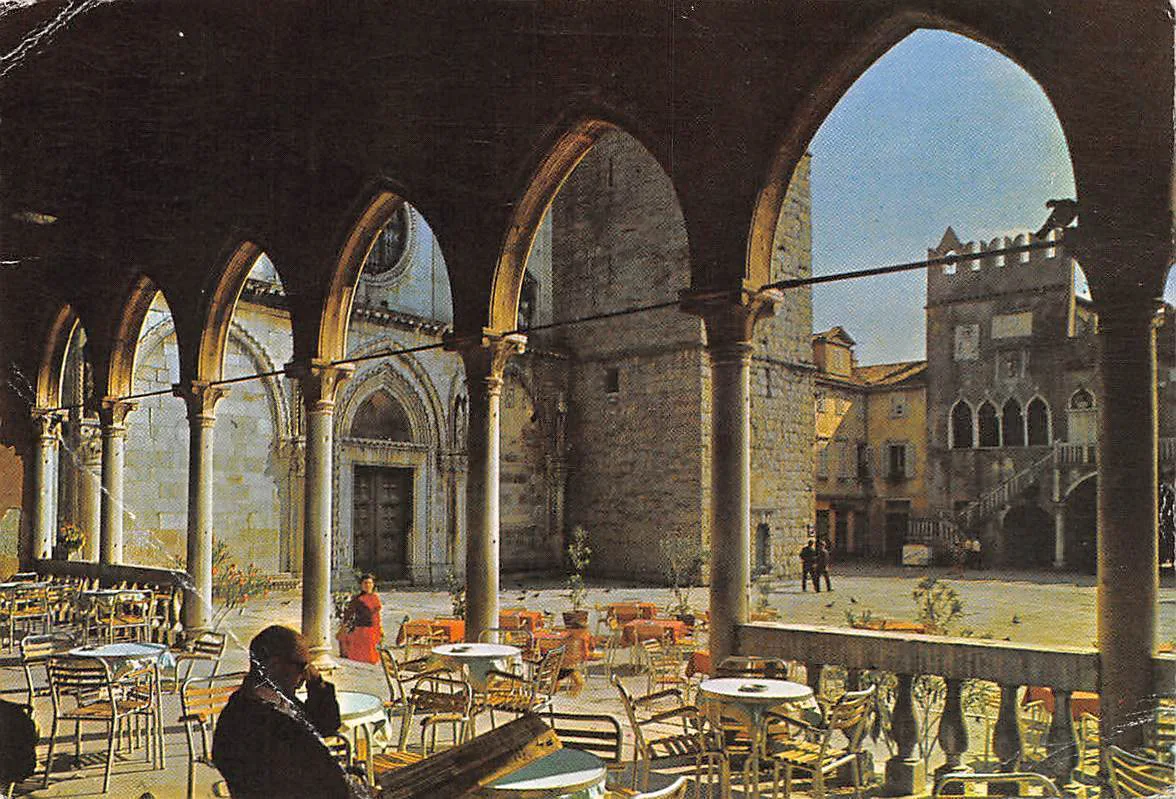
Visit Koper history marks 524 as the year St. Nazarius was consecrated as bishop of Koper, and links that date to the emergence of the town, which it describes as one of the oldest continuously settled towns in Slovenian territory. Treat 524 as the city's origin marker rather than a foundation ceremony you can point to; the practical takeaway is that the town's identity is tied to an early Christian bishopric, not to a medieval charter.
St. Nazarius remains the town's patron, and the relics story appears later in the same timeline: Genoa raided Koper in 1380 and carried off the relics, which were returned in 1422. That return is worth knowing when you look at the cathedral's dedication, and it signals how closely civic pride and church history run together here.
Around 570: Justin II and the name Iustinopolis
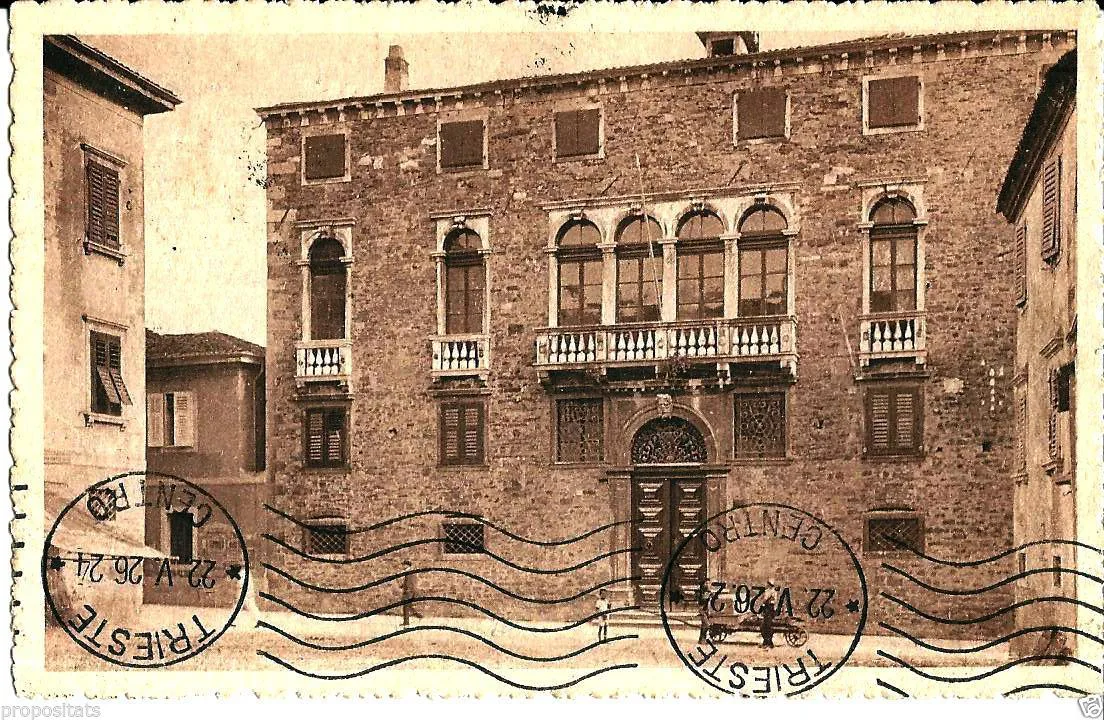
Around 570, the Byzantine emperor Justin II allowed the Istrians to establish a town on the island called Capris under the name Iustinopolis, according to the city's timeline. A later document, cited for 1145, uses the formula Iustinopolis id est Caput Istriae, which is where the Italian name Capodistria comes from. You will see both names on signs and in guidebooks, and they refer to the same place.
Medieval Koper: a free commune and the Franciscans
Koper became a free commune with an elected authority structure, and its city statute is first mentioned in 1239. Between 1260 and 1265 the Franciscans settled in Koper and built the Church and monastery of St. Francis. If you want one medieval anchor for the walk, make it the Franciscan complex rather than the later Venetian set pieces.
Venetian Koper: the 932 treaty and the 1145 oath
Venice's grip on Koper was economic before it was political. The city timeline records a trade and friendship treaty between Koper and Venice in 932 covering safety and navigation in the northern Adriatic, and an oath of perpetual loyalty to Venice in 1145 after an unsuccessful revolt involving Koper and Pula. Read in that order, the Venetian centuries look less like a sudden conquest and more like a slow tightening.
A 2020 travel account notes that the old town formed part of the Republic of Venice from 1278 to 1797 and that many buildings from that era survive in the center. The two accounts do not conflict: the treaty and oaths came first, and formal Venetian rule followed. For a visitor, 1797 is the more useful end date, because it marks the point after which Venice stopped maintaining the palaces.
What Venice left in Tito Square
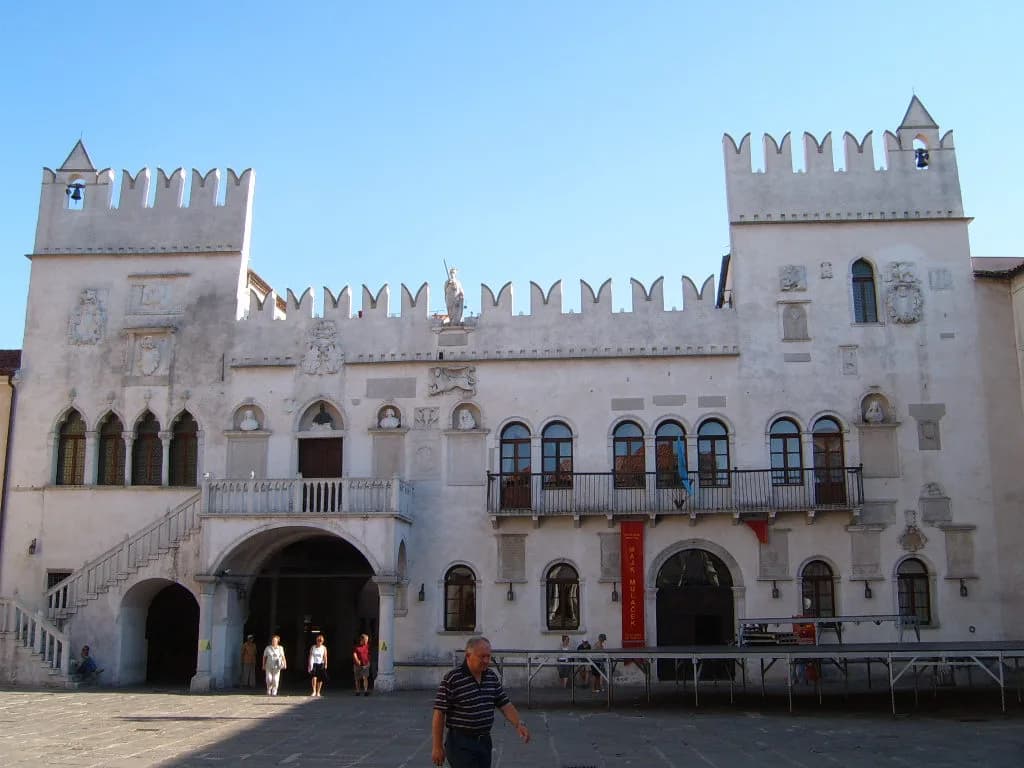
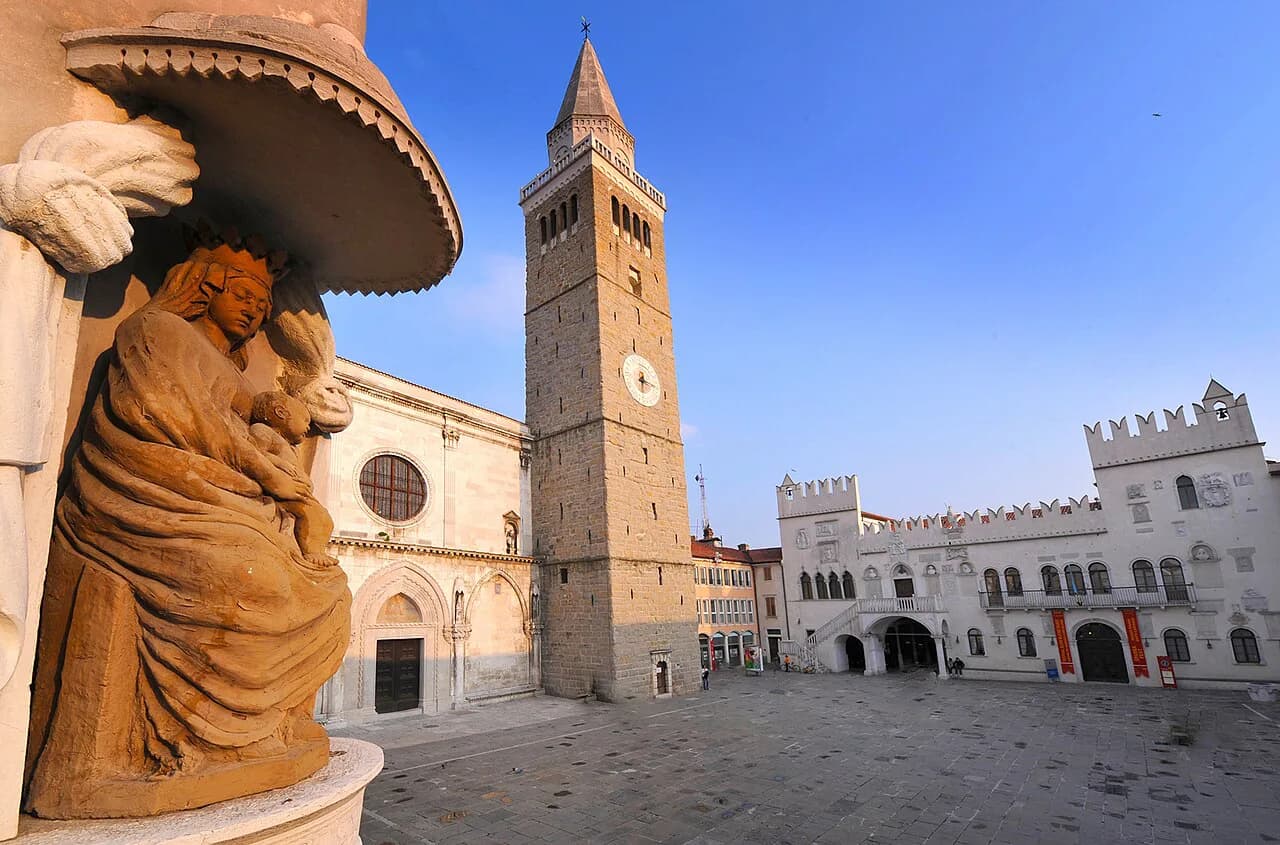
Titov trg concentrates the Venetian layer in one view. The Praetorian Palace, described as a 15th-century Venetian Gothic building, stands on the square, and the Loggia Palace opposite dates from 1462 according to the same 2020 account; treat both dates as the ones commonly given rather than inscriptions you can verify on site.
The Assumption Cathedral also overlooks the square; its foundation predates the Venetian period, but the Venetians remodeled it and added the bell tower that gives views over the Bay of Trieste. Look up at the tower from the square rather than planning on climbing it, and treat the view as the reason to linger.
The Muda Gate and the Da Ponte Fountain
Start the walk at the Muda Gate, described as Koper's last surviving city gate and dated to 1516. From there the route runs north through Prešeren Square to the Da Ponte Fountain, built in 1666 to supply the town with drinking water from a nearby spring. Those two stops bracket the transition from defensive town to supplied town, which is the story the streets tell better than any exhibit.
Plague and recovery in the Venetian centuries
The city timeline records plague in Koper and its surroundings in 1554-1555, and a severe outbreak in 1630-1631 that killed two-thirds of the town's population. That scale of loss explains why so little medieval fabric survives and why the center reads as a Venetian rebuilding. When you walk the lanes, you are mostly seeing the town that recovered afterward.
Notable Koprčani: Santorio and Tarsia
Two names are worth carrying with you. Santorio Santorio was born in Koper in 1561, described as a famous physician, author of De statica medicina, and inventor of the thermometer; the organist and composer Antonio Tarsia was born here in 1643. The city names both on its own timeline, a reminder that this small port produced more than palaces.
The timeline also names Peter Pavel Vergerij the elder, born in Koper in 1370, as a philosopher and educator seen as a forerunner of humanism, and Peter Pavel Vergerij the younger, the Protestant bishop who died in exile in Tübingen in 1565 and helped Primož Trubar print the first Slovenian books. Printing itself appears in Koper in 1440. If you want the intellectual thread of the town, these are the entries to follow.
The end of Venice and the 1827 causeway
Venetian rule collapsed at the end of the eighteenth century, and the timeline records the fall of the Serenissima, a revolt against the aristocracy, and the start of temporary Austrian government. Istria was then attached to the Illyrian Provinces with Trieste in 1809, and Austria reoccupied it in 1814. Those switches matter because they reshaped who maintained the town's buildings.
The change you can actually see is the 1827 construction of the embankment and road that connected the island of Koper to the mainland at Semedelo, as the city timeline puts it. That is when the island town you read about in earlier centuries became the land-linked center you walk through today. The travel account adds that Koper lost its island character at the start of the twentieth century, when the salt pans around it were drained.
From the Porečanka railway to the 1910 exhibition
The city timeline records the first Istrian tabor at Kubed in 1870, where Istrian Slovenes declared for the program of a united Slovenia. In 1902 the narrow-gauge Trieste–Poreč railway, known as the Porečanka or Parenzana, was built and eased the poor road links between Koper's hinterland and Trieste. In 1910 Koper hosted the first Istrian provincial exhibition. If you have time for one countryside detour, Kubed is the one tied directly to this political story.
Twentieth-century shifts and Slovenian independence
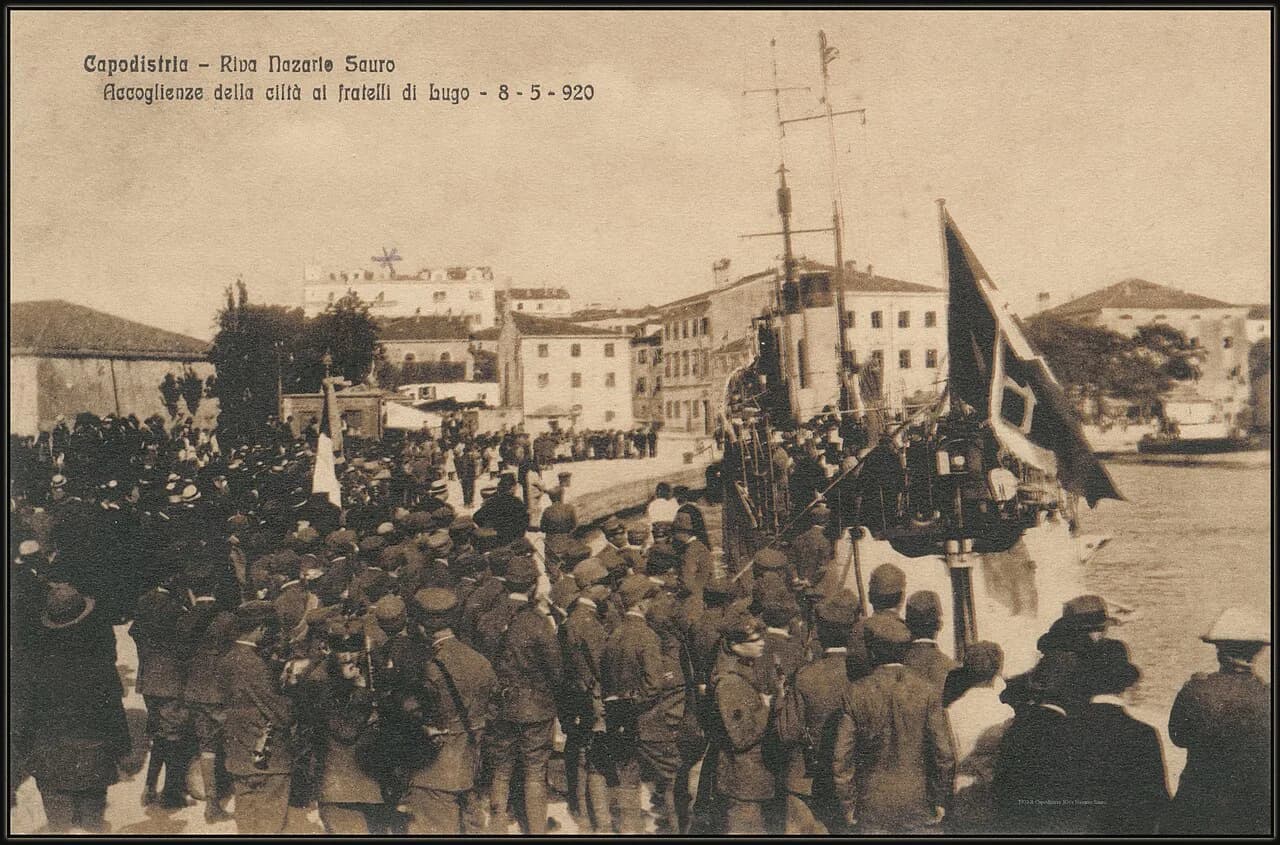
The travel account summarizes the modern sequence plainly: Italian rule after the First World War, then Yugoslav territory from the end of the Second World War until Slovenia's independence in 1991. The city timeline closes on the same point with Slovenian independence. For a visitor, the useful consequence is that the old town's restoration is recent enough to look crisp, especially around the palaces.
Reading the countryside: Hrastovlje's Holy Trinity frescoes
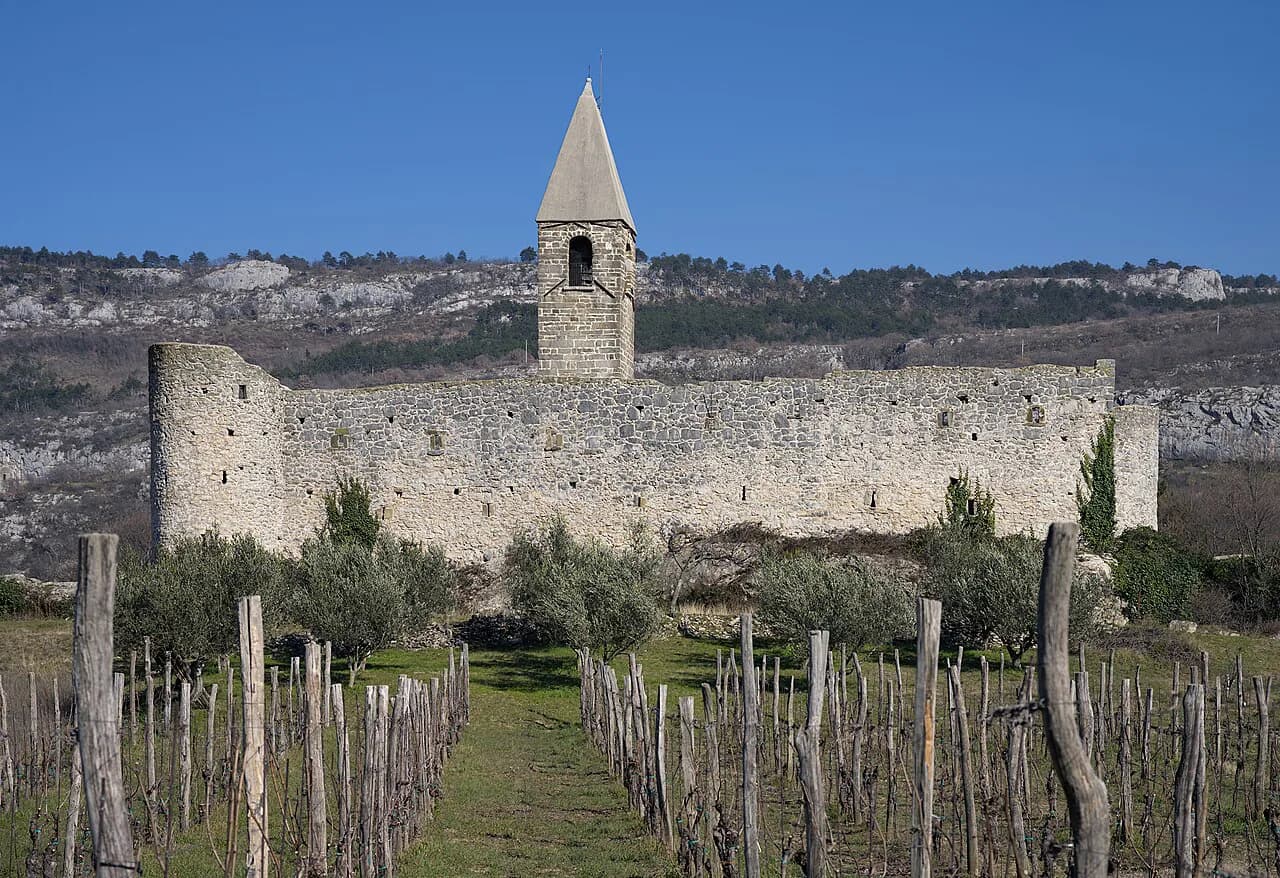
Koper's story extends inland. In 1490 the fresco painter Janez iz Kastva painted the interior of the Church of the Holy Trinity in Hrastovlje, commissioned by the Kubed parish priest Tomić Vrhović, according to the city timeline. The same source places Hrastovlje in the shelter of the Karst edge, behind the stone walls of the church, with its Dance of Death frescoes. The Koper countryside pages map the villages, trails, and Karst edge viewpoints that surround it.
Plan Hrastovlje as a separate short trip by car rather than a stop on the old town walk, since it sits in the hills behind the coast. The countryside page describes trails running from the coast over the Istrian hills to the foot of the Karst edge, with villages such as Koštabona and Krkavče along the way. If frescoes are the priority, go early and keep the old town for the afternoon.
How long the old town needs to show you the Venetian layer
An afternoon covers the Venetian highlights, as the 2020 account puts it, and that matches the compact geography: Muda Gate, Prešeren Square, the Da Ponte Fountain, then Tito Square with the Praetorian Palace, the Loggia Palace, and the cathedral. Add an hour if you want to sit in the square rather than pass through it. The route is short enough that a wrong turn costs you five minutes, not an afternoon; the Koper Old Town walking-tour guide maps the sequence.
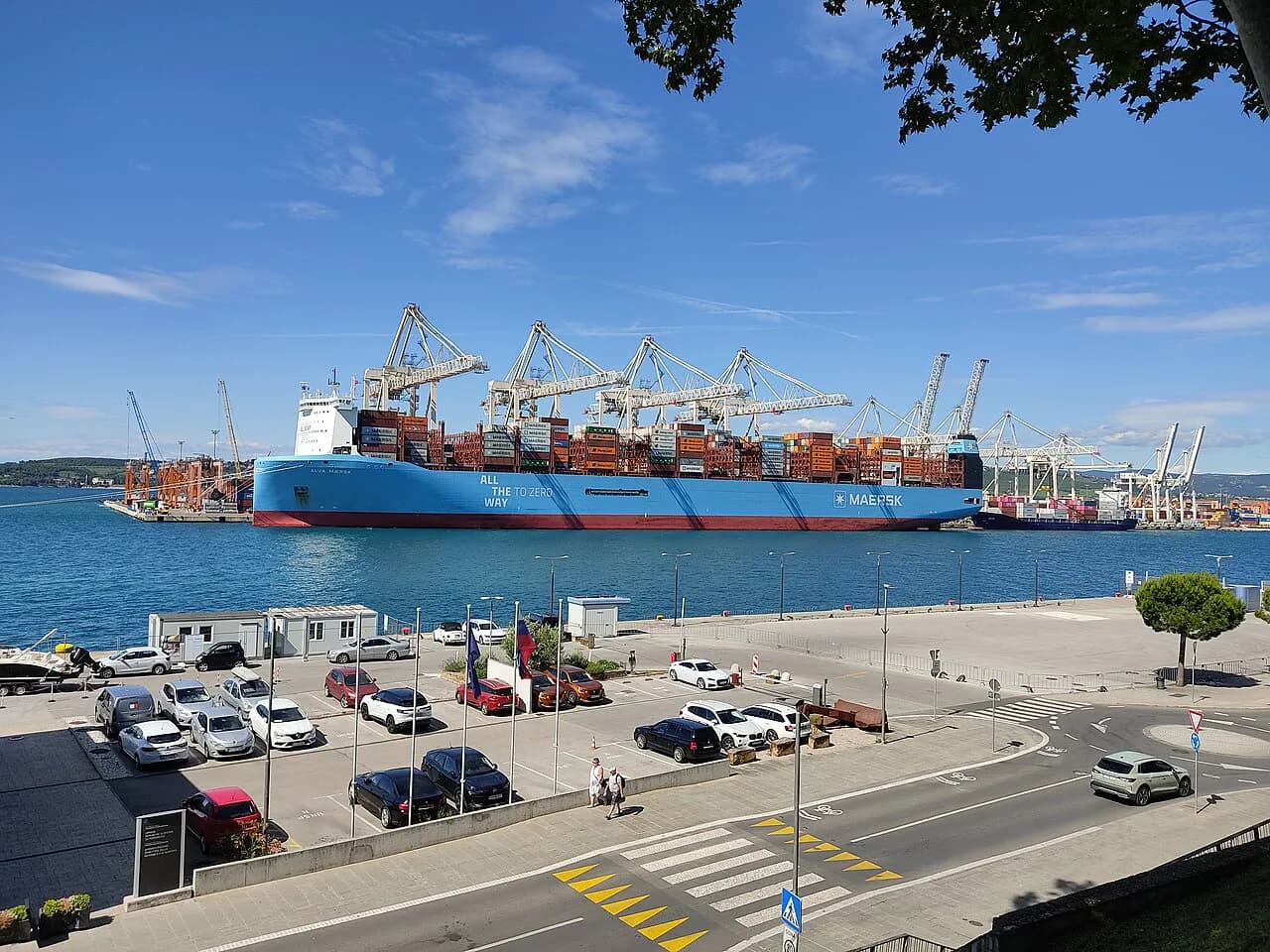
If you are arriving by cruise ship, the historic core is close to the port, which makes a half-day ashore realistic. If you are combining Koper with the rest of the coast, give the town its own morning and put the countryside or a nearby castle on the same day. The Koper map helps you place the gate and square before you arrive.
Which Koper walk fits your day?
If you have half a day, do the Venetian route: Muda Gate, Prešeren Square, the Da Ponte Fountain, and Tito Square with its palaces and cathedral. If you have a full day and a car, add Hrastovlje for the 1490 frescoes, then loop back through the Istrian villages. Either way, treat the city timeline as your spine and let the buildings do the rest; the Things to Do in Koper guide fills in the rest of the day.
Explore more Koper guides
Frequently Asked Questions
What is the single oldest date in Koper's history?
The city's own timeline starts its origin story with 524, when St. Nazarius was consecrated bishop of Koper, and it also describes settlement traces in the area reaching back to the Middle Paleolithic and Neolithic.
How far is Hrastovlje from Koper?
Hrastovlje sits in the hills behind the coast near the Karst edge, in Koper's countryside. The Koper tourism pages describe it as part of the rural hinterland rather than the town center, so plan it as a short drive rather than a walk.
Sources
Notes for your Slovenia trip
Optional updates to our Slovenia place guides.
You might also like
Continue reading
More guides you'll find useful