Bela Krajina: Towns, Museums and the Kolpa River
A practical guide to Bela Krajina in southeast Slovenia: what to see in Črnomelj and Metlika, the museums to plan for, and how to arrive by train or car.
On this page
Plan Bela Krajina around two towns: Črnomelj and Metlika, both walkable from their railway stations and both compact enough to cover on foot in a few hours each. The region lies in southeastern Slovenia, about 100 km from Ljubljana, Zagreb and Rijeka, so it works as a border-country detour rather than a quick stop. This guide separates what each town actually holds, adds the museums, parks and river stops around them, and explains how to arrive by train or road.
No highway leads directly to Metlika, so the drive takes secondary roads either from the Ivančna Gorica exit toward Črnomelj or via Novo Mesto and then on to Črnomelj, Metlika or Semič. From Croatia, drivers come through the Vinica border crossing or turn toward Slovenia at Karlovac and enter at Metlika. Travelers continuing west often pair the region with time in Novo Mesto on the Krka River, which is the natural road hub for this corner of the country.
Where Bela Krajina sits and why it rewards a car
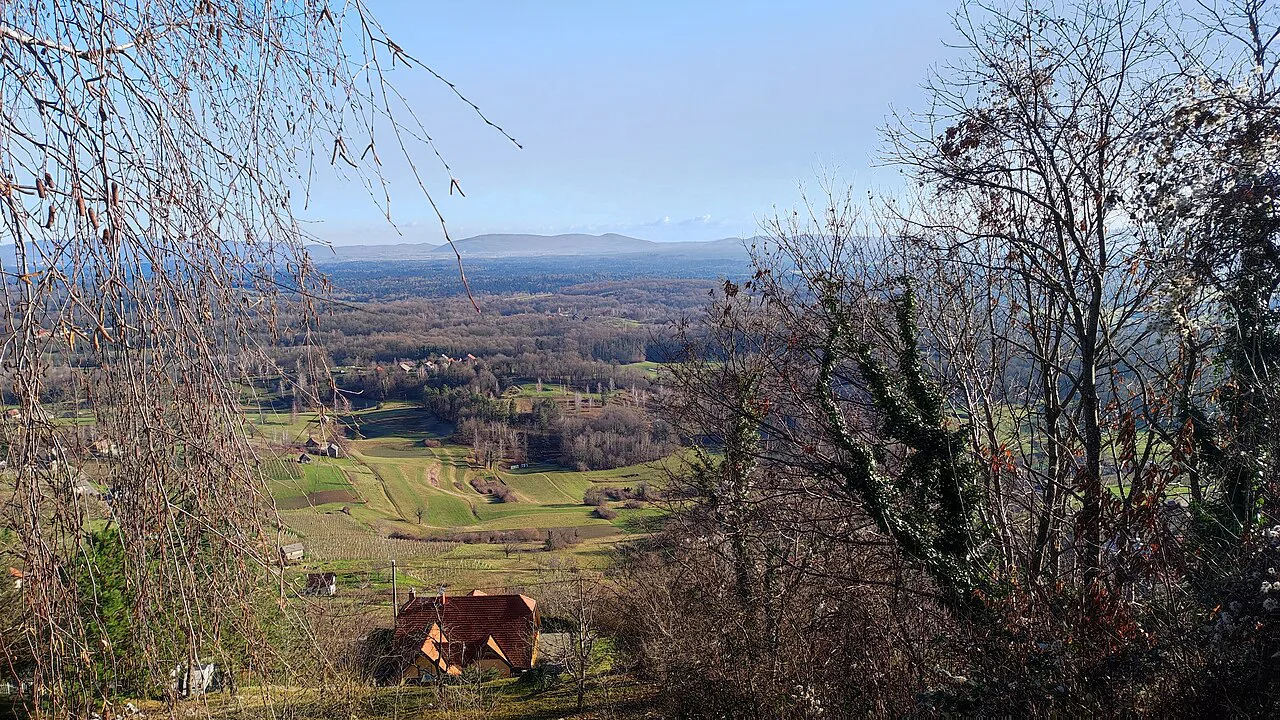
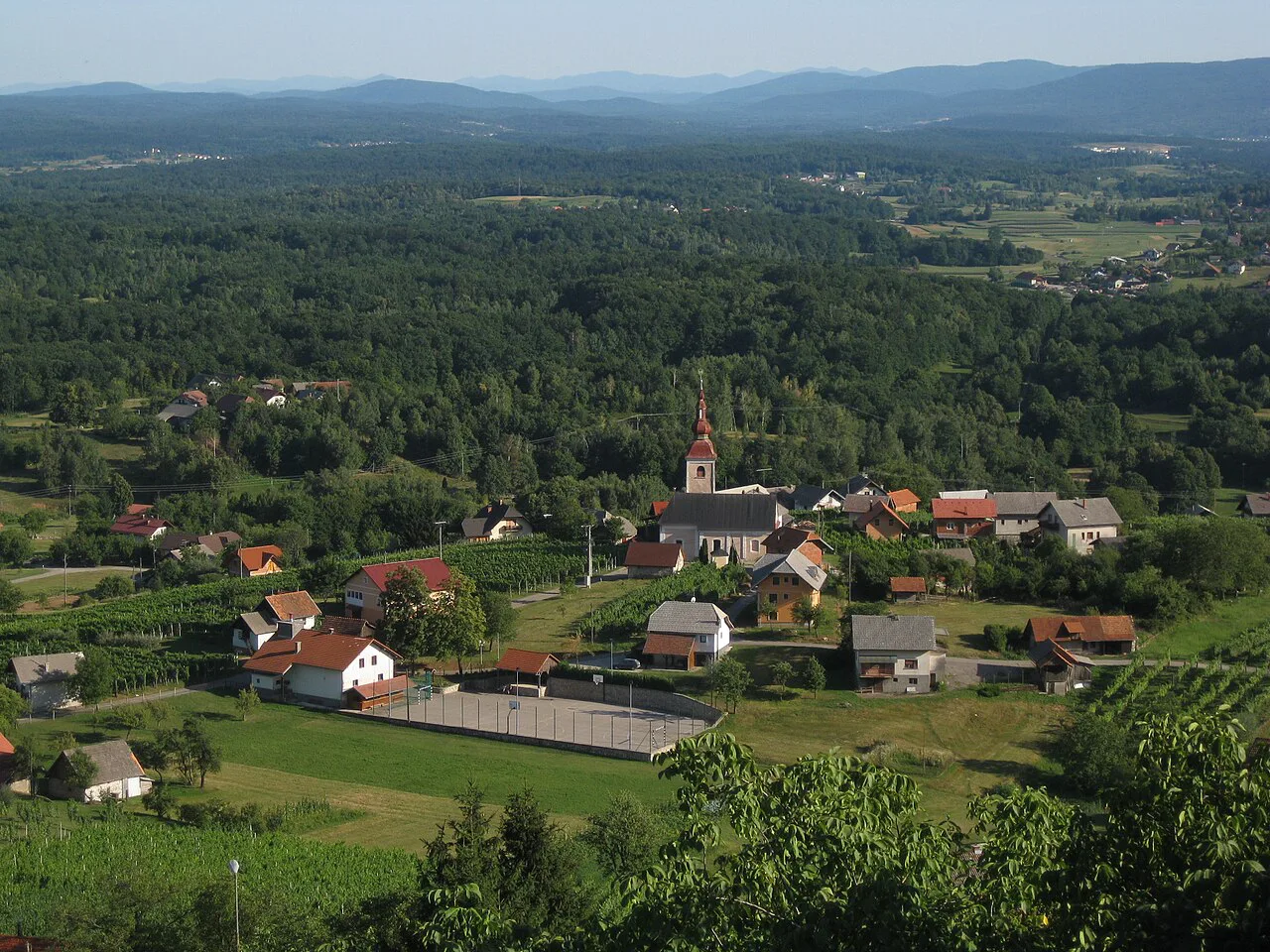
Bela Krajina occupies the southeast corner of Slovenia against the Croatian border, with the Kolpa River forming much of that line. The region's towns sit on plain roads rather than a motorway, and Metlika's own guide notes there is no highway link, which shapes how you plan a day here. Distances are short on the map but driving times stretch once you leave the main corridor.
A car gives you the flexibility to link Črnomelj, Metlika, Semič and the smaller stops such as Jelševnik or Vinica in one loop without waiting on connections. The tradeoff is that you cover ground on two-lane roads, and the drive from Ljubljana via Novo Mesto or the Ivančna Gorica exit eats into the day. If your base is Novo Mesto, the region becomes a comfortable full-day outing rather than an overnight push.
Getting there by train from Ljubljana
Both Črnomelj and Metlika have railway stations, and the regional tourism board organizes a train-based itinerary that starts in Ljubljana heading southeast and gets off in each town. From the Črnomelj station you walk past Jurjevanjska Draga and into the old center; from the Metlika station it is a short walk to the old town. That makes a car-free day genuinely practical here, which is unusual for a rural Slovenian region.
The train approach means you accept the timetable as your schedule and skip the outlying stops that need a vehicle, such as the Jelševnik olm center or the Mithra Temple above Rožanec. In return you get a stress-free arrival into two town centers that are each a short walk from the platform. Check departure times on the Slovenian Railways site before committing, since regional services are infrequent and a missed return train strands you.
Rail travelers heading onward toward the Dolenjska region can combine the Bela Krajina line with a stop in Novo Mesto, where the Krka River in Slovenia cuts through the old town. The scenery shifts from the birch woods and bracken undergrowth typical of Bela Krajina to the wooded Krka valley. It is a sensible way to break a longer rail journey rather than backtracking to Ljubljana.
Črnomelj: the star-shaped old center and Trg Svobode
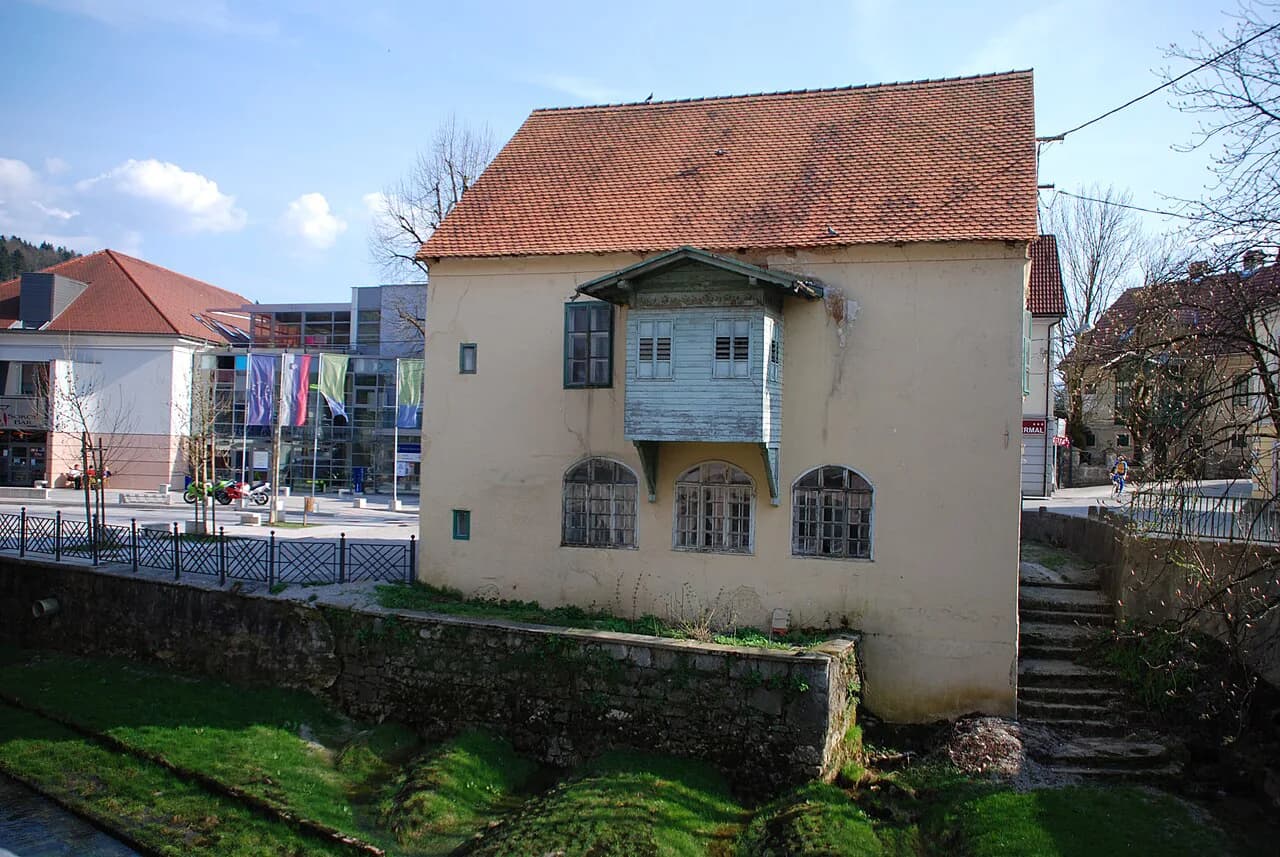
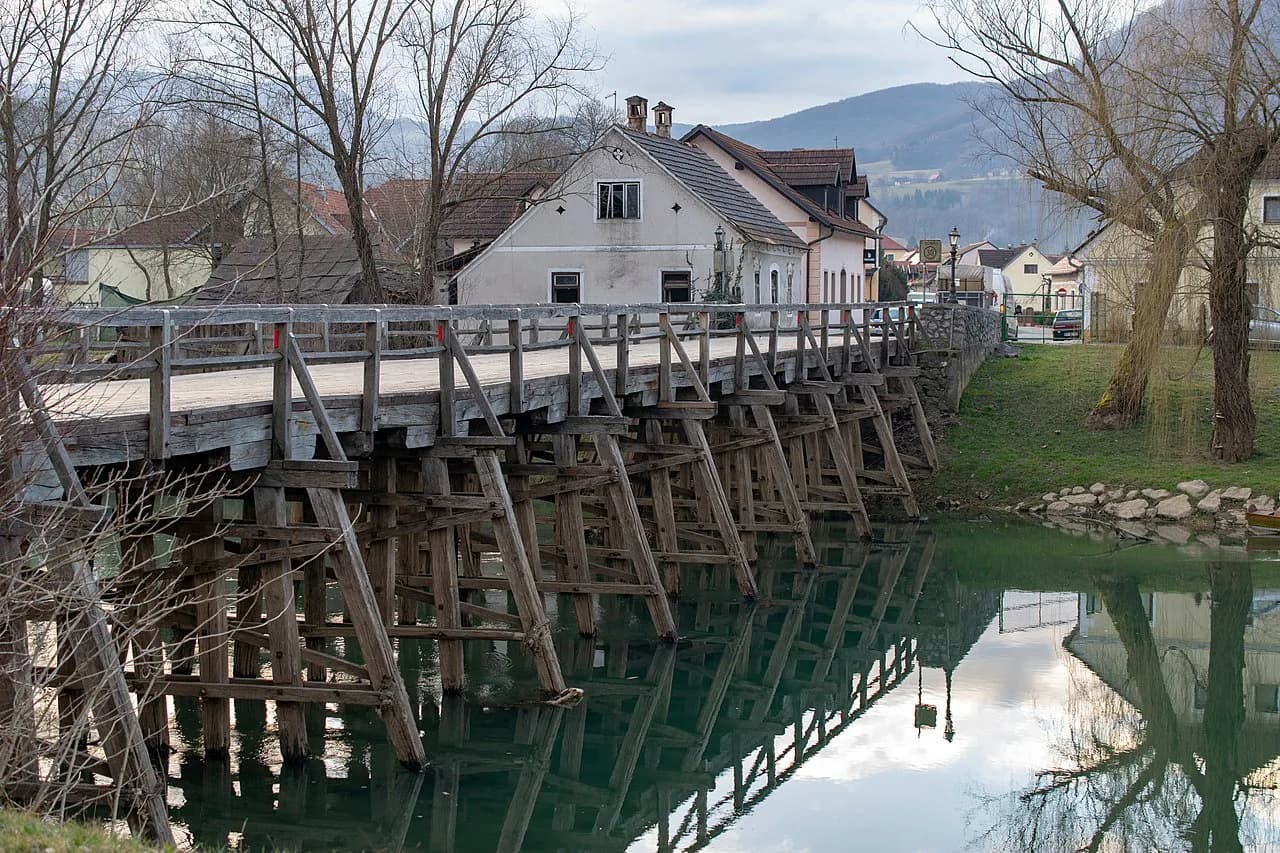
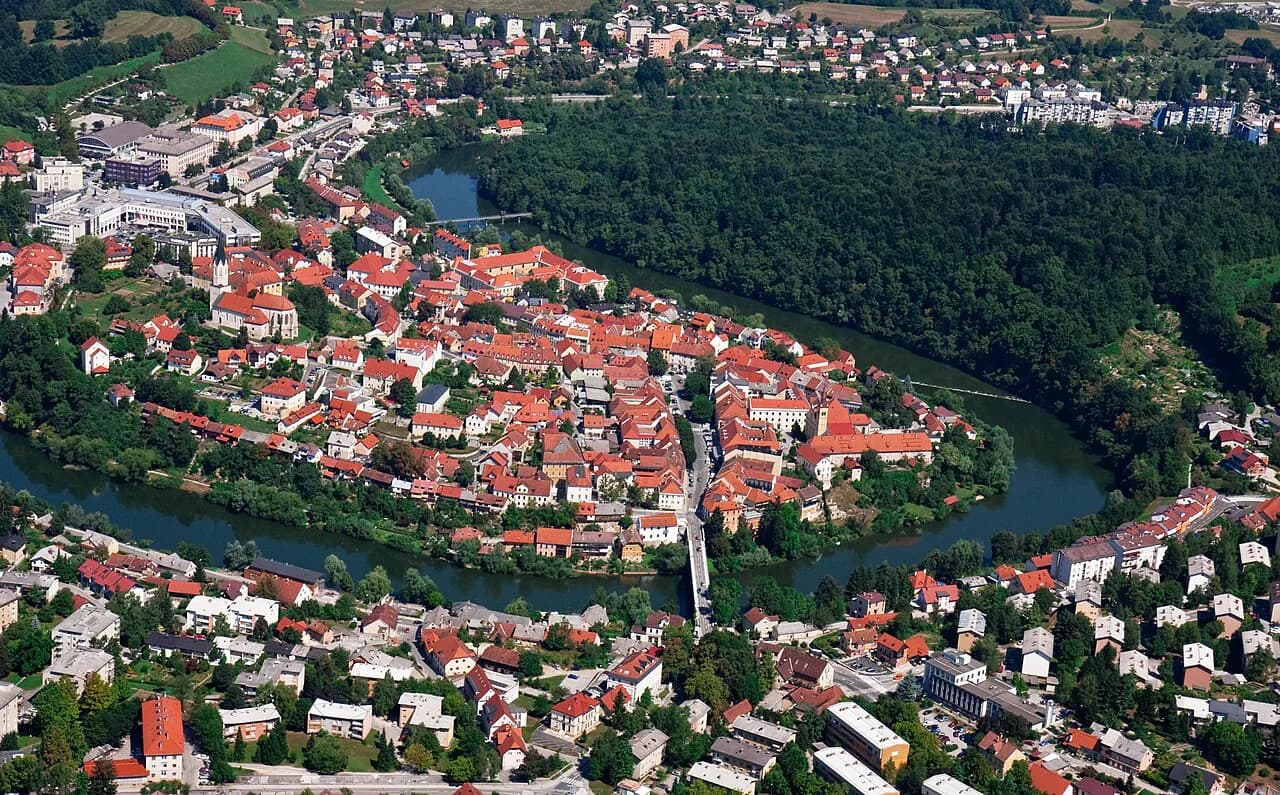
Črnomelj's street plan fans out in the shape of a star, with roads running off toward Ljubljana, Novo Mesto, Zagreb and Rijeka, and the old center sits on a pier of land between the Lahinja and Dobličica rivers. Walk in from the station and the first landmark is the Triple Bridge, past which you reach Trg Svobode with the medieval castle, the former Teutonic Order commandery and the old savings bank building. The town is compact, so this loop takes well under an hour at an unhurried pace.
Parallel to the main street runs Miran Jarc Street, known as the Street of Culture, where you find the music school, Primožič House and the Črnomelj Town Museum in the birth house of the poet Miran Jarc. Two churches, the Church of the Holy Spirit and St. Peter's Church, stand along this stretch. Drinking fountains beside the churches are a practical stop in summer, when the town gets hot.
The Treasury, described as the town's newest tourist addition, works as a starting point for discovering Črnomelj and the wider Bela Krajina landmarks, and the TIC Črnomelj on St. Peter's Square sells local Belokranjsko brand products. From the Church of the Holy Spirit you descend stairs and cross the Lahinja and Dobličice bridges toward the Müller Inn, which serves Bela Krajina food and holds the Belokranjsko brand certificate. E-bikes are available at Črnomelj Castle, with four BiKe stations across the region, though current availability is best confirmed locally through the Open Doors listings.
What to see in Črnomelj's museums
The Črnomelj Town Museum holds an Avar arrow, a medieval knight's sword and objects from World War II, and its setting in Miran Jarc's birth house ties the collection to the town's literary history. The museum sits inside the walkable old center, so it slots into a town stroll without a detour. Allow roughly an hour for the exhibits and the building itself.
If mining history interests you, the Kanižarica Brown Coal Mine Collection covers the region's coal extraction, a different angle from the town museum's archaeology and wartime material. Both are indoor stops, which matters in a region where the draw is mostly landscape. Confirm hours before you build a day around one of these small collections.
Metlika: the castle, the museum and the park
Metlika Castle stands in the old center and houses the Bela Krajina Museum, the region's biggest museum, which opened in 1951 and holds archaeological material from prehistoric and ancient times alongside other collections. Pets are allowed in the castle, which is worth knowing if you are traveling with a dog. In front of the castle lies a park laid out by Gizela Šuklje, the first pupil of the architect Jože Plečnik.
Nearby you also find the Firefighters' Museum and the Kambič Gallery, set under the old town center, so the castle area can absorb a wet or slow afternoon without a car. The castle is a 15th-century structure and the town was first mentioned in 1228 as Metlica, enough orientation to place what you are looking at. Save the deeper history for the museum labels rather than trying to absorb it in advance.
Metlika beyond the castle: wine cellar, Obrh spring and local products
Walking from the Metlika station into the old center, you pass the Metlika Wine Cellar, whose cellar is described as among the longest in Slovenia and offers tastings of Bela Krajina wines. Continue to the market center and drop down to Obrh, the town spring where locals once washed laundry and traded news. The Bela Krajina House of Local Delights sells regional products, including the ingredients for baking your own pogača.
Metlika anchors the region's wine tradition, and guided tastings in Bela Krajina are typically hosted by the cellar owner with a snack alongside, often a Bela Krajina pogača. The Bela Krajina Museum offers more than castle walls if the weather turns, and the town's compact center means you can move between cellar, castle and spring on foot. For a focused look at the town layout before you arrive, the dedicated guide to Metlika, Slovenia is a useful companion to this section.
The Kolpa River and how it shapes a day
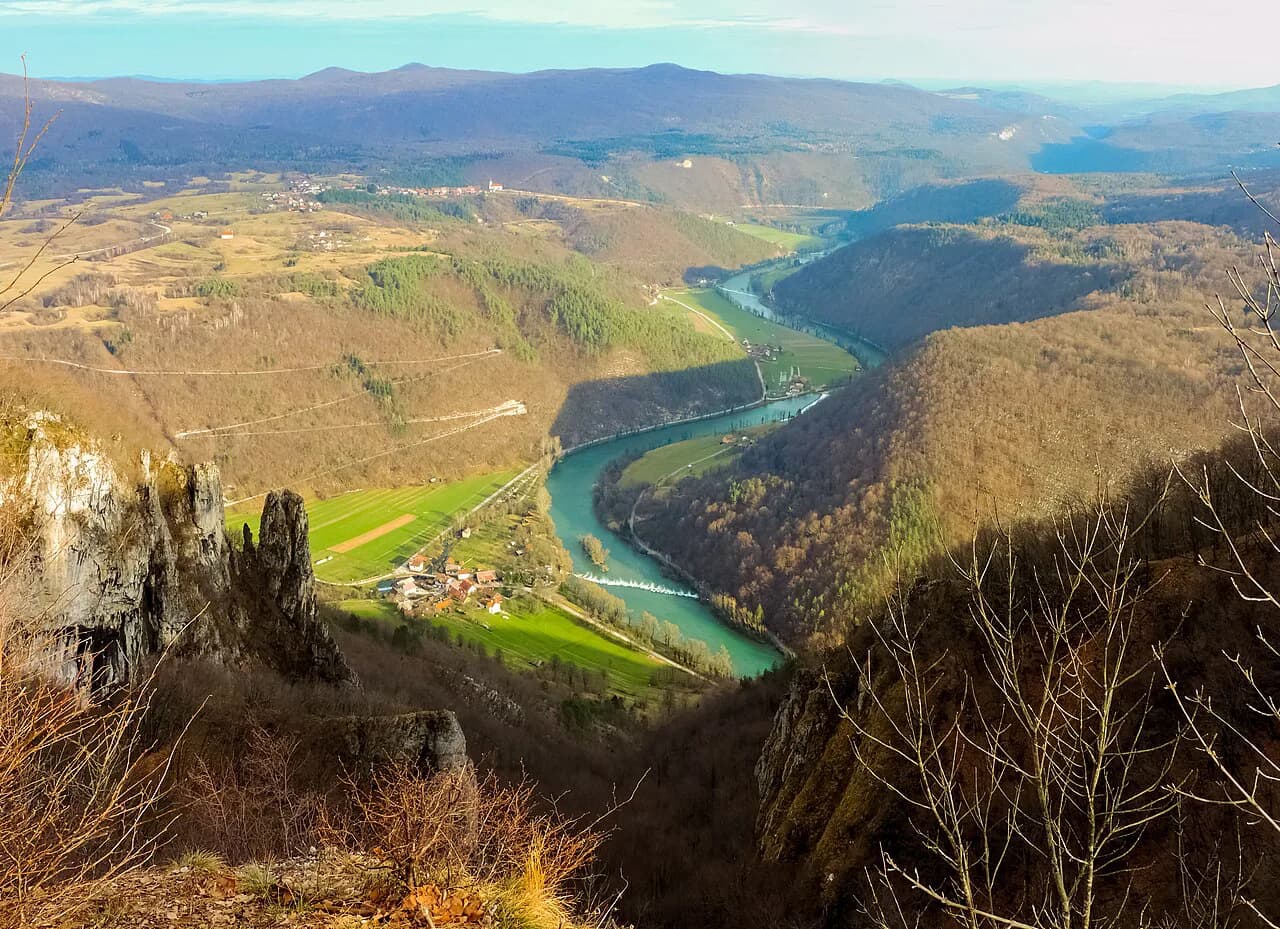
The Kolpa River marks the Slovenian-Croatian border and is the region's outdoor draw, with rafting described as popular from June to September, and the river also used for fishing and camping. Rafting on the Kolpa is not difficult but still counts as a challenge, which suits travelers who want a half-day on the water without committing to serious whitewater. Because arrangements shift with water levels and season, confirm operating details with a local operator before you plan around a float.
The river is the natural border between the two countries, and in summer the clear water is cold enough to make a swim appealing after a hot walk through town. A day here often splits into a morning in Črnomelj or Metlika and an afternoon by the water. If you are following the river downstream, the separate guide to the Kolpa River covers the stretches beyond Bela Krajina.
Lahinja Landscape Park and Kolpa Landscape Park
The Municipality of Črnomelj contains two landscape parks, Lahinja and Kolpa, each protecting a different mix of natural and cultural heritage. Lahinja Landscape Park is the wetland option, with the Nerajski Lugi area rewarding a walk in boots, and spring or autumn rain giving the marsh a particular atmosphere. You do not need a guide to wander the edges, but the wet ground sets the pace.
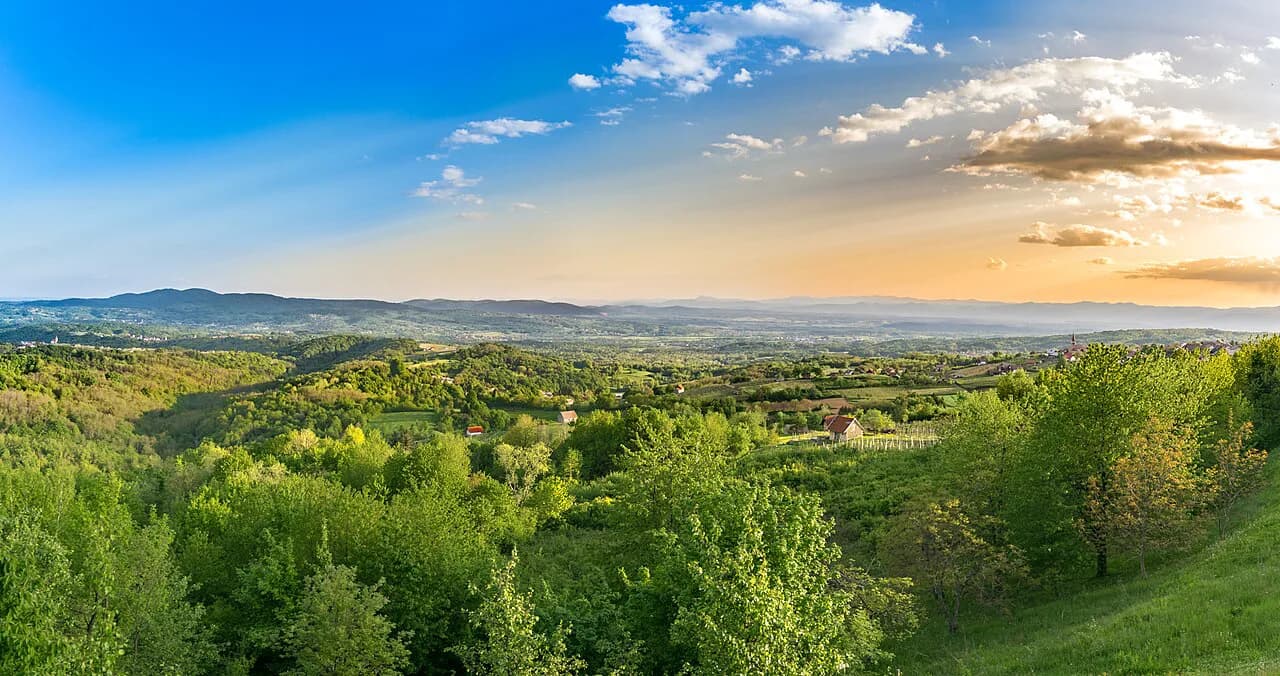
Bela Krajina's birch forests with bracken undergrowth are characteristic of the region, and they are slowly disappearing as traditional farming practices are abandoned, which gives the landscape parks a conservation purpose beyond scenery. The Kolpa Landscape Park protects the river corridor rather than a single viewpoint. Plan the Lahinja visit for a damp day and the Kolpa for a warm one, when the river is the point.
The black olm at Jelševnik and the Mithra Temple above Rožanec
The black olm, a dark form of the proteus, lives only in the underground waters around the village of Jelševnik near Črnomelj, and the Jelševnik Info Center Black Olm lets you see the animal in a setting tied to its natural habitat. This is the strongest single reason to detour off the main town circuit, and it requires a car or a taxi from Črnomelj. Treat it as a short focused stop rather than a full afternoon.
The Mithra Temple above Rožanec, described as hidden in the forest, is the region's most atmospheric archaeological monument and sits close to Črnomelj. Combine it with the olm center for a loop that takes you out of the towns and into the woods. Both are low-key sites without crowds, so the day's rhythm depends on your own driving and walking pace.
Rainy-day Bela Krajina: Semič, Vinica and indoor stops
Semič has the Semič Museum House, a Bela Krajina Museum branch that has stood in the town center for more than 180 years and once served as a school, post office and health unit. The Nature Centre of Bela Krajina there covers the region's rocks, sinkholes, caves and wildlife, making it a solid family stop when the weather fails. It sits within the same museum network as Metlika Castle, so the two work as one rainy-day plan.
In Vinica you can visit the birthplace of the poet and writer Oton Župančič, now a museum covering his life and work. Back in Črnomelj, the town museum and the Kanižarica mine collection fill wet hours without a long drive. Practical hands-on options include a baking workshop for traditional Črnomelj pretzels, kneaded on a 200-year-old table, and a Belokranjska pogača workshop led by certified makers, both of which need booking ahead.
The pretzel itself has a local story worth knowing: women in Črnomelj baked simple pretzels, sold them and competed over who made the best, and the town's residents are nicknamed Prestarji by other people in Bela Krajina. That context makes a pretzel workshop more than a rainy-day filler. Ask at the TIC Črnomelj on St. Peter's Square about current workshop schedules.
How much time Bela Krajina needs
Give the region one full day by car: a morning in Črnomelj with the old center, the Treasury and one museum, lunch in town, then Metlika in the afternoon with the castle museum, the Obrh spring and a wine cellar stop. That sequence keeps driving short and puts the indoor stops at either end of the day. Two days let you add the Kolpa River, Jelševnik and the Lahinja wetlands without rushing.
By train, expect to cover one town properly rather than both comfortably in a single day, since you are tied to service times. If you are continuing toward Dolenjska, the Krka valley towns such as Kostanjevica na Krki make a logical next stop on the road west. Travelers heading further afield often bookend the region with an overnight at Otočec Castle, which sits on the Krka near Novo Mesto and breaks up the drive.
Should you base yourself in Črnomelj or Metlika?
Use Metlika if you want the castle museum, the wine cellar and the Obrh spring within a short walk of the station, and Črnomelj if the town museum, the Treasury and the Triple Bridge loop matter more. Neither town is large enough to justify much deliberation; what tips the choice is whether you arrive by train or car. Drivers can stay flexible and cover both, plus Jelševnik or Semič, in one unhurried day.
The practical constraints are simple: no highway reaches Metlika, regional trains run on a limited schedule, and several small museums and workshops need advance confirmation. Build the day around two anchor stops and let the rest fill in, rather than trying to tick off every village. Confirm opening hours and workshop slots directly with the local tourist information centers before you set out.
Explore more Novo Mesto guides
Frequently Asked Questions
Can you visit Črnomelj and Metlika in one day?
Yes, by car. The two towns are close enough to pair a morning in Črnomelj with an afternoon in Metlika, covering the old centers, one museum each and the Obrh spring. By train it is tighter because you depend on regional service times, so most rail travelers focus on one town per day.
Is Bela Krajina reachable without a car?
Partly. Both Črnomelj and Metlika have railway stations within walking distance of their old centers, and a train-based itinerary from Ljubljana covers the two towns. Reaching Jelševnik, the Mithra Temple above Rožanec, Semič and the landscape parks requires a vehicle or a taxi.
Sources
Notes for your Slovenia trip
Optional updates to our Slovenia place guides.
You might also like
Continue reading
More guides you'll find useful