Kolpa River: Slovenia's Warm Border River in Bela Krajina
The Kolpa River traces Slovenia's border with Croatia through Bela Krajina. Here is where to swim, paddle and camp, how to reach it, and what to plan around.
On this page
The Kolpa River is the warm, slow border river of Bela Krajina in southeastern Slovenia, and a day on it is built around swimming, a gentle paddle and a riverside campsite rather than waterfalls or adrenaline. It rises as a karst spring inside Croatia's Risnjak National Park and only starts tracing the Slovenian border about 118 km later, running roughly 296 km in total before joining the Sava near Sisak.
That geography shapes the trip. For most of its Slovenian course the far bank is Croatia, so you are paddling and swimming along an international border rather than around a resort lake, and the valley is a chain of small villages instead of one hub. This guide covers the swimming stretches, the paddling options, the campsites, the villages worth a stop, and the practical constraints that actually determine how you spend your time.
Where the Kolpa runs and what it looks like
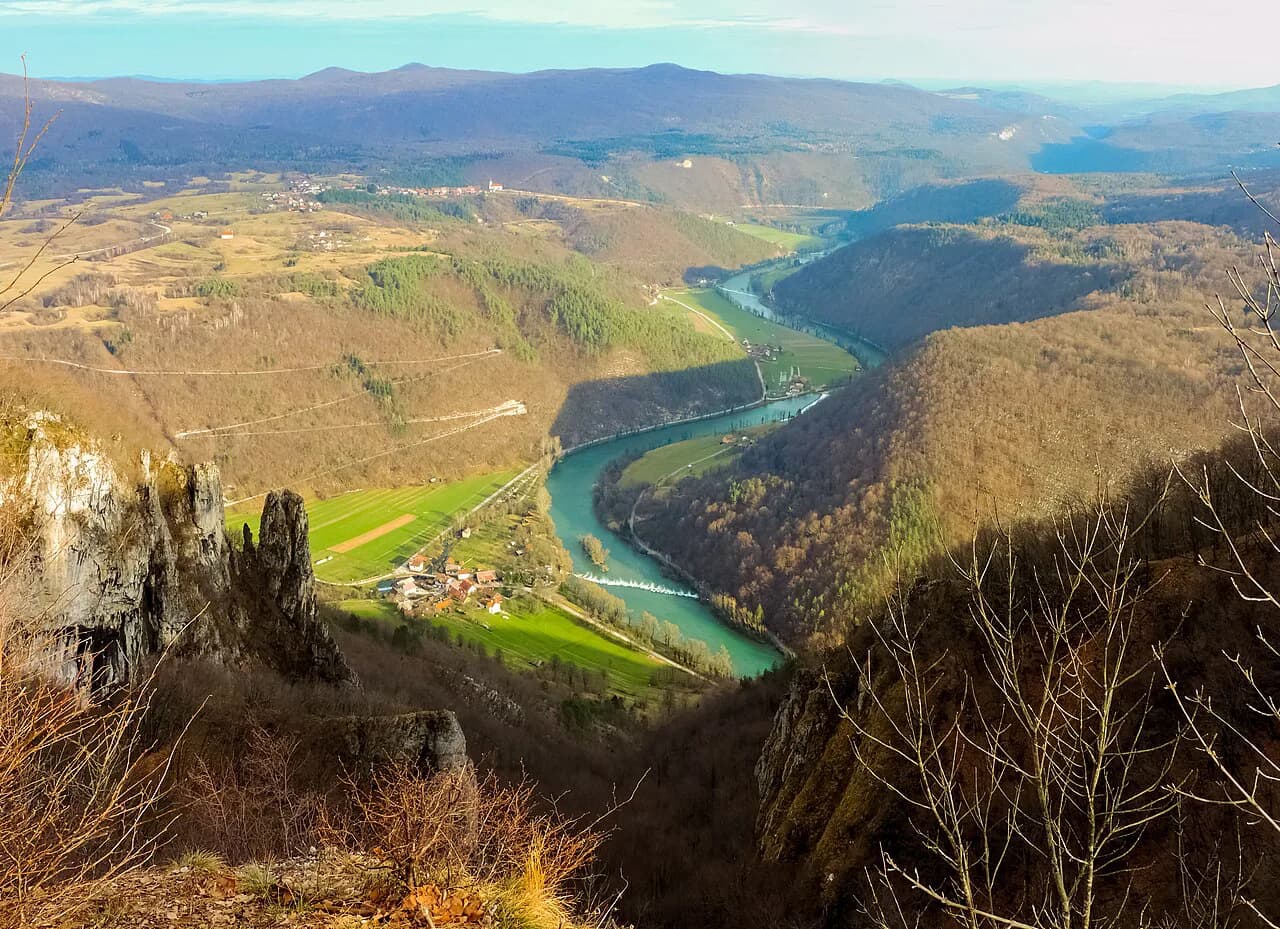
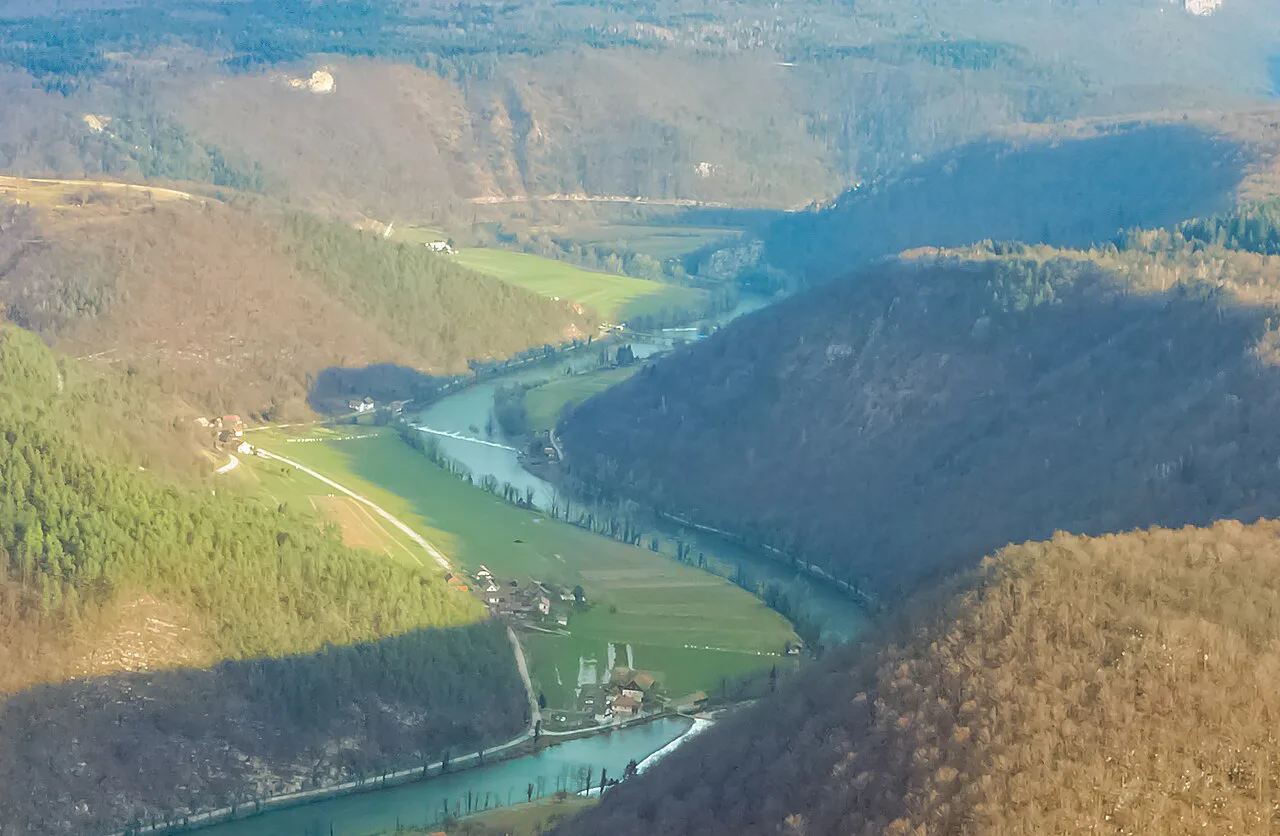
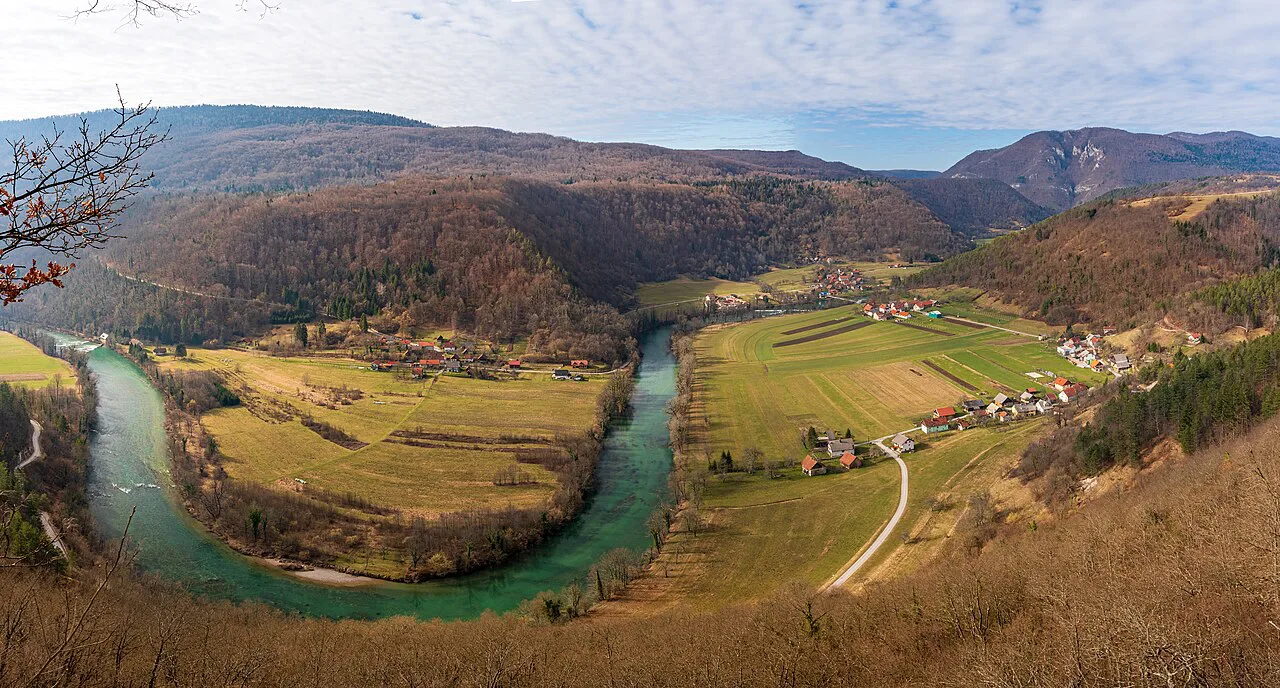
The river reaches Slovenian territory in the southeast and forms the border through the Bela Krajina region, curling past wooded hills in slow loops with gravel bars along the inside bends. Once it crosses into Croatia it is called the Kupa. A 43.3 km² stretch between Stari Trg and Dragoši is protected as the Kolpa Landscape Park.
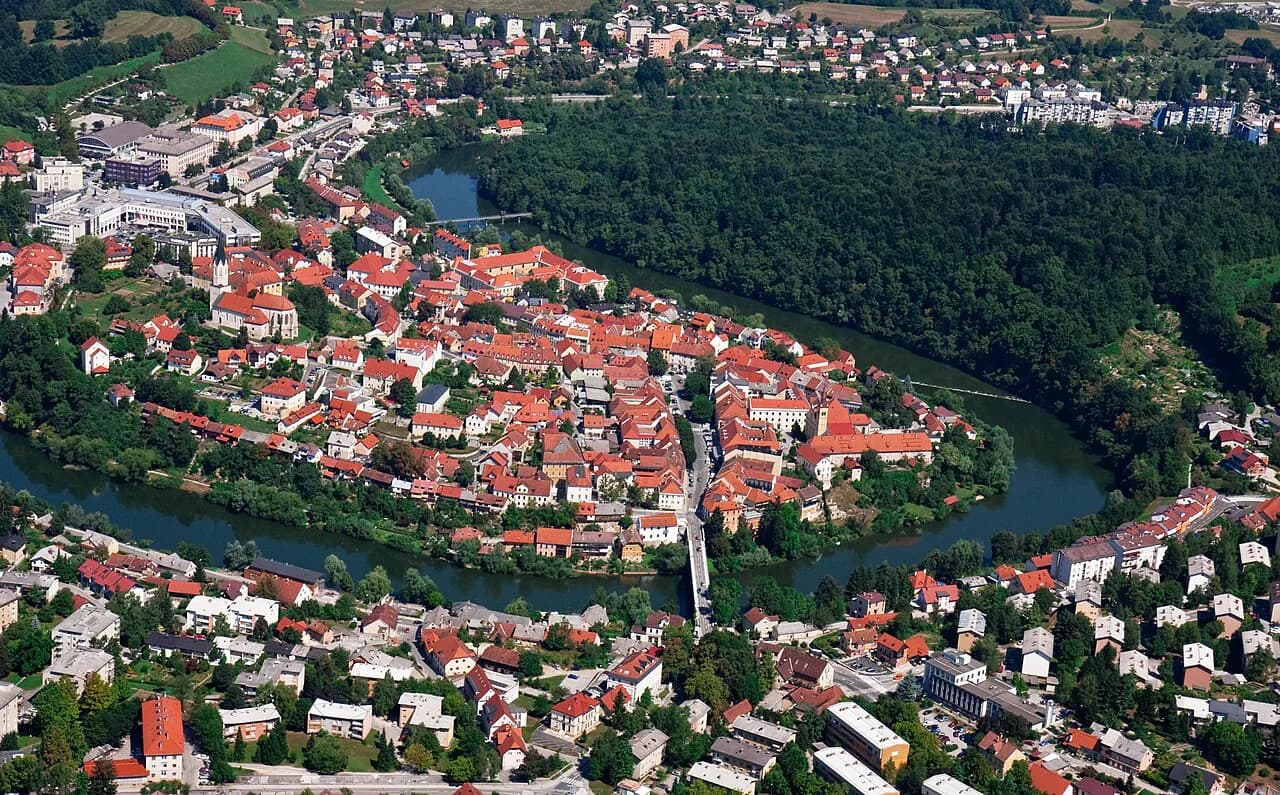
The practical bases are Črnomelj and Metlika, both in Bela Krajina and both used as starting points for the riverside villages. If you are coming from the Dolenjska side, Novo Mesto is the natural staging town before the last stretch southeast, and the Krka River valley on the way gives you a very different, cooler river to compare it with.
Expect tea-colored to pea-green water, small gravel beaches and calm pools rather than a single organized swimming area. The villages that matter for river access line up roughly from north to south: Dol, Prelesje, Radenci, Damelj, Vinica, Adlešiči, Pobrežje, Griblje, Krasinec, Podzemelj and Metlika.
Getting to the Kolpa: driving times and where public transport falls short
From Ljubljana the Kolpa is roughly 90 km and about 1.5 hours by car to the Bela Krajina base towns. That car matters: the swimming spots and campsites are spread along the valley, and reaching several of them in one day by bus is impractical with camping gear or a canoe.
Plan your arrival around a single base rather than hopscotching. Pick Metlika or Črnomelj for supplies and drive out to the river villages from there; the valley roads are quiet, but the distances between Dol in the north and Podzemelj in the south add up.
If you are combining the Kolpa with the rest of the southeast, the Dolenjska towns sit on the route in. Otočec Castle, on an island in the Krka near Novo Mesto, is a sensible stop on the drive down rather than a detour.
River swimming: gravel beaches and calm pools
Swimming is the main event, and the bathing spots are mostly gravel beaches and calm pools rather than maintained lidos. They line the river through Dol, Prelesje, Radenci, Damelj, Vinica, Adlešiči, Pobrežje, Griblje, Krasinec, Podzemelj and Metlika.
The water is the reason people come: by midsummer the Kolpa is described as carrying the warmest river water in the country, with one operator quoting summer highs around 28°C and a peak in late July. Treat those figures as typical seasonal conditions rather than a forecast for your dates.
Bring river shoes for the gravel and plan on cash for campsite bars and small village stops, since this is genuinely remote Bela Krajina with quiet stretches rather than crowds. The lower stretches near Metlika and Adlešiči are where the water runs warmest and where most of the accessible beaches cluster.
Canoeing and SUP: gentle current in the middle and lower valley
The current through the middle and lower valley is gentle enough for a relaxed paddle rather than a technical one, with several campsites renting canoes and stand-up paddleboards by the hour or for multi-day village-to-village trips. The usual season runs May to September.
A guided option starts from Adlešiči: a private canoe trip with canoe, paddles, life vest and helmet included, a welcome drink and local refreshments along the way, run for your own group and pitched at beginners. Book through the operator rather than assuming you can turn up and join a scheduled departure.
For self-guided paddling, one 2026 estimate puts canoe rental at roughly 40 to 45 euros per person for a full day including gear. Confirm the current rate directly with the rental outfit before you commit, since these figures are dated estimates rather than posted tariffs.
Upper Kolpa near Kostel and Petrina: gentler rafting
Further upstream near Kostel and Petrina the valley narrows and the current picks up slightly, which is where local operators run gentler rafting trips. This is nothing like the grades you get on the Soča, but it feels like a proper paddle, and spring and autumn are the better windows when the water is a little higher.
Book rafting through a Kostel-area operator rather than planning to arrange it on the bank. The river is described as undemanding enough for first-time rowers, which makes the upper stretch a reasonable introduction if you want moving water without a full alpine commitment.
Camping along the river: village-by-village differences
There is no single resort town here, just a long string of small, mostly family-run campsites from Metlika in the east almost to Kostel, each essentially a gravel beach, a few dozen pitches and a short walk to the water. Camping Bela Krajina at Podzemelj is the biggest family site on the river, with glamping huts and an adrenaline park alongside the pitches.
Camp Krasinec near Podzemelj has a small pier for jumping straight into the river, while Camping Kanu Srednji Radenci offers wooden glamping houses, on-site canoe and rafting rental and an SUP center for downriver day trips. Camping Kolpa Vinica is the simpler option: riverside pitches and a few mobile homes.
For 2026, one guide quotes pitches for two people with electricity at about 38 to 46 euros a night, safari-style glamping tents at roughly 212 to 240 euros with a two-night minimum, and a tourist tax of about 2 euros per adult per night. Ask each site for its current rate sheet when you book, because these are estimates and not published tariffs.
Villages and small sights along the way
A river day here is also a village day. Start in Fara, where a right turn out of the village toward Slavski Laz takes you past well-maintained Kočevje houses, then continue to Gorenja Žaga on the left bank of the river, a small place to rest or break the drive.
Beyond Gorenja Žaga the route passes the Jelovička jama and Mihova jama caves near the Kotnica confluence, then Lobič, with a carved lithopunctural stone and the Kobilna jama cave. Climbing to Spodnja Bilpa brings you to the Bilpa spring, where the creek runs on the surface out of a cave in the cliff before reaching the Kolpa in wet weather.
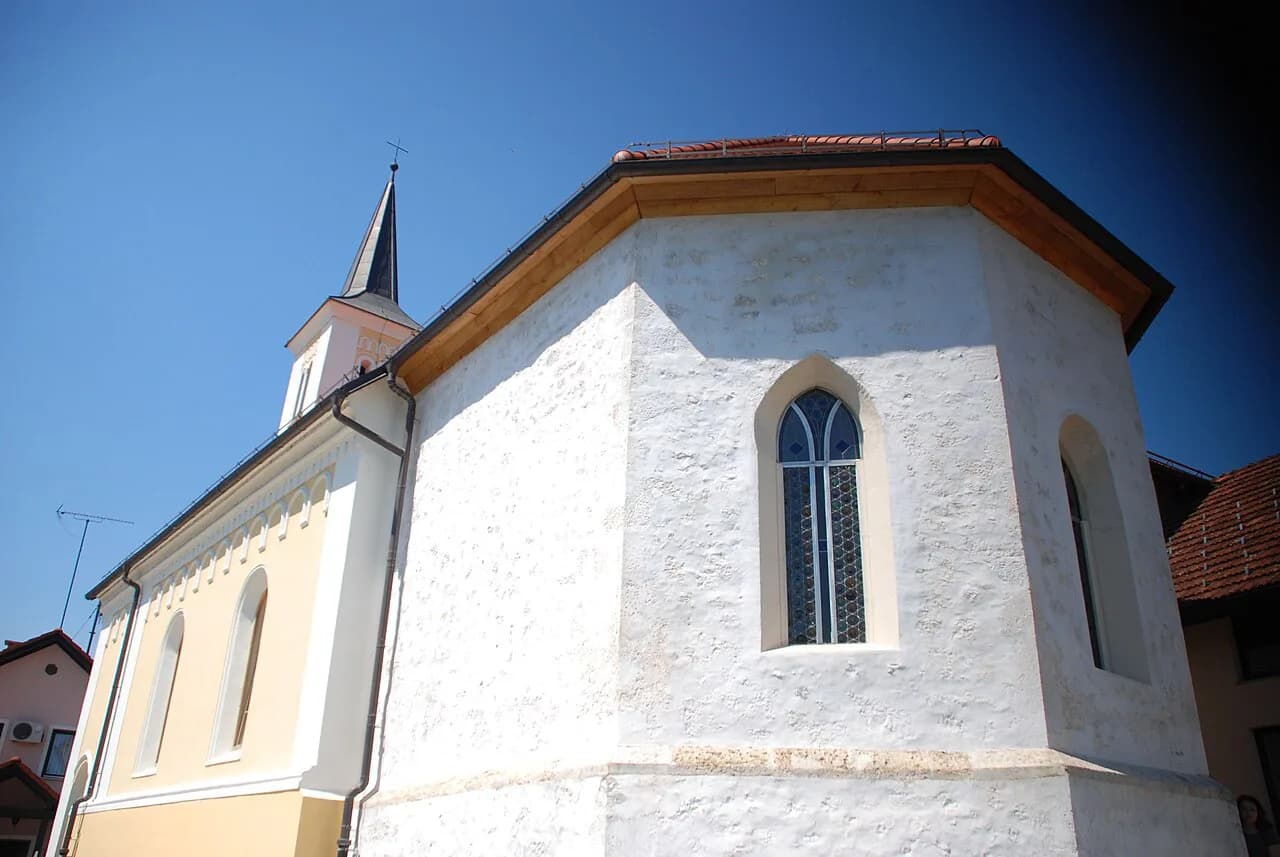
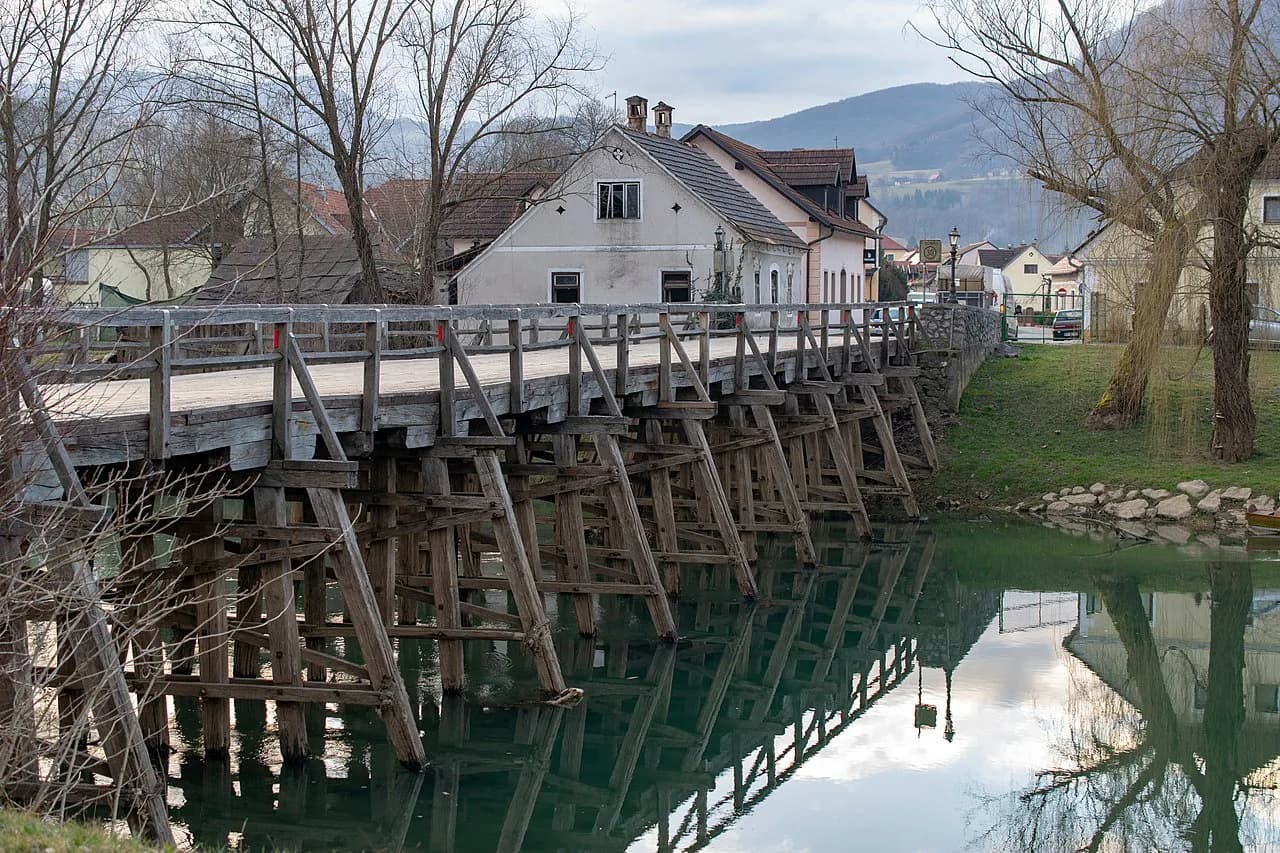
Further south, Laze pri Predgradu has the Roman Catholic Church of St. Vitus, and Dol has a former Venetian sawmill, an old farmhouse with a black kitchen and a bridge whose fence is shaped like a boat. Past the small camp and former sawmill at Prelesje, the route reaches Radenci, a natural end point for a downstream day.
Fishing on the Kolpa: permits and rules
The Kolpa holds a mixed river fishery along its slower, warmer stretches, and fishing is permit-only through the local angling association. Check the current rules and permit terms with that association before you cast, since the rules are set locally rather than nationally.
If fishing is the point of your trip, base yourself near the stretch you want to fish and confirm access with the association at the same time you book your pitch. Campsites along the river put you within walking distance of the water, which matters more here than any single facility.
Cycling and walking the back roads
Bela Krajina's quiet back roads and river paths link the string of villages along the Kolpa through vineyards and birch woodland, rolling countryside rather than steep terrain. Bike rental is available in Črnomelj and Semič if you would rather not bring your own.
This is the low-effort way to see several villages in one day without reparking the car at every beach. Distances look short on the map, but the river loops, so pick a stretch and ride it out and back rather than trying to cover the whole valley.
Border practicalities: the river as the Slovenia–Croatia border
The river itself is the border for a long stretch, with Croatia on the far bank. You can swim and paddle on the Slovenian side without any formalities, but if you drive across at official crossings such as Petrina or Metlika, carry your passport or ID.
Slovenia has run targeted, random border checks, and one guide states they were extended until at least June 21, 2026, with only minor checks expected through that month. Treat that as dated information and check the current position before you travel if your plans involve crossing.
How long the Kolpa needs
A swimming afternoon is enough to understand the appeal: pick one beach near Metlika or Adlešiči, swim, eat at the campsite and drive back. The river rewards more than that only if you want to paddle between villages or work through several stretches.
Two or three nights is the more satisfying shape. Base at a riverside campsite, paddle one day on the gentle middle valley, drive up to Kostel or Petrina for a rafting run on another, and spend a third on the villages and back roads. A full downstream route on foot from Fara to Radenci is listed at 28 km and about six hours, so treat it as a full day rather than a stroll.
What the Kolpa demands: remoteness and cash
The main planning constraint is that this is remote Bela Krajina, not a resort town. Bring cash, expect quiet rather than crowds, and do not count on finding a rental desk or open kitchen at the moment you want one.
Book riverside accommodation well ahead for July and August, when the small sites fill with local and returning European visitors. If your idea of a river holiday involves a promenade, bars and multiple restaurants, the Kolpa is the wrong pick; if it involves a tent, a canoe and nowhere in particular to be, it is exactly right.
Should you add the Kolpa to a Dolenjska trip?
Yes if you want warm water, gentle paddling and a quiet riverside campsite, and if you are already driving the southeast rather than making a special trip from Lake Bled. Pair it with a night in Novo Mesto or Metlika, and stop at Otočec on the way through.
Skip it if you want alpine scenery and adrenaline, which is the Soča's territory, or if you have no car and limited time. Confirm campsite rates and border-check rules directly before booking, since both change and neither is set by the river.
Explore more Novo Mesto guides
Sources
Notes for your Slovenia trip
Optional updates to our Slovenia place guides.
You might also like
Continue reading
More guides you'll find useful