Bohinj Cheese: Mohant, Bohinjski Sir, and the Alpine Dairies
Bohinj cheese covers two very different things: Mohant, a soft raw-milk cheese made only in Bohinj, and Bohinjski Sir, the valley's everyday handcrafted wheel.
On this page
Bohinj cheese means two different things, and knowing which one you are asking for changes the whole purchase. Mohant is a soft cheese with a pronounced aroma, made from raw cow's milk with no additives and produced exclusively in Bohinj, while Bohinjski Sir is the region's recognizable handcrafted wheel. This guide separates the two and explains the pasture system behind them.
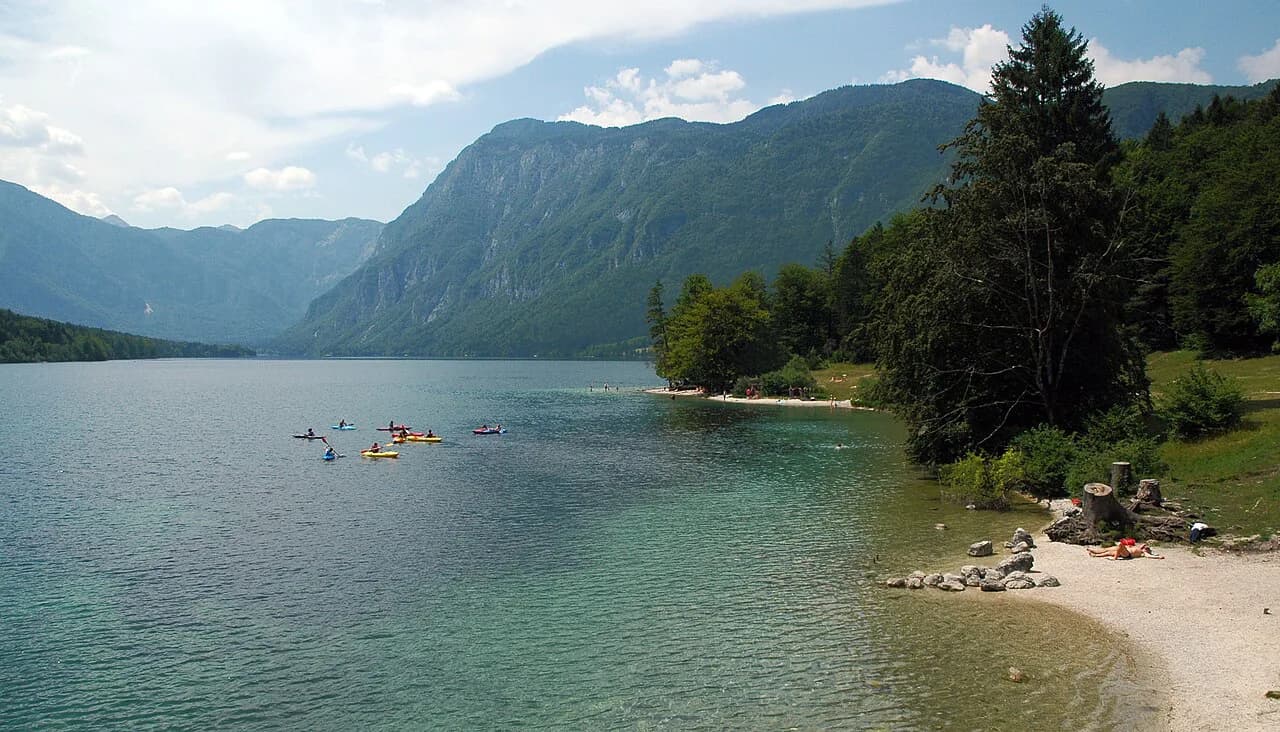
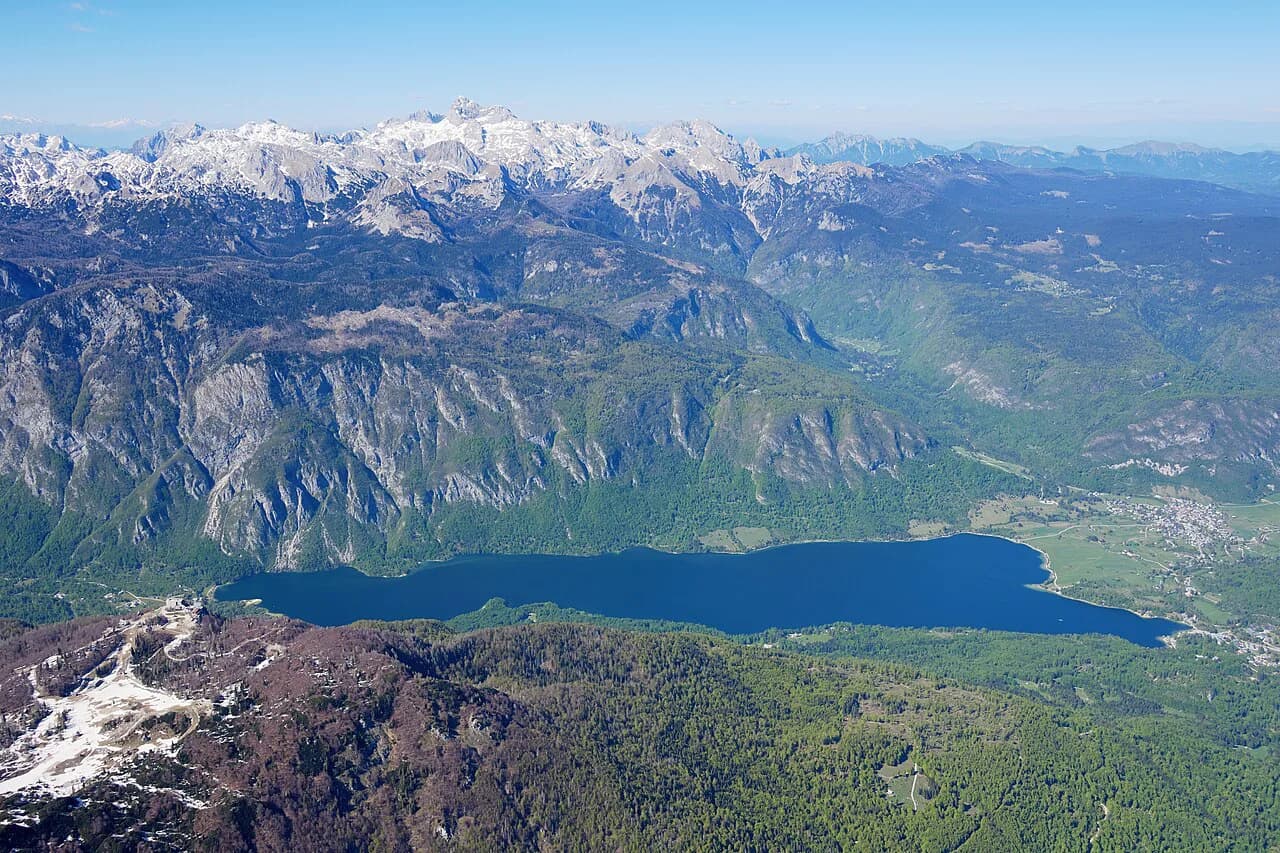
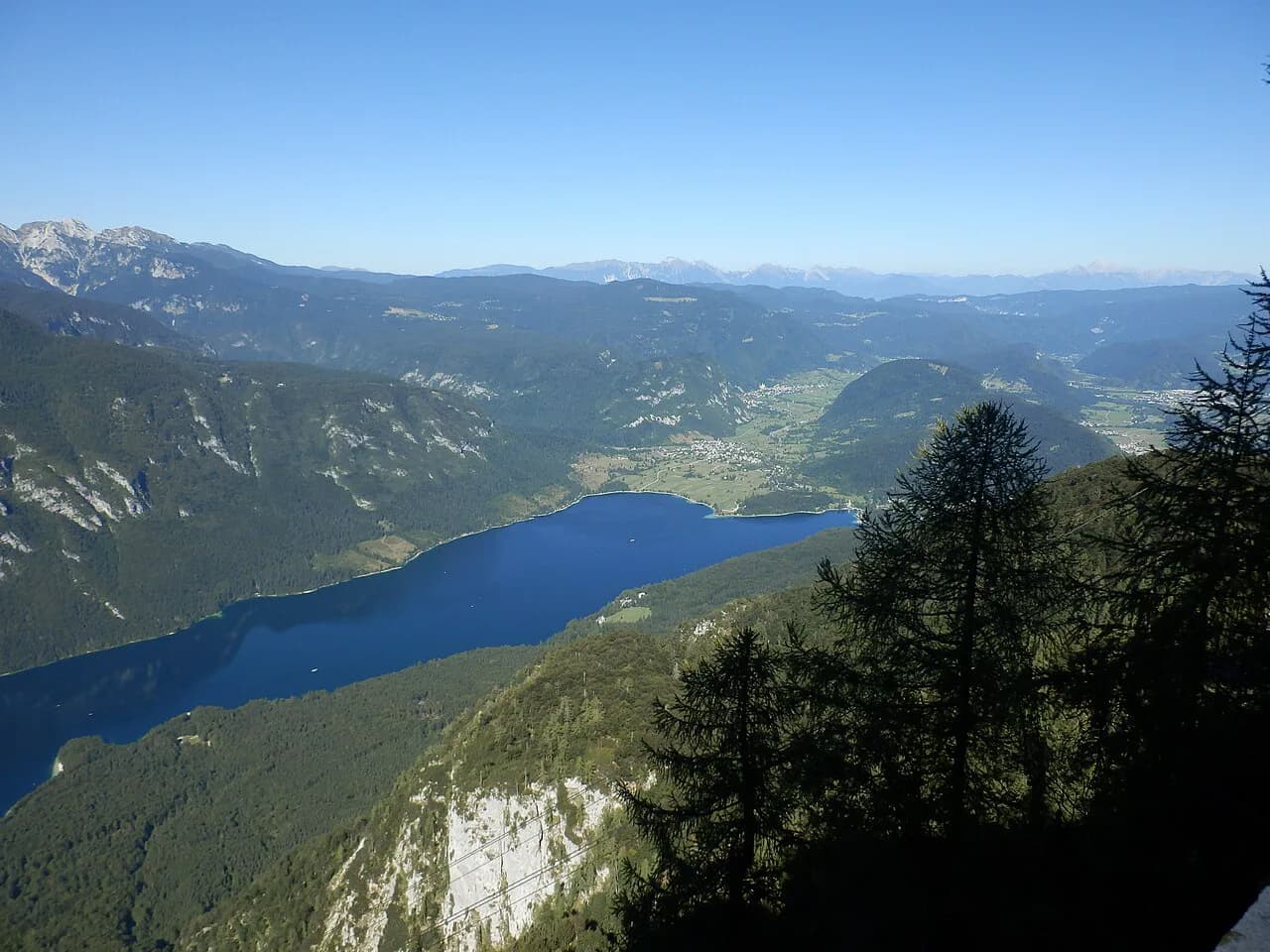
Treat cheese as a short stop rather than a standalone outing. The villages around the lake sit close together, so a dairy stop slots naturally between a walk and lunch. Use the Lake Bohinj Map to see how the lakeside villages are laid out before you plan the drive.
What Bohinj cheese actually is: the two cheeses
Most visitors arrive expecting a single local cheese and leave with a choice between two. Mohant is the soft, aromatic one made from raw cow's milk without additives, and Bohinjski Sir is the firmer handcrafted wheel associated with the Bohinj region. Ask for them by name rather than for generic "Bohinj cheese," because a shop or dairy counter may stock one and not the other.
The practical difference is texture and intensity. Mohant is the soft one, and its distinctive aroma is stronger than a mild appearance suggests, so buy a small amount first if you are unsure. Bohinjski Sir is the firmer handcrafted wheel, easier to pack and carry than a soft cheese.
Mohant: soft, raw, and made only here
Mohant is a soft cheese with a distinctive aroma, produced exclusively in Bohinj from raw cow's milk and made without additives. That exclusivity is the reason you will not find a true equivalent elsewhere in Slovenia, so a purchase here is not something you can easily replace later in the trip.
Be honest with yourself about the flavor before committing to a large piece. Mohant is soft with a distinctive, strong taste that divides people, and one Bohinj rider called it something not everyone likes. A small portion with bread is the sensible first test, and you can always go back for more.
Storage matters if you are carrying it onward. A soft raw-milk cheese travels less forgivingly than a firm wheel, so plan to eat it early in your trip rather than at the end of a long road route. For the wider lake logistics, see the Lake Bohinj guide.
Bohinjski Sir: the valley's handcrafted wheel
Bohinjski Sir is the most recognizable product of the Bohinj region, a handcrafted cheese known for an aromatic flavor and firm enough to slice. It is the easier of the two to buy in quantity, pack in a cool bag, and serve without ceremony back at your rental kitchen.
If you only have room for one purchase and are feeding a group, the firmer wheel is the practical pick. In this guide's view it pairs more easily with the bread, cured meat, and produce you can assemble elsewhere in the valley, which makes it a simpler picnic component than the softer Mohant.
Why dairying shaped Bohinj
Bohinj's farming history runs on cattle rather than crops. Alpine dairy farming here began in the 13th century, and the related cheese-making became the foundation of local farming, driven by scarce fertile land, long winters, and short summers that pushed households toward cows, goats, horses, and sheep.
Around forty alpine dairy farming settlements once operated in the area, split between hay plateaus, middle plateaus, and high plateaus. Herders moved animals up through these levels in spring and back down in autumn, which is why the huts you see scattered above the valley are a farming system rather than decoration.
That structure explains the names on any cheese label from the area. The milk came from animals grazing at different elevations through the season, and the products that reached the valley were the surplus of a household economy built on milk, cottage cheese, and sour milk.
The summer pasture dairies above the lake
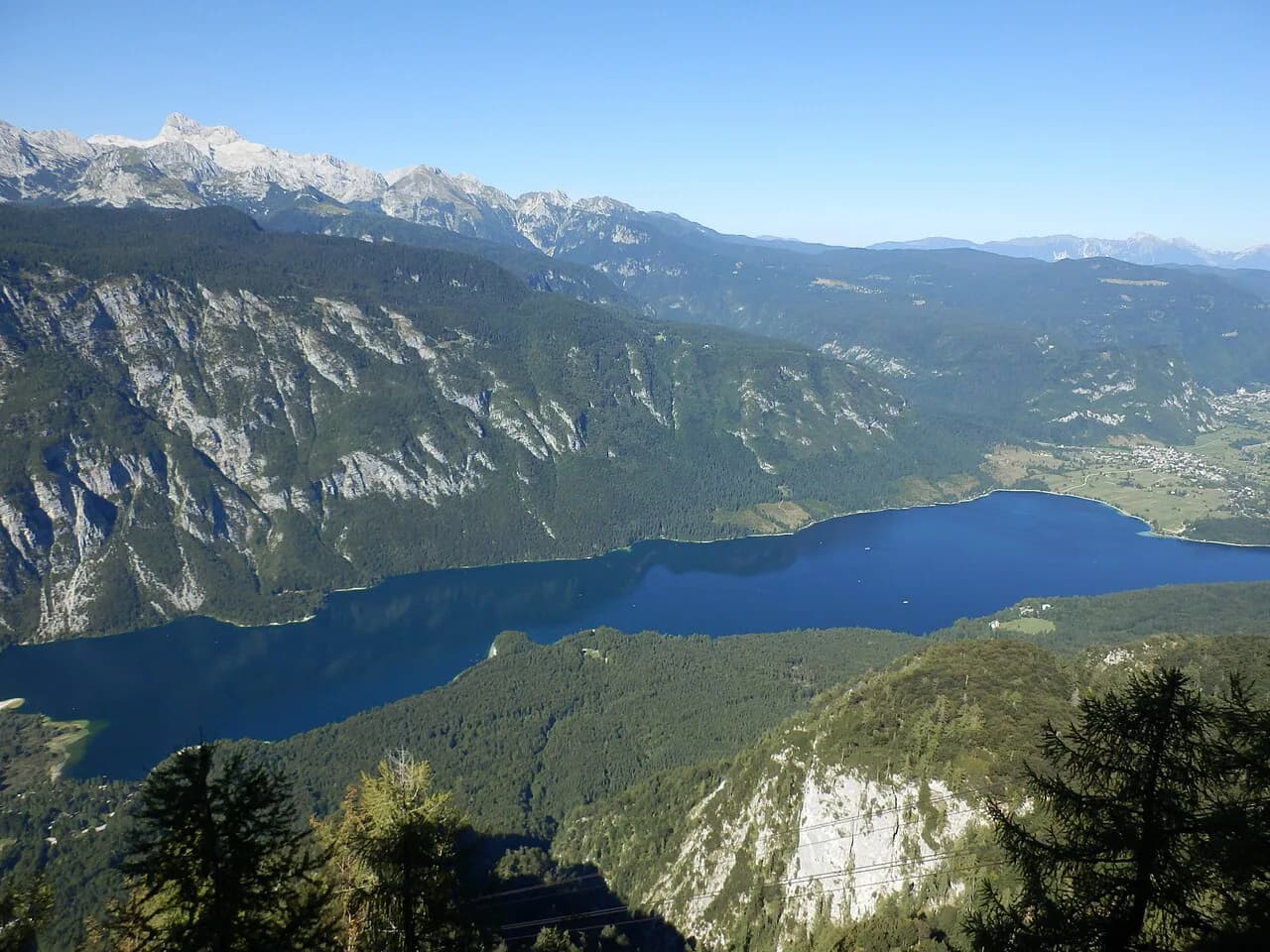
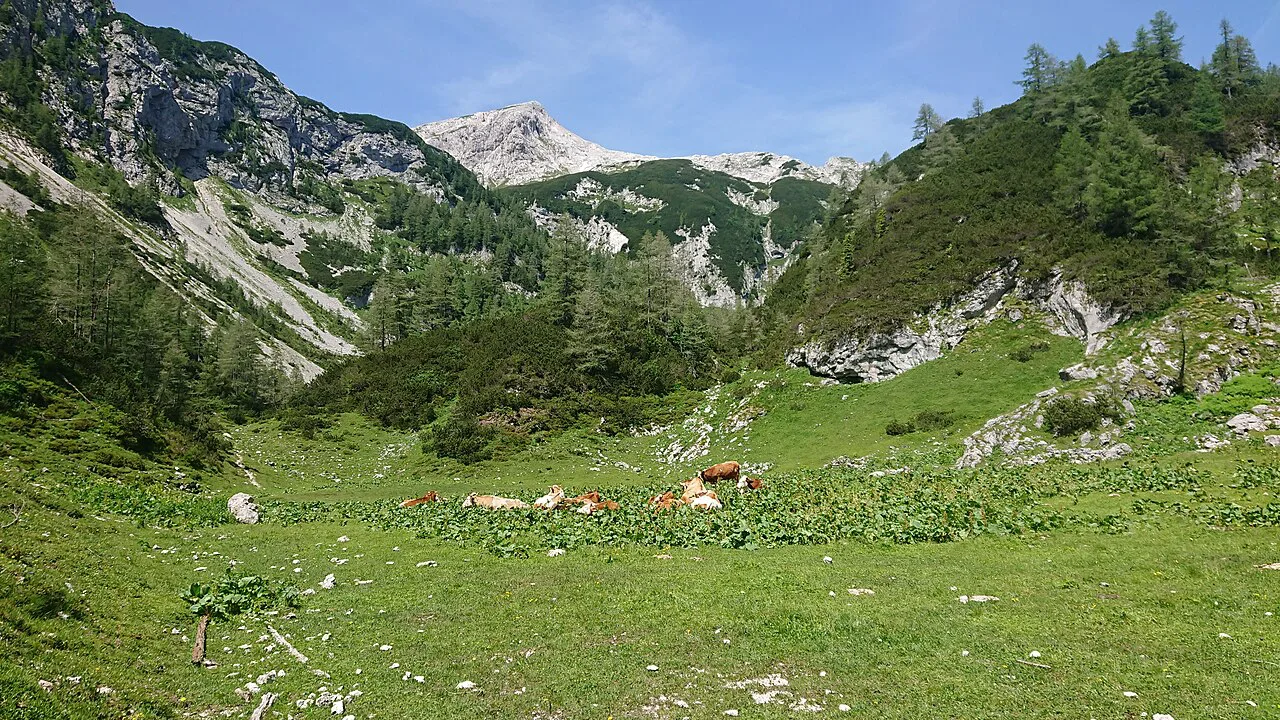
Above the lake, the high plateaus of Uskovnica, Praprotnica, Zajamniki, and Konjska dolina are known for shepherd architecture and cheese-making. In a 2015 account the huts there were described as mostly private holiday cabins, neatly restored, so do not expect an open-air museum with staff on hand. Treat any visit as a drive or ride on farm roads and confirm access locally.
Dairy specialties appear with the grazing season, and early summer can be too soon for the full range. If fresh cheese, cottage cheese, milk, or sour milk from the pastures is the point of your detour, ask in the valley what is available that week before driving up.
In that 2015 ride the route up was a steady climb on firm gravel farm roads through forest rather than a technical mountain-bike trail. That makes a ride up a half-day commitment once you add stops, so it competes directly with time on the water.
Stara Fužina, Studor, and where the dairy story starts
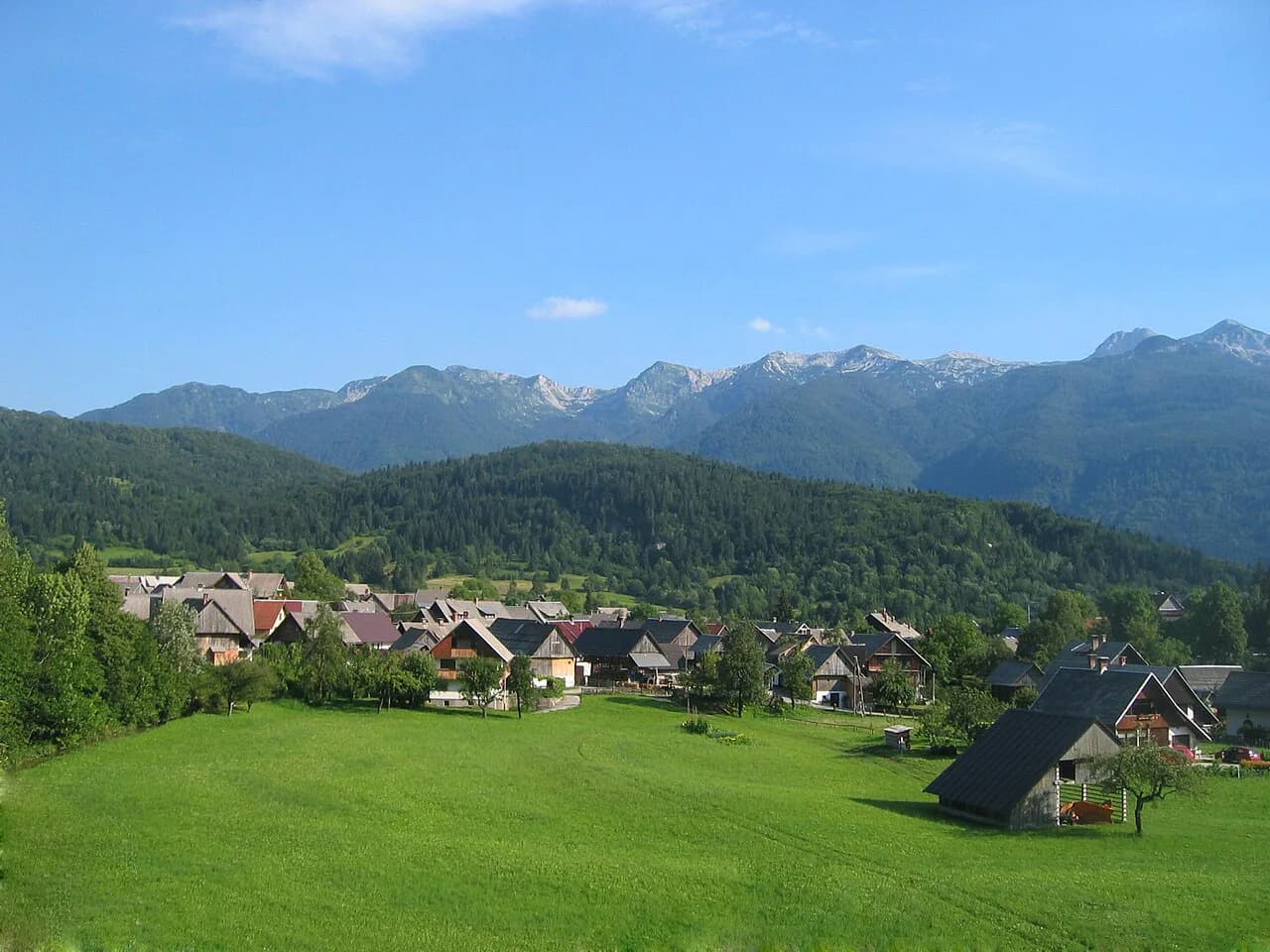
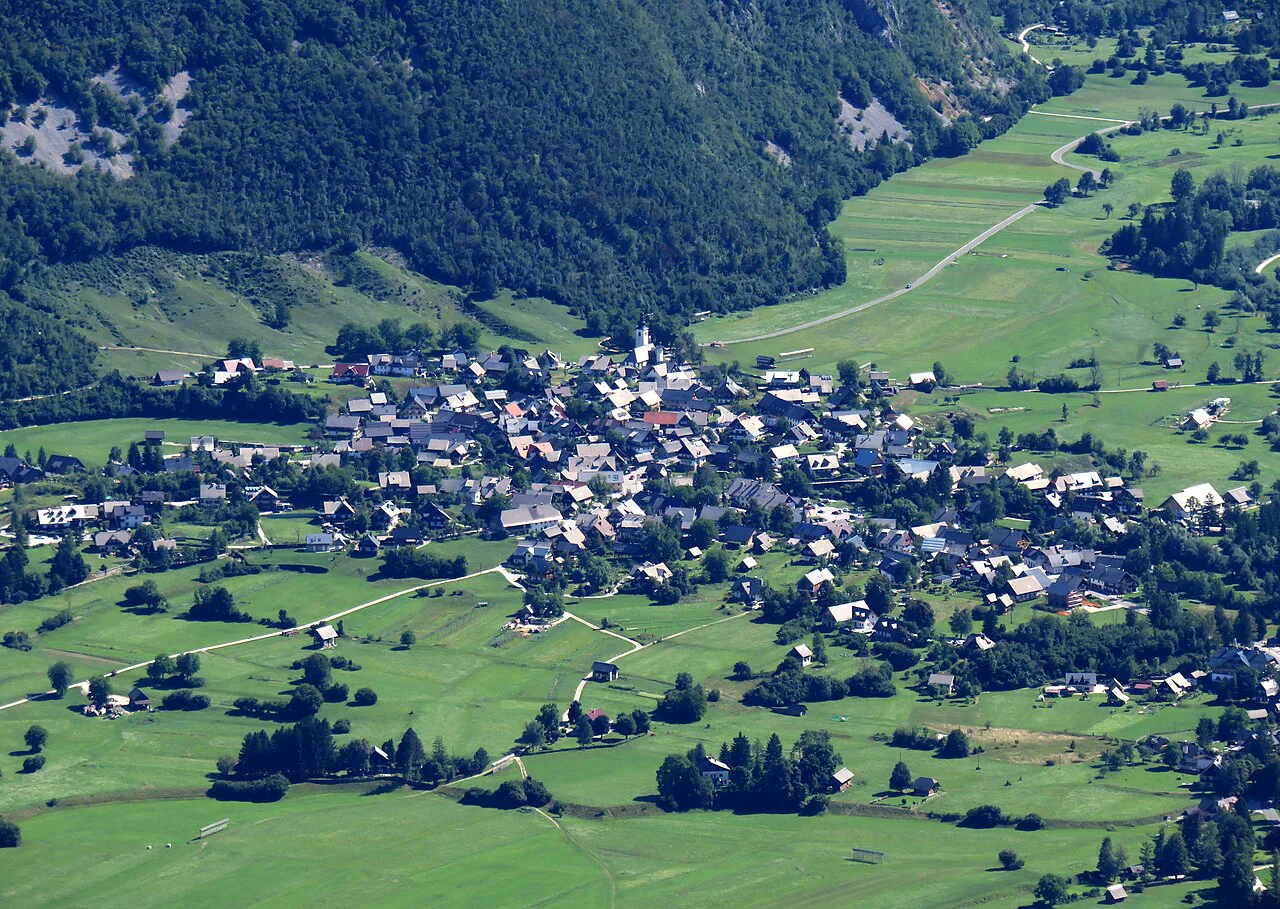
Stara Fužina and neighboring Studor are the natural starting points for the plateau routes, sitting close to the lake's eastern end where the paved road gives way to the climb. Park in the village and decide whether the day belongs to the pastures or to the shoreline.
A loop from these villages can pass through Zgornje Podjelje, Jereka, Češnjica, and Srednja vas on the way back, roughly thirty kilometers with about 1,100 meters of climbing and a high point near 1,280 meters. That is a solid day on a bike and too much to walk casually, so choose your transport before you set out. If you would rather eat out afterward, see our guide to the best restaurants in Bohinj.
For a gentler version, stay in the valley and treat the villages as short drives between lake stops. Use the Lake Bohinj Map to plan errands and a final shop before you leave the area.
Buying and tasting: what to ask for
Ask for Mohant and Bohinjski Sir by name, and say how you plan to eat them. A counter selling both will steer you toward the firm wheel for travel and the soft cheese for immediate eating, and you avoid paying for more Mohant than your tolerance for a strong cheese justifies.
Cheese-making experiences in Bohinj have been offered as guided programs combining a farm visit, traditional production, tasting, the alpine dairy farming museum, and a cheese factory visit, with durations of three to five hours for groups. That describes a past group offering, so confirm what is actually available for individual travelers before you build a day around it.
A self-guided version is simpler and more flexible. Buy from a valley shop or dairy counter, add bread and something sharp, and taste by the water instead of booking a structured visit.
How to fit the cheese into a Bohinj day
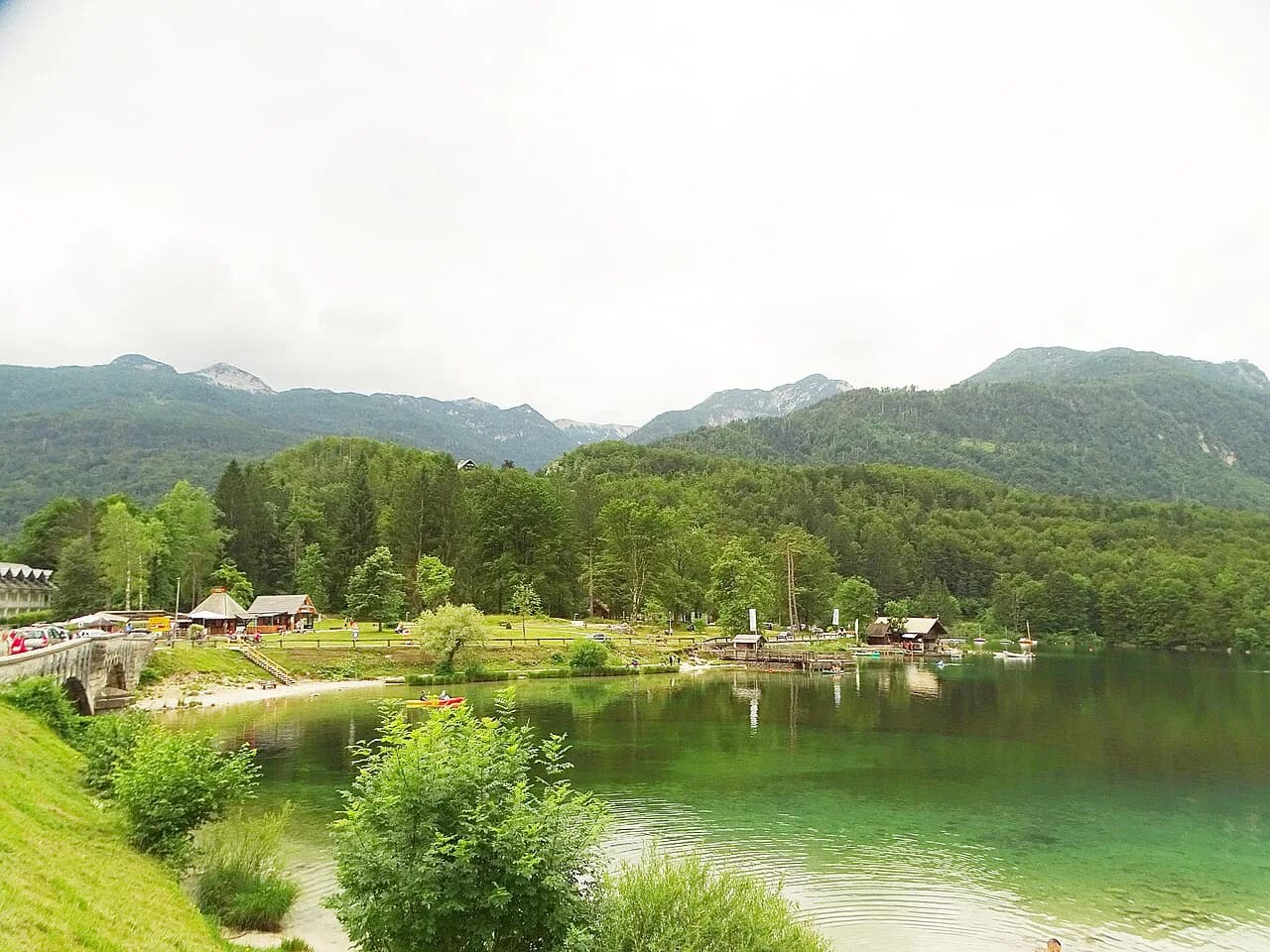
Build the lake around the cheese stop, not the other way around. Start at Ribčev Laz for orientation and parking, work along the shore, then drive to Stara Fužina or Studor for a purchase before the afternoon crowds settle in.
If you want the pastures, take the morning for the climb and keep the afternoon free for the water. If you want a relaxed day, skip the plateaus entirely and spend the time on a walk along the shore with a cheese picnic in the middle.
Guided options exist for travelers who would rather not plan the logistics themselves, and they can pair a dairy stop with other valley sights. Compare what a tour includes against the cost of doing it independently before committing.
Is the cheese worth a stop on your lake day?
Yes, as a short stop rather than a destination in itself. One valley purchase, ideally a piece of Mohant to try and a Bohinjski Sir wheel to carry, gives you a genuine taste of the area in under an hour and leaves the rest of the day for the water and the villages.
Add the high plateaus only if you have a full day and your own transport, since the climb and stops consume hours you would otherwise spend by the lake. Whatever you plan, confirm current availability of farm visits and pasture dairy products in the valley before driving up.
Explore more Bohinj guides
Sources
Notes for your Slovenia trip
Optional updates to our Slovenia place guides.
You might also like
Continue reading
More guides you'll find useful