Idrija Lace: The Lace School, Museum and Where to See It
Idrija lace is handmade Slovenian bobbin lace listed by UNESCO. Here is where to see it in Idrija, try lacemaking yourself and buy a piece to take home.
On this page
Idrija lace is the bobbin tape lace made in this small western Slovenian town, and you can see it in two places a short walk apart: the Idrija Lace School, where the skill is still taught, and the municipal museum's lace collection in Gewerkenegg Castle. Plan roughly an hour or two across both rather than a half day, because each is compact and the real reason to linger is watching bobbins move in someone's hands. This guide covers what the lace is, what each stop shows you, the hands-on workshop, how to shop for a genuine piece and when the town fills up for the lace festival. Start with the broader Idrija: A Visitor's Guide to the Mercury Mine, Lace and the Old Town if you are still planning the day.
What Idrija lace actually is
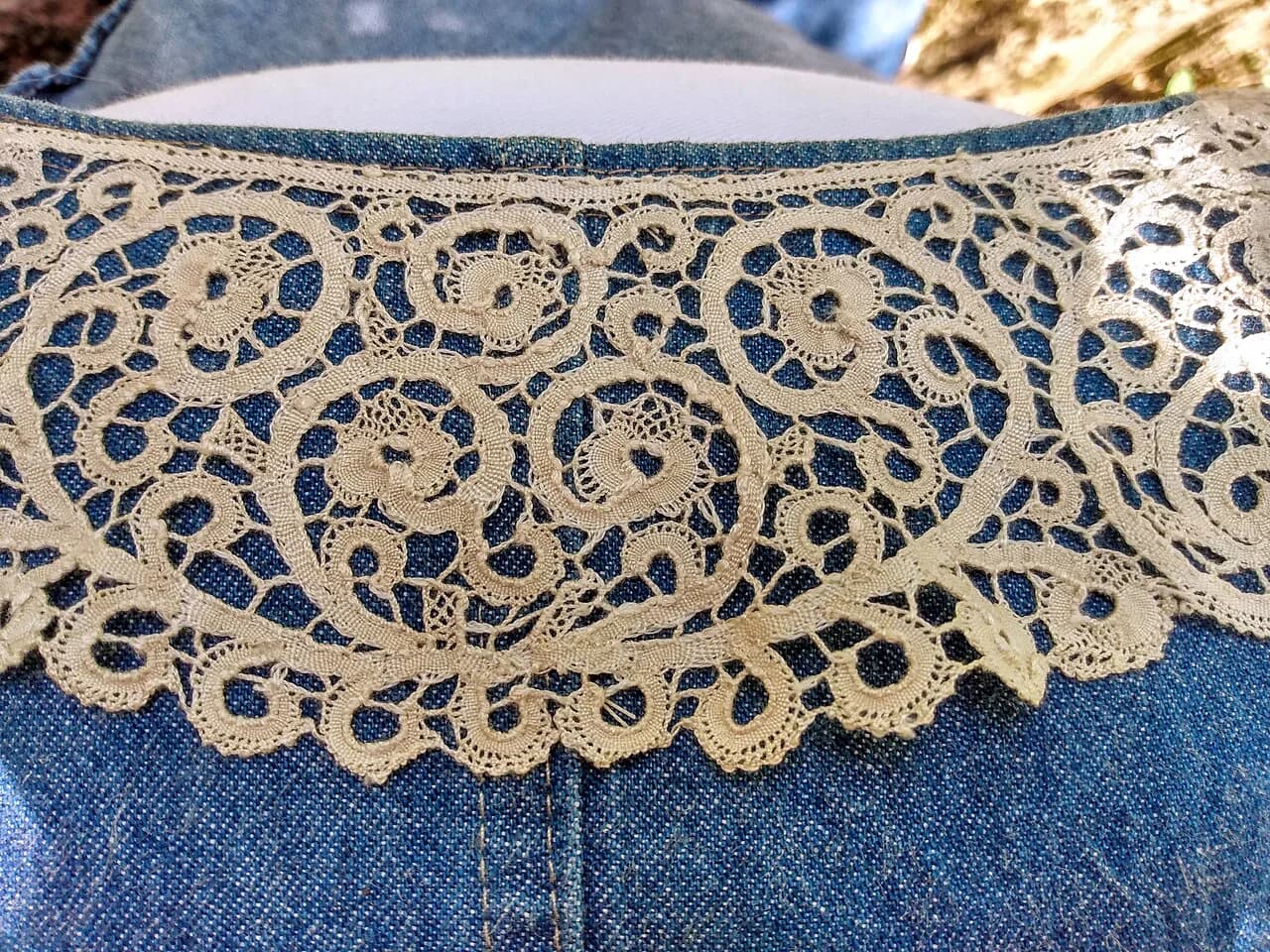
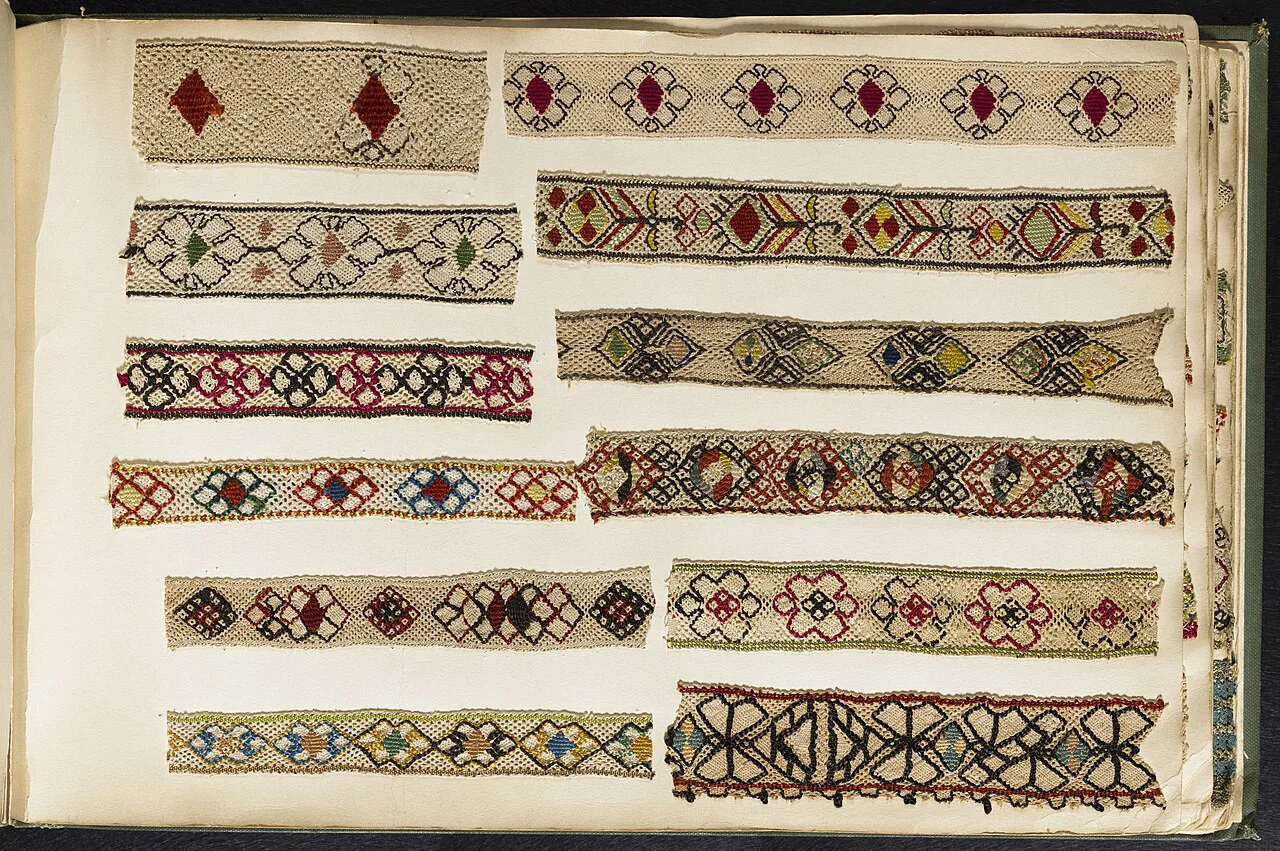
The craft works like this: thread is wound onto wooden sticks called bobbins, then crossed and twisted over a paper pattern pinned to a cylindrical pillow held in a wicker basket. The lacemaker follows the drawing line by line, producing lace in bands or in finished shapes rather than a flat sheet of fabric. Idrija lace is a bobbin tape lace, a category that reads as woven ribbon worked into patterns, so look for defined tapes joined by decorative stitches rather than a uniform mesh.
Idrija's patterns carry local names, and the same motifs recur across generations of pieces in the school and museum. Once you have seen a few examples on a wall, you start recognizing them in shop windows, which is the most useful preparation for buying.
UNESCO listing and the geographical indication
Bobbin lacemaking in Slovenia, including the Idrija tradition, is inscribed on the UNESCO Representative List of the Intangible Cultural Heritage of Humanity, which places the skill rather than a monument under international recognition. That listing is about knowledge passed between people, so the living demonstration at the school matters more than any single display case.
On the buying side, the Idrija Lace geographical indication is the label that guarantees quality for bobbin lace produced within a defined area. When you shop, ask the seller whether a piece carries that designation and whether it was made by hand in the area, because that is the difference the label is meant to certify.
The Idrija Lace School: where the craft is taught
The Čipkarska šola Idrija has operated without interruption since 1876 and today teaches several hundred children and young people alongside adult courses, which makes a visit feel like stepping into a working classroom rather than a museum. On the premises you can see an exhibition of handmade lace made by students, try lacemaking yourself, and buy finished lace products and the equipment to make them. Ask at the desk about the annual lacemaking competition if you are curious how the standards are judged.
This is the stop to prioritize if you want to understand the technique rather than just the output, because you can sit at a pillow and feel how much coordination the bobbins demand. Allow time for a short hands-on attempt before browsing the shop, so the pieces you see afterward make sense.
The lace collection in Gewerkenegg Castle
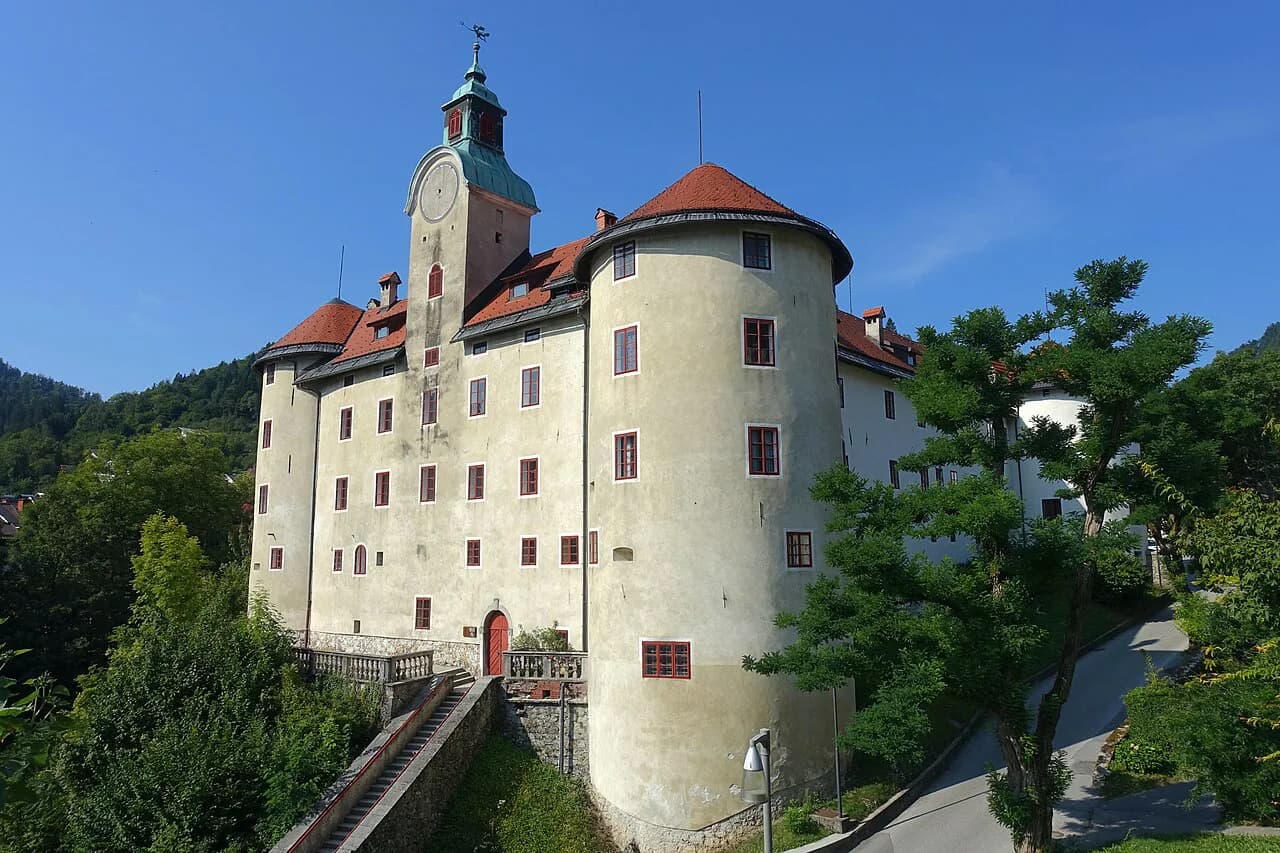
The Idrija Municipal Museum in Gewerkenegg Castle holds the exhibition Idrija Lace – A History Written in Thread, which traces lacemaking here from its beginnings through to contemporary applications. The collection includes metal lace and Jovanka's tablecloth, one of the most admired pieces in the Idrija tradition, so budget time to read the labels rather than walk straight through.
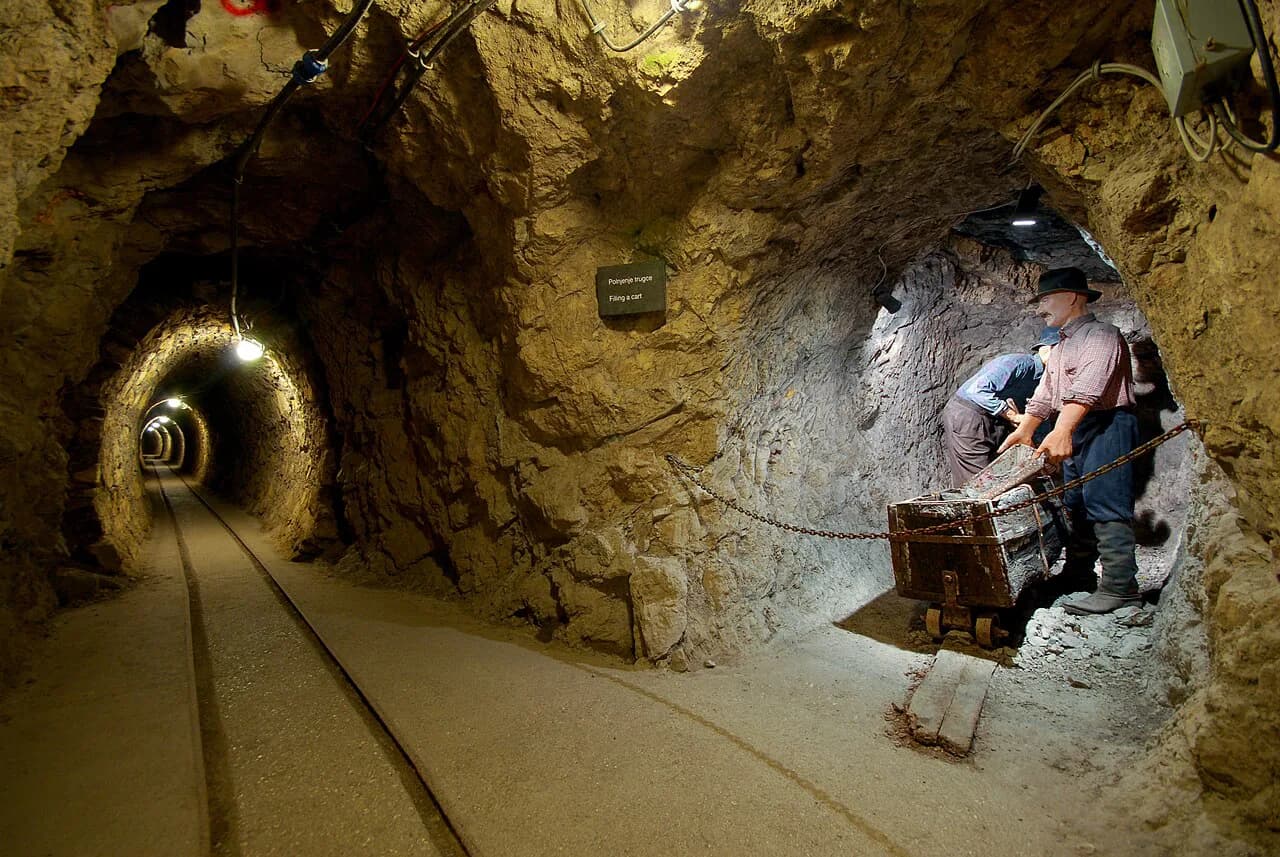
The castle sits above the old town and also houses the town's wider history, including its mercury mining story, so the lace rooms are one part of a larger visit. If you are tight on time, go to the lace exhibition first and treat the rest as a bonus. The same building is covered in more detail in the guide to Gewerkenegg Castle in Idrija, and the Idrija Mercury Mine guide covers the mining heritage that shares the town's UNESCO story.
The lacemaking workshop: make a bracelet
The guided lacemaking experience is built around a concrete result: with a teacher's help, you make a simple lace bracelet to take away. Visit Idrija lists the experience at 92 € for one person and 89 € for the second price tier, so it is a paid, teacher-led session rather than a drop-in demonstration. It suits travelers who want to spend a couple of hours on the craft itself and are happy to slow down for it.
Book before you travel and confirm the slot directly with the organizer, since session times and language of instruction are set by the provider rather than running on a fixed daily schedule. If you only have a passing interest, the try-out at the school is the lighter option.
Where to buy Idrija lace
Small stores and studios around the town center sell handmade Idrija lace, and many of them let you watch work in progress, which is the simplest way to tell hand work from machine production. Look closely at the joins between tapes, ask who made the piece, and check for the geographical indication label before you pay for something described as Idrija lace.
The lace school's own shop is a reliable starting point for student-made pieces and for bobbins, thread and pillows if you want to continue at home. Supplies are also sold abroad by a US-based supplier that runs Idrija bobbin lace workshops, which is useful if you catch the bug and want equipment closer to home.
Traditional white lace versus contemporary pieces
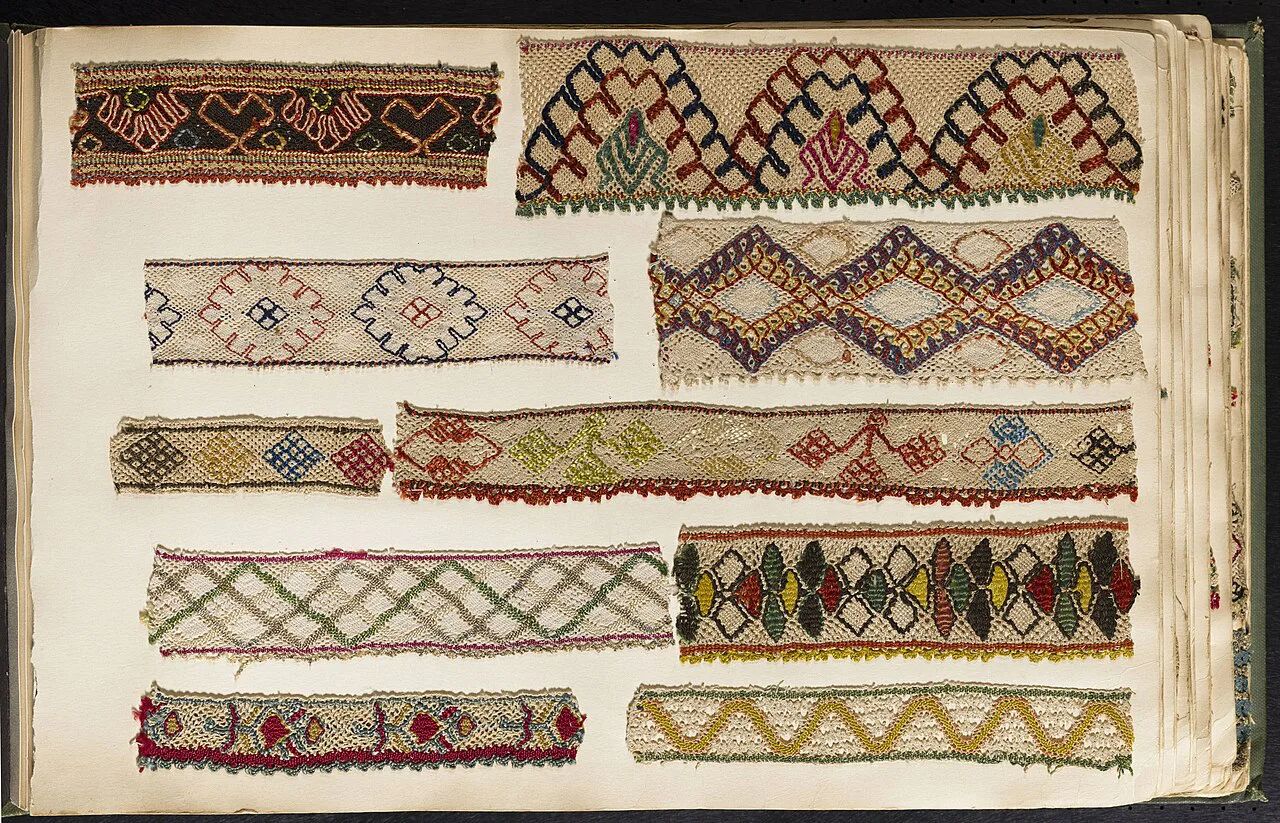
The classic Idrija look is white flax or cotton thread, but the contemporary palette runs to metallic threads in gold and silver, mixed materials and bolder forms. That range shows up in jewelry, fashion accessories and protocol gifts as well as in decorative pieces for the home, so decide before you shop whether you want a traditional table piece or something wearable.
Prices vary widely by size, complexity and maker, and the school's online catalog lists a collection priced from 180 € to 340 € for larger works, which gives you a sense of the upper end. Smaller accessories cost less; ask each seller for the price of the specific piece rather than assuming a standard rate.
The Idrija Lace Festival in June
The Idrija Lace Festival takes place in June and turns the town into a busy lace center, with knowledge exchanged between makers and visitors from abroad. Expect demonstrations, stalls and a fuller program than on an ordinary weekday, and expect the compact old town to feel crowded.
If you want a calm look at the school and the castle exhibition, come outside the festival and treat the event as its own reason to visit. Check the published program before booking travel and accommodation, because the festival weekend fills the town's small supply of rooms.
How much time lace needs in your Idrija day
Budget about two hours for the school and the castle lace exhibition together, plus shopping time if you plan to buy. That leaves most of a day for Idrija's other draw, the mercury mining heritage that shaped the town and shares its UNESCO story, which is worth pairing with the lace stops for a fuller picture.
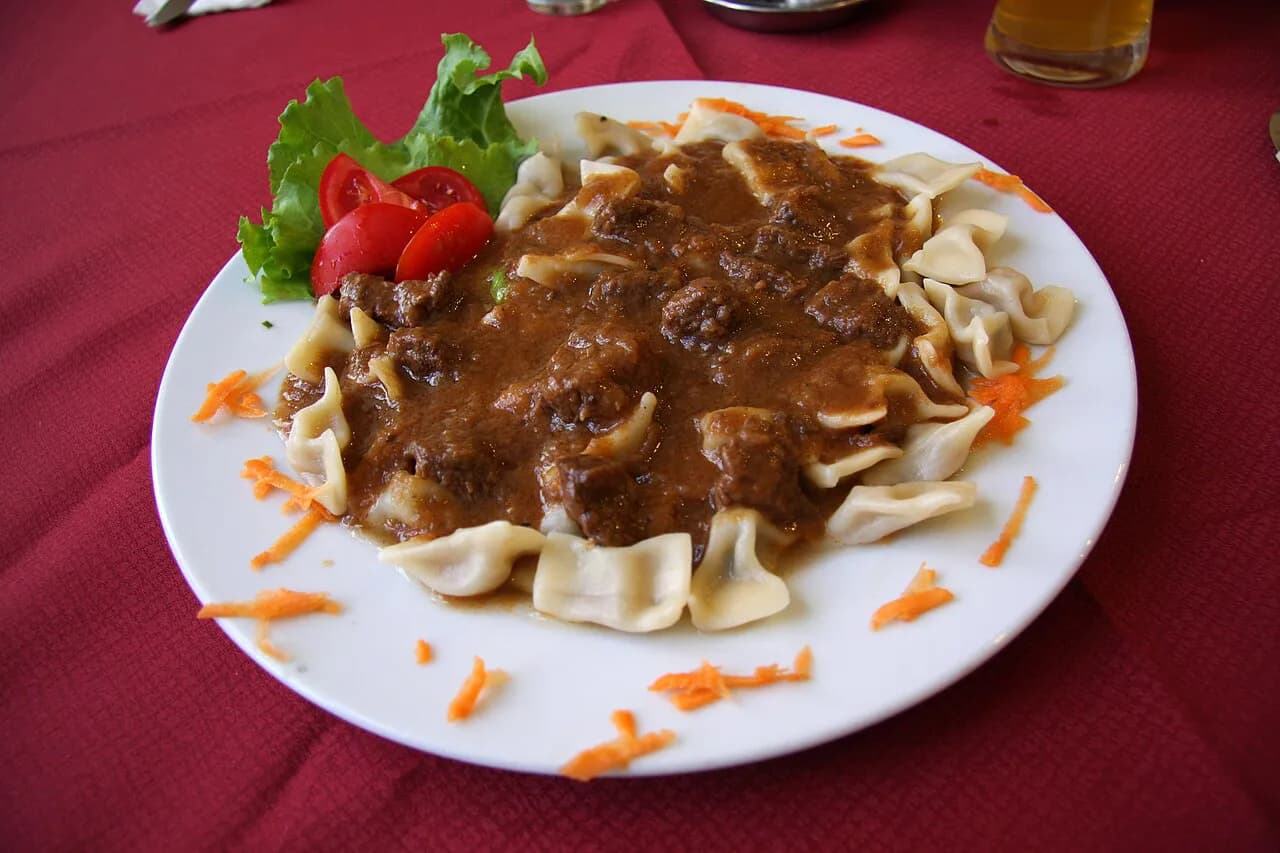
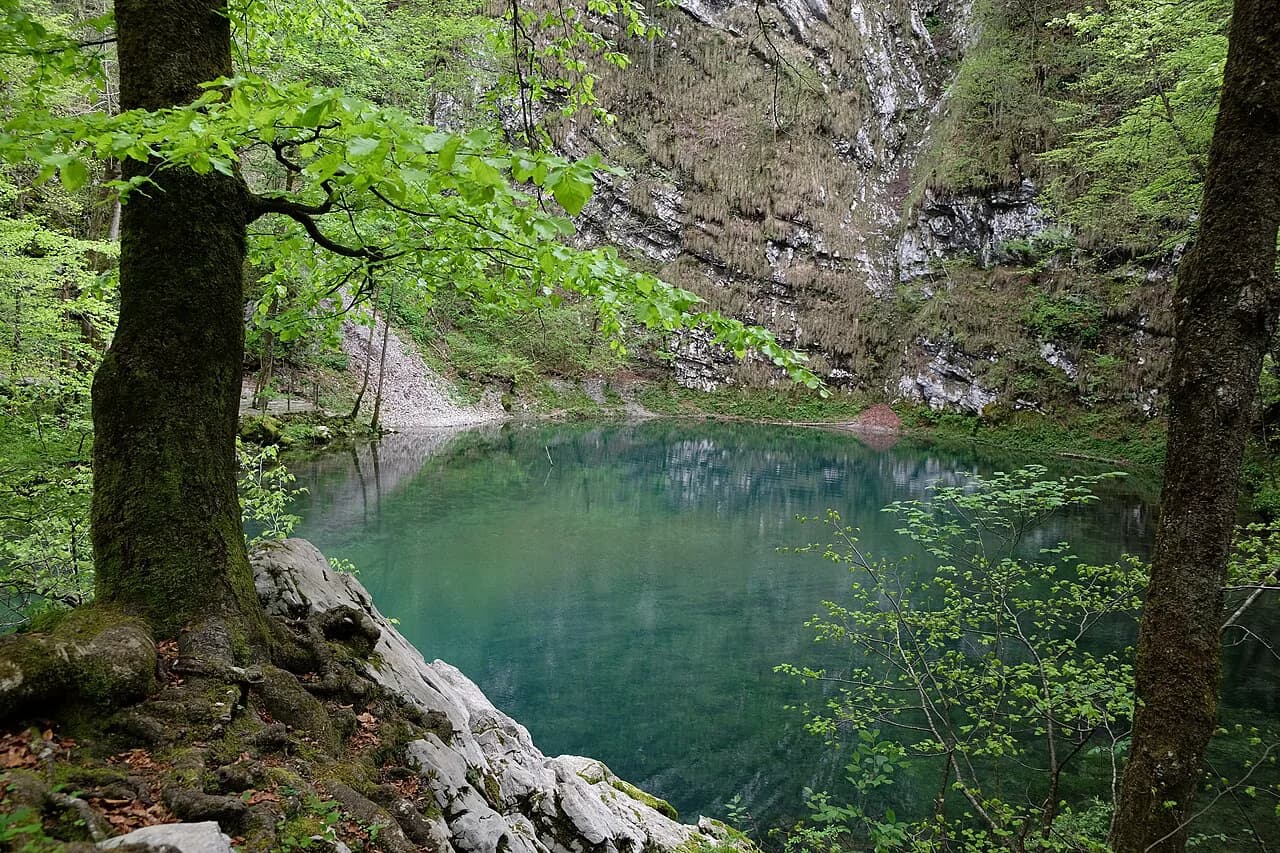
A practical sequence is the mine or castle in the morning, lunch on Idrijski Žlikrofi, then the lace school in the afternoon when the light through the windows is best for looking at fine thread. If you have a car, the Zgornja Idrijca landscape park and Divje jezero (Wild Lake) sit close enough for a short detour afterward.
Because the lace school runs on a teaching timetable rather than tourist hours, ask about exhibition access and workshop slots directly before you set out, and check the museum's own page for the castle's current opening times.
Should you build your Idrija day around lace?
Yes, if you want to see a living craft rather than a static display: the school puts bobbins in your hands and the castle exhibition explains what you are looking at. If crafts leave you cold, give lace an hour and spend the rest of the day on the mercury mine and the old town.
Either way, start at the school, buy only what you can trace to a named maker, and leave room for a detour into the hills around Idrija.
Explore more Idrija guides
Frequently Asked Questions
Can you buy Idrija lace in Ljubljana?
Idrija is where the makers and the school shop are, and browsing there lets you meet the people behind the pieces. If you only have time in Ljubljana, ask at craft and design shops whether their lace carries the Idrija Lace geographical indication, and confirm with the seller where each piece was made.
Are there free Idrija lace patterns to download?
The lace school publishes video tutorials and pattern material for its projects, and its site is the place to look for learning resources. Patterns pinned to a pillow follow a drawn design, so a beginner is better off starting with a teacher-led session than with a pattern alone.
What is the difference between Idrija lace and other bobbin lace?
Idrija lace is a bobbin tape lace, worked as woven-looking tapes joined into patterns, with local motifs that carry their own names. Other bobbin traditions may build a continuous mesh instead, so compare the joins and the density of the ground when you look at pieces side by side.
Sources
Notes for your Slovenia trip
Optional updates to our Slovenia place guides.
You might also like
Continue reading
More guides you'll find useful