Žlikrofi: Idrija's Filled Dumplings and How They're Served
Idrijski žlikrofi are small pasta dumplings filled with potato, onion, and lard. Here is what they are, how they are shaped, and what to order in Idrija.
On this page
Idrijski žlikrofi are small filled pasta dumplings from Idrija, made with a spiced filling of cooked potato, sautéed onion, and lard, then folded and pinched into a shape whose origin is uncertain — Idrija's own tourism board says it is not clear whether it resembles Napoleon's hat or came from the Alpine region. They turn up in Idrija kitchens and restaurants as a warm starter, a side, or a stand-alone dish, and knowing how they are built and plated makes ordering them much easier. This guide covers the dough and filling, the measured dimensions of the dumpling, the protected status the dish carries, and the accompaniments Idrija locals pair with it.
What žlikrofi are
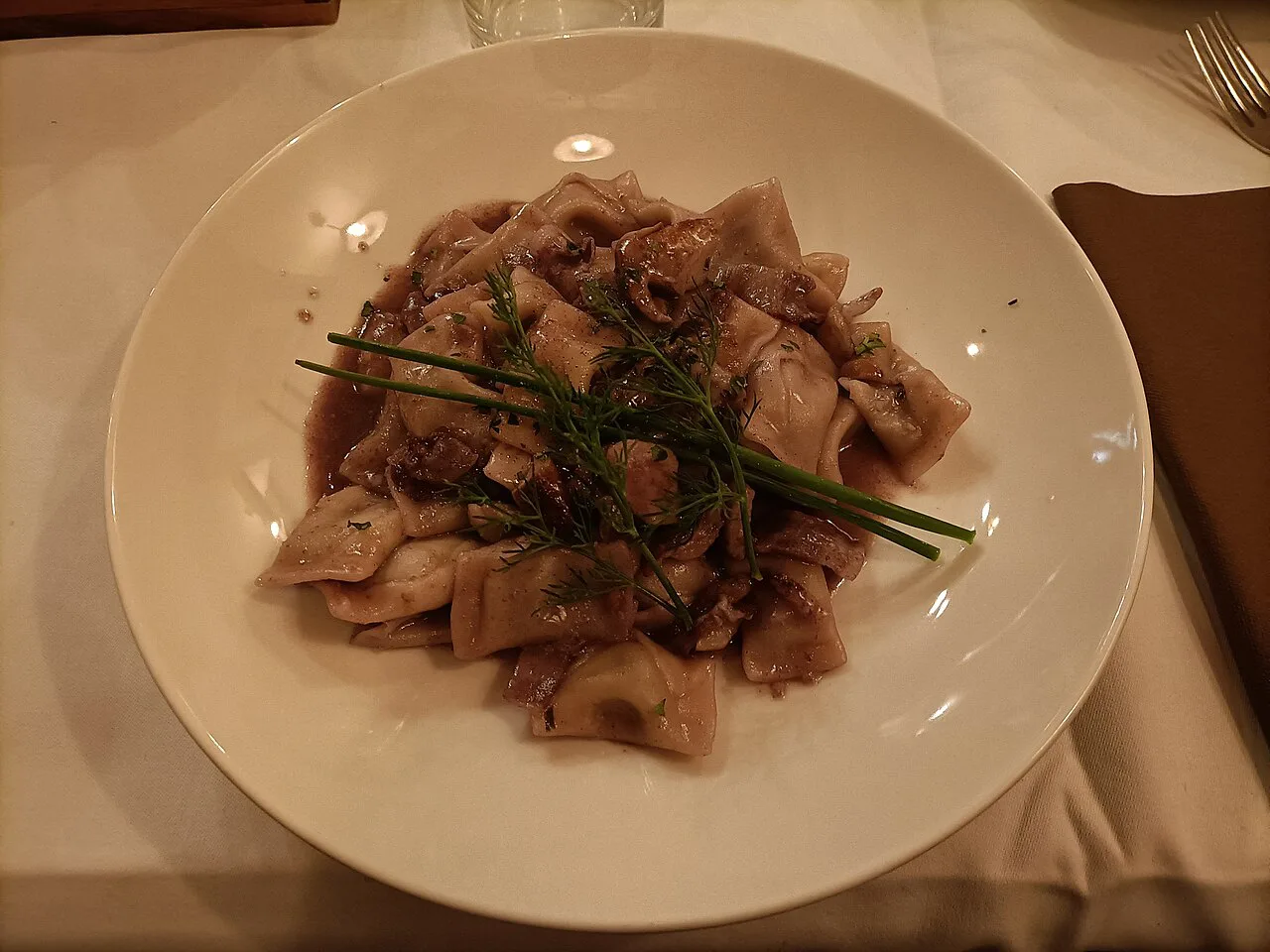
A žlikrof is a pocket of thin fresh pasta dough wrapped around a seasoned ball of cooked potato, sautéed onion, and lard. The filling is what most people taste first, but the dough matters just as much, and it is rolled thin enough that the dumpling stays light once boiled. Two culinary details set the local version apart: the potato filling is bound with lard or cracklings rather than cheese, and the folded shape forms small ears at the sides.
The potato is boiled and mashed while still warm, then mixed with onion sautéed on lard or smoked bacon plus black pepper, salt, marjoram, and chives. Balls are rolled small enough to sit under the pasta sheet without tearing it, and the dish is served with a sauce or a roast rather than eaten dry.
Why the name is usually idrijski žlikrofi
Written on its own, žlikrofi refers to the filled dumpling; written as idrijski žlikrofi, it ties the dish to the town of Idrija, where it is served as a local specialty and where families keep their own recipes. Visitors see the term on menus across the region, but Idrija's tourism board presents the dumplings as central to the town's restaurant offer. If you are working out where in town to eat them, start with the town's own listings.
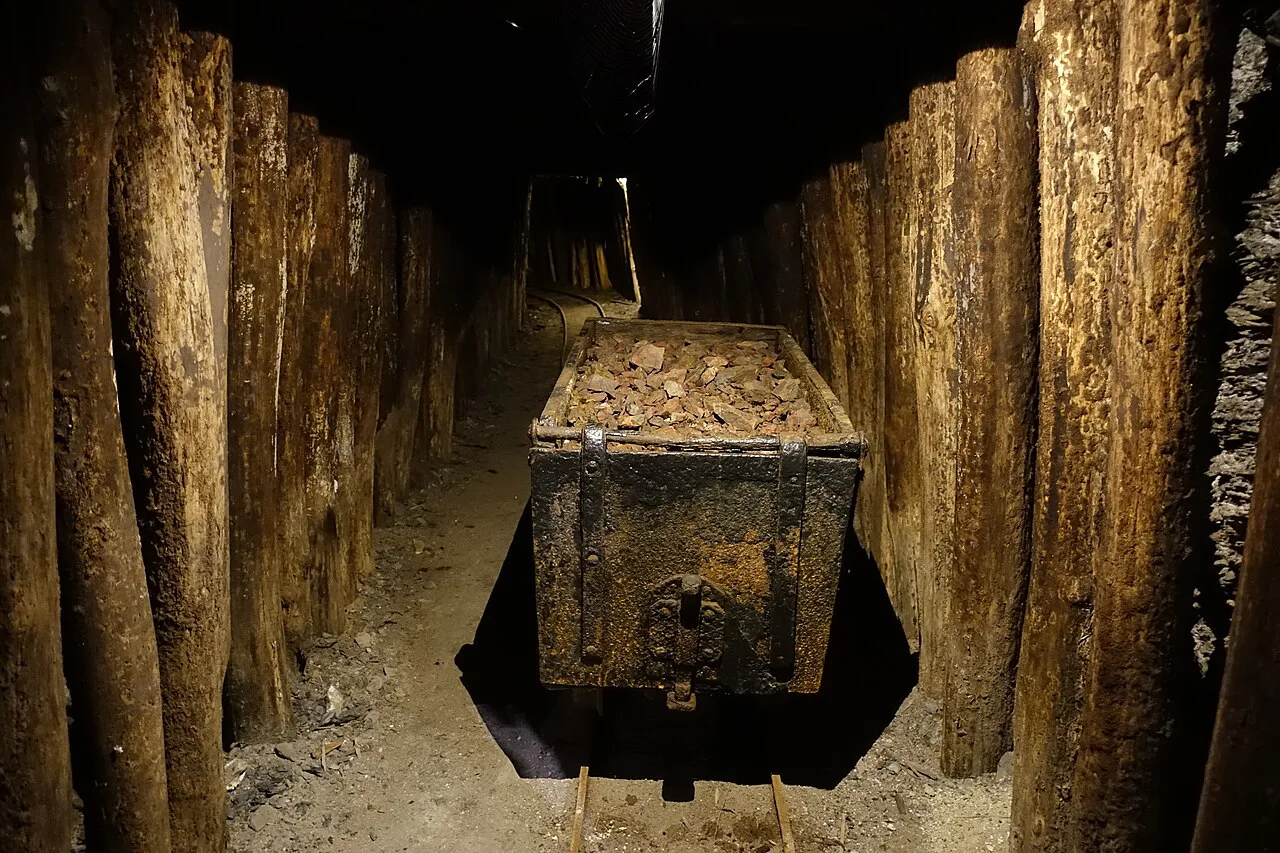
The town's mining history is part of the setting, and the dumpling's name and shape have been connected both to a German-derived term for a slippery dumpling and to a hat-shaped silhouette. The town has long been known for the dish, and no single origin story settles the question. For a traveler the practical point is simple: the dish is associated with Idrija, and the regional name tells you where it is meant to be eaten.
Protected status and the 2010 European Commission listing
Idrijski žlikrofi received protected status from the European Commission in 2010, and the dish was the first Slovenian food to gain that recognition. The protection fixes both the ingredients and the finished form: a genuine žlikrof has regulated proportions, and the protected version is tied to Idrija and its surroundings. For a visitor, that guarantee is part of the reason to try them in town.
How a žlikrof is shaped
To make one, the filling is rolled into marble-sized balls, spaced out along a sheet of dough, then the dough is folded over and pressed between each ball to seal it. The resulting piece has two pinched "ears" at the sides and a small dent pressed into the top, the detail that produces the hat form. The shaping step separates a proper žlikrof from a plain pocket of stuffed pasta, because it is what keeps the filling in and the dumpling together during boiling.
The measured size of a proper idrijski žlikrof
The size of a true idrijski žlikrof is fixed by the local standard at 3 centimeters long and 2 centimeters high, with the height measured at the middle of the dumpling; the edges stand slightly higher than the center. That precision matters because the dimensions control the balance of dough to filling, which is what keeps the dumplings from tasting heavy. One recipe scales to roughly 100 žlikrofi.
How they are served
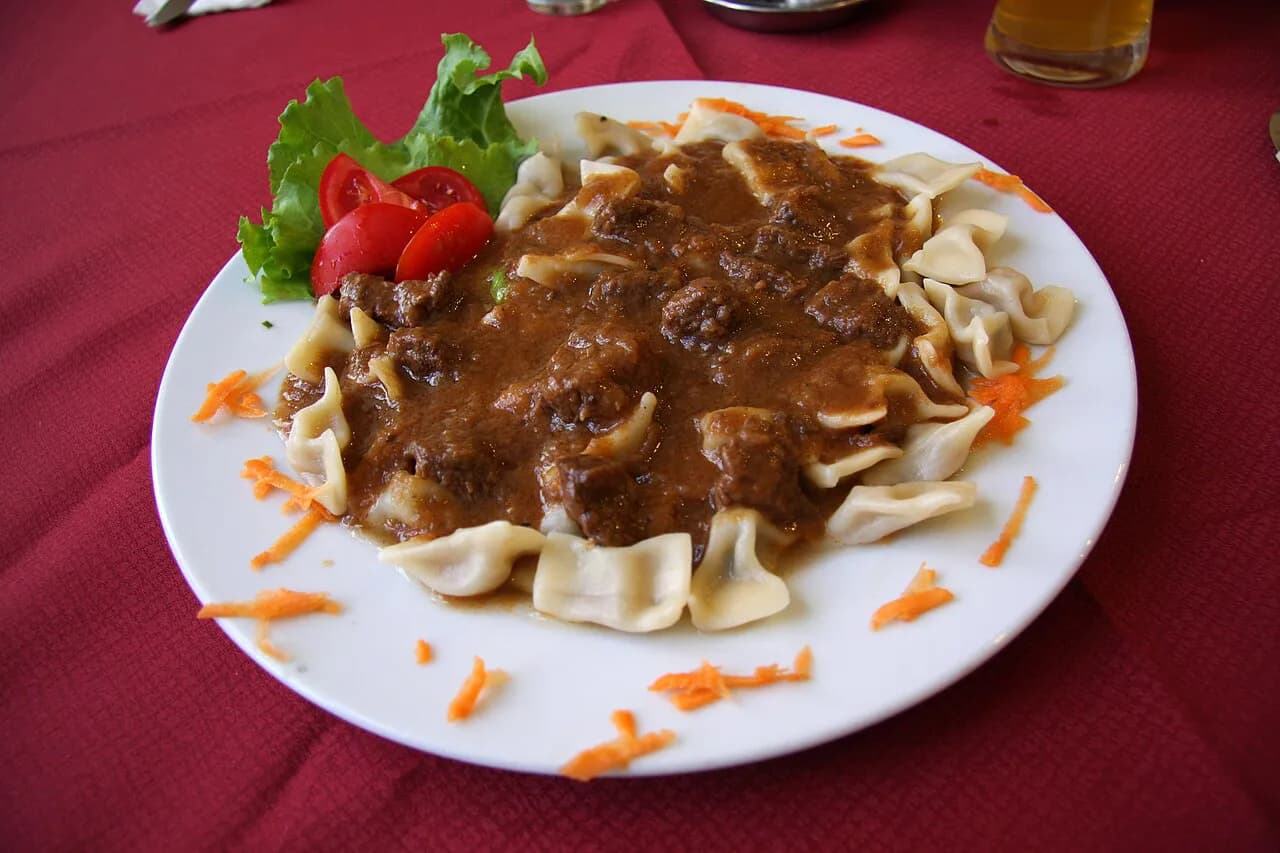
Žlikrofi appear on tables in three roles: a warm starter, a side dish, or a main course. As a main, they are usually dressed with cracklings or served with a meat or vegetable sauce, and the sauce changes the weight of the meal more than the dumplings themselves. As a starter, a smaller portion makes more sense, especially if a roast follows.
Idrija's tourism board serves the dish with bakalca, a traditional mutton sauce, or with roast or porcini mushrooms. Bakalca is the most specifically local pairing, while porcini and roast are broader options that suit a shared table. If you only eat one plate of žlikrofi, choosing bakalca gives you the version the town itself points to.
Cracklings, known as ocvirki, are the topping that makes the dumplings a self-contained dish, and a meat or vegetable sauce turns them into a fuller meal. Pairing choice is therefore a question of appetite, not a ranking of quality, and the same dumpling can move from snack to lunch depending on what goes over it.
Where to eat them in Idrija and what they cost
Idrija's tourism board names the dumplings as a staple in the restaurant offer of the old mining town and directs visitors to its restaurant listings for places that serve them. Menus and prices sit with the individual restaurants rather than with the town, so check the current menu when you arrive. The town's information center on Prelovčeva ulica is the logical place to ask which kitchens serve the dish.
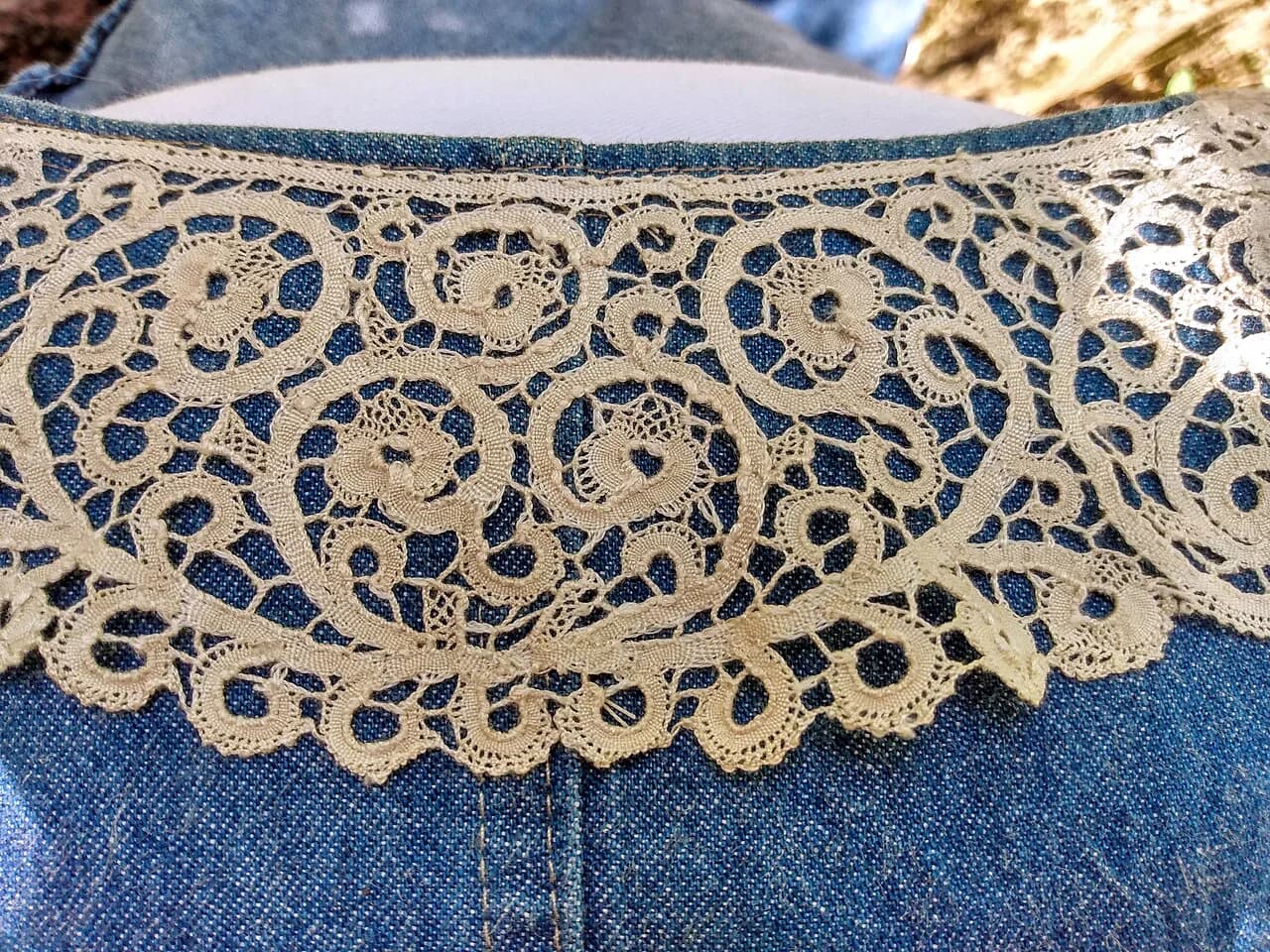
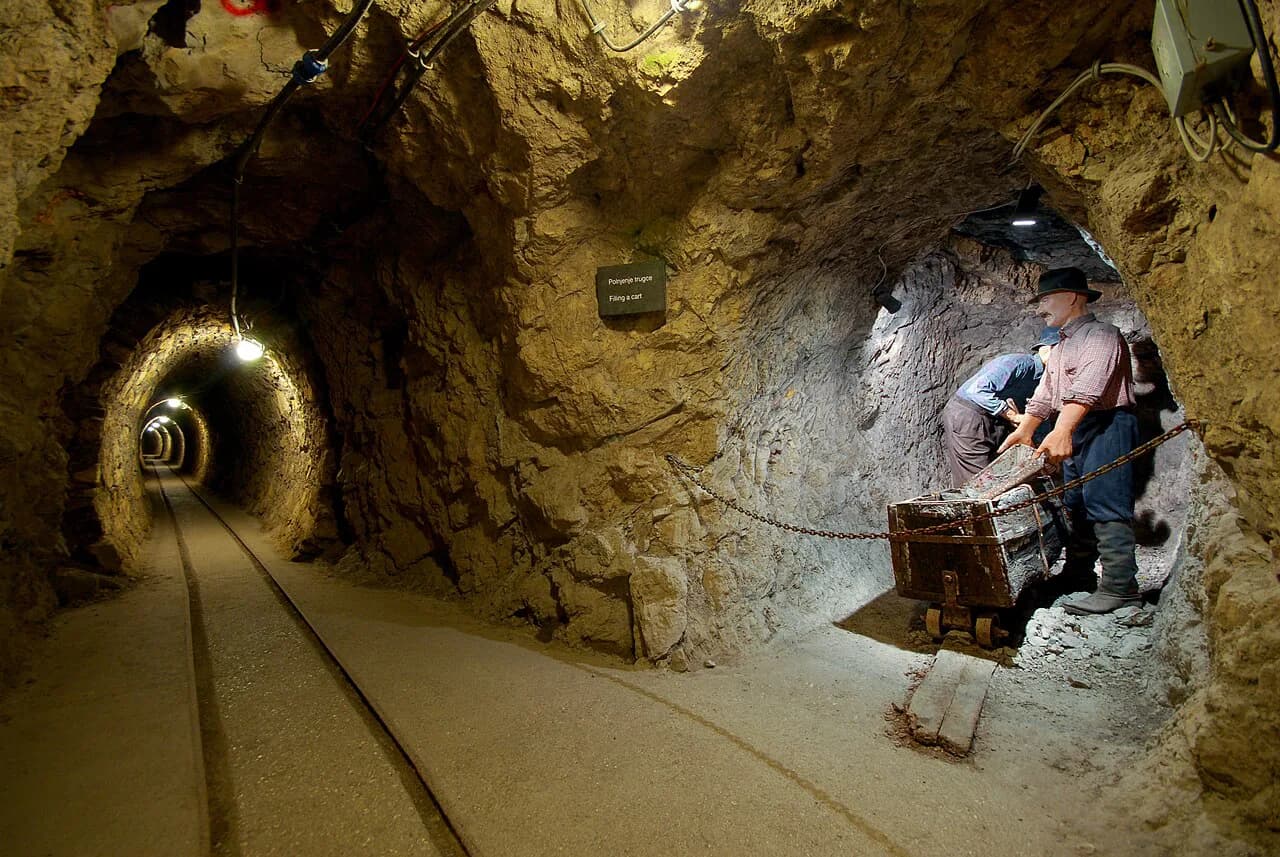
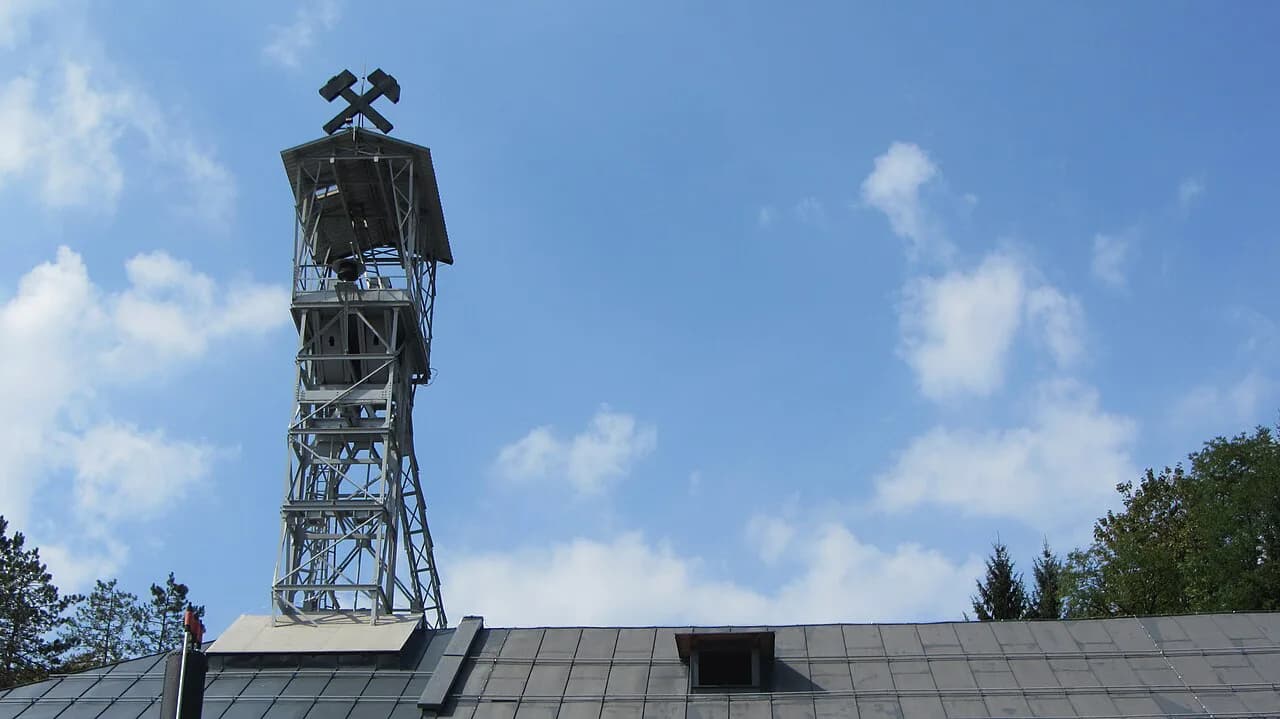
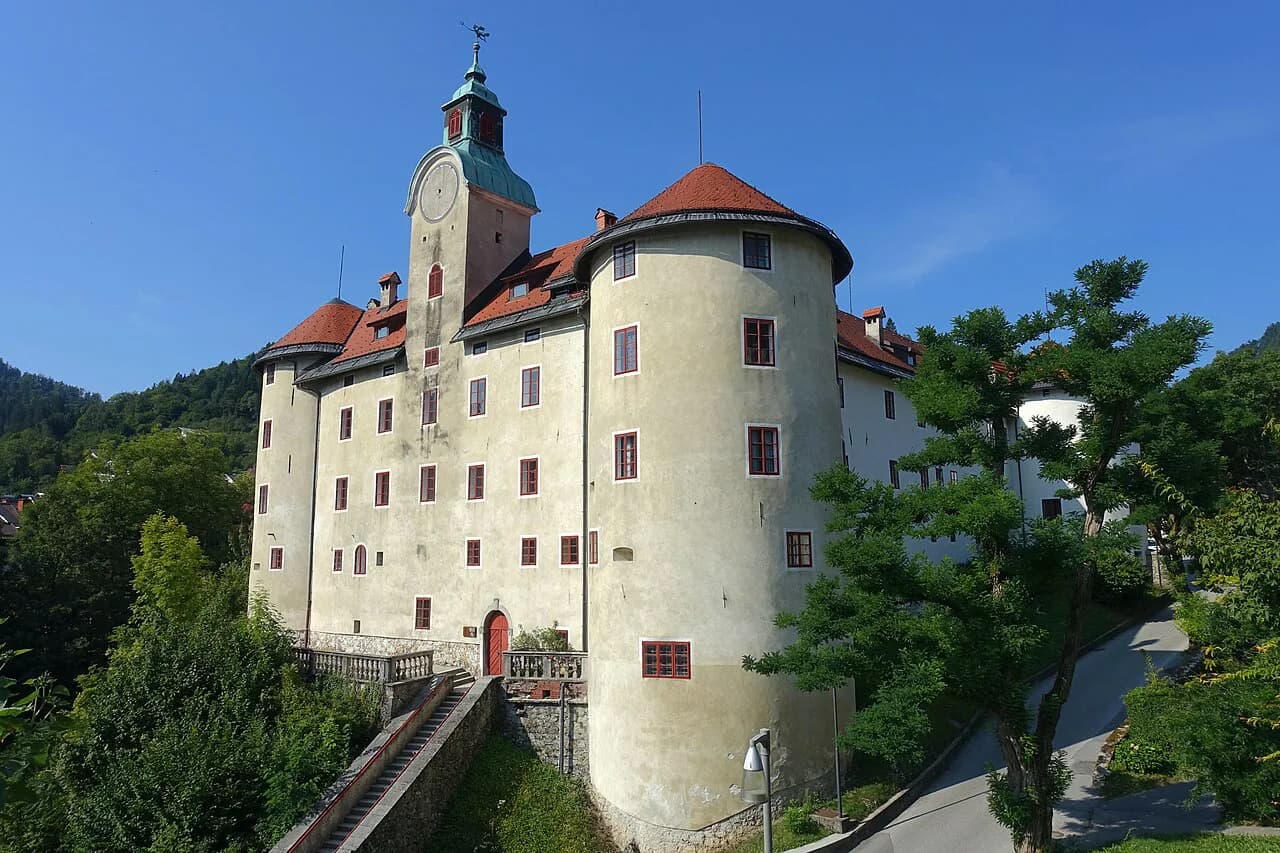
The town also holds a separate draw for the same visit: the mercury mine and its historic smelting works on the edge of the center, plus the museum collections that document the town's craft heritage. Both fit neatly around a lunch of žlikrofi.
Making them yourself
The dough is flour, eggs, and a little oil or water, kneaded until it springs back and then rested so it rolls thin without shrinking. The filling is the cooled potato mix, rolled into small balls and set in the fridge so they hold their shape under the pasta. Roll the dough thin enough to see the filling through it, and work in batches so it does not dry out.
One professional recipe blends potato with pancetta, lardo, and Montasio cheese and serves the dumplings in a veal-stock butter sauce, a richer and more northern Italian take on the dish. The shaping technique is the same either way: fold, pinch between fillings, cut, then press the top indentation. If the shaping takes two tries, the boiling pot will forgive you, and a batch is easy to scale to a crowd.
How žlikrofi differ from tortellini and štruklji
Žlikrofi belong to the same filled-pasta family as tortellini, but the shape is different: the žlikrof has pinched side ears and a hollow on top instead of the twisted tortellini ring, and the filling is potato-based rather than meat or cheese. That makes them closer to a potato dumpling than to an Italian stuffed pasta.
Štruklji are a separate Slovenian tradition, made by rolling a filling inside dough and then either baking or cooking the roll before slicing it. Žlikrofi are individual pockets boiled one by one, so the two dishes are different in construction and serving. If you see both on a menu, the žlikrofi are the smaller, more labor-intensive plate.
Which version of žlikrofi to order
Order the bakalca version if you want the plate Idrija itself points to, and choose cracklings or a roast sauce if you want the dish as a lighter starter or a fuller main. Sitting down in Idrija is still the simplest way to understand why the size, shape, and filling are so tightly defined, since the protected standard shows up on the plate. If you have time for a second stop, the mercury mine and the lace collections both sit within easy reach of the center.
Explore more Idrija guides
Frequently Asked Questions
What are žlikrofi made of?
The standard filling is cooked potato mashed with sautéed onion and lard or cracklings, seasoned with pepper, salt, marjoram, and chives. The dough is a simple fresh pasta of flour, eggs, and a little oil or water, rolled thin and folded around small balls of the filling.
Are idrijski žlikrofi the same as tortellini?
No. Both are filled pasta, but the žlikrof is shaped with pinched side ears and a dent pressed into the top, and its filling is potato-based rather than meat or cheese. The protected Idrijski žlikrofi also has fixed dimensions, which tortellini do not.
Can I make žlikrofi at home?
Yes, but expect the shaping to take practice. The filling balls need to chill before wrapping, the dough needs to rest, and each dumpling requires folding, pinching, cutting, and a top indentation. Recipes vary in flavorings such as pancetta, Montasio cheese, or the simpler lard and onion mix.
Sources
Notes for your Slovenia trip
Optional updates to our Slovenia place guides.
You might also like
Continue reading
More guides you'll find useful