Idrija, Slovenia: Mercury Mine, Lace and What to See in a Day
Plan a visit to Idrija, Slovenia: Anthony's Shaft mine tour, the Gewerkenegg Castle museum, lace and žlikrofi, with how long the town needs.
On this page
Give Idrija a full day if you want both the mine and the museum, or a half day if you only want one of them. The town is small and walkable, but its sights sit at opposite ends of the valley, so the order you visit them in matters more than the distance between them. This guide covers what each site involves, how the center is laid out, what to order at lunch, and how to plan the winding drive in.
Idrija is known for three things: mercury, lace and the pasta called žlikrofi. Mercury was found in the area around 1490, and the mine that grew from that discovery shaped the town's buildings, its engineering and its UNESCO listing. The same remote valley that made mining profitable also explains why the roads in are slow.
Why Idrija Is on the UNESCO World Heritage List
The listing rests on mercury, not on the town's looks. Idrija's mines rank as the second largest mercury mines in Europe, and in 2012 UNESCO granted World Heritage status to the Idrija mine together with the mine at Almadén in Spain. Mining here dates to about 1490, when people from across Europe moved into the valley to work the deposits.
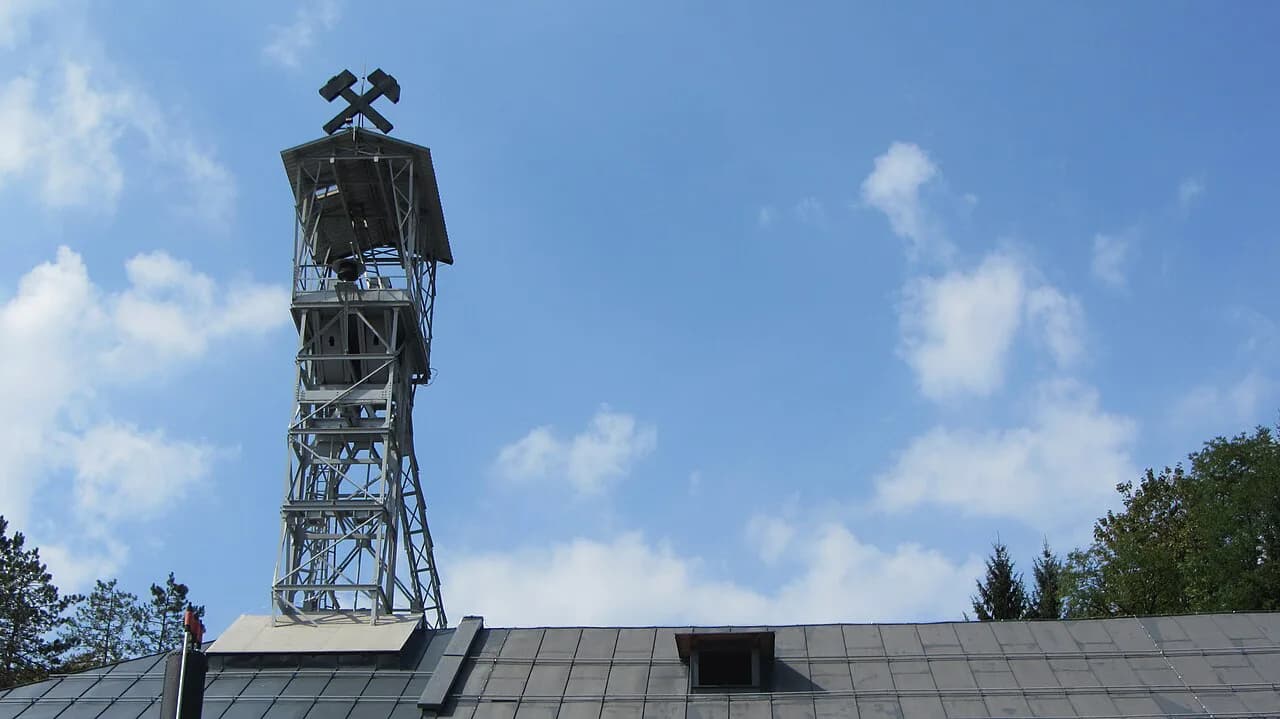
The mine as a working operation has ended, but part of the closed workings is toured as a heritage site. What remains is a heritage landscape: the shaft workings on the south side of town that visitors can enter on a guided tour, the castle that held the mine administration, the waterwheel that drained the pits, and the dams up in the side valleys that floated timber down to the smelters. Treat these as one connected story rather than four separate stops when you build your day.
The other half of Idrija's identity is lace, which local women made and sold while the mine supplied the town's wages. The tourist board presents the lace tradition alongside the mercury story as the destination's two UNESCO threads, and the town's shops and workshops still carry the craft.
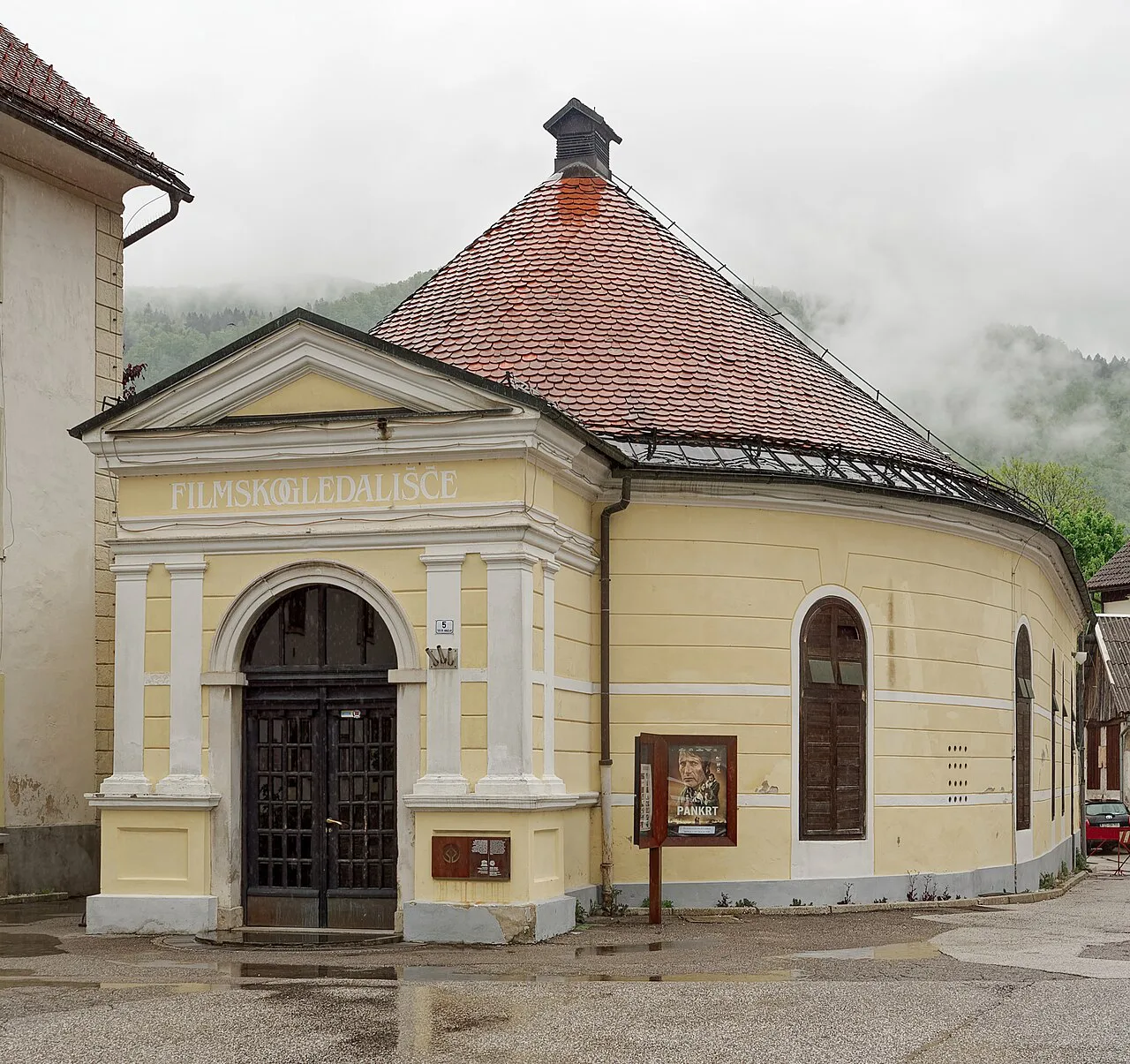
Where Idrija Sits and What the Drive In Is Like
Idrija lies about 50 kilometers west of Ljubljana, at the base of a valley among green hills, with the Idrijca river running through the middle. The roads in are notoriously winding, which matters more than the raw distance: a 50-kilometer approach on this terrain takes longer than the number suggests, so build slack into any plan that chains Idrija to another stop the same day. If you are weighing a second valley stop, Bled Attractions shows how a lake day of castle climbs and lake stops fits around a fixed timetable.
The town center shows typical central-European architecture with a visible Austro-Hungarian influence in its main buildings, a legacy of the centuries when the mine was administered from Vienna. That gives the old center a compact, formal look, with the castle above it and the river below.
Plan the drive so you arrive with daylight to spare rather than squeezing Idrija in after a morning elsewhere. If you are coming from the coast or from Ljubljana, the valley roads are the slow part of the trip, and the reward for arriving earlier is a calmer walk through the center before the day's main site.
How the Town Is Laid Out
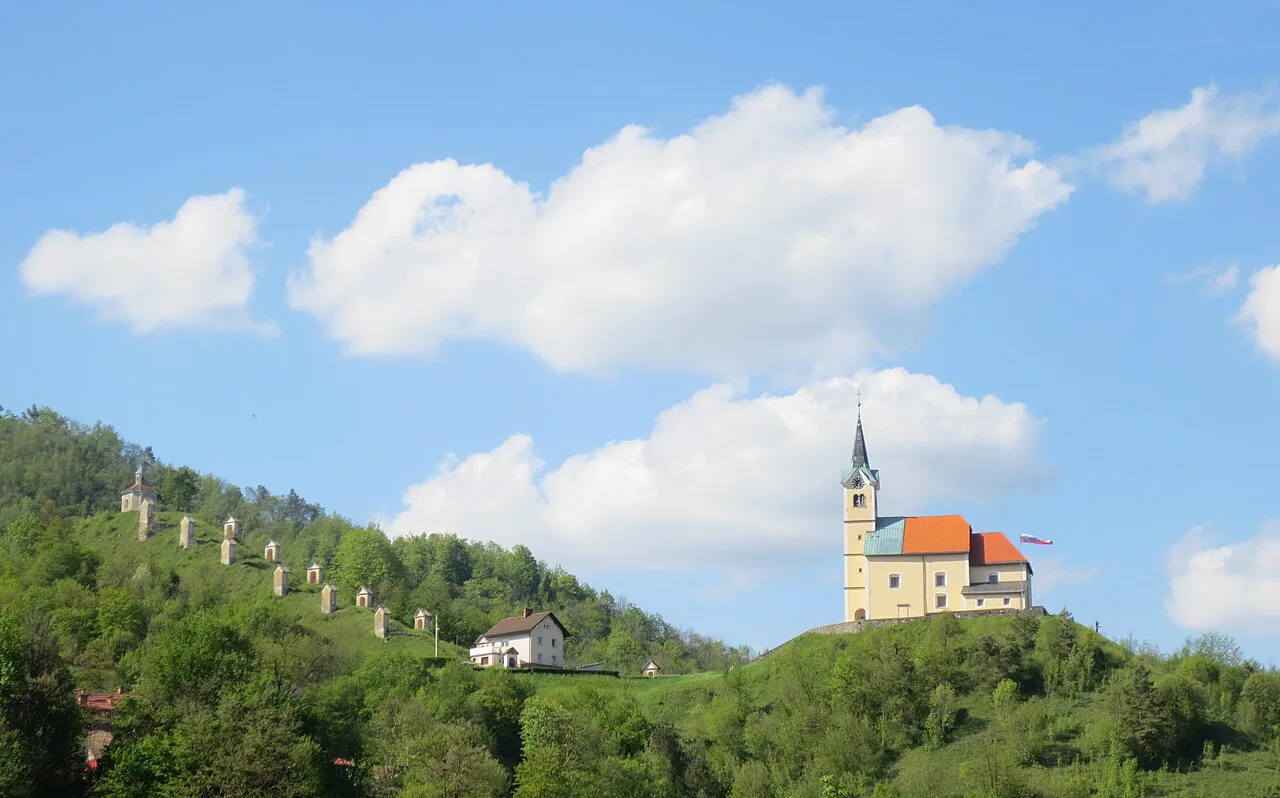
Three anchors organize a visit. The old center sits in the valley floor along the Idrijca, Gewerkenegg Castle stands on a small hill on the western edge of the town above the center, and Anthony's Shaft lies on the southern edge. The Kamšt waterwheel stands on the western outskirts in a stone building at its original location.
That geography gives you a natural order: museum and castle first, old center and lunch second, mine shaft third, and the Kamšt either on the way in or the way out to the west. Walking between them is realistic in a small town, but the climb to the castle and the edge-of-town positions of the mine and wheel make a car or a drop-off useful if anyone in your group tires easily.
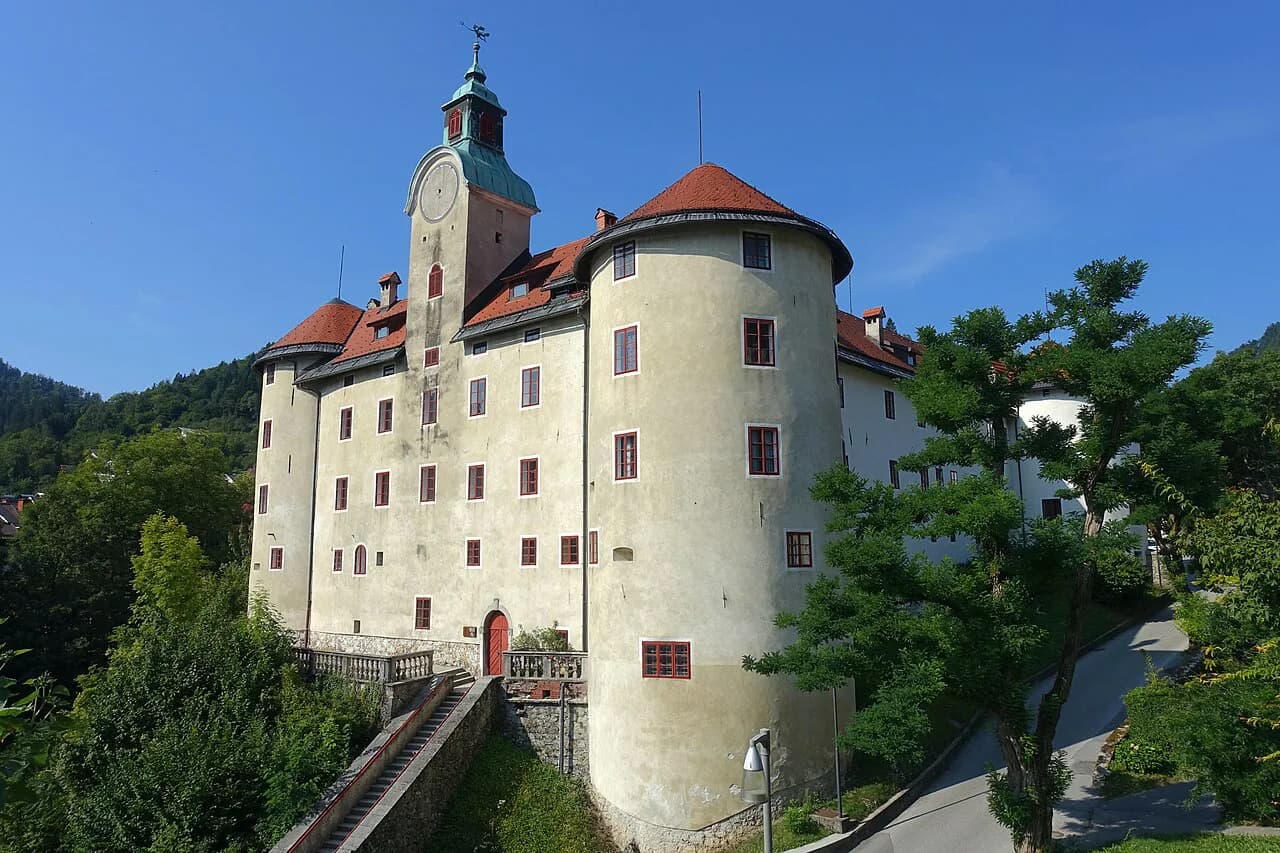
The Gewerkenegg castle is the piece to plan around because it sets your timing for everything else. It was built between 1522 and 1533 as the administrative headquarters of the mercury mine and now holds the town museum, so a visit there gives you the context that makes the shaft and the waterwheel legible.
Anthony's Shaft: What the Mine Tour Involves
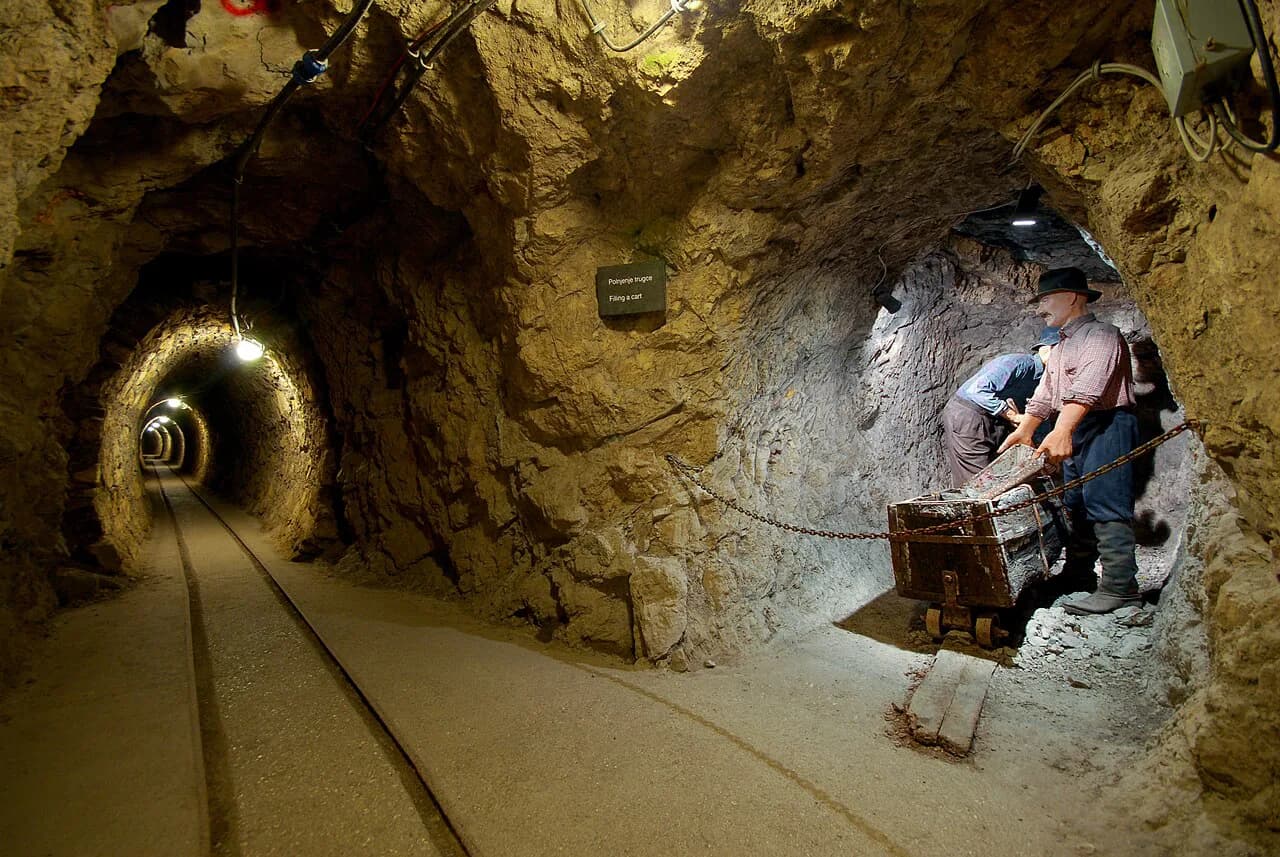
Anthony's Shaft is the mine visit most travelers make. It is a network of tunnels on the southern edge of town, built in 1500 and running about one and a half kilometers long, 600 meters wide and 400 meters deep, and it gives a first-hand sense of how mining looked in the old days.
The visit structure is worth knowing before you commit. A tour begins with a short introductory film, then visitors are led down into the shaft itself, where mining techniques of the past are demonstrated. That means the experience is part seated briefing, part walking underground, and the underground portion sets the pace and the clothing you want.
The tourist board sells mine admission as a ticket product and publishes operation details and price lists on its own pages, so the reliable move is to check the ticket page and current times directly rather than relying on a printed guide. Book a slot ahead if your day has a fixed shape, since an underground tour is the one element here you cannot compress or do at your own pace.
For the deeper engineering story, from the shaft to the smelting works that processed the ore, the Idrija mercury mine coverage is the place to read next. It explains how the pieces you see on the surface connect to the workings below.
Gewerkenegg Castle and the Idrija Municipal Museum
The Idrija Municipal Museum occupies Gewerkenegg Castle and holds the collections that tie the town together: mercury, lace and local history. The exhibits are arranged in three wings around a courtyard, and an accompanying booklet walks visitors through the rooms. That layout makes the museum the efficient first stop, because it briefs you on everything you will see outside.
The castle was erected roughly 450 years ago to protect the mercury stores against raids during the period when Ottoman forces moved through Europe, which is why an administrative building sits fortified on a hill. Read the collection with that in mind and the architecture stops looking decorative.
Allow enough time here to read the displays rather than passing through, because the museum carries the interpretation the other sites lack. If you are deciding between the museum and the mine on a short visit, the museum is the lower-commitment option and gives you the whole valley's story in one building.
Lace: The Lace School and Where to See It
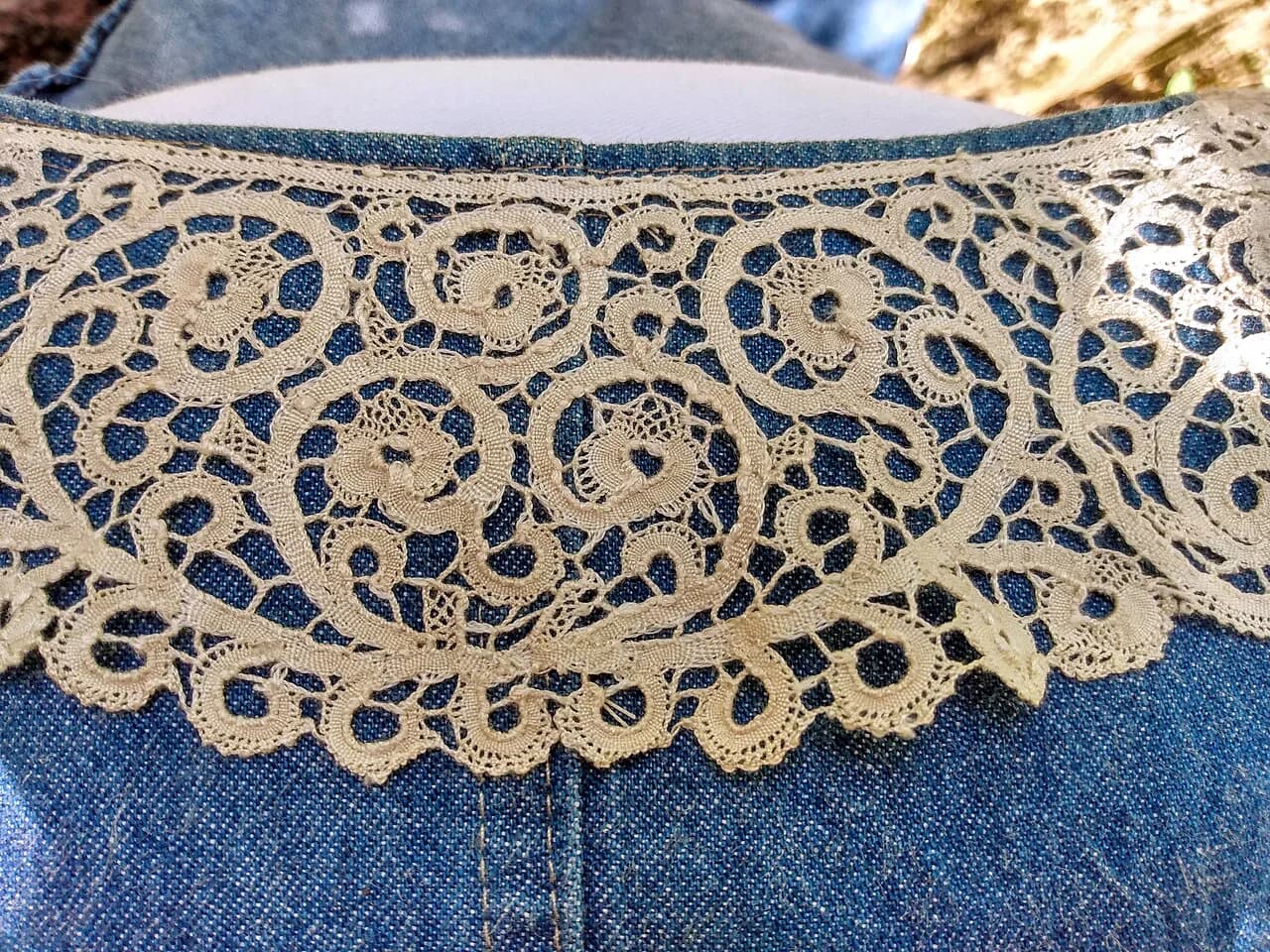
Idrija is known across Europe for its lace, which appears throughout the town. Written mentions of lace making in Idrija go back to the 17th century, by which time the town was already gaining a reputation for the craft practiced by local women.
The tradition was formalized with a lace-making school in 1876, and the Idrija Lace School remains active, teaching the craft to younger generations instead of leaving it to be passed down only within families. A visit to the school and to the museum's lace collection together explain both the technique and the economics of a craft that gave women their own income.
The tourist board treats lace as one of the destination's defining stories and sells lace-themed experiences alongside the mercury ones, so both are easy to pair. For the craft on its own terms, the Idrija lace page goes further into the technique and where to see it worked.
The Kamšt: The Waterwheel That Drained the Mine
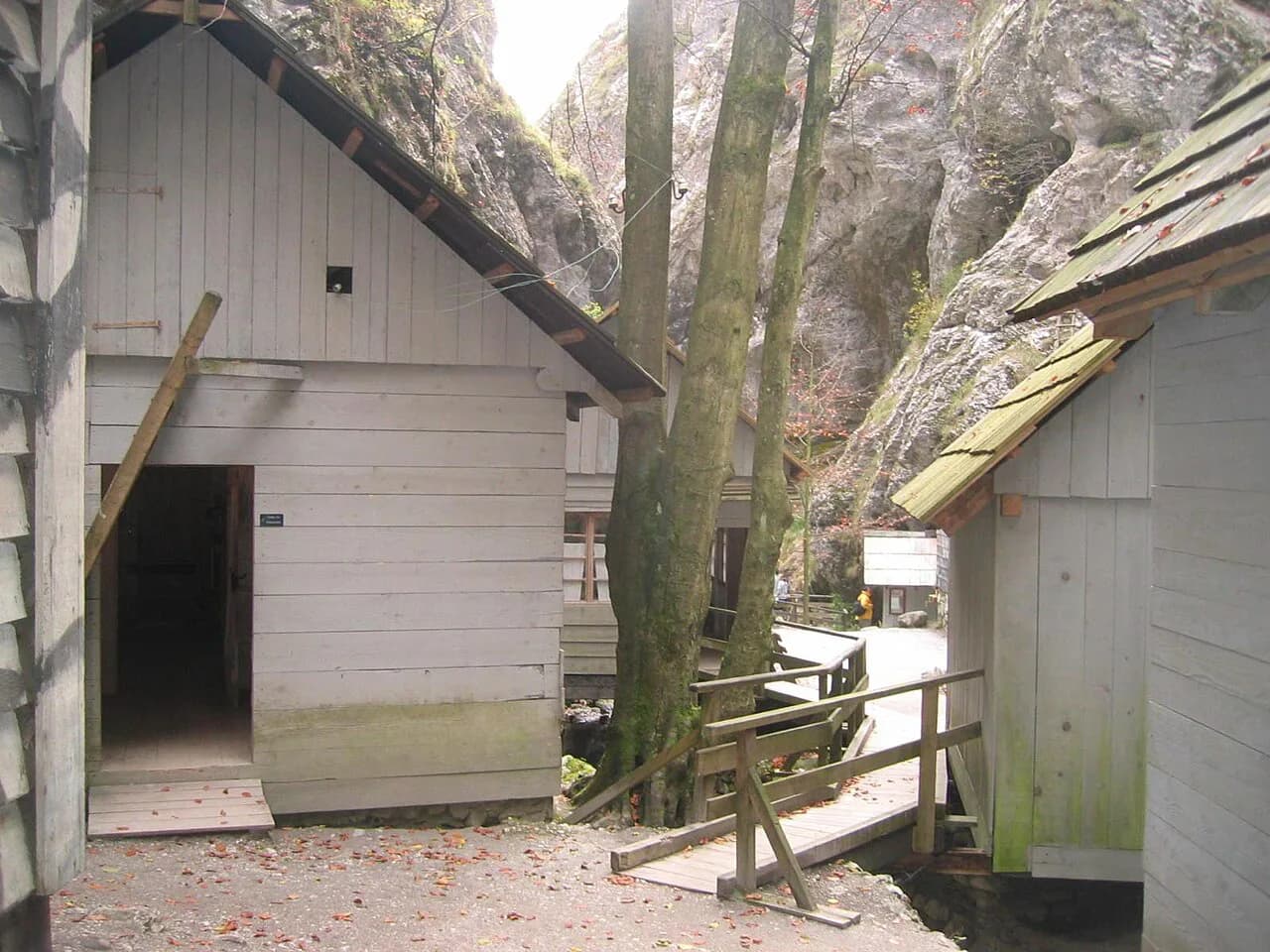
The Kamšt is the most tangible piece of mining engineering left in town. It is a wooden waterwheel about 13.6 meters in diameter, made in 1790 to pump water out of flooded mineshafts, and it ran uninterrupted for 158 years until 1948. It stands on its original location in a stone building on the western outskirts of town.
The scale is the point. The wheel was driven by water from the Idrijca and lifted water from depths of up to 300 meters, and it kept going for 160 years until 1948. A visit takes only a short time, but it makes the drainage problem concrete in a way no diagram does.
Because the wheel sits at the western edge rather than in the center, slot it at the start or end of the day when you have the car moving anyway. Walking out and back adds distance to an otherwise compact day, so decide before you park whether it is on your route.
The Klavže Dams and the Timber Side of Mining
Mining needed enormous amounts of wood, and the Idrijca basin supplied it through a system of water dams for floating timber, called klavže from the Latin word for dam. Starting in 1767 the local engineer Jozef Mrak completed the first stone klavže in the Belca valley in 1769 and in the Idrijca valley in 1772, and repaired others.
The method was dramatic: wooden doors were flung open to release a rushing wave that swept the valley below and carried the year's timber down toward Idrija. Timber was then caught in town by wooden combs set across the river, the first built in 1531.
The klavže sit in remote valleys away from town, so they are a separate excursion rather than a stop on a walking day. Go only if the engineering story interests you enough to spend part of the day driving to the valleys; otherwise the Kamšt delivers the same idea without leaving Idrija.
Žlikrofi and Bakalca: What to Order
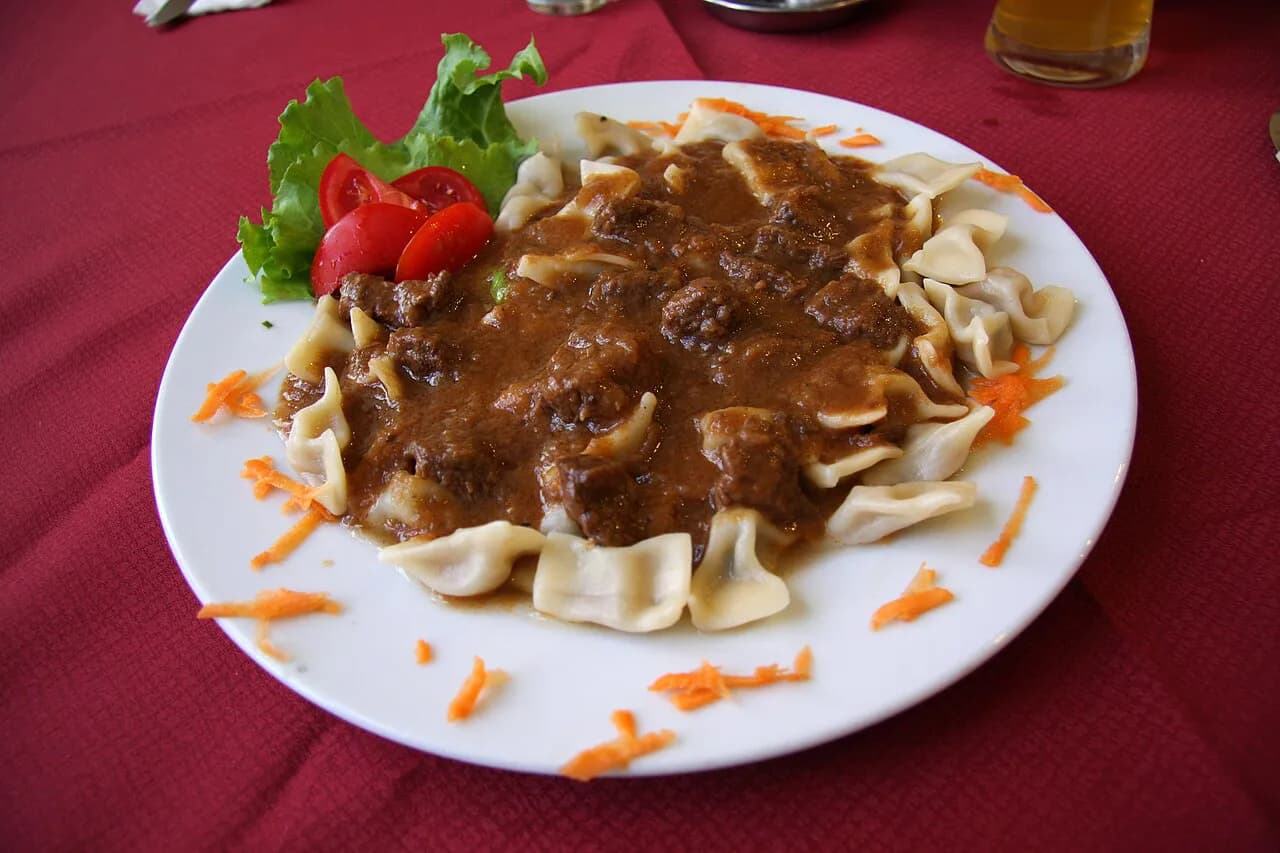
Žlikrofi are Idrija's signature dish: ravioli-like pockets of pasta stuffed with potato, onion, minced lard or smoked bacon, herbs and spices. Freshly made, they appear in most local restaurants and arrive either with bakalca, the typical meat sauce made from mutton or rabbit, or as a standalone dish with pork cracklings or butter, or alongside meat, roasts, sour turnip, or sprinkled with crumbled Gorgonzola.
They were already common in the 19th century according to written sources, and in 2010 they received protected geographical status as the first Slovenian dish to earn that recognition. Ordering them is the one part of an Idrija day that needs no planning beyond turning up hungry.
If žlikrofi are the reason you came, the dedicated guide to Idrijski Žlikrofi covers the dish in detail. Either way, keep lunch inside the old center so the castle, the river and the restaurants stay within a short walk.
Other Stops: Miner's House, Apiary and Wild Lake
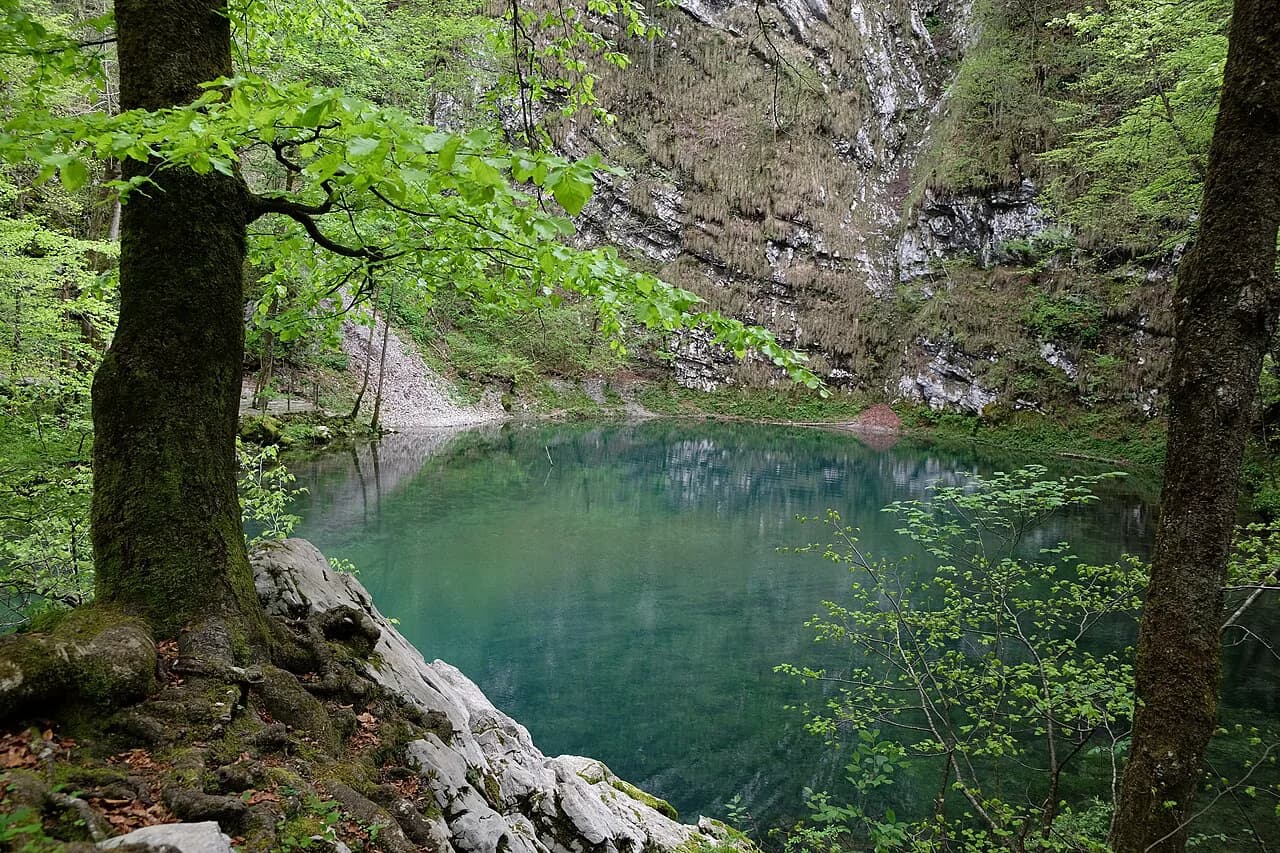
Beyond the headline sites, Idrija has a set of smaller stops that fill an afternoon: the Miner's House, the Municipal Apiary and the Wild Lake, a small emerald-green lake fed by a deep karst spring. These are best treated as additions rather than anchors, because each takes a short time.
Wild Lake is the one worth building in if you have the car, since it sits outside the built-up center. The Divje jezero (Wild Lake) Near Idrija guide covers the approach and what to expect at the spring, and the surrounding Zgornja Idrijca landscape park is the wider setting.
North of town, Cerkno makes a sensible second base or a wet-day alternative, and the Franja Partisan Hospital is in that area. If you are already committing a day to the valley's industrial story, reading about Cerkno, Slovenia first helps you decide whether to add a night rather than rushing back the same evening.
How Long Idrija Needs
A half day covers the two main bookings: the museum in Gewerkenegg Castle and the Anthony's Shaft tour. That pairing gives you the interpretation upstairs and the physical experience underground, and it fits comfortably around a lunch of žlikrofi.
A full day adds the Kamšt on the western outskirts, a walk along the Idrijca through the old center, and one smaller stop such as Wild Lake. If you also want the klavže in their valleys, give the town a second day or treat the dams as their own outing; bolting them onto a first visit leaves the center and the mine rushed.
The most common miscalculation is underestimating the underground portion of the mine visit, which runs on a fixed tour schedule and cannot be shortened. Anchor your day to that slot, then arrange the museum and the waterwheel around it rather than the other way round.
Getting There and Getting Around on Foot
Most travelers arrive by car from Ljubljana, roughly 50 kilometers east of the town, and the approach roads are the notoriously winding part of the trip. The town itself is compact enough that you park once and walk: the old center, the castle hill and the riverside are all close together.
Anthony's Shaft and the Kamšt both sit at the edges of town, so a car or a short drive between them saves time and steps. Confirm parking arrangements and current site times with the tourist board before you set out, since these details change with the season and are not fixed from year to year.
Book the Mine Slot First, Then Build the Day
Idrija rewards a deliberate order: museum and castle first for context, žlikrofi in the old center at lunch, the Anthony's Shaft tour when your slot comes, and the Kamšt on the way out west. That sequence keeps the one fixed appointment at the center of the day and lets everything else flex around it.
Check current ticket prices, tour times and opening days on the tourist board pages before you drive the valley roads, because nothing here should be assumed from an old listing. If you have the extra time, the outlying klavže and Wild Lake are the natural additions once the mine and museum are already in the plan.
Explore more Idrija guides
Frequently Asked Questions
What should I see in Idrija in a day?
A compact town where a UNESCO-listed mining heritage site, a castle museum and a living lace tradition sit close together. The trade-off is the winding approach road and the need to plan around a scheduled underground mine tour rather than arriving and improvising.
How far is Idrija from Ljubljana?
Idrija lies about 50 kilometers west of Ljubljana at the base of its valley. The distance is modest, but the roads in are notoriously winding, so the drive takes longer than the kilometers suggest and is worth giving slack in a day plan.
What is the Idrija mine called?
The mine visit most travelers make is Anthony's Shaft, a tunnel network on the southern edge of town built in 1500. A tour starts with a short introductory film and then goes down into the shaft, where historic mining techniques are demonstrated.
Sources
Notes for your Slovenia trip
Optional updates to our Slovenia place guides.
You might also like
Continue reading
More guides you'll find useful