Divje jezero (Wild Lake) Near Idrija: What to Know Before You Go
Divje jezero is a green karst spring lake near Idrija where the Jezernica rises and runs 55 meters to the Idrijca. Here is what the site protects.
On this page
Divje jezero (Wild Lake) is a small karst spring lake beside Idrija, and the water in it comes up from underground rather than from a mountain stream. Plan on a short stop of well under an hour at the lakeshore, then give the rest of your day to Idrija itself. This guide covers what the lake is, why the Jezernica matters, how the site is protected, and how to build it into a visit to town.
The lake sits close enough to Idrija that you can walk out from the center, which makes it an easy addition to a morning at the mine or a wander through the old town. It is a natural monument rather than a park with facilities, so the appeal is the water color and the geography, not a beach or a boat rental. Bring that expectation and the stop works well.
What Divje jezero actually is
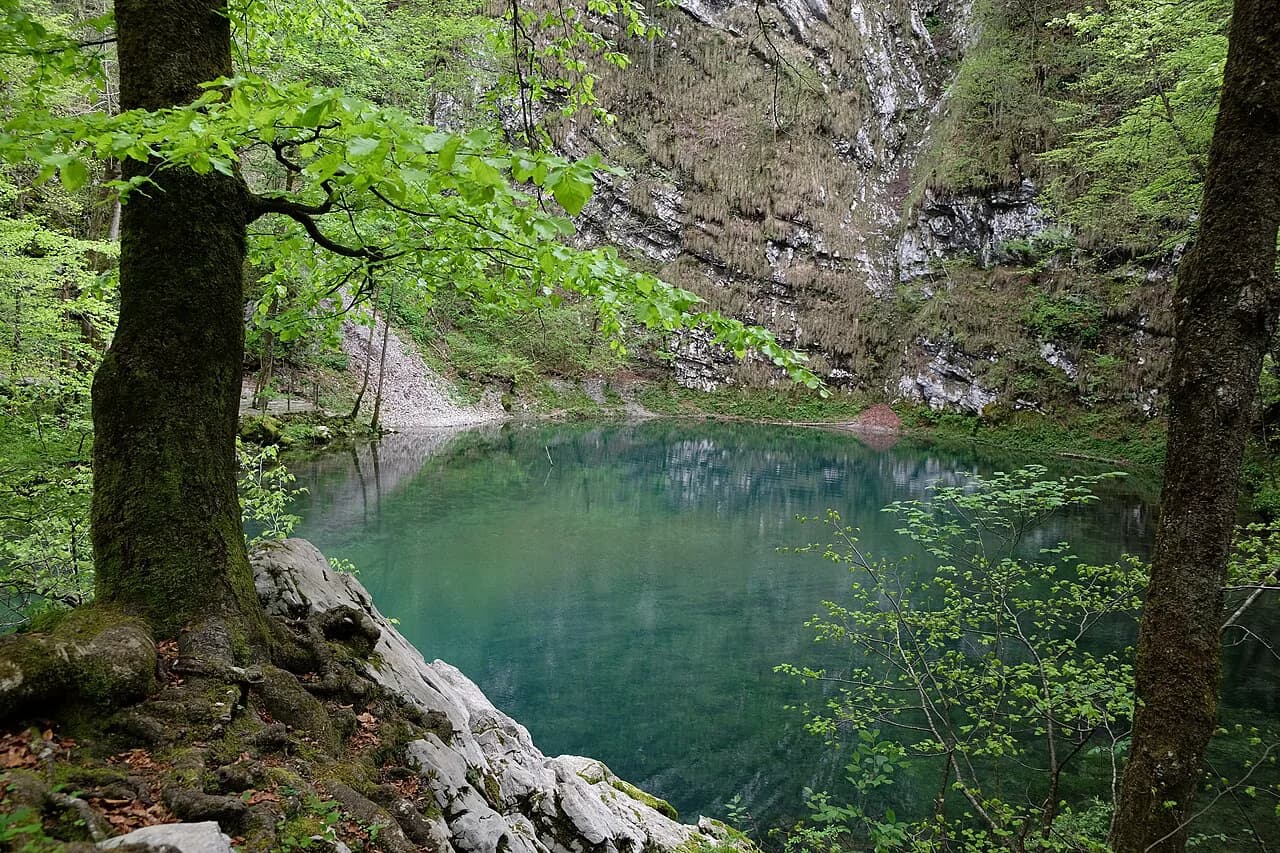
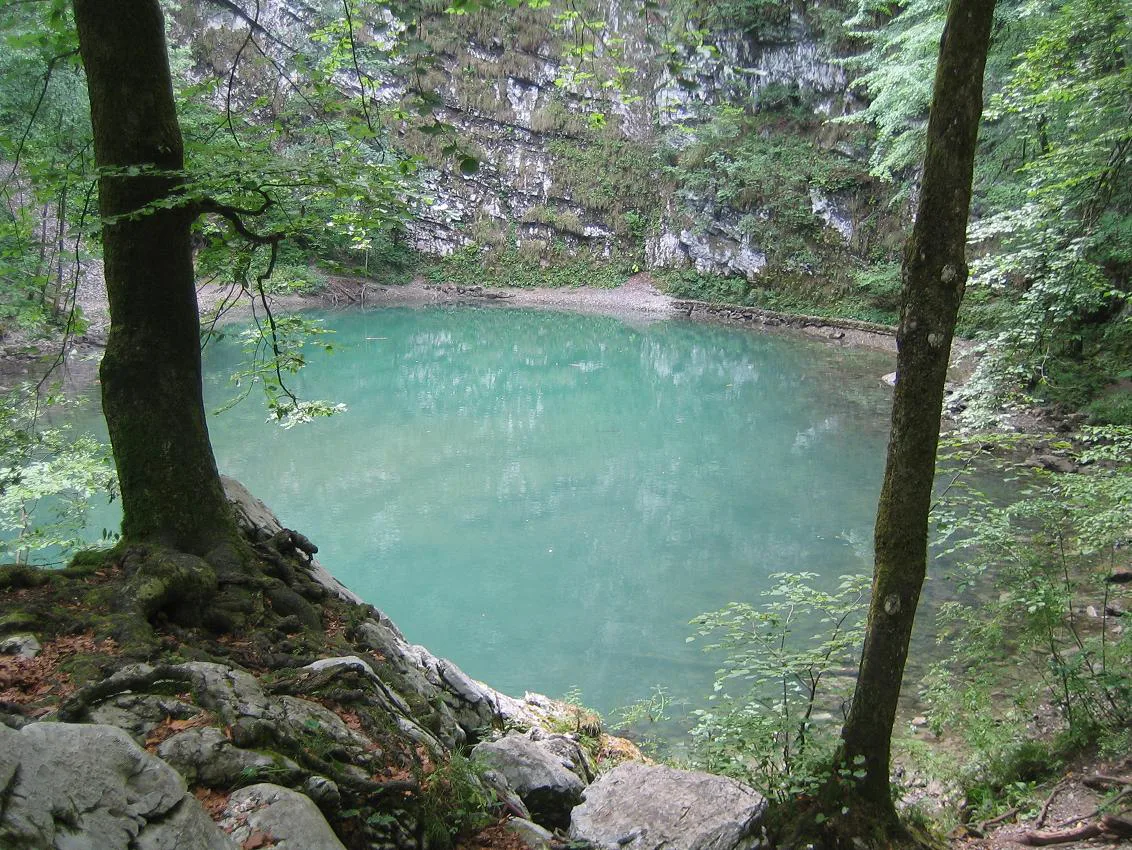
Divje jezero is a karst spring: an emerald-green pool fed by water arriving from a cave system below. If you are picturing Lake Bled or Lake Bohinj, reset — this is a compact spring pool at the foot of a slope just outside town, viewed from the edge rather than cruised on. The scale is what makes it interesting, because everything happens in a very small space.
The water arrives from a steeply descending shaft of unknown total depth, so the visible pool reflects conditions in the underground system feeding it. Treat conditions as variable rather than promising a particular shade of green or a fixed water level from one week to the next.
The Jezernica: 55 meters from lake to river
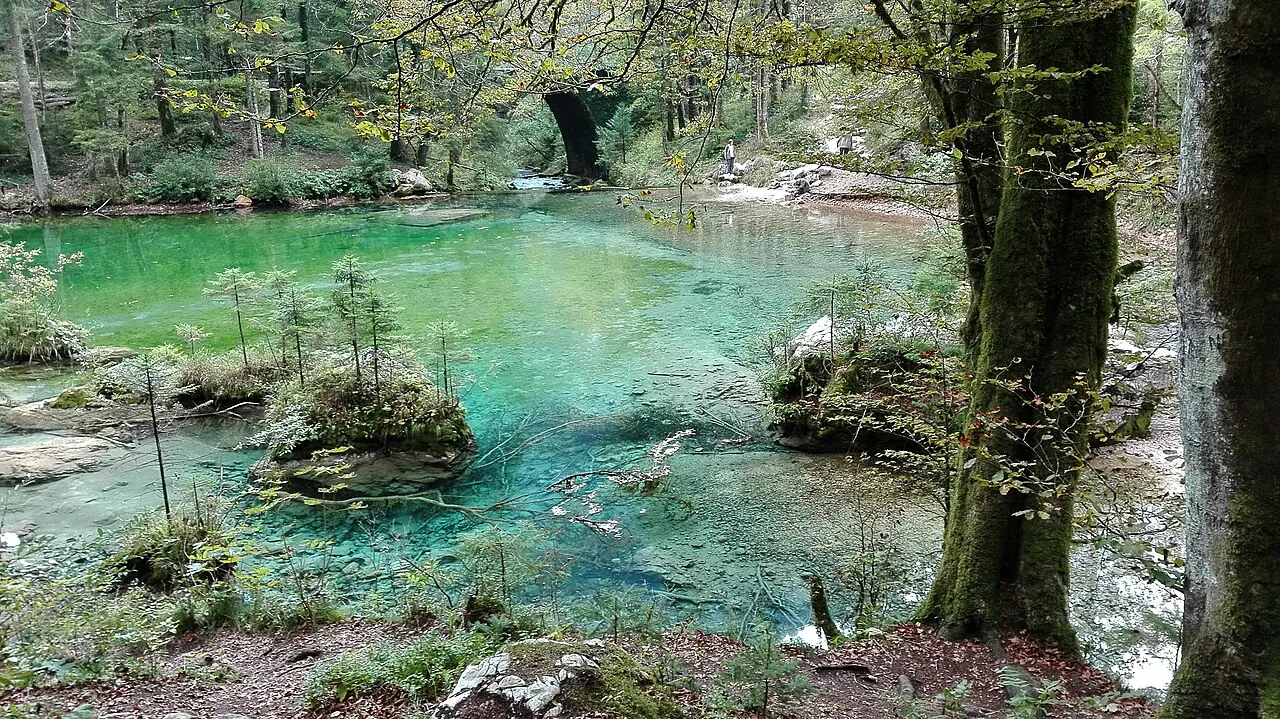
Water leaves Divje jezero as the Jezernica, a stream that runs for only about 55 meters before emptying into the Idrijca. That short course is the detail most visitors remember, because you can stand in one spot and see the whole life of a river from spring to confluence. Follow the outflow downstream and you reach the meeting point in a couple of minutes.
The Idrijca below the confluence is the larger river that shaped the town's industrial history, and the contrast between the still green pool and the moving river is the point of the walk. Look back upstream from the junction and you can trace the Jezernica to the lake in a single glance. It is a small thing, but it is the reason the site rewards a few minutes of attention rather than a photo and go.
How the spring works: the shaft below the surface
The water enters the lake from a steeply descending shaft of unknown total depth; divers have explored it to 160 meters. That figure describes the explored depth of the underground channel, not the depth of the green pool you see from the bank. Keep the two separate when you read anything about the lake, because they get mixed up.
Because the source is underground, the lake is fed by a shaft explored to 160 meters rather than by a visible surface stream. That makes it a good short stop for anyone interested in how karst water moves, and a poor one for anyone hoping for a stable swimming hole. Watch the water, read the information on site, and move on.
Protection: natural monument, museum in nature, landscape park
Divje jezero was protected as a natural monument in 1967, later arranged as a museum in nature, and it now forms part of the Zgornja Idrijca landscape park. The layers matter for visitors because they explain why the shoreline is left alone and why you should stay on the marked path instead of scrambling down to the water.
This is a compact protected site without visitor infrastructure in the usual sense, so plan your facilities around Idrija rather than around the lake. That is a reason to pair the lake with something in town, where you have streets, museums and places to eat within walking distance. The lake is the outdoor half of an Idrija day, not the whole of it.
The human fish and other wildlife
The proteus, or human fish, has been recorded in the lake, alongside a varied mix of plant and animal life supported by the spring water. You are unlikely to see one on a casual stop, since these animals favor the dark water underground and are not a display for visitors. Treat any sighting as luck rather than something to plan around.
Getting there from Idrija
The usual starting point is Idrija itself, from which the lake is a short walk out of town. Do that on foot if you are already in the center, since you avoid hunting for parking at a site with no formal visitor setup.
If you are driving between Idrija and your next stop, the lake is easy to slot in as a brief detour rather than a separate excursion. Leave the car in town and walk, or treat it as a pause on the way out. Either way, the visit itself is measured in minutes, not hours.
How long to allow at the lakeshore
Give the lake 20 to 40 minutes: enough time to walk out, look at the spring, follow the Jezernica to the Idrijca and come back. There is no circuit to complete and nothing to queue for, so the stop stays short by design. Add the walking time from town and you have used part of a morning, not a whole one.
The best use of the site is slow looking rather than distance covered. Stand at the outflow, watch the color change where the spring water meets the river, and read the on-site signage about the protection status. Then head back into Idrija for the parts of the day that need tickets and timed entries.
Pairing the lake with the rest of an Idrija day
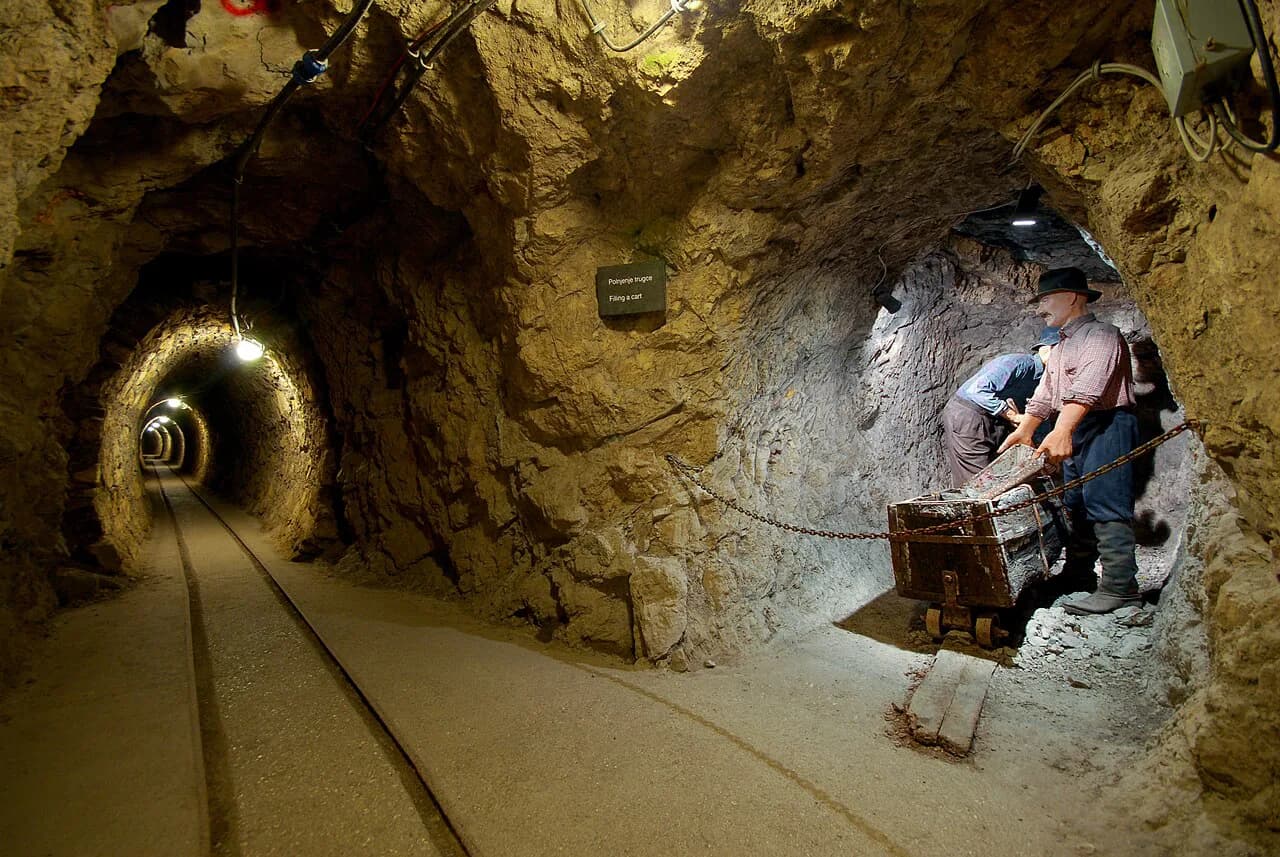
Idrija's draw is underground in a different way: the mercury mine, whose history runs through the town's buildings and museums. Combine the lake with the mine for a day that moves between water and industry, since the two sit within easy reach of each other.
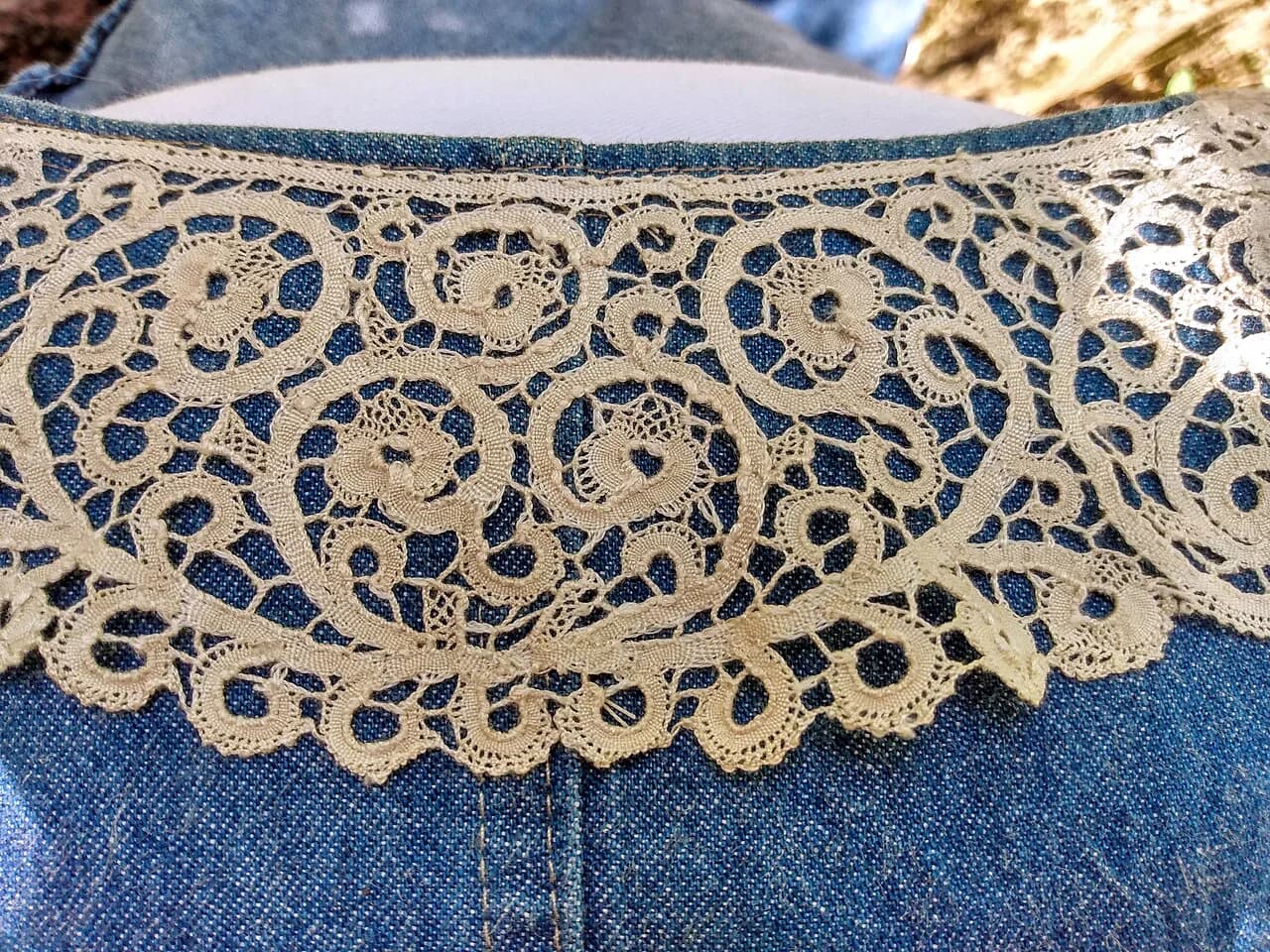
If you are building a fuller day, the Gewerkenegg Castle and the Idrija Municipal Museum hold the town's collections, and the lace tradition gives the old center its own texture beyond the mine. Pick two of those rather than trying to fit everything around a short lake stop.
Farther out, Cerkno and the Franja Partisan Hospital make a natural second direction if you have a car and a second day in the area. They do not belong in the same half-day as the lake and the mine, so choose deliberately.
What the lake does not offer
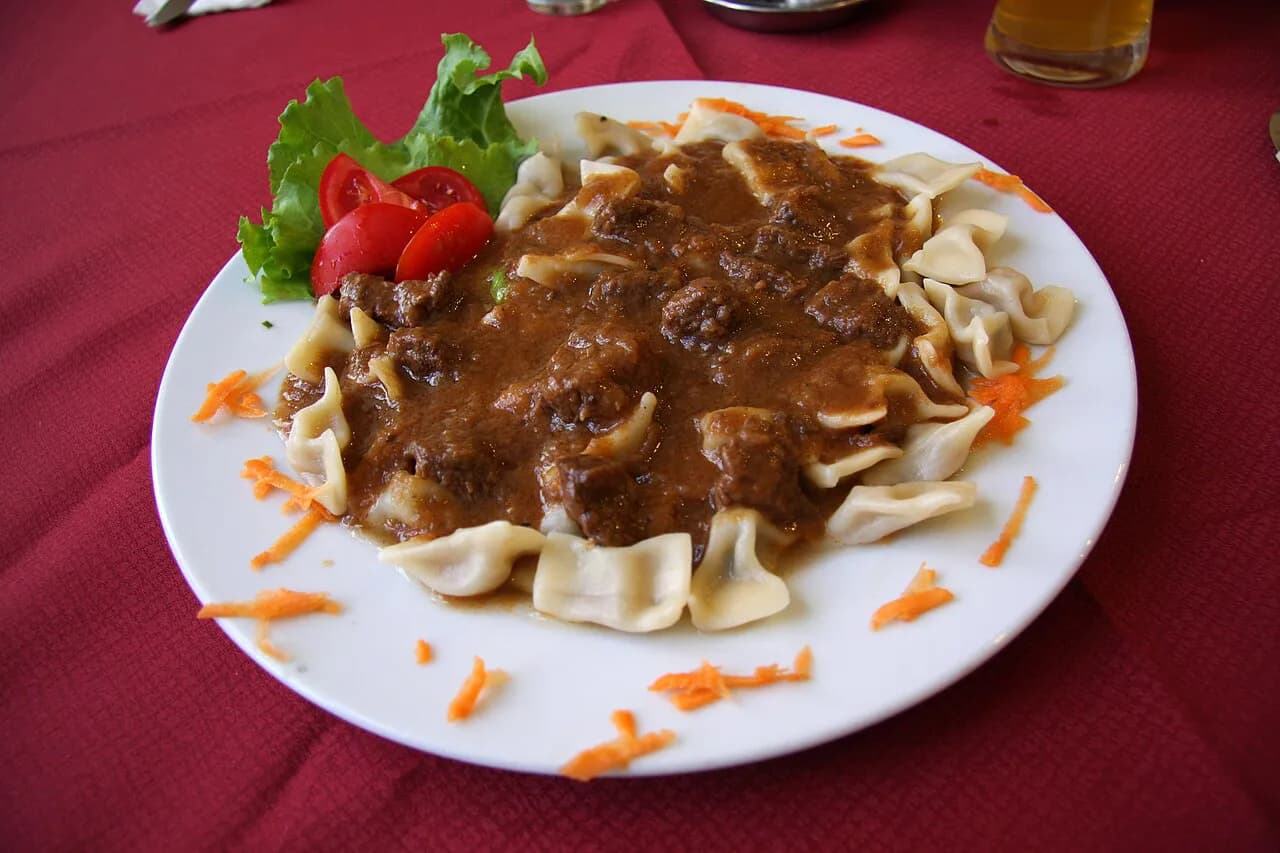
Divje jezero is not a swimming or boating lake, and arriving with towels and inflatables will disappoint. There are no beaches, no boats and no lakeside cafés to settle into, so build your food and drink plans around Idrija. The stop is for looking, reading and walking a few hundred meters.
Nor is it a place to test the water's depth or edge. The spring shaft below is a serious underground system explored to 160 meters, and the pool is a protected natural monument where the sensible move is to stay on the path. Anyone tempted to scramble down should remember that the visible pool is the surface of something much bigger.
Should the lake be part of your Idrija day?
Yes, if you are already spending time in Idrija and want a short, free-form walk between the town and the water. No, if you are looking for a lake day with swimming, boats or a shoreline to lounge on — this is a spring you look at, not a place you settle into. Slot it in before or after the mine and keep your expectations sized to the site.
Go on foot from town, allow under an hour, and follow the Jezernica the few dozen meters to the Idrijca so the geography clicks. Then spend the rest of your day on the town's interiors, where the tickets, tours and opening times actually structure your time. Check current details with the local tourist information office before you set out.
Explore more Idrija guides
Frequently Asked Questions
Can you swim in Divje jezero?
Plan on not swimming. The lake is a protected karst spring and natural monument, and the visit is about looking at the water and the Jezernica rather than getting in. Keep to the path and treat the shoreline as an observation point.
How deep is Divje jezero?
The underground shaft feeding the lake has been explored to 160 meters, but that is the explored depth of the cave system, not a measurement of the green pool. Do not read the figure as the depth of the visible lake.
Does the water level at Divje jezero change?
The spring is fed from a steep underground shaft of unknown total depth, so conditions vary. Treat the water and its color as something that changes rather than a fixed sight, and take the lake as you find it when you are in Idrija.
How far is Divje jezero from Idrija?
It is a short walk from town, which makes it the easiest outdoor add-on to a day centered on the old streets and the mine. Allow walking time in both directions plus roughly half an hour at the shore.
Sources
Notes for your Slovenia trip
Optional updates to our Slovenia place guides.
You might also like
Continue reading
More guides you'll find useful