Koper Market: What's There, When It's Open, and How to Visit
Koper's municipal market sits at the entrance to the old town, with open-air produce stalls around the fountain and 84 stands in all. Here's how to time a visit.
On this page
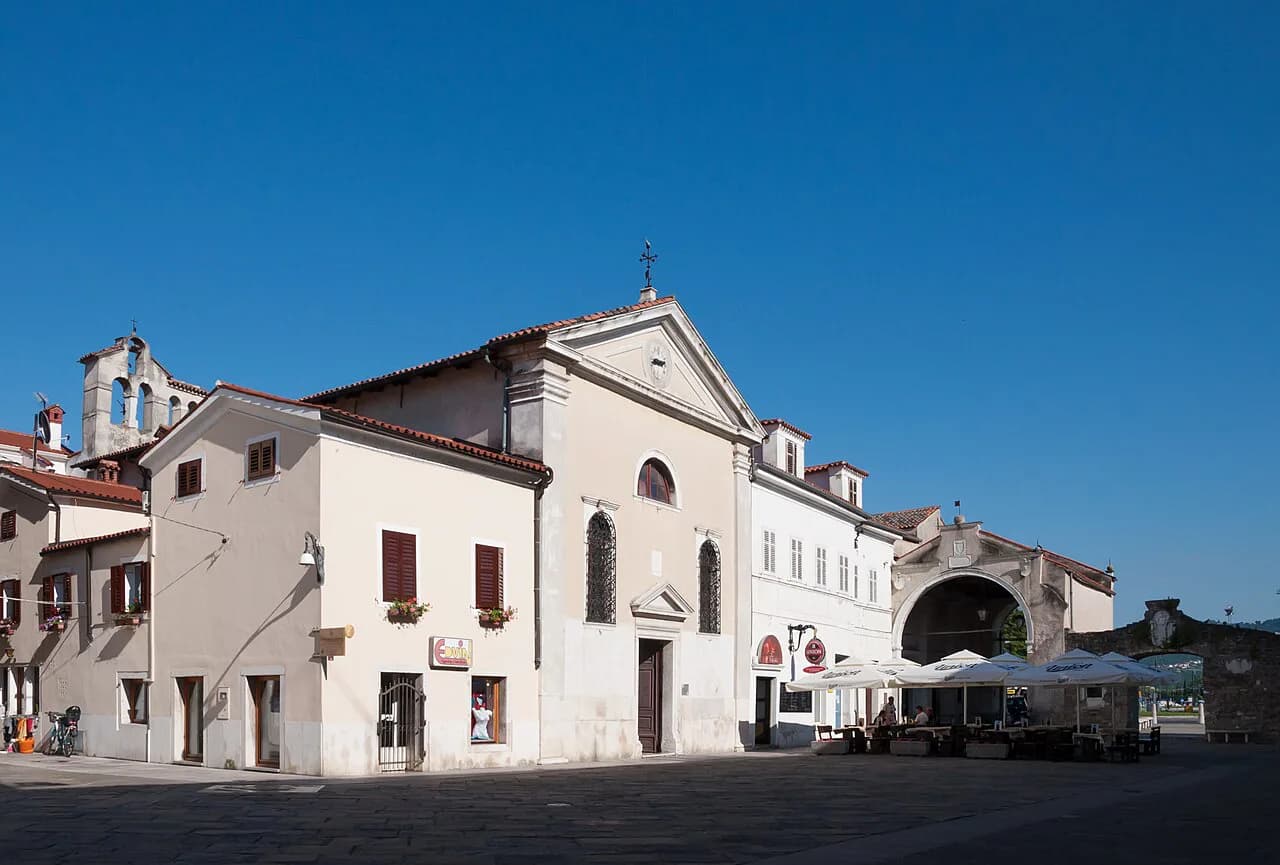
Koper's municipal market is a compact morning stop, not a sight in its own right: plan on roughly half an hour, and go before the 13:00 close. It fills the square at the entrance to the old town on Pristaniška ulica, with fruit and vegetable stalls set up around the fountain and a covered section for the rest. This guide covers what the market is, where it sits, what the produce stands sell, how the space is laid out, and how to fold it into a walk through the old town.
The practical constraint is the calendar, not the size. The market trades Monday through Saturday, shut on Sundays and public holidays, so a weekend visit only works on Saturday morning. Pair the stalls with the lanes and squares just beyond them and you have a relaxed half-day rather than a stop-and-go errand.
Where the Market Sits in Koper
The market address is Pristaniška ulica 2, on the edge of the old town where the streets narrow toward the water. That position makes it the natural first stop on a loop through the center rather than a detour, since you pass it on the way in from the harbor side. If you are planning a wider circuit, the market works well as the opening move in a morning of things to do in Koper.
Set the market against the rest of the old town and the visit organizes itself. Walk the stalls first, then head into the lanes of the old town and the waterfront beyond. The whole center is small enough to cover on foot without transport, which is why the market is best treated as a 30-minute component of a two- or three-hour wander rather than a destination you drive to specifically.
The Two Parts: Open-Air Stalls and the Covered Section
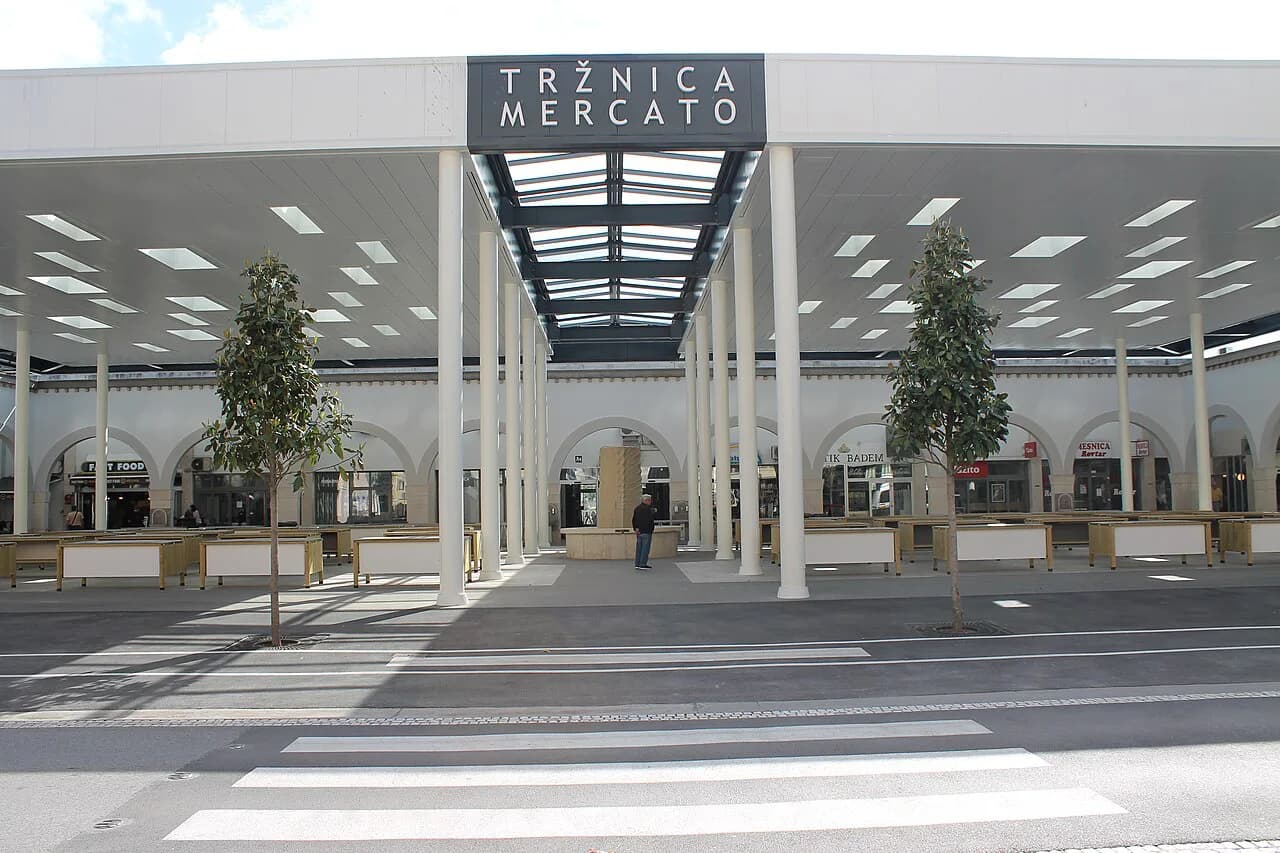
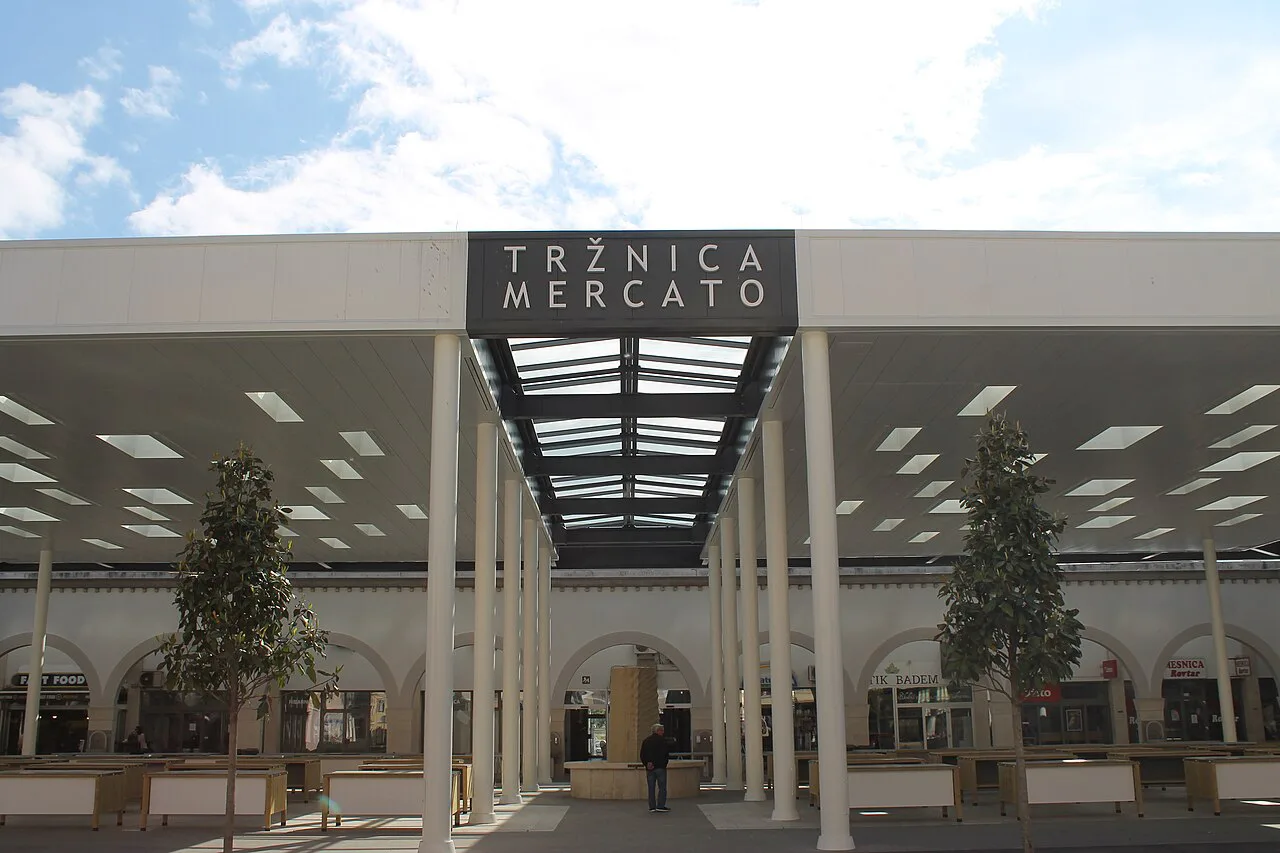
The market splits into an open part and a covered part, and knowing which you are walking into helps. The open-air section sits in the space around the fountain, where produce sellers set out their goods on stands. The covered area holds part of the trade under a roof, which matters on a wet or windy morning when the open square is uncomfortable.
The scale is modest but structured. The market covers 5,817 square meters in total, of which 1,147 square meters is covered and set aside for stands, and Marjetica Koper manages 84 stalls across the site. That layout explains what you see: a broad open apron of stands around the fountain with a roofed cluster alongside it, rather than one continuous hall.
Marjetica Koper, the municipal company, runs the open-air portion on the paved area around the fountain, where the sellers lay out their home-produced goods. The same company administers stall rentals for the market as a whole, which is why the covered and open sections feel like one operation rather than separate markets.
Opening Days and Hours
The market runs Monday to Saturday from 7:00 to 13:00, and it is closed on Sundays and public holidays. Those hours are the single most useful fact for planning: an afternoon arrival finds a swept square, so the market belongs in the first half of the day. Confirm the calendar around a public holiday before you build a morning around it, since a closure turns the stop into a plain walk past the fountain.
Aim for mid-morning rather than the 7:00 opening. The atmosphere the market is known for, residents stopping to talk as much as to buy, builds once the day is underway. Arriving between roughly 9:00 and 11:00 leaves time to browse both sections and still walk the old town before lunch.
What the Produce Stalls Sell
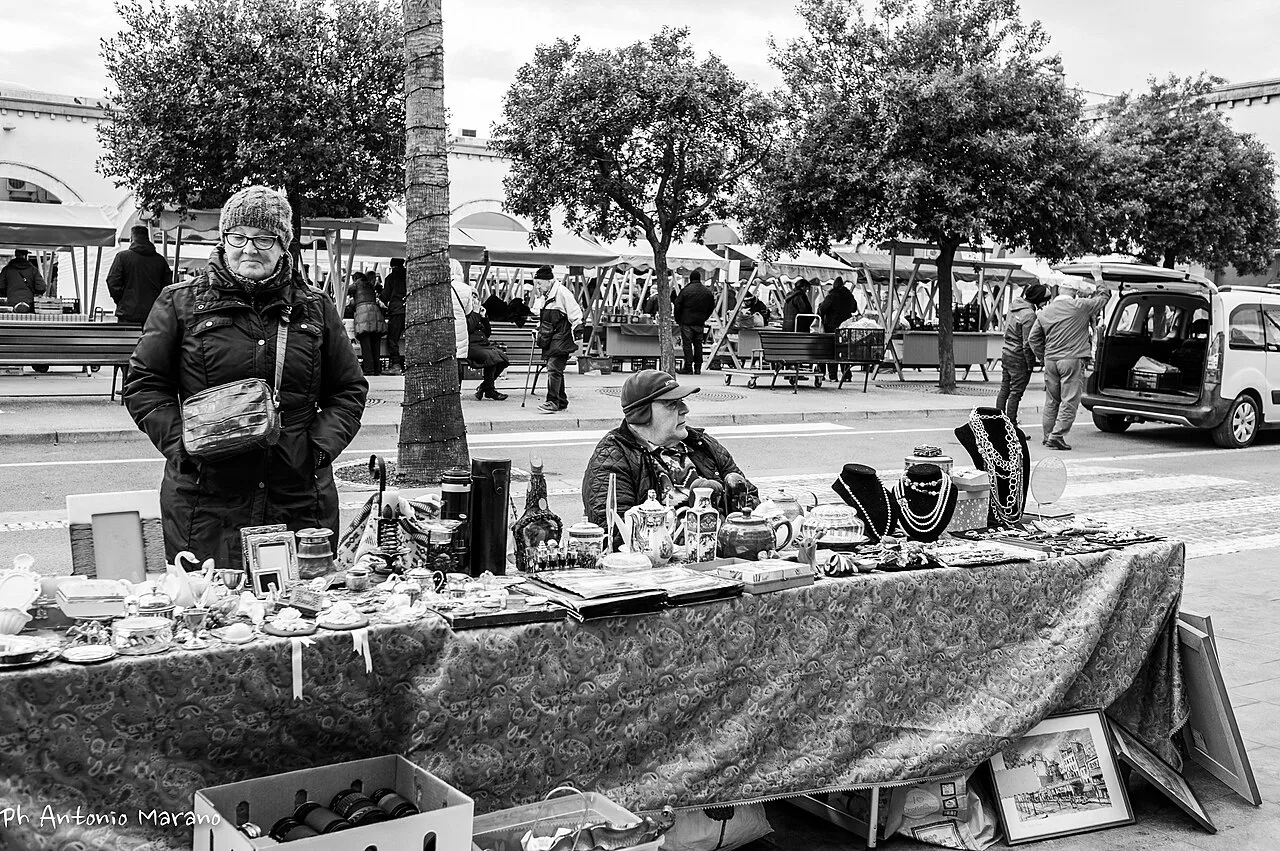
The open-air stands are where you find Mediterranean fruit and vegetables, sold by growers who bring their own produce. The point of the place is as much social as commercial: locals come to shop and to meet, and the market has long served as a gathering point in the town's daily life, where residents traded and talked. Expect a seasonal spread rather than a fixed list, and buy what looks good that morning.
The market does not publish produce prices, so treat any figure you hear as something to confirm at the stall. Bring cash in small euro notes as a sensible default, since small producers at open-air stands are the least likely to be set up for cards. If you want a proper meal afterward rather than a snack from the stalls, the old town's restaurants are a short walk away, and our guide to Koper restaurants covers the options near the center.
Because the sellers deal in home-grown produce, the selection shifts with the season rather than holding a fixed inventory. That makes the market a poor place to hunt for a specific item and a good place to pick up whatever is at its peak for a picnic or a rental-kitchen lunch. It is also the most direct way to see what Slovenian Istria grows, before you sit down to eat it in a restaurant.
How to Reach the Market on Foot
Pristaniška ulica is a short walk from anywhere in the old town, and the market is best reached on foot from the center. Head toward the water and the market square opens up at the edge of the old town. The whole center is compact enough to cover without transport, which makes the market an easy first stop on foot.
If you are building a fuller circuit of the center, a self-guided walk keeps the market in sequence with the squares, churches and waterfront rather than treating it as an isolated stop. Our Koper walking tour sets out a route through the old town that you can join at the market and finish wherever your morning ends.
Practical Trade-offs: Timing, Holidays and Ship Crowds
The trade-off is simple: a small market with firm morning hours rewards early planning and punishes a late start. Sunday and public-holiday closures are the main planning hazard, and Saturday is the only weekend morning that works. Because the square sits at the old town entrance, going earlier in the morning rather than close to the 13:00 close gives you more room around the stands.
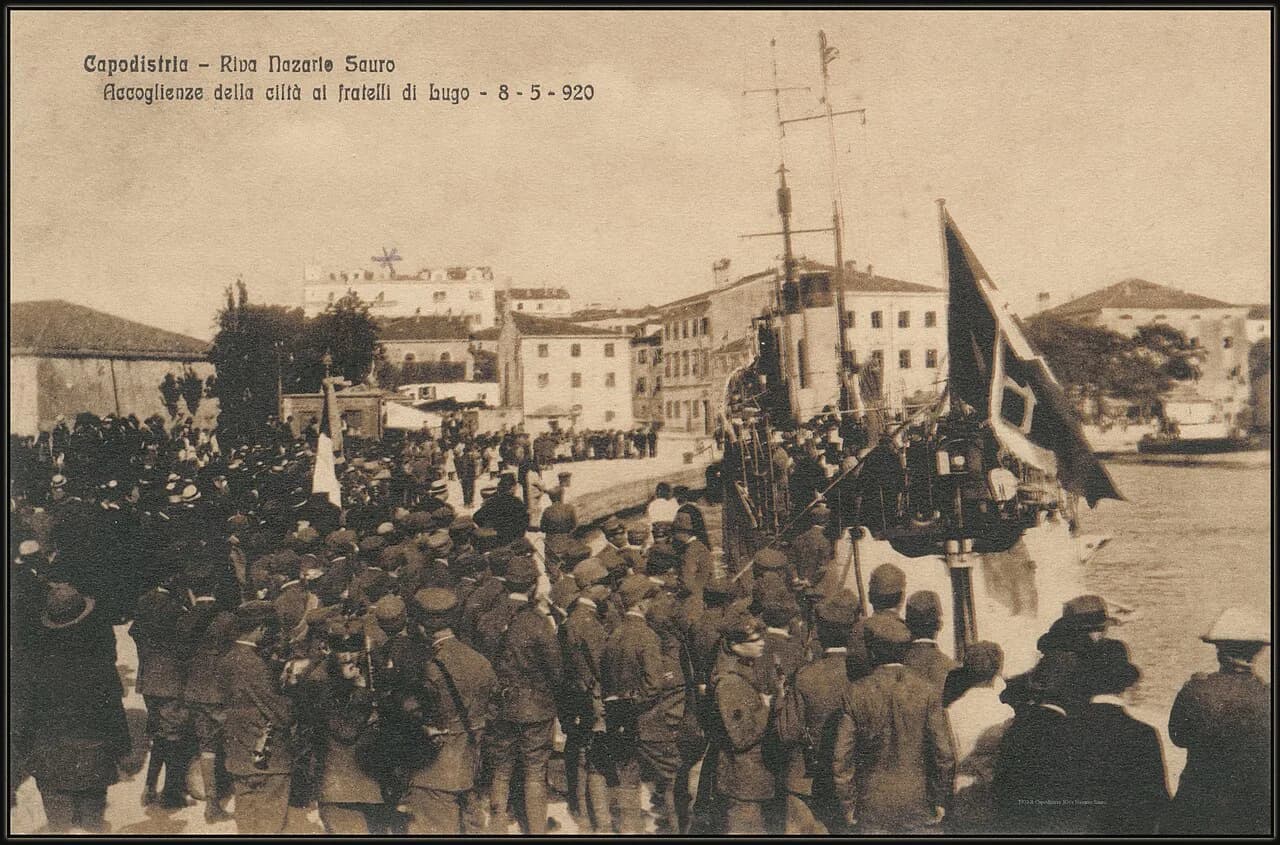
Keep the stop short and resist treating it as the centerpiece of the day. Half an hour covers both sections comfortably, which leaves the rest of the morning for the old town's squares and churches. If the town's past is what draws you, our guide to Koper history adds context to the streets you walk after the market.
Nearby Stops to Pair With a Market Morning
Beyond the market square, the old town's compact core holds enough for a full morning on foot. The Koper museum and the surrounding streets fill the hours after the stalls pack up, and our guide to museums in Koper sets out the strongest stops within walking distance of Pristaniška ulica.
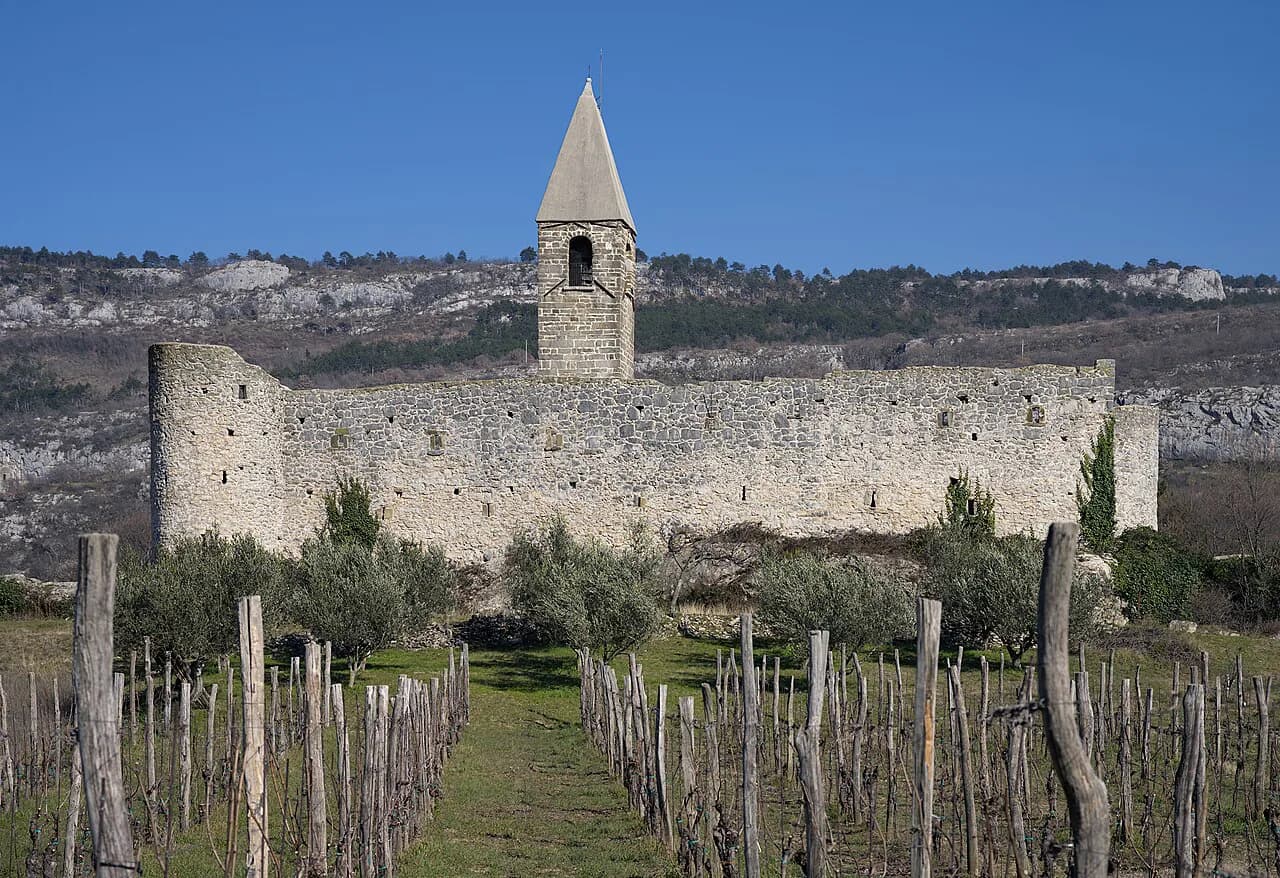
If you have a car and the afternoon free, the drive inland to Hrastovlje and the Church of the Holy Trinity makes a natural extension of a market morning, trading the waterfront for a village setting. It is an afternoon's outing rather than a quick add-on, so commit the extra hours if you go; our Hrastovlje church guide has the details.
Is the Koper Market Worth a Morning Stop?
Yes, if you slot it into a walk through the old town rather than making a special trip. The market gives you thirty minutes of local produce and daily town life at the old town's doorstep, and the hours, Monday to Saturday 7:00 to 13:00, are easy to plan around once you know them.
Build the morning around the market's early close: arrive mid-morning, browse both the open-air and covered sections, then spend the rest of the day on the old town's squares and streets. Check the calendar for a Sunday or public holiday before you set out, and keep the stop modest so the rest of Koper gets its share of your time.
Explore more Koper guides
Frequently Asked Questions
Does the Koper market take cards?
The market does not publish payment arrangements for individual stalls, so carry cash in small euro notes as a sensible default and ask at the stand before you commit to a purchase.
What happens if it rains?
The market has a covered section of 1,147 square meters alongside the open-air space around the fountain, so a wet morning still gives you shelter for part of the visit.
Can I combine the market with a walk through the old town?
Yes. The market sits at the entrance to the old town on Pristaniška ulica, so browsing the stalls first and then walking the old-town lanes keeps the whole outing on foot.
Sources
Notes for your Slovenia trip
Optional updates to our Slovenia place guides.
You might also like
Continue reading
More guides you'll find useful