
Forma Viva Portorož: The Open-Air Stone Sculpture Park at Seča

Forma Viva Portorož is an open-air exhibition of stone sculptures on the Seča peninsula with a view over the Bay of Portorož, and it asks for a short walk rather than a museum afternoon. Admission is free of charge, and the grounds are the main draw: carved stone standing among olive trees with the bay behind it. This guide covers where the park sits, how to reach it from Portorož and Piran, what the sculptures are, how long to allow, and how the virtual guide changes the visit.
The park belongs to a family of Slovenian sculpture collections made during symposia, and Portorož is the stone chapter. That makes it a useful counterpoint to the concrete pieces scattered through central Maribor and to the wood and steel collections farther inland, which are covered farther down.
What Forma Viva Portorož Is
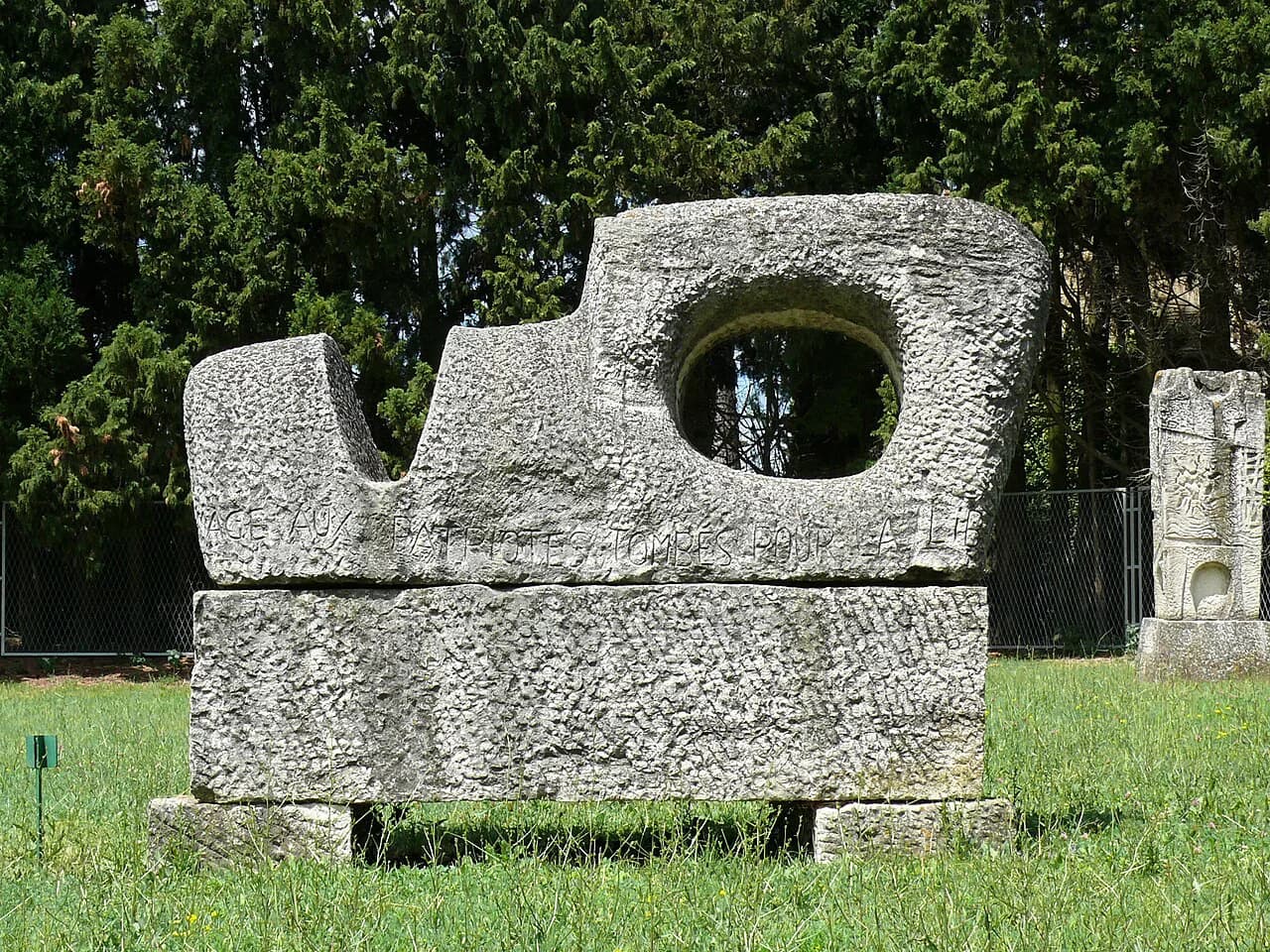
The collection began in 1961, initiated by Slovenian artists Jakob Savinšek and Janez Lenassi, and it has grown through international sculpture symposia held in Portorož. Over 60 years, sculptors from more than 30 countries have created over 130 stone sculptures, which today stand among the olive trees above the bay.
Treat it as a sculpture park, not a gallery with rooms to work through in sequence. The works sit outdoors in the landscape, so you read them while moving between olive trees and open ground, with the bay as a constant reference point.

Where the Park Is
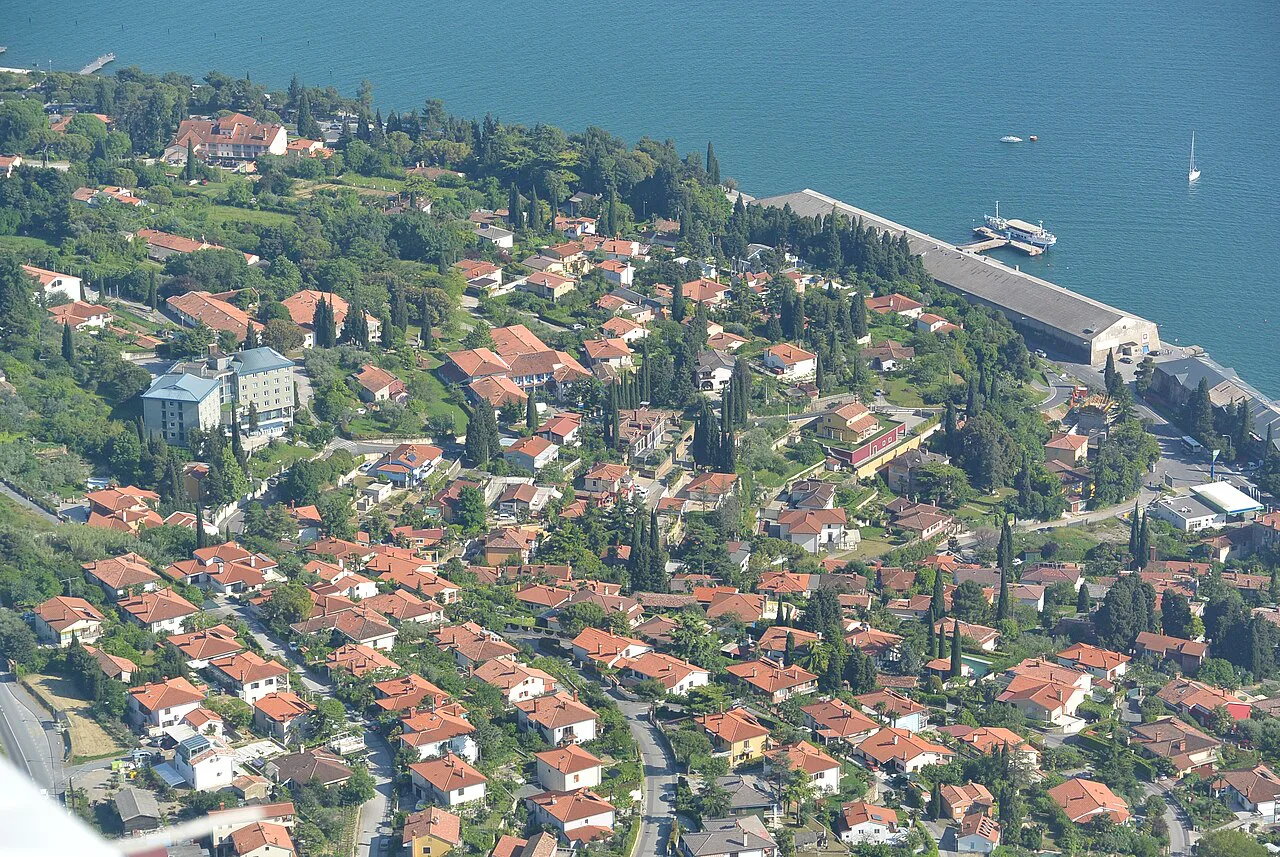
The address is Seča 152, 6320 Portorož, on the Seča peninsula, and the park looks out over the Bay of Portorož and its surroundings.
Seča is the peninsula location on the coast near Portorož, so the park works as a stop on the same stretch of coast rather than a detour inland. If you are basing yourself in Piran, plan the park together with the waterfront rather than as a separate outing across the peninsula.

What You See in the Sculpture Park
The pieces are stone, carved during the Portorož symposia, and they range from compact forms to larger standing works set into the slope. The park's own description emphasizes the setting: stone sculptures among indigenous Piran olive trees overlooking the bay.
Do not expect labels to do all the work. Abstract stone pieces read better when you know what each symposium was exploring, which is why the virtual guide is worth opening before you walk rather than after.
How to Reach the Park from Portorož and Piran
The park is on the Seča peninsula, reached by road from Portorož, and the address is Seča 152, 6320 Portorož. Coming from Piran, drive or ride along the coast and continue toward Seča.
Public transport, parking rules, and exact walking times on the peninsula change with the season, so confirm them with the local tourist board or your accommodation before setting out. The park's contact line is +386 (0)5 671 20 80 and the email is info@obalne-galerije.si if you need to ask about access.
How Much Time to Allow
Plan on a short stop: the park is an outdoor walk among sculptures rather than a building with rooms to tour. Add time if you want to open the virtual guide at each piece and read the commentary as you go.
This is a low-commitment stop that fits between other Piran-area sights. Pair it with the waterfront in Portorož or a walk through Piran in the same half-day instead of building a whole day around it.
The Virtual Forma Viva Guide
VIRTUAL FORMA VIVA is an audio-video guide presenting 21 selected sculptures from inside and outside the Forma Viva park in Seča. The selection was curated by Dr. Majda Božeglav Japelj to represent 60 years of sculptural symposia, and the guide was led by acting director Mara Ambrožič Verderber.
The guide includes audio and video recordings that show each sculpture from multiple angles, including aerial views, which helps you understand pieces whose form only makes sense from above. It was produced with Mediadom Pyrhani and the team of the Coastal Galleries of Piran. Open it before or during the walk to give the stone more context.
Forma Viva Elsewhere in Slovenia
Portorož is the stone symposium, and the other Forma Viva collections differ by material and by how the works are laid out. Kostanjevica na Krki is the wood collection, Portorož and Kostanjevica na Krki both began in 1961, and Ravne na Koroškem, the steel collection, joined in 1964. Maribor followed in 1967, with works in reinforced concrete.
Maribor's collection is deliberately urban: the concrete sculptures are dispersed through the city rather than gathered in one park, and the Maribor Art Gallery cares for them and has sometimes organized guided tours around the pieces. The gallery also created a map you can follow to visit all the works.
That contrast is the reason to visit more than one collection if sculpture is your interest: stone by the sea, wood in a riverside town, steel in an industrial valley, and concrete spread through a city's streets. Portorož is the easiest to fold into a coastal day.
Practical Details and Who Runs the Park
Admission is free of charge, and the park is maintained under the Coastal Galleries of Piran, whose contact details are listed with the exhibition. Use the virtual guide's site for a virtual tour before you go if you cannot visit in person.
Access rules and any site notices on the peninsula can change, so check with the Coastal Galleries of Piran or the Portorož tourist board on the day you plan to go.
Nearby After the Park
From Seča you can continue toward the Piran waterfront for a walk through town, or head the other way toward the salt pans at Sečovlje. Those are separate places with their own opening arrangements, so treat them as separate stops rather than one combined ticket.
If you want more of Piran's old center on the same outing, the Venetian House and the Tartini square area give you a compact historic loop. The maritime museum and the aquarium are indoor alternatives if the weather turns.
Is Forma Viva Portorož Worth the Stop?
Yes, if you are already on the coast between Piran and Portorož and want a short, free walk among sculpture. It is not a reason on its own to plan a day around, but it fits naturally into a half-day on the peninsula, especially with the virtual guide opened first.
If stone sculpture is the point of your travel, the differences between Portorož, Kostanjevica na Krki, Ravne na Koroškem, and Maribor are worth seeking out. Each collection reflects a different material and a different setting, so visiting two or three gives you a broader view than any single park.