Counts of Celje: What to See in Celje and the Savinja Valley
The Counts of Celje left a hilltop castle, town museums, and castles across the Savinja Valley. See what to visit in Celje and how the pieces fit together.
On this page
Plan one day around the Counts of Celje and you get a hilltop ruin with a climbable tower, a town museum built over Roman remains, and a set of smaller castles scattered through the Savinja Valley. The Old Castle of Celje is the anchor, and the town museums explain the family whose fortune built it and whose line ended in 1456. This guide covers what each stop adds, the castle's month-by-month opening hours, and how to fit the pieces together.
Who the Counts of Celje were and why their story explains the town
The family rose from the Lords of Žovnek, whose seat was Žovnek Castle near Braslovče, and by the 14th and 15th centuries they had become rivals to the Habsburgs with estates across present-day Slovenia, Croatia, Hungary, and Austria. They moved their residence to the Old Castle of Celje as their influence grew, and the hilltop fortress stayed the visible symbol of their power. One marriage mattered more than most: Barbara of Celje, daughter of Herman II, became a crowned head of the highest rank in Slovenian history, according to Visit Celje.
The dynasty's end came in 1456, when Ulrich II of Celje, the last male heir, was murdered in Belgrade. The three stars of the family crest can still be seen on the Slovenian flag, which makes the story easier to read as you walk around town. Pair the castle with the old town below and you cover both the family's seat and the urban center it controlled.
The Old Castle of Celje: walls, Frederik's Tower, and the view
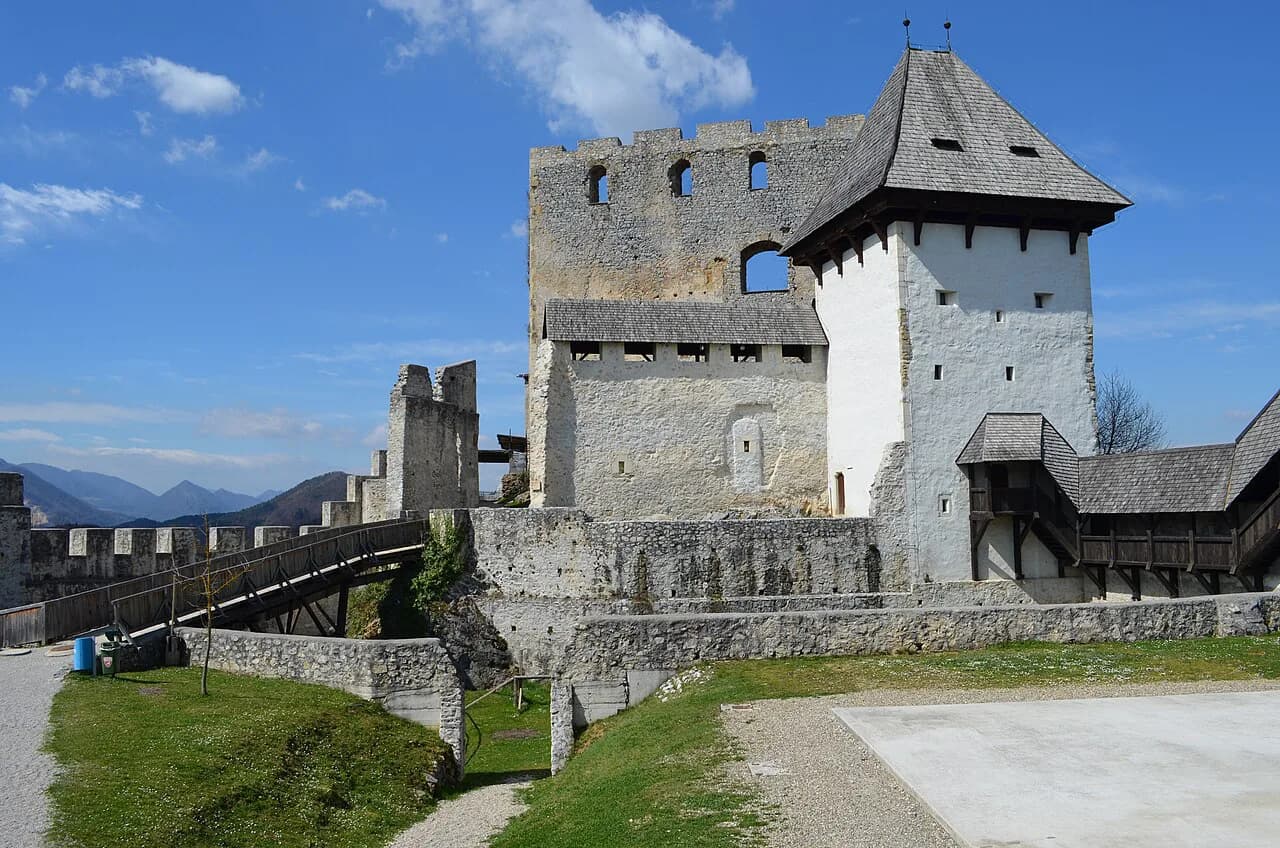
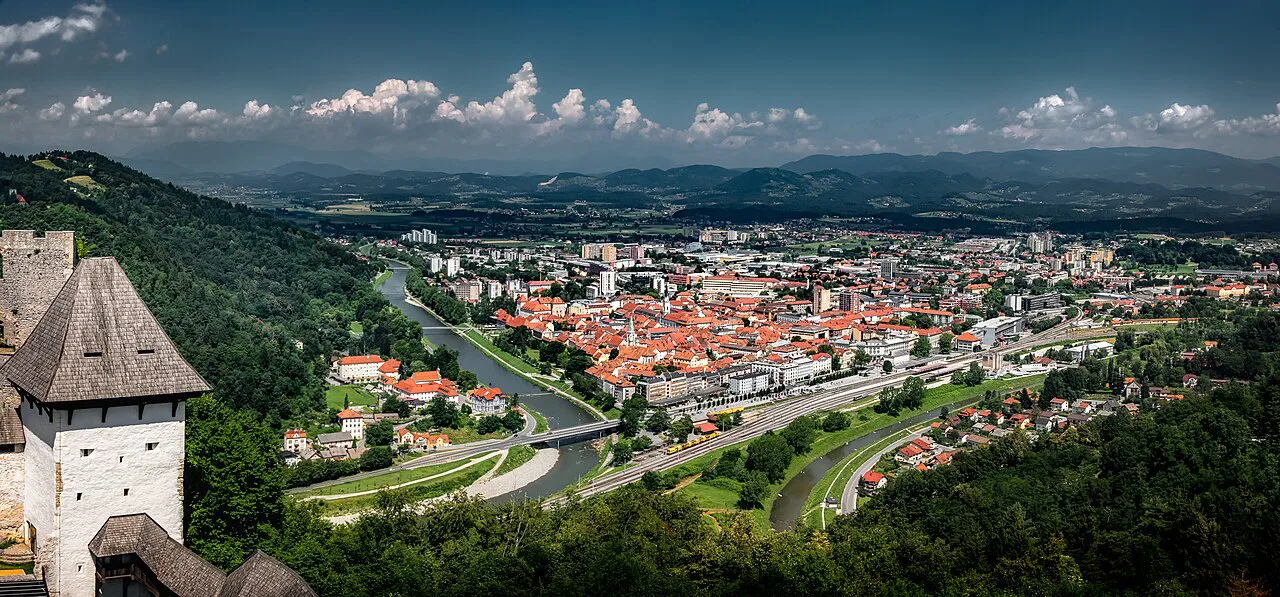
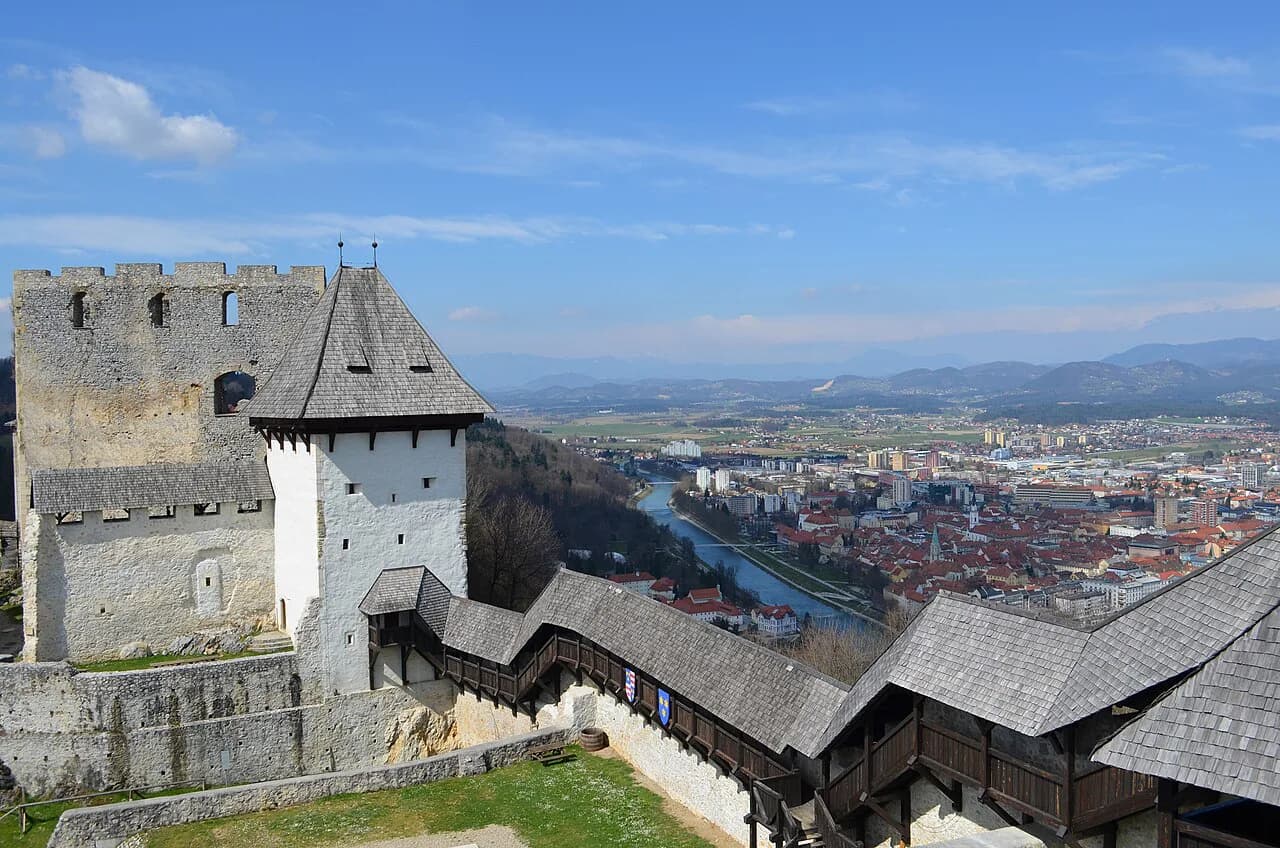
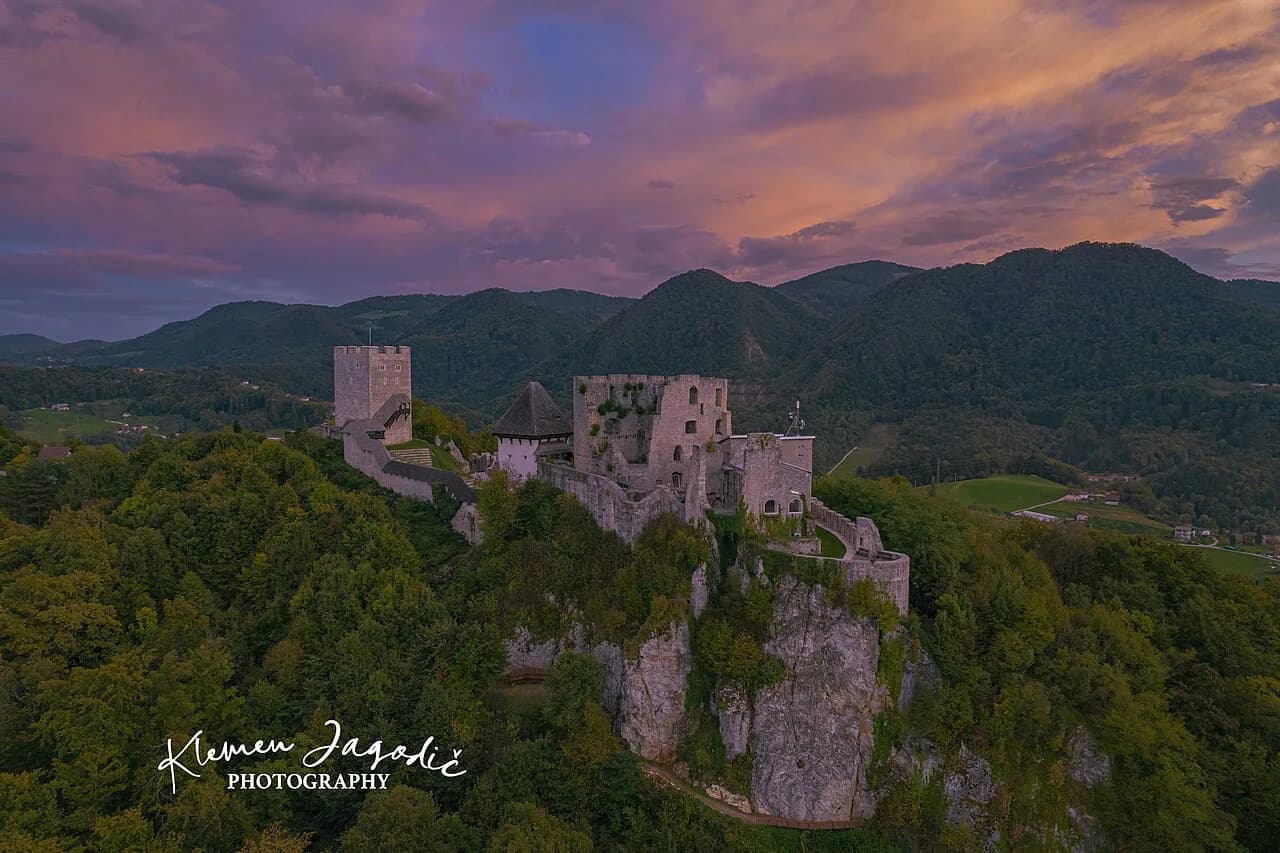
The Old Castle of Celje stands on a hill above town, and Visit Celje describes its entrance and walls as those of the country's largest medieval castle. Expect partially restored ruins rather than furnished state rooms: the appeal is the ramparts, the sense of scale, and the climb up Frederik's Tower, a four-story structure with a dungeon at the bottom, storage levels in the middle, and a defensive platform at the top. Café Veronika sits at the castle, so you can break the visit without leaving the hill.
Budget the castle as a half-day rather than a quick photo stop, since the climb and the walk through the walls take longer than the view alone suggests. Visit Celje recommends a joint ticket covering the castle plus either the Celje Regional Museum or the Museum of Recent History in the old town. On the way back down, the pedestrian center of Celje rewards a slow wander, with squares and churches along a car-free stretch.
Celje Castle opening hours by month and last entry
The castle keeps a seasonal schedule rather than one fixed time. In January and December it opens 10:00 to 16:00, in February and November 09:00 to 17:00, and in March and October 09:00 to 18:00. April runs 09:00 to 19:00, May and September 09:00 to 20:00, and June, July, and August 09:00 to 21:00. Last entry is 30 minutes before closing in every case.
The doors are open every day of the year, so a Monday or a public holiday is not a reason to skip the hill. Time your arrival so you have at least an hour inside before last entry, especially in winter when the closing time comes early. Check the castle's tourist information listing for current ticket prices before you go.
What the Celje Regional Museum adds in town, and the joint ticket
The Princely Palace in town is where the family's story gets its context, and its basement holds excavated remains of the Roman town of Celeia, a city beneath the city. Upstairs the displays cover natural history and early civilizations, and glass cases hold the skulls of the Counts themselves. The Old Count's Palace nearby is the second museum on the same ticket, and its painted-canvas ceiling is the reason to go in.
The Old Count's Palace, a Renaissance residence a short distance from the prince's mansion, shows frescoed rooms and a ceiling discovered by accident in 1926. If your interest runs to the 20th century, a former World War II Nazi jail operates as a museum, but visits have to be arranged in advance rather than walked into. Pair the museum visit with lunch in the center; Celje restaurants cover the ground between a quick meal and a sit-down break.
Veronika of Desenice and Frederick II: the story you hear at the castle
The love story attached to the castle is that of Frederick II of Celje and Veronika of Desenice. Frederick married Veronika against his father Herman II's wishes, and the conflict that followed ended with Veronika accused of witchcraft; tradition holds that she was executed at Ojstrica Castle in 1425. Frederick's Tower is the place the story is told, and Café Veronika takes its name from her.
Treat the tale as the castle presents it, a legend that has carried through folklore and art rather than a settled historical record. It gives the ruin a narrative thread that the empty rooms otherwise lack, and it explains why the tower is the highlight of the climb. A group can book a costumed Count's Reception at the castle, a staged welcome with knights, a sword-fighting demonstration, and a tour that starts from 850 euros per group, though this is an add-on arranged on request rather than something a solo visitor can join.
Further stops on the path of the Counts: Ojstrica, Žovnek, and Vrbovec
With a car you can follow the family outward from Celje. Ojstrica Castle sits on the hill above the village of Loke, and its ruins now draw walkers; little of its former scale survives, but the association with Veronika gives it weight. Žovnek Castle, rising above Žovnek Lake, is where the Lords of Žovnek began their rise, and volunteers are gradually restoring it; the views from the site reach as far as Celje.
Vrbovec Castle in Nazarje stands at the confluence of the Savinja and Dreta rivers and now houses the Museum of Forestry and Woodworking. Its origins go back to the 12th century, and it was heavily damaged during World War II before restoration in the 1990s. A café above the castle and a bistro at the confluence make Nazarje a natural lunch stop between Celje and the upper valley.
How the dynasty ended and how the three stars reached the flag
The Counts fought the Habsburgs successfully and made enemies in the process. Hungarian rivals assassinated the last count in 1456, and with no heir the dynasty died out. Their three stars, worn on the family crest, now appear on the Slovenian flag, which is the clearest surviving mark of the family in the country today.
The family's reach also shows in the wider region: their estates stretched across present-day Slovenia, Croatia, Hungary, and Austria during their peak. That scale is worth keeping in mind when you compare the modest ruins at Celje with the political weight the family once held. The castle's own presentation of that rise and fall is the frame for the whole visit.
Getting to Celje and the castle, and how much time to allow
Celje is reachable by train from Ljubljana, and the castle sits on a hill outside the town center, so the last stretch is either a walk up or a short ride. One visitor account from 2017 describes taking a train and then a taxi to the castle; treat that as a description of what was done then rather than a current timetable or fare. Down in town, the streets around Krekov trg sit at the heart of the car-free pedestrian zone described in our Celje Old Town guide, a good place to start or finish.
Set aside a generous block for the castle, since the tower climb and a café stop can stretch the visit well beyond a quick look, then add the town museums on the joint ticket for a fuller day. The tourist information center on Glavni trg 17 in Celje is the place to confirm current ticket prices, opening hours, and any guided tour options. If you have a car, budget a separate half-day for Ojstrica, Žovnek, and Nazarje rather than trying to bolt them onto the Celje visit.
Which castle to see first?
Start with the Old Castle of Celje, since it carries the family's identity in one climb and its joint ticket with a town museum gives the story its context in the same day. Move into the old town afterward for the museums and the pedestrian center rather than treating the castle as a standalone stop. If you have a car and a second day, the Savinja Valley castles at Ojstrica, Žovnek, and Nazarje turn the family history into a route.
Explore more Celje guides
Frequently Asked Questions
Do I need a car to see the castles tied to the Counts of Celje?
The Old Castle of Celje and the town museums can be done without a car, since the castle is above town and the museums sit in the center. Ojstrica, Žovnek, and Vrbovec in Nazarje are spread through the Savinja Valley and work best with your own transport.
How long before closing can I enter Celje Castle?
Last entry is 30 minutes before closing time, according to the castle's published schedule. In winter that means an early cutoff, so check the seasonal hours for your month before setting out.
Is the Count's Reception something individual visitors can join?
No. The costumed reception is organized on group request, with a program built around a medieval welcome, knights, and a castle tour; the price starts from a per-group figure. Individual travelers can still visit the castle and climb Frederik's Tower during normal opening hours.
Where is the Veronika of Desenice story told?
At the castle itself, where Frederick's Tower and Café Veronika carry her name, and in local storytelling that links her fate to Ojstrica Castle. The castle presents it as legend, which is the right frame for it.
Sources
Notes for your Slovenia trip
Optional updates to our Slovenia place guides.
You might also like
Continue reading
More guides you'll find useful