Museums in Piran: What to See and How Long to Allow
Piran's museums cover maritime history, Giuseppe Tartini, salt-making and the sea itself. Here is what each one holds and where it sits in town.
On this page
Two museums anchor a museum day in Piran: the Sergej Mašera Maritime Museum in the Gabrielli Palace and the Giuseppe Tartini collection in the house where the violinist was born. Everything else in town is smaller and quicker, so most travelers can cover the maritime museum thoroughly and add one or two of the rest. This guide covers what each collection holds, where it sits relative to Tartini Square, how to join a guided tour, and what the town's own tourism board lists alongside them.
Piran rewards walking, and the museums are packed into a compact peninsula, so you do not need a car or a plan built around transport. Start with the big picture of what else fills a day here, then use the museum detail below to decide how much indoor time to budget.
Piran's museums at a glance
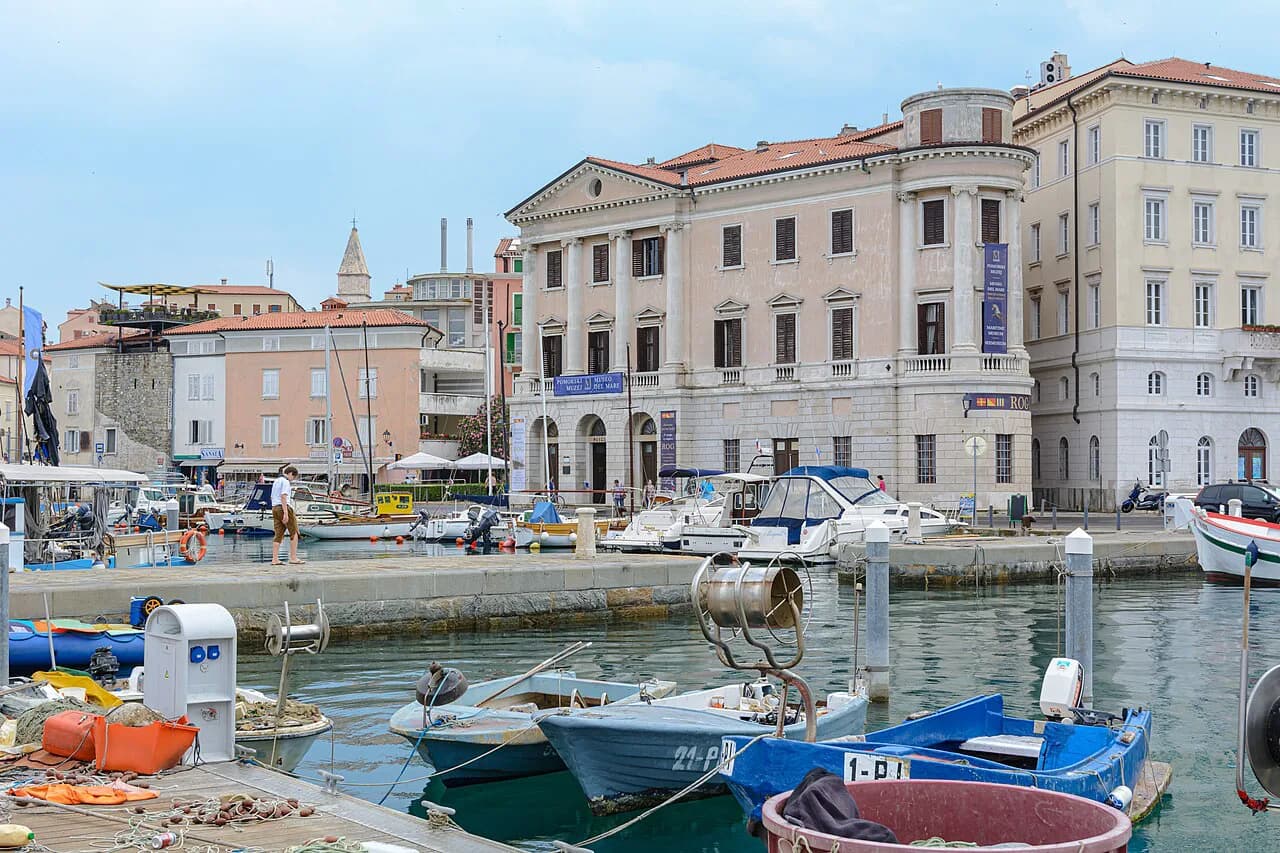
The maritime museum is the substantial one: three floors of exhibition space in a palace built beside the harbor in the mid-nineteenth century. The Tartini collection is a single permanent unit in his birth house, focused on one person and his instruments. Around them sit a parish museum at St. George, an aquarium, a shell collection, a lighthouse and a photography gallery, which the local tourism board groups together on its museums page.
Treat that split as your planning tool. Budget the bulk of your indoor time for the maritime museum, keep an hour or less for the smaller sea-themed collections, and add the Tartini house if the violin connection interests you. The town's broader sightseeing list is useful for ordering the walk between them.
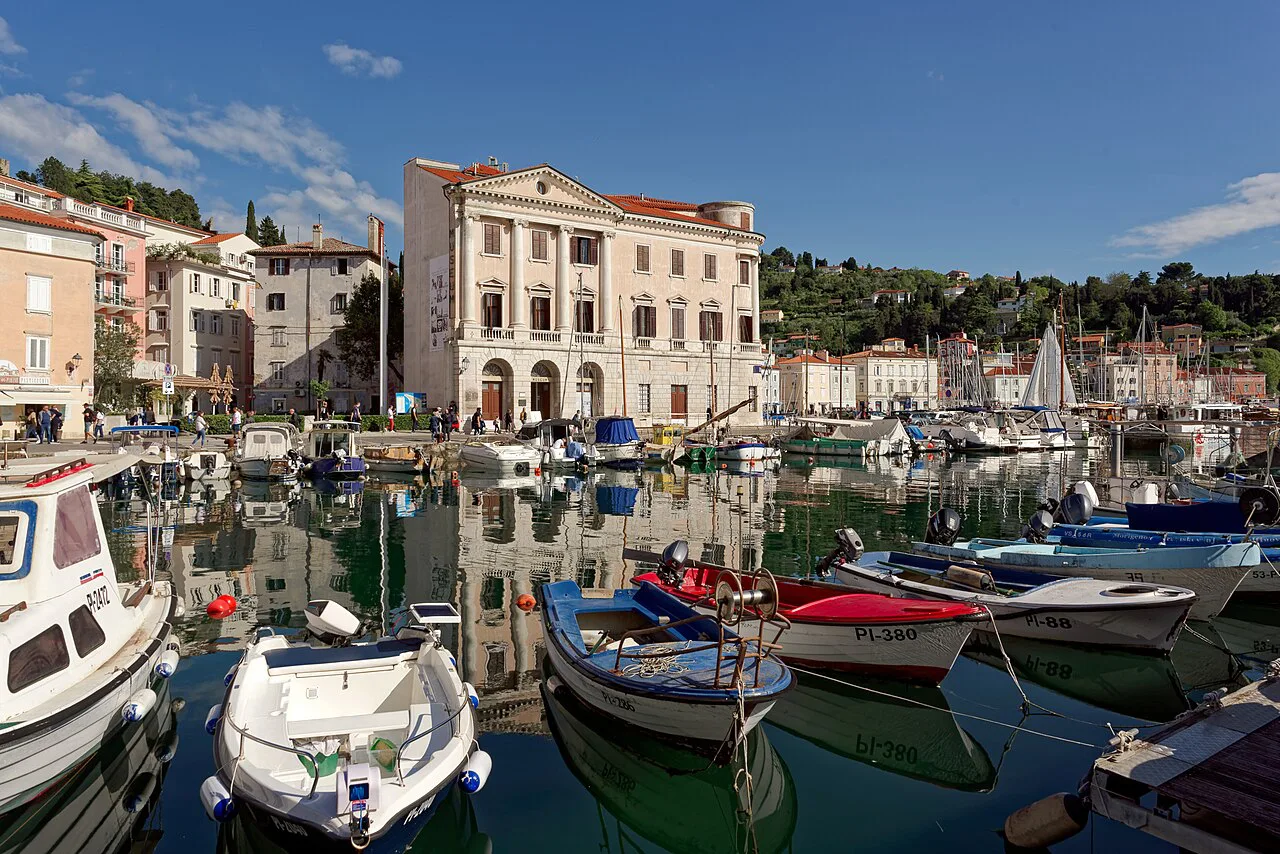
Sergej Mašera Maritime Museum in the Gabrielli Palace
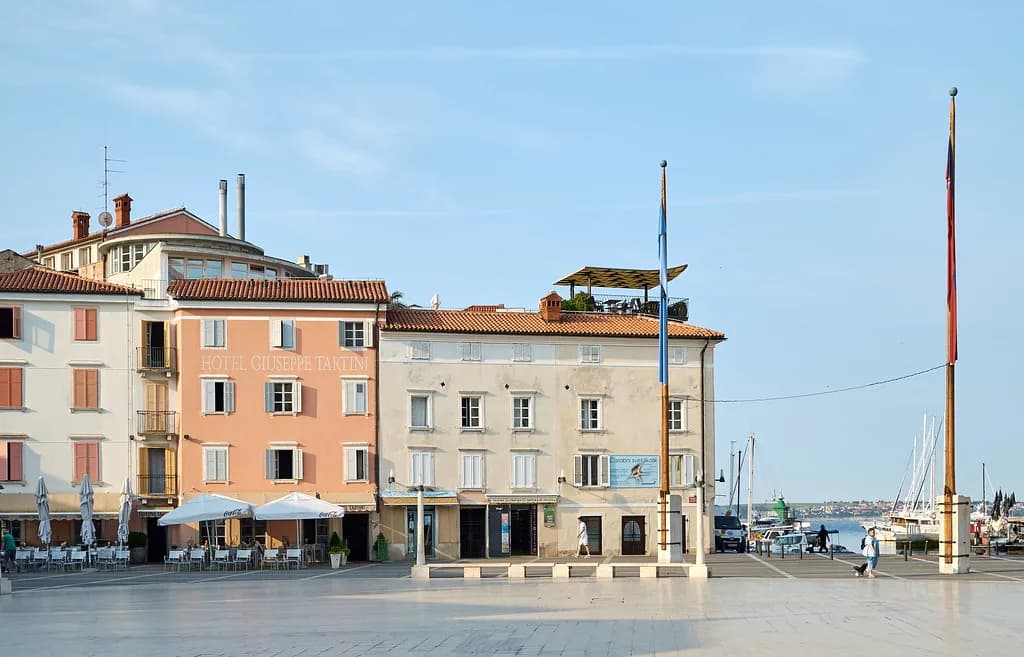
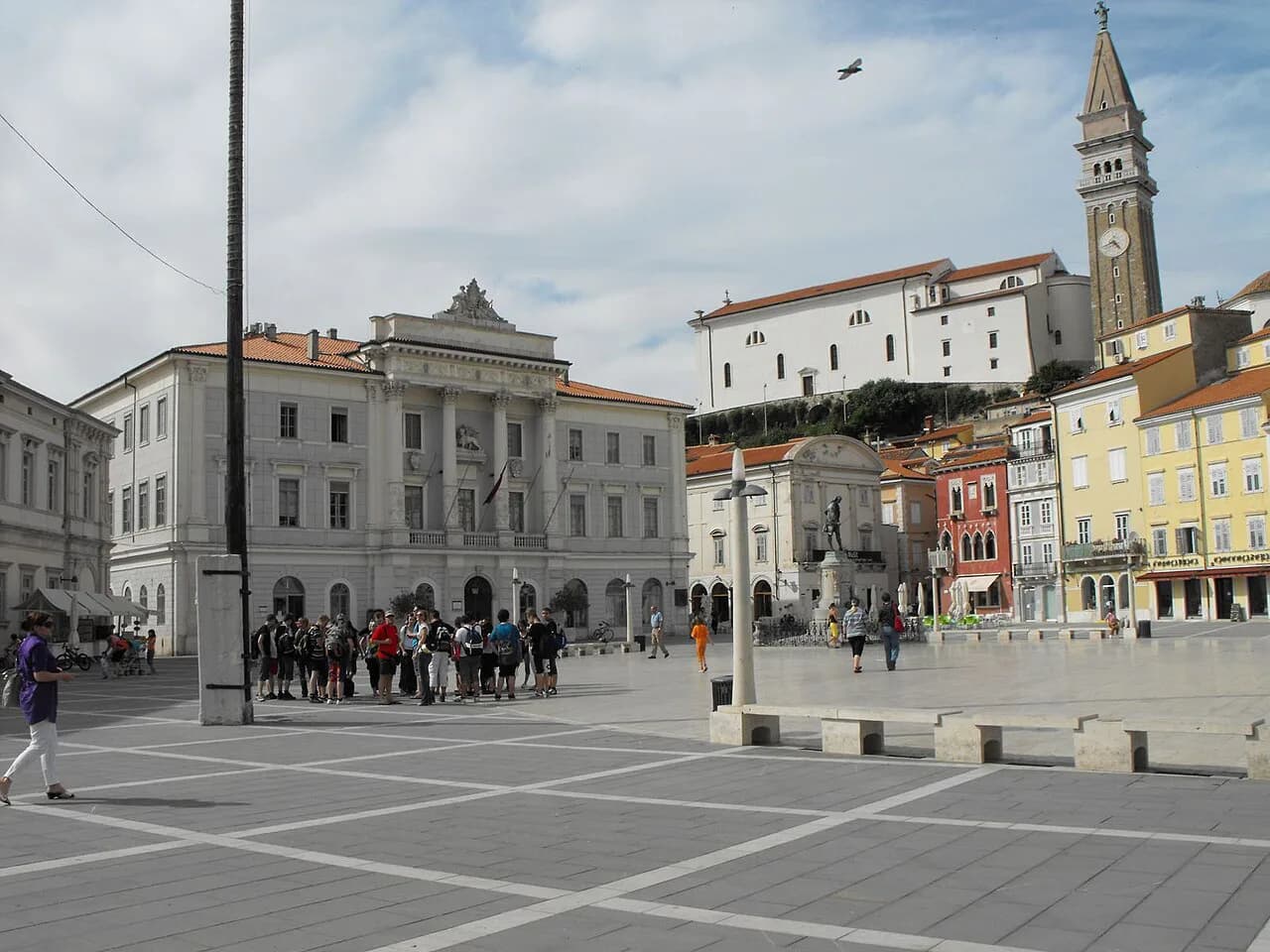
The museum occupies the Gabrielli Palace at Cankarjevo nabrežje 3, on the waterfront just outside Tartini Square. Look for it on the bend to your right as you come from the square; the waterfront address puts it directly beside the harbor the palace was built next to.
Inside, the exhibitions run over three floors, served by elevators and ramps, with tactile orientation panels on each level and tactile objects throughout the rooms. Touch screens on the first floor explain the collections in five languages, and interpretive brochures set out the objects in more detail. If anyone in your group has access needs, this is the easiest museum in town to move through.
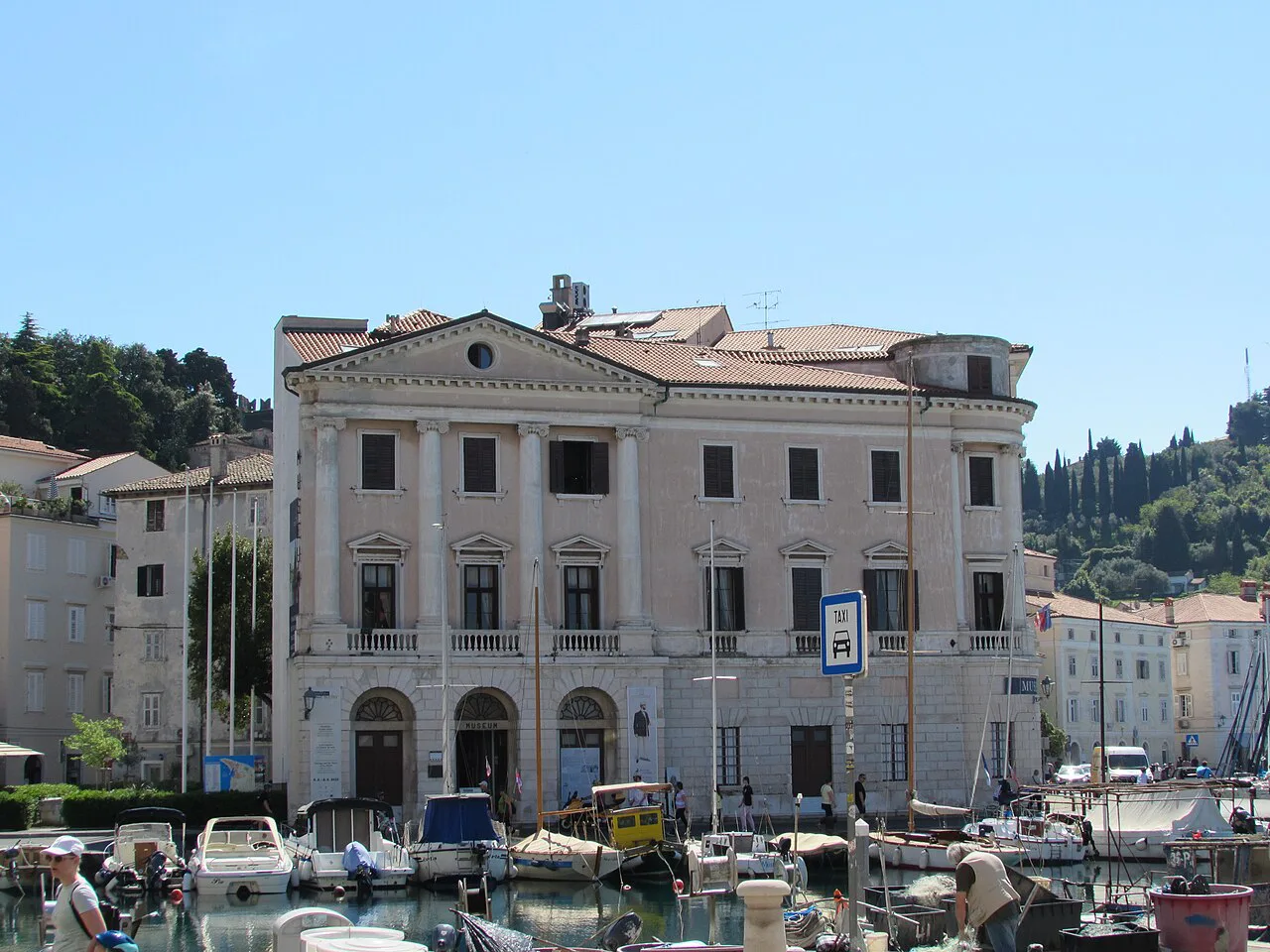
What the maritime museum's exhibitions cover
The permanent displays cover more ground than a single maritime theme. Expect sea archaeology under the title Between Sea and Land, a fishing collection, a unit on Piran's own history and heritage, and Serenissima, on maritime affairs and culture during the Venetian Republic.
Ship models get their own collection, Gruber, drawn from the Jesuit workshop of Gabriel Gruber, and Mare Nostrum gathers an international collection of marine painting. There are also units on figureheads and ex-voto offerings, Slovenian shipowners in Trieste and Rijeka, shipbuilding in Piran, the Austrian and Austro-Hungarian navies, Slovenian seafarers between 1918 and 1945, and St. George. That breadth is why the building rewards a slow visit rather than a quick pass through.
Guided tours at the maritime museum
Guided groups are recommended at up to 25 people, and a tour normally takes one hour. Tours are available in English and Italian for visitors from abroad, which makes the museum workable for a group that wants context rather than label reading alone.
Book group visits at least one week ahead by phone or email, giving the date and arrival time, and keep to the slot you booked. The museum states a 20 EUR per group charge if a booked tour is cancelled less than one working day before arrival, so confirm numbers before you commit.
The Galeb sailboat and the museum's other units
A museum boat, the sailboat Galeb, sits in front of the main building, given to the museum by the ballet dancers Pia and Pino Mlakar. Beyond Piran, the museum also runs several units along the coast and inland, so a maritime-history interest can stretch well past the Gabrielli Palace.
Those units include the Museum of Salt-making at the Sečovlje salt pans, the Tonina hiša ethnographic collection at St. Peter with its reconstructed oil mill, Tartini's memorial room, the Monfort exhibition ground in Portorož in a former salt warehouse, and the Izolana sea house in Izola. The salt pans are the one most travelers pair with Piran, and the salt story behind them is worth reading before you go.
Giuseppe Tartini's birthplace
The Tartini collection was set up in 1992 in the house where he was born in Piran, as a unit of the maritime museum. The house is a cultural monument of bourgeois architecture, renovated under the tARTini project, and now holds a museum route through his life and work.
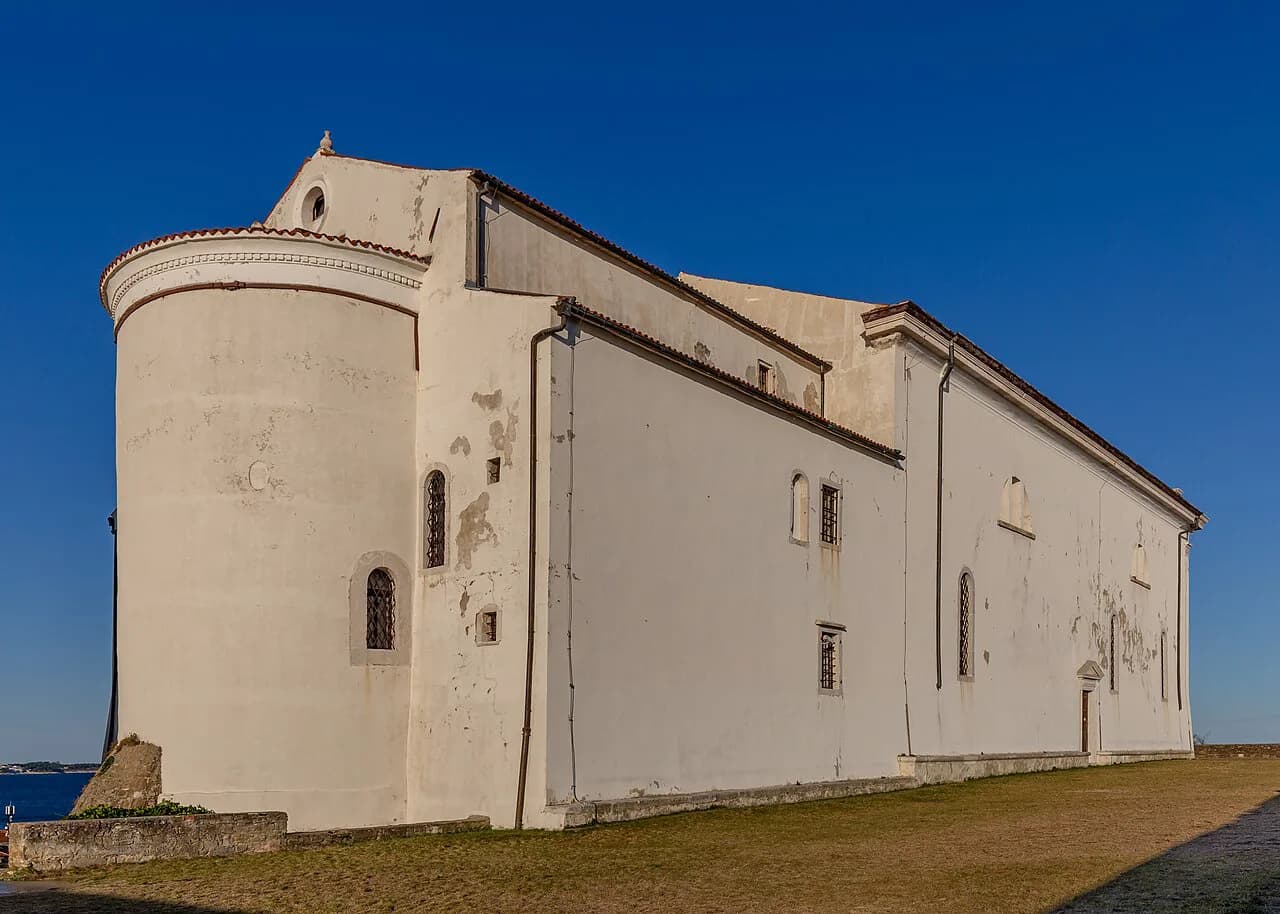
The displays include his violin plus wall paintings and manuscripts that tell the musician's story. The museum describes him as a violin virtuoso, composer, music theorist and pedagogue of global fame, so this is the one Piran museum built around a single person rather than a trade. Pair it with the church where the town's religious art sits if you want a fuller picture of civic Piran.
How long each museum needs, and how to combine them
Give the maritime museum the best part of a morning or afternoon: three floors of dense displays plus a one-hour guided tour if you book one. Allow under an hour for the Tartini house, which is a focused single collection. The smaller sea-themed stops, such as the aquarium and the shell collection, work best as fillers between the two.
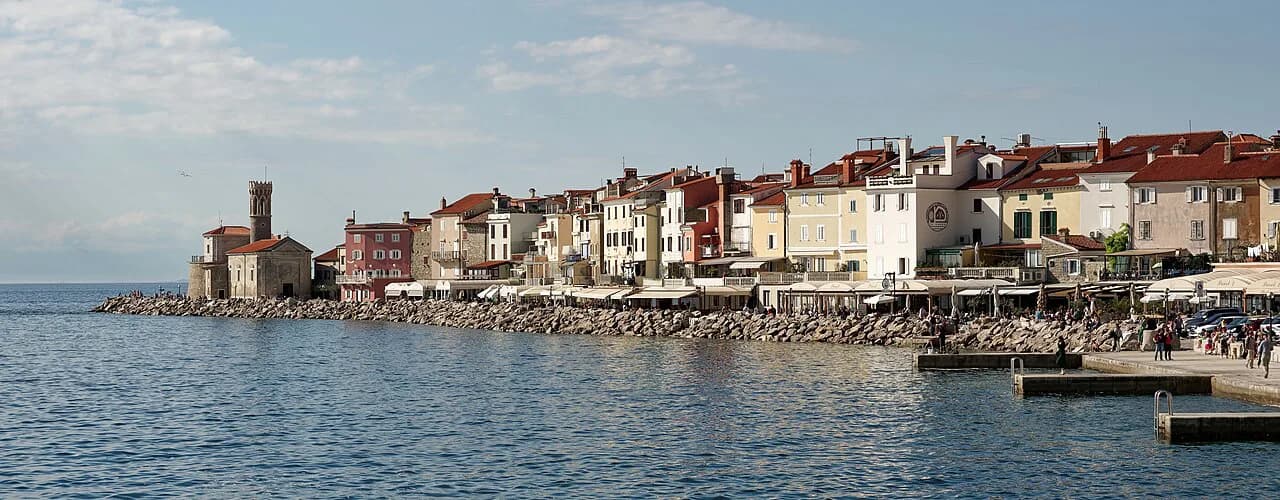
The peninsula is compact enough to walk between everything on foot in one loop from Tartini Square, which keeps the day flexible if rain pushes you indoors. If you have only a single day, decide in advance whether museums or the waterfront and walls get priority, and plan the rest of the day around that call.
Other museums and galleries in Piran and Portorož
Beyond the two main museums, the tourism board lists the St. George Parish Museum, the Piran Lighthouse, the Aquarium Piran, a museum of underwater activities, a shell museum billed as the magical world of shells, and the Herman Pečarič Gallery. It also points to Jaka Ivančič's open-air photography exhibition on the salt pans under the Bernardin arcade.
Portorož and Piran also share a Discover Culture Pass that bundles access to the town walls, the bell tower of St. George and sacred art in the church museum, sold as one ticket across three stories. The bell tower climb is worth knowing about separately, and the walls are covered in their own guide.
Reaching the museums, accessibility and checking details
The main bus station is about 350 m from the maritime museum; from there you can walk toward the center or wait for the free bus that runs to Tartini Square. If you drive, leave the car outside the pedestrian core and finish on foot, since the museums sit close together on narrow streets.
Opening hours and ticket prices are not fixed facts to memorize here: the museum publishes them on its own schedules and price lists pages, and the tourism board lists entry details for the other sites. Check both before you set out, especially for the small collections, which keep shorter seasons than the maritime museum.
Which Piran museum should you start with?
Start at the Sergej Mašera Maritime Museum on Cankarjevo nabrežje, book a guide if you want the collections explained, and finish with the Tartini house a short walk away. Add one small sea-themed stop only if time and weather allow, and leave the pass decision until you know how many of its sites you will actually use.
Before you go, confirm the day's opening hours and prices on the museum's own site and the tourism board listing, then map the loop from your parking or bus stop. The rest of the old town is best seen on foot between museum stops.
Explore more Piran guides
Frequently Asked Questions
Is the maritime museum free?
The museum publishes its own schedules and price lists, and those pages are where the current admission terms are set out. Check them before your visit rather than relying on secondhand reports.
Do I need to book a guided tour in advance?
Yes, for groups. The museum asks for group bookings at least one week before the visit, with the date and arrival time confirmed, and it applies a charge if a booked tour is cancelled less than one working day ahead.
Sources
- Pomorski muzej Sergej Mašera Piran - Muzej za zgodovino pomorstva na Slovenskem
- Pomorski muzej Sergej Mašera Piran - Muzej za zgodovino pomorstva na Slovenskem
- MUSEUM COLLECTION OF GIUSEPPE TARTINI IN HIS BIRTHPLACE IN PIRAN | Pomorski muzej Sergej Mašera Piran
- Museen und Galerien | Portorož & Piran
Notes for your Slovenia trip
Optional updates to our Slovenia place guides.
You might also like
Continue reading
More guides you'll find useful