Piran Map: How the Old Town Is Laid Out and What's Where
A map-based orientation to Piran: where the town sits on the Gulf of Piran, how its medieval core is shaped, and which landmarks to pin before you go.
On this page
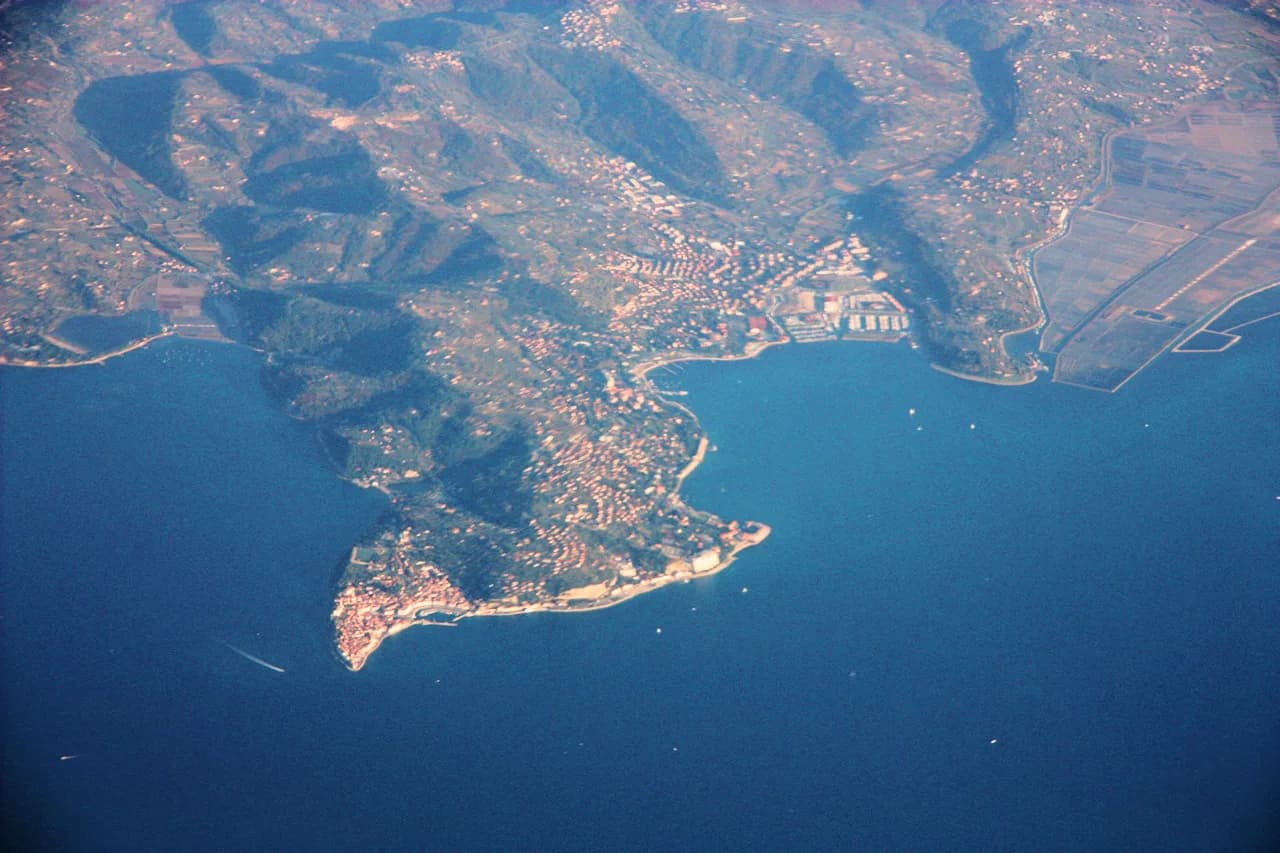
Piran sits on the Gulf of Piran on the Adriatic Sea, in southwestern Slovenia, and a map shows the whole town as a small medieval knot of narrow streets and compact houses pressed against the water. Read the map once before you arrive and the walking order takes care of itself. This guide covers where Piran sits on the wider map, how the old town is shaped, which landmarks anchor it, and which spots are worth plotting before you go.
Most results for a Piran map are hotel-listing maps: pins for hotels and apartments laid over the town outline. They are useful for booking and less so for getting your bearings on foot. The pages below explain the layout itself, so you can decide what to see in what order and what to plot before arrival.
Where Piran Sits on the Map
Piran (Italian: Pirano) is a town in southwestern Slovenia on the Gulf of Piran, part of the Adriatic Sea. That is the first pin to fix: the coast of Slovenian Istria, the peninsula that runs south from Italy toward Croatia. Everything else on the visitor map hangs off that position.
Within Slovenian Istria, Piran is one of the three major towns of the region, alongside Koper and Izola on the same coastline. On a regional map, the whole of Slovenian Istria fits into a short stretch of coast, which keeps Piran within easy reach of its neighbors.
The Shape of the Old Town
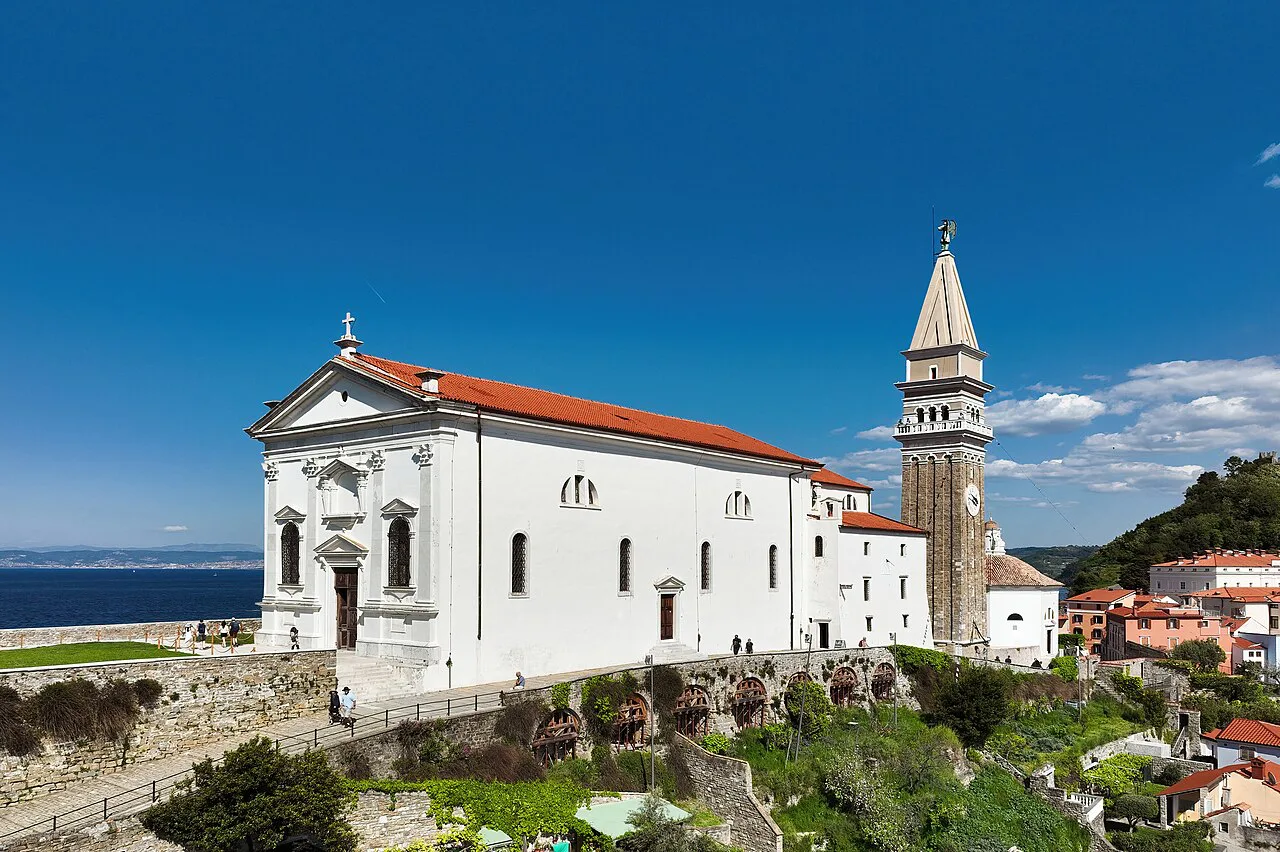
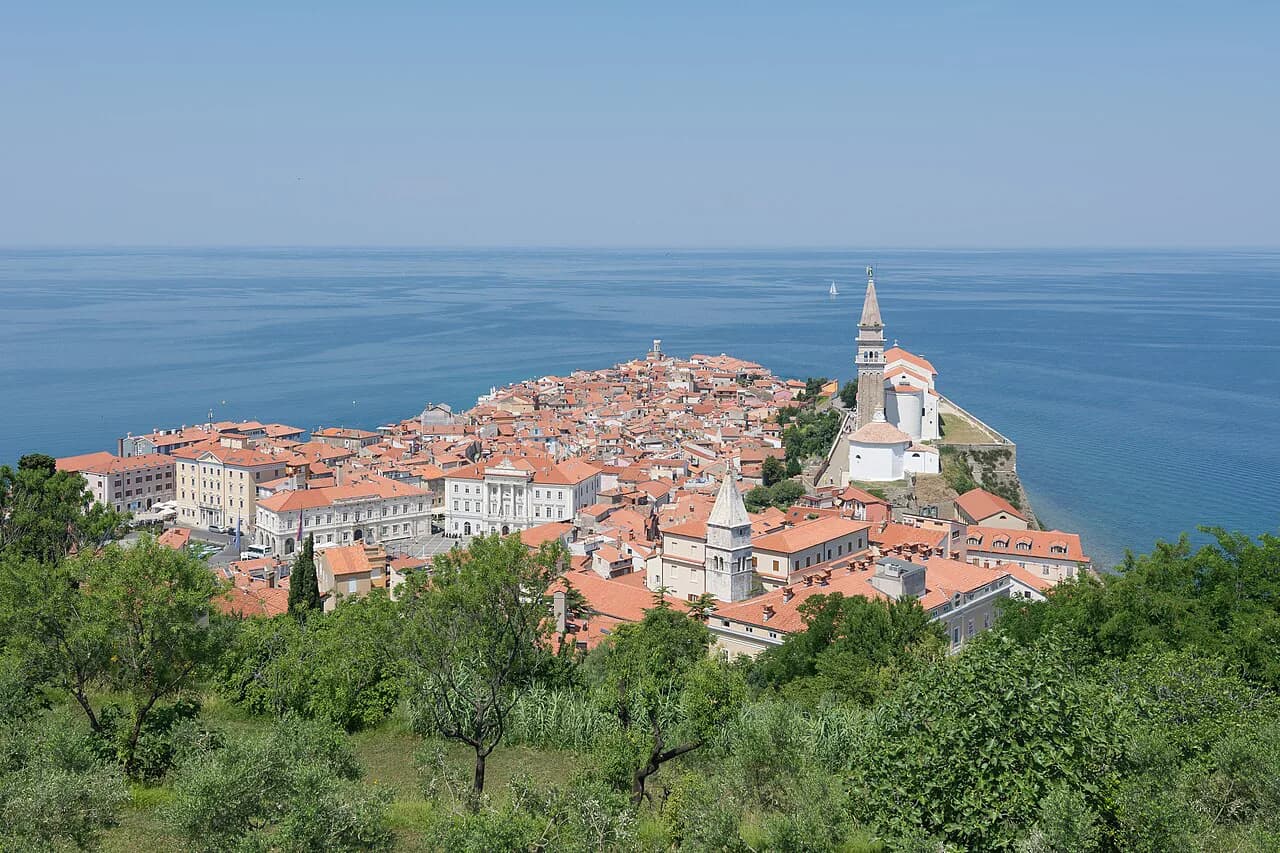
The old town is compact: medieval architecture, narrow streets and tightly packed houses, gathered at the water's edge. That shape matters for planning. You are not crossing a city; you are working through a small, dense core where the distances between the pieces are short but the streets do not run straight.
Treat the map as a set of loops, not a list of pins. Pick a starting point at the waterfront, work inland along one street, then come back on a parallel one. A circular route brings you past more of the medieval fabric than a straight dash to any single landmark.
Reading the Map by Landmark
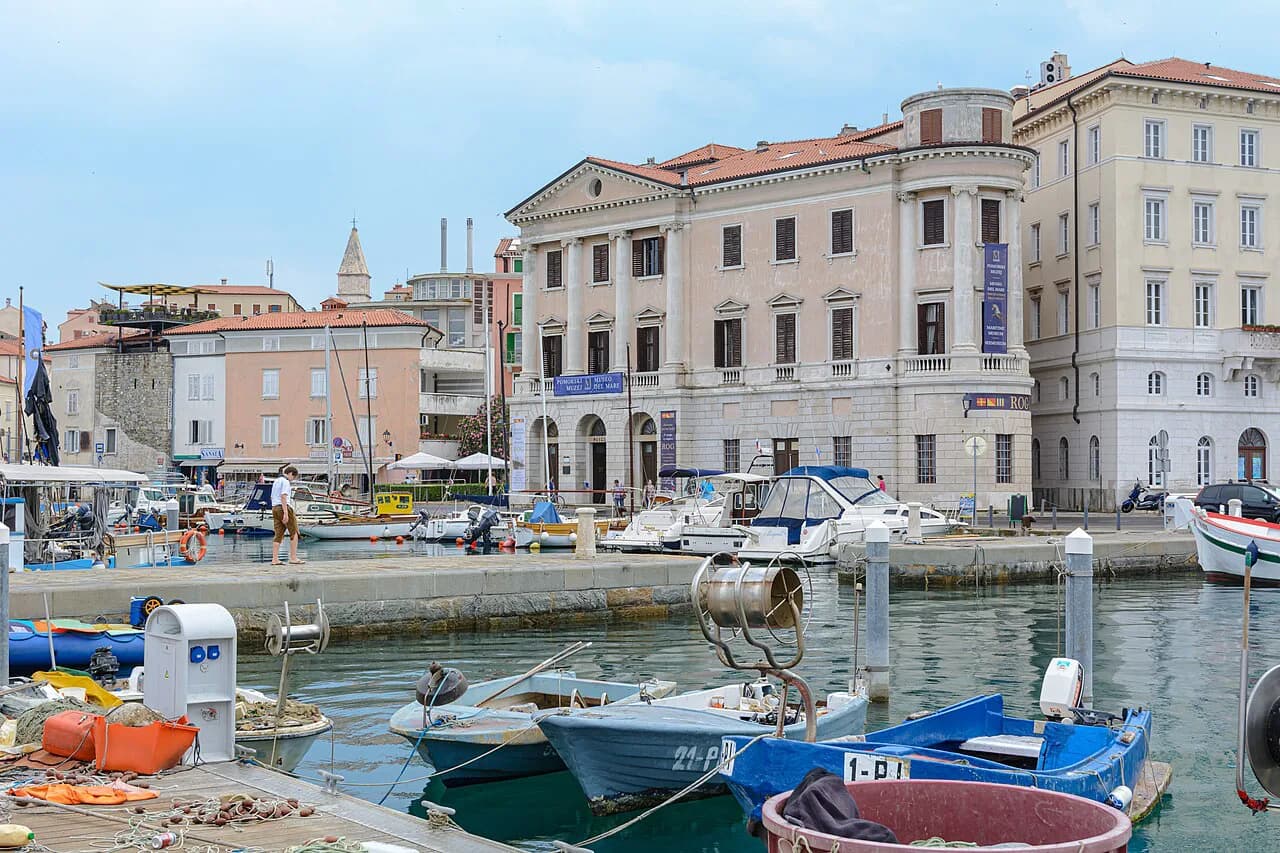
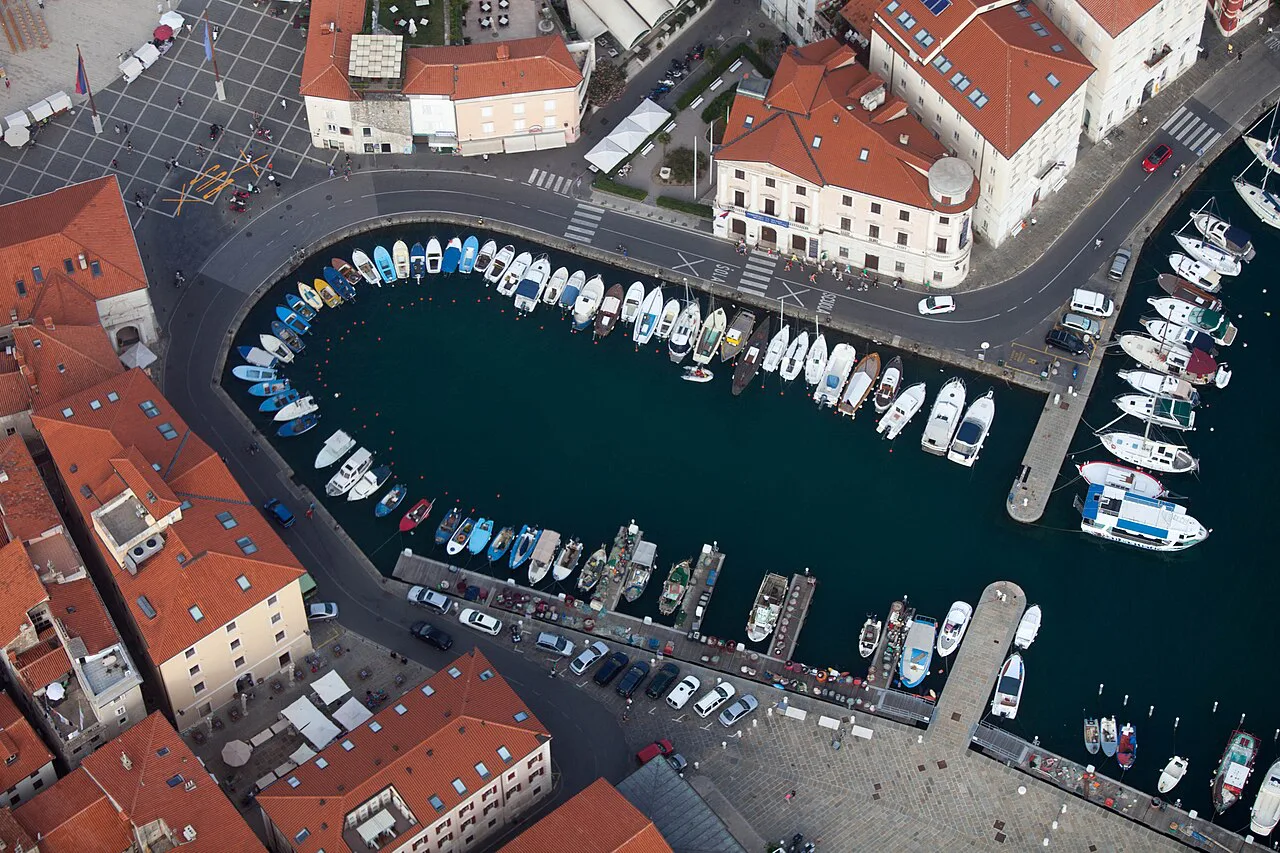
The waterfront is the natural anchor. The town meets the Gulf of Piran along its edge, so a map read from the sea inward keeps you from losing your sense of direction. Start where the town meets the water, then follow streets inland into the medieval core.
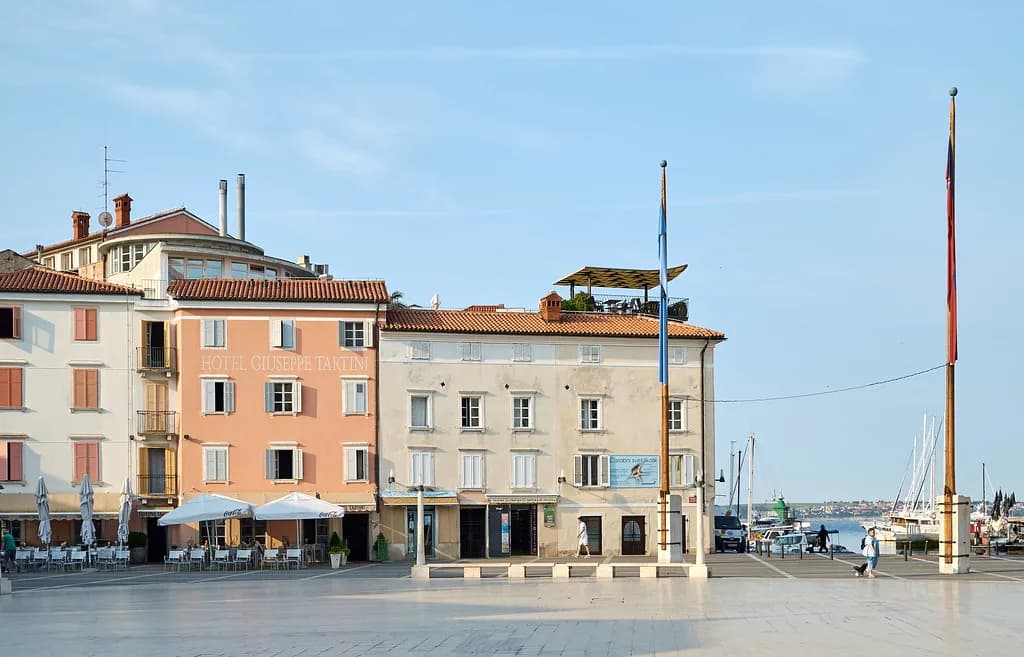
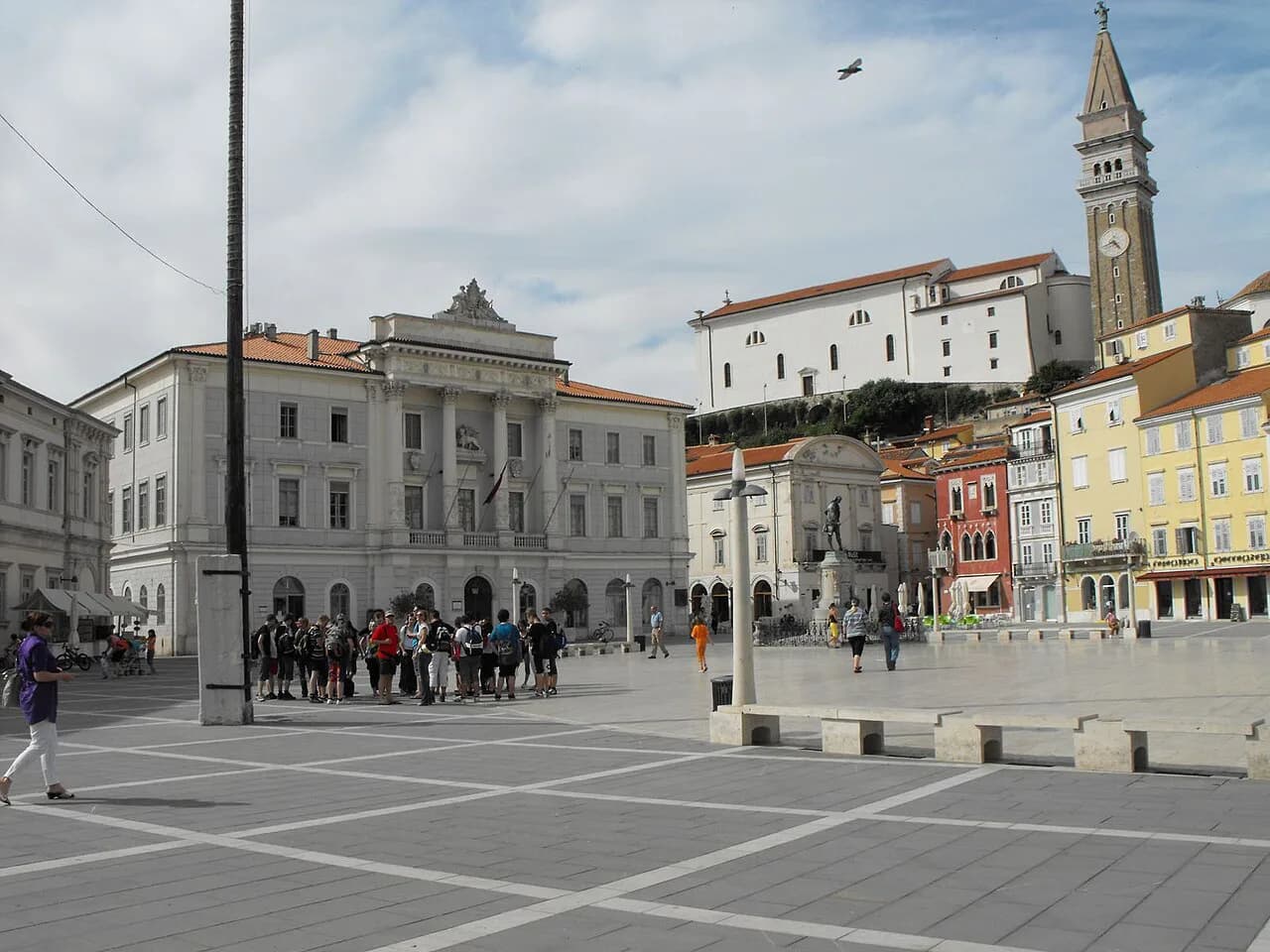
Churches and squares give you the fixed points among the lanes. Check the Piran old town layout before arrival and pick two or three landmarks to steer by, rather than trying to memorize every alley. Two or three is enough to keep your bearings.
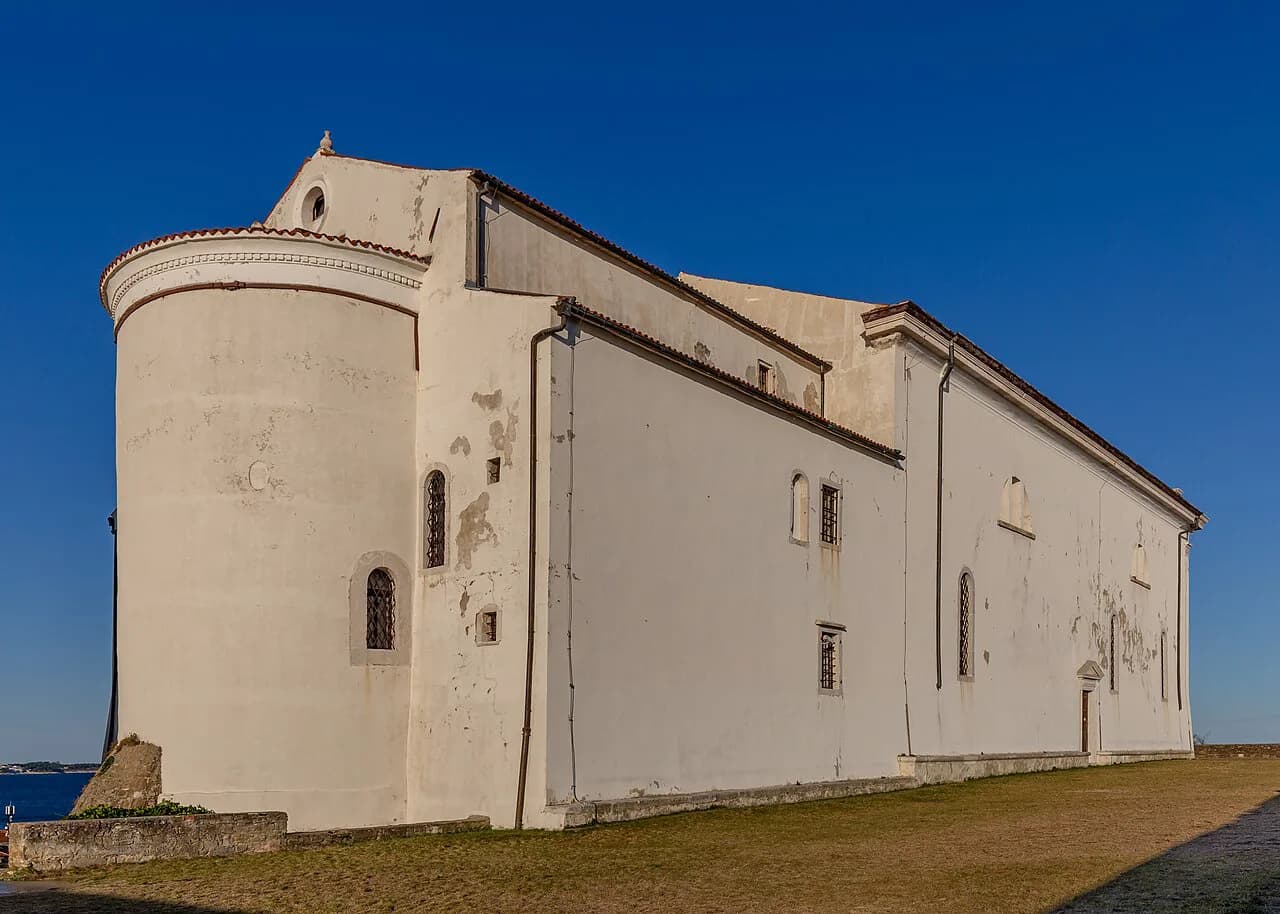
Beyond the streets, the town walls are the other feature visitors plot on the map, shown in a published map of Piran's town walls. They make a useful marker beyond the lanes of the core. They are shown on the map; the map page itself publishes no visiting hours or fee information, so check those separately if you plan to walk up.
Getting Around on Foot
The medieval core is small enough that a map plus a pair of comfortable shoes covers it, and that changes how you plan a day. You do not need transport between sights inside the old town; you need an order. Walking is the default mode inside the core, and the distances between the waterfront and the inland landmarks fold easily into one loop rather than a separate excursion.
That compactness also sets the limit. The old town rewards wandering, but if you want a structured route, a focused guide to the streets beats a generic pin map. For a considered route through the core, the things to do in Piran, Slovenia guide pairs well with this orientation, and a Piran walking tour gives a route order rather than a raw set of pins.
The Wider Map Around Piran
Zooming out, Piran sits in Slovenian Istria, the peninsula that runs south from Italy toward Croatia, alongside Koper, Izola and Portorož. That puts Piran on a short coastal run rather than at the end of a long detour. Plan the wider map around that coastal line.
The Škocjan Caves and the Karst Plateau inland are the other named features on the regional map, so a Piran day can be stitched onto a Karst loop if you are driving. A map alone will not tell you which direction to take on any given day. Keep this page to orientation; route and schedule decisions need separate confirmation.
What a Hotel Map Shows, and What It Doesn't
The map most people find first when they search for Piran is the hotel map: pins for hotels and apartments laid over the town. It is built for booking, and it shows exactly that. Attractions appear only if a listing is attached to them, so a hotel map is a poor tool for planning a walking route.
The better-known hotel-map pages are the same story in different dress. Tripadvisor's Piran area map is also a hotel overlay built around lodging listings, which is useful for finding a place to sleep and confusing for finding your way around. Listing pins tell you what is bookable, not how the streets run.
Use a hotel map for booking and a town plan for walking, and the two stop fighting each other. A general city map with activities, like the Mappified Piran guide, shows the town itself with points of interest layered in. That is closer to what a visitor needs for the old town.
What to Pin Before You Arrive
Plot three things before you travel: the waterfront edge of the old town, the town walls as the far marker of the core, and one landmark square from the guide to aim for in between. That triangle is enough to orient yourself once you arrive. Three pins are plenty; a dozen pins do not help you read the streets.
Beyond the map, the Piran Attractions: 6 Visitor Guides page lists the individual places worth plotting. For indoor options, Museums in Piran narrows the choices. If you plan to get out on the water, Piran Boat Trips covers the offshore perspective. If the salt pans near Sečovlje are on your list, the Piran salt guide covers them and the Sečovlje Salina Nature Park area.
Plot Piran, then walk it
Piran fits on a small map: a compact medieval core on the Gulf of Piran, within Slovenian Istria and its short coastal run. Plot the waterfront, the town walls and one landmark square before you go.
The map puts Piran in order; the rest of the trip needs decisions a map cannot make. Opening hours, ticket prices, parking rules and transport times are answers to check for the day you travel, not things a town plan shows you.
Explore more Piran guides
Frequently Asked Questions
Do I need a car to get around Piran?
The shape of the town answers this better than a rule does. The old town is a compact knot of narrow medieval streets and houses at the water's edge, so on foot is the natural way to cover it. Piran is one of the three major towns of Slovenian Istria, alongside Koper and Izola; for specific routes and schedules between towns, check current transport information when you travel.
Which landmarks should I pin on a Piran map?
Start with three: the waterfront edge of the old town, the town walls as the far marker of the core, and one landmark square from the guide to steer toward in between. That triangle keeps you oriented through streets that do not run straight. After that, add the individual sights from the things to do guide.
Where is Piran in Slovenia?
Piran sits on the Gulf of Piran on the Adriatic Sea, in southwestern Slovenia. It is part of Slovenian Istria, one of the region's three major towns alongside Koper and Izola.
Sources
- Piran, Slovenia: Detailed map, informations, activities and recommended trips - Mappified
- GPS coordinates of Piran, Slovenia. Latitude: 45.5278 Longitude: 13.5706
- Piran Location Map
- piran-town-walls-map - TRAVELSLOVENIA.ORG – All You Need To Know To Visit Slovenia
- Map of Piran - Hotels and Attractions on a Piran map
Notes for your Slovenia trip
Optional updates to our Slovenia place guides.
You might also like
Continue reading
More guides you'll find useful