Poetovio: Roman Ptuj and What You Can Still See
Poetovio was the Roman town beneath modern Ptuj. See which Roman remains you can visit today, from Mithras shrines to the Orpheus Monument and Panorama hill.
On this page
Poetovio is Roman Ptuj, and you will not find it behind a single ticket gate. The town's Roman heritage forms the Poetovio Archaeological Park, which the local tourist board describes as a brand tying together the archaeological remains found in Ptuj and its surroundings, with museum exhibits, guided tours and educational content alongside them. That means you plan a walk between separate stops instead of buying one admission, and the stops range from street monuments to museum pieces.
This guide maps those stops onto the town you will actually walk through: the Orpheus Monument and stone lions on the streets, the Mithras shrines, the Panorama hill site, the Roman road and the open-air lapidarium, and the Roman pieces held in Ptuj's museums. It also tells you how to match them to whatever else brings you to Ptuj.
What Poetovio was and where it stood
Poetovio was the Roman settlement on the site of today's Ptuj, in the Drava valley of Styria. The tourist board presents the Roman town as the largest Roman settlement on Slovenian territory and treats its remains as a single heritage product under the Poetovio name. Treat that as the town's own framing rather than a yardstick for how much you will see on the ground.
The Roman town was substantial enough to leave traces in several forms at once: stone monuments still standing in the streets, reliefs and fragments built into later walls, buried structures under open land, and objects that ended up in museum collections. Knowing which category a stop belongs to is the main thing that keeps expectations realistic. A carved lion in a courtyard wall and a reconstructed street line on a hill are both Roman Ptuj, but they ask for different kinds of attention.
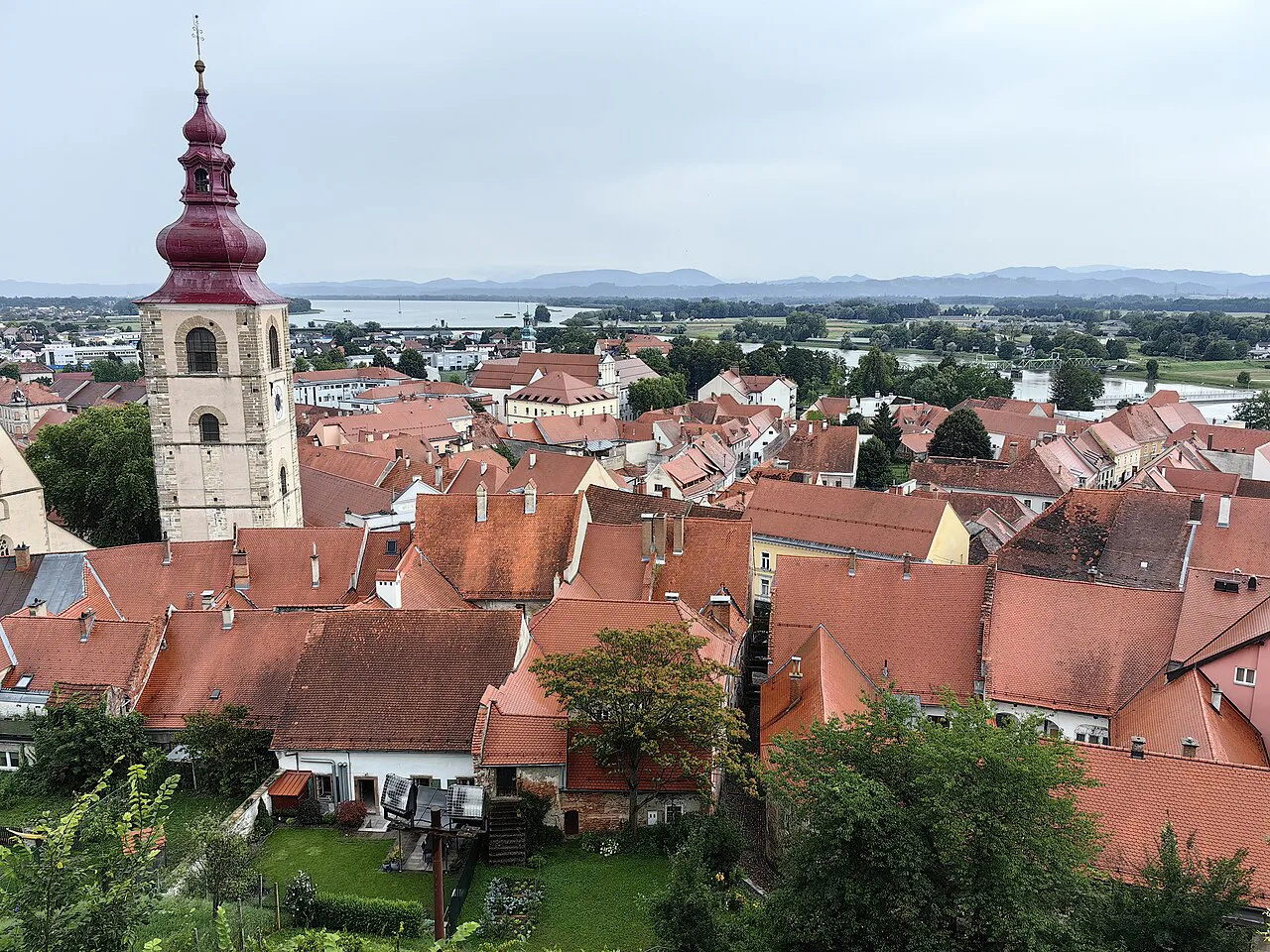
Why Ptuj's Roman past is scattered across the modern center
The Roman material survived because later Ptuj kept building on the same ground. Reliefs ended up in walls, a stone lion sits in a courtyard wall, and fragments of inscriptions and tombstones are set into building facades along the old streets. The tourist board's list of sites reads like a walking route through the center for exactly this reason: the monuments are where the medieval and later town left them, not where a museum would place them.
Two entries on that list show the split clearly. The built-in reliefs of the Nutrices came to light in 1991 when newer layers of plaster came off, and a stone lion is built into the courtyard wall of the former evangelical church on Prešernova ulica. Both are Roman carvings you meet inside a standing town building rather than at a dig. The park's list also marks which pieces are copies, and a few, such as the relief of the god Sol, are recorded as copies of finds made during archaeological survey.
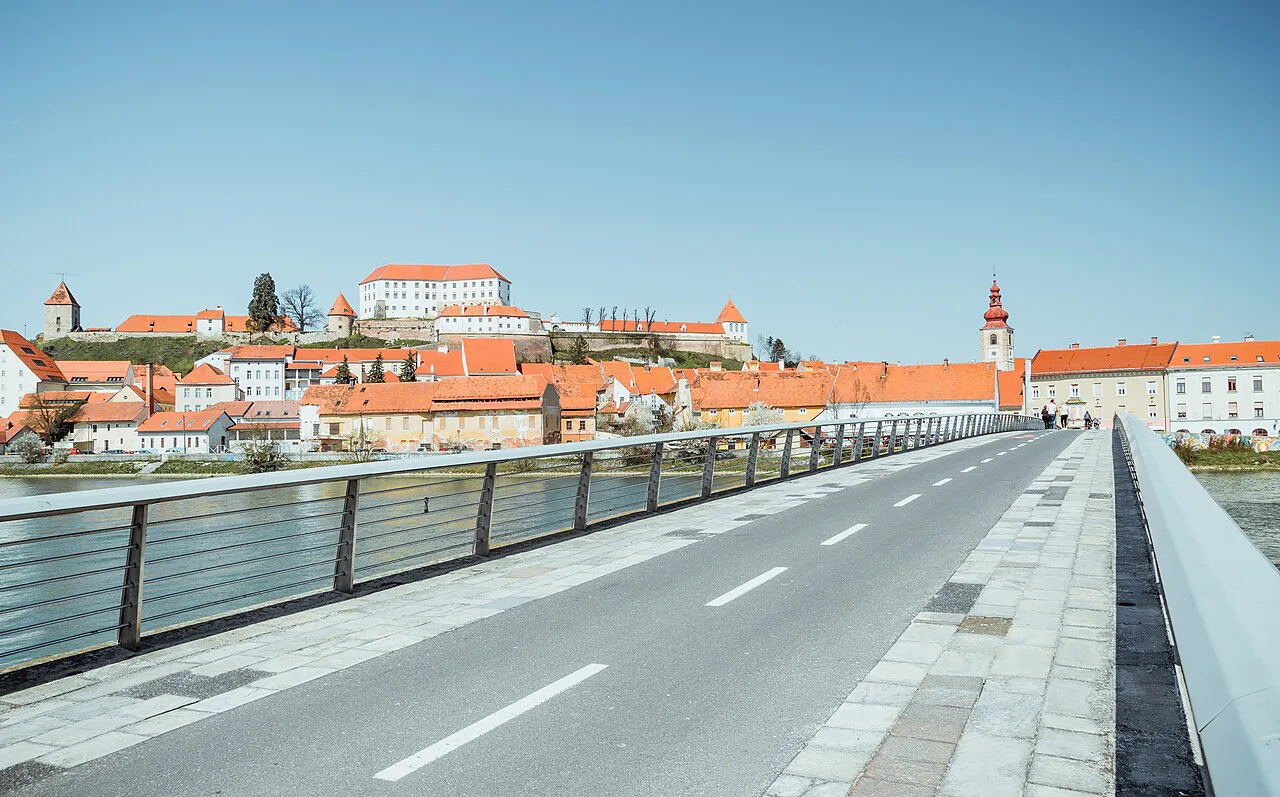
The Poetovio Archaeological Park: what the brand covers and how to use it
Use the Poetovio Archaeological Park as an index, not an address. Its site lists each stop with a short description, from the Orpheus Monument and the Povoden Museum's exterior niche at the Church of St. George to the Roman kilns, the Štuki-Marof early medieval site and the display in the Ivan Potrč Library. Work down that list, pick the stops that sit near each other, and you have a route rather than a single destination.
The park also operates as a tour product, with guided tours and themed experiences on offer alongside the open sites. If you want a guide to explain the reliefs and inscriptions, that is the route to arrange, and it makes most sense for the stops where a carved fragment means little without context. Where a stop sits on the list alone, you are looking at a monument in its original setting, and the explanation has to come from what is displayed there.
Roman remains on the streets: the Orpheus Monument, built-in reliefs and stone lions
The Orpheus Monument is the anchor of any Roman walk in Ptuj. The tourist board describes it as a marble monument erected to honor the memory of Marcus Valerius Verus, and it stands in the town center as a monument in its own right rather than as a museum exhibit. Start there, because it gives you a real sense of the scale of the Roman town's public memorials before you look at fragments.
From the monument, the built-in pieces reward slow looking. The Nutrices reliefs, the Eros relief of the god of love riding a sea creature, the stone lion on Prešernova ulica and the tombstone top on the exterior facade at Prešernova ulica 11 are all set into standing buildings, so you read them at street level. The park also records a reclining stone lion, probably an element of funerary art once — a reminder that much of Roman Ptuj's stone carving survives out of its original context.
The Mithras shrines and what remains of them
Ptuj's Mithras shrines are the most specific Roman story in town, and the park labels them carefully. Mithras Shrine I is described as the oldest Mithras shrine in the Danubian provinces of the Roman empire, and Mithras Shrine III as the largest, erected in a densely built residential quarter of the town. Present these as the park's own descriptions, and take them as the reason the shrines sit high on a Roman itinerary.
Shrine V survives differently again. The park lists an exhibition of the remains of Mithras Shrine V in a museum lobby, so the material you see there is displayed indoors rather than in the original sanctuary. Plan the shrines as a set: two at their sites and one through its finds, which keeps you from expecting three intact temples.
Panorama hill, the Roman road and the open-air lapidarium
Panorama is the name locals use for the undeveloped land on the hill in the town center, and the park lists it as an archaeological site. A traveler description of the site notes well-marked paths over the former Roman street lines and views toward Ptuj Castle, but treat that as one visitor's account of the ground rather than an official facility list. Go for the site, and expect to read the information along the paths rather than walk into a reconstructed building.
The Roman road and the open-air Roman lapidarium belong to the same layer of the park: a remnant of a road presented on the site of its discovery, and a lapidarium behind the museum's administrative building on the eastern edge. A lapidarium is where stone monuments are kept outdoors, so plan it as a stop for inscriptions and carved blocks rather than for interiors, and pair it with the museum itself.
Roman pieces inside Ptuj's museums, including the Povoden Museum
Museums hold the pieces that could not stay where they were found. The Povoden Museum sits on Slovenski trg, and the park points visitors to it when they are on that square; the park separately notes an exterior niche on the Church of St. George, the main parish church. Build the square into the walk rather than treating it as a separate outing, since the museum and the street monuments sit close together.
The lapidarium and museum displays work best as a pair: outdoors you see monuments in the open air, indoors you get the inscriptions, reliefs and shrine material with context. The park's list also notes copies of monuments placed around town, including the altar dedicated to Liber and Libera, a building inscription of the emperor Hadrian, and the relief of the god Sol. Check the label before you photograph a piece, so you know whether you are looking at an original or a copy.
Matching the Roman sites to what you already plan to see in Ptuj
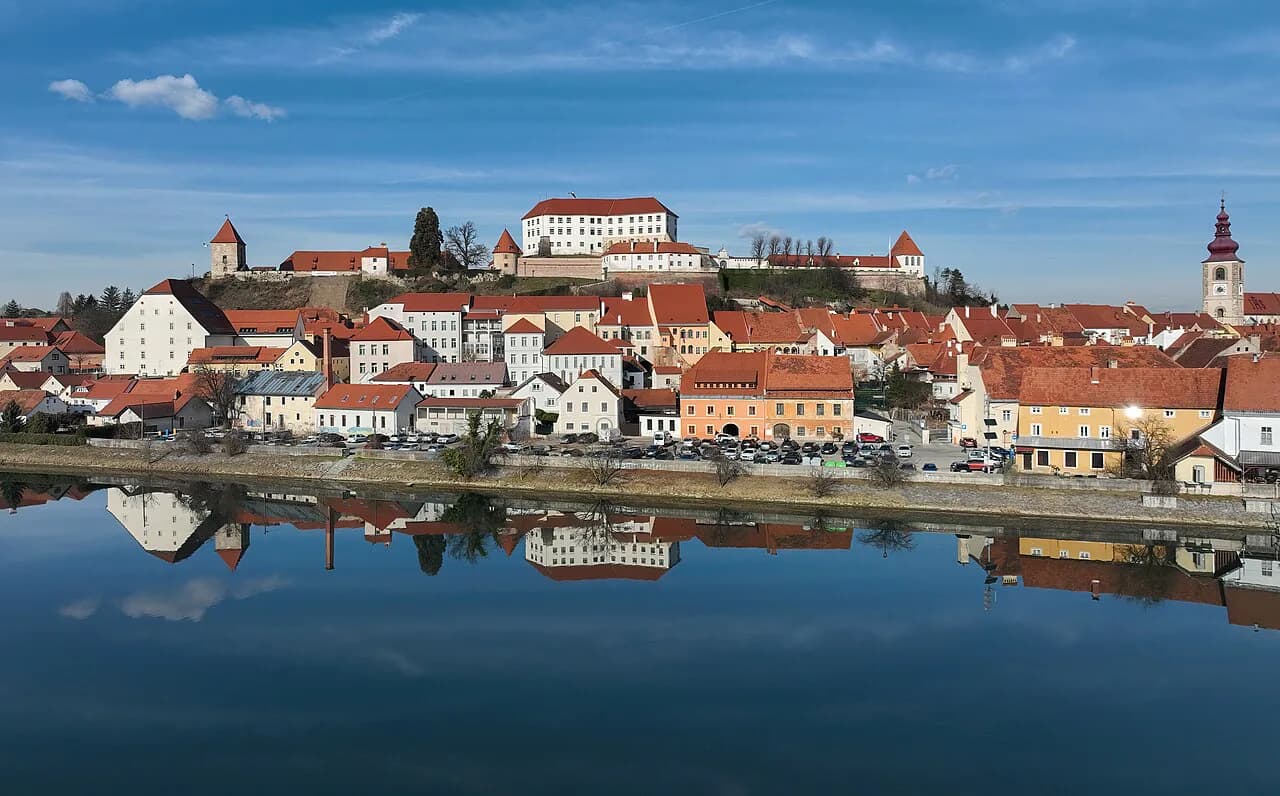
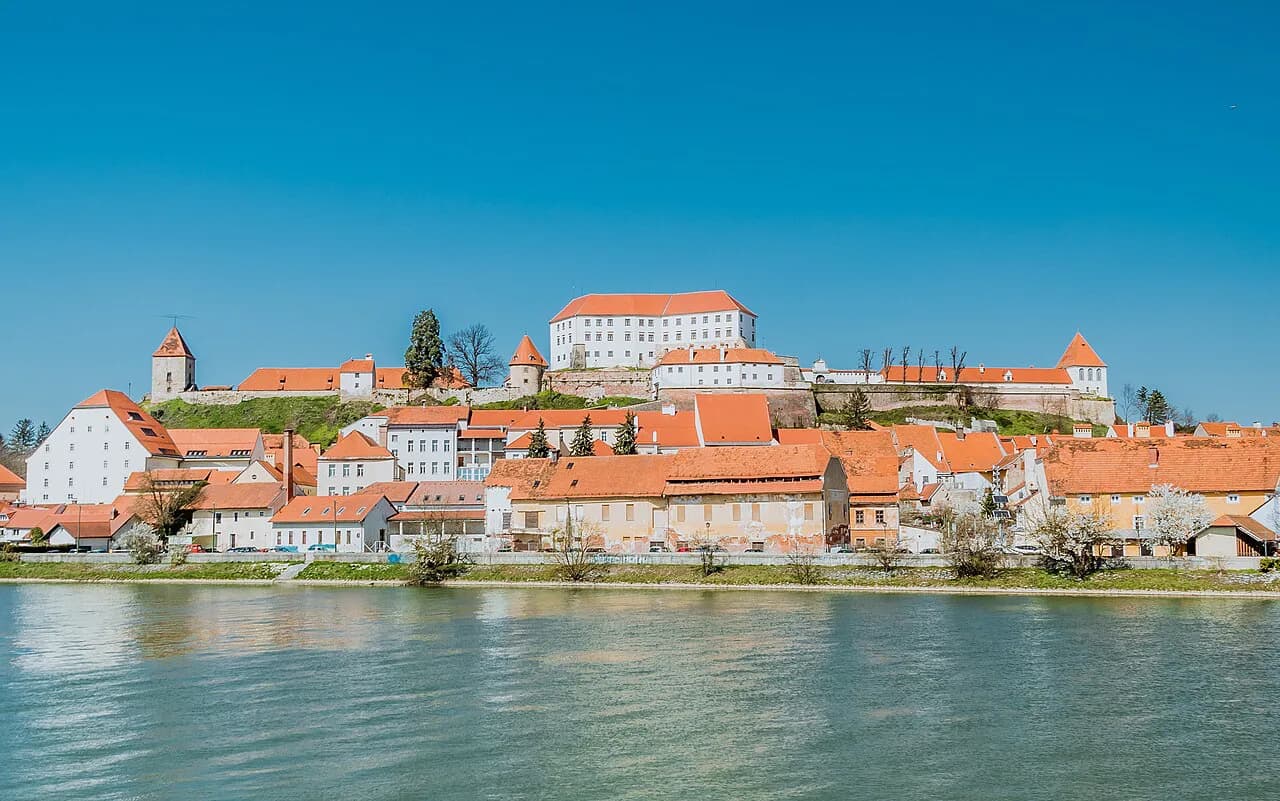
Roman Ptuj fits neatly around the old town you will already walk. The Orpheus Monument, the Povoden Museum on Slovenski trg and the built-in reliefs on Prešernova ulica sit in the core, so thread them through a morning in the center rather than scheduling a separate Roman day. The old town is compact enough that the monuments come up between other stops.
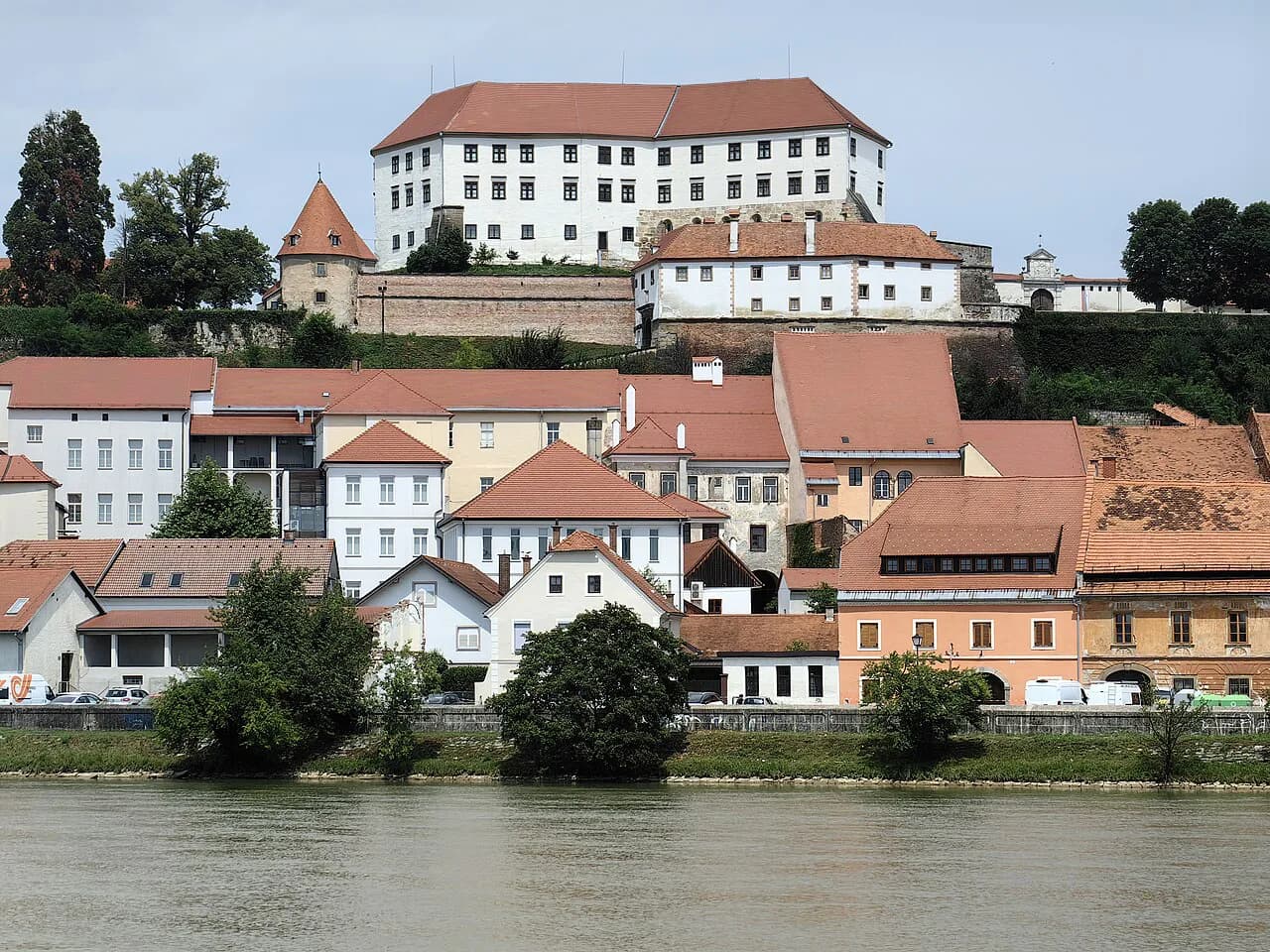
Ptuj Castle is the other natural pairing, since the park's own list includes the castle alongside the archaeological material. Leave the shrines, the lapidarium and the kilns for a second pass if your time is short, because they sit further out or indoors. If you are working from a shortlist, the Ptuj Attractions: 4 Visitor Guides hub sets the Roman stops beside the rest of the town.
Where to start if you have limited time in Ptuj
With a couple of hours, do the center on foot: the Orpheus Monument first, then the built-in reliefs and the stone lion on Prešernova ulica, then the Povoden Museum on Slovenski trg. That sequence keeps you in the old town and covers the monuments in their original settings plus one indoor collection. Add Panorama only if you want the hill and the former street lines.
With a full day, add the Mithras shrines, the Roman road, the open-air lapidarium and the kilns, and treat the park's list as your checklist. The park itself is the place to confirm which stops are open to visitors and whether a guided tour is running, so check the individual entries before you set out. That one check saves you from walking to a display that is closed or a shrine that sits behind a locked door.
Should Poetovio be on your Ptuj shortlist?
Yes, if you like reading a town through its stone. Poetovio is not a single site you pay to enter; it is a set of street monuments, hilltop traces, shrines and museum pieces that you assemble into a walk. Travelers who want one tidy exhibit will find the spread frustrating, while those who enjoy spotting a Roman relief in a courtyard wall will get more from Ptuj than they expected.
Plan the Roman stops around the center rather than as a separate day, confirm the current state of each site with the park's own listings, and leave the shrines and lapidarium for a longer stay. Then fill the rest of the day with the old town and the castle, which is how most visitors end up seeing Roman Ptuj without trying.
Explore more Ptuj guides
Sources
Notes for your Slovenia trip
Optional updates to our Slovenia place guides.
You might also like
Continue reading
More guides you'll find useful