Ptuj Old Town: Squares, Castle and Monuments to See
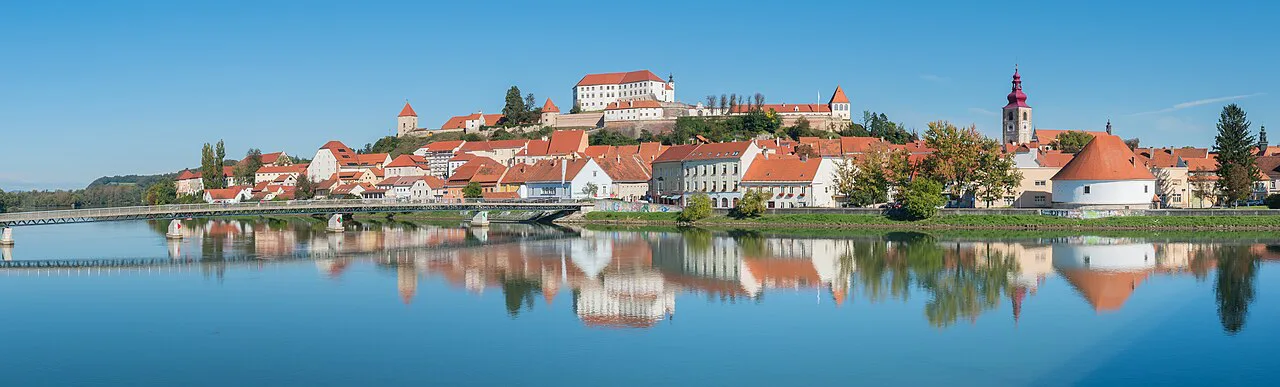
Ptuj old town packs Slovenski trg, Mestni trg, the Orpheus Monument, the City Tower and Ptuj Castle into one walkable core above the Drava River.
On this page
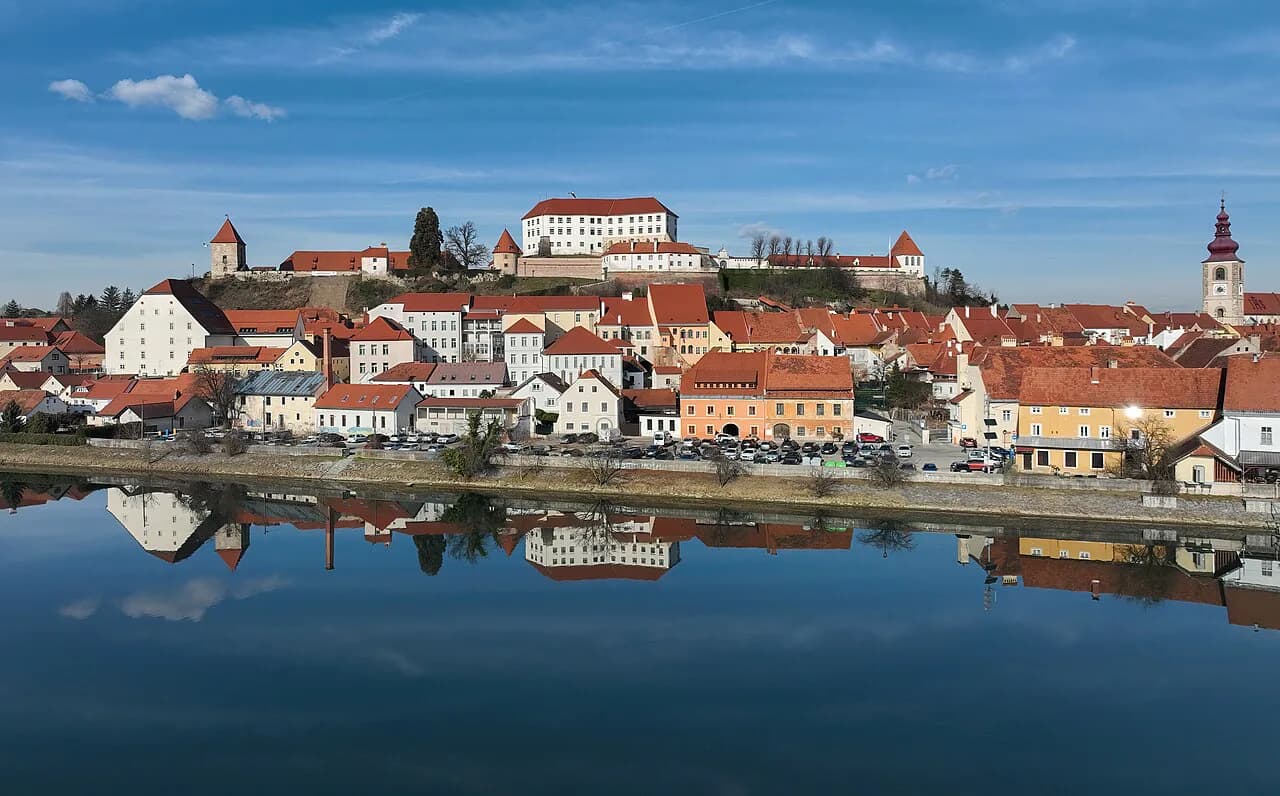
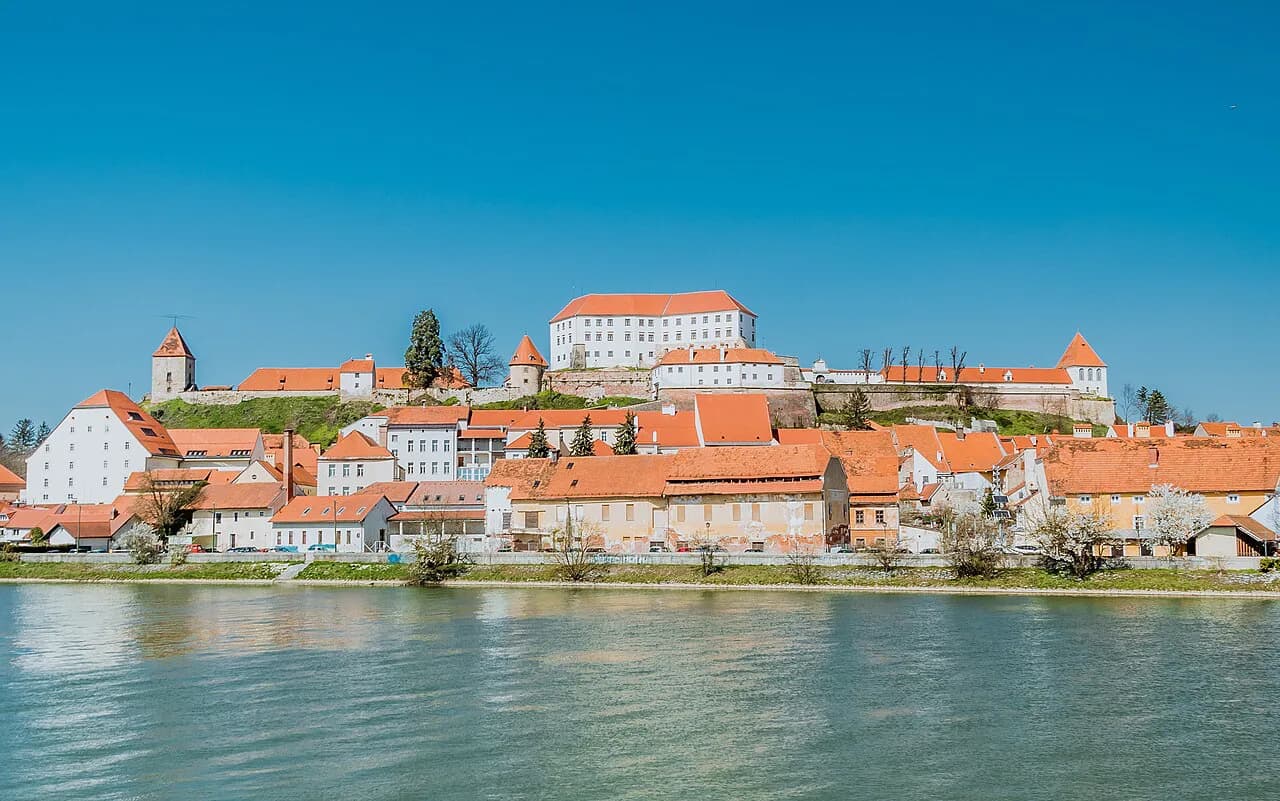
Ptuj old town fills a compact core between the Drava River embankment and the castle ridge above it, and a half day covers it comfortably on foot. Walk it in one direction: riverside first, then the squares, then the climb to Ptuj Castle. This guide lays out that route, names the monuments you pass on the way, and explains what the castle and the two monasteries add if you give them time.
Ptuj is described as the oldest Slovenian town, and the Slovenian Tourist Board reports it was named Best Cultural Heritage Town in Europe 2026, a label that fits a core where Roman stonework stands a few steps from Gothic church interiors.
How the old town is laid out
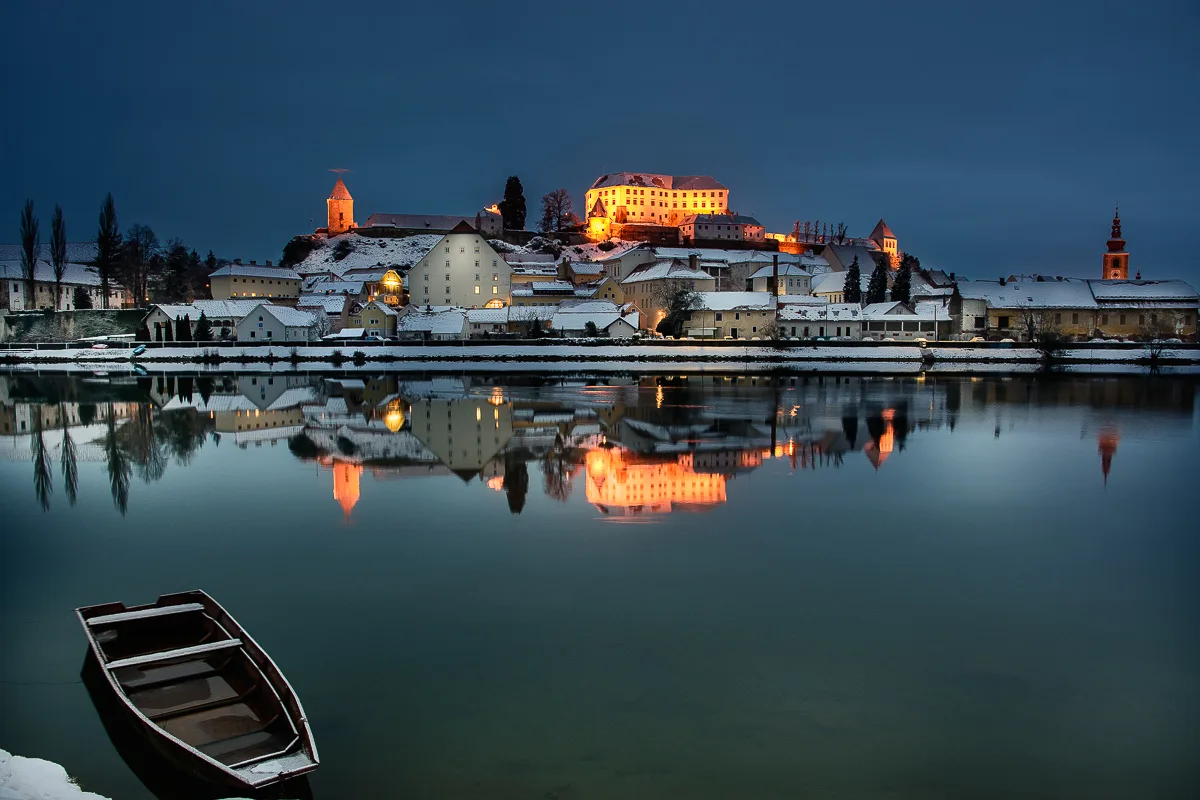
Think of Ptuj in three horizontal layers. The Drava embankment sits at the bottom, Slovenski trg and Mestni trg form the everyday middle, and the castle ridge anchors everything from above. Moving between water and height is the clearest way to read the town, because the views open gradually as you climb rather than arriving all at once.
The distances are short enough that you never need transport inside the core. Start on the riverfront near the main bridge, drift uphill through the lanes, and finish on the castle terrace; the whole loop is a walk of a few hours at an easy pace, with café stops doing most of the lengthening.
Ptuj sits in eastern Slovenia on the Drava plain, close to the Hungarian border, and the region runs cold in winter, so the walking loop is most comfortable outside the coldest months.
Start at Slovenski trg: the City Tower and the Orpheus Monument
Slovenski trg is the natural first square, and the City Tower rising from it is the town's most recognizable landmark after the castle. The tower's base holds the Povoden Museum, a collection of stone memorials that includes tombstones, urns, votive reliefs and carved slabs, so the stop doubles as a primer on Roman Poetovio before you meet its bigger monuments outside.
At the foot of the tower stands the Orpheus Monument, a five-meter marble monolith raised in the 2nd century AD to honor Marcus Valerius Verus, the mayor of Poetovio. It carries scenes from the myth of Orpheus and was later used as the town pillory in the Middle Ages, which left the inscription badly damaged. Slovenia.si calls it the oldest public monument in Slovenia, and it still stands where the Romans raised it.
Treat the square as a place to slow down rather than tick off. The tower, the monument and the surrounding façades sit within a few paces of each other, so ten minutes of standing still tells you more than a fast circuit.
Mestni trg and the lanes around it
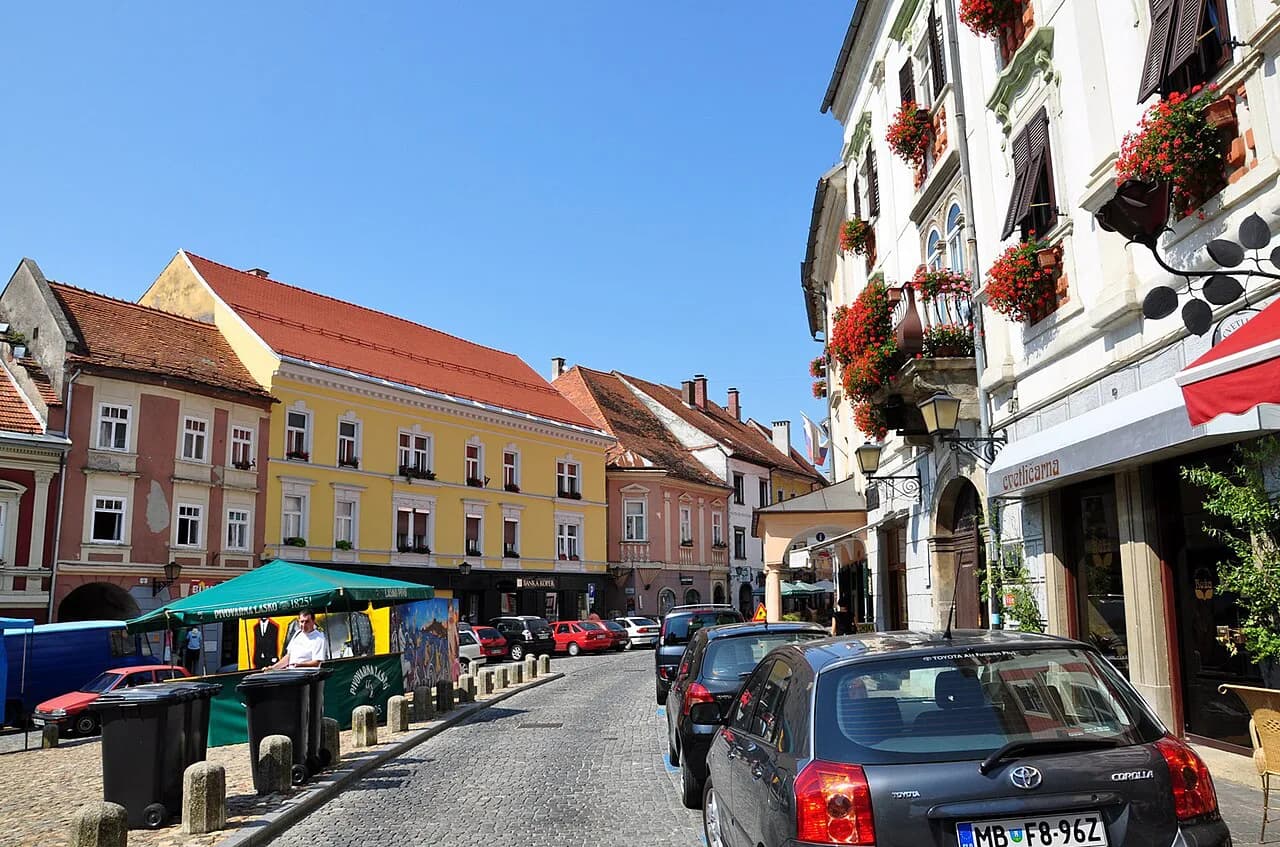
Mestni trg and Slovenski trg connect to form the town's everyday center, an open, calm space framed by church towers and pastel façades. There is no grand gesture here; the pleasure is in the proportions, the arcades and the way ordinary town life continues around the monuments.
From the squares, let the lanes pull you uphill toward the castle rather than following a fixed itinerary. The streets are compact and the castle silhouette keeps you oriented, so a detour costs minutes and usually turns up another stretch of old façade or a quiet courtyard.
Ptuj rewards this kind of slow wandering more than a checklist. If your time is tight, the practical move is to pick the castle or the monastery quarter as your one interior visit and leave the rest of the core as walking.
Ptuj Castle: the climb, the terrace and the collections
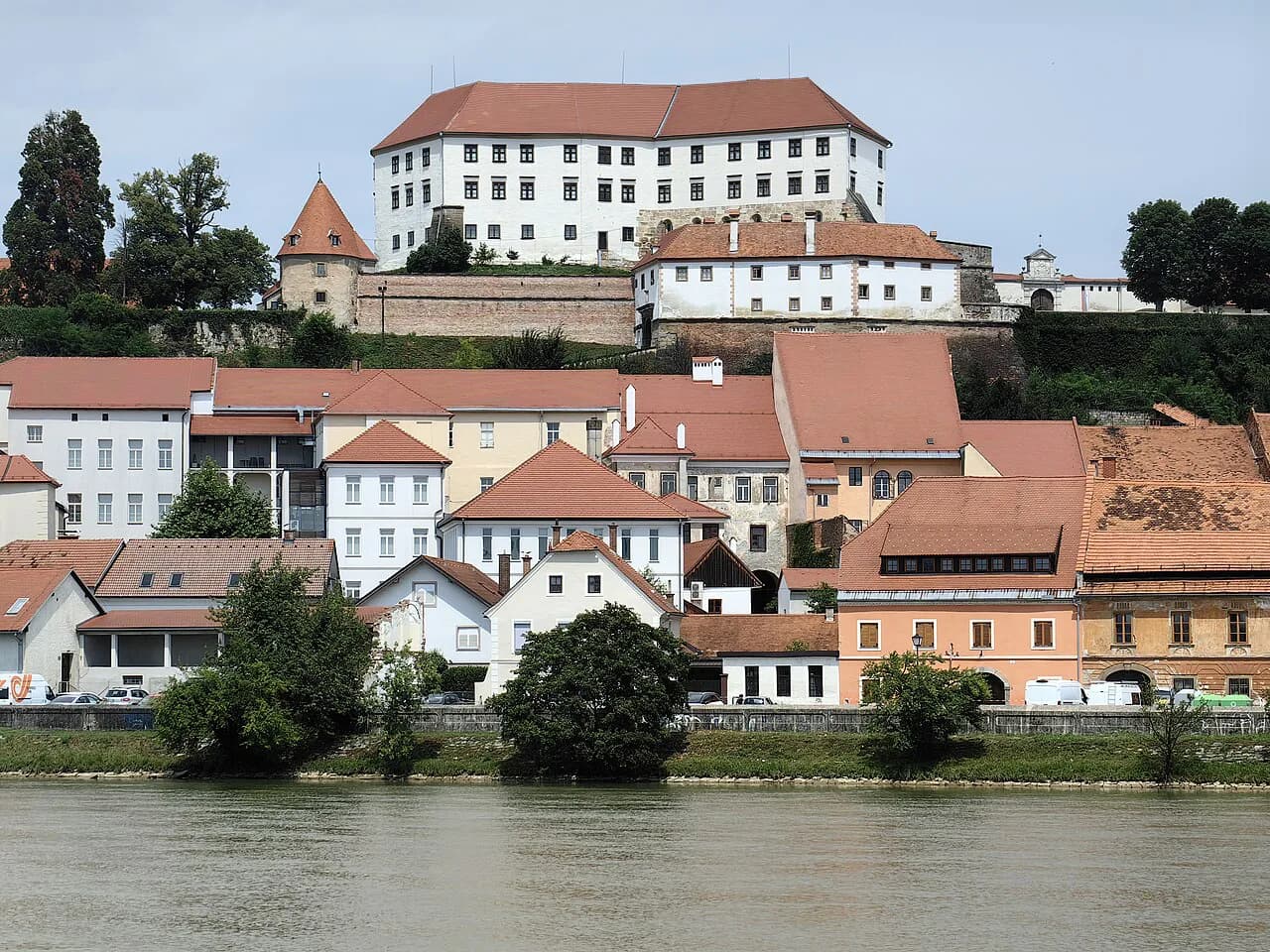
The climb through the old town ends at Ptuj Castle, where the terrace opens the layout of the town below: the river bend, the tiled roofs in between and the vineyard hills beyond. That view alone justifies the walk up, and it is the reason to time your arrival for late afternoon light rather than midday.
Inside, the regional museum at Ptuj Castle holds a collection of nearly 350 musical instruments that ranks among the most comprehensive of its kind in this part of Europe. Highlights include a Roman tibia from the 2nd or 3rd century, a lute made by Andreas Berr in 1694, Renaissance zithers, violins and preserved Baroque organ parts, spanning antiquity to the late Baroque.
A weapons hall on the ground floor displays medieval and Renaissance arms and armor, with helmets, breastplates and polearms. Between the terrace and the collections, the castle is where most visitors spend the largest block of their old-town time, so decide on arrival whether you are there for the view, the museum or both.
The Minorite and Dominican monastery quarter
The streets around the Minorite Monastery feel slightly removed from the center, with long walls, quiet corners and passages that slow the pace. The monastery was founded in the 13th century, blends early Gothic architecture with later Baroque additions, and, after severe WWII damage, was fully restored; it remains a site of heritage, music and learning. Its highlights include the Gothic Ptuj Madonna, Baroque altars, an ornate 17th-century refectorium and a historic library of 5,000 volumes.
Just steps from the Orpheus Monument stands the Dominican Monastery, founded in the 13th century and combining Gothic, Renaissance and Baroque elements. Its cloister walls carry three centuries of frescoes, and the complex holds a lapidarium, a numismatic collection and a reconstruction of Mithraeum II, with a collection of Roman inscriptions among the finest in the country.
St. George's Church, with its ribbed vaults, central nave and richly decorated main altar under tall stained-glass windows, sits in the same compact core and is worth a look as you pass between the squares and the monasteries.
How long the old town takes
Plan a half day for the river-to-castle loop, and a full day if you want both the castle collections and the monastery interiors. The route itself is short; the time goes into the stops, and the most common mistake is to book too little time for the castle museum and too much for the walk between the squares.
A sensible sequence runs: embankment and main bridge in the morning, Slovenski trg and Mestni trg late morning, the climb to the castle early afternoon, and the monastery quarter on the way back down. End at the river, where the rooftops and castle walls reflect in the water, or cross toward the Haloze hills if the day is still going.
When the walking is done, the town's food is part of the visit rather than an afterthought, and the dining options around the core are worth planning around.
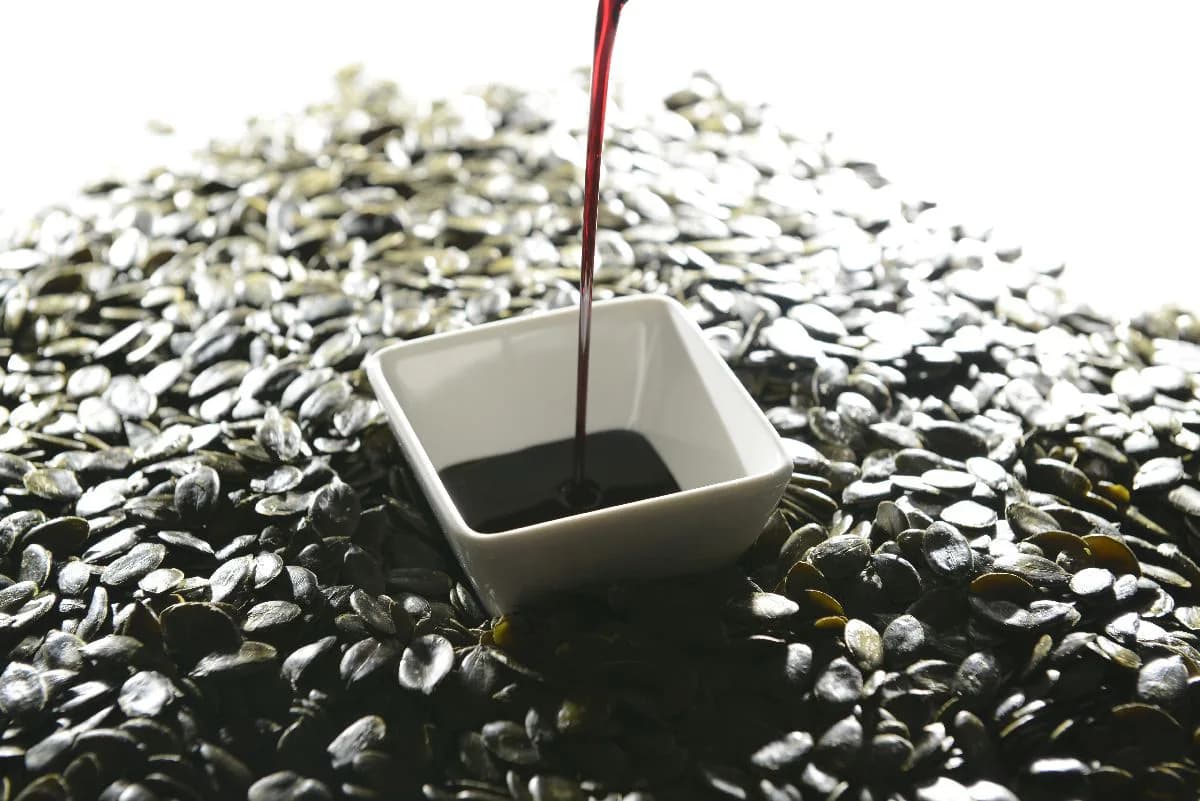
Outside the old town, the Drava plain and the hills beyond open into wine country, which shapes what shows up on local tables, including dishes built on Styrian pumpkin seed oil.
Where the old town ends and the day continues
Ptuj old town works best as a single unhurried loop: river first, squares second, castle third, monasteries on the way down. Give the castle museum real time, keep the walking between sights loose, and the compact core holds up for a half day or a full one depending on how many interiors you take in.
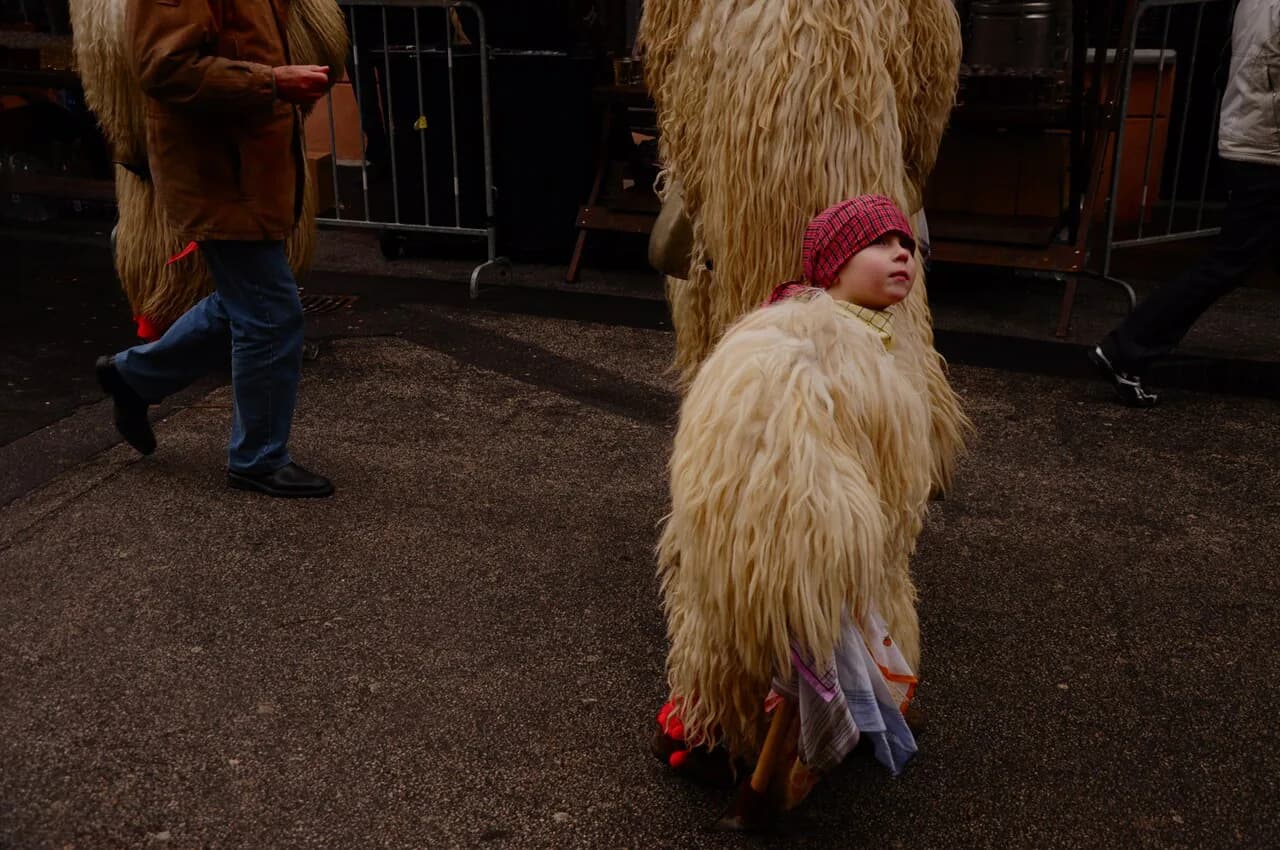
Beyond the core, Ptuj's calendar fills with events, including the carnival season around kurentovanje, when the town's character shifts and the old streets become a stage.
Frequently Asked Questions
How do you pronounce Ptuj?
Say it roughly like "tooie," with the sounds run together rather than split into two clear syllables.
Do you need a car to see Ptuj old town?
No. The squares, the Orpheus Monument, the monasteries and the climb to the castle all sit within walking distance of each other, so a car is only useful for what comes before or after the old town.
Sources
Notes for your Slovenia trip
Optional updates to our Slovenia place guides.
You might also like
Continue reading
More guides you'll find useful