
Podkoren: The Alpine Village Next to Kranjska Gora

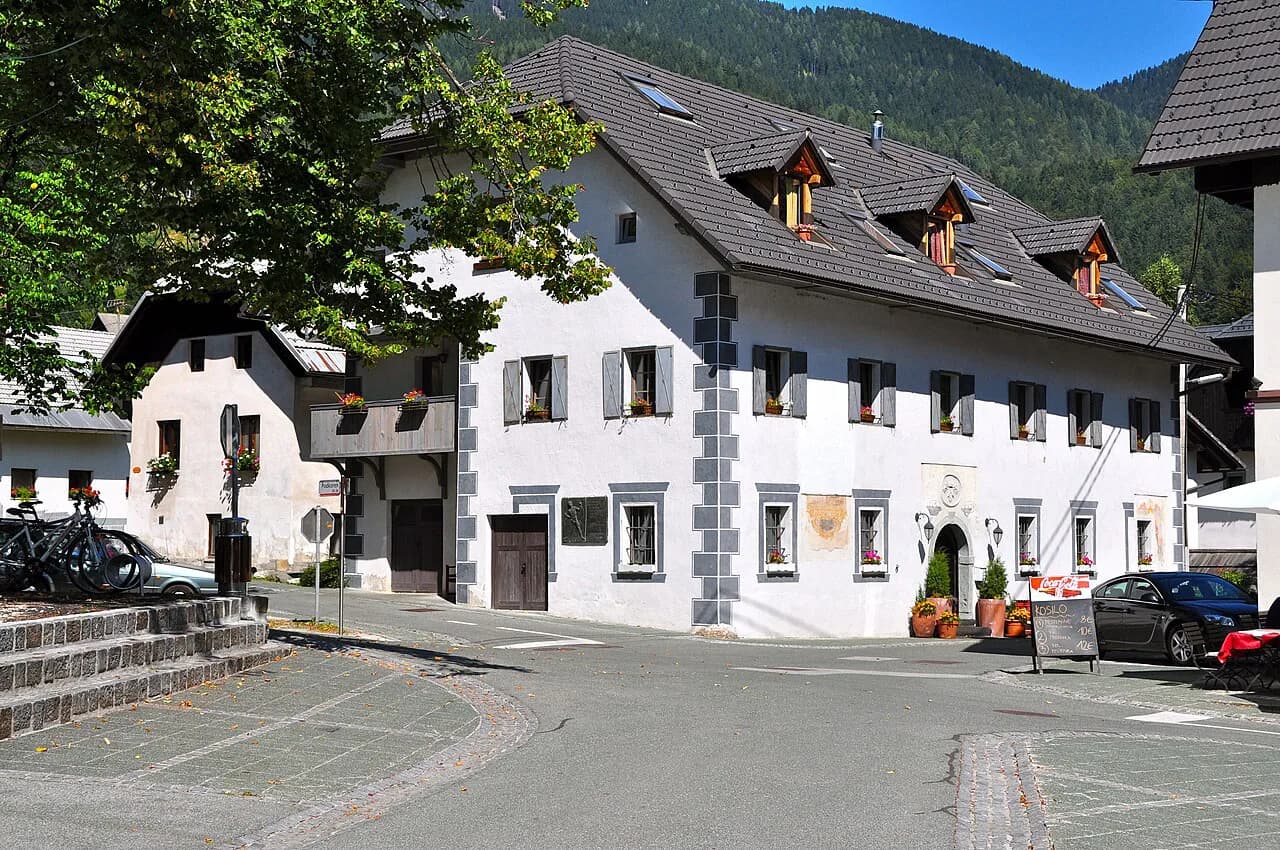
Podkoren is a small, still independent Alpine settlement above the left bank of the Sava River in the Municipality of Kranjska Gora, best used as a quieter base beside a larger resort town. Its draw is architecture and position rather than attractions: a clustered core of farmhouses from the 17th century, a chairlift on the Kranjska Gora ski hill, and a location on the old road over the Korensko Pass. This guide covers what the village core looks like, how it relates to Kranjska Gora, how to reach it, and who will and will not enjoy staying here.
Where Podkoren sits in the Upper Sava Valley
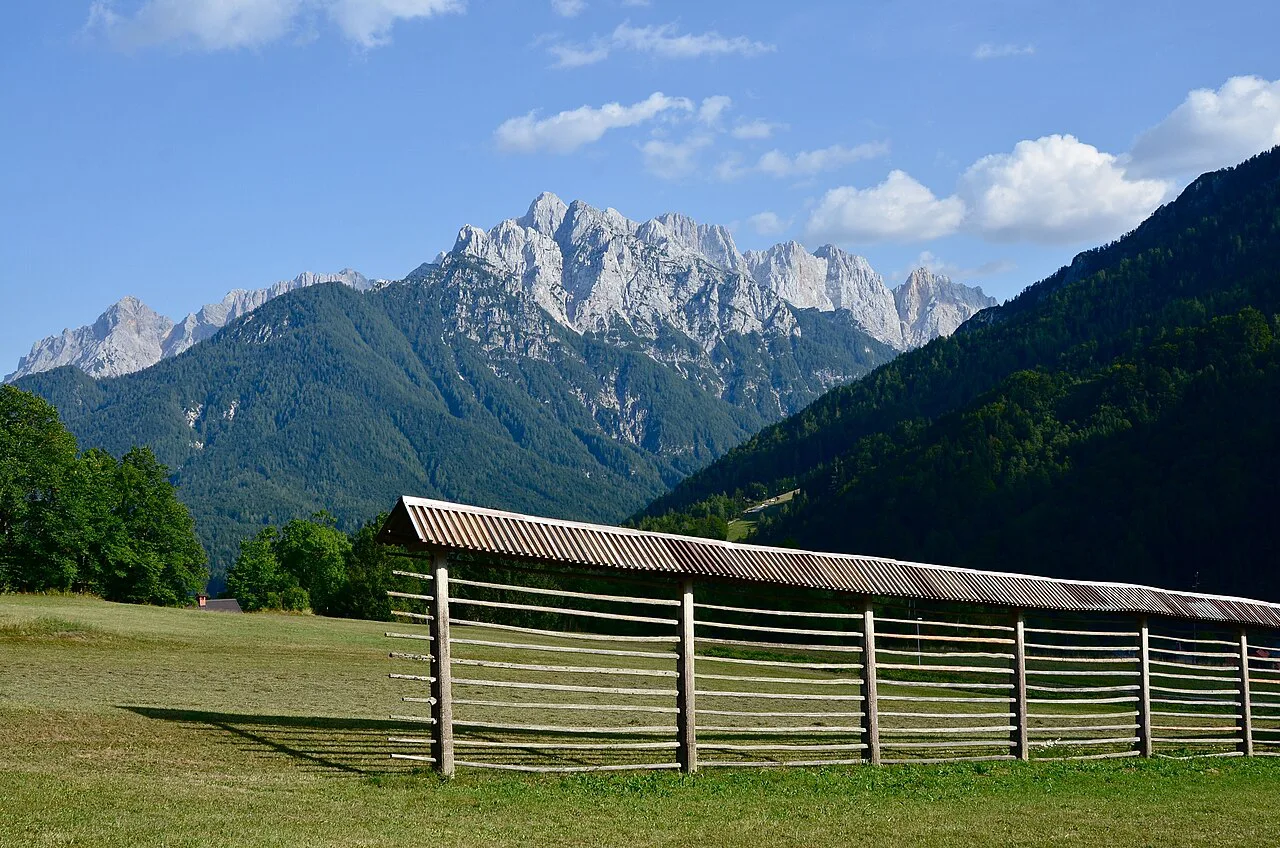
The village lies in the northwestern corner of Upper Carniola, in the Municipality of Kranjska Gora, as a scattered settlement with a tight cluster of houses at its center. That core sits above the left bank of the Sava River, which is why the valley views open up as you walk through rather than before you arrive. For the wider layout of the valley and its villages, the Kranjska Gora Neighborhoods: 4 Area Guides map out how the pieces fit together.
Podkoren has its own identity rather than functioning as a suburb. The local tourist organization describes it as a lovely scattered settlement with a clustered core that has stayed very independent, even though both Podkoren and Kranjska Gora see more visitors during the annual Alpine Ski World Cup. That independence is part of what makes it appealing as a base: you get village character and still reach town services quickly.

How Podkoren relates to Kranjska Gora
Kranjska Gora is the service town next door, and Podkoren borrows from it. Expect shops, restaurants, and the wider lift network in Kranjska Gora rather than in the village itself, and plan on moving between the two. If you want dinner and a drink on your doorstep without a drive or bus ride, this is not the right base.
The two places share a spotlight without merging. The annual Alpine Ski World Cup brings more tourism to both Podkoren and Kranjska Gora, yet Podkoren keeps its own farmhouse core and its own name on the map. For travelers, that means you can stay somewhere calm and still be part of the resort area.

Getting there and getting around
Podkoren grew up on a road. A paved medieval road ran through the village and carried the postal carriage, and before the Karavanke tunnel opened, the route over the Korensko Pass was the main traffic connection with Central and Northern Europe. That history explains why the village feels like a through-place strung along a road rather than a square.
From Kranjska Gora the hop is short. Route aggregators estimate a bus ride of roughly five minutes between Podkoren and Kranjska Gora, with fares in the low single-digit euro range, so a car is not essential for the transfer. Treat those figures as estimates and confirm the current timetable with the operator before relying on a specific departure, especially in winter.
Winter is the variable to plan around. The village sits on the pass road, so snow and ice can slow the approach from either direction; build slack into arrival times rather than booking a tight connection. Once in the village, walking is the sensible way to see the core.
The village core and its farmhouses
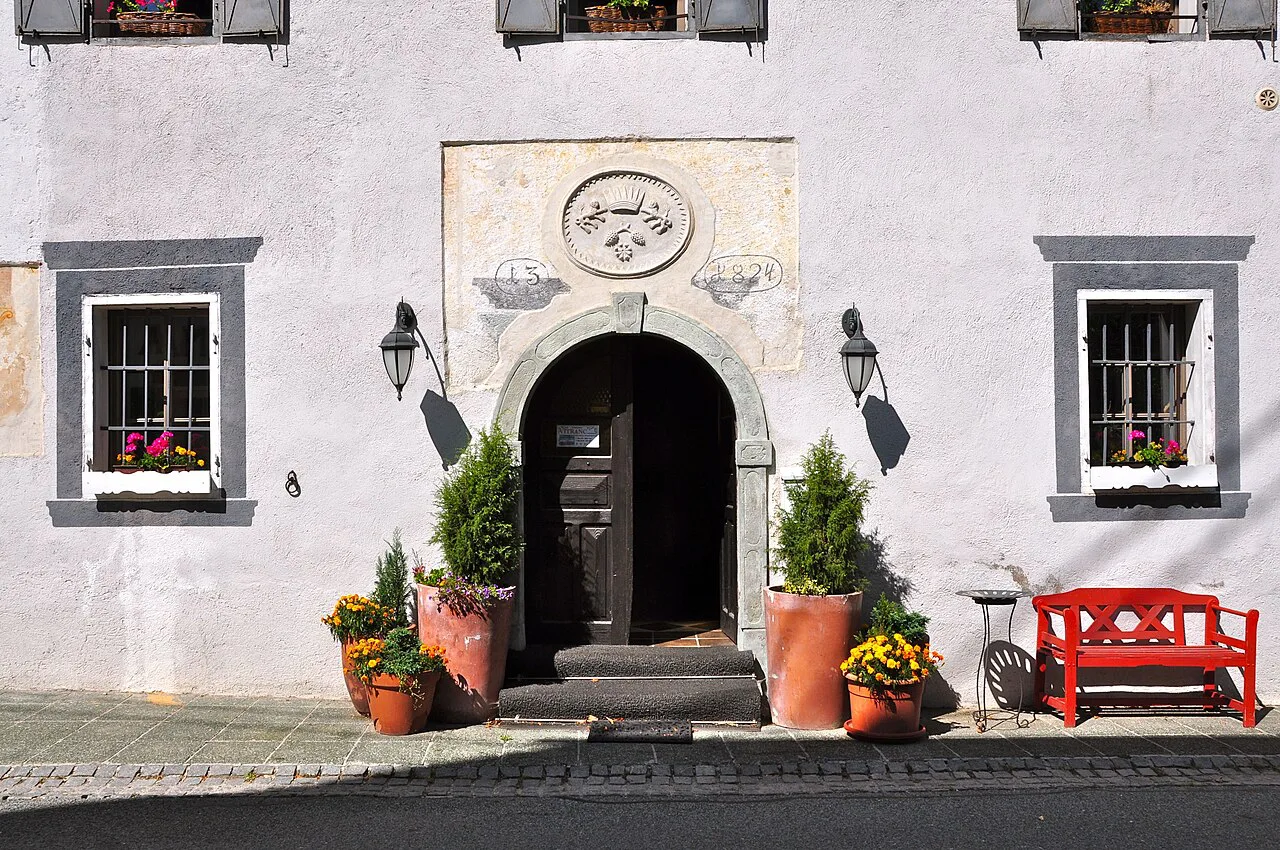
Look for the building form, not individual sights. Several farmhouses from the 17th century survive in the main part of the village, built in the typical Alpine style: stone at the bottom, timber above, and shingled roofs. Once you know the pattern, the older houses stand out clearly from later construction.
Give the core a slow half-hour and then extend the walk toward the riverbank for the valley view. This is a place to look at walls, roofs, and the way houses sit against the slope, not to tick off monuments. Bring a camera for the architecture rather than for a single landmark.
Parkeljni and the village's festive side
Podkoren has an unusual claim to local color: it hosts a meeting of the mythical Parkeljni, or Krampus figures, drawn from three lands, alongside one of the most famous festivities of the Upper Sava area. Ask locally for the current arrangement rather than planning around a date you found elsewhere.
If masks and folk custom interest you, this is a reason to keep an eye on local notices while you are in the valley. Otherwise it is background color that shapes how the village presents itself.
The Podkoren chairlift and the ski hill
Above the village, the Podkoren chairlift is a fixed-grip four-person lift built in 2004 and manufactured by Doppelmayr, listed within the Kranjska Gora ski area. It is one lift in a larger network rather than a standalone hill. Check the resort's own information for whether it is running and for snow conditions before you count on it.
For skiers, the appeal of basing here is proximity to the lifts with village quiet after the day ends. Ski passes, season dates, and lift hours should be confirmed directly with the operator, since they vary through the winter.
Who Podkoren suits, and who it does not
Podkoren suits travelers who want a calm Alpine base, plan to ski or walk in the valley, and are happy to move to Kranjska Gora for meals and shops. It also suits anyone curious about Alpine building traditions, since the farmhouse core rewards an unhurried look.
It suits less well if you want restaurants, bars, and services within a few steps of your bed, or if you are traveling without a car and depend on frequent buses. In that case, staying in Kranjska Gora itself is the more practical choice.
Where to eat and stay
Eating in Podkoren leans on Kranjska Gora. The tourist organization runs a booking and information service for the wider area, and the town next door is where the bulk of shops and restaurants sit, so plan your main meals in Kranjska Gora and keep breakfast and snacks at your lodging. Ask your host what is open nearby in the season you are visiting.
For beds, the local tourist organization maintains a booking service for the Kranjska Gora area where you can search current availability. Reserve early if your trip overlaps the Alpine Ski World Cup period, when the whole valley fills. Major booking sites also list properties under both Podkoren and Kranjska Gora.
What is within walking distance
Kranjska Gora and its services are a short trip away by bus or car. The village itself gives you the farmhouse core, the riverbank, and the lift base without needing wheels.
Kranjska Gora marks the service end of the valley, and the villages come one after another along the Sava corridor: Gozd Martuljek lies in the same municipality down the valley, while Podkoren sits above the left bank of the Sava near Rateče and the Korensko Pass. If you plan to cross toward Italy or Austria, Rateče: An Alpine Village at the Corner of Slovenia is the natural next stop.
Should you base yourself in Podkoren?
Choose Podkoren if you want Alpine village quiet, older farmhouse architecture on your doorstep, and quick access to the Kranjska Gora ski hill, and if you do not mind traveling into town for meals and shops. Choose Kranjska Gora instead if you want everything within a few minutes' walk.
Before you go, confirm two practical points: the current bus times between the village and Kranjska Gora, and whether the Podkoren chairlift is operating during your dates. Both are published by the relevant operators and are worth a quick check the week you travel.
Explore more Kranjska Gora guides
Frequently Asked Questions
Is Podkoren part of Kranjska Gora?
Podkoren is a separate village in the Municipality of Kranjska Gora. It sits above the left bank of the Sava River and keeps its own clustered core and identity, while drawing on Kranjska Gora for shops, restaurants, and the wider lift network.
How long do you need in Podkoren?
An hour on foot covers the farmhouse core and a walk to the riverbank. Add time if you plan to ski or use the valley as a base for several days.
Do you need a car in Podkoren?
A car makes life easier, especially in winter, but a bus connects the village to Kranjska Gora in a few minutes. Confirm current departures with the operator before you rely on a specific time.
What is there to see in Podkoren?
The main draw is the village core, where several 17th-century farmhouses built in Alpine style survive, plus the position above the Sava and the chairlift base above the village.