Kranjska Gora: What to See, Where to Walk, and How to Get Around
Plan Kranjska Gora without the ski-brochure gloss: the village layout, Lake Jasna, the Vršič road, Zelenci, Planica, and arriving by car, train, or bus.
On this page
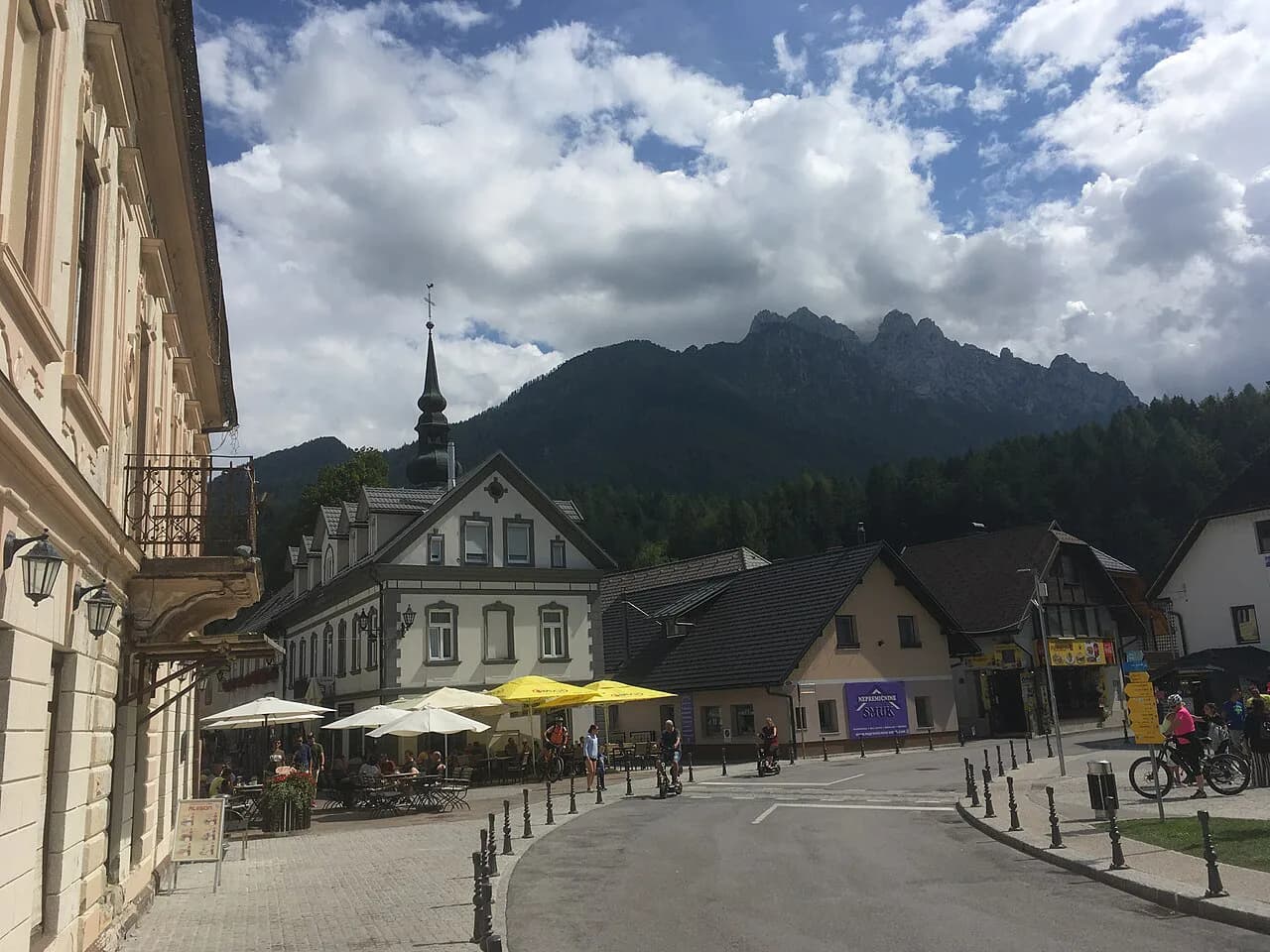
Kranjska Gora works best as a compact base in Slovenia's Upper Sava Valley: a walkable alpine village with Lake Jasna, Planica, and the surrounding villages within a short drive. Give the village itself an hour on foot, then use it as the starting point for Lake Jasna, the Vršič Pass road, Zelenci, and the villages of Podkoren, Rateče, Mojstrana, and Dovje. This guide covers how the town is laid out, how to reach it by car, train, or bus, and how to decide whether to park once or move the car between stops.
The trade-off is simple: leave the car in Kranjska Gora and you get an easy walking center with restaurants and shops; keep it and you can reach Lake Jasna, Planica, and the villages without waiting on a bus. Plan the day around your own wheels or the arrival bus, since the outlying stops are spread along the valley roads. The Vršič Pass road counts as a seasonal mountain route rather than a year-round shortcut.
Kranjska Gora at a Glance
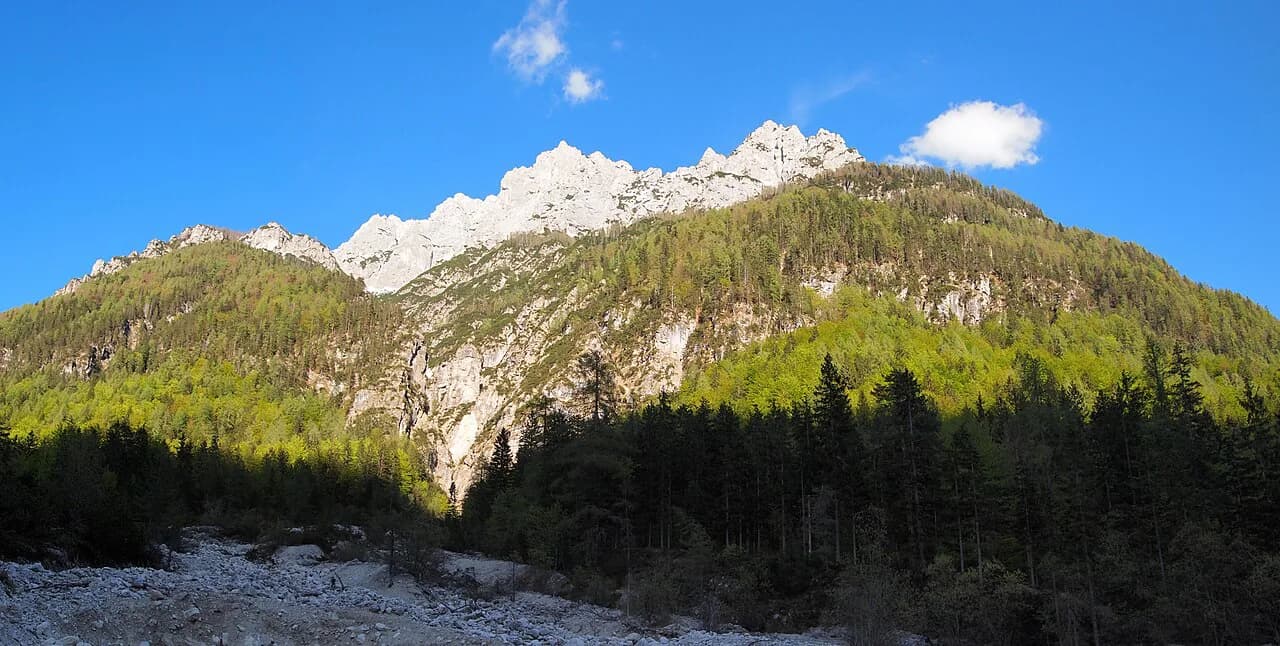
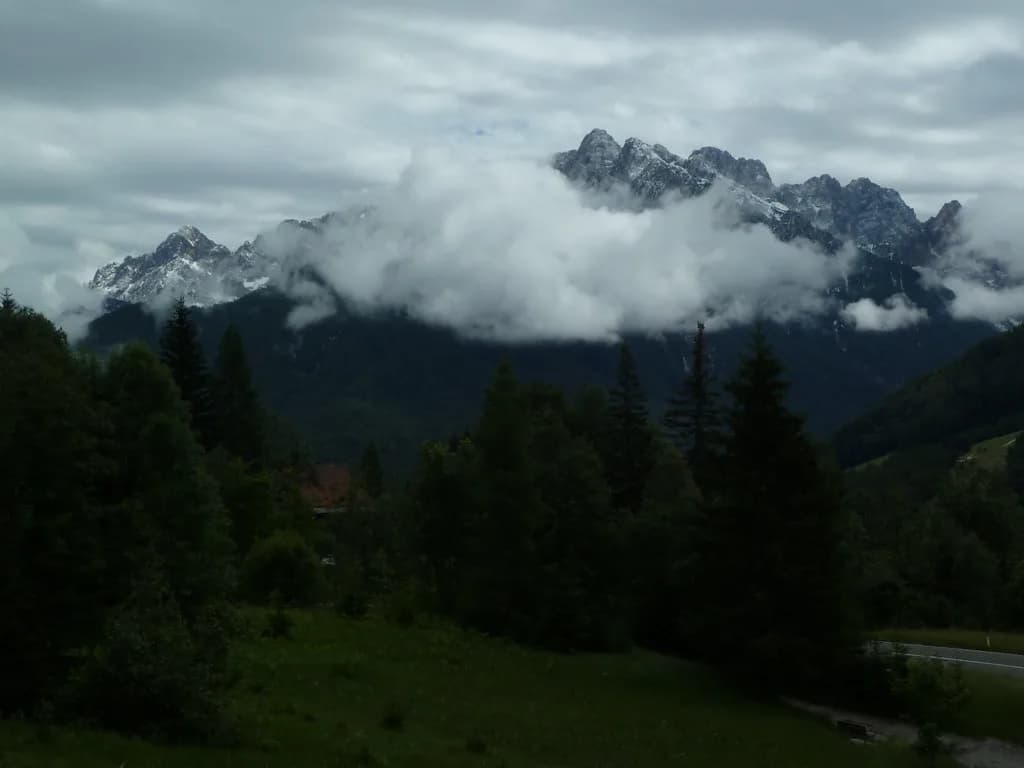
Kranjska Gora sits in northwest Slovenia at the point where Slovenia, Italy, and Austria meet, in the Upper Sava Valley beneath the Julian Alps and the Karavanke range. The tourist office calls it a lively Julian Alps destination for active holidays, quiet nature, and cultural heritage, and the national tourism board lists it among Alpine Slovenia's mountain destinations. The town is a small alpine village, with the mountain scenery doing most of the visual work.
The village core is walkable, and the surrounding villages keep traditional Gorenjska farmhouse architecture: Podkoren, Rateče, Mojstrana, and Dovje are all named as places worth a stop. Planica, the ski-jumping venue, sits a few kilometers away and is described as a major sporting center in the region. Skiing dominates winter, but this guide treats the town as a summer and off-season base, not a ski guide.
Getting to Kranjska Gora
By car, the approach runs from Ljubljana through Kranj and Jesenice on the main road into the Upper Sava Valley. From Austria, the A2 motorway brings you close to the border before the road drops into town. The town's layout rewards arriving by car if you plan to see Lake Jasna, Planica, Zelenci, and the villages on the same day, because each sits outside the walkable center.
By train, the nearest station is Jesenice, roughly 18 km (about 15 miles) from Kranjska Gora, so the rail leg ends with a bus or taxi ride. Bus services reach the town from Ljubljana, Villach, and Trieste; confirm current routes and times with the operator before relying on them. If you arrive without a car, plan on covering the village core on foot and treating Lake Jasna and Planica as an out-and-back on foot or by local transport.
Getting Around Without a Car
The village center covers a compact grid of streets, so you can walk from one end to the other in a short time and reach restaurants and shops on foot. That makes a car-free day workable if you stay in town and keep your ambitions to the village and Lake Jasna. the Kranjska Gora map shows how the streets, the lake, and the surrounding roads connect, which helps when you decide what to walk and what to drive.
For anything beyond the center, wheels matter. Lake Jasna sits just outside town, Planica a few kilometers away, and Podkoren, Rateče, Mojstrana, and Dovje each require a drive or a longer walk. Without a car, pick one outlying stop per day and return to the village rather than trying to chain several. The wider destination area includes the Karavanke side and the valley roads, and a map view makes those distances clearer than a list of names.
What to See in and Around the Village
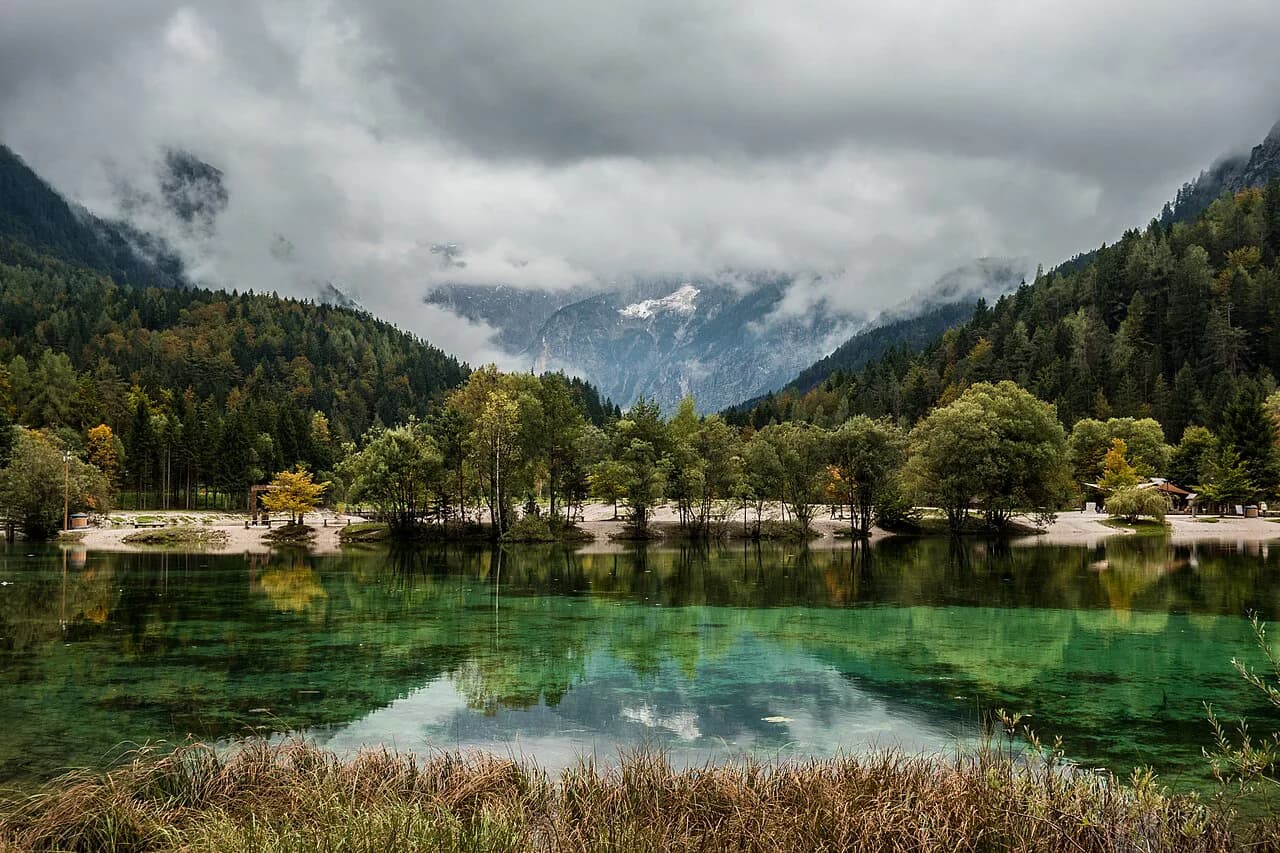
Lake Jasna is the closest outlying stop to the village, a small alpine lake with clear reflections and mountain views, which the travel guide material names as a main natural attraction. Planica, the ski-jumping venue, sits a few kilometers away and is the other anchor point on the town's edge. Both work as short visits rather than half-day outings, so pair them with a walk through the village.
The villages around Kranjska Gora reward a slow drive: Podkoren, Rateče, Mojstrana, and Dovje each center on traditional farmhouses and local inns, and the tourist office describes Dovje–Mojstrana as a mountain village where tradition, nature, and mountaineering meet beneath the Julian Alps. Rateče is the starting point for the Tromeja walk to the triple border. String the villages into a loop and give each one a short stop rather than treating them as destinations in themselves.
The Vršič Pass Road and the Russian Chapel
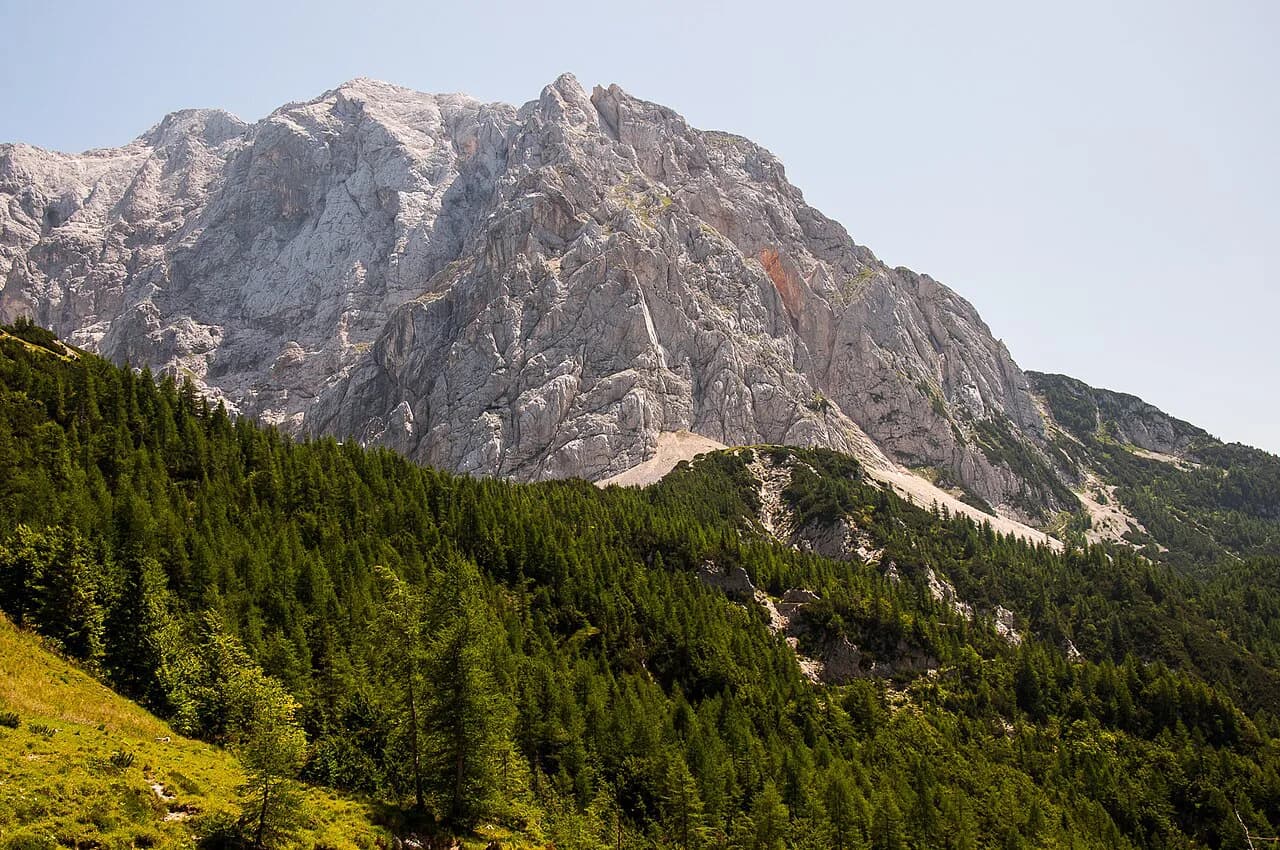
The Vršič Pass road climbs from the Kranjska Gora side into the Julian Alps toward the Soča Valley, and it counts as a seasonal mountain route rather than a year-round shortcut. Drive it when the road is open for the season and conditions allow, and treat the Russian Chapel as a stop along the way rather than a separate trip. Mountain weather changes the picture, so confirm the road is passable before setting out.
The pass road is not a fast connector. It climbs through hairpins and exposes you to changing conditions, so plan it as a half-day outing with time to stop at viewpoints. If you want a slower approach to the Julian Alps, the pass road is the reason to keep a car in Kranjska Gora rather than relying on the village bus. Check the weather and the road status before you commit to the drive.
Zelenci and the Springs and Lakes Near Town
Zelenci, the spring-fed wetland near Rateče and Podkoren, sits on the same western side of town as the villages and works well as a short stop on a driving loop. Combine it with Lake Jasna and the villages rather than making a separate trip, because the distances between them are short. The natural attractions around town, including the serene lake and the surrounding peaks, are what the travel guide material points to first.
Peričnik Falls and Waterfalls Close to Kranjska Gora
Peričnik Falls sits in the Vrata valley area near Mojstrana and is named in travel accounts as a waterfall not to miss in the Triglav National Park region. Treat it as a drive-and-short-walk stop on the Mojstrana side of the valley rather than a hike from town. The national park's northern entrance lies near Kranjska Gora, and the park's trails, huts, and waterfalls are the reason many visitors keep a car here.
The Triple Border Point at Tromeja from Rateče
Tromeja, the point where Slovenia, Austria, and Italy meet, is reached by a walk up from Rateče. The walk climbs through Julian Alps views to the three-country border, which is the payoff; Rateče is the village to park in and start from.
Summer on Foot and by Bike
In summer Kranjska Gora turns into a base for walking, mountain biking, horse riding, and mountaineering, with marked trails and a mountain bike park in and around the village. This is a town where you can spend a morning on foot and an afternoon on a bike without moving the car far.
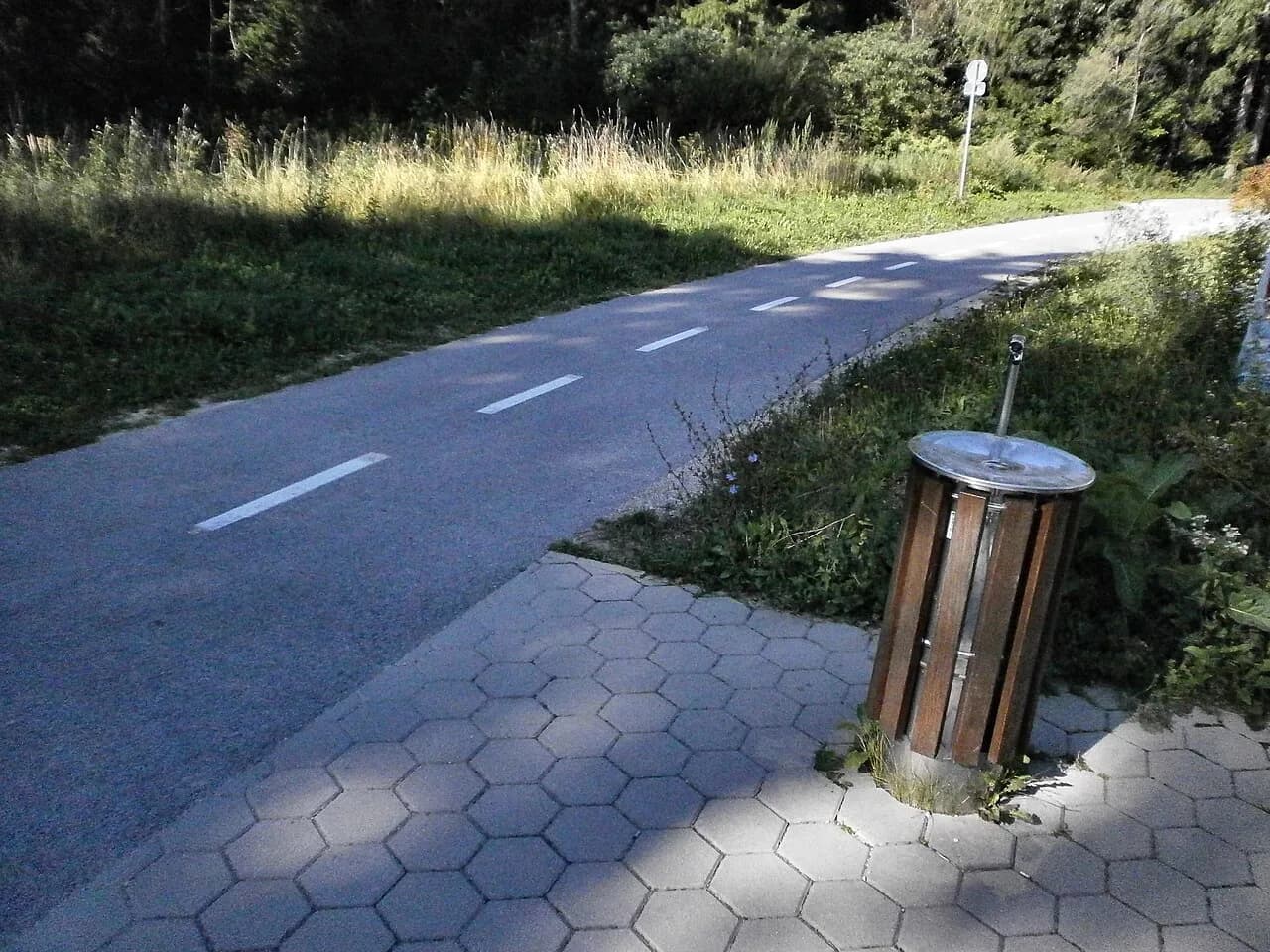
Cyclists use the valley roads and the mountain bike park as their base, and the Karavanke side offers loops across the range's lower slopes. If you plan to ride, build the day around one loop and keep the afternoon free for the village and Lake Jasna. The key decision is whether to ride from town or drive to a trailhead, and the routes close to town make riding from the center the simpler option.
For a wider view of what summer in town involves, from the lake to the trails, use the summer guide to match activities to the time you have. The town's summer calendar is built around outdoor activity rather than events, so the weather sets the schedule. Plan a wet-weather backup before you leave the village.
The Off-Season Version: Autumn and Rainy Days
Autumn brings shorter days, first snow on the highest peaks, and morning temperatures below zero in the valley, according to the tourist office. The office also publishes rain-day ideas and autumn activity suggestions, which is useful when a drive to the pass is not practical. Off-season in Kranjska Gora is quieter but colder, so build in flexibility rather than a fixed schedule.
Rainy days push you indoors, and the tourist office publishes five ideas for what to do in bad weather in Kranjska Gora; its events calendar runs cultural programming through the autumn. If you are traveling in the off-season, check what is running before you arrive rather than assuming the summer offerings are open.
Practical Planning: Parking, Roads, and Mountain Safety
Parking rules and fees vary by location, and the town does not publish a single fee schedule on its main visitor page; check signs at each lot and the tourist office's information before leaving the car. The Vršič Pass road is a mountain route with seasonal access, so weather and road status decide whether the drive is sensible. The town's safety page offers tips and recommendations for visiting the hills and mountains.
The practical pattern for Kranjska Gora is to park once in the village, walk the center and Lake Jasna, and drive to the villages, Planica, Zelenci, and Peričnik on a separate loop. That keeps the car out of the busy center and lets you use the day for the places that actually need wheels. Check road and weather conditions before the pass and mountain drives.
Park Once or Move the Car?
Kranjska Gora rewards a two-part plan: one day on foot in the village and at Lake Jasna, and one day with the car for Planica, the villages, Zelenci, and Peričnik. If you rely on the bus, choose the village and the lake and leave the outlying stops for another visit. If you have a car, keep the Vršič drive as a separate outing with a weather check.
Explore more Kranjska Gora guides
Frequently Asked Questions
Is Kranjska Gora worth visiting?
Yes, if you want a compact alpine town with Lake Jasna and Planica close by and the Vršič Pass road within reach. It works as a base for the villages and the national park's northern entrance, and the town is walkable enough that you can leave the car parked. Skiing dominates winter, but the town has a summer and off-season life built around walking, cycling, and the lakes and waterfalls nearby.
Is Kranjska Gora expensive?
The sources here do not publish current prices for parking, tickets, or activities in Kranjska Gora, so the honest answer is that you should check the tourist office and each venue before you go. What the sources do show is a range of options: a walkable center, a lake and villages you can visit without a guided tour, and paid activities such as the mountain bike park. Budget for a car if you want the outlying stops, because the train only reaches Jesenice.
What is Kranjska Gora known for?
Kranjska Gora is known for its alpine setting in the Upper Sava Valley, for Lake Jasna, for Planica, and for its position where Slovenia, Italy, and Austria meet. The tourist office also points to the villages of Dovje–Mojstrana and Rateče and to the Julian Alps scenery. In winter it is a ski resort, but the town's summer and off-season appeal lies in the trails, the mountain bike park, the lakes, and the pass road.
Sources
- Kranjska Gora | Your tourist destination and ski resort
- Kranjska Gora | Mountain paradise for hiking | I feel Slovenia
- Visit Kranjska Gora: 2026 Travel Guide for Kranjska Gora, Slovenia | Expedia
- Kranjska Gora | Think Slovenia
- Kranjska Gora Slovenia: Best Things to Do (+ Lodging and Tips) — Travlinmad Slow Travel Blog
Notes for your Slovenia trip
Optional updates to our Slovenia place guides.
You might also like
Continue reading
More guides you'll find useful