Postojna Cave Tour: The Train Ride, the Walk and the Timing
A Postojna Cave tour splits into an electric train ride and a guided walk through the halls. Here is how the format, timing and languages work.
On this page
A Postojna Cave tour is two experiences in one: an electric train ride into the mountain, then a guided walk through the halls on foot. Expect roughly an hour and a half underground, with the cave holding a constant temperature near 10°C (50°F). This guide covers the format, the walking distance, the language split, and how the cave pairs with Predjama Castle nearby.
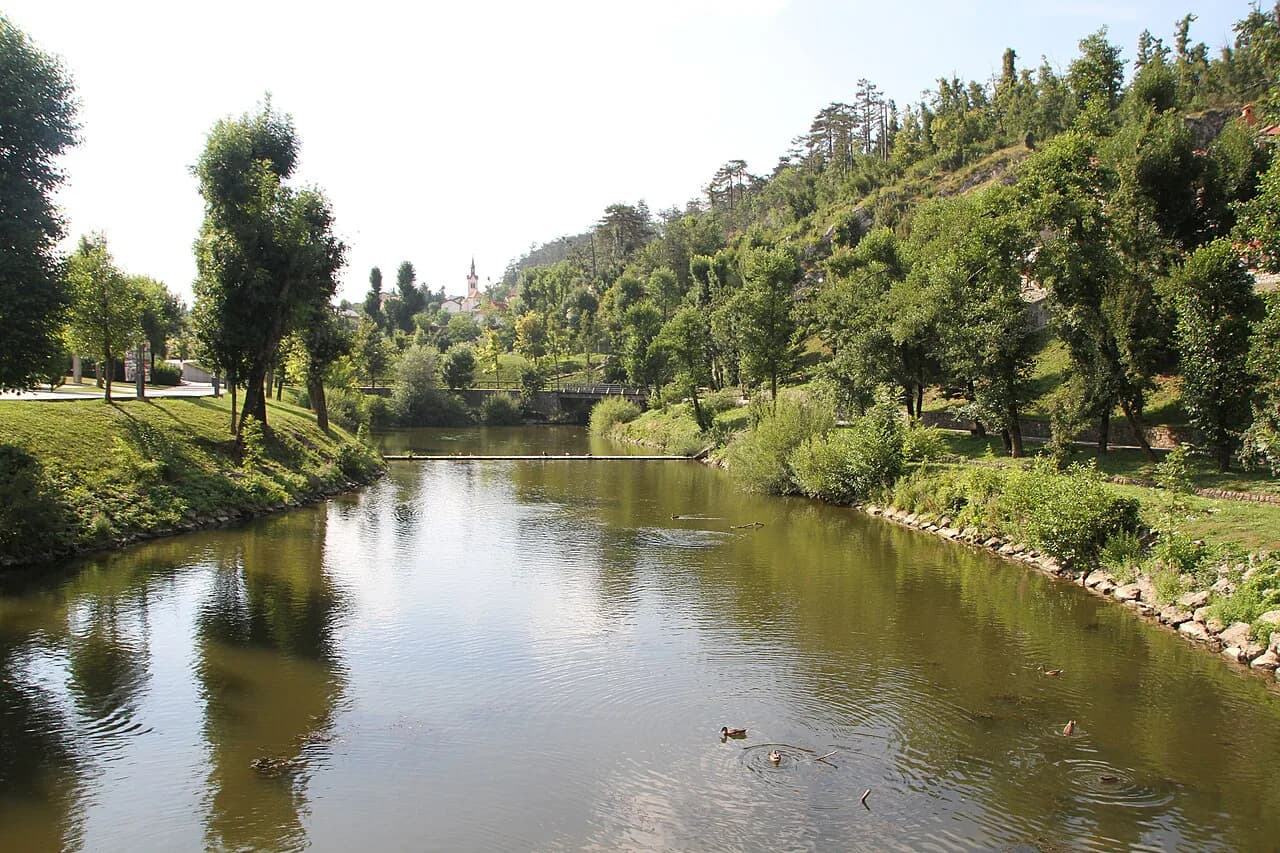
The cave sits in the Karst region above the Pivka River, and the standard visit is timed and guided rather than self-paced. That matters for planning: you buy a slot, arrive for it, and move through the cave with a group. Group tours from Ljubljana and the coast bundle the cave with the castle, while independent travelers can drive out and join a cave slot directly. See the Postojna Cave overview for the full picture of the site.
What a Postojna Cave tour actually involves
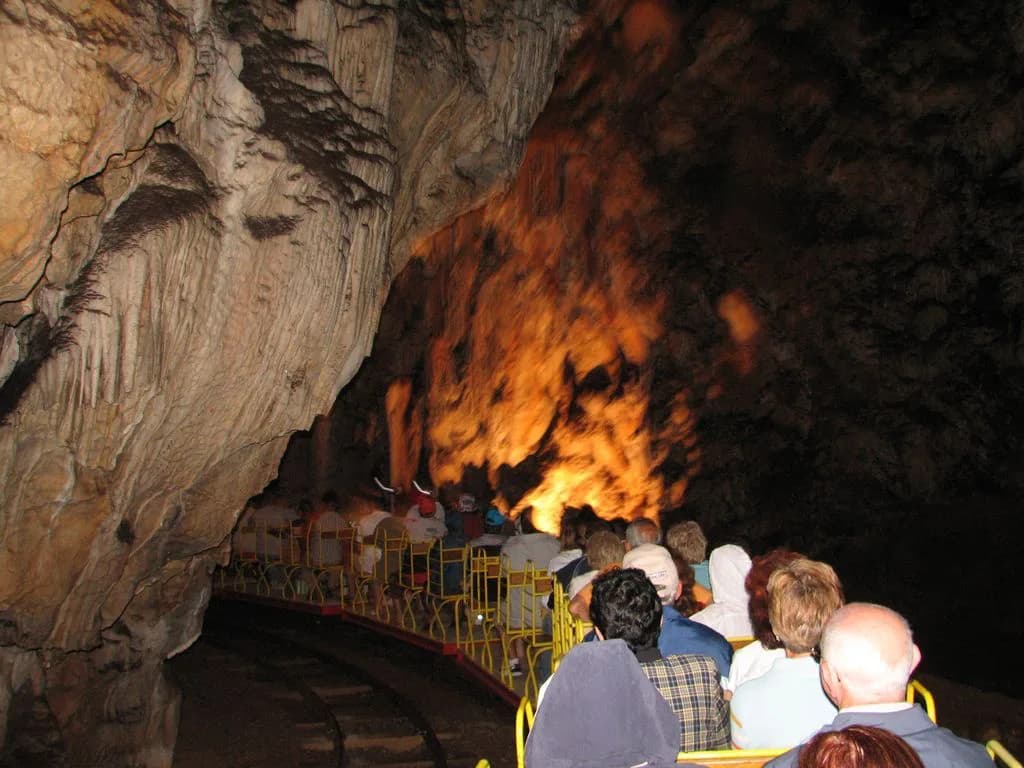
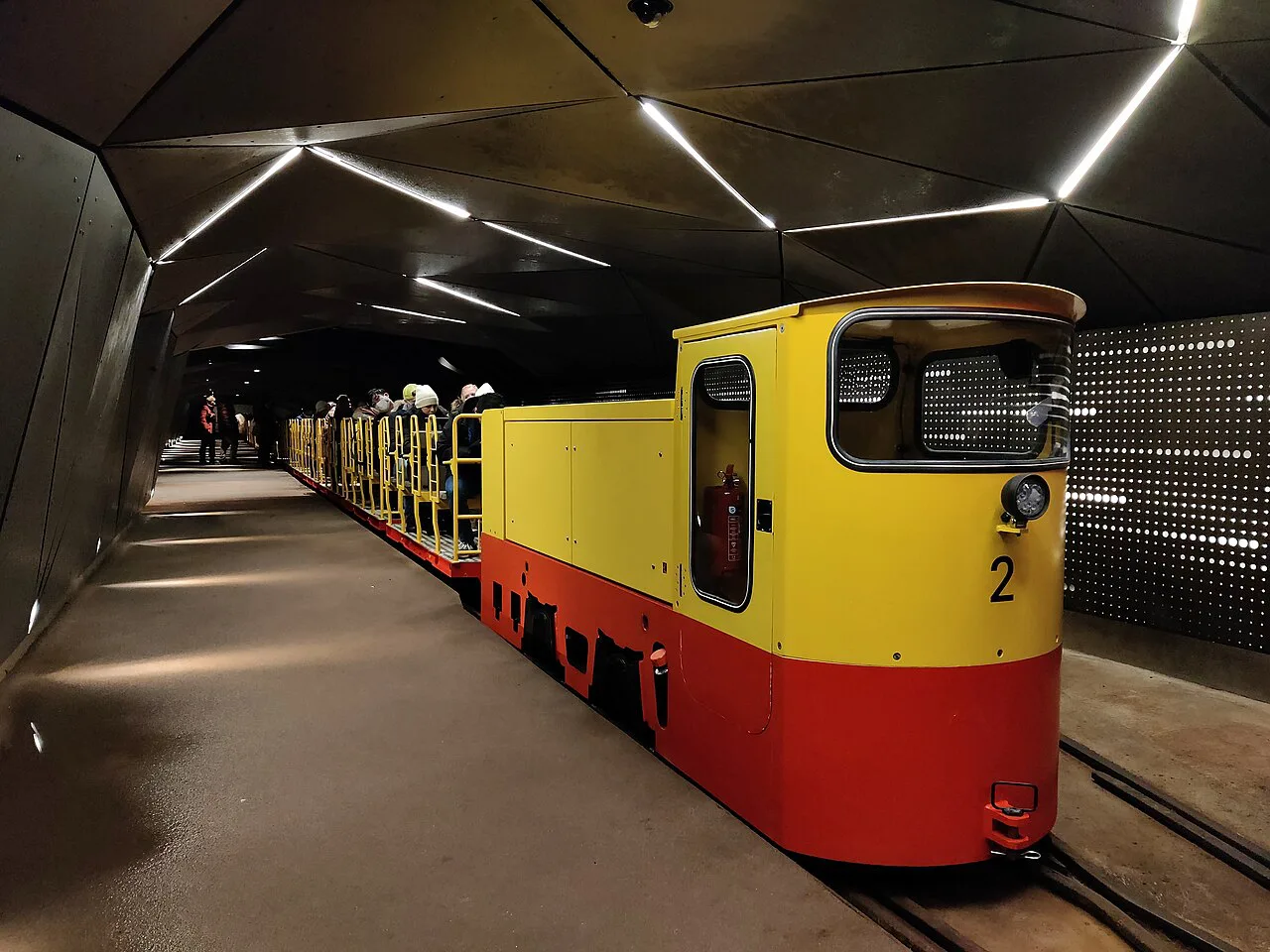
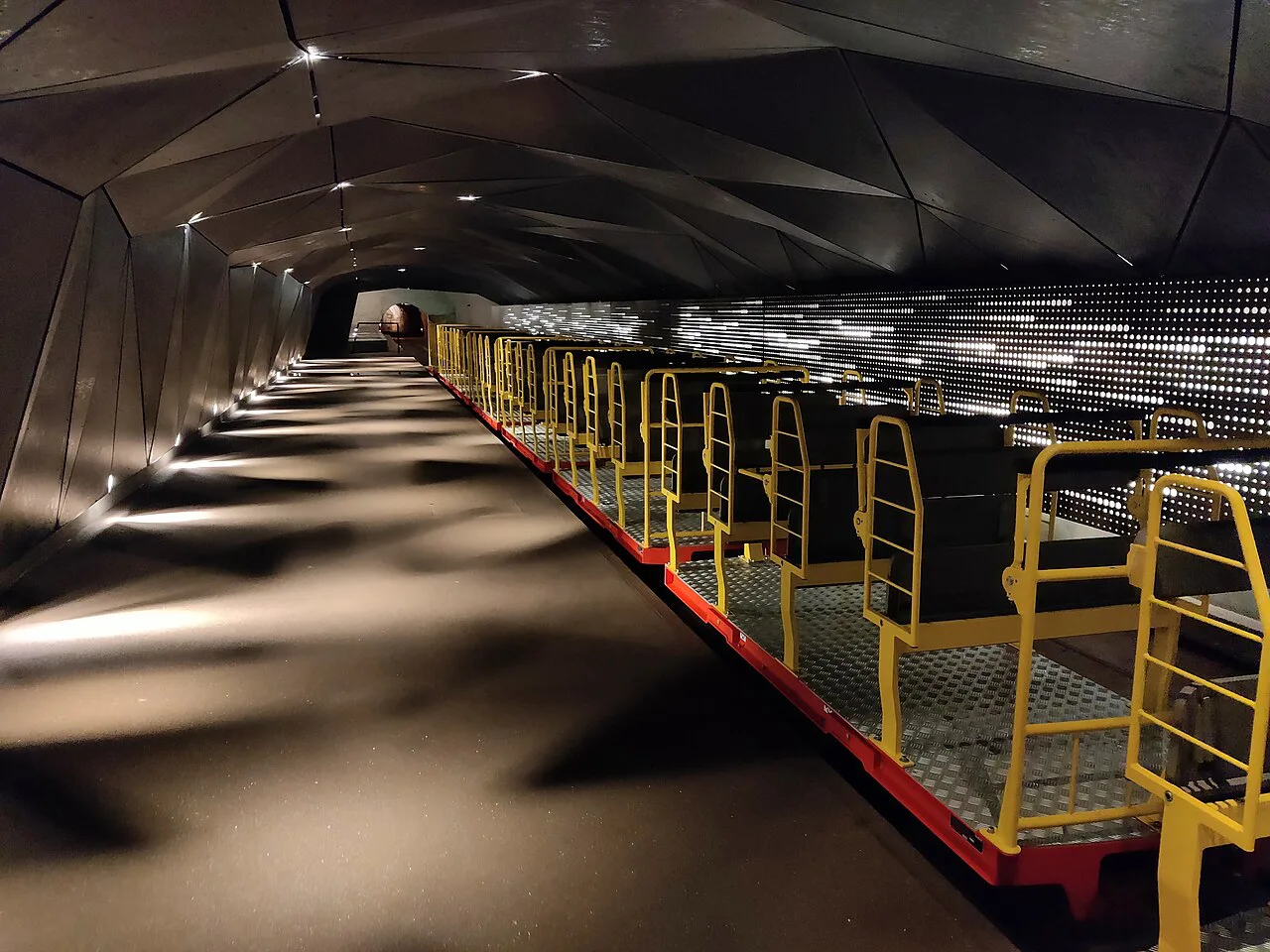
You enter by electric train, ride partway into the cave system, then disembark for the guided walking portion before reboarding the train for the ride out. The cave tour is guided in multiple languages, and the temperature stays around 10°C (50°F) regardless of the season outside. That's the shape of the visit: a train leg, a walk, a train leg back.
The scale is the first thing most visitors notice: the central hall is cathedral-sized, with formations including a chamber of hair-thin stalactites. Because the visit runs on a fixed group pace, you're seeing the cave in a set sequence rather than wandering at will. If that matters to you, the private tour option removes the group-pace compromise at a higher price.
How long the cave visit takes and how the distance splits
The format is a 3.5 km (about 2.2 mi) train ride followed by a 1.5 km (about 0.9 mi) guided walk through the cave halls. The walking portion runs about an hour with a guide, and the two legs together take roughly an hour and a half. That's the number to plan around when you're deciding how much of the day the cave absorbs.
At the Postojna Cave, groups split by language, and each time slot runs tours in several languages including English. You join the English-speaking group for your slot, so the pace of the walk is set by the guide rather than by you. If you want to linger over specific formations, factor that into whether a small private format suits you better. Check Postojna Cave Tickets for the slot options.
What you walk past in the halls
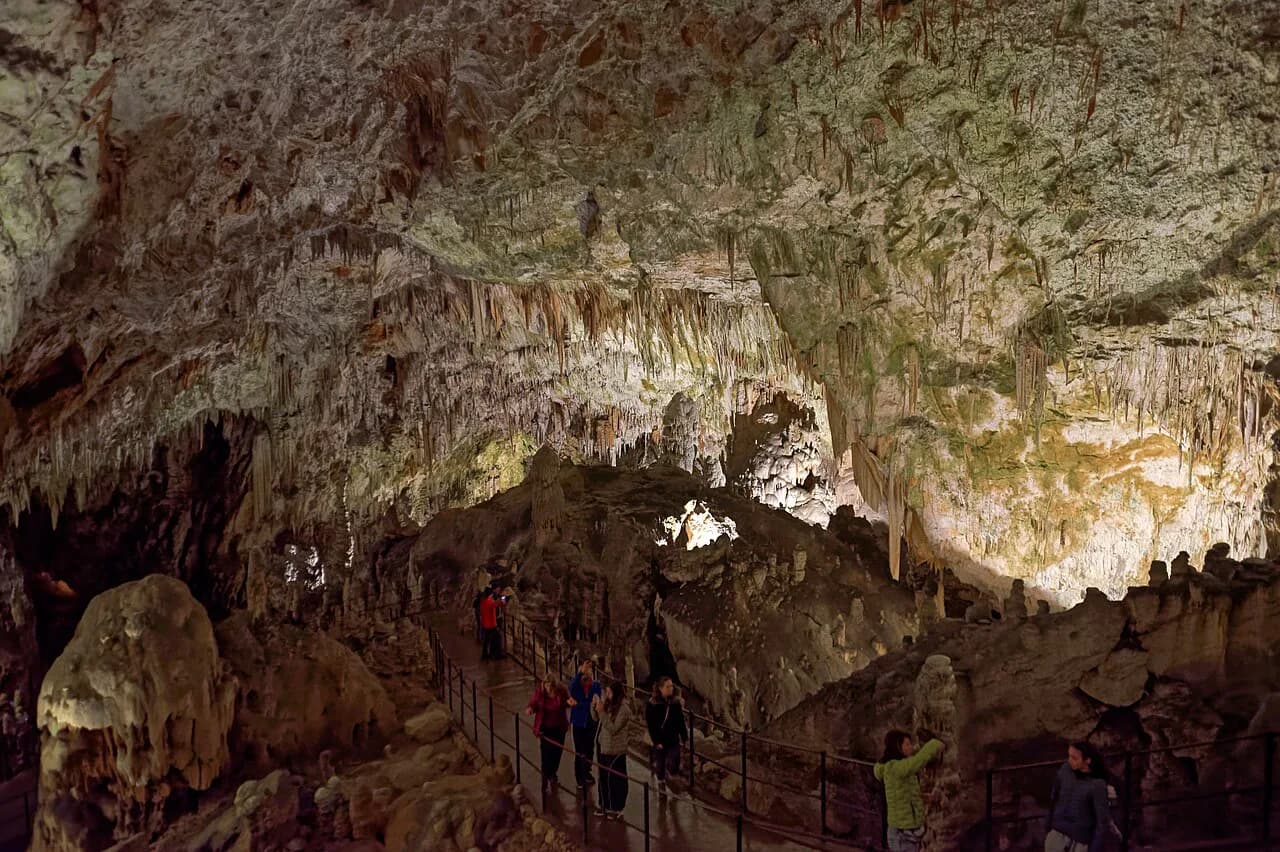
The guided walk passes stalactites, stalagmites, and rock curtains, with color shifts where limestone has mixed with iron (red formations) or calcium (white formations). Formations come in odd shapes and textures, and touching them is not allowed. The constant drip of water is part of the soundtrack through the whole walk, and the guide points out the standout pieces.
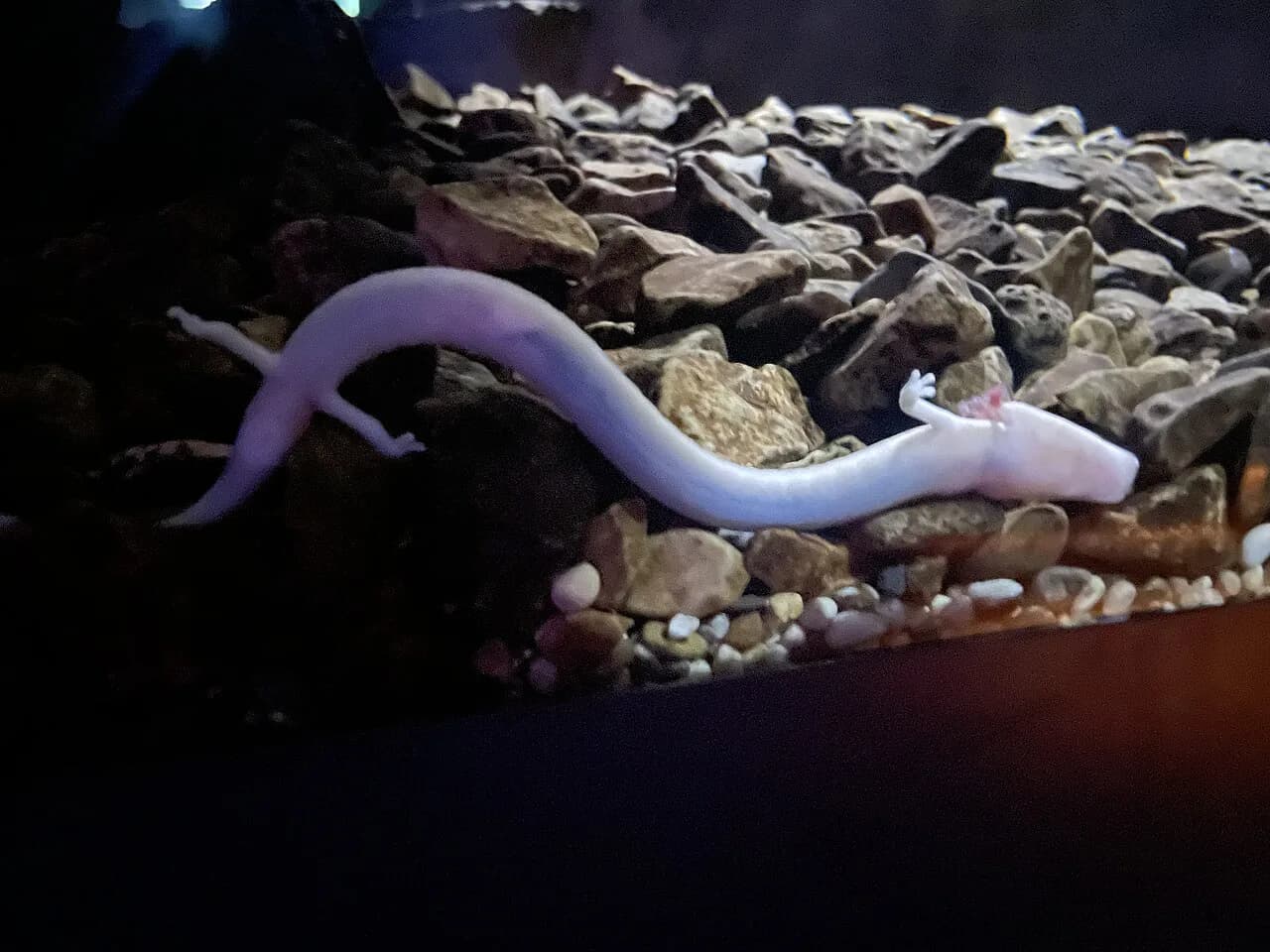
A Vivarium near the cave entrance is where you may spot the blind cave salamander, Proteus anguinus, known locally as the olm. It's an add-on to the cave visit rather than part of the standard tour, so budget time separately if you want to see it. Travelers interested in the animal should build that into their slot rather than assuming it comes with the cave walk.
The 10°C cave temperature and what to carry
The cave holds a constant temperature of about 10°C (50°F) year-round, so the outside weather tells you nothing about what the cave will feel like. A jacket and walking shoes are the standard advice from tour operators, even on a warm summer day above ground. The train leg is the coldest part: it moves fast, the wind adds chill, and the ride in is when most people wish they had brought another layer.
The cave is wet underfoot in places, so footwear matters more here than on a normal city walk. If you're combining the cave with Predjama Castle, bring a layer you can shed between the two sites, since the castle isn't underground. Tour operators put the advice plainly: dress properly for the cave, then adjust outside. Check Postojna Cave parking if you're driving yourself.
Tour languages and how groups are split
On arrival at the cave entrance, visitors are divided into language groups, with slots running in several languages including English, German, Italian, and Slovenian. Each language group boards its own train and walks with its own guide, so you aren't hearing a translation over a shared speaker. That's why the language split is the practical planning constraint: your slot needs to match a language you understand.
If your slot doesn't have the language you need, you may be routed to a different time, which affects the rest of the day. The cave tour itself is guided in multiple languages and begins with the electric train ride, with guides leading the walk afterward. Booking ahead lets you pick the slot that lines up with your language and the castle visit that follows.
Timed slots: buying ahead and pairing with the castle
Cave entry runs on timed slots, and the format includes a 3.8 km electric train ride into the mountain before the guided walk. In peak season, the cave sees its heaviest crowds, with queues at the entrance running 45 minutes to an hour on a summer Saturday. Booking ahead is the practical move for any summer visit, since timed groups fill up by late morning on weekends.
Independent travelers can buy Postojna Cave tickets on arrival or in advance, while group tours bundle the cave entry with transport and the castle visit. A half-day tour from Postojna typically includes cave entry, Predjama Castle entry, a guide throughout both sites, and transport between the two. If you're driving yourself, the cave complex also has a restaurant, so you can eat there between the cave and the castle.
The 5 km gap to Predjama Castle and how to bridge it
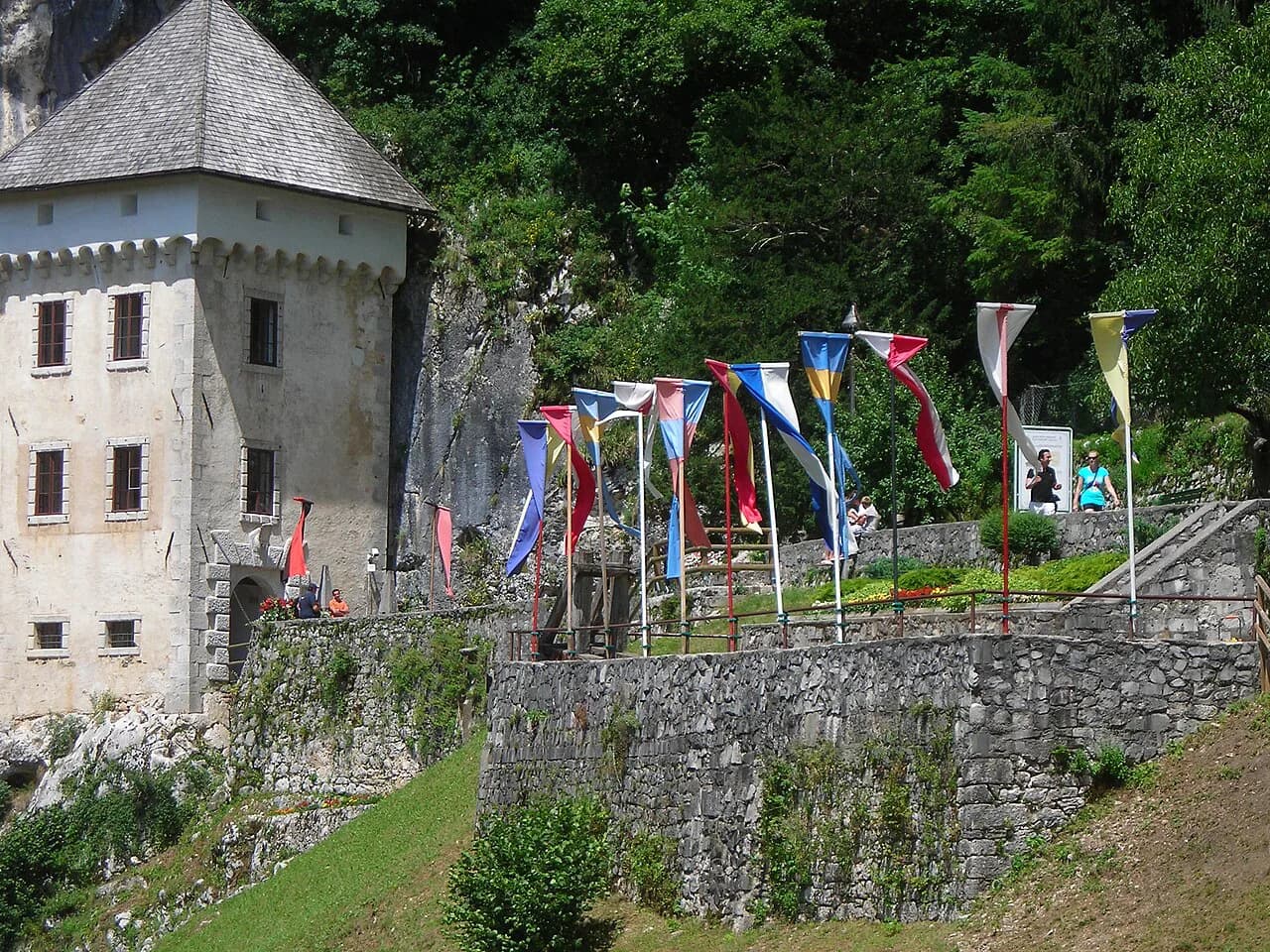
Predjama Castle sits about 5 km (roughly 3 mi) from Postojna Cave, built into a 123-meter (about 400-foot) cliff face. The castle is the second half of the standard day: the guided portion covers the medieval history of the outlaw knight Erazem, and the views across the karst plateau make the short drive feel very quick. At the castle, several hidden passages and the audio guide cover the story while you walk the rooms carved into stone.
The gap between the two is the transfer decision. Your options are driving, a taxi, a prearranged transfer, or a bundled tour. Individually, cave entry and castle entry cost more than a package that includes both plus transport, which is where the half-day tour makes its case. For travelers without a car, the Ljubljana departure version adds a hotel pickup and the full return journey. See Predjama Castle Tickets for the castle side.
Getting there on a tour from Ljubljana versus from the coast
From Ljubljana you can drive, or you can join a day trip that picks you up at your hotel. Tours from the coast depart from Piran, Portorož, Koper, or Trieste, with the itinerary running roughly seven hours including transfers and pickups between 7:40 and 8:40. From Trieste, the drive across the border to the cave takes about an hour, with a licensed guide and a local cave guide included.
Coast tours typically cover both the cave and the castle in one loop, with the cave tour first and the castle audio tour after. Those usually include entrance fees to both sites plus transport, and are the simplest option for travelers based in Piran or Koper who don't want to drive. Ljubljana-based travelers can pick between a half-day cave-and-castle tour and a private tour, with the private format costing more but removing the group-pace compromise.
What the tour format does and does not give you
The standard cave tour gives you a fixed sequence, a guide in your language, and the train ride—no wandering off and no lingering at individual formations. The upside is efficiency: you see the cave and the castle in a half-day without planning transport. The trade-off is crowd size. Postojna is one of the most-visited attractions in the region, with queues of 45 minutes to an hour on a summer Saturday, and the tour format packs you in with a large group.
The quieter shoulder seasons—May to June and September to October—cut queues noticeably while keeping the cave experience intact. The private tour option costs more but lets you pace the castle freely, which matters if Erazem's story and the passages are the part you care about. Travelers who already know the cave and want a less busy alternative can consider the Škocjan Caves or the Križna Cave, which offers boat tours through underground lakes with bat colonies.
Cave and castle—book the cave slot first
Book the cave slot first, then plan the castle around it: the timed tour is the constraint, and Predjama is easy to build in afterward. Pick a language slot that matches your group, arrive with a jacket and walking shoes, and decide up front whether you're driving or taking a bundled tour. A half-day tour is the efficient choice; a private tour is the one to pick when you want to linger at the castle.
Explore more Postojna guides
Frequently Asked Questions
How long is the Postojna Cave train ride?
The train ride is 3.5 km (about 2.2 mi) into the cave, followed by a 1.5 km guided walk through the halls. The walking portion runs about an hour, and the whole cave visit takes roughly an hour and a half.
What's the story of Erazem of Predjama?
Predjama Castle is tied to the outlaw knight Erazem of Predjama, who used secret tunnels to outwit his enemies. The guided or audio portion at the castle covers his story, and the fortress sits against a 123-meter cliff face. Tour operators list the castle as an audio-guided visit within the combined tour.
What's with the dragons in Slovenia?
The dragon is tied to Ljubljana's symbol rather than to Postojna, so it's not part of the cave visit. The cave's own wildlife highlight is the blind cave salamander, Proteus anguinus, which you may spot in the Vivarium near the entrance as an add-on.
How do I get from Ljubljana to Postojna Cave?
You can drive, or you can join a day trip that picks you up at your hotel. For travelers without a car, the Ljubljana departure version of the tour adds a hotel pickup and the full return journey, making it the simpler option.
What should I wear in Postojna Cave?
The cave holds a constant temperature of about 10°C (50°F) year-round, so a jacket and walking shoes are standard advice even on a warm day above ground. The train leg moves fast and the wind adds chill on the way in.
Sources
Notes for your Slovenia trip
Optional updates to our Slovenia place guides.
You might also like
Continue reading
More guides you'll find useful