Šoštanj, Slovenia: What to See in the Šalek Valley Town
Šoštanj is a small Šalek Valley town near Velenje and the Topolšica spa. See the leatherworking museum, Pusti grad, Kajuhov dom and Vila Mayer.
On this page
Šoštanj is worth a half day, mainly as a stop in the Šalek Valley alongside Velenje rather than a destination on its own. Its sights are small and spread between the town center, the hill above it and villages a short drive out, so a loose plan matters more than a strict schedule. This guide covers what is in town, what sits in Topolšica and Zavodnje, and how the pieces fit into a Velenje-area day.
The town's identity is industrial and leatherworking rather than a polished old quarter. Visit Savinjska describes Šoštanj as the old center of the Šalek Valley, first mentioned in 1199, whose growth came from the Vošnjak family's leatherworking business, which built one of the largest tanneries in the Austro-Hungarian monarchy here. The same page notes that coal excavation halted the town's urban development and left Družmirsko jezero, which it calls the deepest lake in Slovenia.
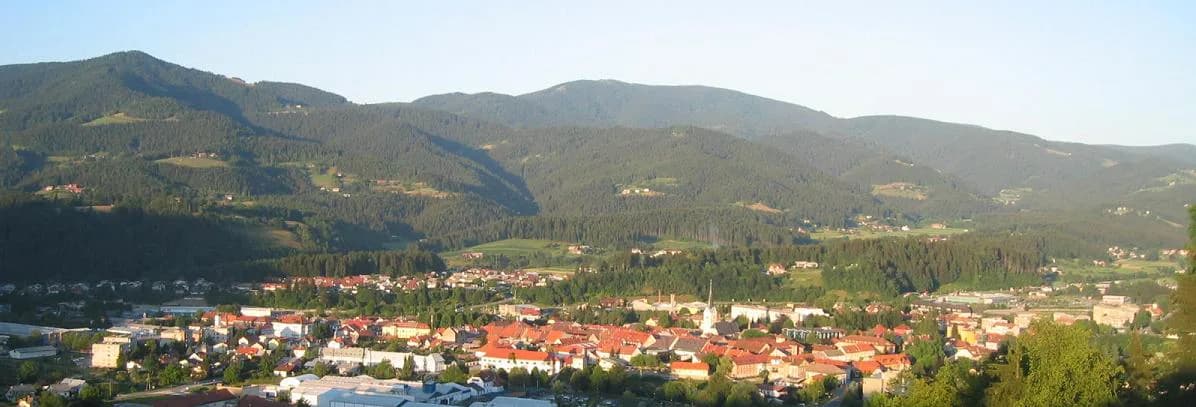
What Šoštanj is and where it sits in the Šalek Valley
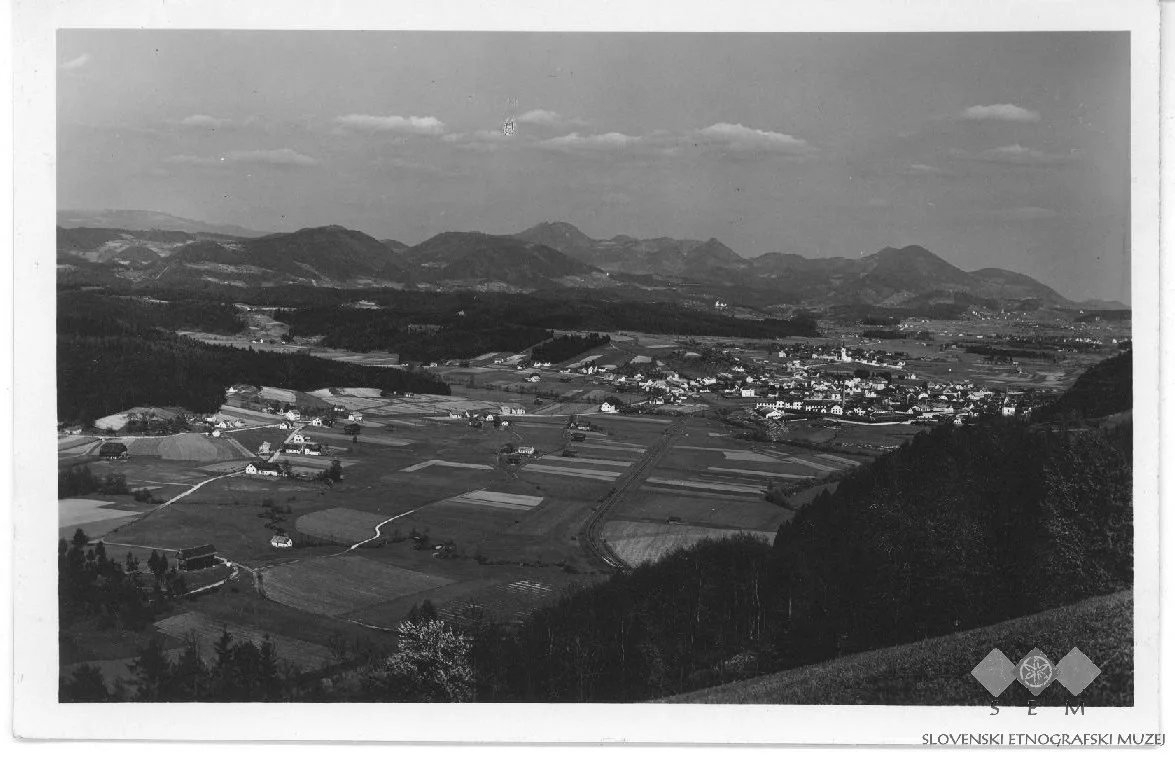
Šoštanj spreads across the floor of the Šalek Valley, with the town core, the ruined castle hill and the power plant all within the same small area. The municipality had roughly 8,960 residents in mid-2024, which gives you a sense of scale: this is a town where you can walk the center in an hour and still have sights left in the surrounding villages.
Treat the Šalek Valley as one unit rather than a set of separate stops. Velenje sits in the same valley and holds the area's main castle and museum, so most travelers base themselves there and add Šoštanj, Topolšica and Zavodnje as short excursions. For the neighboring city's layout and sights, start with the guide to Velenje, Slovenia.
How to get oriented in town and around the Šalek Valley
The town center is compact enough that orientation is mostly a matter of finding the main road through the valley and parking once. From there, the leatherworking museum, the Kajuh sites and the castle ruin lie within the town or just above it, while Zavodnje, Šentvid nad Zavodnjem and Topolšica sit in the surrounding countryside and are easier with a car.
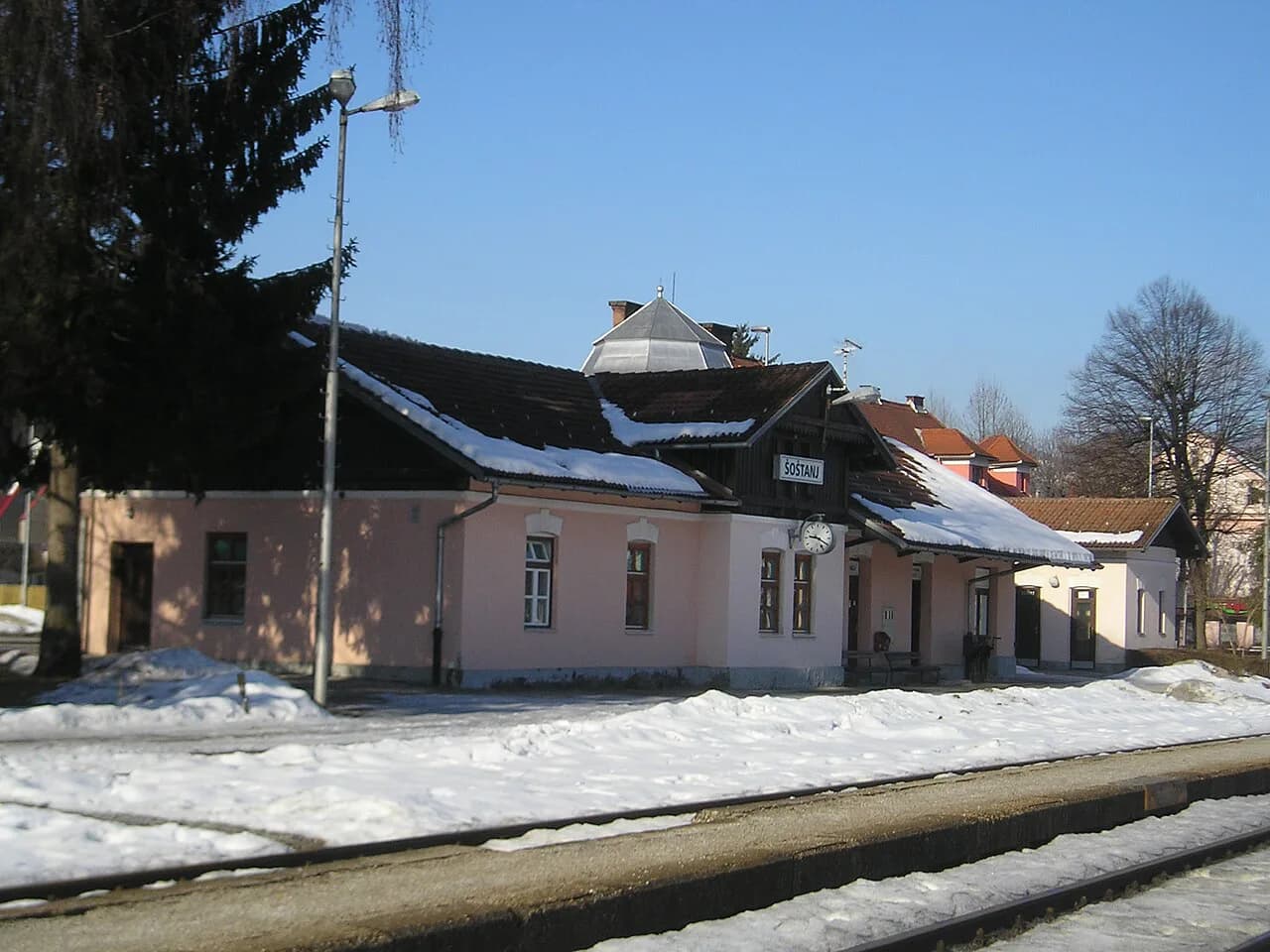
Rather than rely on any timetable printed here, confirm bus and train connections locally: the valley is served from larger hubs, but schedules change and are best checked with the operator before you commit to a tight connection. For the wider city, the Velenje guide covers how the center and its lake are laid out.
Muzej usnjarstva na Slovenskem: the Slovenian leatherworking museum
The Muzej usnjarstva na Slovenskem, the Slovenian Leatherworking Museum, is the sight that explains why Šoštanj looks the way it does. It documents the Vošnjak family's tanning business, the trade that Visit Savinjska credits with building one of the largest leatherworking plants in the Austro-Hungarian monarchy in this town. If you see only one indoor sight in Šoštanj, this is the one that gives the rest of the valley its context.
The museum's visiting hours and any admission charge are best confirmed with the museum or the area's tourist information before you build a day around it.
Pusti grad, the ruined castle above town
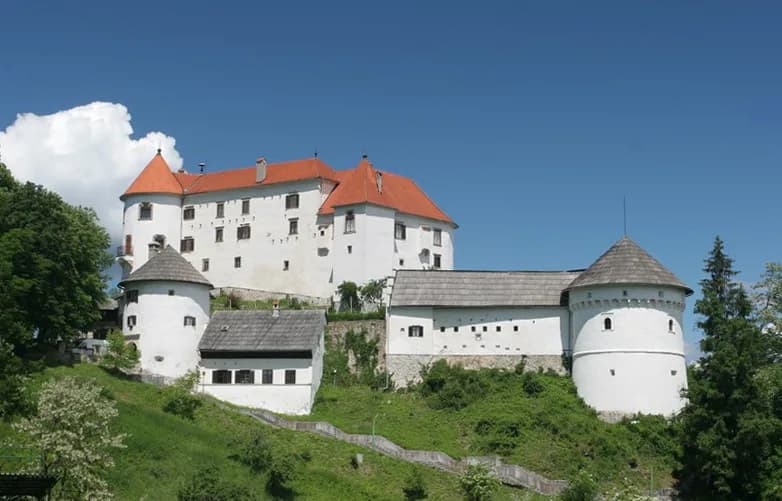
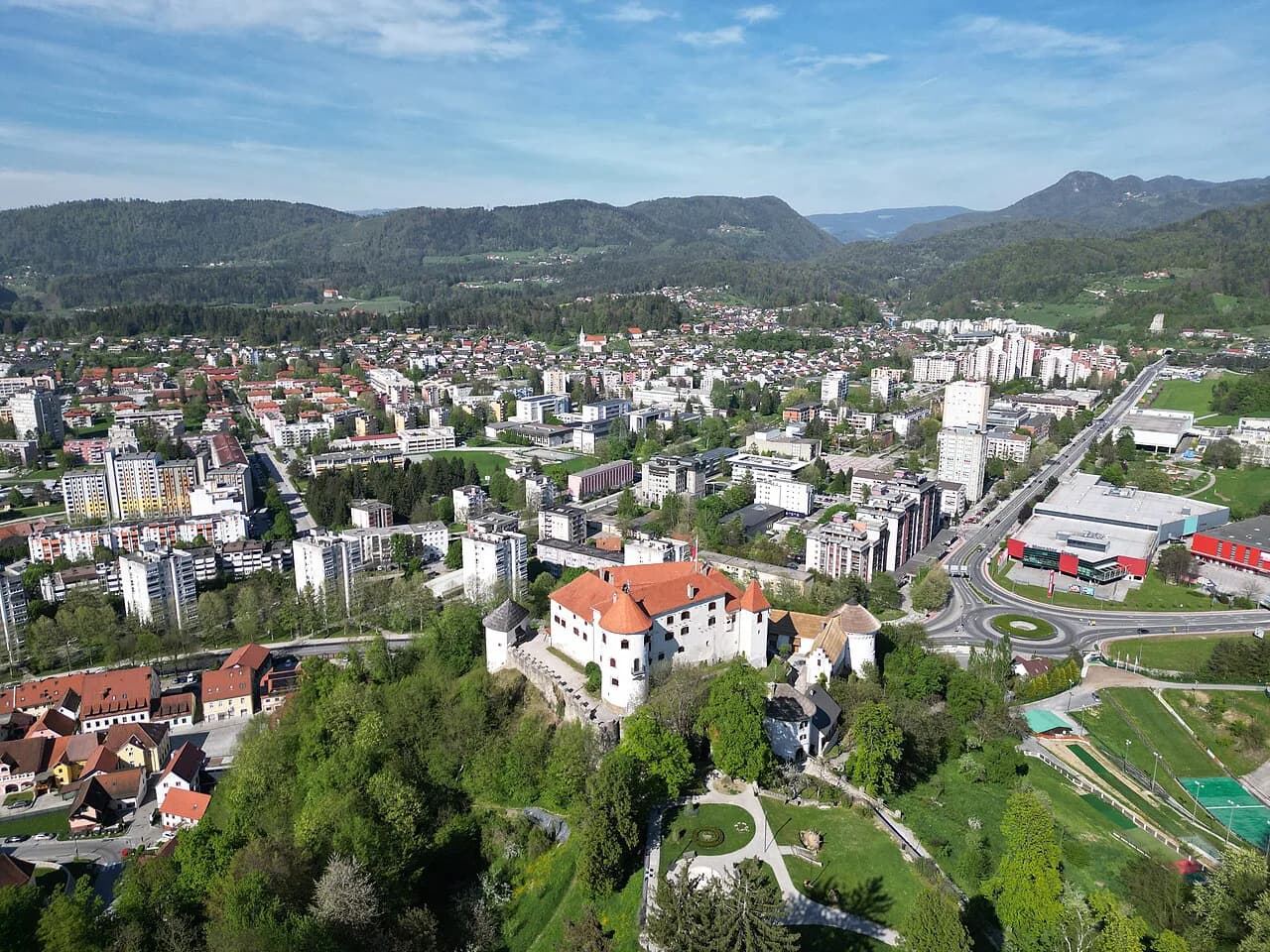
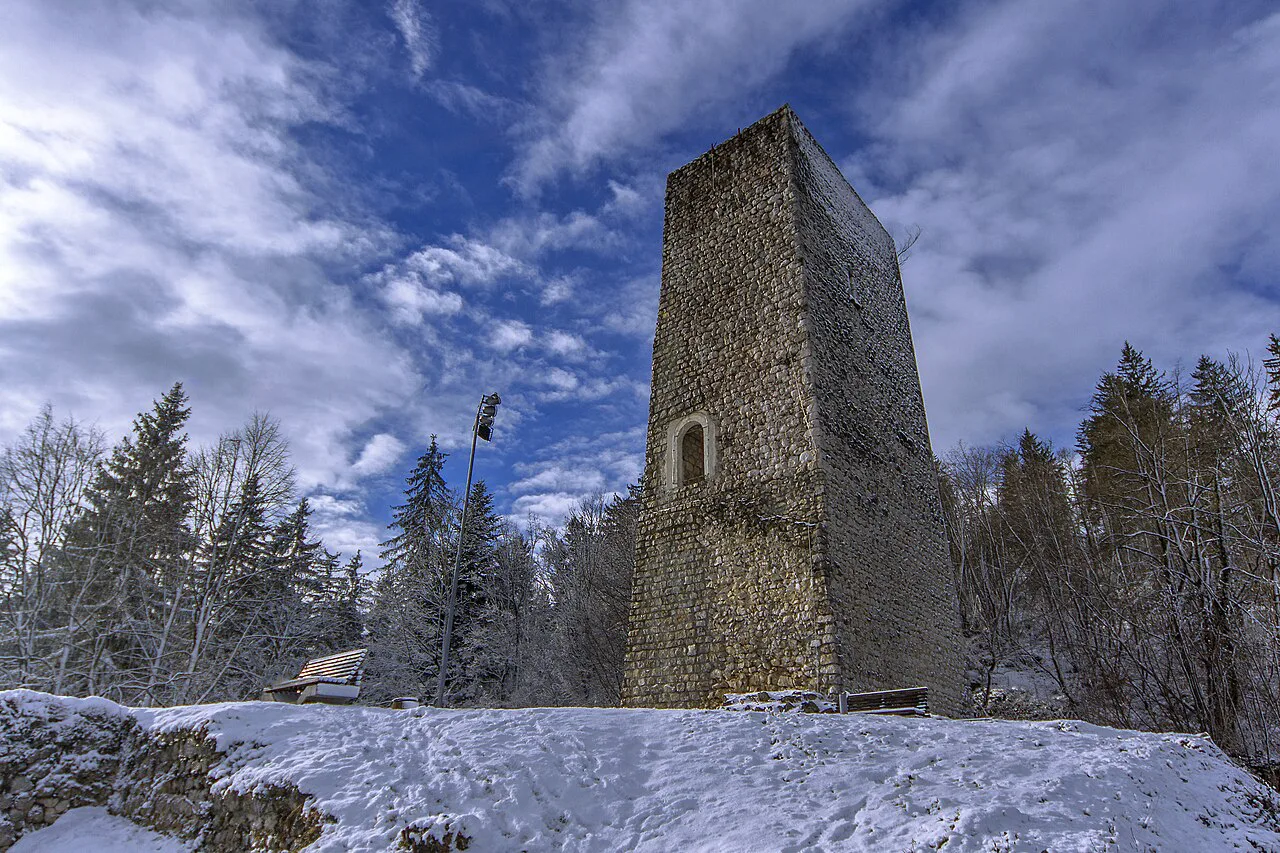
Pusti grad is the ruin of Šoštanj's castle, described by Visit Savinjska as dating from the 12th century. It sits above the town and works as a short add-on to the center rather than a standalone destination: expect masonry and a hillside setting rather than furnished rooms or exhibits.
Because it is a ruin, plan it as a walk with a view rather than a museum visit, and pair it with the town sights on the same morning. Sturdy shoes help on uneven ground.
Kajuhov dom and the Karel Destovnik Kajuh memorial
Šoštanj is the birthplace of the poet and national hero Karel Destovnik Kajuh, and Visit Savinjska notes that his restored birth house is the Kajuhov dom. It is a compact memorial stop in town, useful if you want the town's cultural side alongside its industrial story.
Keep the two Kajuh sites apart in your planning. The birth house is in Šoštanj, while a separate memorial stands at Pri Žlebniku in Šentvid nad Zavodnjem, on the farm where the poet fell in 1944; both are described on the same regional tourism page. Combine them only if you are already driving out to Zavodnje.
Vila Mayer and its sculpture, art and garden collections
Vila Mayer is the town's cultural showpiece: Visit Savinjska describes it as a protocol building holding a sculpture collection by the academic sculptor Ivan Napotnik, works from the Napotnik Gallery, a horticultural collection assembled by Alojz Kojc and part of Zvone A. Čebula's local-history collection. That mix of sculpture, paintings and garden material makes it the most varied indoor stop in Šoštanj.
Vila Široko, the former residence of the Vošnjak leatherworking family, is listed separately among the area's sights, so do not confuse the two villas when you are planning. Confirm opening arrangements for either locally before setting out.
Kavčnikova domačija in Zavodnje and the Topolšica memorial room
Outside town, Kavčnikova domačija in the village of Zavodnje is an ethnographic monument, and the Topolšica memorial room commemorates the signing of one of four partial surrenders of the German army. Both belong to the municipality but sit away from the center, which is why they are best folded into a drive through the valley rather than a walking tour of Šoštanj.
For the industrial side of the same story, the Velenje coal mining museum covers the valley's mining history in more depth than anything in Šoštanj, and it pairs naturally with a day that includes the power plant landscape.
Terme Topolšica: the spa and water park nearby
Terme Topolšica is the valley's spa, with wellness facilities, pools and a water park, and Visit Savinjska notes that its natural springs have drawn health-seeking visitors since the 16th century. It is a nearby add-on to a Šoštanj visit, not a reason to come to the town itself, and it changes the shape of a day: an hour or two in the water is a very different outing from the museum and villa circuit.
Rates, pool hours and booking arrangements are set by the spa and are not included here, so check them directly before you go.
Družmirsko jezero and the Šoštanj power plant in the landscape
The landscape around Šoštanj is shaped by coal and electricity. Visit Savinjska attributes Družmirsko jezero, which it calls the deepest lake in Slovenia, to coal excavation, and notes that the Termoelektrarna Šoštanj power plant produces on average a third of Slovenia's electricity; local children call it the cloud factory because of the steam rising from its chimneys.
Visit Savinjska lists a tour of electricity production at the Šoštanj power plant among the area's experiences, which makes it an unusual stop for travelers interested in industry rather than scenery. Treat the lake and plant as landscape you pass through and look at.
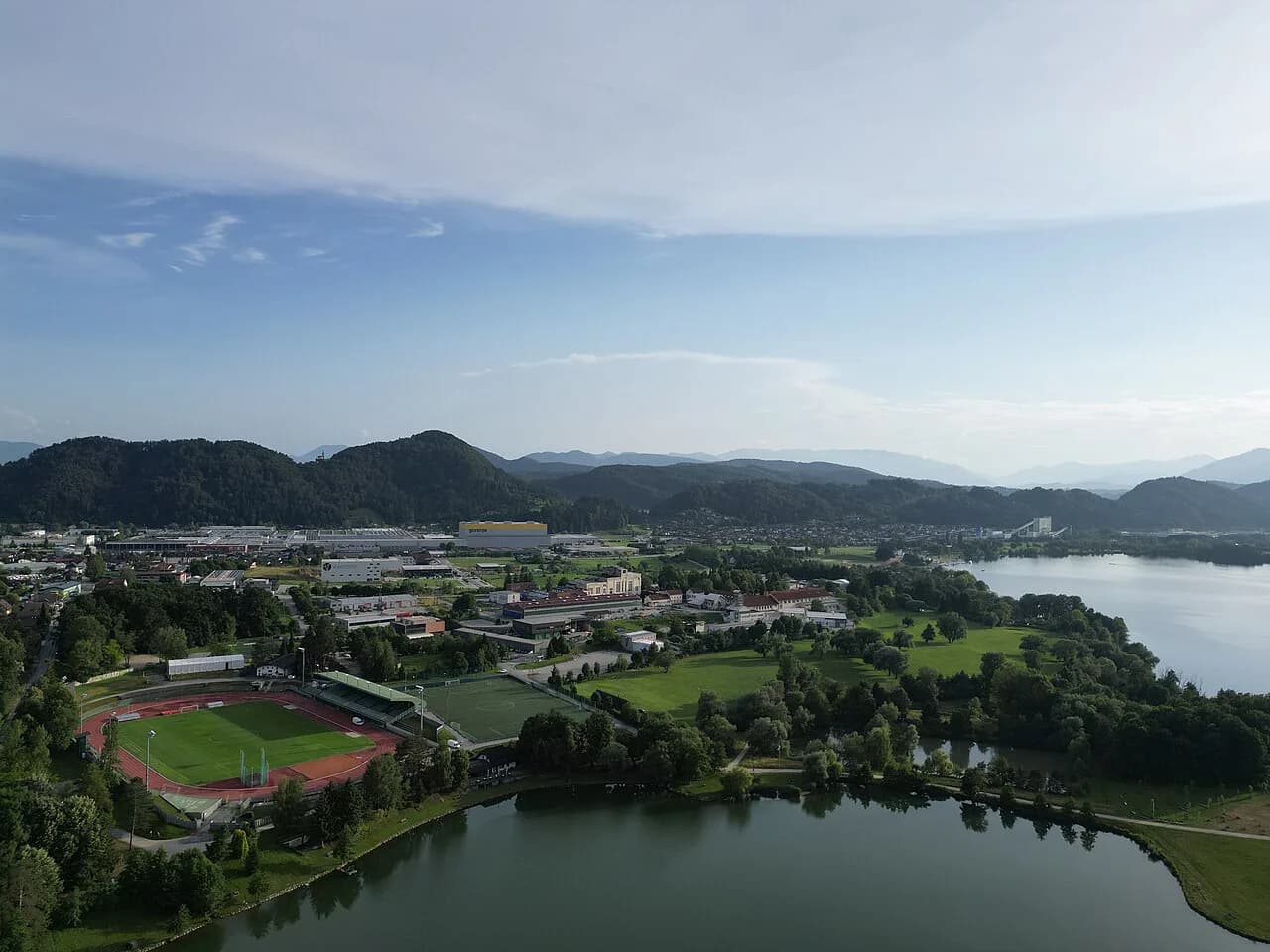
If you want a lake you can actually spend time at, Lake Velenje in the same valley is the better fit and connects easily to a Velenje castle visit.
How much time Šoštanj needs and how it fits a Velenje-area day
Allow about half a day for Šoštanj itself: the leatherworking museum, Kajuhov dom, Vila Mayer and a walk up to Pusti grad fill a morning comfortably. Add another half day if you want Zavodnje, the Topolšica memorial room and time at the spa, because they are spread out and each involves a short drive.
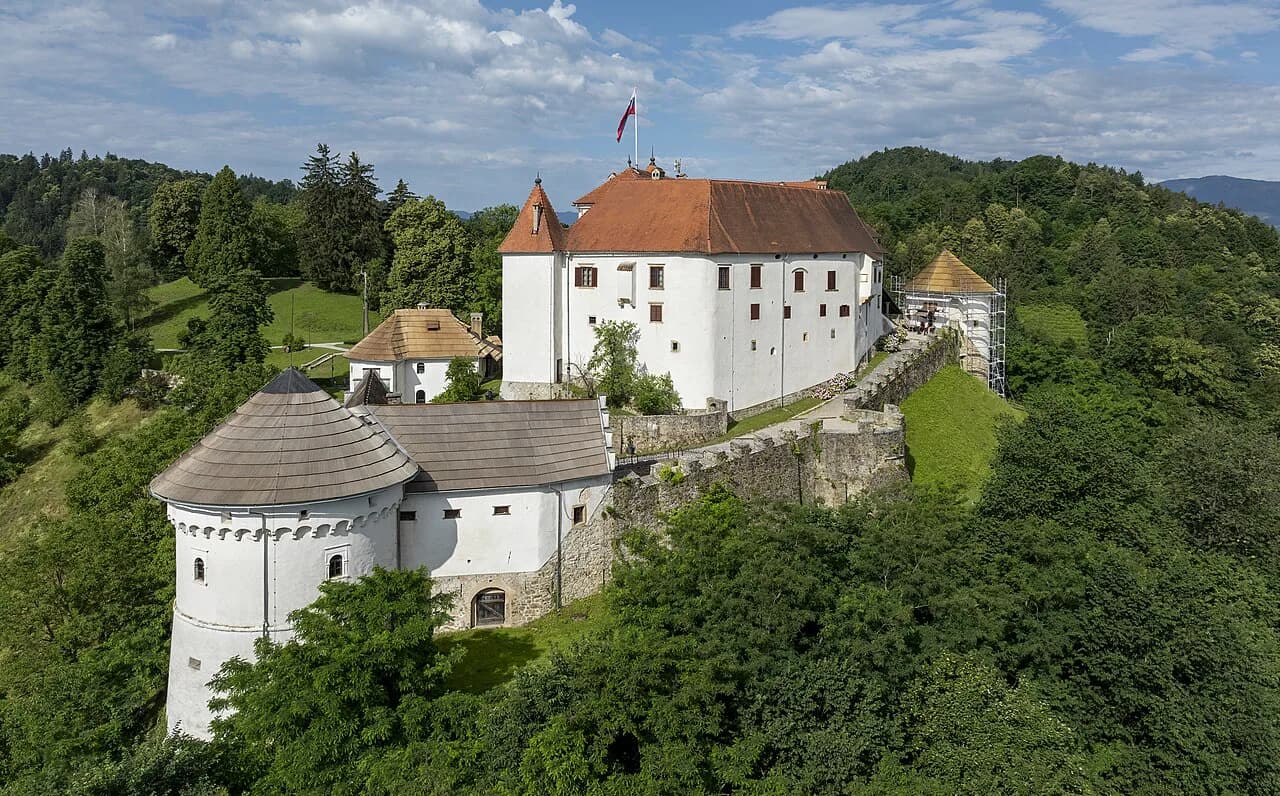
The natural anchor for the day is Velenje, where the castle and museum hold more than Šoštanj's sights put together. The guide to Velenje castle explains what is inside and how it fits the Šaleška Valley's story, which makes it the logical first stop before you drive over to Šoštanj.
Where to get local information in Velenje
Tourist information for the whole valley comes from the Zavod za turizem Šaleške doline at Vila Bianca, Stari trg 3, 3310 Velenje, reachable by phone at +386 (0)3 896 17 15. That is the office to ask about current opening arrangements for Šoštanj's museums and villas.
Local news for the town and its surroundings runs on Šoštanjčan, which carries municipal notices and road closures alongside its cultural coverage, useful if you are driving through and want warning of works on local roads.
Should Šoštanj be on your Šalek Valley itinerary?
Yes, as a half-day addition to Velenje rather than a base of its own. The leatherworking museum, Vila Mayer and the Kajuhov dom give the town a coherent story, and the castle ruin and the surrounding villages reward a car. Travelers who want scenery should spend their time at Lake Velenje instead and treat Šoštanj as a cultural stop.
Check current opening arrangements with the Velenje tourist office before you go, since museum and villa hours vary.
Explore more Velenje guides
Sources
Notes for your Slovenia trip
Optional updates to our Slovenia place guides.
You might also like
Continue reading
More guides you'll find useful