Velenje, Slovenia: Castle, Coal Mining Museum and the Lakes
Plan a visit to Velenje, Slovenia: the castle above town, the Coal Mining Museum of Slovenia's underground cave, and the three lakes that mining created.
On this page
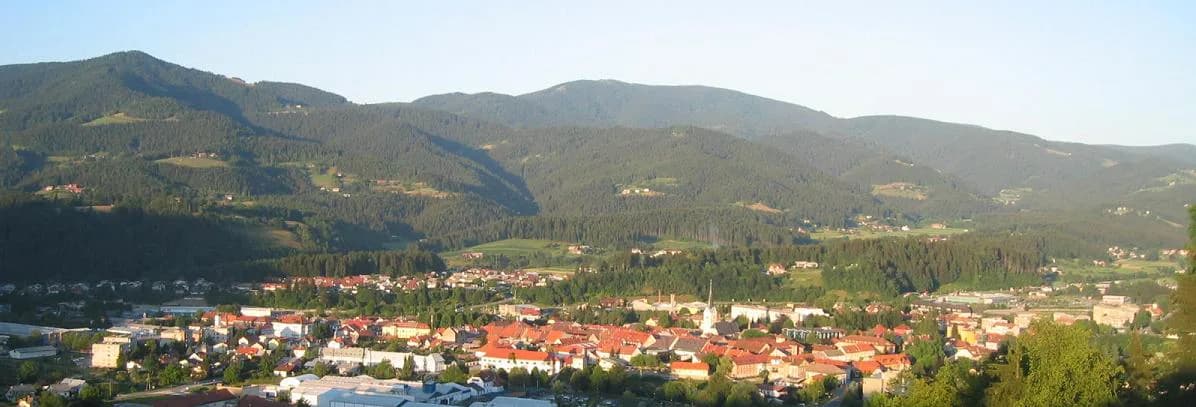
Velenje is a scheduled, industrial town set along the Paka River at the eastern end of the Šaleška Valley, with the Kamnik-Savinja Alps to the west and the Pohorje range to the east. For a visitor it comes down to three places: the castle and its museum on the hill, the Slovenian Coal Mining Museum with its underground tour, and the lakes below town. This guide covers how Velenje is laid out, what each sight involves and how much time to give it if you are passing between Ljubljana and Maribor.
Velenje's lakes are an industrial byproduct: as lignite was dug out, the valley floor subsided and former settlements disappeared under water. That same mining story runs through the Coal Mining Museum and explains why a young planned city of the socialist period grew under a much older castle. Treat the lakes as three separate places rather than one, because each is a different proposition for a visitor.
How Velenje is laid out along the Paka River
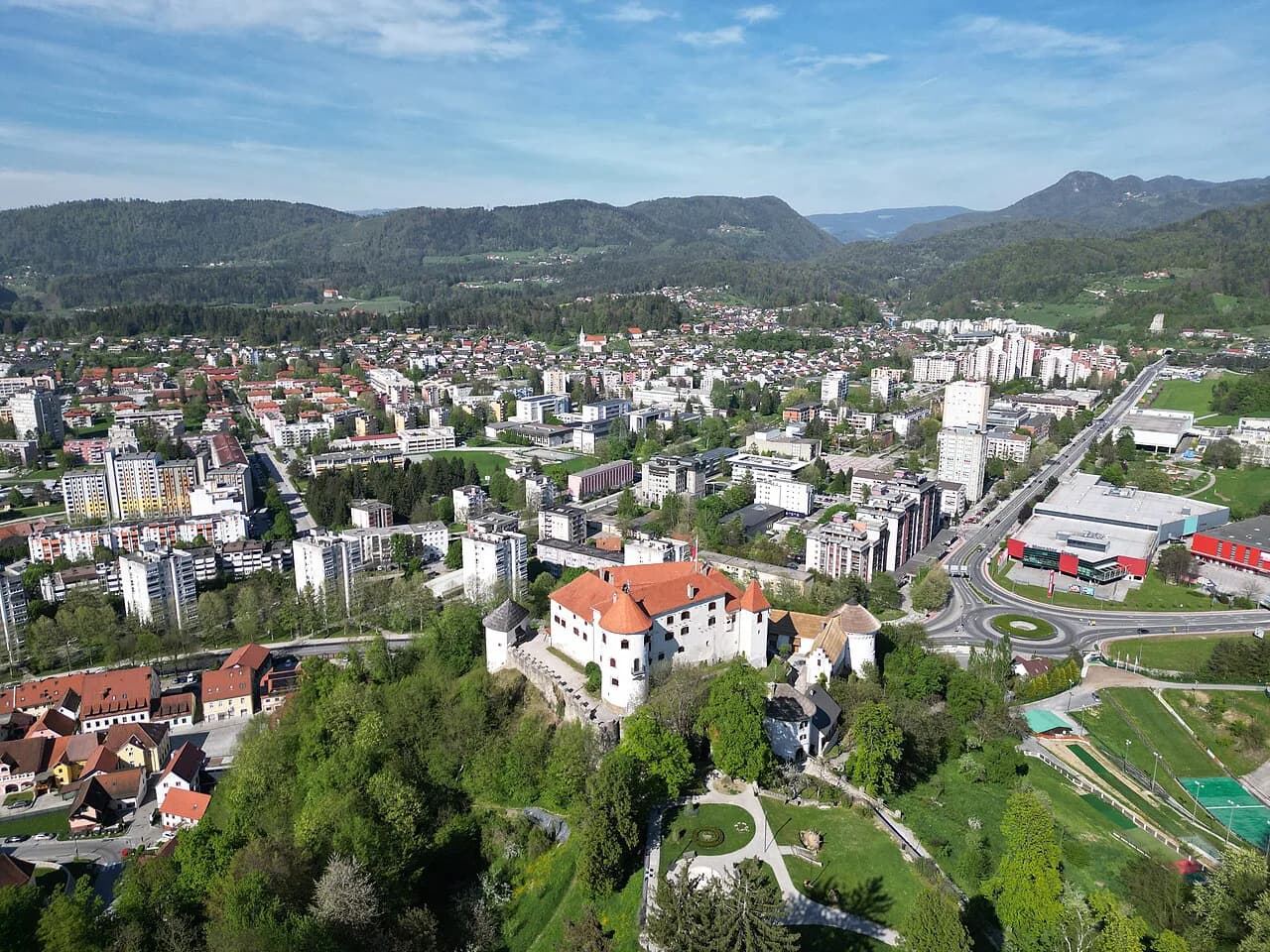
Velenje is a valley town whose center runs along the Paka River, with the city expanded between the former hamlets of Škale, Stara vas, Stara Velenje, Šalek and Šmartno. The core is walkable, but the castle hill and the lakes sit outside the pedestrian middle, so plan on moving between them by car or on the public Lokalc buses the municipality lists.
The municipality publishes its own contacts and office hours from Titov trg 1 in Velenje. For visitors the more useful addresses are the two tourist information centers, which sit separately from the municipal building. Give the town at least half a day rather than trying to cross it in an hour.
Getting to Velenje from Ljubljana and nearby towns
By car, the Šaleška Valley tourist board puts Velenje about 84 km and roughly an hour's drive from Ljubljana, and about 15 km from the motorway exit. That makes it workable as a long half-day from the capital, though it pairs better with an overnight in the Šaleška Valley or a stop at Topolšica.
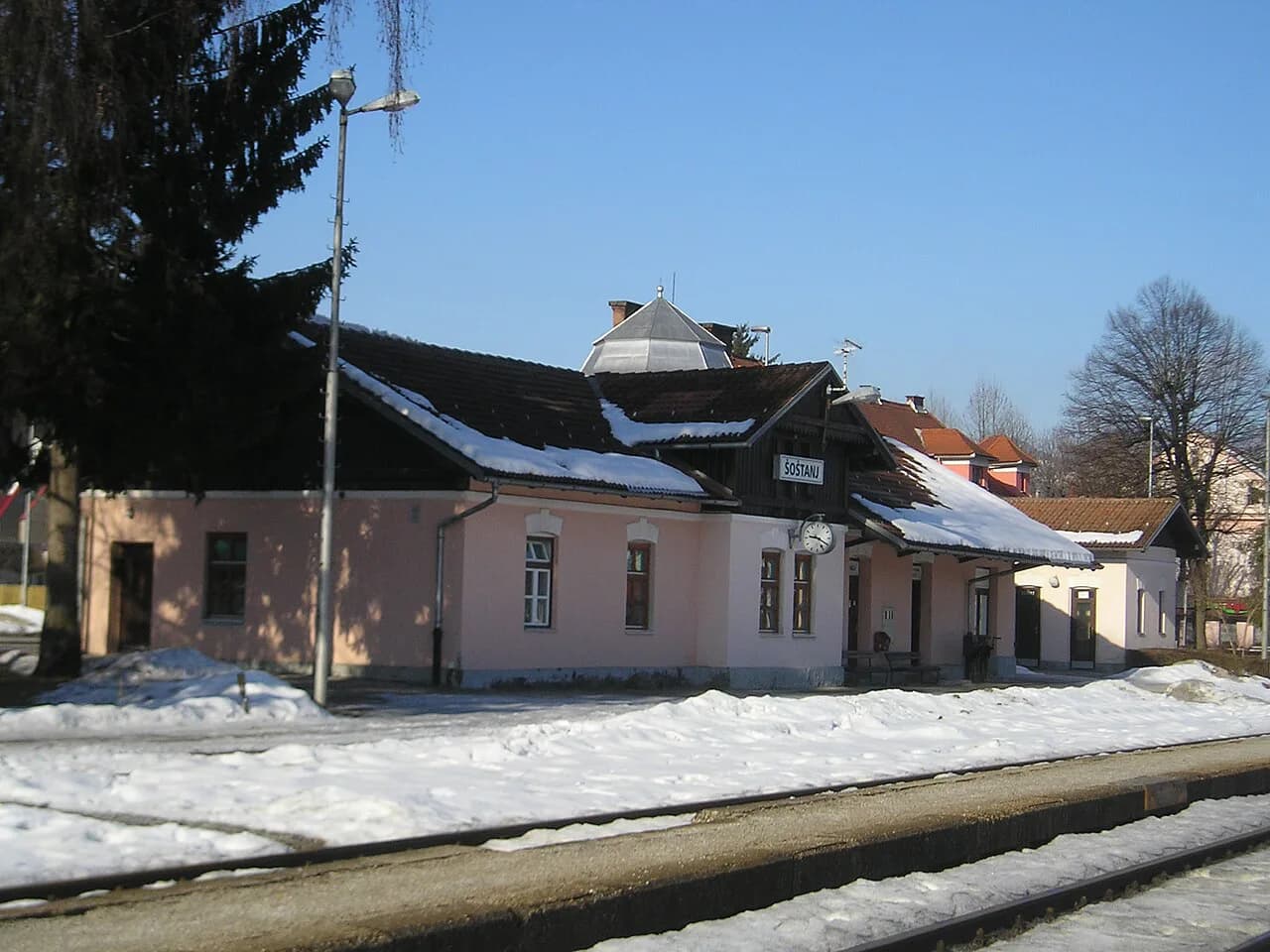
If you are driving between Ljubljana and Maribor, Velenje is a deliberate side trip rather than a stop on the direct route. The tourist board's orientation information lists coach and rail access near the town center; confirm current bus and train connections with the local operator before you rely on public transport, since schedules change by season.
Velenje Castle: the hilltop landmark above the city
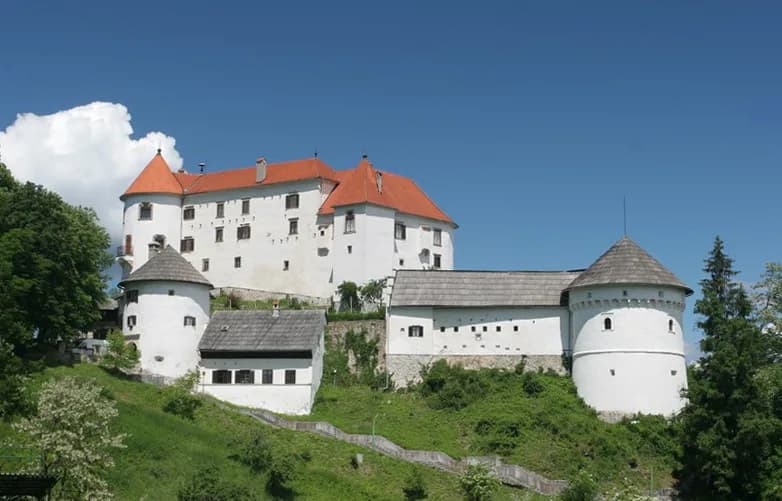
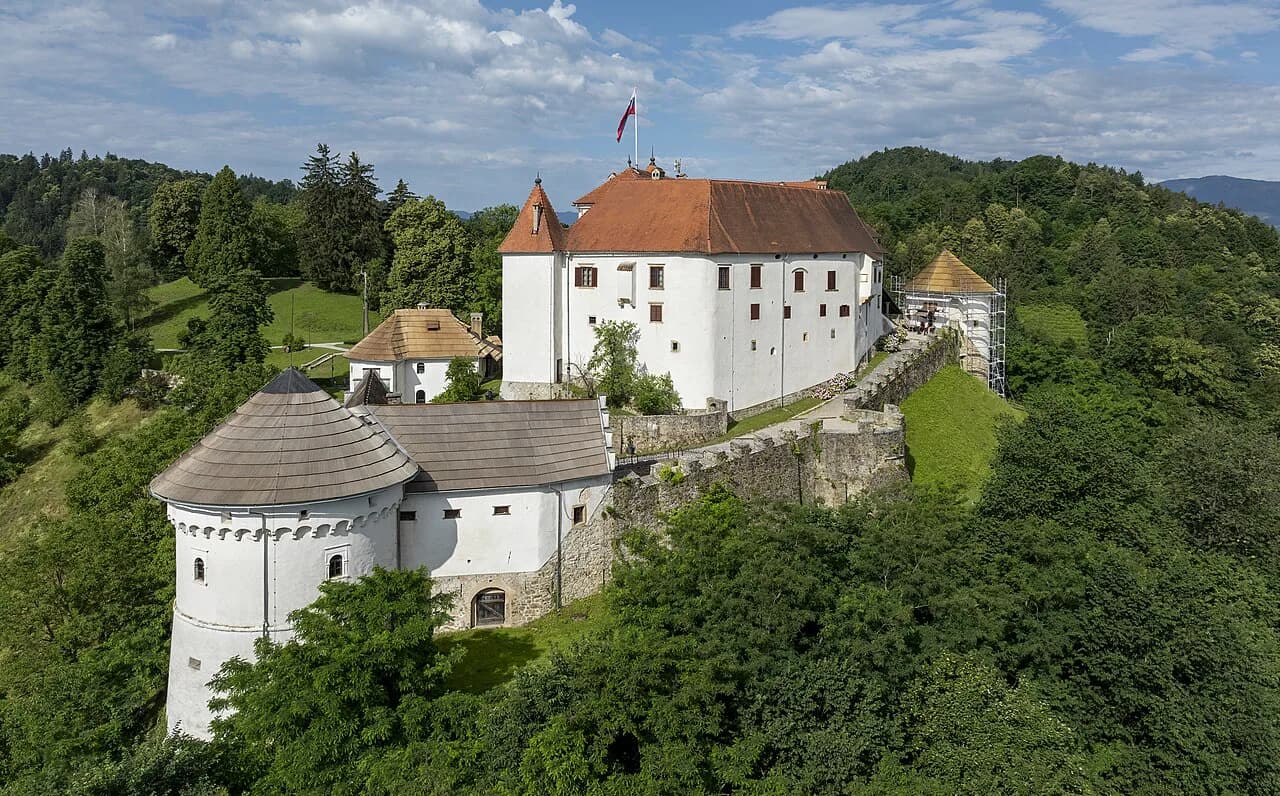
Velenje Castle sits on the hill above the town and gives you the clearest view over the valley and its lakes. The castle houses the Velenje Museum, and the climb up is the obvious first stop if you want the town's geography to make sense before you walk it. Check current opening hours and admission at the museum before you go.
The castle's position explains the town's history: the planned city of the socialist period grew in its shadow, and the view from the hill shows how tightly the housing blocks, the river and the lakes sit together. Budget about an hour for the castle and museum if you move briskly, longer if you read the exhibits carefully. Pair it with the Slovenian Coal Mining Museum the same day for a coherent picture of the valley.
The Coal Mining Museum of Slovenia and its underground tour
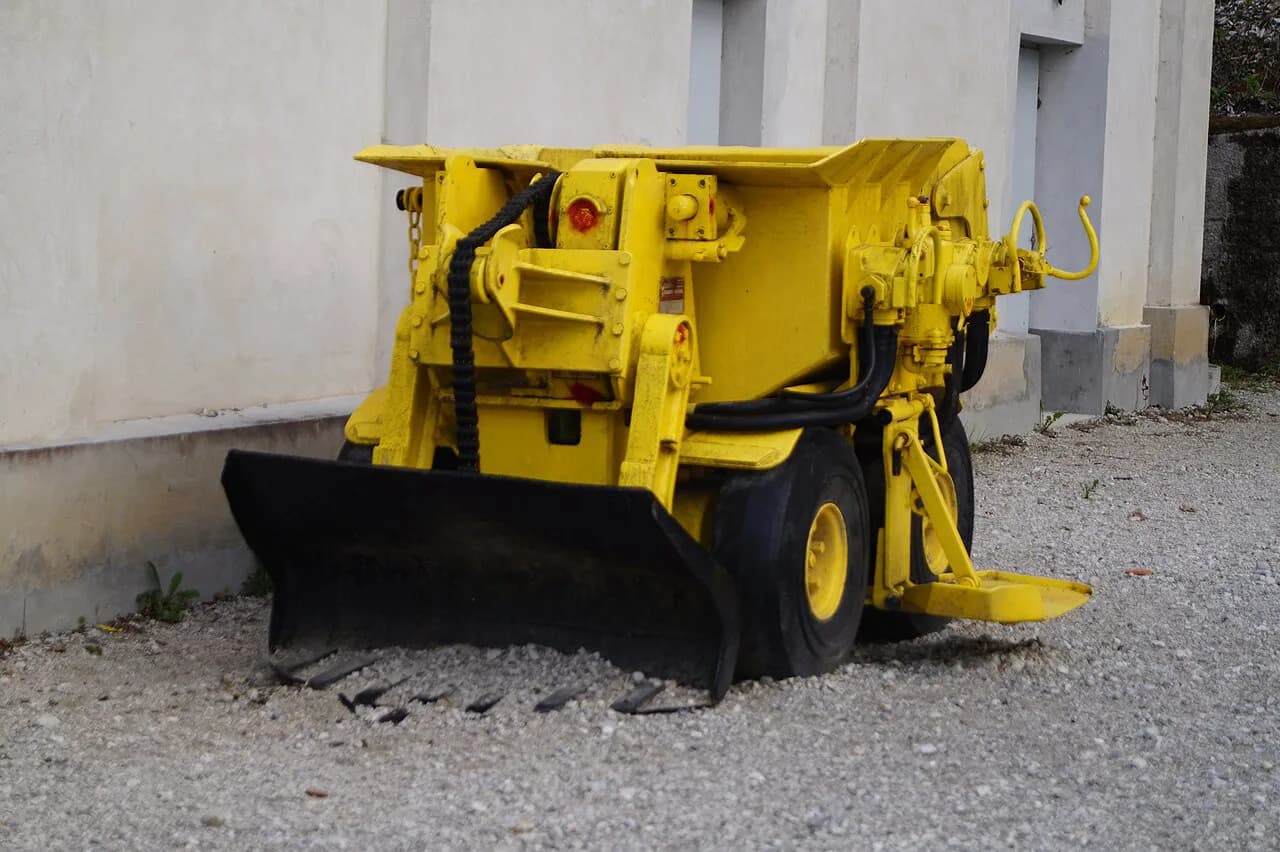
The Slovenian Coal Mining Museum in Velenje, run by Premogovnik Velenje, is the reason many visitors come: its centerpiece is a tourist mining cave that takes you underground into the workings. The source says the cave route includes the deepest underground dining hall in Slovenia and sunken villages. Allow a couple of hours for the full visit, more if you join a guided tour and linger in the exhibits.
Tour times and ticket prices for the underground route are set by the museum, so confirm them directly when you book rather than assuming a fixed slot. The underground sections are cool and enclosed, which is worth planning for if you are visiting in summer. The museum pairs naturally with the castle, since both tell the same story from different angles: the old town above and the industrial city below.
Velenje's lakes: Velenje Lake, Šalek Lake and Družimirsko Lake
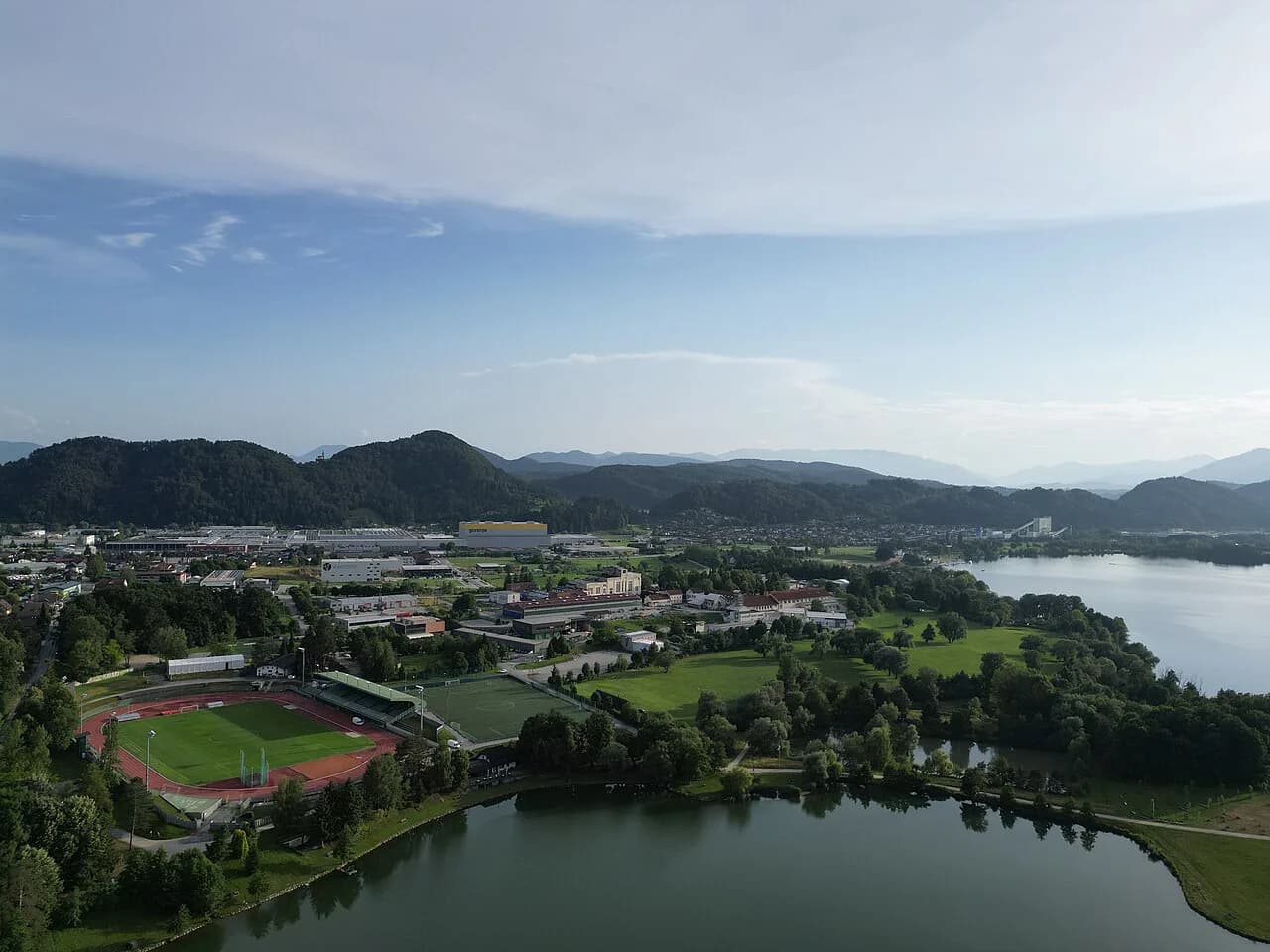
Velenje has three lakes, and they are not interchangeable. Velenje Lake is the biggest and most developed, at roughly 1.4 km² with a volume of about 30.5 million m³, and it is where the beach, waterpark and most of the activity concentrate. Šalek Lake is the smallest, its surroundings protected as the Škale Landscape Park. Družimirsko Lake is the deepest and is still actively spreading as excavation continues, and it is not suitable for swimming.
The origin of all three is lignite excavation, which is why one lake remains off-limits for bathing and another is still growing. With limited time, choose Velenje Lake for facilities and Škale for quiet birdwatching. The distinction matters because a map that shows three blue patches does not tell you which is usable for what.
Lake Velenje beach and the waterpark area
Lake Velenje Beach is the main swimming and recreation area, and the municipality describes it as a regular winner of competitions for the best natural bathing site in Slovenia. Note that Lake Velenje does not have official bathing-water status, so swimming is at your own risk. That caveat is worth taking seriously if you are traveling with children or planning a swim-focused day.
Around the beach you find a waterpark for swimming, stand-up paddleboarding, sailing and children's play, plus bars for relaxing between activities. There is also a sports center with outdoor and indoor tennis courts plus volleyball, football and basketball courts nearby. If you want a full outdoor day, this is where you base yourself rather than at the quieter lakes.
Škale Landscape Park and birdwatching around the smallest lake
Škale Lake and its surrounding landscape park cover a mix of water, marsh, shrubs, forest, meadows and orchards where 120 bird species have been recorded, 29 of them endangered. This is the lake to choose if you want quiet and nature rather than swimming and facilities. Bring binoculars and allow an hour or more to walk the perimeter slowly.
The park is protected specifically because of that richness of habitat, so keep to paths and keep noise low. It sits close enough to the town that you can combine it with the beach on the same afternoon, but it feels like a different landscape entirely. For travelers with an interest in birds, it is the strongest reason to slow down in Velenje.
Vista events park and the Škale theater by the lake
Vista events park sits beside the lakes and hosts events through the year, and climbing onto the roof of Vista's stage gives you a wide view over the water. The tourist board describes a theater by Škale Lake for alternative music and theater and more than 1,500 events a year across the town's venues. Check the local event calendar for what is happening during your stay.
If your visit coincides with a festival, the lakeside becomes busy and getting to the water takes longer, so arriving earlier in the day helps. Outside event periods the park and stage area are a calm place to walk with a view. Use the town's event calendar to check before you plan an evening there.
Walking and cycling around the lakes: how long to allow
The lakes are linked by hiking and biking trails, and the beach at Lake Velenje is the natural starting point for strolls, cycling and horse riding around the water. Allow half a day to walk and cycle a loop that takes in Velenje Lake and Škale Lake, since the two are close enough to combine. The paths are largely flat because the town sits at around 396 m above sea level.
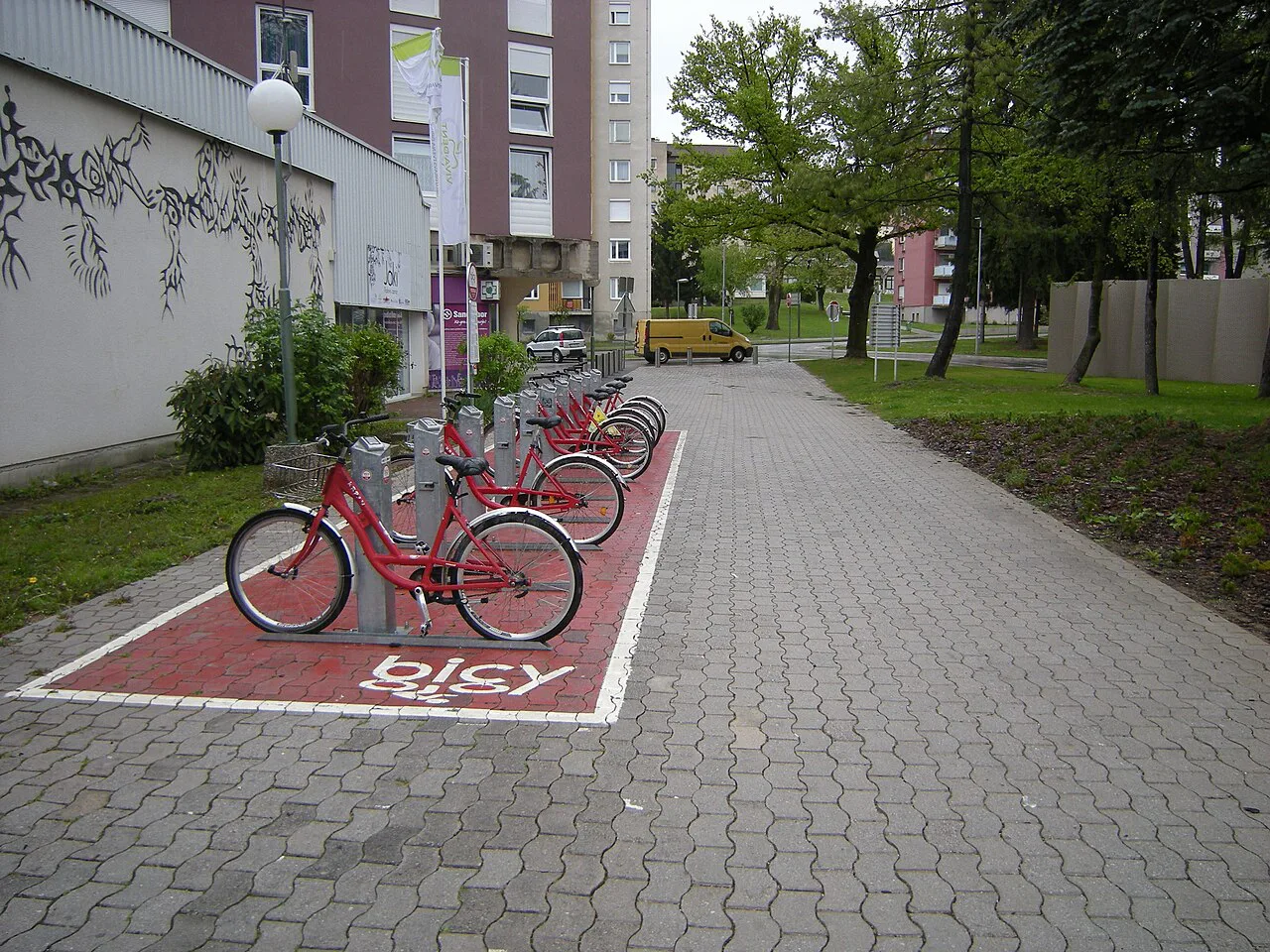
If you want to cover more ground without a car, the municipality lists Lokalc public buses and a Bicy public bicycle service. These let you move between the center and the lakes without reparking. Check the current routes and rental conditions on the municipal site before you rely on them.
TIC Velenje and TIC Vista: where to pick up maps and local information
TIC Velenje is at Stari trg 3 in the town center, and the tourist board lists it as open daily including public holidays, from 9am to 5pm, which makes it a reliable first stop for maps. TIC Vista sits by the lake, and in July and August it also opens from 9am to 5pm. Confirm seasonal hours at either office if you are traveling outside those months.
Both offices are run by the Šaleška Valley tourist board, and staff there can tell you what is currently running at the lakes, the museum and the castle. Picking up a map at TIC Velenje before you head to the water saves time later. If you are arriving late in the day, phone ahead to confirm they are open.
How much time Velenje needs, and combining it with Topolšica
Plan a full day for the city: the castle and museum in the morning, the Slovenian Coal Mining Museum and its underground tour in the early afternoon, then the lakes late in the day. If you are short on time, cut the lakes and keep the two museums, since they are what makes Velenje distinct from other Slovenian towns. A visit squeezed between Ljubljana and Maribor barely fits the castle and one museum.
Topolšica, a short drive away, offers thermal springs set amid forest and makes an easy add-on if you want a slower second day. The spa there pairs well with the industrial and mining theme of Velenje by giving you a contrast.
Is Velenje worth the detour?
Velenje fits a full day if you want the mining story and the castle together, or a lakeside afternoon that is not Bled. It works best as a day trip from Ljubljana or as a stop on a route through the Šaleška Valley rather than as a destination in itself. If your only interest is Alpine scenery, it is not the town for you, since the landscape here is shaped by industry.
Pair it with Slovenj Gradec for a broader look at this part of northern Slovenia, and check TIC Velenje for current opening times before you travel. Confirm museum and castle hours directly, as both run on their own schedules. With a day and a car, Velenje delivers more than most travelers expect from a former coal town.
Explore more Velenje guides
Sources
Notes for your Slovenia trip
Optional updates to our Slovenia place guides.
You might also like
Continue reading
More guides you'll find useful