Lake Velenje: The Beach, the Lakes and How to Visit
Lake Velenje is an artificial lake in the Šaleška Valley with a beach, water park, lakeside paths and paid parking. Here is what is there and how to visit.
On this page
Lake Velenje is not natural: it is one of a group of artificial lakes in the Šaleška Valley beside the town of Velenje, created as a side effect of lignite excavation. The most useful thing to know before you go is that the lakes in the group serve very different purposes, and only the beach area at Lake Velenje is set up for a day by the water. This guide sorts out which lake to head for, what the beach and water park include, how parking is charged, and how to arrive without driving.
What and where Lake Velenje is
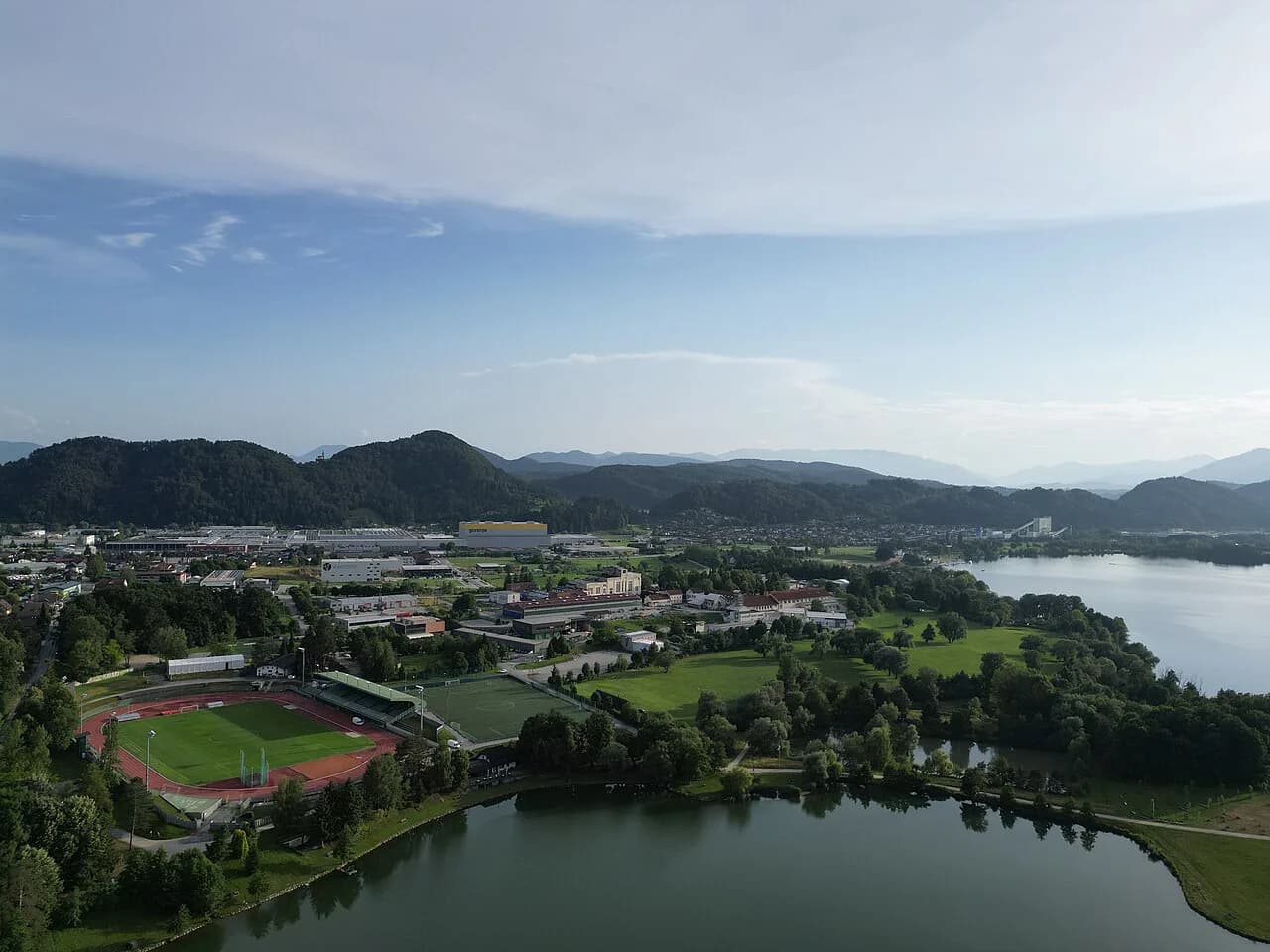
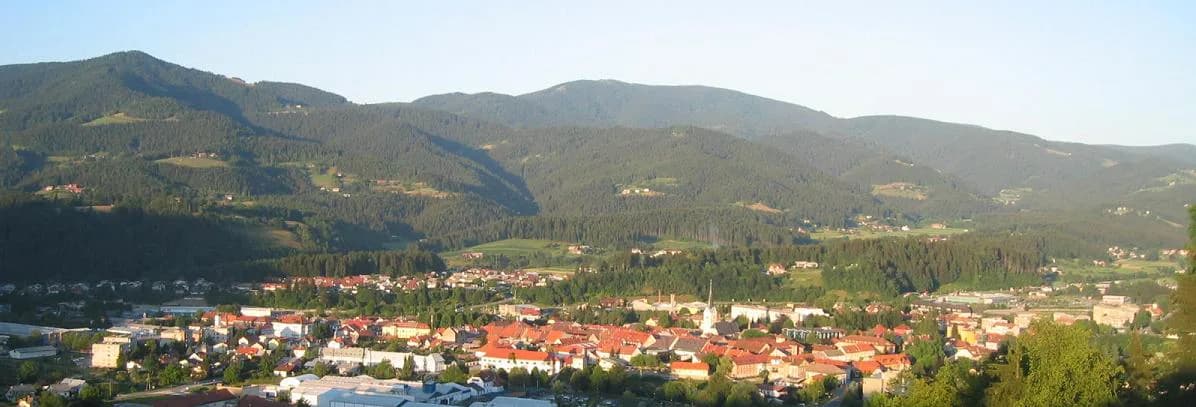
Velenje sits in the Šaleška Valley in northern Slovenia, on the Paka River, with the lakes strung along the valley floor below the town's castle. The lakes are a byproduct of a century of mining: rural settlements were flooded as the ground sank, leaving water where fields had been. Lake Velenje covers roughly 1.4 square kilometers with a volume of about 30.5 million cubic meters, which makes it the focus of the town's summer life.
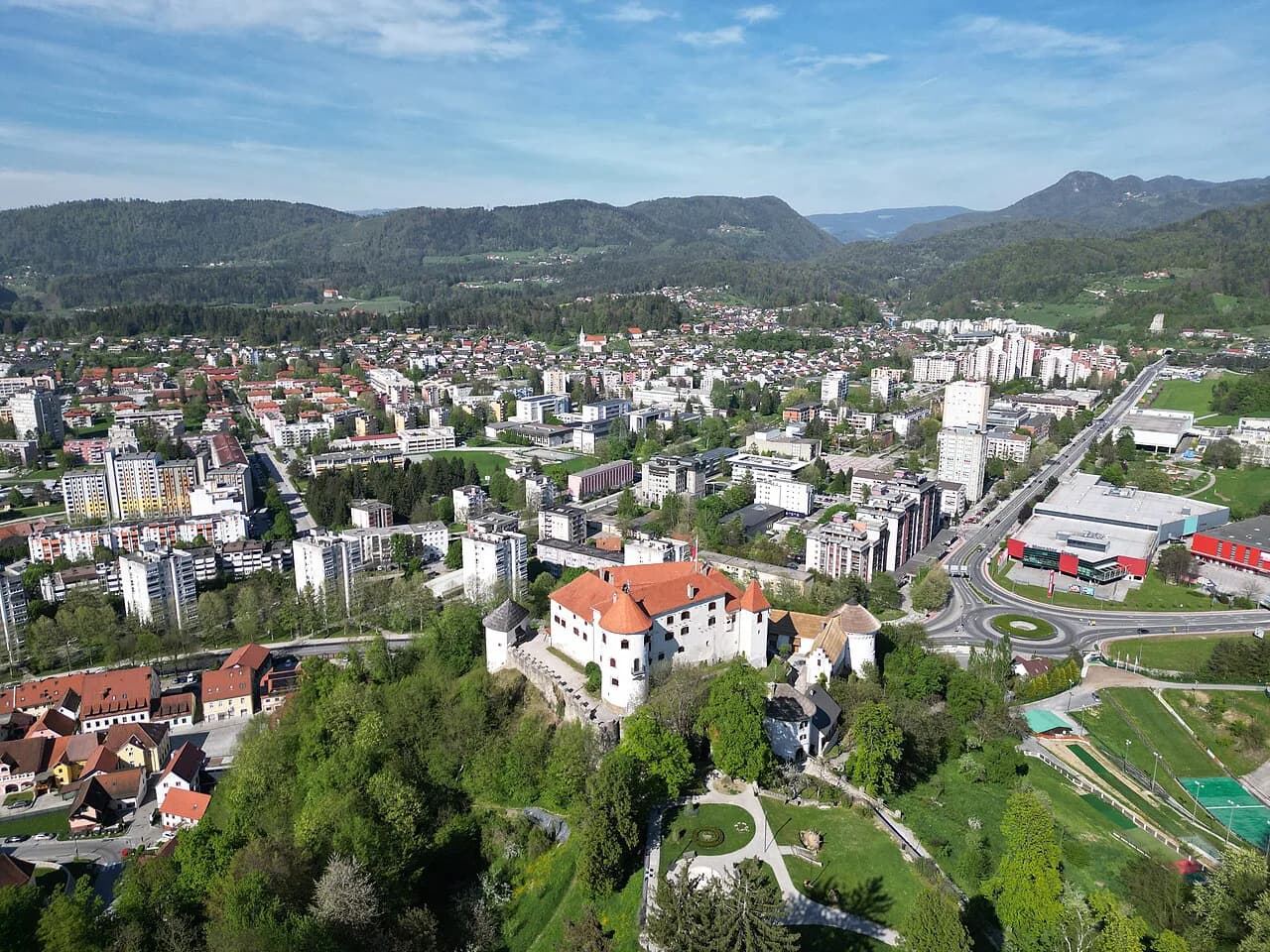
Treat the lake as a recreation ground rather than a wild swimming spot. The shoreline carries a beach, a water park, cafés, sports courts and a promenade, and the town positions the beach and the Vista park above it as its main visitor draws. Velenje itself is a compact town, so the lake, the castle and the center are close enough to combine in one day; our guide to Velenje lays out the town-side sights if you want to build a fuller itinerary.
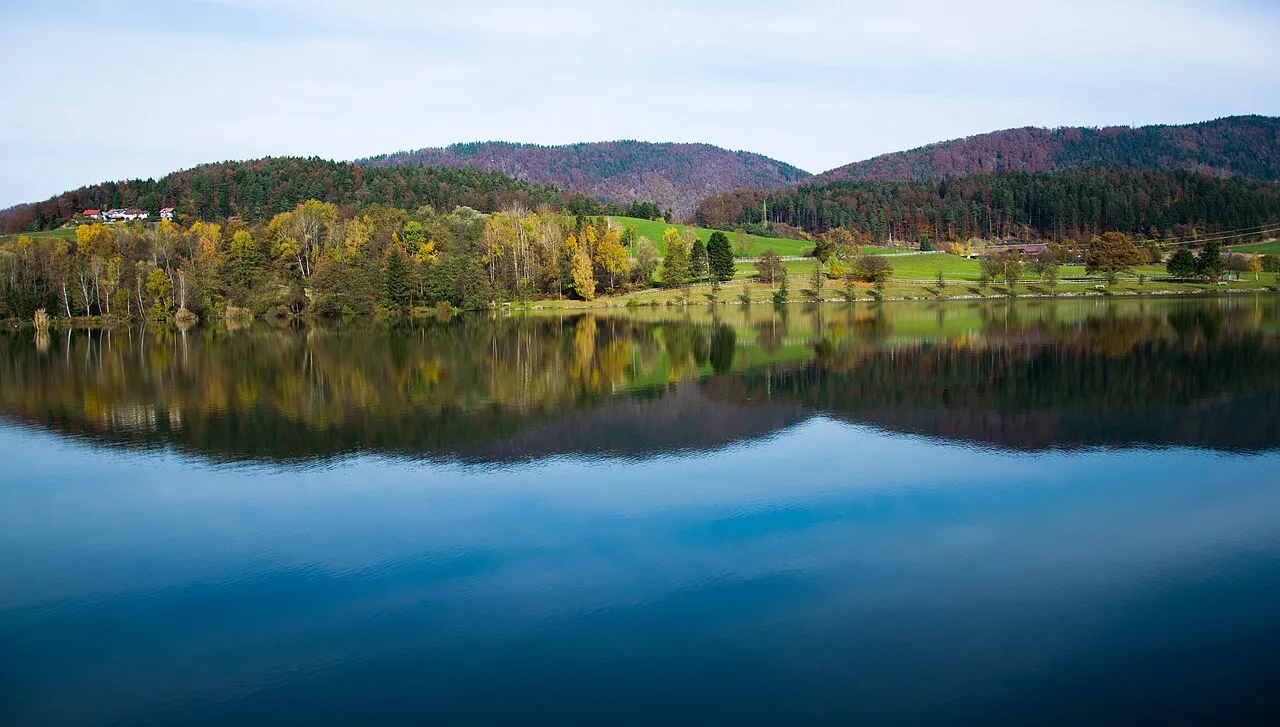
The three lakes and which one to visit
The Velenje group has three lakes, and they are not interchangeable. Lake Velenje is the popular one, with the beach, water sports, lakeside trails, camping and a sports center with tennis, volleyball, football, basketball, golf, mini golf and fitness facilities. Šalek Lake is the smallest, surrounded by marsh, shrubs, forest, meadow and orchard, and it is the quiet one for wildlife. Družimirsko Lake is the deepest of the three and is still expanding as excavation continues; it is not suitable for swimming.
For a family afternoon or a swim, go to Lake Velenje. For a slow walk and birdwatching, choose Šalek Lake. Družimirsko Lake is a look-from-the-edge curiosity, not a place to get in the water.
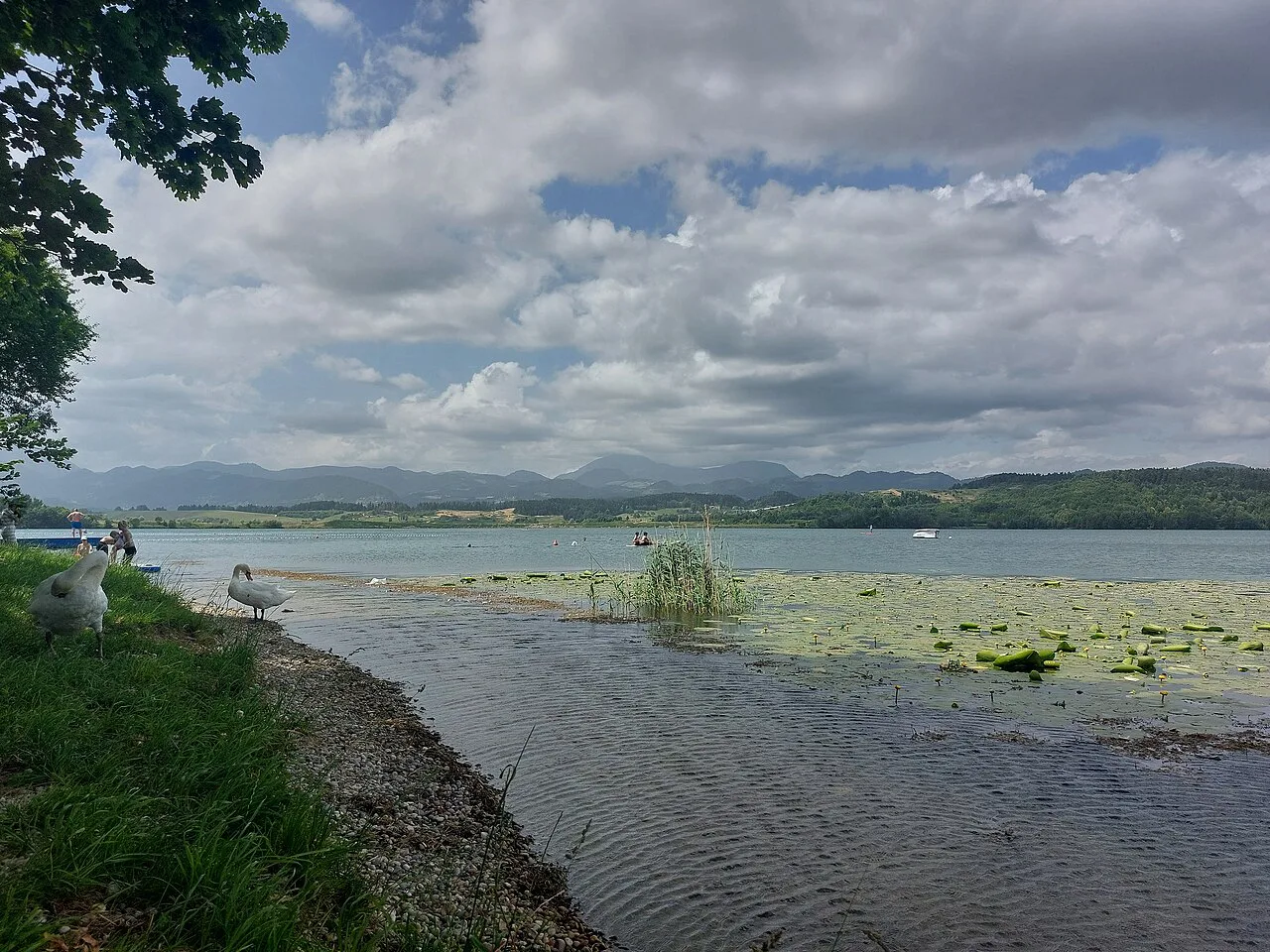
Velenje Beach: swimming, loungers and the Water Park
Velenje Beach is the organized shoreline of Lake Velenje, with a swimming area, free umbrellas and sun loungers, and family pergolas added for shade and privacy. Loungers are free to use with a refundable deposit taken when you collect a chair and token at the central pier or the water park tent, and you are asked to bring your own towel. Trained lifeguards, marshals and security staff work the beach.
The Water Park, an inflatable course on the water, now requires an entrance fee and life jackets are mandatory for all visitors, a change from earlier seasons. Loungers, umbrellas and the beach promenade remain the low-cost part of the day. The beach is a lakeside recreation area, not a coastal beach, so plan for fresh water, grass and paved paths rather than sand and surf.
Water activities: SUP, boat rides and sailing
Beyond swimming, Lake Velenje supports stand-up paddleboarding, boat rides and sailing, and there is a sailing school based at the lake. The town's own tourism site lists SUP, boat rides and the Water Park as the headline experiences at the water, alongside a park with a view at Vista. Tennis courts, beach volleyball, football and basketball fields, mini golf, a golf practice area and footgolf sit nearby for anyone who wants dry-land activity.
Rental desks and boat operators set their own hours and prices, and those change with the season, so confirm on arrival rather than planning around a fixed rate. Fishing on the lakes requires a license.
Parking at Velenje Beach: rates and payment
Parking at Velenje Beach is charged from May 1 to September 30. The first 60 minutes are free, each additional hour costs 1 euro up to a maximum of 5 hours, and a daily ticket costs 5 euros. Pay at one of the two parking machines, in cash or by credit or debit card. Parking is free for disabled visitors and for motorcyclists in front of the gate.
The money collected goes back into maintaining the beach, and the town openly encourages locals and visitors to arrive by other means during summer. If you drive, arrive early in fine weather, since the charged hours and the shuttle alternatives are built around peak demand.
Getting there without a car
The car-free options are walking, cycling, the Bicy bike-share service and the free Lokalc bus, all named by the tourism institute as alternatives to driving to the beach. Lakeside paths link the beach with the surrounding area and continue along the shore for walks, cycling and horseback riding through the year. The Štrekna bus, a seasonal service with bicycle transport, no longer operates; it ended after running from June to September.
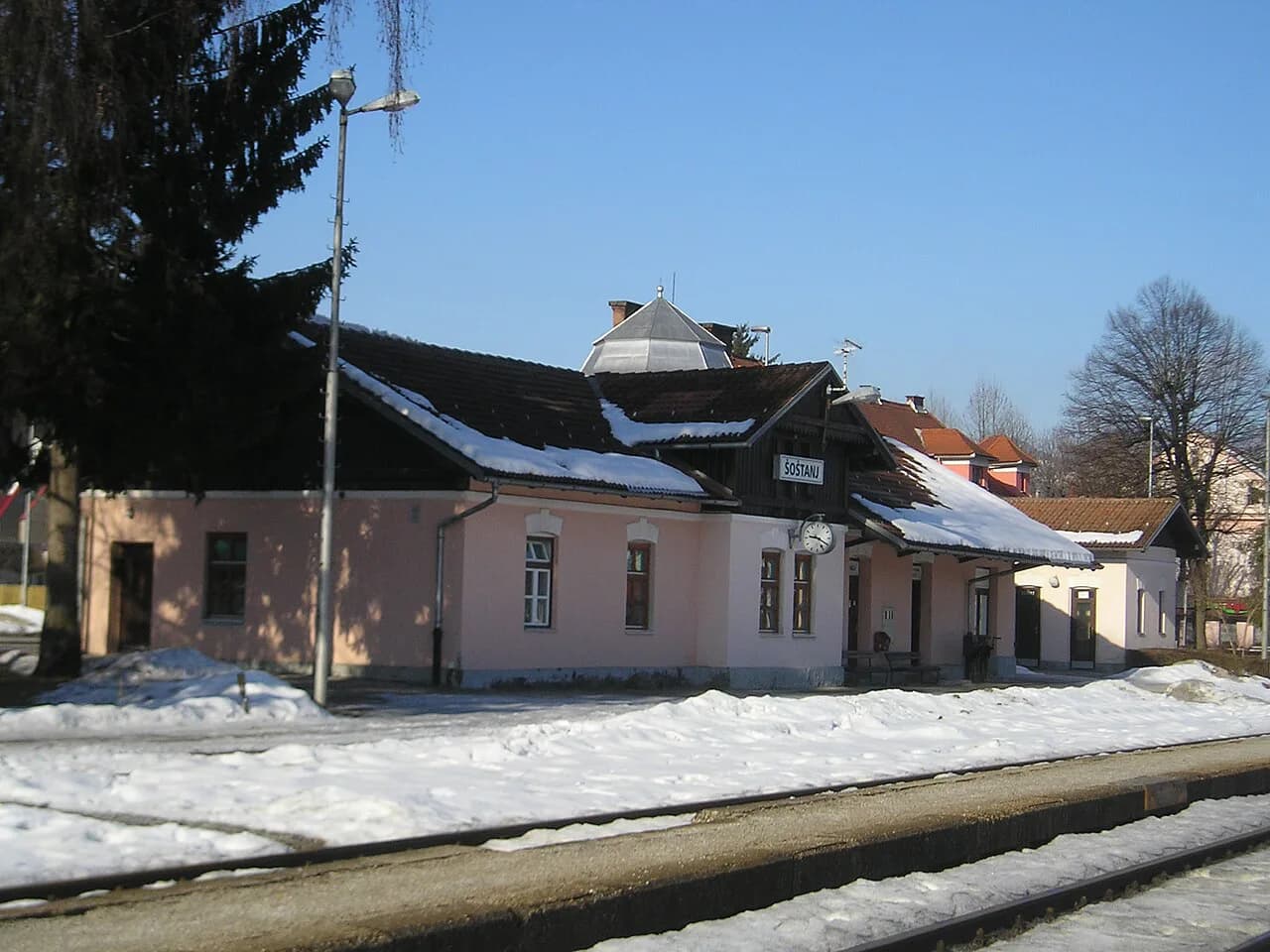
If you are coming from elsewhere in the Šaleška Valley, Šoštanj is a short hop away and works as a second base for the lakes and the surrounding hills. Cyclists should note that the dedicated bike-carrying bus is gone, so bring your own route planning rather than relying on a shuttle.
Walking and cycling between the beach and Vista park
The shoreline between Velenje Beach and the Vista park above it is the most rewarding short walk at the lake. Vista is a park with a view, with a platform over the water and a stage used for events, and the beach sits directly below it. The Heart trails, made up of a Small Trail, a Big Trail and a route from Škalsko jezero lake to Vista and back, extend the walking and cycling network beyond the shore.
Paths along the lake are used year-round for walks, hikes and cycling, so even outside beach season the shoreline is worth an hour. In winter, when snow holds, cross-country ski trails appear in and around Velenje.
Šalek Lake and the Landscape Park Škale
Šalek Lake is the smallest of the three and the one to pick for nature rather than swimming. Its surroundings of lake, swamp, shrubs, forest, meadow and orchard have recorded 120 bird species, 29 of them endangered, and the area is protected as the Landscape Park Škale. This is a place for binoculars and a slow loop, not a towel.
The lake also hosts the Kunigunda Festival of alternative theater and music, staged in a miner-built open-air cinema by Škalsko Lake. If you are in town during the festival period, the lake becomes an evening venue rather than a quiet corner.
Družimirsko Lake: look, don't swim
Družimirsko Lake is the deepest of the Velenje lakes and is still actively spreading as excavation continues. It is not suitable for swimming, so treat it as a viewpoint on the mining landscape rather than a recreation stop.
Seeing the three lakes together explains the town better than any single stop: the water, the subsidence and the mine are one story. Pair the drive around the lakes with a look at the town's mining heritage if the industrial side interests you.
Velenje beyond the water
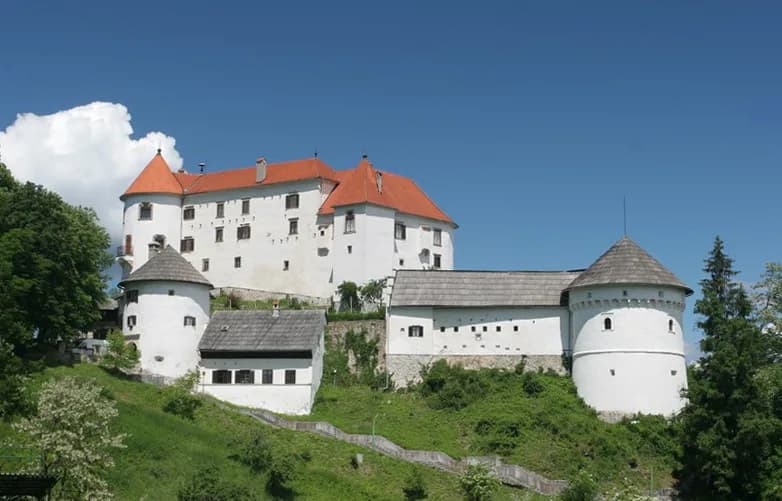
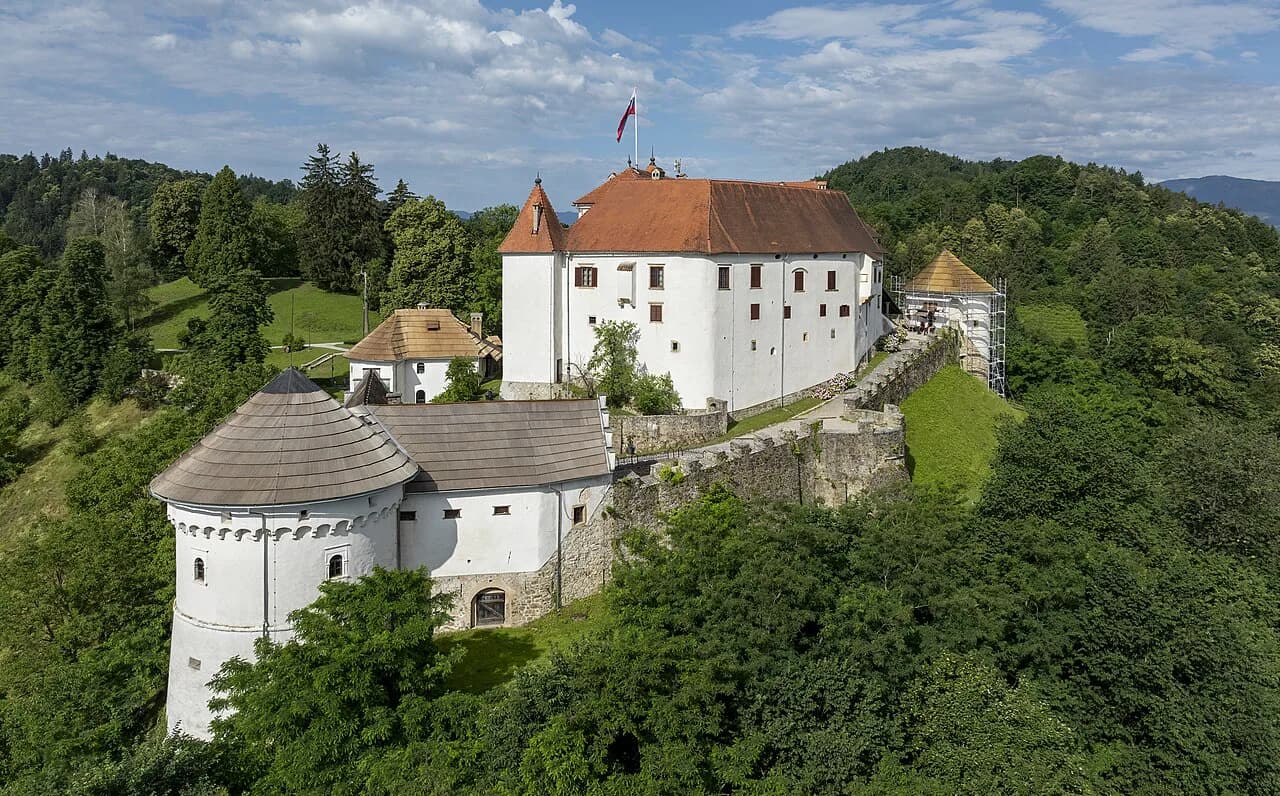
Above the lake, Velenje Castle is described as one of the best-preserved Renaissance castles in Slovenia, and it anchors the town's sightseeing alongside Šalek Castle and Turn Castle. The town is also known for its mining tradition and for a Tito monument more than 10 meters high. Our page on Velenje castle covers the castle and its museum separately from the lake.
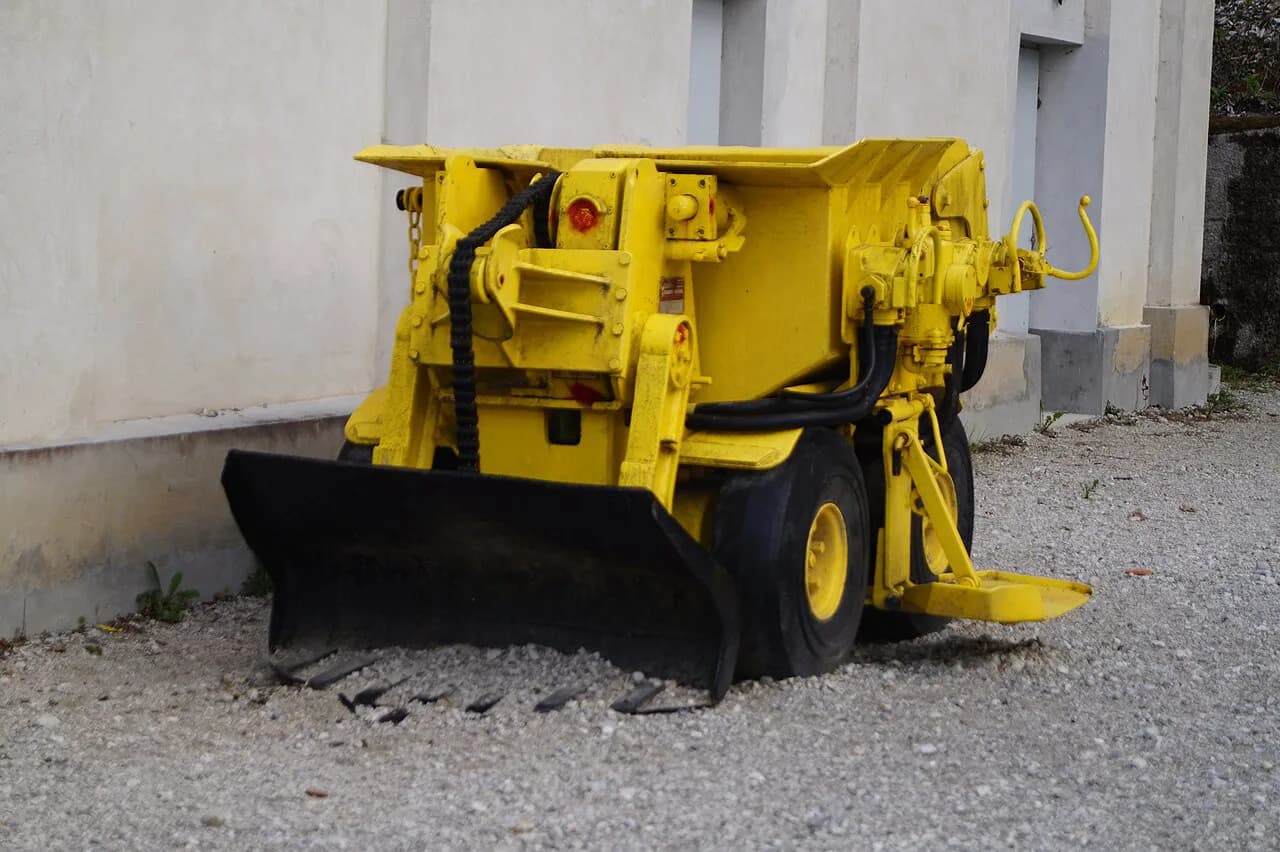
For a deeper industrial stop, the Velenje coal mining museum takes visitors 160 meters below the surface into an abandoned mine, with a miners' snack included in the ticket. Terme Topolšica, a spa in forested country nearby, is the other half of the Velenje-Topolšica destination. If you are touring the wider region, Slovenj Gradec makes a natural next stop.
Practical tradeoffs before you go
The key caveat is water quality. Lake Velenje does not have bathing water status, so swimming is at your own risk, and that applies to the beach as much as anywhere else on the lake. If official bathing-water classification matters to you, this lake will not satisfy it.
Summer concentrates everything at Velenje Beach: charged parking, crowded water park sessions, and demand for loungers and shade. Coming by bike, on foot or on the Lokalc bus avoids the parking charge and the search for a space. Outside beach season the shoreline paths still work well for a walk.
Beach day or birdwatching loop?
Choose Lake Velenje if you want to swim, paddle, ride a boat or spend a summer afternoon at the beach with the family. Choose Šalek Lake if you want birds, reeds and a quiet path, and skip Družimirsko Lake for anything involving water. Check the beach operator's seasonal notices for water park hours, boat and SUP prices, and any life-jacket requirements before you set out.
Explore more Velenje guides
Frequently Asked Questions
Is Lake Velenje natural or man-made?
It is man-made. Velenje and Šalek lakes were created as a side effect of lignite excavation, and Družimirsko Lake, the deepest of the group, is still spreading as mining continues. Rural settlements once stood where the water of Velenje and Šalek lakes is now.
Can you swim in Lake Velenje?
People swim at Velenje Beach, but the lake does not have bathing water status, so you swim at your own risk. The beach area has lifeguards during the season, and life jackets are mandatory in the Water Park.
What is the biggest lake in Slovenia?
The Velenje lakes are among the larger standing waters in the country, with Lake Velenje covering about 1.4 square kilometers, but this guide does not rank Slovenian lakes by size. Treat the figure as a scale reference for the lake, not a national title.
Sources
Notes for your Slovenia trip
Optional updates to our Slovenia place guides.
You might also like
Continue reading
More guides you'll find useful