Velenje Castle: What to See Inside the Museum
Velenje Castle holds the Velenje Museum's galleries, a mastodon display and African art, with seasonal hours and a courtyard layout to plan around.
On this page
Velenje Castle is a well-preserved castle on a hill above the town, and today it is the seat of the Velenje Museum rather than an empty shell. The ticket gets you into a set of permanent exhibitions and galleries rather than a single furnished interior, so treat the visit as a museum stop with a castle wrapped around it. This guide covers the seasonal hours, what each part of the collection holds, how the courtyard layout works, and how to reach the castle from Ljubljana.
What Velenje Castle is and where it sits
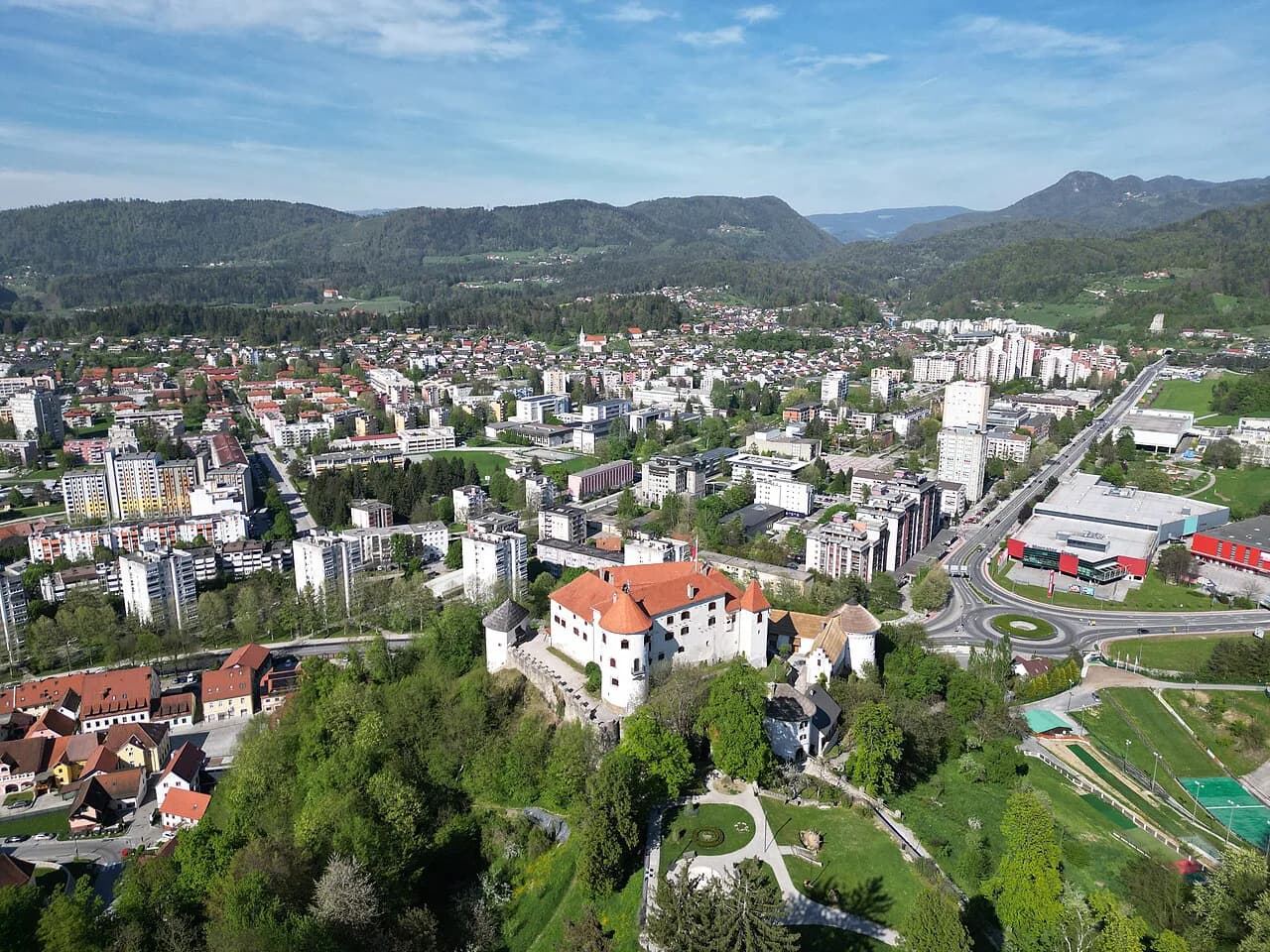
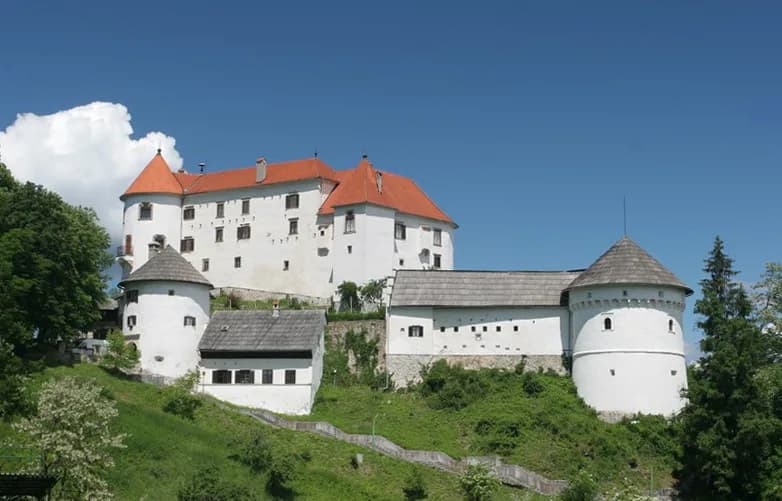
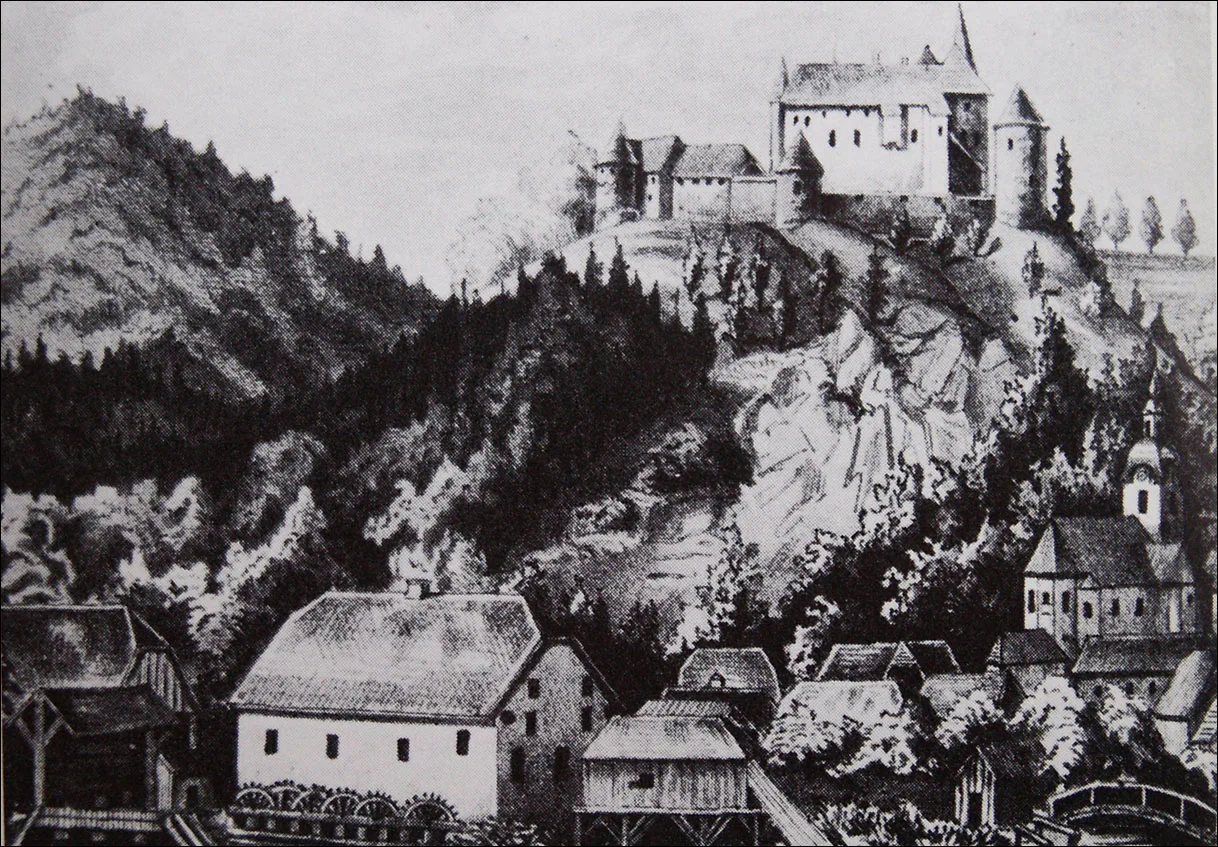
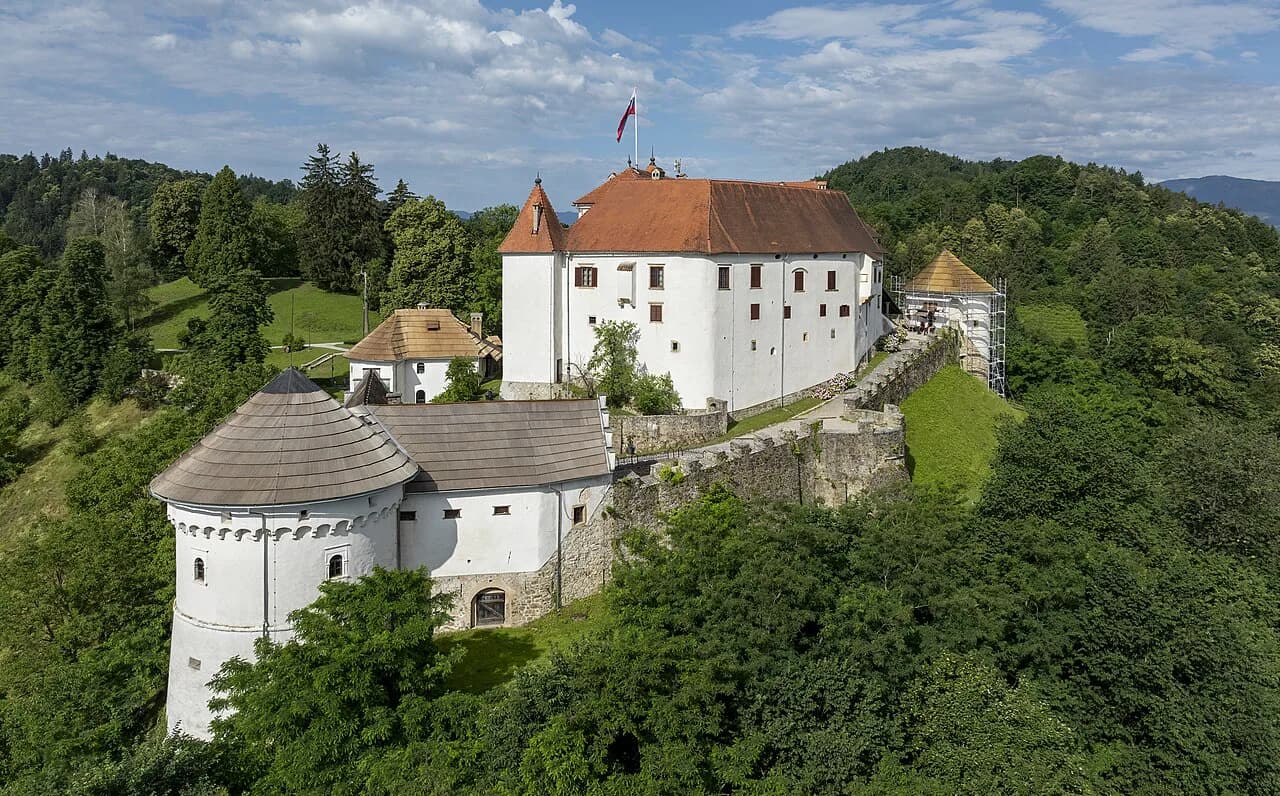
The castle stands at Ljubljanska cesta 54 in Velenje, on a rise that looks down over the town in the Šaleška Valley. Its first written mention dates to 1270, and the appearance you see now comes largely from a 16th-century rebuilding under the Wagen counts, including the Renaissance roundel on the southeastern side. A rosette above the main entrance crossbeam carries the year 1558, which is also given on the entrance door.
The building has been the headquarters of the Velenje Museum since 1957. That shift matters for planning: you are not walking through period rooms so much as moving between exhibition spaces set inside the old walls, wings and cellars. After World War II the castle was under social ownership, hosted apartments for miners and their families, and much of its interior was destroyed before the museum use took hold.
If you want the wider context of the town around the castle, the guide to Velenje: What to See in Slovenia's City by the Lake covers the lake, the squares and the rest of the center. The castle works best as a half-day anchor, with the town filling the rest.
Opening hours by season
Hours change with the season, so check the calendar before you set out. From April 1 to October 31 the museum at the castle opens Tuesday to Sunday, 10 AM to 6 PM; in July and August it opens Monday to Sunday, 10 AM to 6 PM. From November 1 to March 31 it opens Tuesday to Sunday, 10 AM to 5 PM.
The castle is closed on Mondays outside July and August, and it also closes on January 1, Easter, November 1 and December 25. A Monday arrival in spring or autumn therefore means a wasted climb, and the short winter day closes an hour earlier than summer. Build the castle into the middle of the day and keep the edges for the town.
What the Velenje Museum holds: permanent exhibitions and galleries
The museum runs ten permanent museum and gallery exhibitions along with temporary shows. The castle holds a gallery of paintings by Lojze Perko and a permanent exhibition of 20th-century Slovenian applied art, plus a chapel collection of baroque sacral art rescued from the demolished church of St. Jurij v Štalah. A room is also given over to periodical exhibitions, so the mix changes between visits.
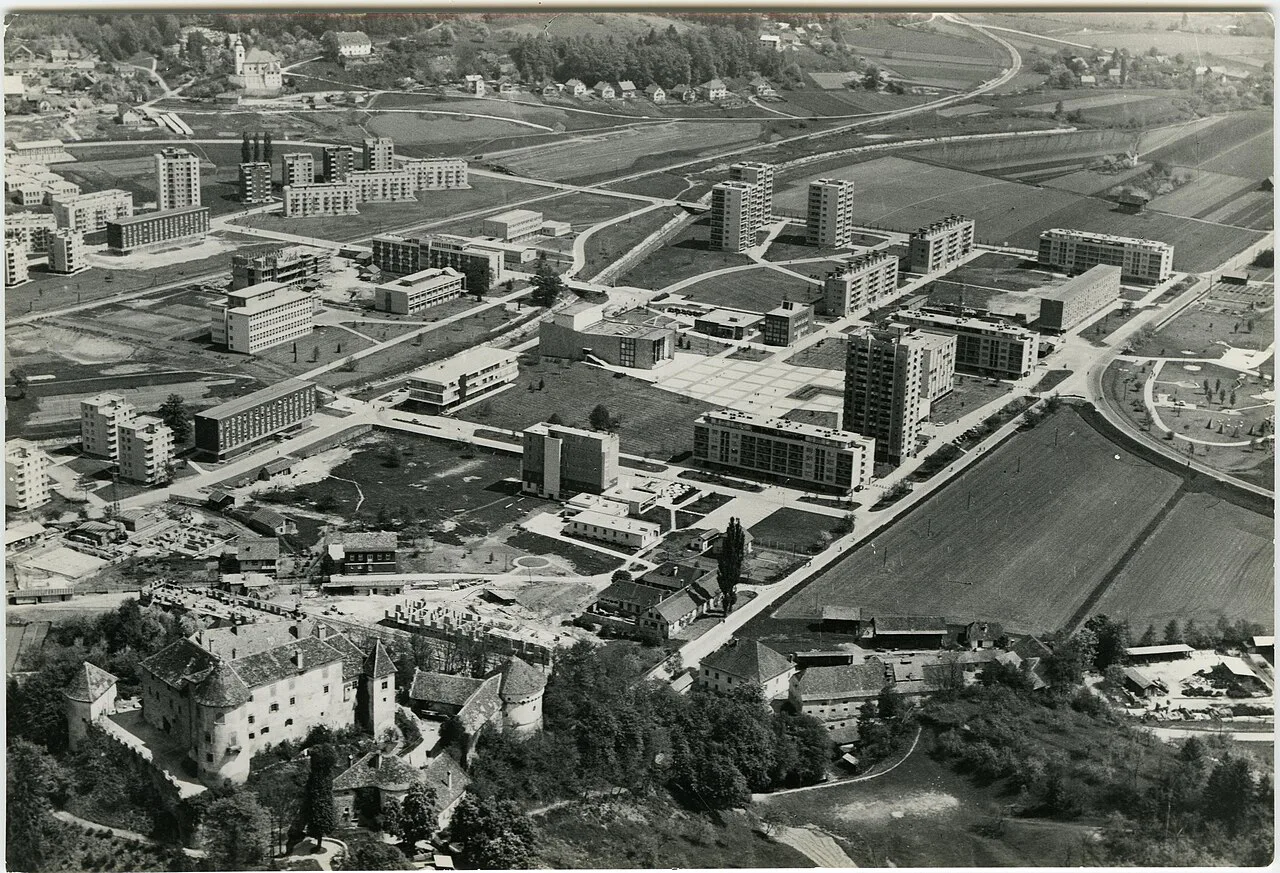
The collection ranges widely: alongside the Slovenian material you find African objects, contemporary art and sculpture, and a display on the area's mining history. One gallery reconstructs a typical Slovenian or Yugoslav apartment and tells the story of Velenje's development as a town, which helps explain why a planned modern center sits below a medieval castle. The household appliance maker Gorenje was founded in Velenje and still has its headquarters there.
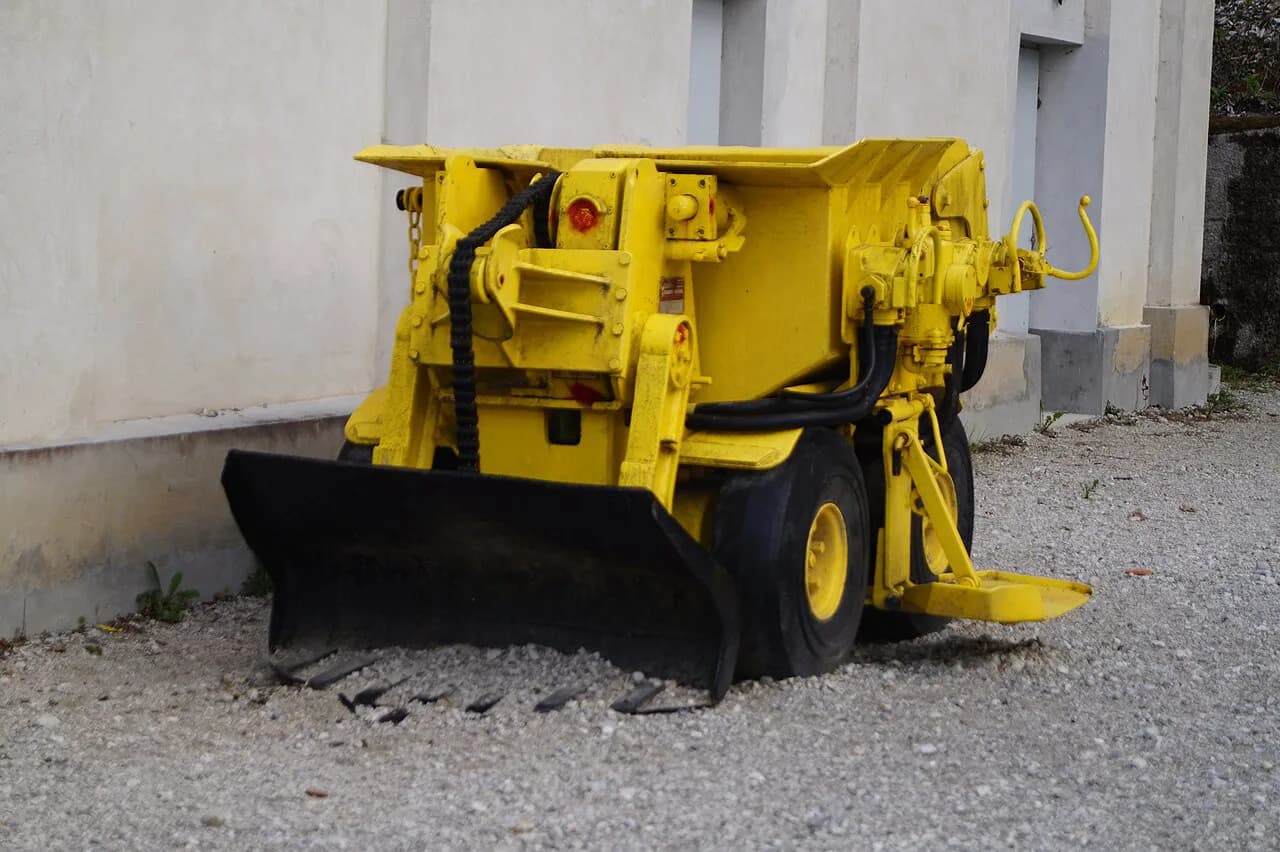
For the mining side in more depth, the Velenje coal mining museum is a separate stop in town and pairs naturally with the castle's own mining gallery. Do them on different halves of the day rather than trying to squeeze both into one visit. If you want more on the underground workings around the valley, Podzemlje Pece covers the mine under Mount Peca near Mežica.
The mastodon, the African collection and the 1930s shop and inn
Three exhibits are the ones to seek out. The remains of a mastodon uncovered in the area around Velenje are displayed in the former stables, which gives the natural history material a room of its own. The African collection comes from František Foit, a Czech sculptor and explorer who gifted the objects to the museum, and it is counted among the three most important African collections in Slovenia.
The reconstruction most visitors remember is the 1930s shop and inn in the courtyard, which puts period goods and fittings back into the spaces. You can buy museum tickets in the shop and have a drink in the inn, so the reconstruction doubles as the practical stop midway through the galleries.
How long a visit takes and how the courtyard layout works
Allow roughly two hours for the galleries, and budget more if a periodical exhibition is running or you read the labels closely. The layout is the thing to understand before you start: galleries sit in the courtyard buildings on the ground floor, on the first floor and underground, so you will climb stairs and double back rather than follow one straight route. The ticket office sits in the courtyard.
A guided tour can unlock rooms as you go, which suits a first visit when you want the sequence explained rather than guessed. Independent visitors should pick up a plan at the courtyard and work outward from there. The 360-degree virtual tour on the museum site is worth a look beforehand if you want to recognize the roundel and the courtyard on arrival.
Getting there from Ljubljana and arriving at the castle
Velenje sits about an hour's drive north of Ljubljana, and the castle is approached from the surrounding villages or from the town. Drivers aim for the castle gate on the hill above the town. The alternative is a train and bus combination into Velenje and a walk or short ride up to the castle; check current connections with the operator before relying on them.
You arrive through an entrance tower and a gate where a drawbridge once stood; it was removed in the mid-19th century, so the approach today is a fixed crossing into the courtyard. Once inside, the ticket counter and the shop are in front of you. The roundel anchors the southeastern corner and is the easiest landmark for orienting yourself.
Combining the castle with the town of Velenje
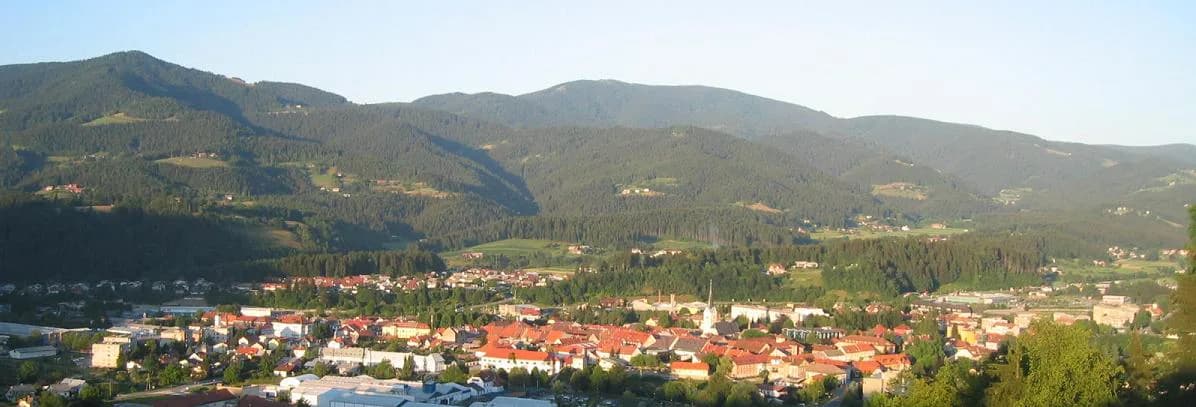
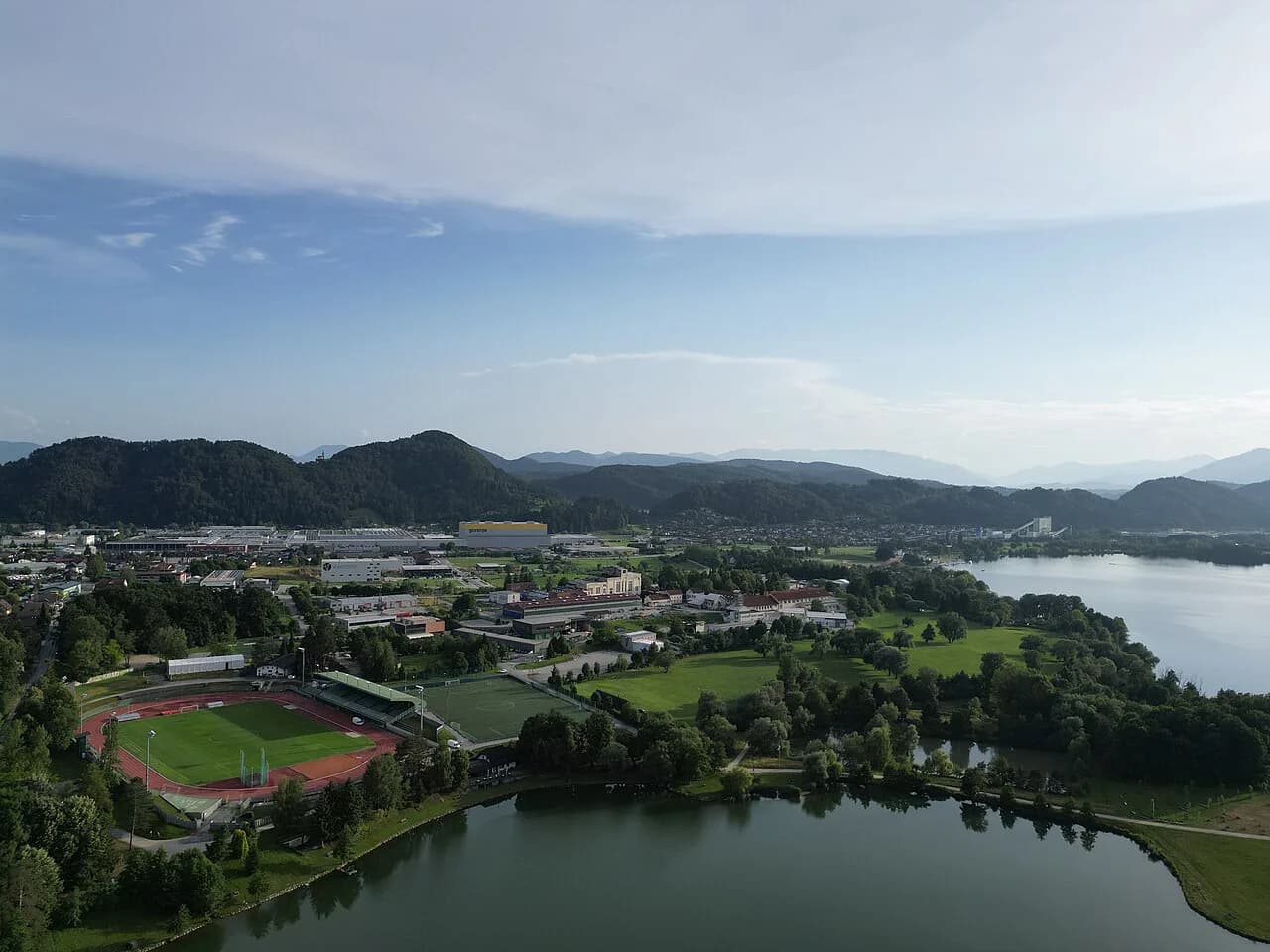
The town below gives you a second half to the day. Lake Velenje, also called Šalek Lake, is the town's open-air center in warm weather, and the walk along it is an easy way to wind down after the museum. The town center itself is a short drive or a longer walk from the castle hill, and the squares and the planned layout make more sense after the museum's town-development gallery.
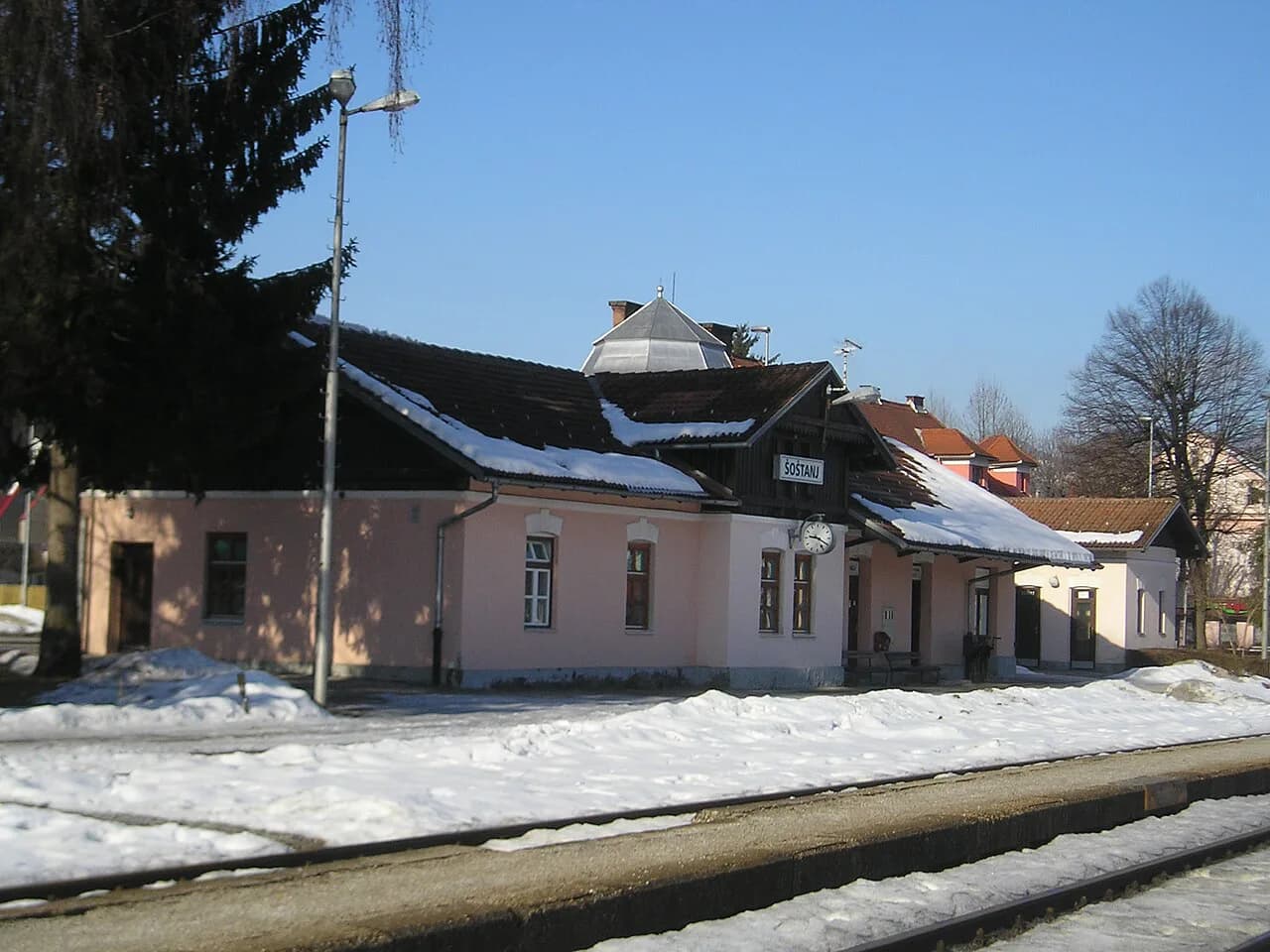
If you are touring the Šaleška Valley, Šoštanj is a neighboring town with its own sights and makes a natural add-on in the same day. Keep the castle as the fixed point and add the town, not both a town trip and a longer northern loop, if you are short on time.
Is the museum worth the climb?
Yes, if you want the Šaleška Valley's story told through objects rather than views, and you have two hours to give it. The castle building gives you the Renaissance roundel, the 1558 entrance and the courtyard; the museum gives you the mastodon, the Foit African collection and the 1930s shop and inn. Skip it only if you are chasing viewpoints alone.
Time your arrival for a day the castle is open, build in the seasonal closing hour, and treat the ticket office in the courtyard as your first stop. Confirm the day's hours on the museum site before you drive up.
Explore more Velenje guides
Sources
Notes for your Slovenia trip
Optional updates to our Slovenia place guides.
You might also like
Continue reading
More guides you'll find useful