Slovenj Gradec: Old Town, Museums and What to See
Slovenj Gradec has a preserved medieval center around Glavni trg, the Church of St. Elizabeth and a town museum. Here is what to see and how long it takes.
On this page
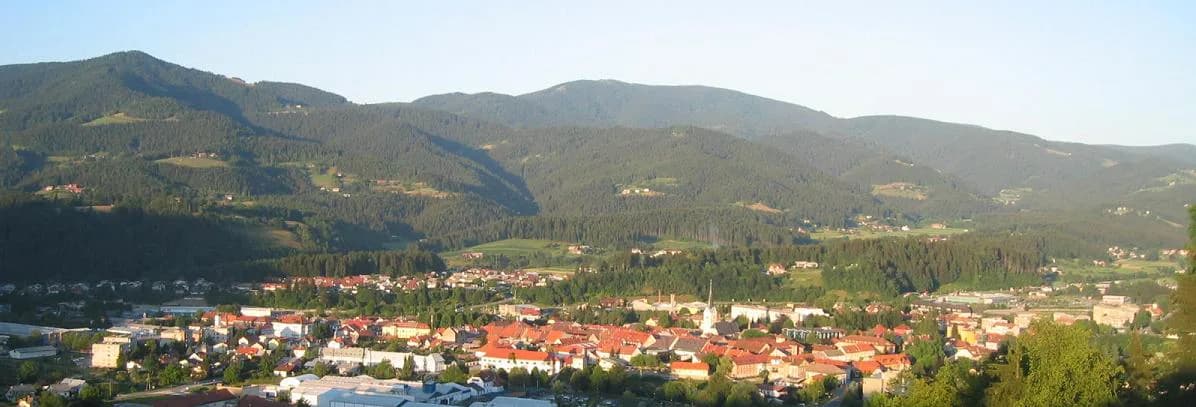
Slovenj Gradec is a half-day stop built around one compact medieval square, and one day is enough to add the out-of-town draws. The town sits in the Mislinja Valley between Mount Uršlja Gora and the western Pohorje range, at the confluence of the Mislinja and Suhodolnica rivers, as the municipality's own site describes. Park once near the center and you can walk the square, the church, the museum and the birth house of composer Hugo Wolf in a couple of hours.
This guide covers the old town first, then the sights inside it, then the food stops and the two trips that need wheels: Alpakaland and the Štrekna cycling route. It closes with a realistic time budget and how the town fits alongside Velenje in a Koroška loop.
Where Slovenj Gradec sits in the Mislinja Valley
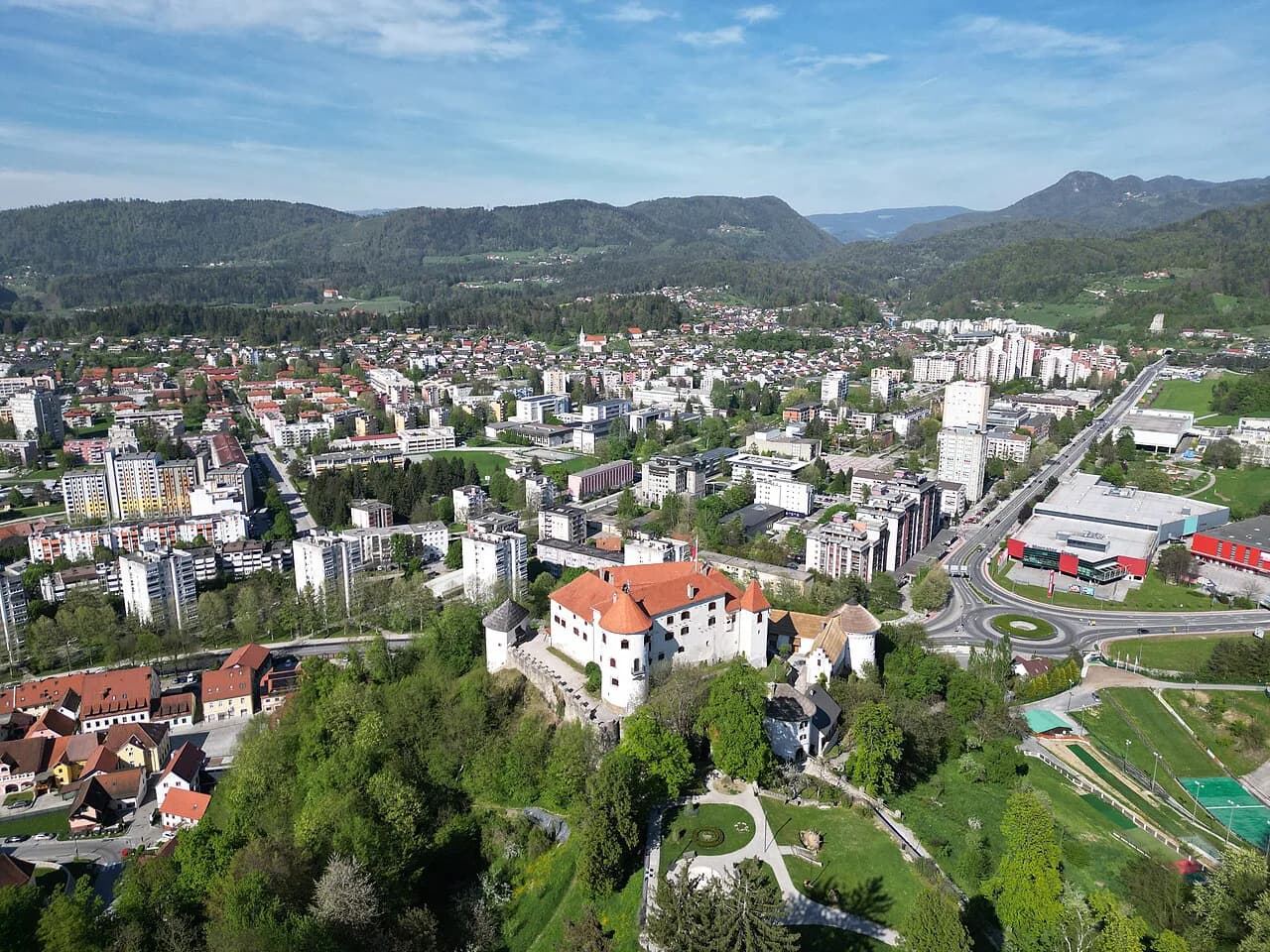
Slovenj Gradec lies in northern Slovenia, in the Mislinja Valley below Mount Uršlja Gora and the western Pohorje range. The town developed between the two ranges at the meeting point of the Mislinja and Suhodolnica rivers, and that setting of slopes and two waterways frames the compact old center.
For a traveler coming from the south, the town pairs naturally with Velenje, which sits a short drive down the valley and has its own castle and lake. If you are building a Šaleška Valley day around those sights, the Velenje: What to See in Slovenia's City by the Lake covers the layout and the lake shore, and Velenje Castle covers the castle hill.
The old town center around Glavni trg
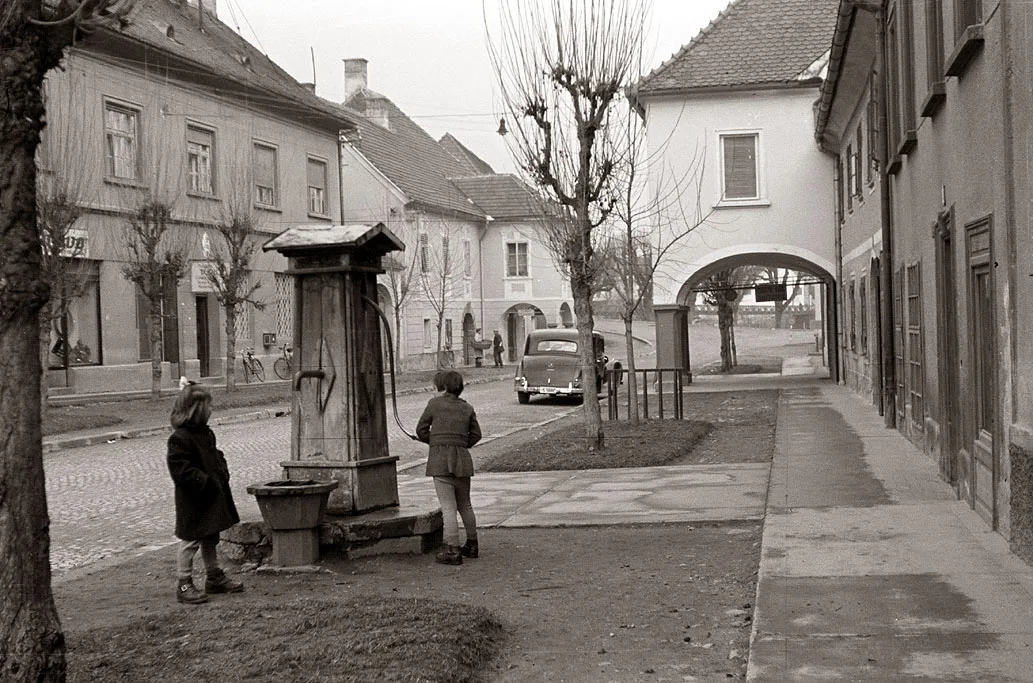
The heart of Slovenj Gradec is Glavni trg, a main square ringed by pastel-colored buildings and cafés with outdoor tables. The old center has kept its original design, and the town's tourism board treats the old town as the town's central monument rather than a single building. Wandering the cobblestone lanes off the square is the main activity here.
Slovenj Gradec held the title of the most beautiful city in Slovenia in 2023, a label the local tourism board repeats on its homepage. Treat that as a past honor rather than a ranking you should plan around. The practical value is that the square and its surrounding streets are well kept and compact enough to cover on foot in under an hour.
Church of St. Elizabeth and its carved altar
Just off Glavni trg stands the Church of St. Elizabeth, a Gothic building with Baroque furnishings inside. Its centerpiece is the Altar of St. Elizabeth, a 1518 work by the sculptor Thomas of Celje.
The church tower gives views over the red-tiled rooftops of the old center, according to the same description of the building. Whether the tower is accessible on the day you visit depends on parish arrangements, so ask at the door or at the tourist information office on Šolska ulica before counting on the climb.
Slovenj Gradec Municipal Museum
The Slovenj Gradec Municipal Museum covers the town's history and development in three strands. Archaeological finds from the area form one group, ethnographic displays on traditional life and work form another, and paintings by local artists make up the third. That mix makes it the best single stop if you want context for the square you just walked across.
Allow around an hour for the museum, more if temporary exhibitions are running. The town's visitor site lists museums and galleries separately if you want to look for more to see nearby.
Hugo Wolf's birth house and the town's art connections
The birth house of composer Hugo Wolf is one of the town's named attractions. Wolf was born in Slovenj Gradec, and the house is the reason the town appears in music histories at all. Pair it with the municipal museum if you want the town's cultural story in one pass.
The town's wider identity leans on art and Peace rather than on a single blockbuster sight. Slovenj Gradec has carried the honorary title of Peace Messenger City since 1989, and its exhibition program is what the municipality points to when explaining the town's international reputation. Budget twenty to thirty minutes for the birth house and keep the rest of your time for the square.
Coffee, honey and Carinthian food
The local cooking is Carinthian, the Alpine style found across the Koroška region: roast pork, sausage, dumplings and thick stews built on potatoes, cabbage, meat and dairy from nearby farms. Order one of the stews rather than a lighter plate if you want the version locals eat after a day outdoors.
Two specific stops are worth building into the afternoon. Perger Honey Paradise sells honey straight from the hive in more than fifteen varieties, along with honey liqueurs, candles and cosmetics, and Wolf's coffee shops pour beans from a Slovenian roaster. Both are small stops, so treat them as the reason to linger an extra hour in town rather than as destinations in themselves.
Alpakaland and the Štrekna cycle route
Alpakaland, an alpaca farm outside the center, is the town's family draw. You can feed and pet the herd, join a guided picnic walk with the alpacas through the surrounding countryside, and pick up alpaca wool items at the farm shop. It sits away from the old town, so plan on driving or arranging a lift rather than walking from Glavni trg.
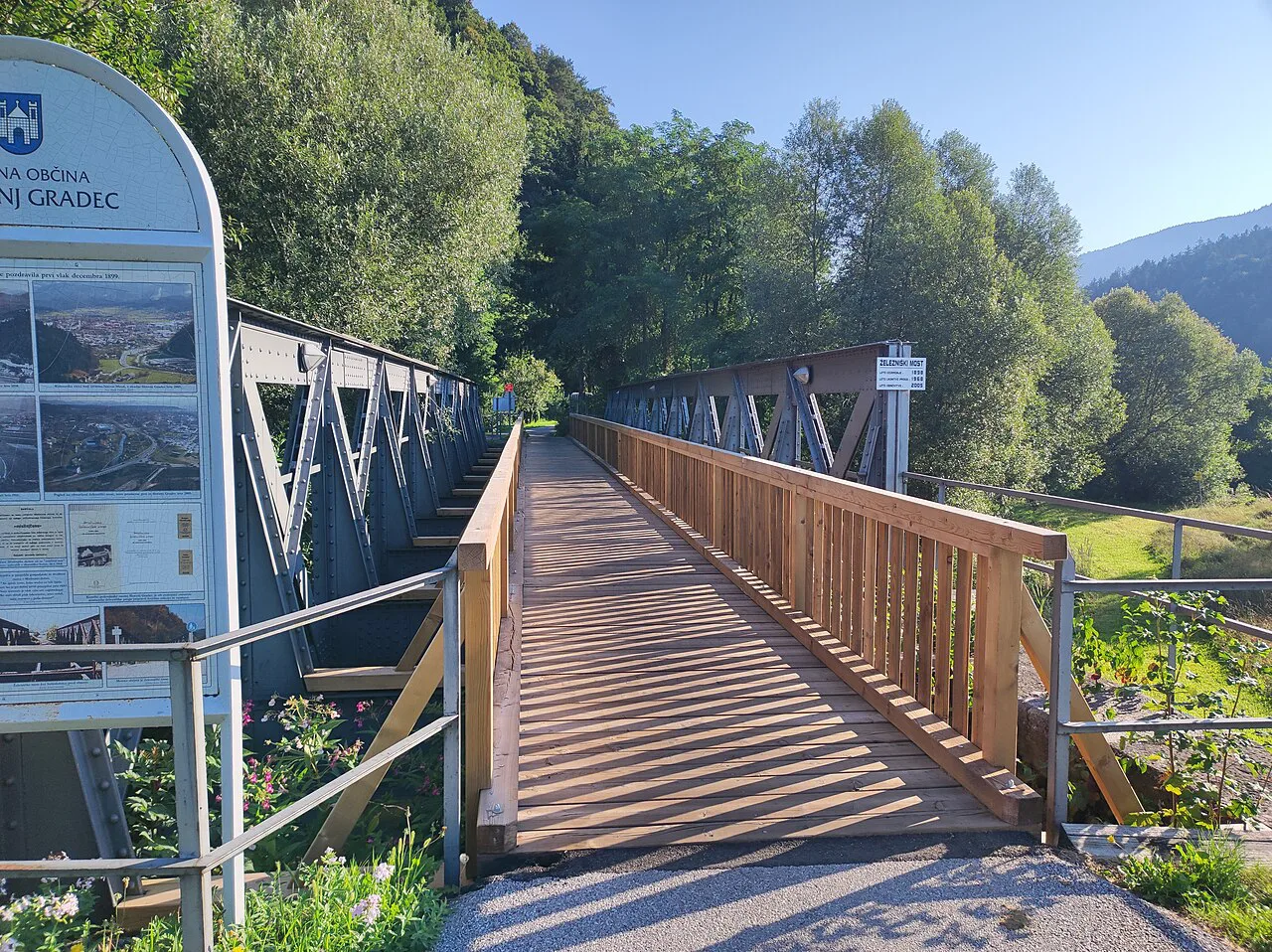
The Štrekna route follows the trackbed of a former railway and in 2024 was described as a 24-kilometer path linking small villages through the Pohorje and Uršlja Gora foothills. Tunnels, viaducts and bridges from the railway era punctuate the ride, and several panoramic lookouts sit along the way. Cyclists of most levels can handle it because the old rail grade keeps the climbing gentle, but you need a bike: the town's visitor site lists bike rental as a separate service.
How much time Slovenj Gradec needs
Give the old town half a day. That covers Glavni trg, the Church of St. Elizabeth, the municipal museum and Hugo Wolf's birth house at an unhurried pace, with time for coffee on the square. Add two to three hours if you want Alpakaland or a stretch of the Štrekna route, and a full day if you plan to do both.
A car makes the difference. The square, church, museum and birth house cluster within a few minutes' walk of each other, while Alpakaland and the cycle route sit outside the center. Travelers without a car can still cover the old town comfortably and should treat the outlying stops as optional.
Is Slovenj Gradec worth the stop?
Yes, if you are already in the Koroška region and want a compact, walkable town with a genuine medieval square and the 1518 Altar of St. Elizabeth rather than a checklist of sights. No, if you are choosing between this and a bigger stop like Maribor or Bled on a short trip, since the old town fills half a day and the outlying draws need a car.
Build the visit around Glavni trg and the Church of St. Elizabeth, add the museum if you have the hour, and finish with honey or coffee before heading down the valley toward Velenje. Opening times for the museum, birth house and Alpakaland change with the season, so confirm them with the tourist information office on Šolska ulica before you set out.
Explore more Velenje guides
Frequently Asked Questions
Do you need a car to see Slovenj Gradec?
Not for the old town. Glavni trg, the Church of St. Elizabeth, the municipal museum and Hugo Wolf's birth house are close together in the center and can be covered on foot. You do need wheels for Alpakaland and for reaching the Štrekna cycle route, both of which sit outside the center.
What should you see first in Slovenj Gradec?
Start at Glavni trg, the main square, since everything else in the old center radiates from it. The Church of St. Elizabeth is just off the square, so you can cover the square and the church first and add the municipal museum afterward.
How far is Slovenj Gradec from Velenje?
Both towns sit in northern Slovenia, with Slovenj Gradec in the Mislinja Valley and Velenje down toward the Šaleška Valley. Driving between them is straightforward, which makes pairing the two towns in one day practical if you have a car.
Sources
Notes for your Slovenia trip
Optional updates to our Slovenia place guides.
You might also like
Continue reading
More guides you'll find useful