
Slovenian Alpine Museum, Mojstrana: A Visitor's Guide to the Exhibits

Plan on a focused hour or two inside the Slovenian Alpine Museum in Mojstrana, plus extra time if you take on the Escape to the Bivouac adventure or work through the virtual stations. The museum, at Triglavska cesta 49 in Mojstrana, presents its permanent exhibition as a museum narrative that visitors experience as their own ascent of a mountain. This guide covers what the exhibition walks you through, the interactive trail and virtual add-ons, how long to allow, and how the museum slots into a Julian Alps day based in Kranjska Gora.
The museum presents its experience as the world's first gamified museum, and the format suits travelers who want mountaineering context without committing to a hike. If you are traveling with children or mixing museum time with short valley stops, the interactive sections do most of the work of keeping everyone moving.
Where the museum is in Mojstrana
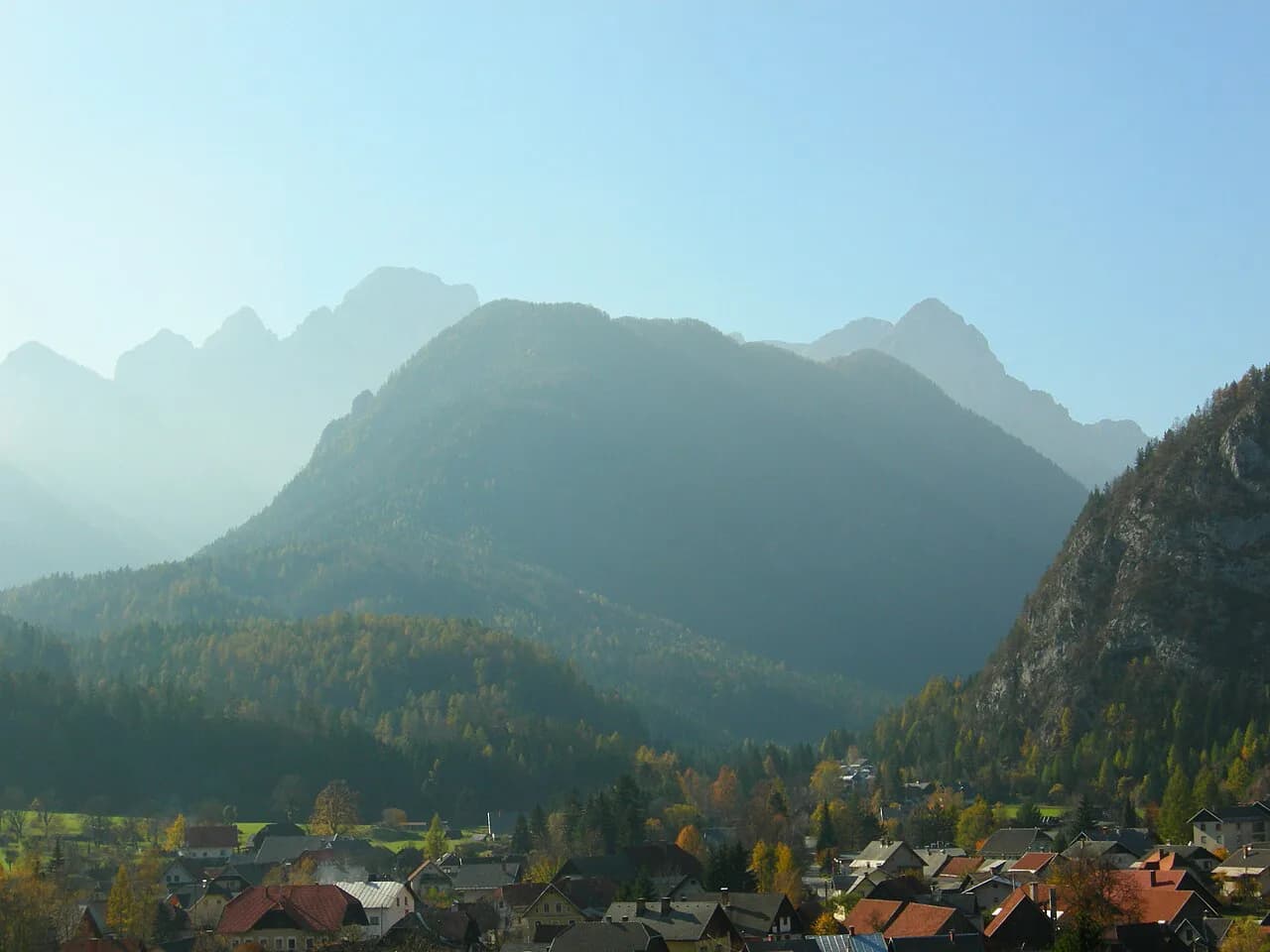
The Slovenian Alpine Museum sits in Mojstrana, the village on the upper Sava valley in the Julian Alps, with a contact address of Triglavska cesta 49, 4281 Mojstrana as listed by the museum. That places it in the same stretch of valley as Kranjska Gora, which makes the museum an easy companion stop rather than a dedicated detour. The village is also a base for the Vrata valley and the north face of Triglav, so the museum's subject matter matches the terrain outside its door.
The village positions itself around outdoor activity, from mountaineering and hiking to cycling and winter sports, which gives the museum a natural role as a wet-weather or rest-day stop. Outdoor Mojstrana describes the area as sitting below Triglav between the Karavanke Mountains and the Julian Alps.

Reaching Mojstrana and slotting the museum into your day
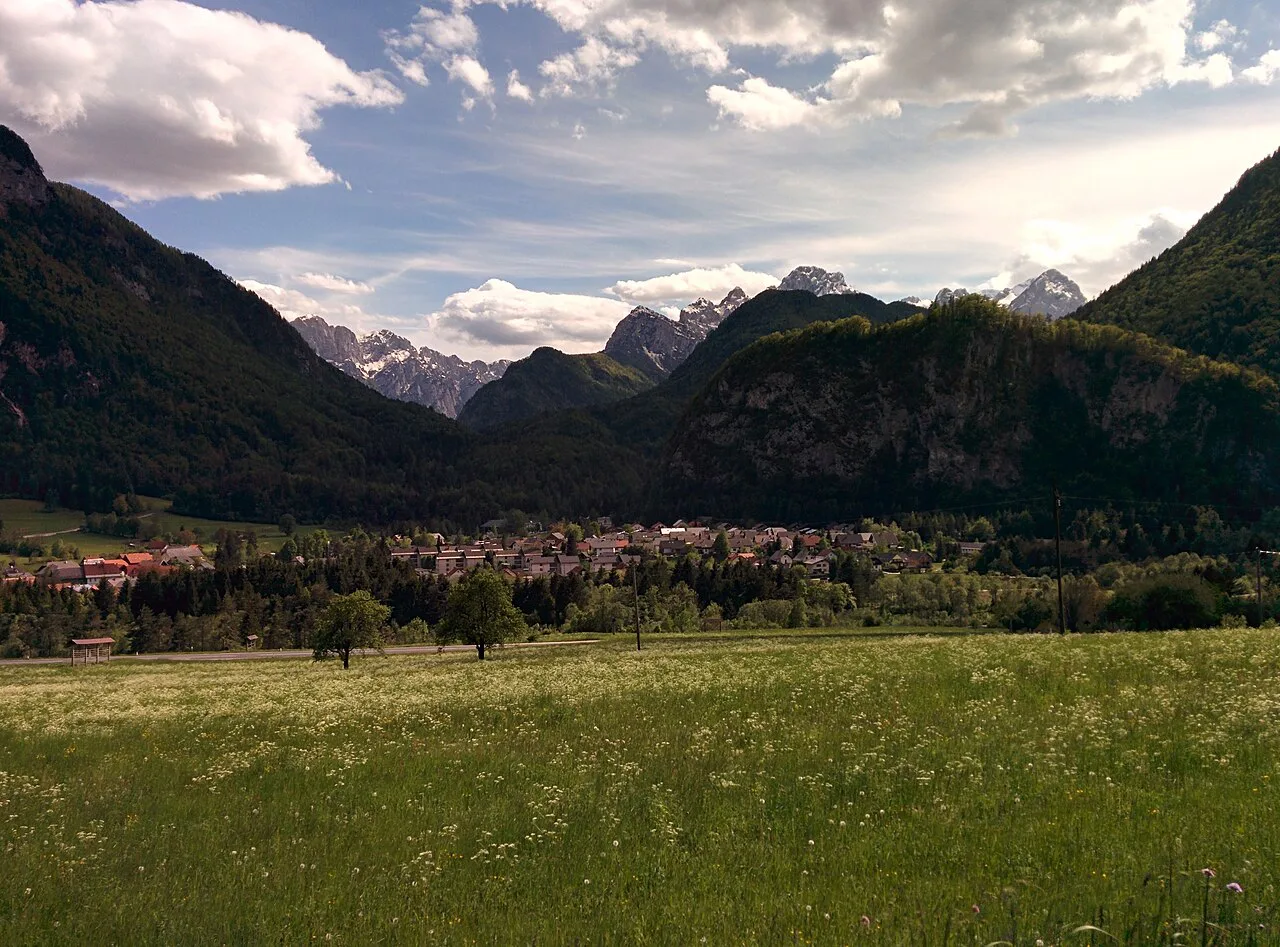
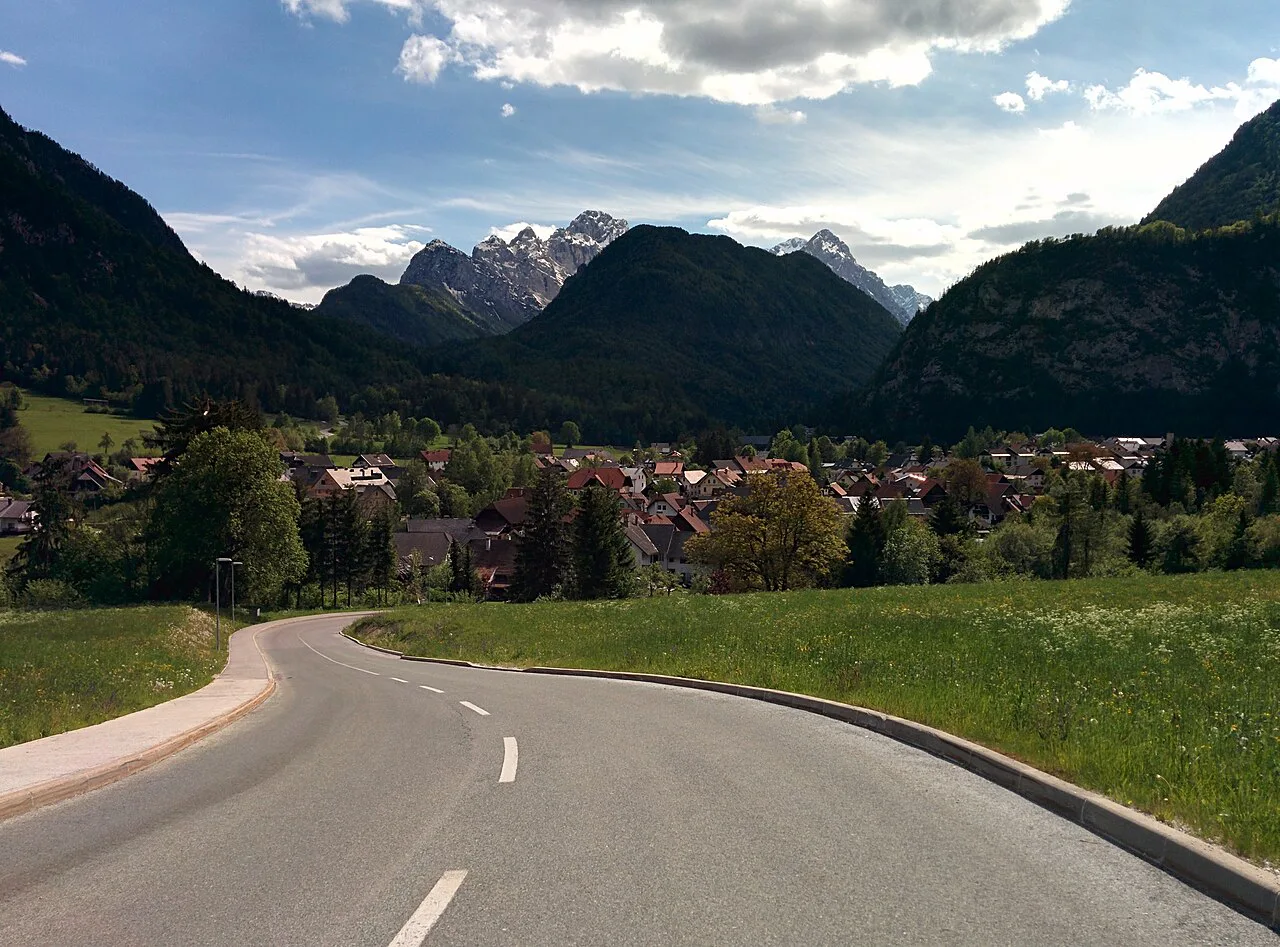
Treat Mojstrana as a short drive along the valley from Kranjska Gora and enter Triglavska cesta 49 in your navigation. Coming from that direction, the Zelenci Nature Reserve and Lake Jasna sit along the way and make natural pauses without adding a separate trip, since both are compact stops.
Outdoor Mojstrana lists waymarked routes from the village, including one across Lake Kreda toward the Kosmač saddle, so you can match a short walk to the time you have before or after the exhibition. Pick one outdoor stop to pair with the museum rather than stacking several, which keeps the day realistic.

The permanent exhibition as a staged ascent
The permanent exhibition is designed as a museum narrative that you experience while making your own ascent of the mountain. It runs through eleven thematic sections covering milestones of Slovenian mountaineering, alpinism and mountain rescue history, along with the motivations that have drawn people into the mountains. Expect a route rather than a room of cases: you follow the story forward section by section.
The story starts with the beginnings of organized mountaineering and carries through to first alpine ascents and current top achievements by Slovenian alpinists at home and abroad. The museum frames that history as imbued with patriotism, which gives the displays a national narrative alongside the climbing detail. Read the section labels as you go, because the sequence is what holds the visit together.
What you actually see: guides, porters, pathmarkers and rescuers
Along the way you meet the working figures of Slovenian mountain culture: the first mountain guides, porters, pathmarkers and mountain rescuers. These are the displays to slow down for if you care about how mountain infrastructure was built rather than only about summit records. The museum also builds in guidelines for safe hiking in the mountains, so the exhibition doubles as a practical primer before you head higher.
Nature and its preservation get their own attention along the museum trail, which broadens the visit beyond climbing feats. If you are traveling with someone who is lukewarm about mountaineering history, these sections are the parts most likely to hold their interest.
Knafelč markers, virtual stamps and the summit reward
The museum's mountain path is marked with Knafelč markers, and you collect virtual stamps as you pass through interactive tasks and challenges. Complete the route and you receive a reward at the summit. This is the mechanism behind the gamified label: the exhibition asks for participation rather than reading only.
Each visitor's path can become a different story, the museum says, in the same way that a real ascent differs from person to person. That means the pace is yours: you can push through the challenges quickly or linger on the sections that interest you. Budget the interactive stops deliberately if you are on a schedule.
Escape to the Bivouac and the virtual experiences
Adventure-seekers can test themselves in the Escape to the Bivouac, an additional experience inside the museum. You can also see and hear what the legendary Dvojka looked like from the inside and how mountaineers experienced it, even without taking on the adventure. Treat these as the add-ons that decide whether your visit is a straightforward walkthrough or something longer.
The virtual side includes a view from Dvojka's original position below Rokavi and from thirty other Slovenian peaks. Visitors who have not yet been to Triglav can take a virtual walk to the country's highest mountain, which is a useful substitute when weather or time rules out the real thing. If those virtual views matter to you, plan the extra time and skip a second nearby stop.
How long to allow and how to pace the visit
Treat the standard walkthrough as the baseline and add time for whichever extras you want: the Escape to the Bivouac, the virtual peaks, and the interactive stamp trail. A relaxed visit with several challenge stops takes noticeably longer than a straight read-through, so decide at the desk how much you are taking on.
Mornings work well if you plan to continue into the valley afterward, while a late-afternoon slot suits a rest day after a longer outing. Because the exhibition is a sequence, starting when you are fresh gets more out of the narrative sections on guides and rescue history.
Tickets, opening times and group offers
The museum's site carries an Opening Hours and Price List page and a separate group offer, which is where to confirm admission, current hours and any booking arrangements before you drive out. Rates and seasonal schedules change, so check that page for your dates rather than relying on a number from an older post.
The events page lists what the museum has programmed, but it mixes recent entries with older ones, so read the date on each item instead of assuming the top listing is current. That matters if you are hoping to catch a temporary exhibition or a screening alongside the permanent displays.
Nearby in Mojstrana and the Upper Sava Valley
Mojstrana's outdoor offerings extend from mountaineering and hiking to cycling and winter activities, so the village can absorb more than a museum hour. Choose one short option to pair with the museum rather than stacking several, and keep the rest of the valley for a separate day.
Toward Kranjska Gora, the source of the Sava Dolinka at the Zelenci Nature Reserve is a short look rather than a hike, and Lake Jasna makes a compact pause nearby. Further up the road, the Vršič Pass leads to the Russian Chapel (Ruska kapelica) on the pass road, a natural pair with the valley's mountaineering history.
If you have a full day in the area, the Planica Nordic Centre and Peričnik Waterfall round out the options without pulling you far from the museum. Plan the museum first and the outdoor stop second, so a change in weather costs you a walk rather than the visit you came for.
Walkthrough or full adventure?
Choose the plain walkthrough if you have an hour and want the eleven-section story of Slovenian mountaineering, guides, porters and rescue. Add the Escape to the Bivouac and the virtual peaks if you are traveling with children, have a rainy day, or want the gamified side the museum is built around.
Whichever you pick, confirm hours and admission on the museum's own price list page and check the dated entries on its events page before you set out. Then build the rest of the day around one nearby stop, such as the Zelenci Nature Reserve or the Vrata valley, and keep the driving short.
Explore more Kranjska Gora guides
Frequently Asked Questions
Is the Slovenian Alpine Museum suitable for children?
The museum is designed around participation: visitors follow a marked path with Knafelč markers, complete interactive tasks and challenges, collect virtual stamps and receive a reward at the summit. That structure, plus the Escape to the Bivouac and the virtual views of thirty Slovenian peaks, gives children more to do than reading displays. The museum also presents the experience as the world's first gamified museum, which signals how central the interactive layer is to a visit.
Can you visit the Slovenian Alpine Museum without hiking Triglav?
Yes. The permanent exhibition is a museum narrative you experience as your own ascent of the mountain, covering the history of Slovenian mountaineering, alpinism and mountain rescue across eleven thematic sections. Visitors who have not climbed Triglav can take a virtual walk to the summit and see virtual views from Dvojka's original position below Rokavi and from thirty other Slovenian peaks. No hiking is required to go through the exhibition.