Divača, Slovenia: Base for the Škocjan Caves and the Karst
Divača is a Karst railway junction and a practical base for the Škocjan Caves. Use this guide to plan the caves, the Divača Cave, and nearby Štanjel and Lipica.
On this page
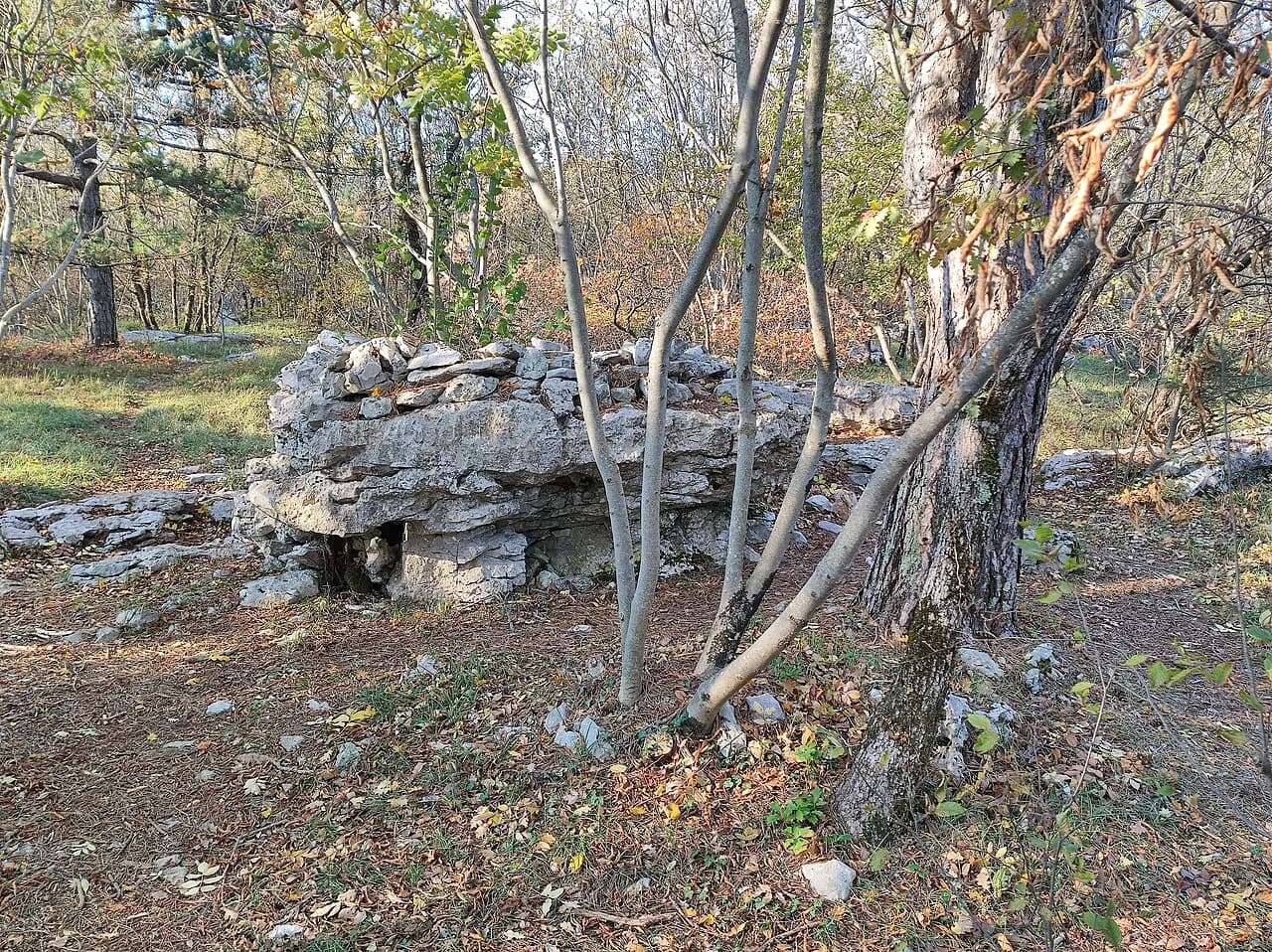
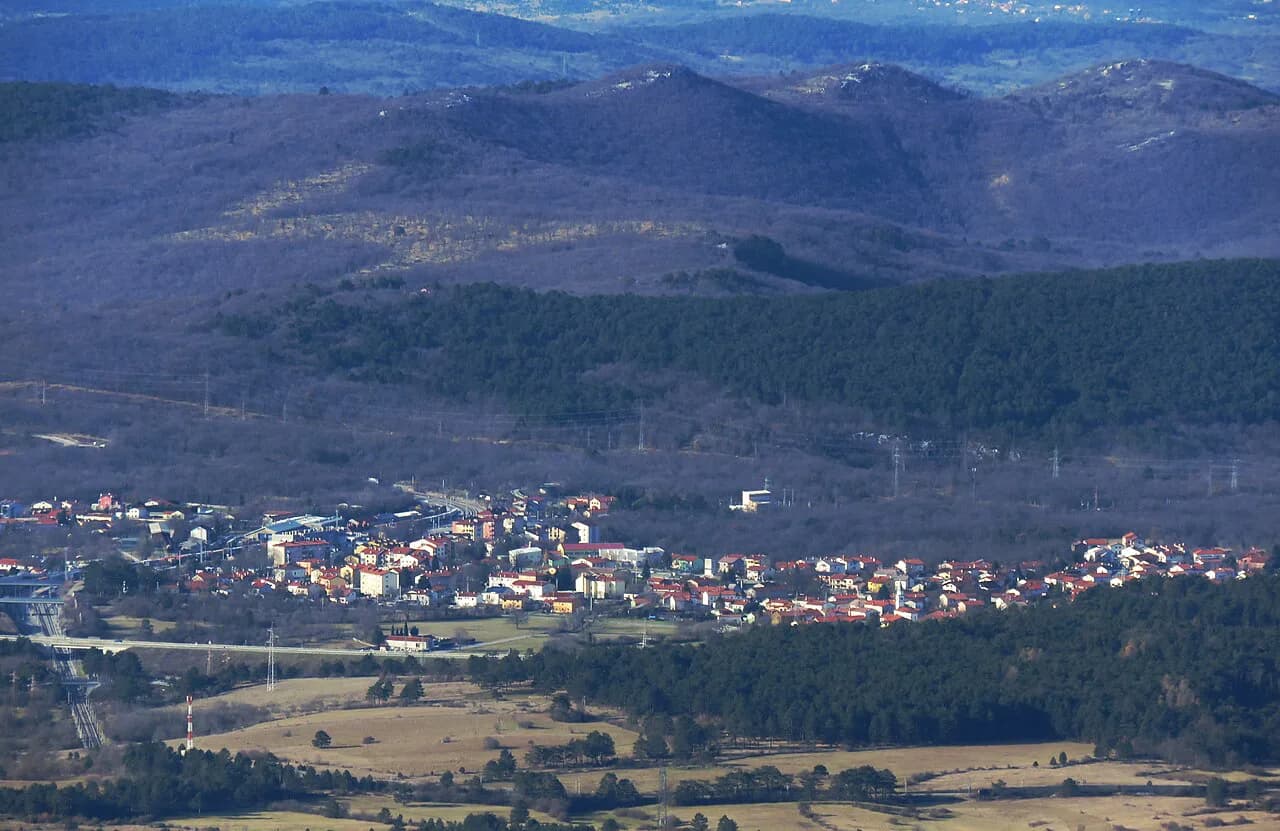
Treat Divača as a transport junction and cave base rather than a sight in itself. It sits on the Karst plateau among stone farmhouses and a dry-stone landscape of sinkholes, with rooms and the Škocjan Caves a few kilometers away, which makes it a practical place to sleep or to break a journey. This guide covers how the village is laid out, how to reach the caves and nearby villages, and how much time to allow.
What Divača is
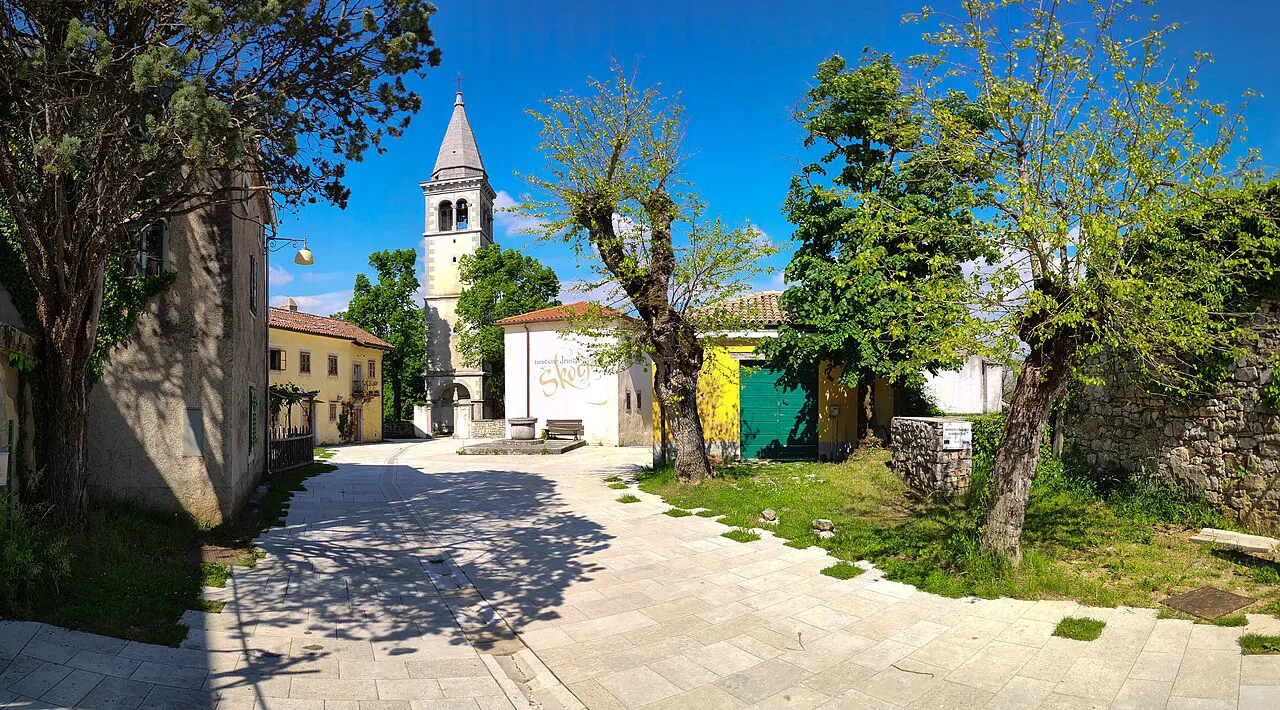
The village spreads along Kraška cesta, the main road through the center. Around it, the plateau is a dry-stone landscape of sinkholes and stone farmhouses rather than a dense townscape, so distances feel longer than they look on a map. The same road leads toward Lokev and the cave side of the village.
The reason most visitors stop here is the cluster of caves and villages within easy reach. Lipica's stud farm lies about 10 km southwest, Vilenica Cave sits just past Lokev, and the hilltop village of Štanjel is about half an hour north by car. Trieste and the coast are within an hour, so Divača also works as a night between the Karst and the sea.
How Divača is laid out
The village center runs along Kraška cesta, and the Divača to Lokev road leads toward the Divača Cave just outside the village. That split matters for anyone without a car: the center and the cave side of the village are separate stops.
If you are heading for the Škocjan Caves, the entrance point is the Matavun ticket center, a few kilometers from Divača. That means the village and the cave system are separate stops, not one continuous visit, so build in a short drive or a walk between them rather than assuming the caves start at the station.
Getting there and onward
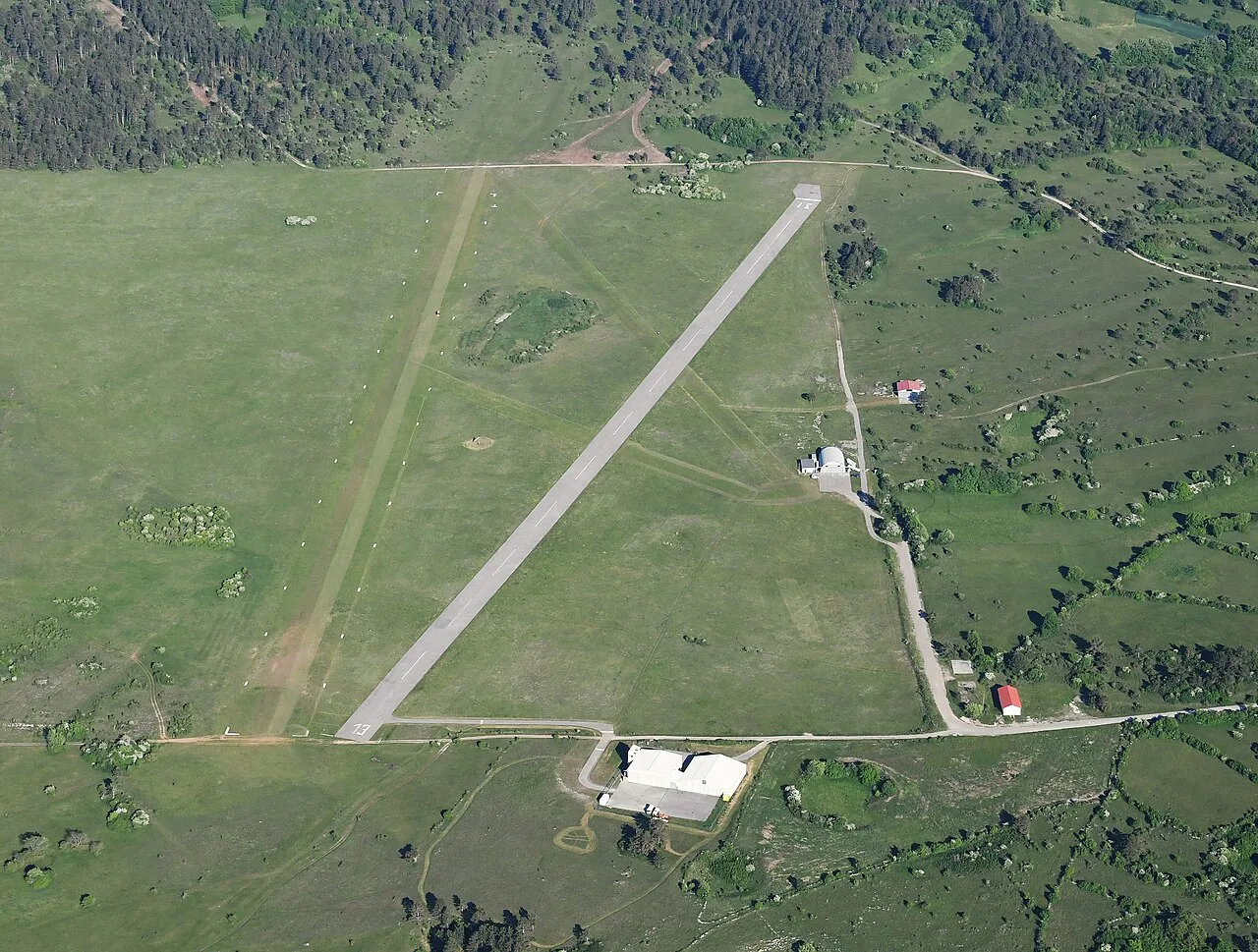
Divača's main advantage is its position as a rail junction on the Karst plateau, a useful break on the route between the interior and the coast. From the village you can follow the Divača Karst Nature Trail toward the karst forest and the large collapse dolines.
By road, Divača is a short hop from the Škocjan Caves at Matavun, about 10 km from Lipica, and within an hour of Trieste and the coast. That geography makes it a flexible base: you can see a cave in the morning and reach the sea or the Italian border in the afternoon. A car gives you the most freedom for the Lipica and Štanjel side trips.
The Divača Cave
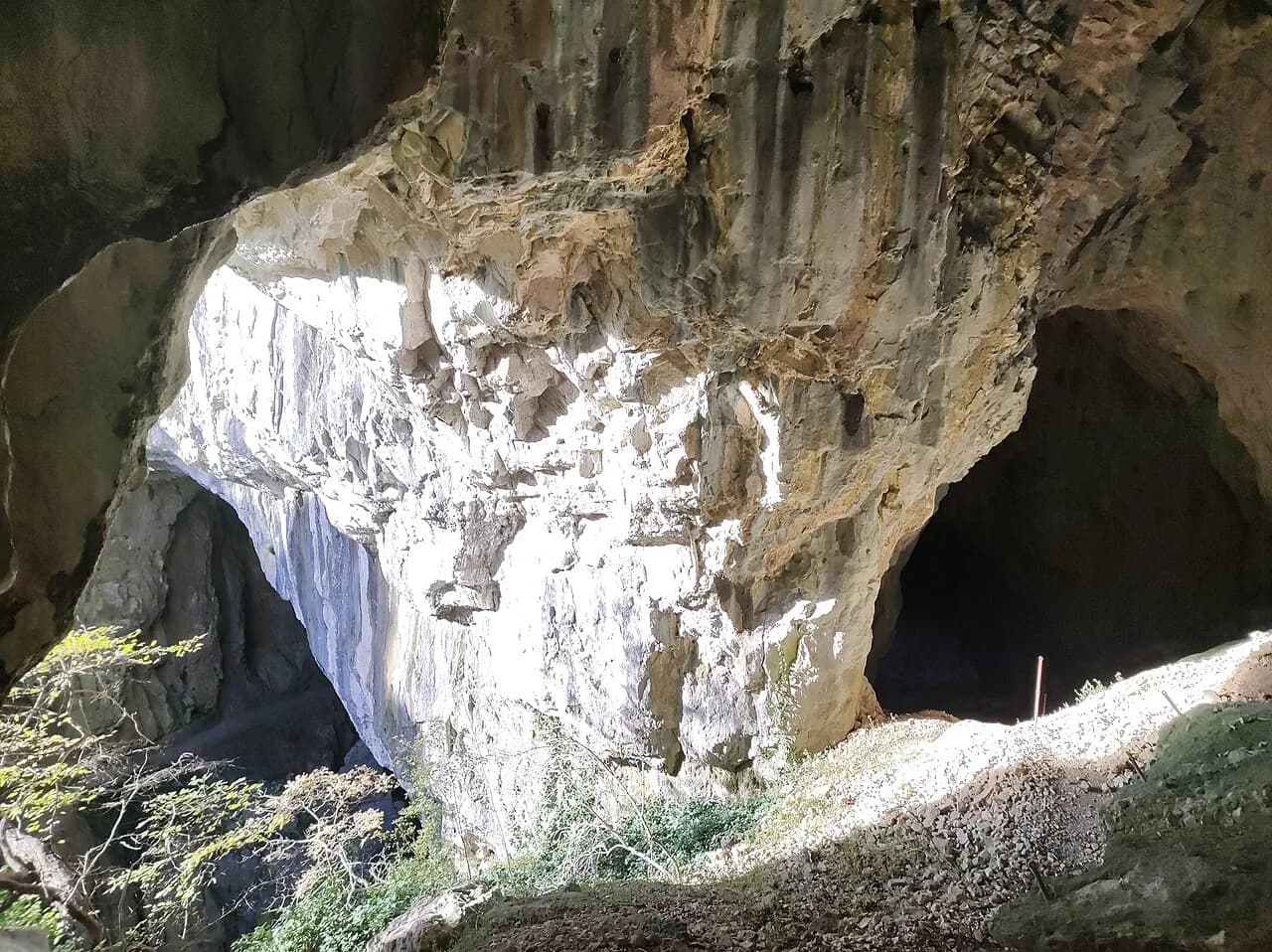
The Divača Cave sits just outside the village along the Divača to Lokev road, and it has been arranged for tourist visits since the end of the 19th century. Inside, an illuminated path of about 500 meters runs through formations created by calcareous sinter, and the visit takes around 1.5 hours. The air holds at about 8 °C, so bring a warm layer even on a mild day.
Visits run on set days by season, and organized groups can arrange a tour at other times with prior notice. Confirm the current slot for your date before you build a day around it.
Walking in from the station
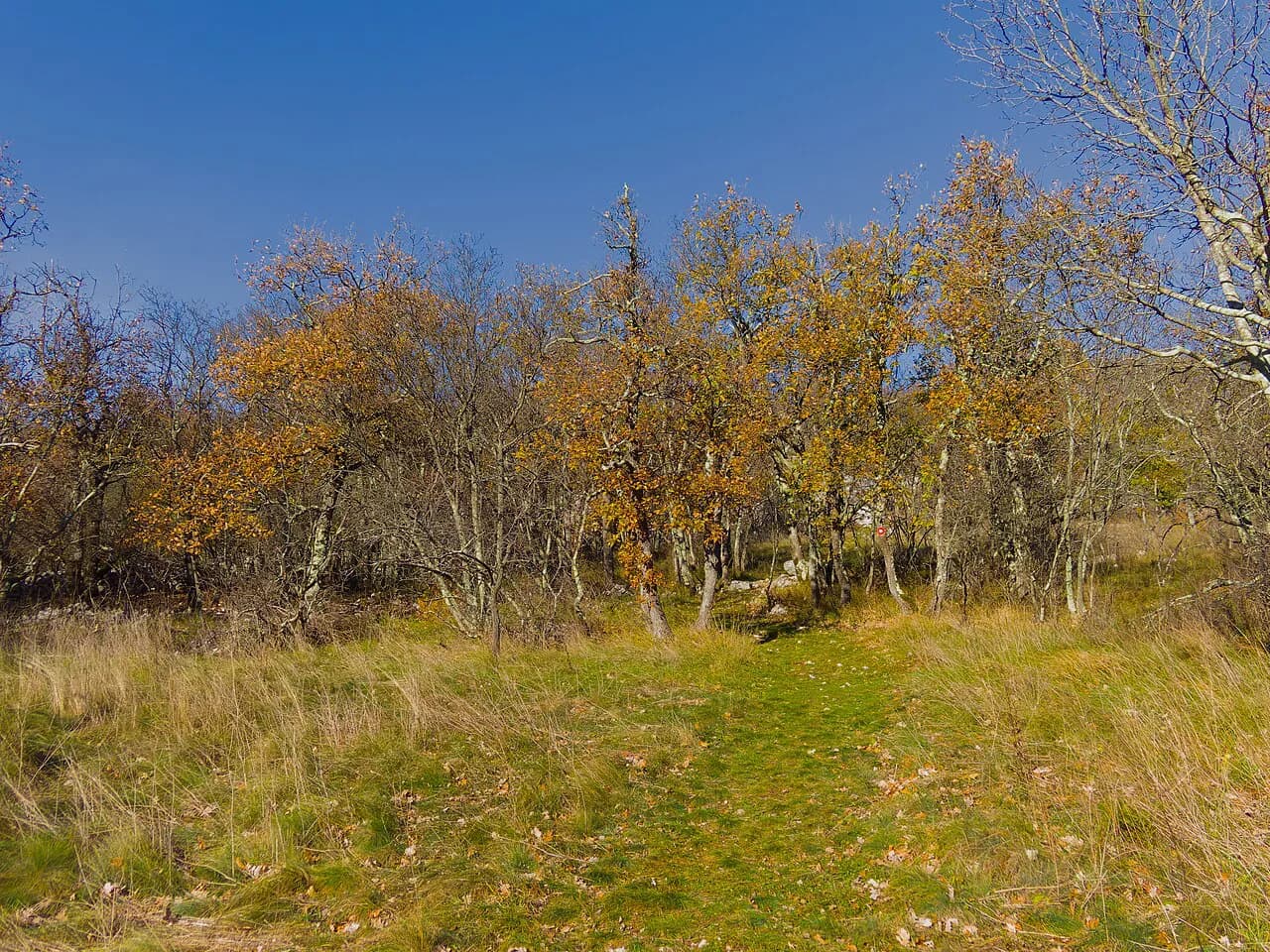
From the village, the Divača Karst Nature Trail leads through karst forest, passing alongside large collapse dolines. It is a way to see the plateau's surface landscape on foot before you go underground. Sturdy shoes help on the rocky, uneven ground.
Škocjan Caves from Divača
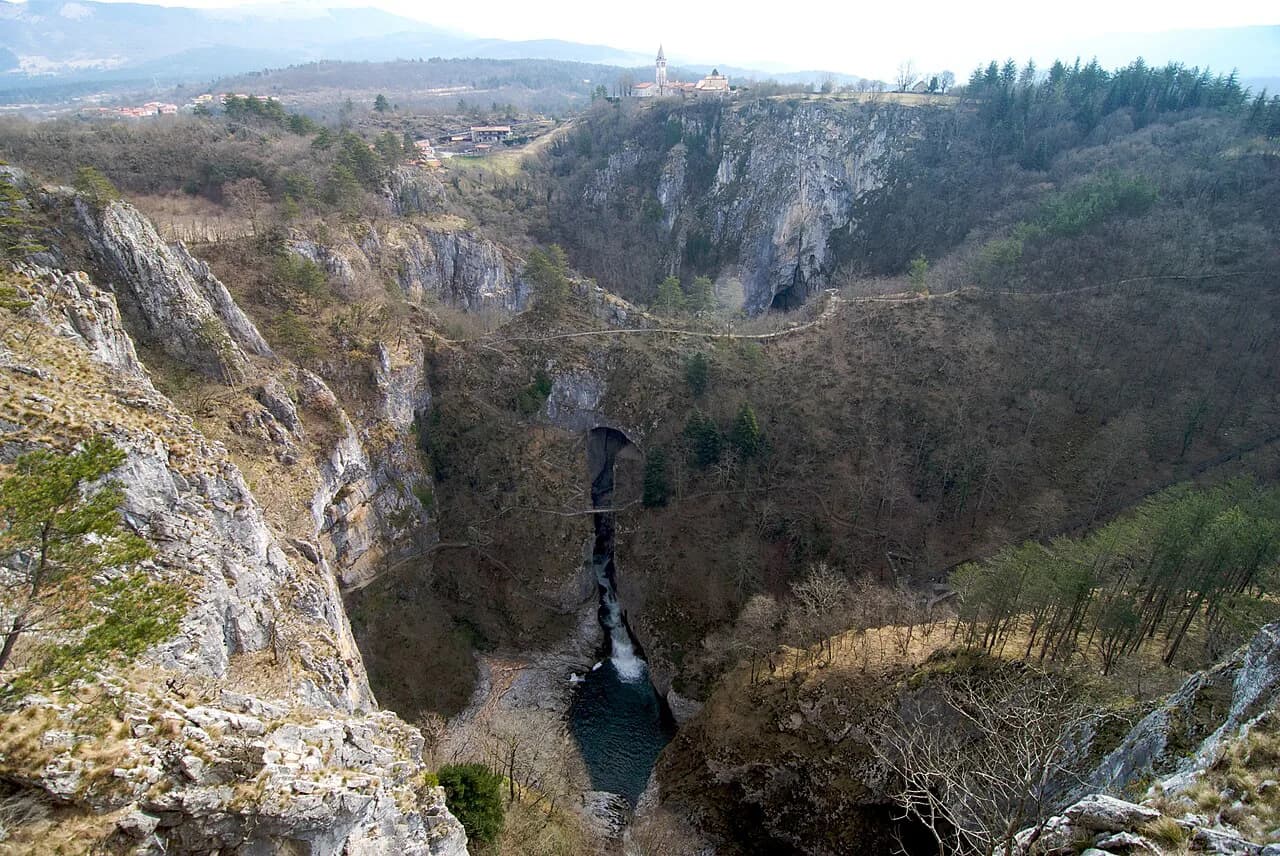
Visits to the Škocjan Caves are guided only, on lit paths with steps, and they start from the Matavun ticket center a few kilometers from Divača. Underground, the Reka river runs through a canyon so deep that the Cerkvenik bridge crosses it about 45 meters above the water. Allow about 2.5 hours for the visit, and expect photography to be restricted inside.
The cave air is cool and damp, so a jacket is worth carrying even in summer. Because entry is only by guided tour, your day hinges on the slot you book rather than on when you arrive at the site. Sort out Škocjan Caves tickets before you travel, then plan the rest of the day around that time.
Štanjel
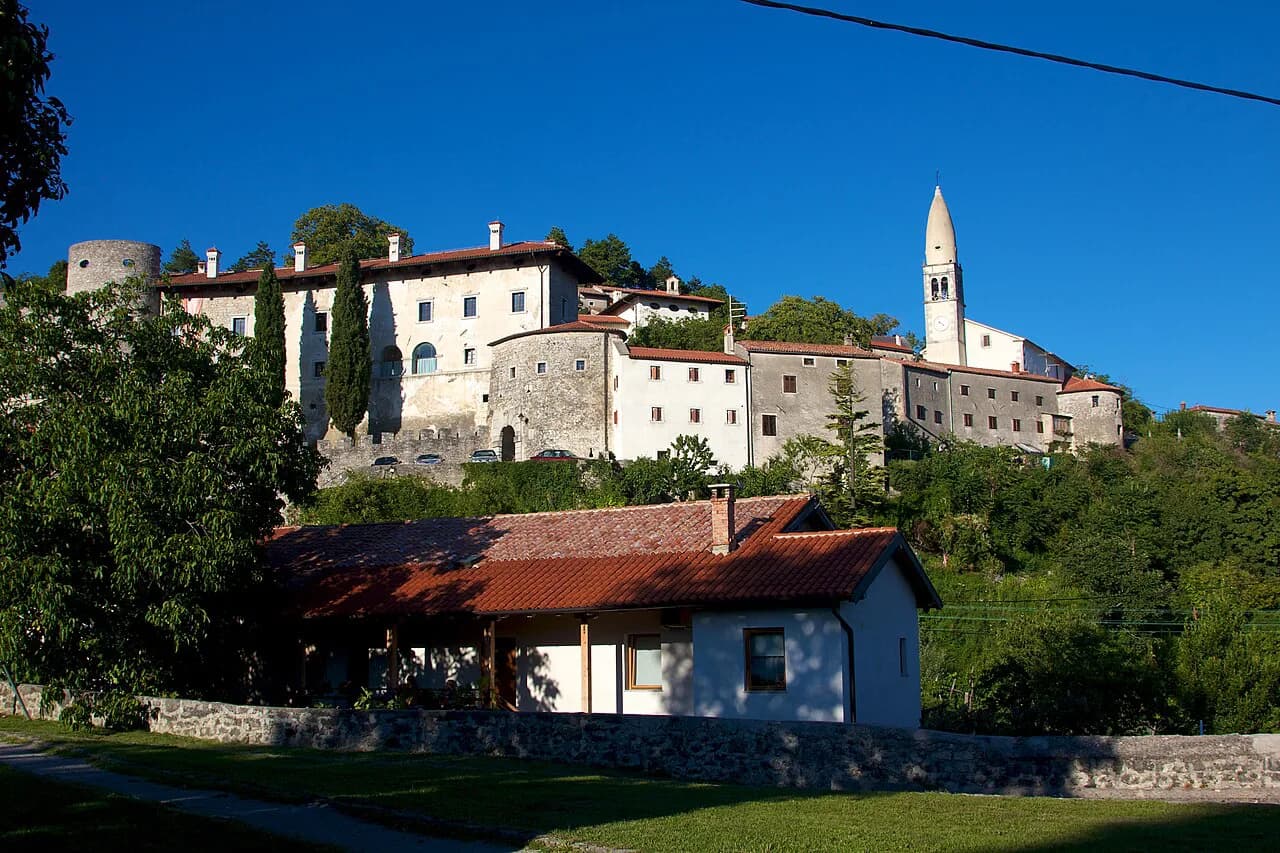
Terraced stone houses climb a hill above the Branica valley at Štanjel, about 30 km north of Divača. The castle holds exhibitions, and below it the Ferrari Garden, laid out by the architect Max Fabiani with a pond and terraces, is worth a wander. The village is small enough to cover in about two hours.
Late afternoon light suits the lanes, so this works well as a second stop after a morning cave visit. It is a drive from Divača rather than a walk, so pair it with a car day that also takes in Lipica or Vilenica rather than trying to combine it with a train arrival.
Lipica Stud Farm
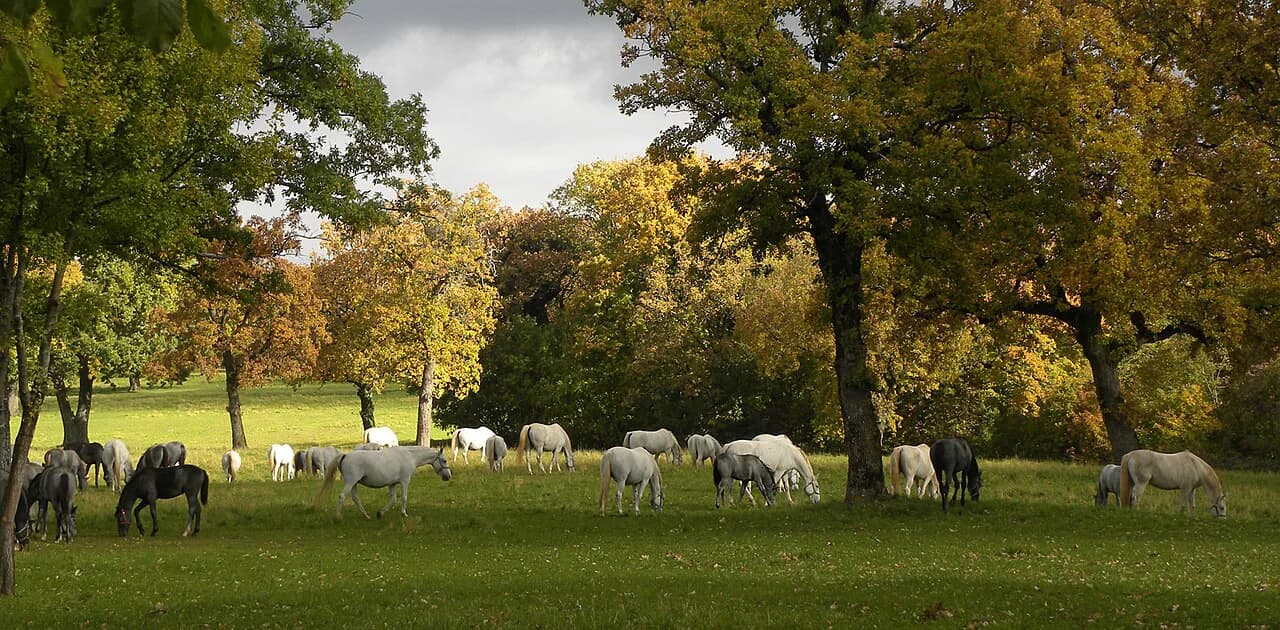
Lipica Stud Farm lies about 10 km southwest of Divača, where Lipizzaner horses have been bred on the estate since the sixteenth century and white mares still graze its paddocks under old lime trees. Guided tours cover the stables and the museum, and riding presentations run on set days in season. Expect to spend about two hours, and note that summer weekends are the busiest time.
Vilenica Cave past Lokev
Vilenica Cave sits just past Lokev, and visitors have paid to enter it since the seventeenth century. The halls are electrically lit, the route is a guided walk on paths, and the temperature holds steady at about 8 to 10 °C. Allow roughly an hour.
Individual tours are scheduled on Sundays and holidays from April to October and daily in August, which makes Vilenica a good fit for a weekend visit or a flexible summer day. The schedule is seasonal, so confirm the day's tour before you drive out from Divača.
What the Karst weather means for planning
The caves keep a steady cool temperature year-round, with the Divača Cave at about 8 °C and Vilenica at about 8 to 10 °C. That makes a cave a reliable option on a hot afternoon or a wet morning, but it also means you need a layer whenever you go underground. Spring and autumn suit the surface walks best, when the light is good and the plateau is comfortable on foot.
Cave temperatures are steady figures rather than a forecast, so plan the surface part of your day loosely and let the weather decide whether you walk the Karst Nature Trail or drive between villages. Much of the plateau's interest is above ground, so a cave-only plan misses the dry-stone landscape and the sinkholes around Divača.
Should you sleep in Divača or pass through?
Sleep here if you want a station, rooms and a short drive to the caves, especially with a train arrival and a cave or two on your list. Pass through if your only goal is a single cave and you would rather stay closer to the coast or Ljubljana. The village earns its place as a base, not as a destination in its own right.
Build the day around your guide slot: a morning at the Škocjan Caves, an afternoon at the Divača Cave, then Lipica or Štanjel if you are driving. If you arrive by train, walk the Karst Nature Trail instead of adding another cave, and keep the rest of the trip flexible. Lock in the cave times, and the rest of the plateau falls into place.
Explore more Karst guides
Frequently Asked Questions
How do I reach the Škocjan Caves from Divača?
The caves begin at the Matavun ticket center a few kilometers from Divača, and Divača sits at a rail junction on the Karst plateau. Ask at your accommodation or the Matavun ticket center about transfers, or plan to drive or take a taxi; a public shuttle is not something to count on without checking.
Do I need to book Škocjan Caves tickets in advance?
Visits to the Škocjan Caves are guided only, so your day hinges on the time slot you book. Sort out Škocjan Caves tickets before you travel, then plan the rest of the day around that time.
How long does the Divača Cave visit take?
Allow about 1.5 hours. The illuminated path is around 500 meters, and the cave holds at about 8 °C, so bring a warm layer. Visits run on set seasonal days, and groups can arrange other times with prior notice, so confirm the current slot for your date.
What should I wear for the caves?
The caves keep a steady cool temperature year-round, with the Divača Cave at about 8 °C and Vilenica at about 8 to 10 °C, so bring a layer whenever you go underground. Sturdy shoes help on the rocky, uneven ground of the surface trails.
Sources
Notes for your Slovenia trip
Optional updates to our Slovenia place guides.
You might also like
Continue reading
More guides you'll find useful