Slovenian Karst: Caves, Stone Villages and the Kras Plateau
A practical guide to the Slovenian Karst: Postojna Cave, Škocjan Caves, Predjama Castle, Štanjel and the Vipava Valley, with how the pieces fit on one drive.
On this page
Plan the Slovenian Karst as one connected limestone plateau rather than a list of separate sights. The plateau, called Kras in Slovene, sits between the Gulf of Trieste, the Vipava Valley and the Brkini hills, where water has worked through soluble stone into caves, sinkholes and disappearing rivers. This guide groups the sights by geography, covers the two big cave systems and the castle that pairs with one of them, and names the smaller features most short visits skip.
Where the Kras Plateau Sits
The Karst occupies the strip of Slovenia between the Gulf of Trieste and the Vipava Valley, with the Brkini hills as its green inland edge. That position makes it the natural bridge between the Adriatic coast and the interior, so a drive from the coast toward Postojna passes straight through it. Slovenia Outdoor describes the area as the meeting point of water and soluble stone.
The Bled tourist office measures the region from Bled itself, listing Bled to Postojna at 101 km and Bled to Vipava at 125 km. Treat those as Bled-origin gauges of how far north the plateau reaches; from the coast or Ljubljana the drive is shorter.
Why the Word Karst Comes From Here
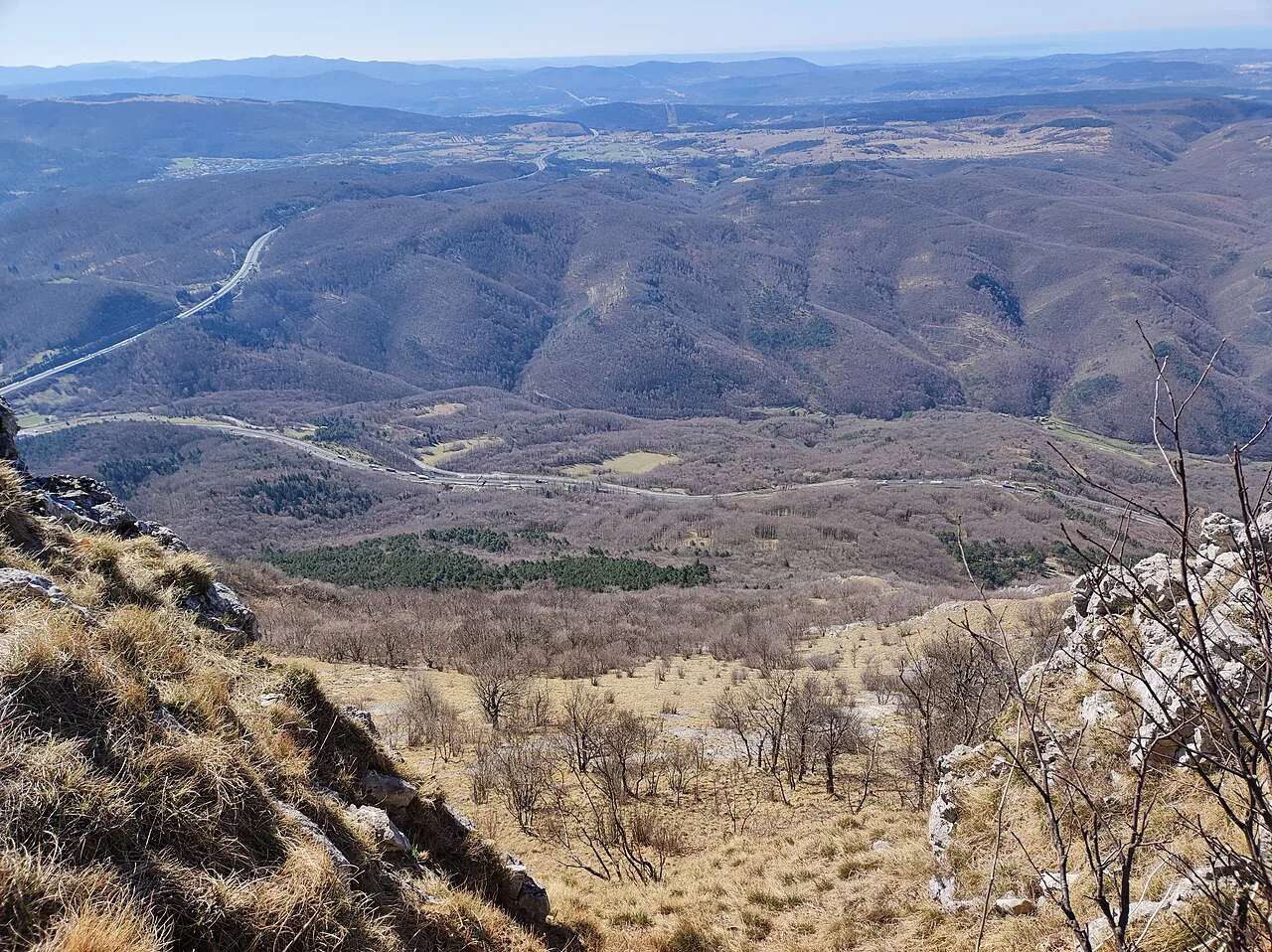
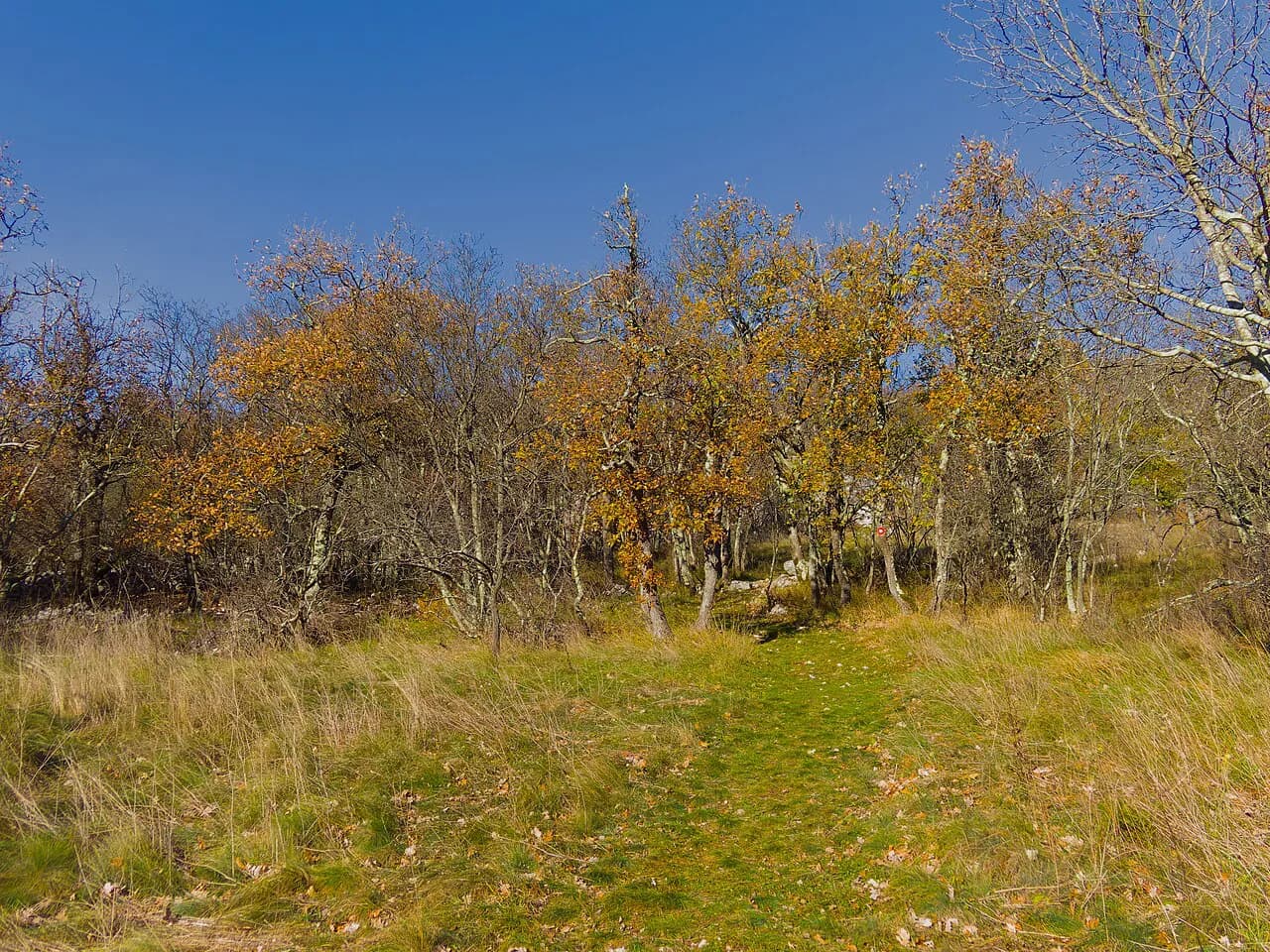
Slovenia Outdoor states that the Karst plateau Lent its name to all landscapes with similar soil composition and their natural phenomena. That is why the generic geological term and the local place name are the same word, and it changes what you look at: the dry stony surface and underground drainage are the point.
Watch for the features the sources name: underground caves, disappearing rivers, sinkholes and intermittent springs. The Slovenian consulate in Minnesota adds that karst phenomena appear across almost half of Slovenia, with more than eight thousand known caves and potholes, plus poljes and dry sinkholes.
The most visible example is an intermittent lake: the consulate notes that when Cerknica Lake is full of water it ranks as the largest of Slovenia's natural lakes. Treat it as a landscape to observe rather than a fixed attraction, since its condition depends on the season. Pair it with a cave visit only if you have a car.
Postojna Cave and Predjama Castle as One Stop
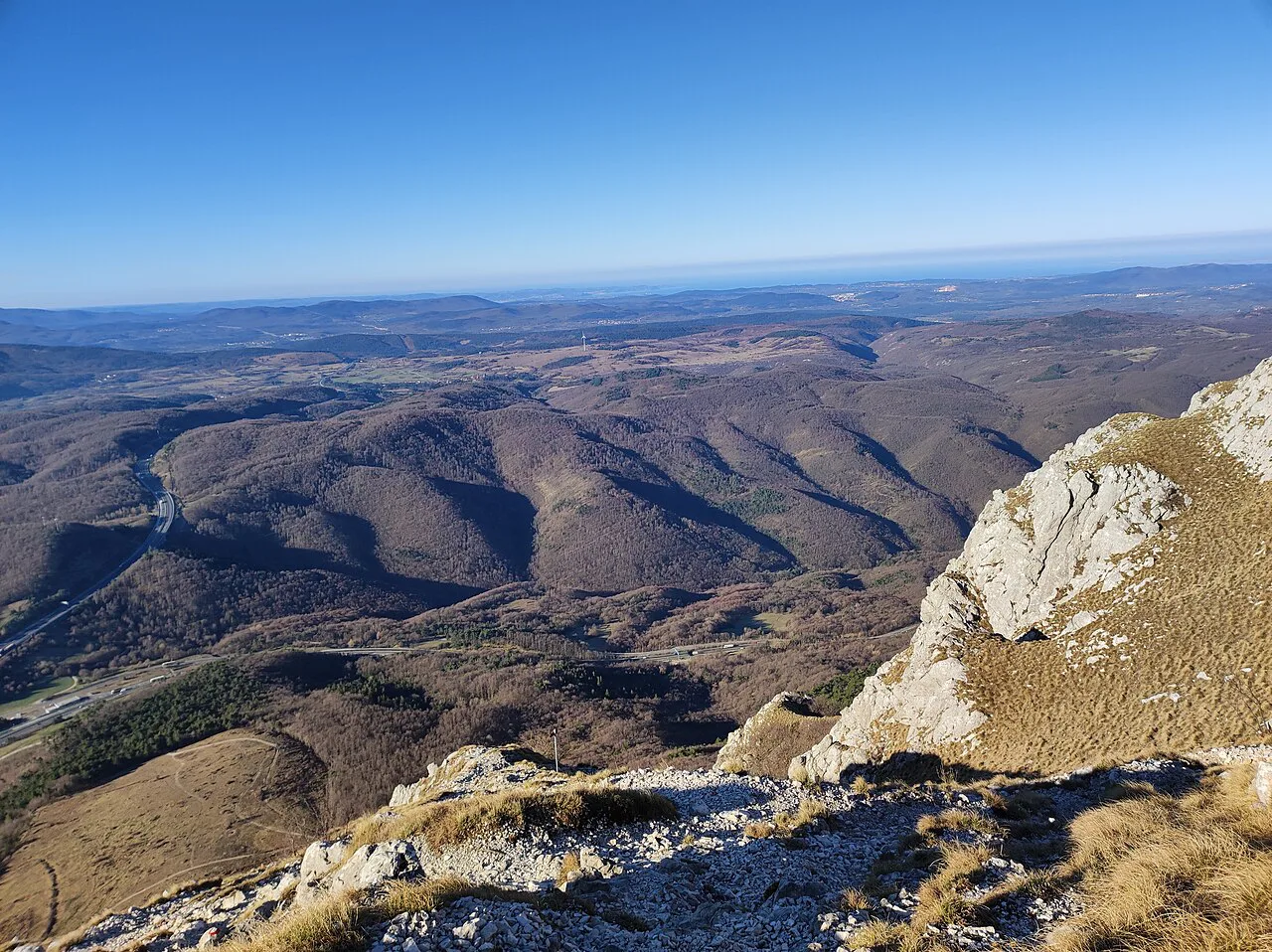
The Bled tourist office describes Postojna Cave and Predjama Castle together as one of Slovenia's major attractions. The consulate notes that Postojna Cave is the most visited cave in Europe, the practical reason to arrive early or late in the day. Bled to Postojna is 101 km, an easy outing from the north.
Predjama Castle is treated with Postojna Cave as one paired half-day by the Bled tourist office, which groups the two as among Slovenia's largest attractions. The consulate lists a cave beneath Predjama Castle among the caves connected with Postojna Cave, alongside Pivka, Črna jama and Planinska jama. Tour times and ticket combinations change through the year, so confirm the current arrangement on the operator's booking page. Leave slack rather than chaining a timed cave entry to a castle visit with no buffer.
The same area holds a dense cluster of caves, including the Pivka Cave, the Črna jama Cave and the Planinska jama Cave. None replaces the main cave on a short visit, but they explain why this stretch of plateau is so heavily pierced by underground passages.
Škocjan Caves and the Underground Canyon
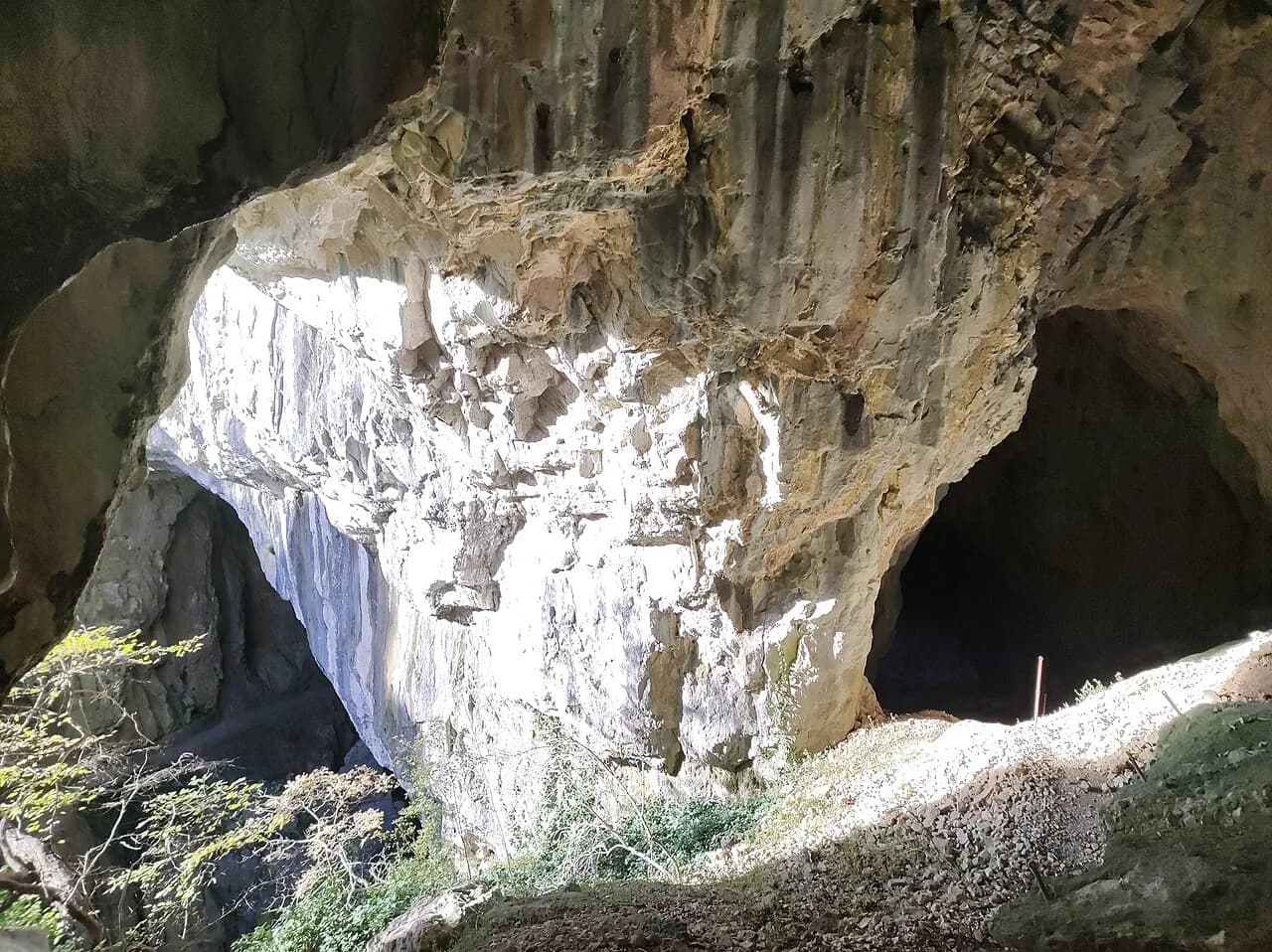
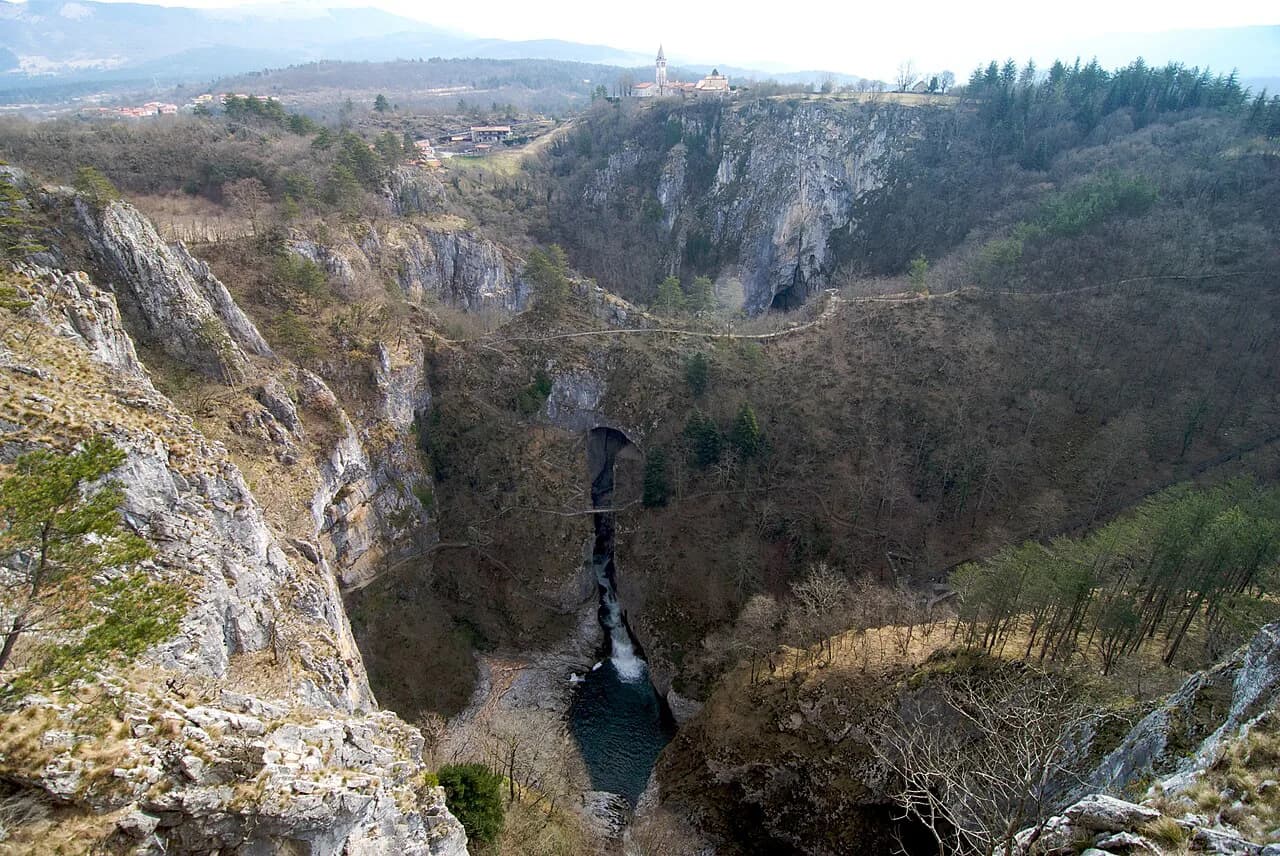
The Škocjan Caves are a UNESCO World Heritage site, and the Bled tourist office notes they will astonish you with the largest underground canyon. Walk Travel Advisory calls the system the jewel of the Karst, with waterfalls and large stalactites and stalagmites. Together that makes Škocjan the protected site with the biggest set piece in the region, distinct from the more heavily visited Postojna Cave.
The caves are visited on fixed guided departure slots, so the constraint on your day is the slot you book, not the drive. Read current tour schedules and prices from the park before committing, and start with our guide to Škocjan Caves tickets to weigh the options. Match the booking to the time you actually have.
The caves sit above the Reka River, which disappears into the rock here and reappears elsewhere on the plateau, so the site doubles as a lesson in karst drainage. Our Škocjan Caves Regional Park guide covers the visitor center, the approach paths and the viewpoints over the collapse dolines. Allow time beyond the tour itself.
Smaller Karst Features Worth a Detour
South of Postojna, the Rakov Škocjan Regional Park shows the same processes in miniature, with a natural teaching trail in a karst valley and natural stone bridges above the river, as the consulate describes. Both it and Cerknica Lake are low-key stops that reward travelers with a car and an extra half day.
Križna jama is known for its underground lakes, according to the consulate, and sits far from the Postojna crowds. Nearby, Vilenica near Lokev is described as the oldest tourist cave, a distinction about karst history rather than scale. Our Vilenica cave guide covers what a visit there involves if you want a quieter alternative.
Elsewhere in Slovenia the same geology produces ice caves and deep potholes, from Snežna jama under Raduha to the potholes at Kaninski podi the consulate describes as considered the deepest in the world. They sit far from the Kras plateau and are not part of a Karst day drive. Keep them for a longer trip.
Stone Villages: Štanjel and Its Castle and Park
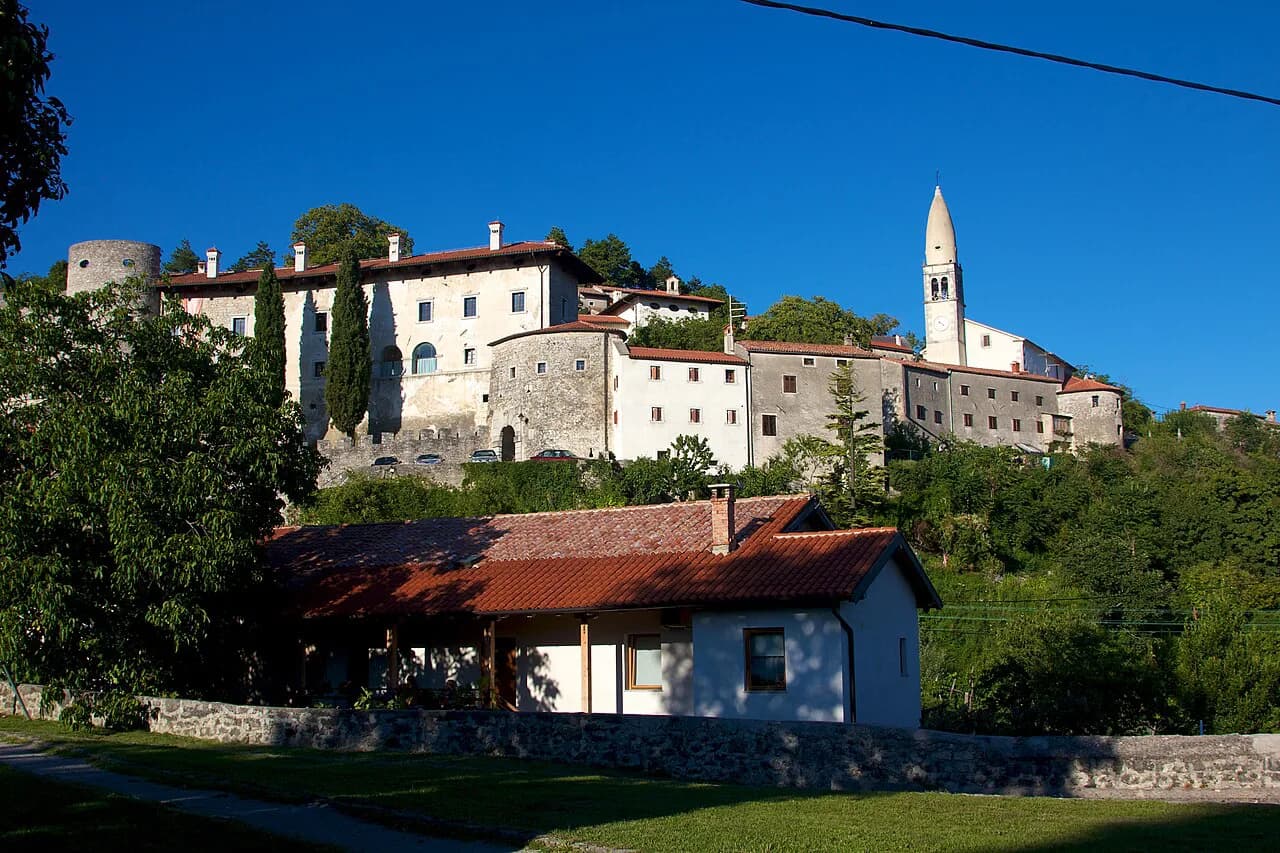
Štanjel is the Karst village most travelers should prioritize: the Bled tourist office calls it a karstic architectural gem, and the consulate describes medieval Štanjel with its castle and Fabiani park. The hilltop setting, stone lanes and designed park make it a natural midday stop between the caves and the Vipava Valley. Our Štanjel: A Visitor's Guide to the Karst Hilltop Village covers the layout inside the walls.
Walk Travel Advisory lists Štanjel alongside Vipava, Tomaj and Padna as hilltop villages where local hospitality is part of the appeal, which makes the cluster a reason to slow down rather than tick off one name. Park once and walk between the lanes, because the value is the stone detailing and the views. Štanjel, Slovenia is compact enough for a couple of hours, leaving time for a second village.
Sežana works as a practical anchor for this part of the plateau, close to the main roads and useful for fuel and food between the caves and the villages. Our our Sežana guide covers the town's place in a Kras loop. Treat it as a logistics base rather than a destination in its own right.
The Vipava Valley Side
The Bled tourist office calls the Vipava Valley a world of culinary delights and activities across all seasons. It singles out the authentic stone villages of Vipavski križ and Goče, Roman traces in Ajdovščina and Vipava, and the Vipava river with its unusual delta spring. Here vineyards and orchards replace bare limestone.
At the valley's northern end, the Bled tourist office calls Nova Gorica a young city in the middle of two cultures, with the Solkan Bridge's stone arch dominating the surroundings and the Kostanjevica Monastery known for a crypt of the House of Bourbon. The bridge is worth a stop on a drive between the valley and the Soča region.
Slovenia Outdoor notes that long-distance routes including the Jakob Trail, the Via Alpina and the Alpe Adria Trail, which leads to the sea, all pass through the Karst. You need not walk a stage to benefit: the same trails leave marked paths between villages that a driver can dip into.
Coast-to-Karst Links: Lipica, Socerb and Hrastovlje
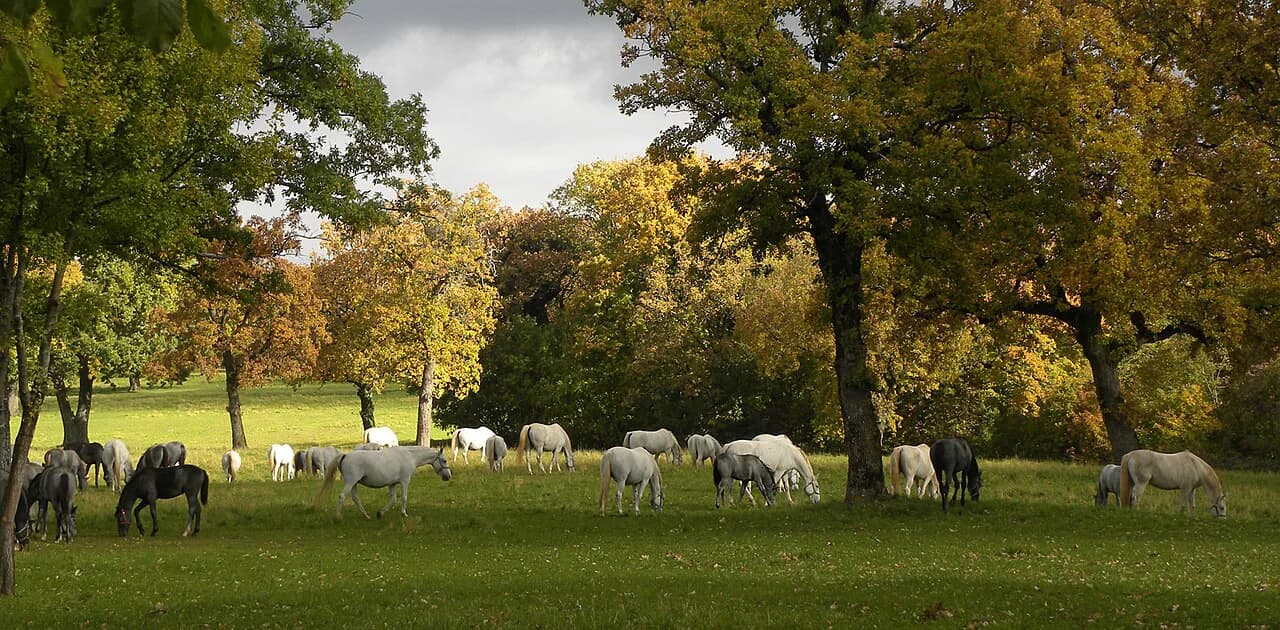
Lipica is the best-known link between the Karst and the coast, called by the consulate the cradle of the famous white Lipizzaner horses. The Bled tourist office adds that Lipica will astound you with its white Lipizzan horses. Our guide to Lipica covers the stud farm's place in the region and how it fits a Kras itinerary.
Between plateau and sea, the Bled tourist office points to Socerb Castle with its views over the coast and to Hrastovlje with its Danse Macabre, the Dance of Death. Both suit a route that ends at Koper, Izola or Piran rather than returning inland. The same source describes Koper as embellished by medieval Venetian edifices and Izola as a town built on a former island with a fishing tradition.
The Sečovlje Saltworks and the Strunjan Nature Park mark the coastal edge of the same landscape, and the Bled tourist office notes that salt is still produced by hand at Sečovlje using a method several hundred years old. Walk Travel Advisory frames the coast the same way, as a chain of nature reserves and historic port towns where the Karst meets the Adriatic.
Getting Around the Karst by Car
A car is the practical way to cover the Karst, because the caves, villages and valley are spread across back roads where public transport connections are thin and slow. Build the loop around one fixed commitment, usually a Škocjan or Postojna tour slot, and let the villages fill the hours on either side. The driving between main stops is short; the time goes into tours and walks inside each place.
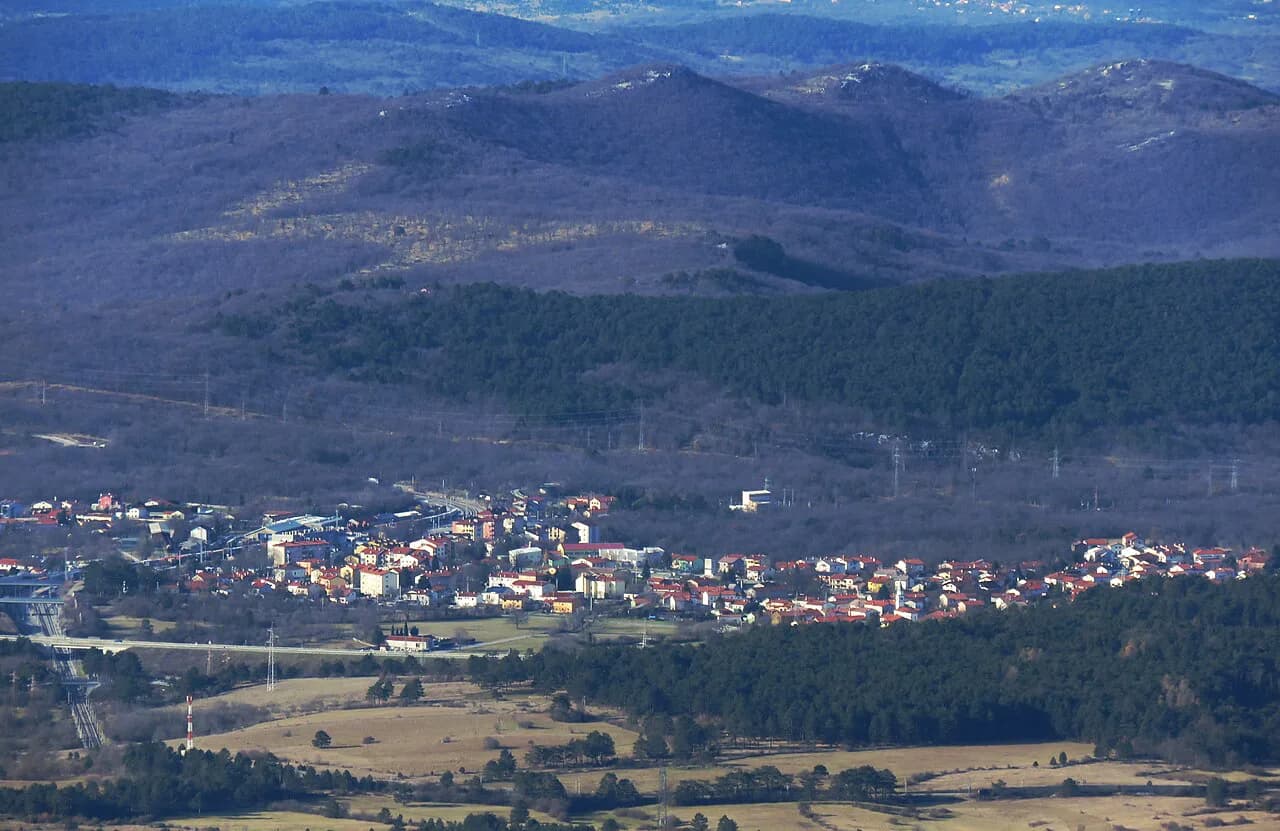
Divača is the usual approach point for the Škocjan Caves and sits on the main road and rail corridor between Ljubljana and the coast. Our Divača, Slovenia guide covers the town's role as a gateway and what to expect if you arrive by train. If you rely on rail, plan the cave tour around the train times you can actually reach.
Walk Travel Advisory suggests seven to nine days for a full walking itinerary through the Karst, the wine valleys and the coast, covering 78 to 88 km at a moderate grade. That is a walking holiday, not a day drive, so treat it as a measure of how much there is. A car-based visit can see the headline sights in two or three days.
Crowds, Timed Tours and Booking Ahead
The main constraint on a Karst visit is the timed cave tour, not the driving, so book the cave slot first and arrange the day around it. Postojna Cave is the most crowded single site in the region, and arriving without a booking risks losing hours to queues. Škocjan runs on scheduled guided departures, so a slot that suits your drive decides the rest.
Walk Travel Advisory recommends May and June or September and October as the best times for walking this part of Slovenia, a useful guide to when the plateau is most comfortable for a drive-and-walk day. Summer concentrates visitors at the two big caves while spring and autumn spread them out.
What the Karst Tastes Like: Teran and Pršut
The Bled tourist office names Karst Teran wine and Karst prosciutto as the region's homeland products. Slovenia Outdoor adds that local hospitality comes with a glass of local wine or brandy and a taste of local dishes, a realistic way to experience it without turning the trip into a winery tour.
Walk Travel Advisory places the wine country in lush valleys between the Karst ridges, naming the Vipava Valley's rich soil and its output of wine, fruit, olives, prosciutto, truffles, cheese and honey. That is the best argument for routing your drive through the valley rather than sticking to the plateau road. Our Kraški Pršut guide covers the cured ham and why it belongs to this landscape.
Which Karst Stop Should You Book First?
Book the Škocjan Caves tour slot first, then build the loop around it, because a fixed departure time is the one part of a Karst day you cannot adjust on the road. Add Postojna Cave and Predjama Castle as a separate paired day rather than cramming both cave systems into one, and let Štanjel and the Vipava Valley fill the hours between.
Confirm current tour times, ticket options and opening arrangements on the official pages for each cave before you fix dates, then route the drive so the coast, Lipica and the villages fall naturally on the way. From Bled, the 101 km to Postojna and 125 km to Vipava on the Bled tourist office site give a rough sense of distance; from Ljubljana or the coast it is shorter.
Frequently Asked Questions
What is a karst landform?
A karst landform is terrain that forms when water dissolves soluble rock such as limestone, producing caves, sinkholes, disappearing rivers and dry valleys. The name comes from the Slovenian plateau called Kras, which Slovenia Outdoor says gave its name to landscapes elsewhere with similar soil composition and their natural phenomena. Karst features appear across almost half of Slovenia.
Do I need a car to see the Slovenian Karst?
A car makes the region far easier, because the caves, hill villages and the Vipava Valley are spread across back roads with thin public transport. Divača, on the main rail corridor, is the practical rail approach for the Škocjan Caves, and you can pair a train arrival with a booked cave tour.
How long should I give the Karst?
Two or three days by car covers the two big cave systems, Štanjel and the Vipava Valley without rushing. Walk Travel Advisory's seven-to-nine-day walking itinerary through the Karst, wine valleys and coast shows how much more there is if you have the time.
Sources
Notes for your Slovenia trip
Optional updates to our Slovenia place guides.
You might also like
Continue reading
More guides you'll find useful