Lipizzaner Horses: Breed Origins and the Lipica Stud Farm
Lipizzaner horses were bred at Lipica in Slovenia's Karst for the Habsburg court. Learn the breed's origins and how it connects to Vienna's Spanish Riding School.
On this page
Lipizzaner horses come from Lipica, a village in Slovenia's Karst region near Sežana, where the Habsburg Archduke Karl II Franz established a stud farm in the late 16th century to breed Spanish horses. The breed he started there became the Lipizzaner, the horse most travelers know from Vienna's Spanish Riding School and the one that gives this corner of the Karst its equestrian identity. This guide covers the breed's origins, what makes it distinctive, and how to slot a Lipica visit into a trip built around the Škocjan Caves and the surrounding plateau.
What a Lipizzaner horse is and where the breed comes from
The Lipizzan is a European riding breed that developed in the Habsburg Empire in the 16th century, bred from Iberian horses crossed with Arabic stock after centuries of Moorish presence in Spain. Karl II Franz, a Habsburg archduke who ruled a group of lands known as Inner Austria, founded a stud farm near Lipizza, the Italian name for Lipica, and the first mares and stallions arrived in the 1580s. The breed's full name in North America is often shortened to Lipizzan.
Why the Lipica stud farm matters to the breed
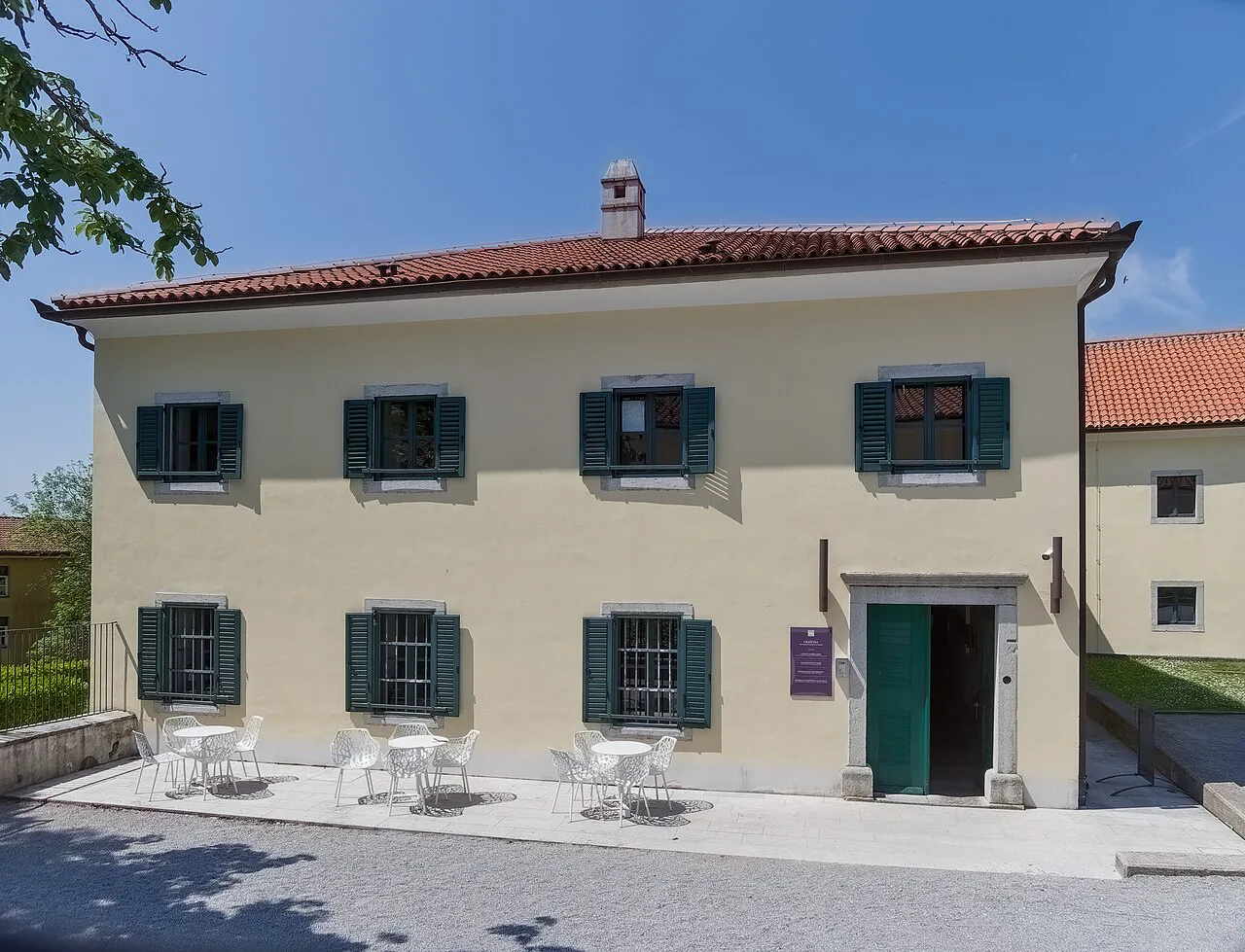
Lipica was the breeding home of the horses for well over 300 years, and it supplied mounts to the Habsburg court and its riding school in Vienna. The farm sat on land that passed to Italy after World War I, which is why Austria's breeding operation later settled at Piber in Styria rather than returning to Lipica. That split explains why the Lipizzaner belongs to both countries in travelers' minds: the Slovenian origin of the breed and the Austrian institution that kept performing it.
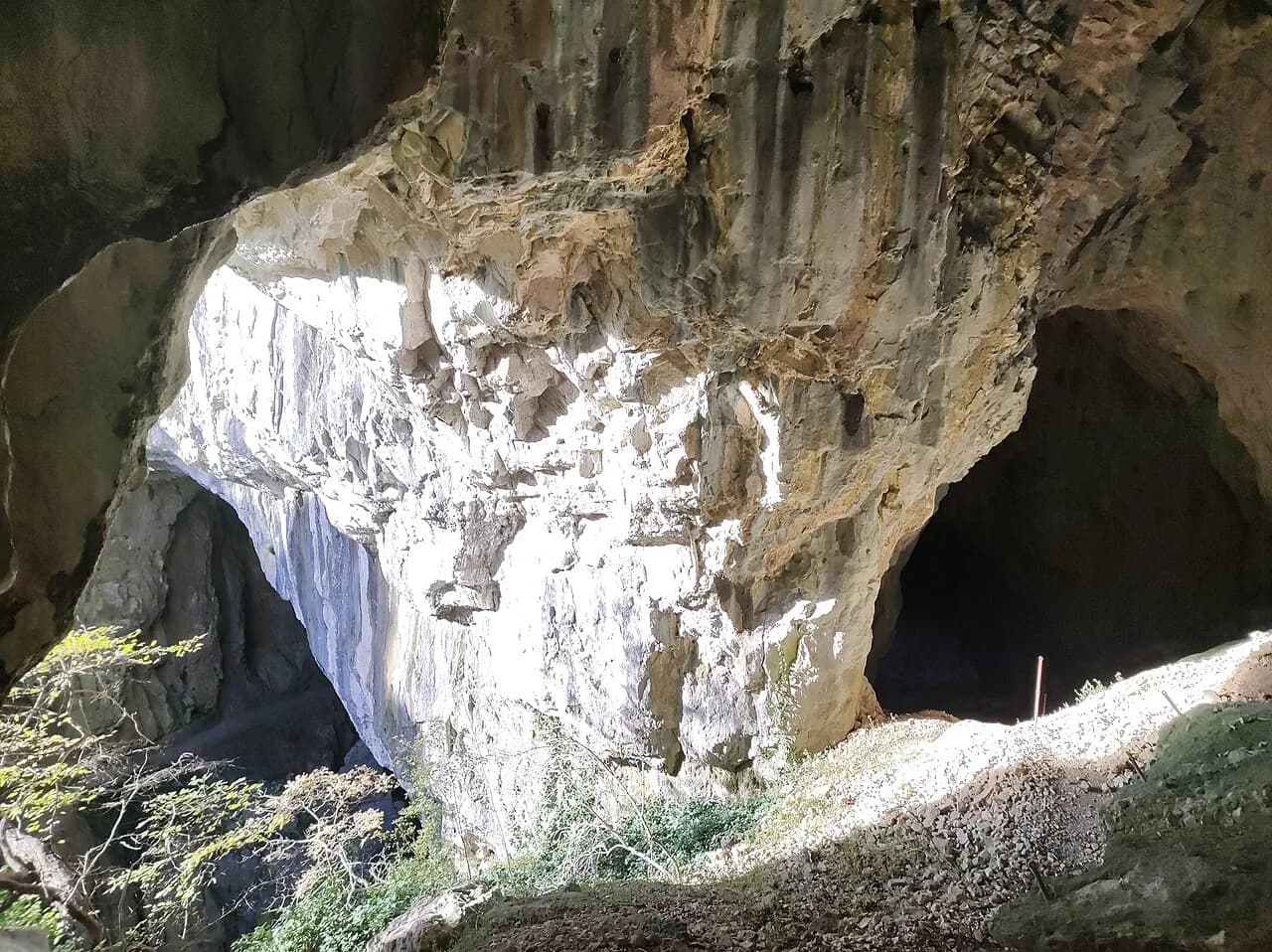
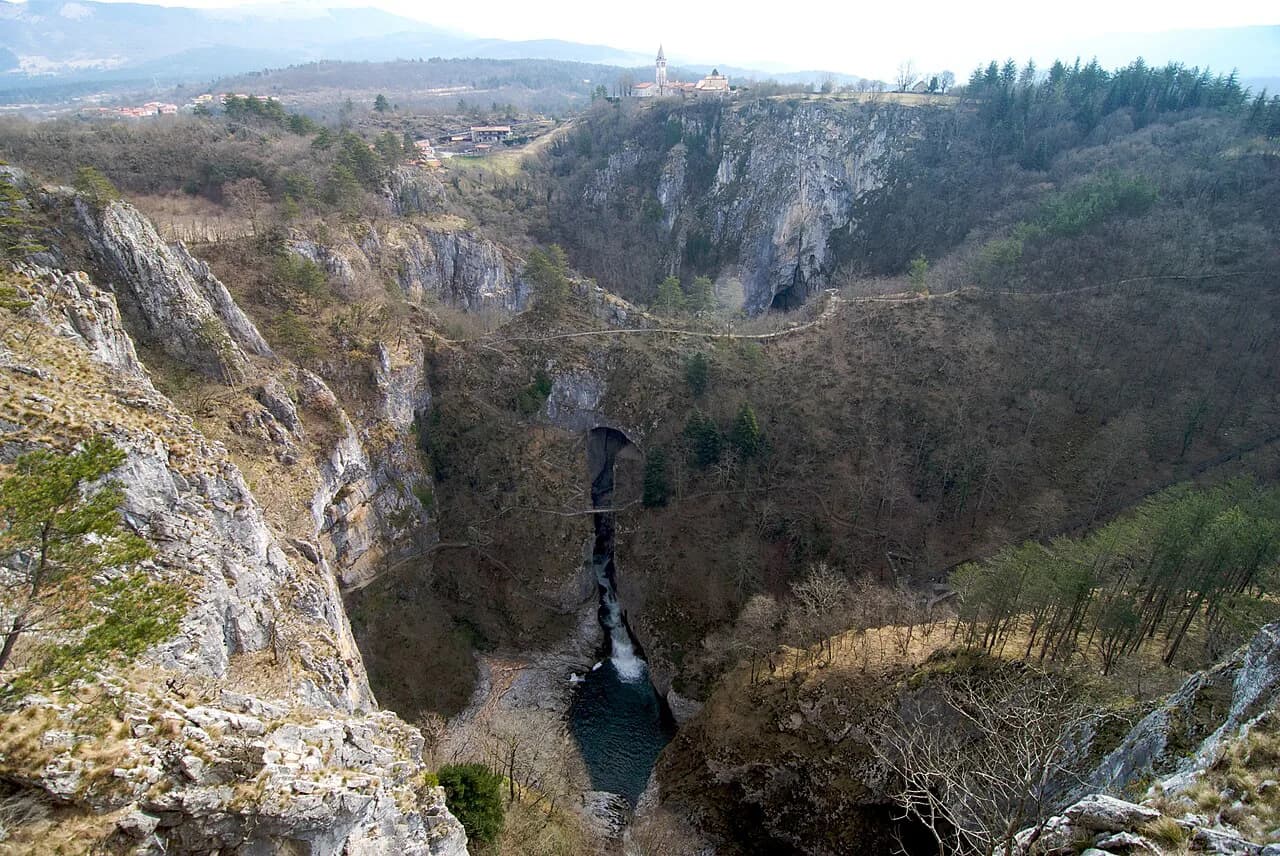
If you are building a Karst itinerary around the stud farm, plan it as one stop on the plateau rather than a destination on its own. The Škocjan Caves Regional Park lies a short drive away and is the region's other headline sight, with timed entry that shapes how you sequence the day. Read our Škocjan Caves guide for the layout of the site and the Reka River gorge before you book anything.
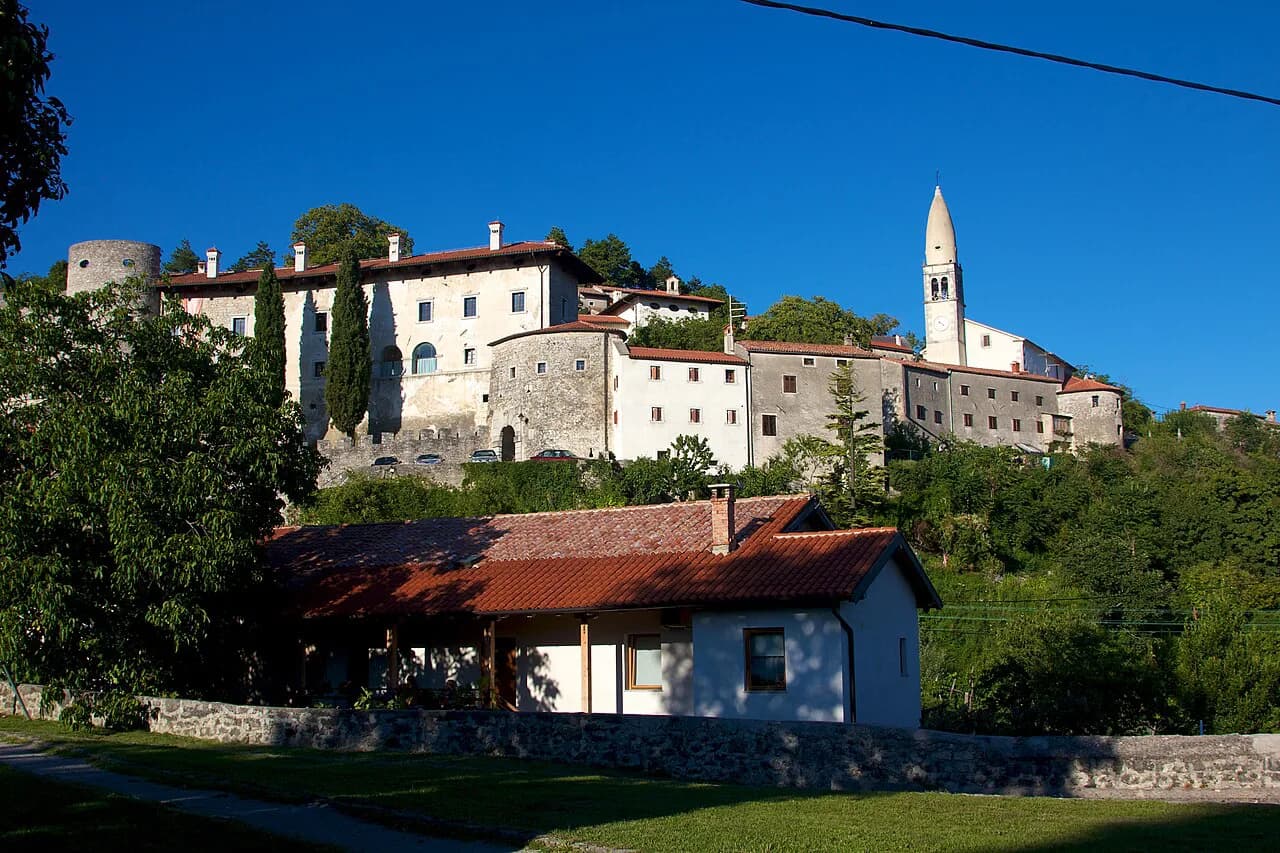
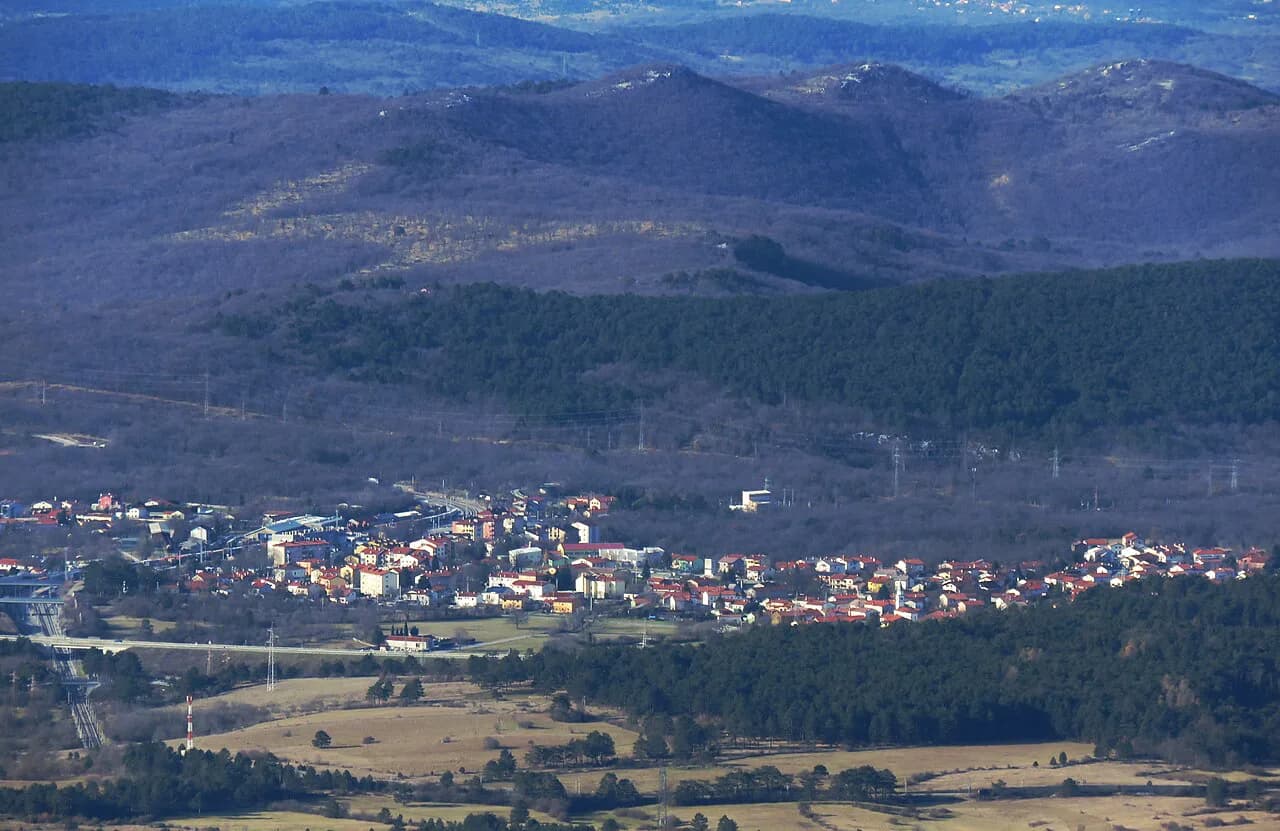
Sežana is the practical base for Lipica, with road links toward Divača, the caves and the Italian border. The town itself is small, so most travelers pass through rather than stay, which makes it a useful orientation point rather than an overnight stop. See our guide to Sežana, Slovenia for what the town offers around the stud farm.
How the Lipizzaner is tied to Vienna's Spanish Riding School
The stallions that live, train and perform at the Spanish Riding School in Vienna come from the Piber stud, and both institutions belong to the same organization. The horses work in an arena in the center of the city, close to where the Habsburgs lived, which is why a Vienna visit can include the breed without a trip to Slovenia. The school describes the Lipizzaner as the oldest cultural horse breed in Europe, a phrase worth reading alongside its breeding history.
The breed standard the school works to emphasizes discipline, elegance, consistency, lightness, precision and harmony, qualities that shaped how the horses are selected and trained. That framing is useful context if you plan to watch a session in Vienna and want to know what you are looking at rather than just seeing white horses move in formation. The school's own pages set out the breed's characteristics in more detail.
What makes the breed distinctive: build, color and temperament
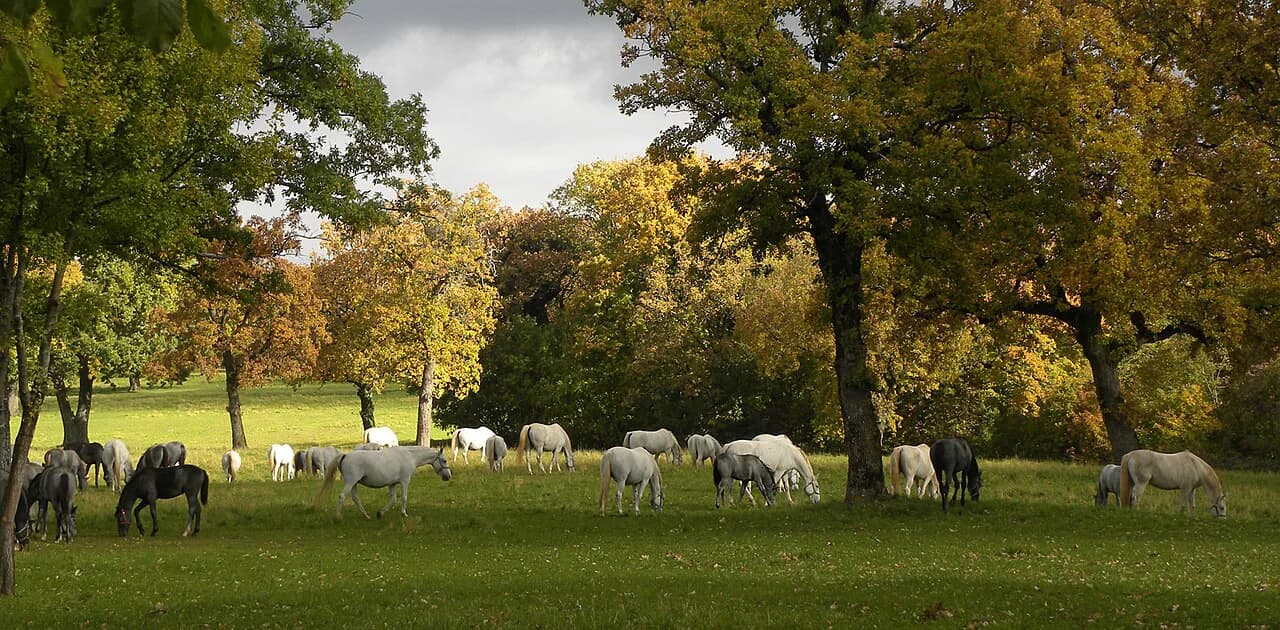
Lipizzaners are muscular, powerful horses with a compact, baroque build suited to collected, elevated movement rather than long, ground-covering strides. Most adult Lipizzaners are grey and turn white with age, while the sale listings also show dark-coated individuals, some described as rare. That is why a young or dark Lipizzaner can look nothing like the white stallions most people picture.
The breed's reputation for trainability and willingness to learn comes from its Iberian and Arabic ancestry, which combined elegance and strength with an ability to pick up collected movements. In practice, that temperament is what makes the horses suitable for the disciplined work of classical dressage rather than for speed or endurance.
Where you can see Lipizzaner horses today
In Vienna, the most frequent chance to see the stallions is a one-hour public training session with commentary, held on most weekdays in the same winter arena used for formal performances. Guided tours take visitors around the arena and into the stables, and a rarer architectural tour climbs into the arena's roof. Formal gala performances are the other ticketed route, and you can sometimes spot a horse in an outdoor paddock in the Burggarten park a short walk from the riding school.
Outside Vienna, Lipica in Slovenia is the breed's origin site and sits within reach of the caves and villages of the Karst plateau. The stud farm and the surrounding estate have an equestrian tradition tied to the horses themselves, and the village is a natural pairing with the region's cave sites. Check the stud farm's own published schedule for tours, training and any riding options before you set a date, since those details change with the season.
Further afield, Lipizzans have a winter home in Sarasota, Florida, where the stables can be toured. That is a useful option for travelers from the US who want to see the horses without crossing the Atlantic.
Buying a Lipizzaner: what the sale listings show about price and age
If you are curious what a Lipizzaner costs, classified listings give a realistic spread of asking prices rather than a single figure. At the time of those listings, prices ranged from around €5,000 to €15,000 for horses of various ages and training levels, with young stock and proven riding geldings at different points in that band. Treat any number you see as one seller's asking price, not a market value.
The listings also show how varied the breed's offerings are: young geldings of two or three years, trained horses with competition experience, and breeding mares, with Slovenian sellers prominent among them. Age, training and color all affect the asking price, and a dark-coated horse is not a defect but simply a younger or darker individual.
Should Lipica be on your Karst itinerary?
Lipica is the right stop if the horses themselves interest you, and an easy add-on if you are already heading to the caves on the plateau. Pairing it with the Škocjan Caves and a Karst village keeps the driving sensible. Sort out cave entry first, since timed tickets shape the rest of the day; our guide to Škocjan Caves tickets explains how the slots work.
Explore more Karst guides
Sources
Notes for your Slovenia trip
Optional updates to our Slovenia place guides.
You might also like
Continue reading
More guides you'll find useful