Škocjan Caves Tickets: Prices, Tour Times and Booking
Škocjan Caves tickets are sold by tour slot in seasonal price bands in euros. Here are the current prices, tour times, booking advice and route lengths.
On this page
A Škocjan Caves ticket is a timed guided-tour ticket, not a general admission pass: you pick a slot, meet a guide at the reception center, and walk the cave route with a group. The price depends on the date of your visit and your visitor category, so the same tour costs more in July and August than in November. This guide covers the price bands in euros, the daily tour times, booking and date-change rules, what the route demands, and how to reach the park from Divača.
What a Škocjan Caves ticket covers
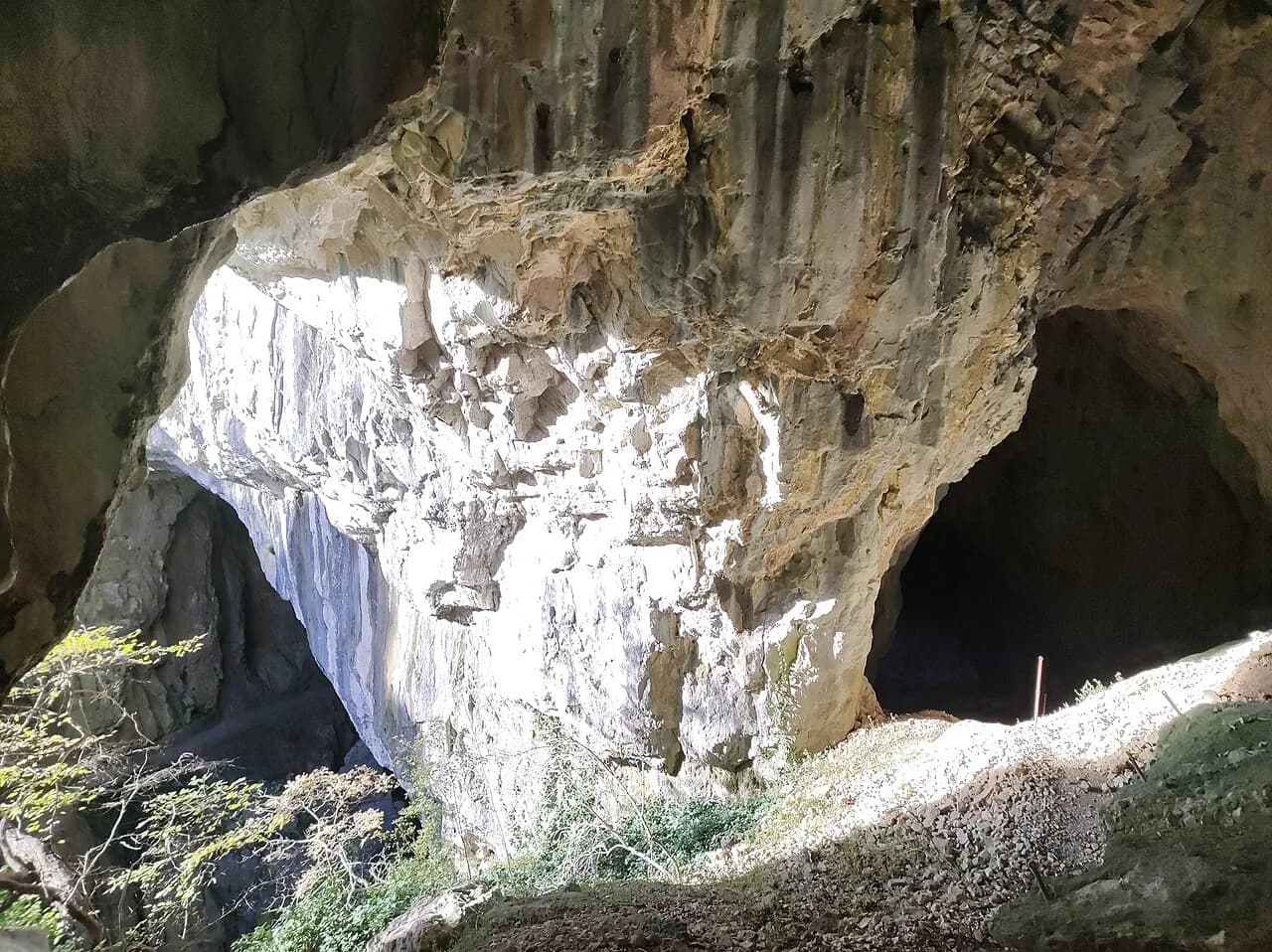
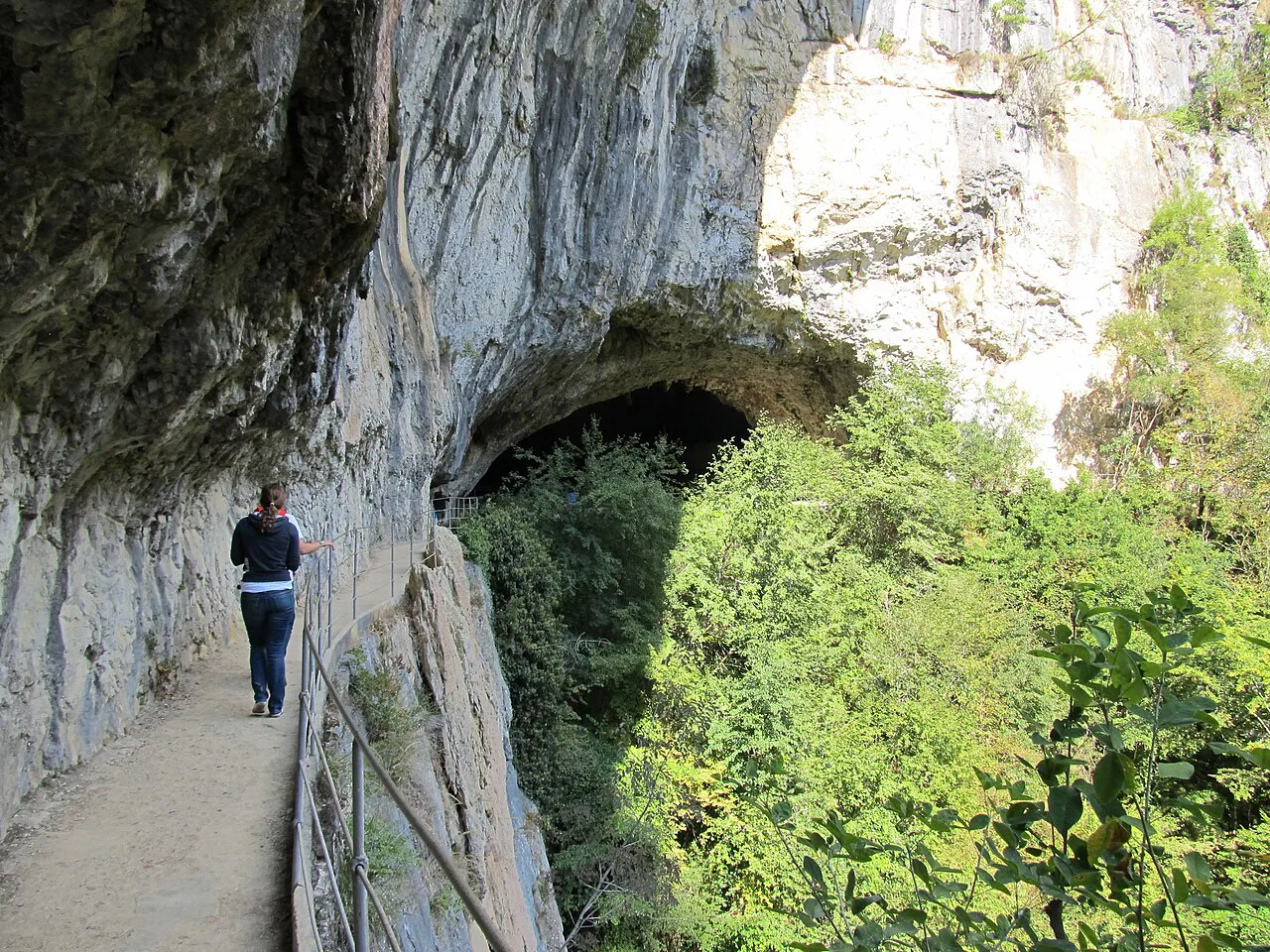
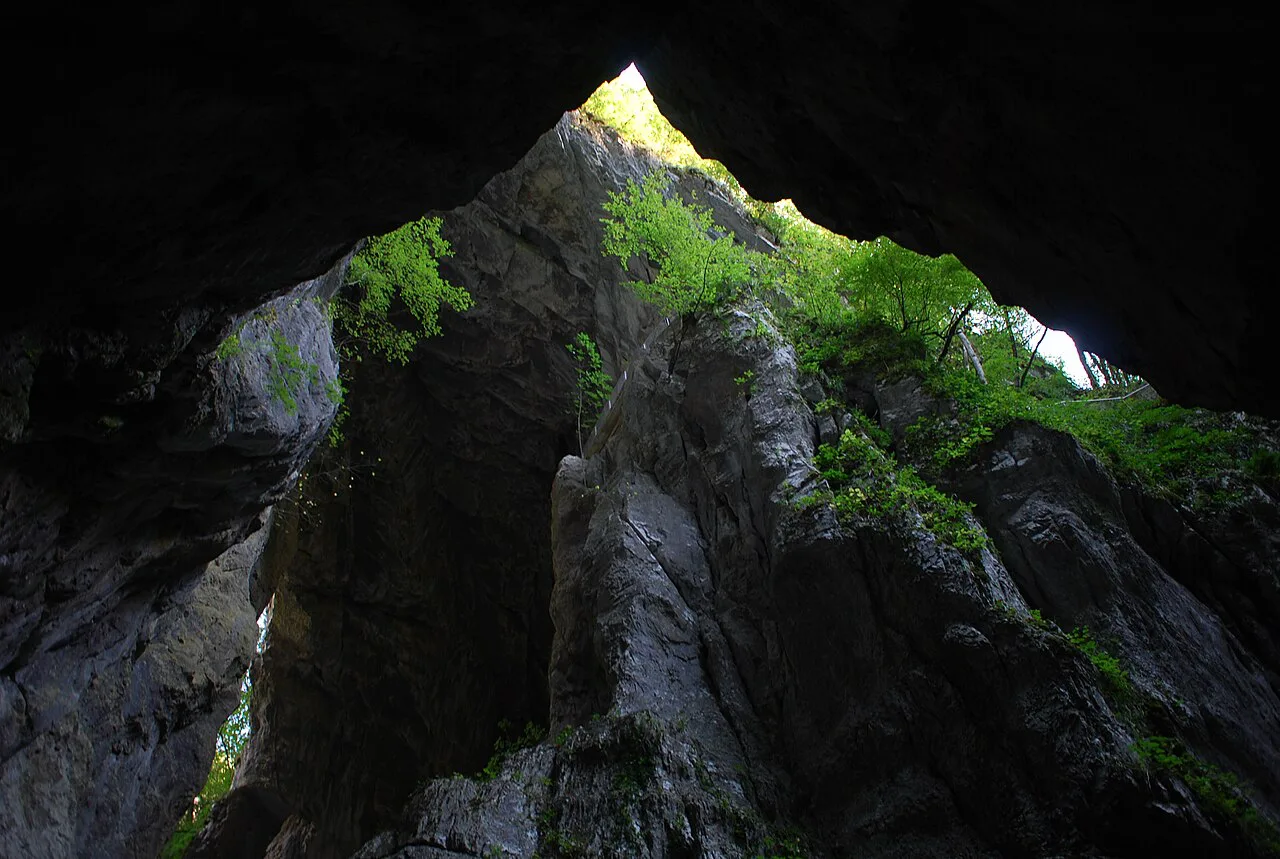
The ticket covers the guided tour that starts at the reception center, where guides lead the group on foot to the Globočak Collapse Doline and the cave entrance. Inside, you pass through an artificial tunnel into the Silent Cave (Tiha jama), a dry fossil passage lined with stalactite formations, then into the Great Hall to see the Giant (Orjak) stalagmite. The trail continues into the water Murmuring Cave (Šumeča jama), where the Reka River runs through an underground canyon.
After daylight, you walk the Big Collapse Doline (Velika dolina) and the Tominc Cave (Tominčeva jama) to the Little Collapse Doline (Mala dolina), cross into the Mahorčič and Marinič Cave below Škocjan village, then climb to Matavun and follow signs back. The whole visit, including the surface section walked without a guide, runs between 2 hours 30 minutes and 3 hours.
Ticket prices by season in euros
The park sells the cave visit in four seasonal bands, and the visitor category matters as much as the month. In January, February, March, November and December the rates are 16 EUR for adults, 12 EUR for seniors and students under 26, and 7.50 EUR for children. April and October sit at 18 EUR, 14 EUR and 9 EUR.
May, June and September cost 22 EUR for adults, 16 EUR for seniors and students, and 10 EUR for children. July and August are the peak band at 24 EUR, 18 EUR and 12.50 EUR. A group of adults, a student and a child therefore pays three different amounts for the same departure, so budget by category rather than per head.
The online ticket portal shows a single set of figures: 18 EUR for adults, 14 EUR for seniors, 14 EUR for students and 9 EUR for children up to 17.99 years, with children under 6 at no charge. Since the park publishes seasonal bands instead, confirm the amount tied to your chosen date at checkout before you pay.
Tour times and how the schedule changes through the year
Published departure slots run at 9:00, 10:00, 11:00, 11:30, 12:00, 13:00, 14:00, 15:00 and 16:00 across the year. That does not mean every slot runs every day or in every month: the timetable grid marks which times operate by month, and winter carries a much thinner choice than summer. Note that the caves are closed for visits on January 1 and December 25.
If your trip hinges on a specific departure, book that slot rather than planning to buy on arrival, since tours sell out on certain days and times.
Why you should book online in advance
The park recommends buying tickets in advance on its official website because of high demand. Booking early also helps with the check-in rule: visitors must be at the reception center half an hour before the selected tour, so a late arrival can lose the slot.
Tickets bought through the online portal cannot be returned or refunded, so check the date, time and category before paying. Moving your visit to another date or hour is possible through the park's website for an additional fee, which makes the purchase less flexible than a refundable booking.
The tour route: Silent Cave, the Giant, Murmuring Cave, Cerkvenik Bridge
The underground section is a one-way walk from the Silent Cave into the Murmuring Cave, with a guide explaining the formations and the river as you go. The high point for many visitors is the crossing of the Cerkvenik Bridge above the Reka riverbed, inside a canyon the park describes as one of the largest underground canyons in Europe. Photography is not allowed inside the cave.
After the bridge the tour emerges at a natural opening, and from there you continue on your own through the collapse dolines and smaller caves. Set aside the full three hours rather than the cave-only time, because the surface walk back is part of the route.
Exit 1 in the cooler months and the shorter walking option
In January, February, March, April, October, November and December the cave tour ends with the exit from the Big Collapse Doline, known as Exit 1, cutting the above-ground return shorter than in summer. If the full route looks too demanding at any time of year, you can also take an early exit there after emerging into daylight. That option brings the walk down to 3 km with 500 to 800 steps instead of 5 km and roughly 1,000 steps.
What the tour demands: distance, steps, temperature and rules
Plan for 5 km of walking and around 1,000 steps on the standard route, with the cave held at about 12 °C year-round, a real chill after a hot Karst afternoon. The park asks visitors to wear comfortable sportswear and suitable shoes and to carry a head cover and enough water, since part of the path is above ground.
The cave tour is not recommended for people with walking or mobility difficulties, fear of heights or claustrophobia, and pets are not allowed. Visitors with disabled-person status can arrange a reservation in advance by email with proof of status.
The free Education Trail and museum collections above ground
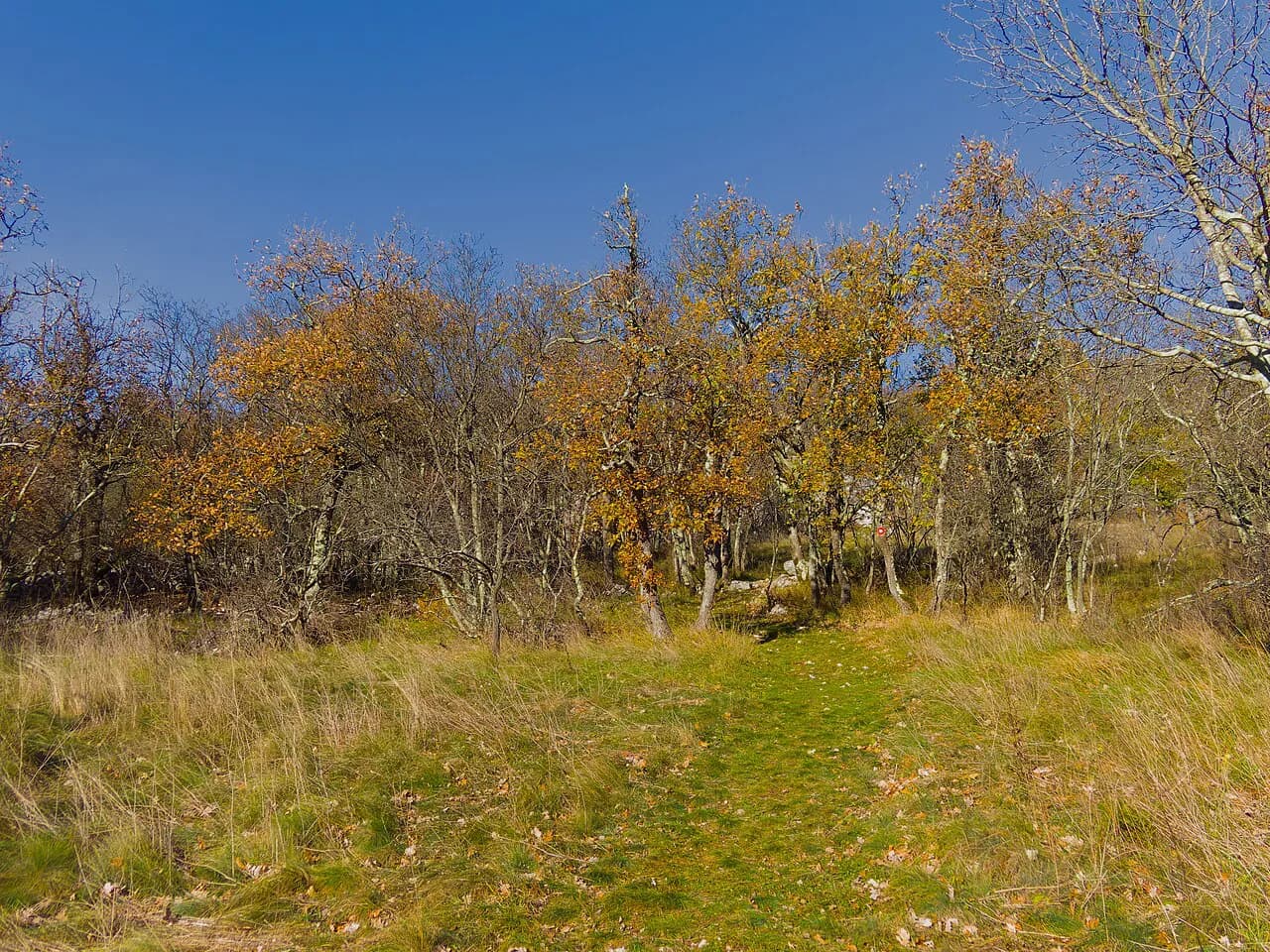
The circular Education Trail loops around the Big and Little Collapse Dolines and through the villages of Betajna, Škocjan and Matavun, starting and ending at the visitors center. It covers karst landforms, hydrology, flora, fauna and the area's cultural heritage, and unguided walking is possible all year and free of charge. It also gives access to the museum exhibitions in Škocjan village.
Reaching the caves: Divača and the reception center
The reception center sits at Matavun, near Divača, and the park publishes directions on its own site. Travelers arriving by train reach Divača station, from which the cave entrance is a walk of roughly 3 km, about 35 minutes, so allow for that before your slot and again on the return.
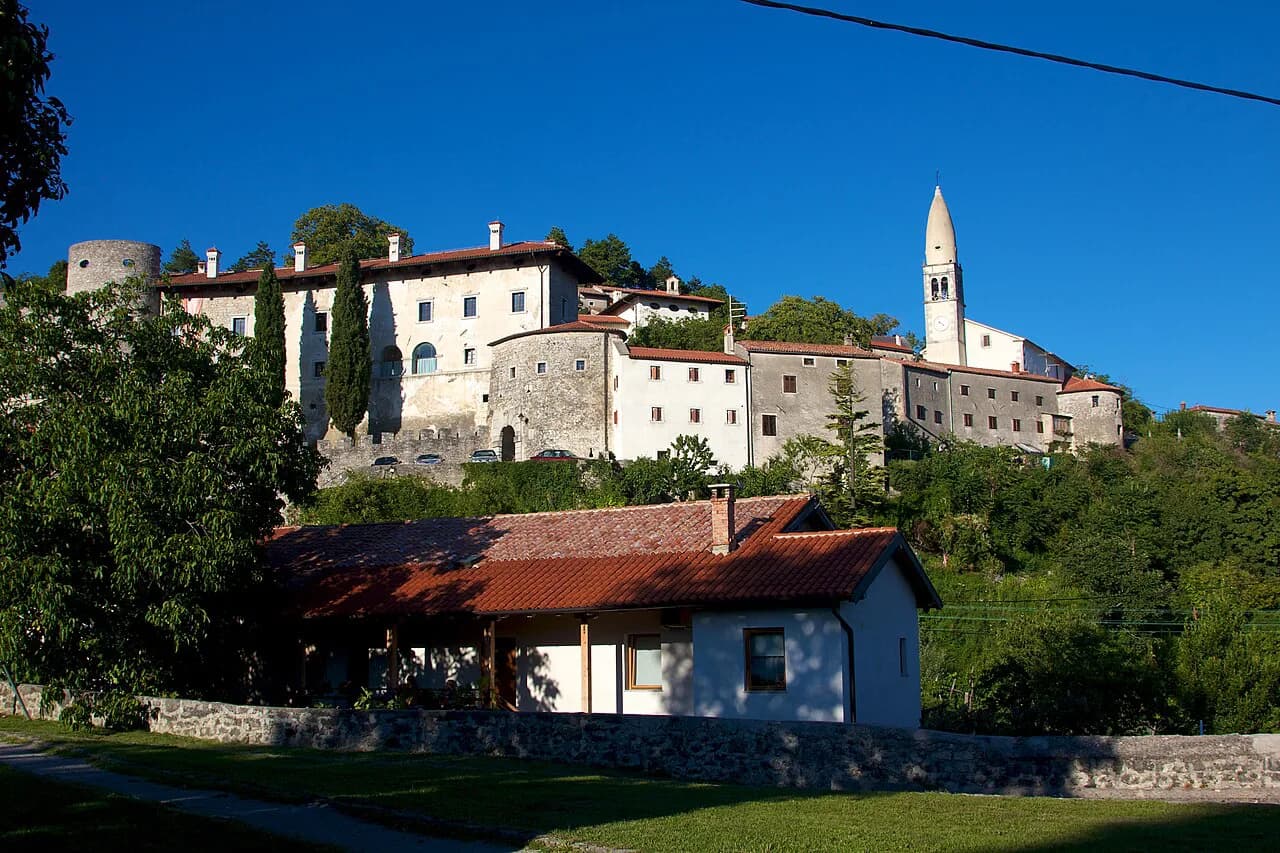
By car, the reception center is the natural base for both the cave tour and the Education Trail, and you should build in the 30-minute pre-tour check-in plus the walk from the car. If you are combining the caves with other Karst stops, Štanjel: A Visitor's Guide to the Karst Hilltop Village makes a logical companion for a second day.
Building a Karst day around your slot
A cave departure anchors the day, so choose the slot first and fit the rest of the Karst around it. Morning tours leave the afternoon free for the Education Trail or a drive across the plateau, while an early-afternoon slot pairs well with a village stop beforehand; our Sežana guide is a useful base reference.
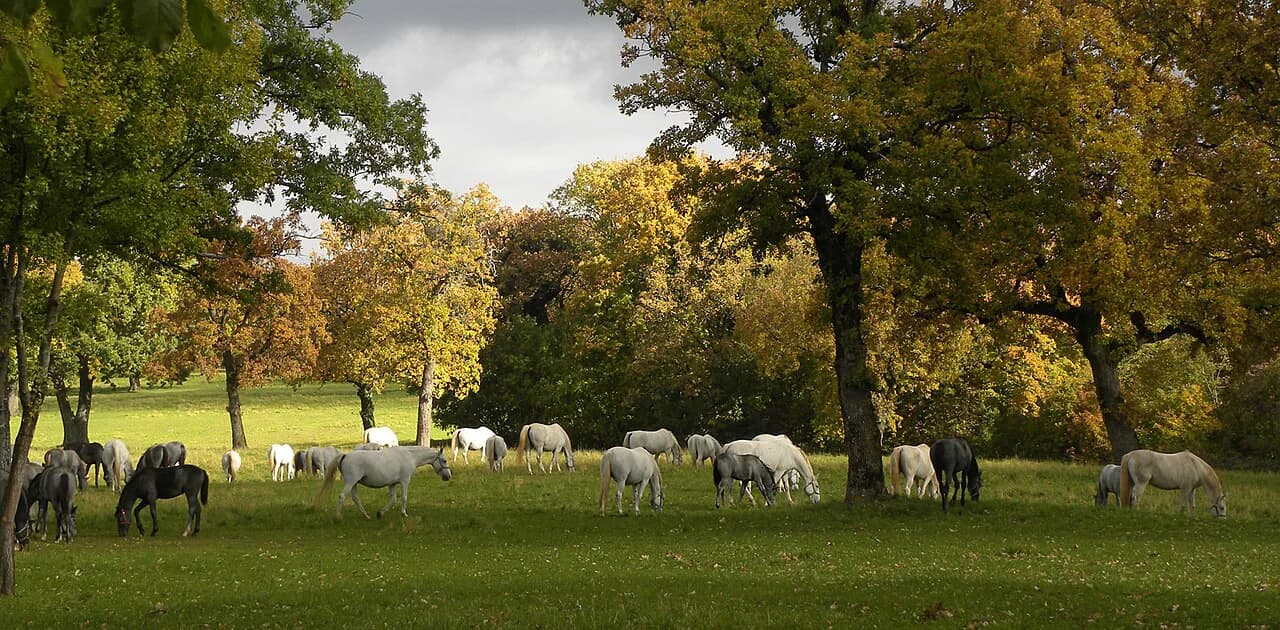
For a second, very different stop, the Lipizzaner horses bred at Lipica trace their stud book to the Habsburg Empire, and the Karst plateau food tradition, including Kraški Pršut, is part of the same landscape you drive through.
Book the cave tour or walk the trail?
Book the guided cave tour if you want the underground route, and pick your slot before you lock in transport, because the price and the departure times both shift with the season. Budget by visitor category, arrive 30 minutes early, and treat the online purchase as nonrefundable with a paid date change.
If you would rather keep the day flexible, the unguided Education Trail above ground needs no cave ticket and can be walked all year. Many travelers do both: a morning cave slot followed by the collapse dolines and Škocjan village at their own pace.
Explore more Karst guides
Frequently Asked Questions
How much does it cost to visit the Škocjan Caves?
The amount depends on your visit date and visitor category. The park publishes four seasonal bands for adults, seniors and students under 26, and children, and the online ticket portal shows its own category prices at checkout. Confirm the figure tied to your chosen date before paying, since the band changes through the year.
How much time do you need at Škocjan Caves?
Allow between 2 hours 30 minutes and 3 hours for the standard guided visit, which covers 5 km and roughly 1,000 steps including the above-ground return. Add 30 minutes before the tour for check-in at the reception center, and extra time if you plan to walk the Education Trail.
Do I need to print my Škocjan Caves ticket?
Bring the booking confirmation on your phone and check the instructions in your confirmation email, then arrive at the reception center 30 minutes before your slot as required.
Sources
Notes for your Slovenia trip
Optional updates to our Slovenia place guides.
You might also like
Continue reading
More guides you'll find useful