Sežana, Slovenia: The Karst Town, Its Garden, and Nearby Sights
Sežana sits in the Karst near the Škocjan Caves and Lipica. Here is how the town fits into a Karst visit, what the area holds, and how to plan the day.
On this page
Sežana is a Karst town best used as a base, not as a stop in its own right: the caves, the Lipica stud farm and the hilltop villages around it are what fill a day. This guide covers how the town sits relative to the Škocjan Caves, what the guided cave tour actually involves, what tickets cost by season, and which nearby stops are worth adding.
The single biggest planning decision is the cave visit, because Škocjan runs on timed guided departures and a fixed route of real physical length. Everything else in the area fits around that slot.
What Sežana is and where it sits in the Karst
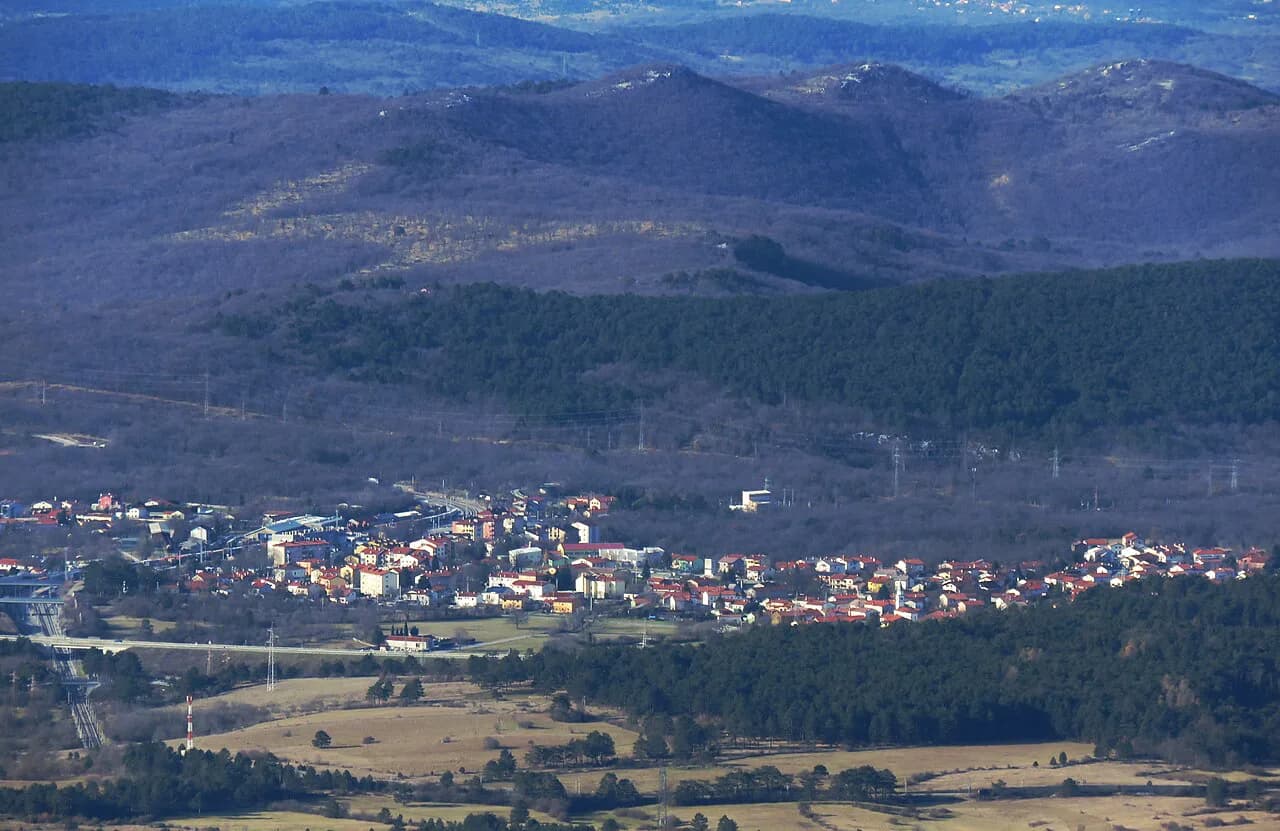
Sežana lies on the Karst plateau inland from Trieste, in the same limestone country that holds the region's show caves, its prosciutto and Teran wine, and the walled villages. The Karst around it works as a single touring area rather than a set of separate sights: you sleep in one place and drive short distances between caves, villages and the coast, which is how the plateau is laid out for visitors.
Treat the town as a practical anchor. The Karst's headline draws are the cave systems, the white Lipizzaner horses at Lipica and the architecture of Štanjel, and Sežana puts you within easy reach of all three without committing to a coastal hotel or a Ljubljana address.
If you are building a wider Karst itinerary, the plateau pairs the show caves with the coast and the villages in between. The broader picture of what the region holds, from Postojna Cave to the coastal salt pans, is worth reading before you fix your route.
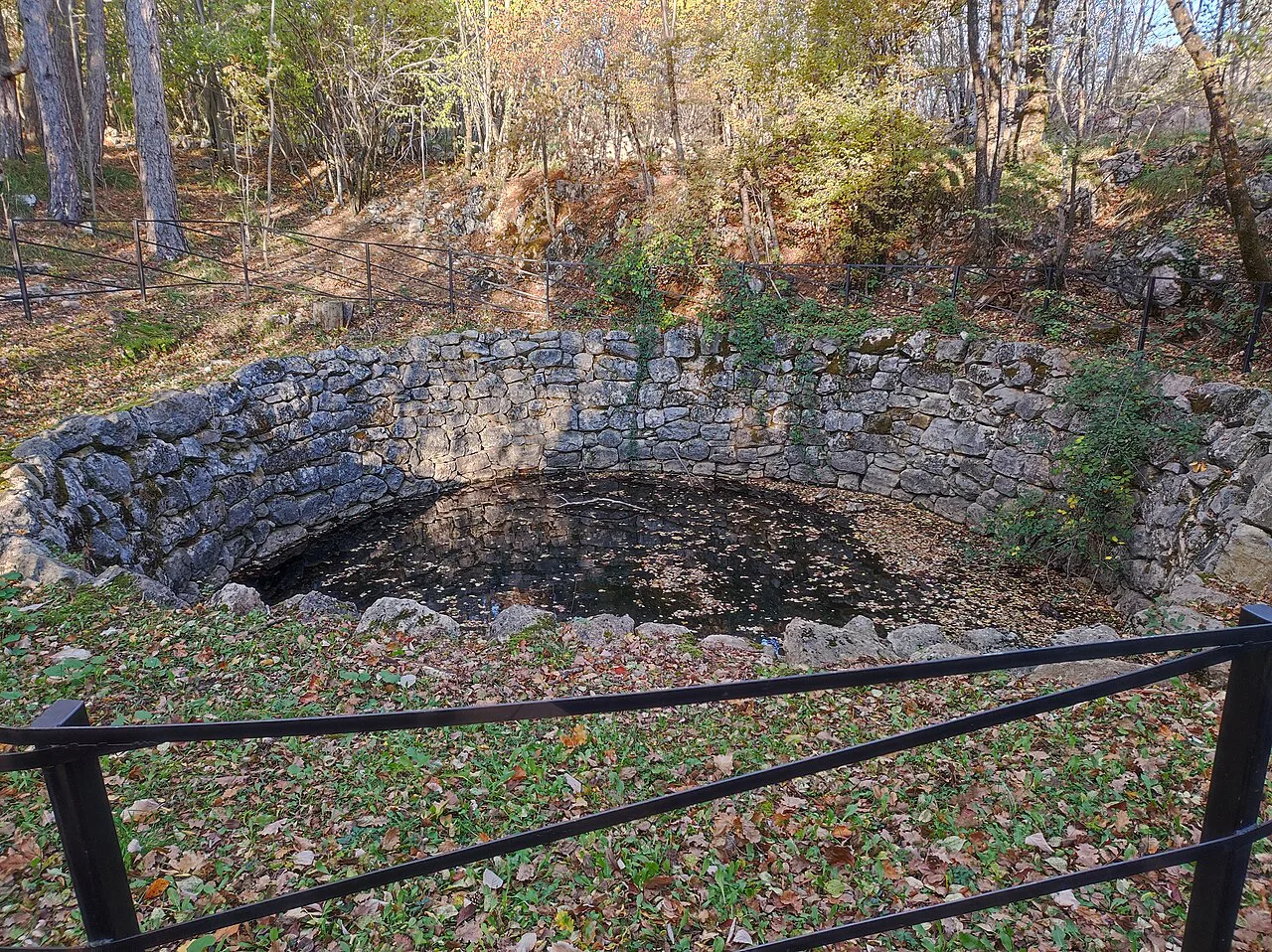
How Sežana fits into a Škocjan Caves visit
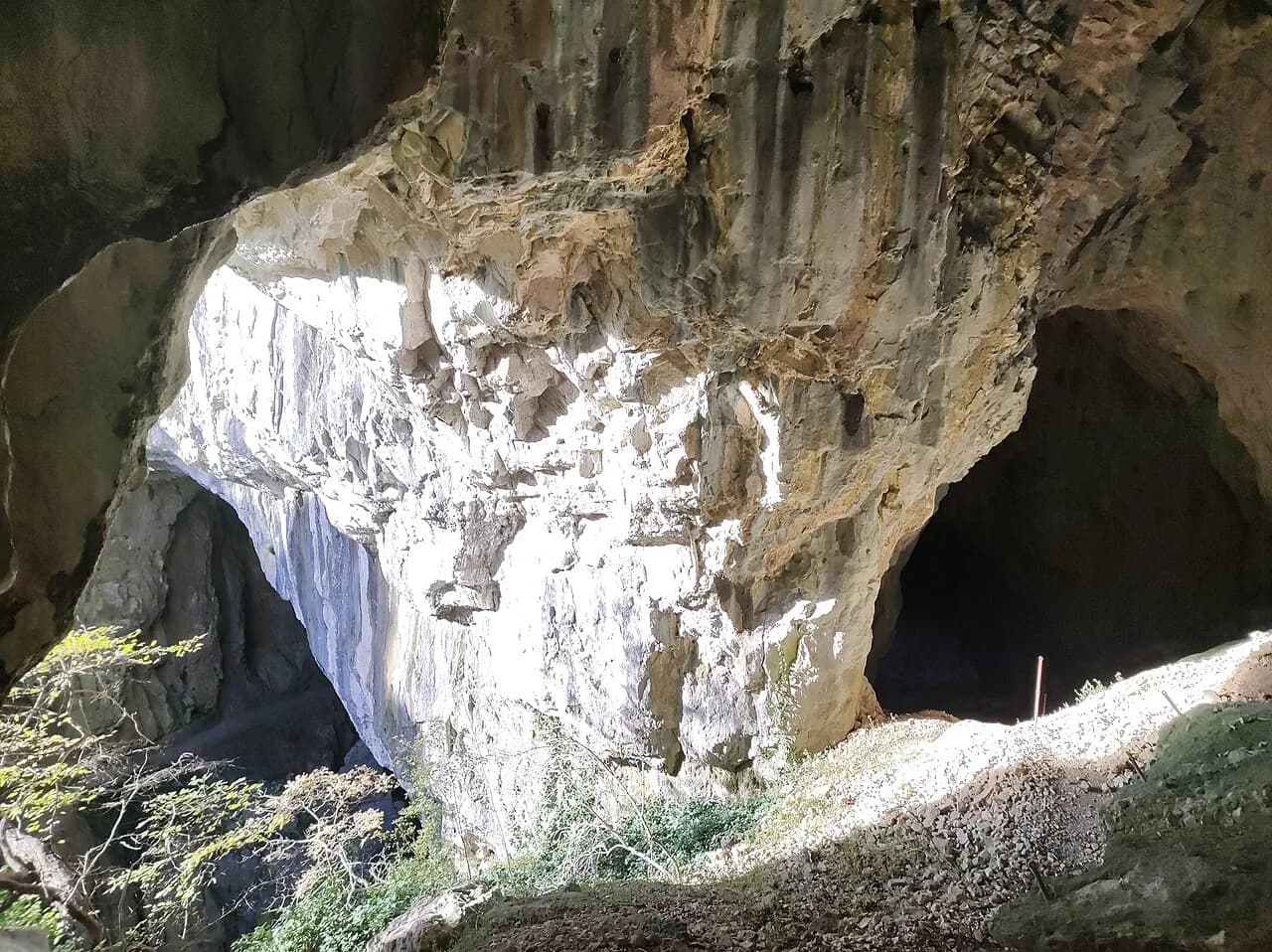
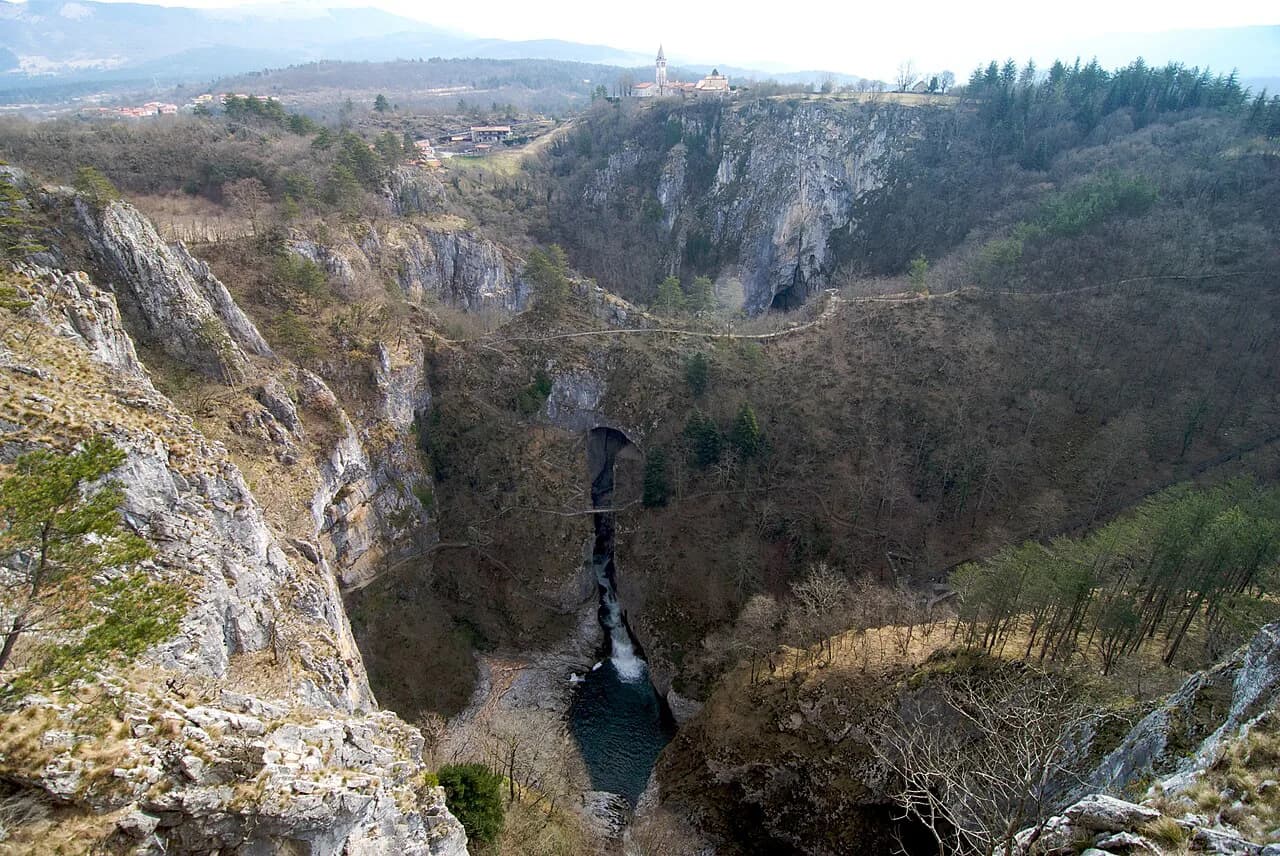
The Škocjan Caves sit in the Škocjan Caves Regional Park, and the visit begins at the park's reception center, where a guide leads the group on foot to the Globočak Collapse Doline and the cave entrance. You do not wander in on your own; the underground section is guided, and the schedule is set by the park.
Getting the timing right matters more than the distance. The park asks visitors to confirm exact departure times on its own schedule before setting out, and advises buying ahead because tours sell out on some days and times. Build the rest of your Sežana day around the slot you book rather than the other way round.
Sežana also pairs naturally with Divača, the village closest to the cave park and the usual reference point for the area. Plan the cave day around the park's reception center and use Sežana for the Lipica and Štanjel side of the trip.
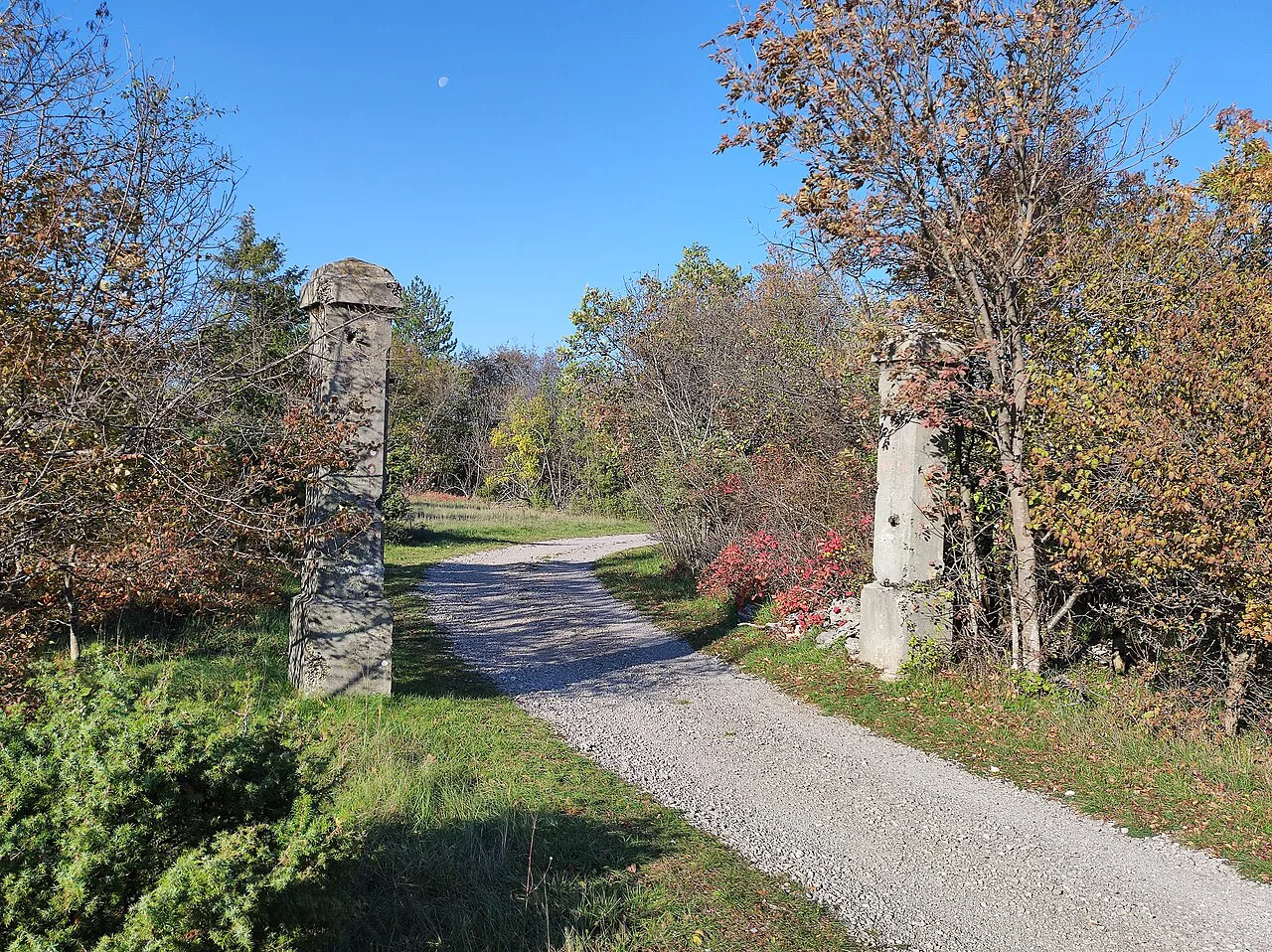
The Škocjan Caves tour: route, length, steps, and the winter exit
The guided route is a serious walk, not a stroll: between 2 hours 30 minutes and 3 hours, about 5 km, and roughly 1,000 steps, in a constant 12 °C underground. The sequence runs from the artificial tunnel into the Silent Cave (Tiha jama) and its Great Hall, past the stalagmite known as the Giant, then into the Murmuring Cave (Šumeča jama) where the Reka River flows through a vast underground canyon.
You cross the Cerkvenik Bridge above the river bed, emerge into daylight, and continue independently through the Big Collapse Doline (Velika dolina) and the Little Collapse Doline (Mala dolina), passing the Tominc Cave and the natural bridge before climbing to the village of Matavun and back to the reception center. Photos are not allowed inside the cave, and pets cannot enter.
If that is too much, there is a shorter option: leave the cave system after the daylight exit in the Big Collapse Doline, which cuts the walk to 3 km and 500 to 800 steps. In January, February, March, April, October, November and December, the tour ends at that exit as standard, so out-of-season visitors do the shorter version whether they planned to or not.
Wear proper walking shoes, bring a head cover and enough water, and carry an umbrella if rain is forecast, since part of the path is above ground. The park itself sits in the classical Karst and is presented as an open-air museum of surface and underground phenomena, so the above-ground half of the walk is part of the point rather than filler.
Škocjan Caves tickets by season and the daily tour times
Škocjan Caves tickets are priced by season. In January, February, March, November and December, adults pay 16.00 EUR, seniors and students under 26 pay 12.00 EUR, and children pay 7.50 EUR; in April and October the rates are 18.00 EUR, 14.00 EUR and 9.00 EUR. The May, June and September band is 22.00 EUR, 16.00 EUR and 10.00 EUR, and July and August is the highest at 24.00 EUR, 18.00 EUR and 12.50 EUR.
Departures are spread through the day, with slots listed from 9:00 to 16:00 across the year, and the caves close for visits on January 1 and December 25. The park publishes the day-by-day timetable and reminds visitors to check it before traveling, so confirm your slot on the official schedule rather than assuming a departure every hour.
The guided cave visit and the education trail are different products. The circular Škocjan Education Trail around the two collapse dolines and through the villages of Betajna, Škocjan and Matavun starts and ends at the visitors center, can be walked guided or unguided, and the unguided version runs all year at no charge.
Nearby Karst stops worth adding: Lipica, Štanjel, and the Vilenica Cave
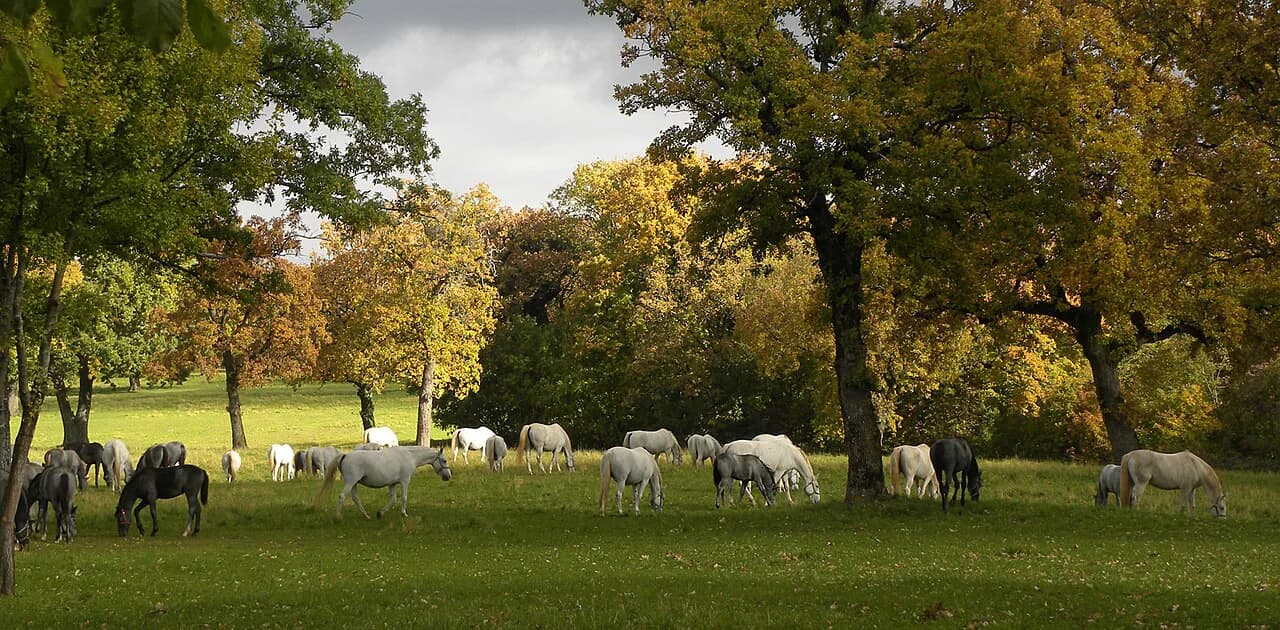
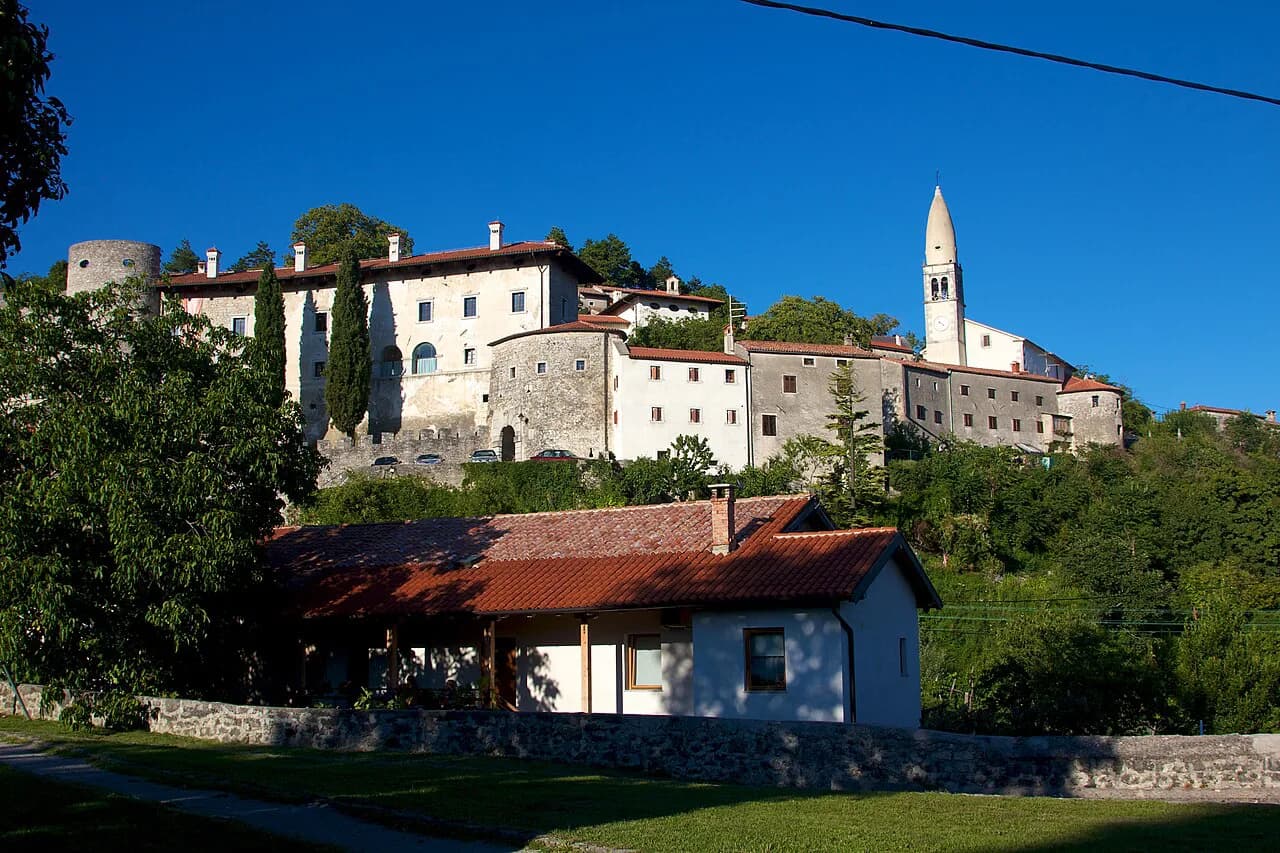
Lipica, home of the white Lipizzaner horses, and Štanjel, a compact Karst village of stone architecture, are the two obvious additions to a Sežana stay and both sit within the same touring loop.
The Vilenica Cave at Lokev is the quieter cave stop and rewards planning: the tourism board calls it the world's first tourist cave, with visitors coming to see it from Trieste as early as 1633, and its 450 m of arranged walkways pass large, shaped dripstones.
Save room for the table as well: Karst prosciutto and Teran wine are the local staples, and they are what most visitors remember from the villages between the caves.
Vilenica Cave opening hours and the online-only ticket rule
Vilenica keeps a narrow visiting window. From April 1 to October 31 it opens every Sunday and on holidays at 15:00; in August there are guided tours daily at 11:00 and 15:00. Tickets can only be bought online, at least 30 minutes before the tour, so a walk-up visit is not an option.
Organized groups can visit outside those times by prior arrangement with the cave. If Vilenica is the reason for your Sežana detour, check the day of the week first: a midweek visit in May or September will not work on the standard schedule.
Getting around the Karst without a car: shuttle, cave access, and the coast
Public transport in the Karst is limited, and the park has at times promoted extra services rather than guaranteed ones: in summer 2024 it announced a trial hop-on hop-off shuttle linking attractions in the Kras-Carso Geopark, and in 2023 it noted ToyotaGO ride-hailing to the caves. Confirm what is actually operating on your dates before you rely on either.
In practice a car or a taxi to the cave park is the dependable option, which is why Divača is worth understanding even if you sleep in Sežana. Both the Vilenica Cave and the Škocjan Caves need a booked slot, so sequence them on different days rather than trying to squeeze both into one afternoon.
Where Sežana sits relative to Koper, Izola, and Piran
The coast is close enough to combine with the Karst but far enough to plan deliberately. Koper, Izola and Piran sit along a short stretch of Adriatic shoreline, with Koper the largest and closest to the plateau, Izola a former island town with a fishing tradition, and Piran the historic walled town associated with the violinist Tartini.
A sensible split is caves and villages on one day, the coast on another, with Sežana or Divača as the inland anchor. Pushing a Škocjan tour and a Piran afternoon into the same day leaves no margin for the three-hour cave walk or the parking search at the coast.
Should you base yourself in Sežana?
Yes, if the caves and the Karst villages are your priority and you want a quiet inland base within reach of both the Adriatic and the Škocjan Caves. No, if you want to walk out of your hotel into a historic center, since Sežana is a working town rather than a sight in itself.
Book the cave slot first, decide the season by the ticket band you are willing to pay, then fit Lipica, Štanjel and Vilenica around it, checking the Vilenica day-of-week schedule before you commit.
Explore more Karst guides
Frequently Asked Questions
Do you need to book Škocjan Caves tickets in advance?
The park advises buying ahead because tours sell out on certain days and times, and it asks visitors to confirm the exact schedule before arriving. Book once you have fixed your date rather than turning up and hoping for a place.
How far is Sežana from the Škocjan Caves?
Sežana is a short drive from the cave park, which is reached via Divača, the nearest village and transport reference point. Allow extra time beyond the drive, since the visit begins with a walk from the reception center to the cave entrance.
Is Sežana worth visiting?
It is worth it as a base for the Karst rather than as a stand-alone sight: the Škocjan Caves, Lipica and Štanjel are the reasons to stay here. Travelers who want a historic town center on the doorstep are better off on the coast.
Sources
Notes for your Slovenia trip
Optional updates to our Slovenia place guides.
You might also like
Continue reading
More guides you'll find useful