Kraški Pršut: What Karst Ham Is and How It's Made
Kraški pršut is dry-cured ham from Slovenia's Karst plateau, salted with coarse sea salt and air-dried. Here is what the name means and how it is made.
On this page
Kraški pršut is a dry-cured ham made from whole pork legs in the limestone Karst plateau of southwestern Slovenia, rubbed with coarse sea salt and dried in the cold plateau wind. The name splits cleanly for anyone reading a menu: kraški means of the Karst, and pršut is the Slovenian word for prosciutto. This guide covers what the label means, how the ham is produced, how long it ages, what the slice looks and tastes like, and how it arrives at the table.
Kraški pršut is not a generic word for prosciutto: the Slovenian pršut is the direct equivalent of the Italian term, but the kraški part ties the ham to a specific origin and production area. The sections below treat it as a food to understand and buy rather than a restaurant dish.
What Kraški Pršut Is
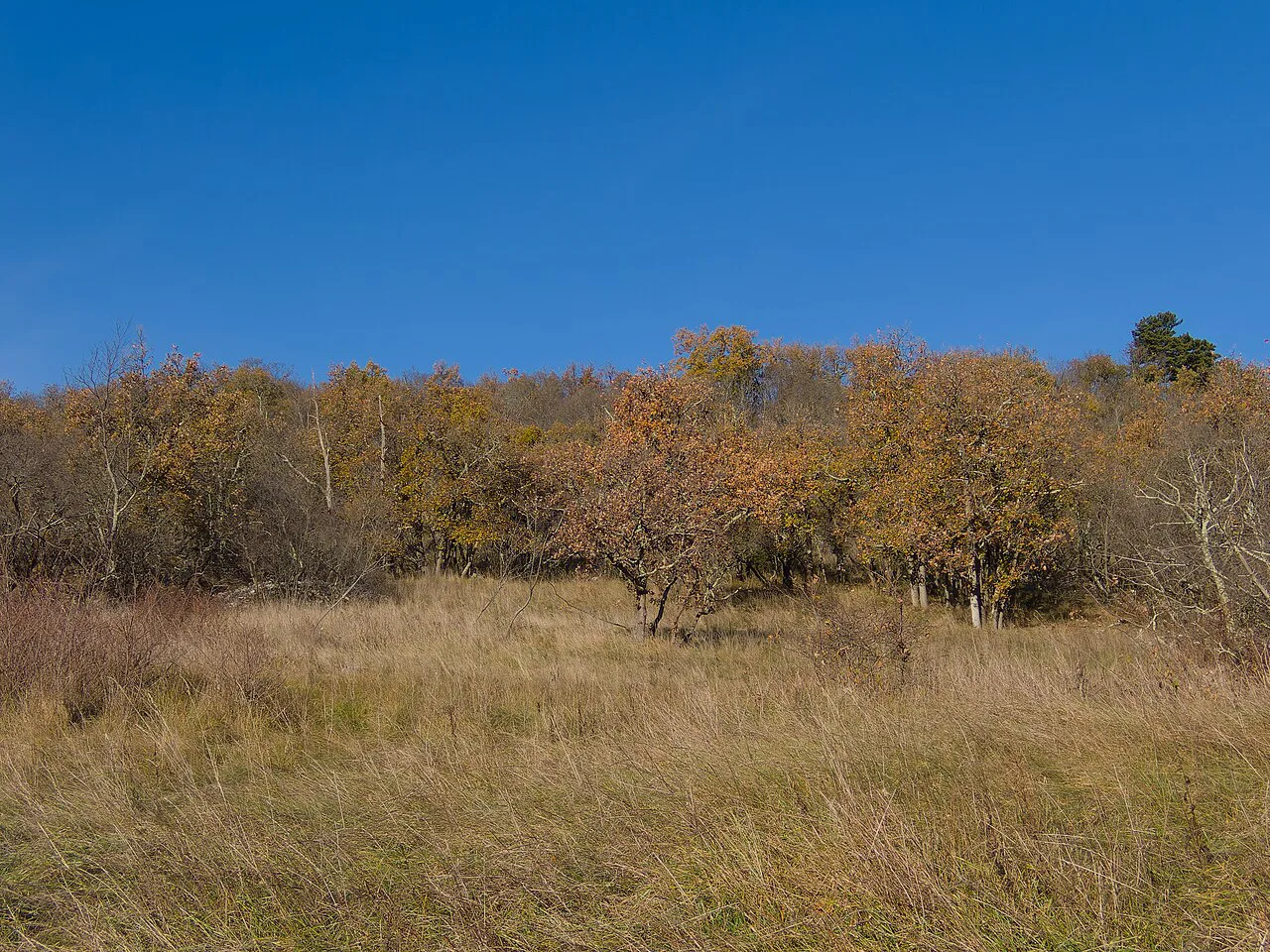
Kraški pršut is a whole-muscle pork product, made from entire fresh pork legs that are dry-salted with coarse sea salt and then air-dried and aged. The EU quality scheme describes the ham as produced in the limestone landscape of southwestern Slovenia, where the legs are rubbed with coarse sea salt and dried in the cold wind of the Karst plateau. That combination of salt, wind and cool air is the core of the product's identity, and it explains why the label ties the ham to a place rather than to a recipe alone.
Producers describe the meat as free of preservatives, flavor enhancers and polyphosphates, and the salt is applied dry rather than in a brine. A retail description of the ham describes the same dry-salting approach with coarse sea salt and a drying and aging process shaped by the local climate. If you are reading a deli label or a menu in Slovenia, kraški pršut should point you to this dry-salted, air-dried method rather than a cooked or wet-cured ham.
What the Name Means
The adjective kraški is a geographic term meaning of the Karst, and the dictionary entry gives karstic as its English sense, alongside phrases such as karstic cave and karstic region. The noun pršut translates to prosciutto in English, a food term the dictionary marks as a mass noun. Put together, kraški pršut means, literally, Karst prosciutto.
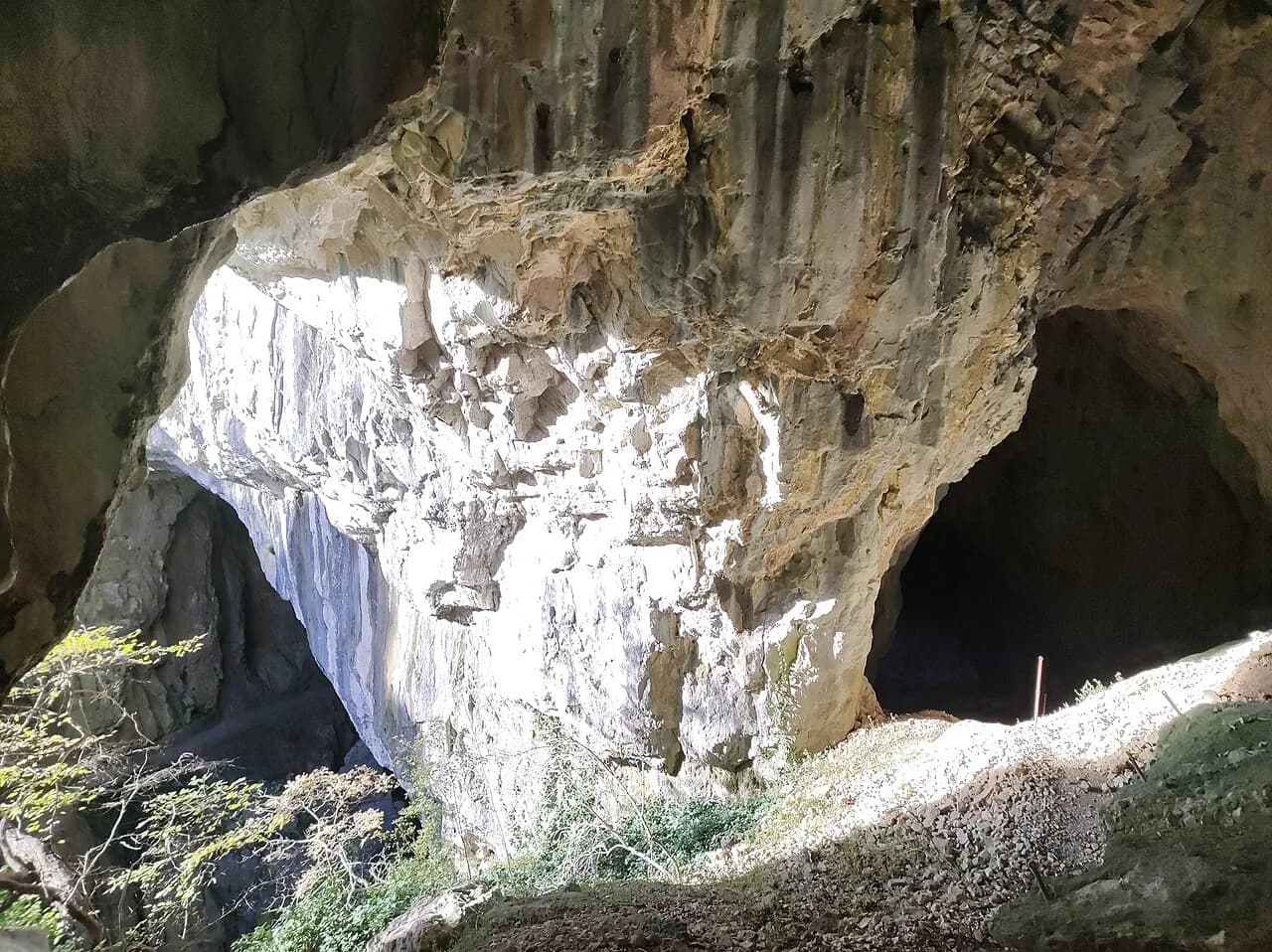
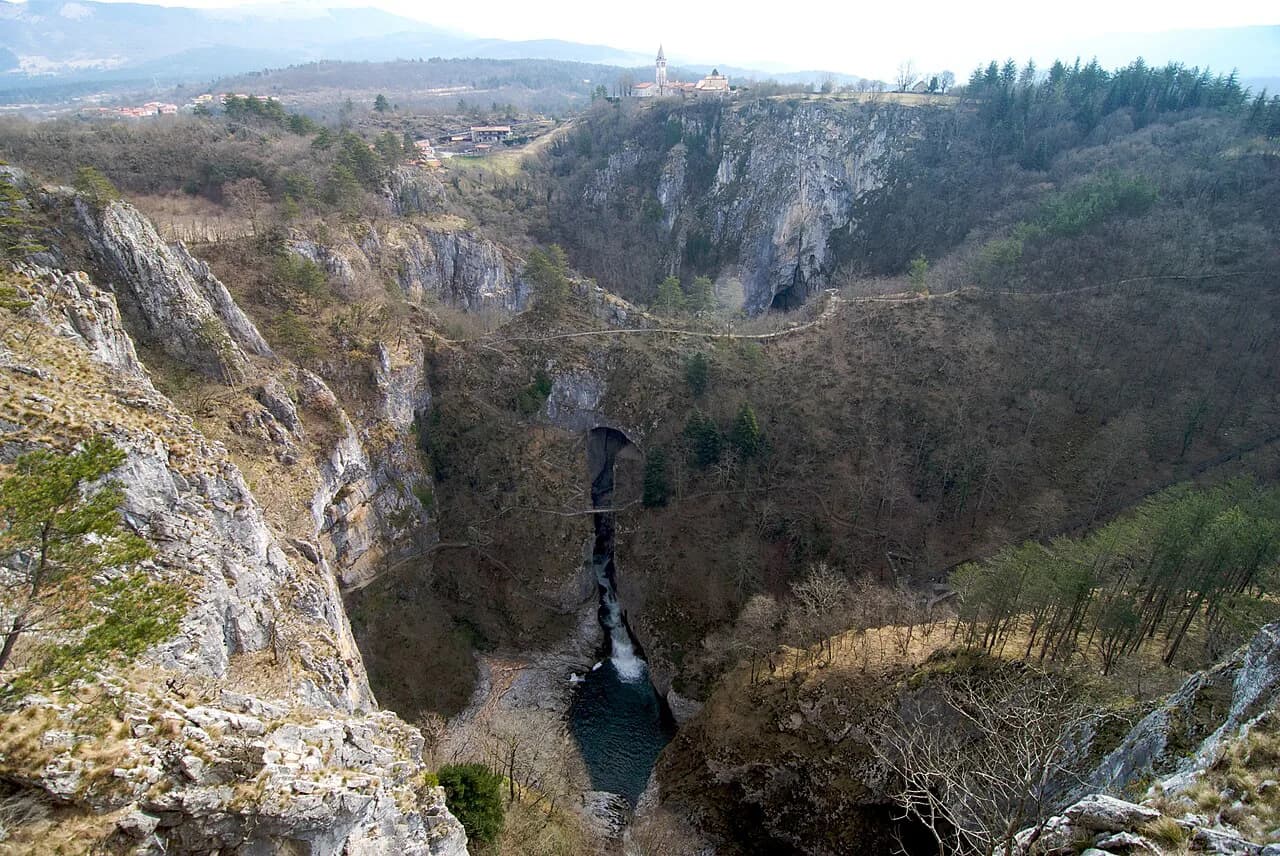
Kras is the Slovenian name for the plateau, and it is the same root that gives English the geological term karst, so the label on a packet is a place descriptor rather than marketing shorthand. The plateau runs toward the Škocjan Caves and the villages around Divača and Sežana, which makes the ham a natural thing to look for on a day in that part of Slovenia.
How It Is Made
Production starts with whole fresh pork legs, which are rubbed with coarse sea salt and left to cure before drying. The EU scheme places the drying in the cold wind of the Karst plateau, and producers describe the salting as dry salting with no added preservatives, allergens, flavor enhancers or polyphosphates in the finished slice. The process depends on stable cool, airy conditions, which is why the ham is tied to a specific landscape.
The producer's own page emphasizes the work at each stage of curing, and the retail description stresses that the local climate shapes the pace of drying and aging. For a traveler, the air and the seasonal wind are part of how the ham develops its color and aroma, so the landscape is worth seeing alongside the slice. The Škocjan Caves area and the plateau villages around Divača and Sežana put you in that landscape.
How Long It Ages: Standard and Premium
Kraški pršut is aged for at least 12 months, according to the producer's description of the sliced product, and that aging period is what builds the balance of salt and aroma in the finished slice. A separate Premium line is described with at least 16 months of aging, giving a longer cure and a more intense result. Both figures come from producer descriptions, and the difference matters when you are choosing between two packages on a shelf.
The Premium page also notes that the longer cure is meant to produce an even ruby-red color and a distinctive aroma, and the published nutrition figures for the standard sliced product and the Premium line differ. Neither page lists prices that can be applied to a shop in Slovenia, so check the label or ask at the counter rather than relying on an online figure.
What It Looks and Tastes Like
In the slice, the ham runs from pink-red to a darker red toward the edges, and the EU scheme describes it as distinctly salty with a strong aroma and deep pink to ruby-red color. That color and the thin, even slice are the visual cues to look for when a platter arrives at the table. The salt is the dominant note, so it is usually eaten in small quantities rather than as a main course.
Protected Status and Producers
Kraški pršut carries protected geographical indication status, which the EU scheme records as Kraški pršut PGI. In practice, a PGI ties the name to the defined area and to the production method, so a package labeled with the protected name is making a claim about where and how the ham was made. If you are buying a gift or comparing brands, the protected name is a useful signal, and the producer's brand on the packet tells you who actually cured it.
One named producer is Kras, which sells sliced kraški pršut as a narezek, a prepared cold-cut platter, and also sells a Premium whole-piece version described with a minimum of 16 months of aging and a recommendation to store it in a dry, airy place. These are the product facts a shopper can use: the brand, the line and the stated aging period, rather than a claim about which producer is best.
How to Order and Serve It
The most common way to meet kraški pršut on a trip is as part of a narezek, the sliced cold-cut platter that a deli or a table assembles from several cured meats. The producer's range lists kraški pršut alongside other sliced meats such as kraški zašink, panceta, kraška domača salama and kmečka salama, so the ham is one element of a spread rather than a standalone dish. That format is what to ask for if you want to taste the ham next to other Karst cures.
A useful pairing template comes from the EU scheme's own recipe, which places thin slices of the ham on toasted ciabatta with fresh goat cheese, caramelized red onion and a balsamic vinaigrette, finished with arugula. It keeps the ham's salt in check with the cheese and the sweet onion, and it works for a lunch assembled from a deli counter or a market stall. Buy the ham sliced thin, as you would for any dry-cured ham, and keep the slices cool until you eat them.
Where It Fits in a Karst Visit
Kraški pršut belongs with the rest of the Karst food you will meet on a plateau day out: the ham, the local cheeses, olive oil and honey. A visit to the Škocjan Caves puts you in the right part of the country to look for it, and a deli or market stop on the way in or out is the easiest way to buy some to take home. The ticket side of that day is separate, so sort out Škocjan Caves tickets before you add the food stop.
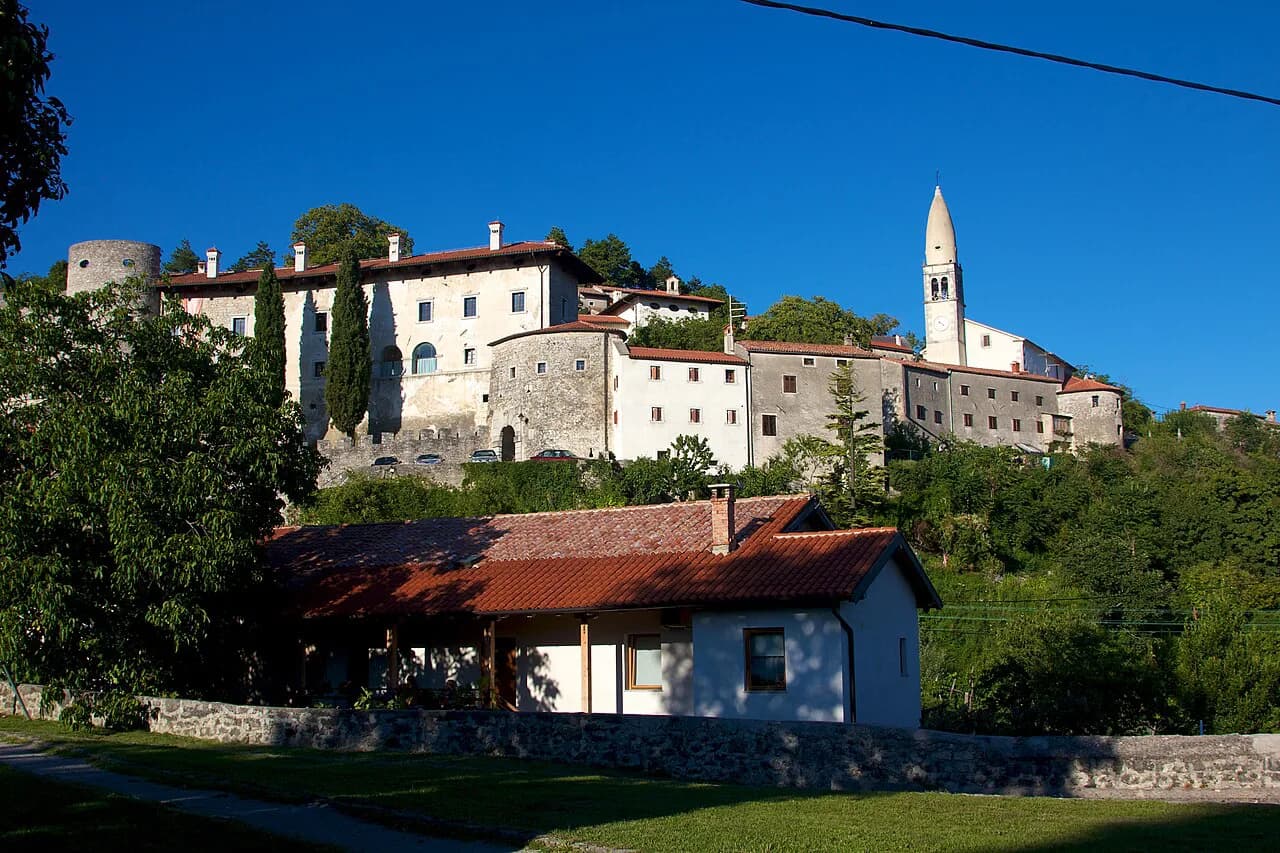
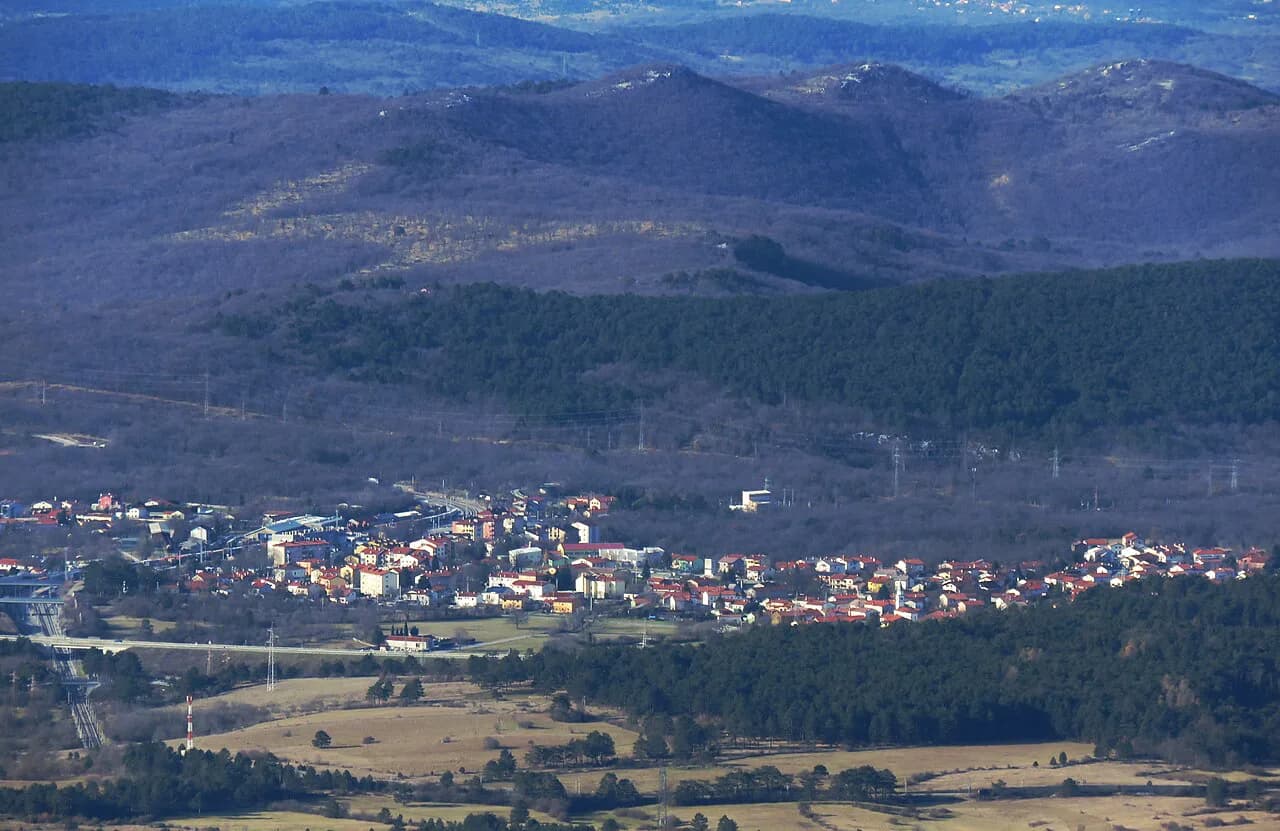
If you are building a longer loop, the plateau towns give you more chances to buy and eat the ham. Divača sits by the caves and their transport links, while Sežana and its surroundings make a practical base for the Karst food and villages nearby, and Štanjel is a hilltop stop that pairs well with a slow afternoon of eating. None of those towns needs to be scheduled around the ham, but if cured meat is on your list, the plateau is where to shop for it.
Should You Buy It or Just Taste It?
Buying kraški pršut to take home is straightforward if you are already on the Karst plateau and can visit a deli or market. The sliced narezek packs travel better than a whole piece, and it lets you try the ham next to other local cures. If you want the longer-aged product, look for the Premium line on the label and the stated 16-month minimum.
If your trip only touches the Karst briefly, tasting the ham on a platter is enough, and you can decide whether a packet is worth carrying home. Check the label for the protected name and the producer, and ask at the counter for the sliced version rather than guessing from a picture.
Explore more Karst guides
Sources
Notes for your Slovenia trip
Optional updates to our Slovenia place guides.
You might also like
Continue reading
More guides you'll find useful