Škocjan Caves: Tours, How Long to Allow, and Getting There
Plan a visit to Škocjan Caves: which guided tour to pick, how long the underground canyon takes, and what to expect on the bridge over the Reka.
On this page
Budget about two hours for the main Škocjan Caves tour, plus time at the visitor center before your slot, and wear shoes with grip. The cave is a UNESCO World Heritage site in the Karst region near Divača, and you see it only with a park guide, walking roughly 3 km with about 144 m of elevation change. This guide covers which of the three visits to choose, what the bridge over the Reka River feels like, how to reach the park, and how photography rules differ from Postojna Cave.
What the Škocjan Caves are and where they sit in the Karst
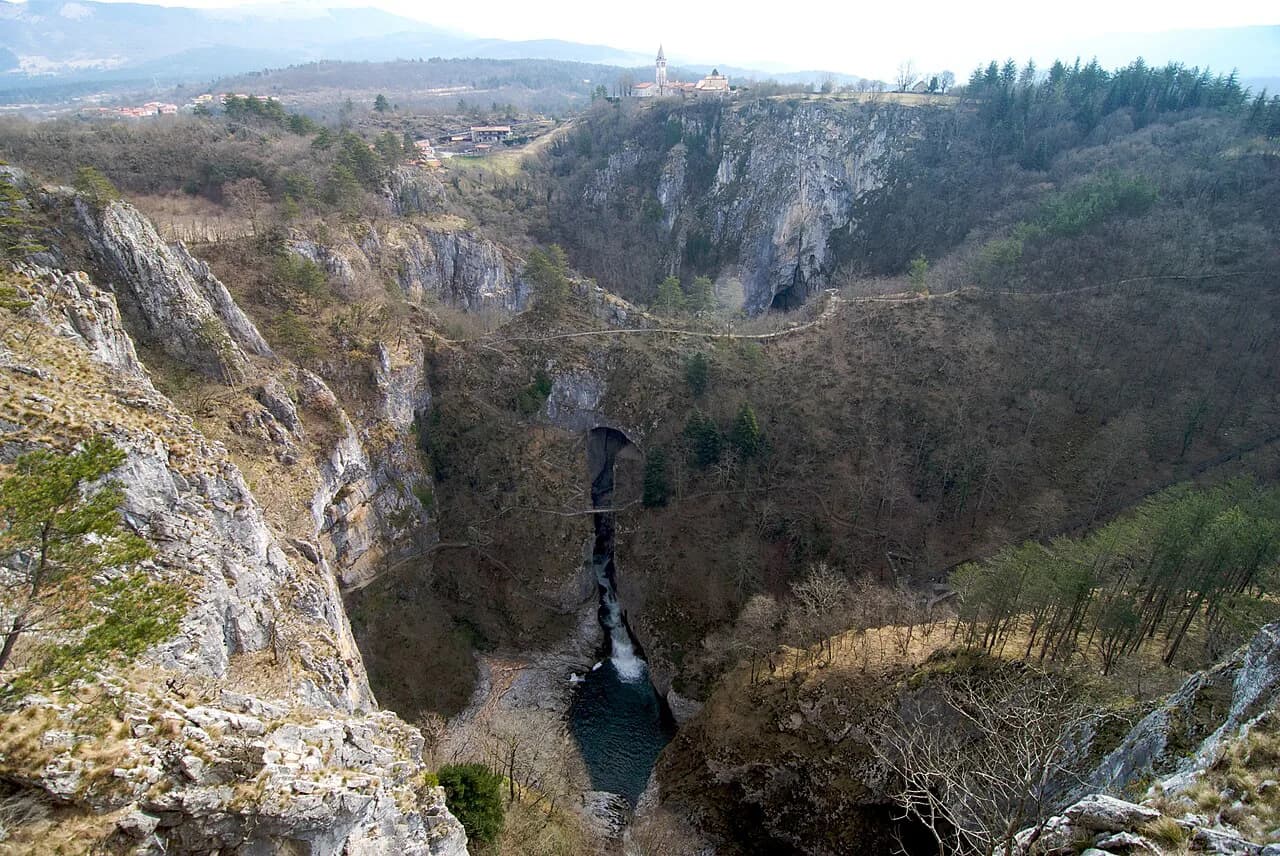
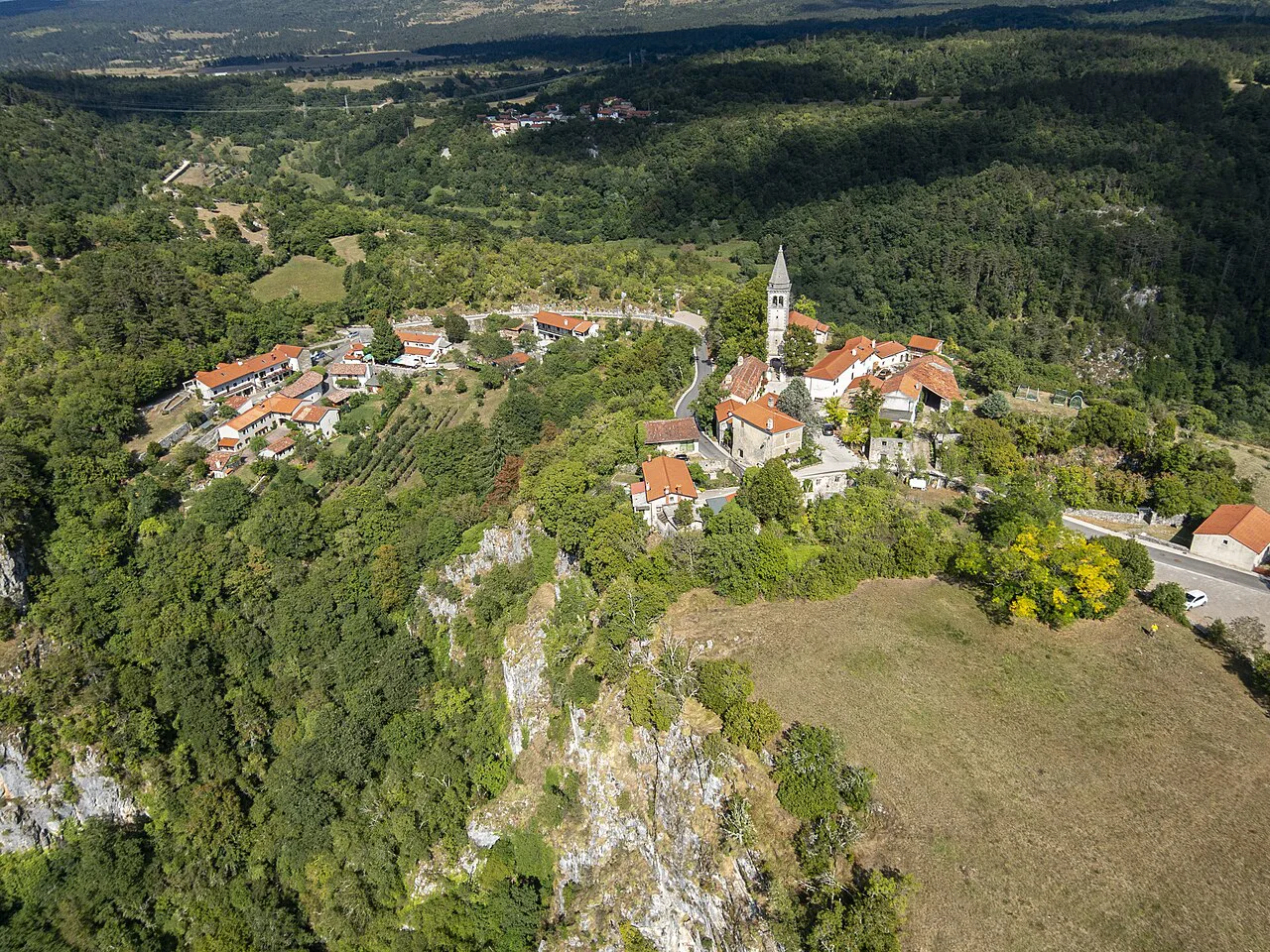
The Škocjan Caves are a cave system cut by the Reka River, which enters the ground below the village of Škocjan, pools in the cave's Dead Lake, and then disappears underground. The park sits near Divača in the Karst, the limestone plateau that gives the region its name and its sinkholes, dolines, and underground drainage. That location makes it a natural stop on the drive between Ljubljana and the Slovenian coast rather than a detour into the mountains.
The system is more than one chamber. Around the main cave you have the Mala Dolina and Velika Dolina collapse dolines, the Tominc Cave, and the smaller Mahorčič and Marinič caves that the Reka River route passes through. The Reka resurfaces at Duino near Trieste in Italy, roughly 34 km away, which explains why this stretch of the Karst matters well beyond the cave entrance.
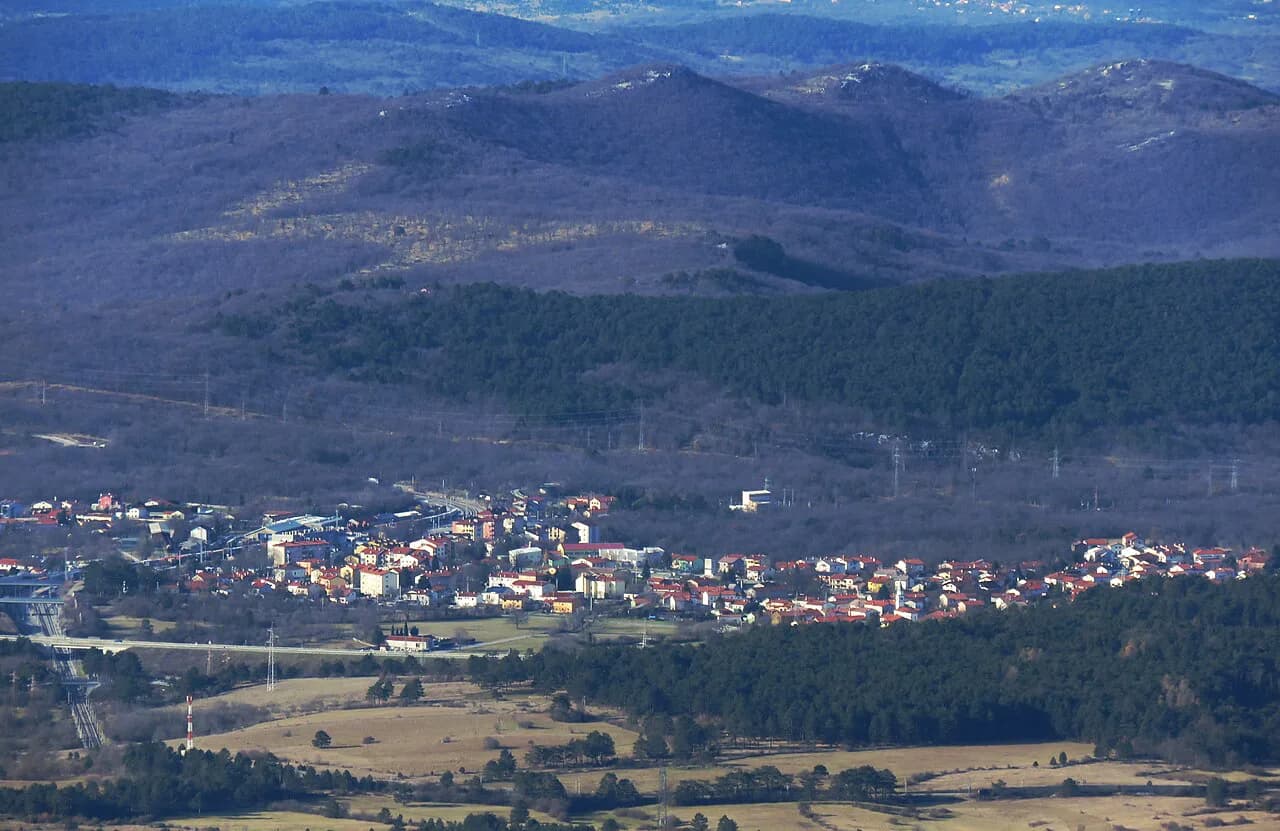
Divača is the practical base for the visit: the cave is a short drive from the town, and the railway station at Divača puts the park within reach for travelers moving between Ljubljana and the coast. If you are planning the town side of the stop, this guide to Divača covers the layout and what sits around the station.
Which tour to book: the classic cave tour, the Reka River tour, or the educational trail
Three separate visits are sold, and they are not interchangeable. The classic Škocjan Cave tour is the guided walk through the underground canyon, starting from the visitor center and following a fixed route through five sections with a guide. The Reka River additional tour is a separate ticket that continues outside the main cave into the Mala Dolina and Velika Dolina dolines and the Tominc Cave. The educational trail is a self-guided surface walk of about 2 km that takes roughly one to one and a half hours, with a map available at the ticket office.
For a first visit with limited time, take the classic cave tour. It delivers the underground canyon and the bridge over the Reka, and it is the reason most people come. The Reka River ticket suits travelers who have already seen the main cave or who want the surface geology of the dolines; it can be bought on its own even if you skip the main cave, but it is not a shortcut to the canyon.
Choose the educational trail if you want the karst landscape above ground without stairs and without a guide. It is a walk around the surrounding countryside where you learn how the karst works, view the Reka from outside the cave mouths, and see the flora, and it is the only one of the three you do at your own pace. It does not replace the cave tour for anyone who came to see the canyon.
How long you actually need, including time at the visitor center
Count on about two hours for the cave program itself, and add time for buying tickets, using the facilities, and the roughly ten-minute walk between the visitor center and the cave entrance. Groups run at around 25 people and depart roughly hourly, with English, German, and Italian tours generally available. That structure means your visit is paced by the departure you book, not by how fast you walk.
If you add the Reka River tour, allow more time on top of the cave tour, because it continues through the dolines and a second set of caves after you leave the main route. Travelers doing only the cave and driving on to the coast can fit the visit into a half day from Ljubljana or a stop en route from the coast; anyone pairing it with another Karst sight should plan the day around the fixed departure.
A common mistake is arriving in the late morning without a slot and assuming you can join the next group. Build the departure into your day first and let the drive, the parking, and any second stop fit around it.
The underground canyon and the bridge over the Reka River
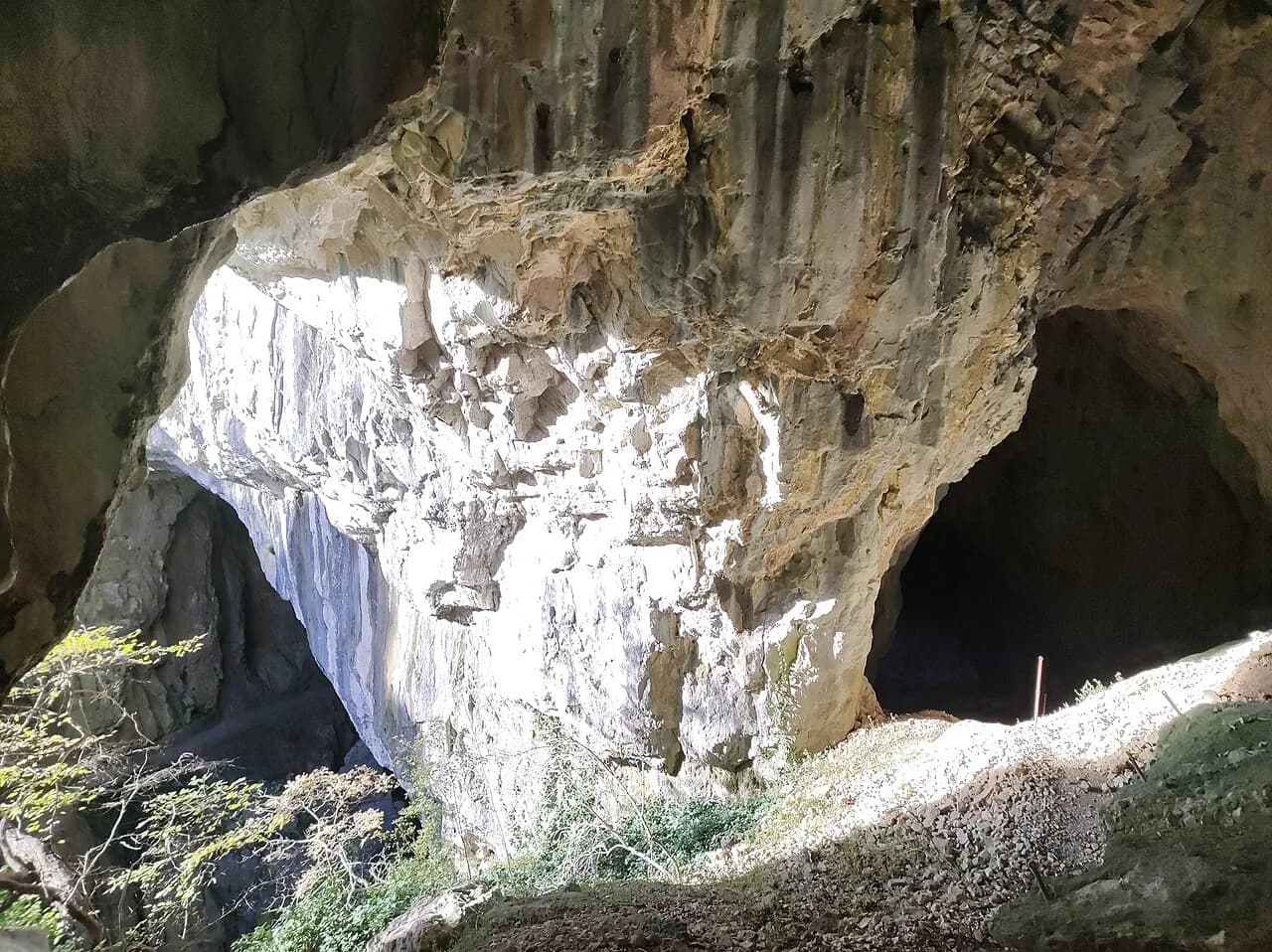
The route's centerpiece is the underground canyon of the Reka, where the river runs far below the cave roof and the path crosses a narrow bridge about 50 m above the water. The bridge is short and sturdy, and the sensible approach is to look ahead rather than down; people who dislike heights still cross it without trouble. Guides stop the group on the far side, so you are never rushed across.
Beyond the bridge, the tour passes underground pools that fill during heavy rain and mineral formations shaped by the water draining from them. Waterfalls inside the cave are part of the main route, and the walk finishes at a natural opening where daylight returns. The scale is the point: this is a river canyon you walk through, not a gallery of formations you view from a railing.
The contrast with Postojna Cave is worth knowing before you book. Postojna moves you through on a train and allows photography without flash or tripod, while Škocjan is a walking tour on foot the whole way. Travelers who want both should treat them as two different days or two different halves of a day, not as one cave experience repeated.
What the walking is like: distance, elevation change, steps, and footwear
The cave tour covers about 3 km with 144 m of elevation change between the highest and lowest points on the footpath, and the route includes stairs in several places along with steep concrete paths. The path is well built, lit, and even, with a railing on one side in much of the cave, but wet rock can feel slippery. Wear closed shoes with good soles; sandals and smooth soles are the wrong choice here.
You need to be reasonably fit and steady on your legs, and you should be able to walk and climb for at least an hour and a half to complete the basic tour. Strollers cannot come along, and small children who need to be carried will make the stairs hard work for everyone. If your group includes a toddler, one adult sitting out with the child while the others tour is the cleaner arrangement.
There are around 500 steps spread across the route rather than concentrated in one climb, so the effort is spread out. That makes the tour manageable for most adults of ordinary fitness, but it rules out anyone who cannot handle repeated stair sections in a cool, damp environment.
Tickets and tour timing: booking ahead in July and August
Tickets are tied to a guided departure, so the useful question is not whether the cave is open but which slot is still available on your date. In July and August, buy online and ahead of time, and a cave guide's suggestion reported in March 2026 was to book five days ahead to be sure of your visit. Off-peak months, notably April, May, September, and October, are the window where buying a ticket shortly before a tour is more realistic.
Booking online means paying from a phone and receiving a QR code by email, which you show at the cave entrance on your phone or as a printed copy. Signal and battery matter, so save the code or print it before you drive up. On the ticket page you may need to open the basket view to see which departures have availability on your date.
For current prices, departure times, and the seasonal timetable, check the park's own booking page rather than a reseller, and compare what a package includes before you commit. This breakdown of Škocjan Caves tickets explains the options and how the tours differ; tour operators also bundle the cave with Lipica or Piran for travelers without a car.
Getting there: from Ljubljana, the coast, and Divača
By car, Škocjan Caves are roughly 55 minutes and 77 km from Ljubljana, and the park is a natural break on the route to or from the Slovenian coast. Coming from Bled, allow about 70 minutes and 126 km. The address for navigation is Škocjan 2, 6215 Divača.
By rail, Divača is the station to aim for; from there the park is a short onward hop, and travelers coming from Ljubljana or the coast can plan the cave around train times. Because the cave visit is tied to a booked departure, check the train schedule before you fix your slot rather than after.
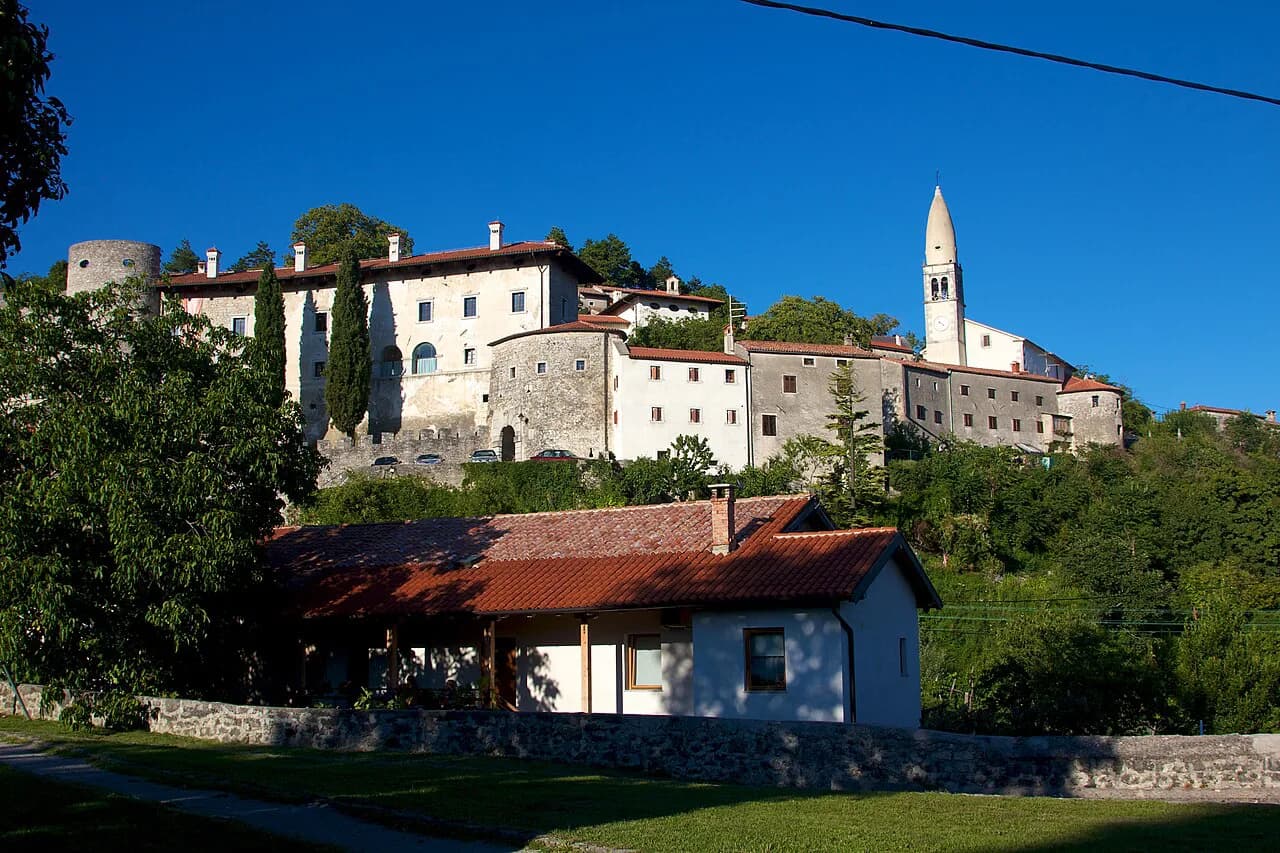
If you are building a Karst day, Sežana is a useful second stop for its position on the plateau and its connections, while Štanjel gives you a hilltop village to pair with the cave. Both work best when the cave departure is fixed first and the driving fills the rest of the day.
Parking, the visitor center, and the cave entrance
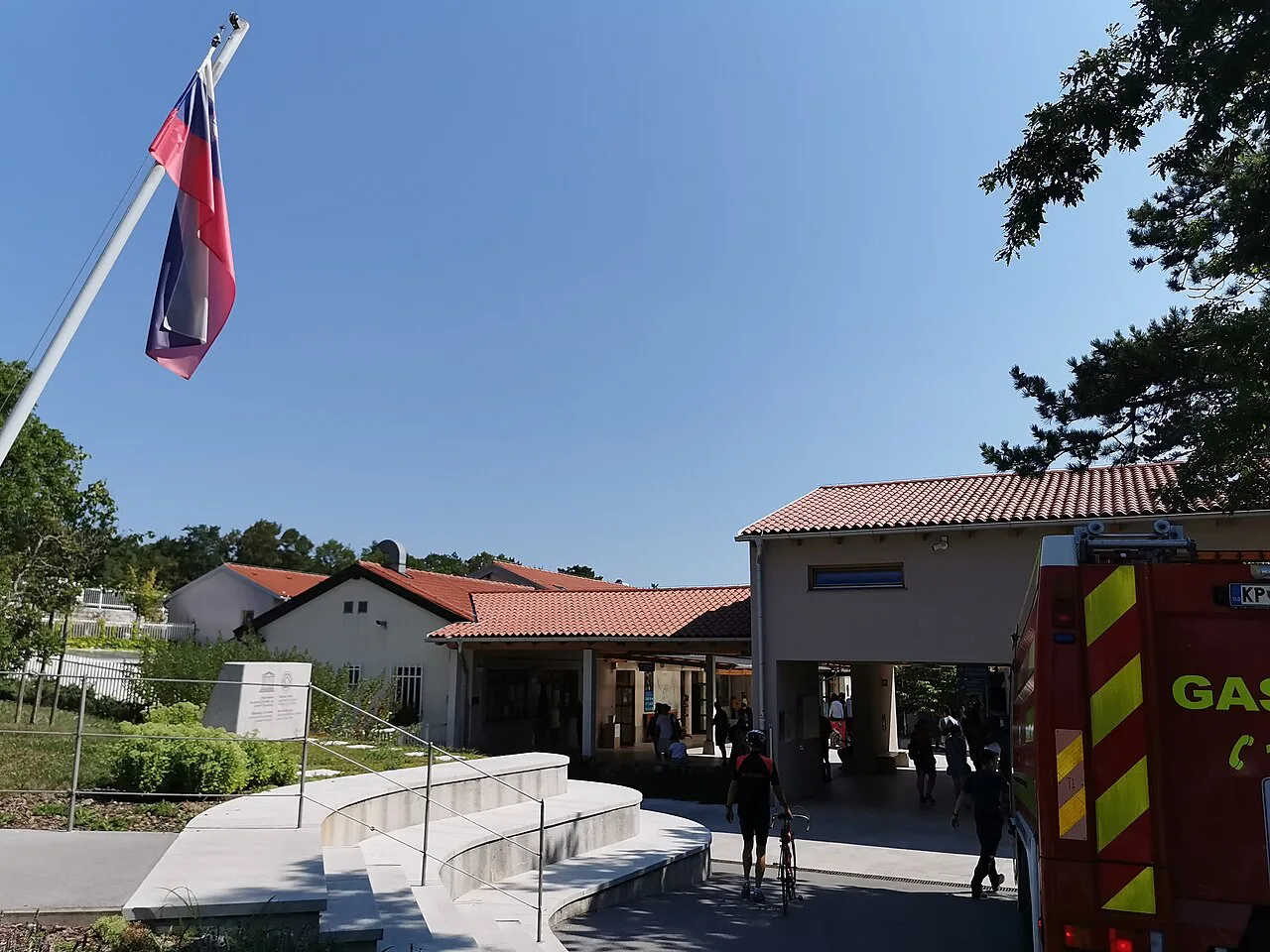
Park at the visitor center and treat it as the start of the visit, not the cave mouth. Tickets, the map for the educational trail, and the meeting point for guided groups are all here, and the walk to the cave entrance takes about ten minutes. Arriving with time to spare means you join your group calmly instead of hurrying down the path.
The same visitor center is where you check availability on the day, but by then the popular departures may already be full. That is the argument for booking ahead in summer and for treating the ticket office as a backup rather than a plan.
Photography rules and what you can shoot
Photography is not allowed inside Škocjan Caves, so leave the camera bag in the car or accept that it stays shut for most of the tour. The exception is the end of the route, at the natural opening where daylight comes in, and that is where the group stops for pictures. Plan your shots for that exit rather than trying to sneak them underground.
This is a real difference from Postojna Cave, where photography is permitted without flash or tripod. If photographs of cave formations matter to you, Postojna is the more rewarding stop for the camera, while Škocjan is the one you put the phone away for and simply walk through.
The Reka River tour: Mala Dolina, Velika Dolina, and Tominc Cave
The Reka River tour picks up where the cave route ends and takes you into the surface dolines. You pass through the Mahorčič and Marinič caves in the Mala Dolina, which are smaller and brighter than the main cave and show the river at work, then continue out of the Mala Dolina past a waterfall feeding the lake. From there the route reaches the Velika Dolina and the Tominc Cave.
Treat it as a second ticket and a second chunk of time, not as part of the standard visit. Travelers who book it should plan the day around both departures and check the combined timing at the ticket office, since fit matters more when you add the extra walking on top of the cave route.
The educational trail for visitors who want the surface karst
The educational trail is a 2 km loop over the surrounding countryside with signs explaining karst phenomena, the Reka, and the local flora and fauna. It takes roughly one to one and a half hours at an easy pace, and a map from the ticket office makes the route straightforward. This is the visit for travelers who want to understand the landscape above the cave rather than descend into it.
It also suits anyone who cannot manage the stairs of the cave route but still wants to see the dolines from above. The trail is self-guided, so you set the pace and can stop at the viewpoints over the Reka.
Combining Škocjan with the rest of the Karst
The Karst around Divača rewards a full day rather than a quick stop. Vilenica cave and the villages of the plateau, including Štanjel, sit within easy driving distance, and the region's food culture, from kraški pršut to the local wines, gives you a reason to linger between tours. Pick the cave departure first, then build the drive around it.
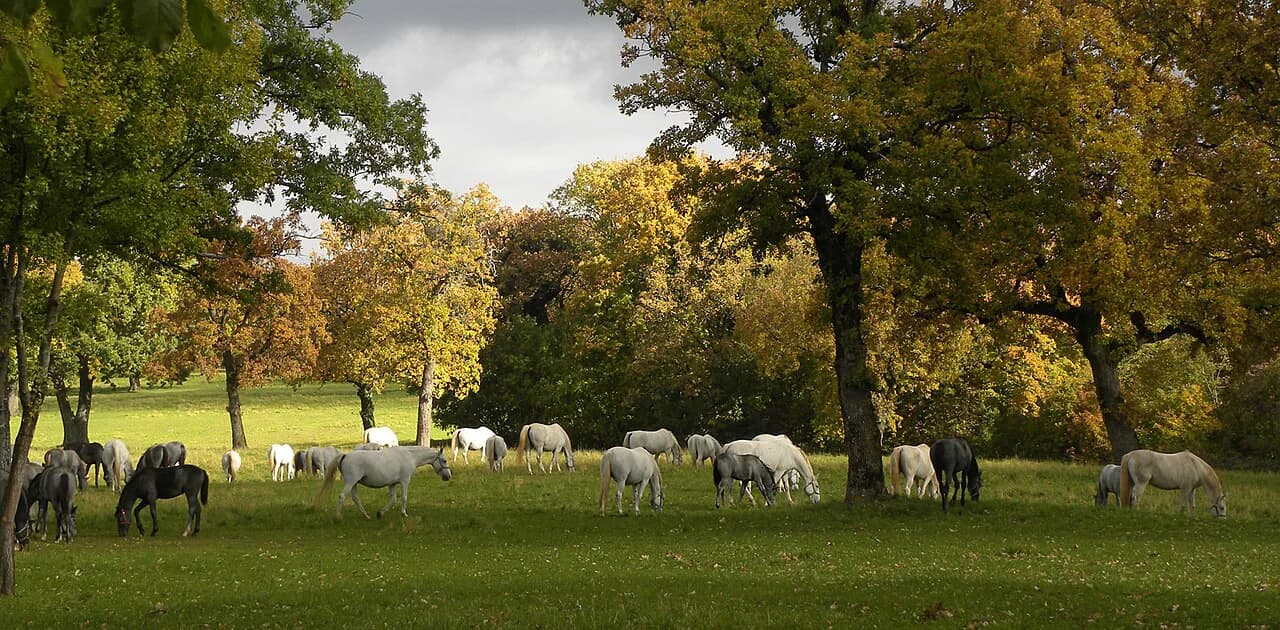
If you are coming from the coast, the Lipica Stud Farm is a natural second stop on the same day, and the Lipizzaner horses bred there trace their history to the Habsburg Empire. It pairs well with a morning cave tour when you are driving back toward Trieste or Piran.
Fitness, young children, and the height of the bridge
The bridge over the Reka is the part most people worry about, and it is shorter and more solid than the photographs suggest. Walk straight across and look at the far wall; the group reassembles on the other side, and the tour continues. Fear of heights is normal here, but it should not keep you from booking the cave.
Very young children are the harder call. The stairs, the length of the tour, and the English-language commentary make the cave a poor fit for toddlers, and carrying a child through the route is unpleasant for the parent and the group. Waiting a few years is usually the better decision than pushing through with a stroller or a carrier.
Facilities and how the site handles crowds
Facilities are concentrated at the visitor center, where tickets, maps, and the meeting point sit together, and the cave itself has none. Use the restroom before your departure and carry only what you can manage on the stairs. The roughly 25-person group size keeps the route from feeling crowded even when the parking lot is busy.
Crowd pressure at Škocjan is lower than at Postojna, which handles close to a million visitors a year against Škocjan's much smaller numbers. That makes the visit calmer, but it does not remove the need to book a summer departure; the fixed tour structure, not the volume, is what limits your options.
Which Škocjan tour should you book?
Book the classic cave tour if this is your first visit, allow about two hours plus buffer at the visitor center, and wear shoes you can trust on wet rock. Add the Reka River tour only if you have a second block of time and want the dolines and Tominc Cave; choose the educational trail if stairs are the problem rather than the cave itself.
Secure a departure online before you drive, especially in July and August, and save the QR code where you can reach it without a signal. Then plan the rest of the Karst day around that slot, whether that means Divača, Sežana, or a coast-bound drive.
Explore more Karst guides
Frequently Asked Questions
Do you need a guide to see Škocjan Caves?
Yes. The cave is visited only on a guided tour led by the Škocjan Caves Regional Park, and groups leave from the visitor center. The surface educational trail is the option you can walk on your own, and it is a separate visit from the cave route.
Is Škocjan Caves suitable for someone afraid of heights?
The bridge over the Reka is the exposed section, and it is short and sturdy. Groups cross in a line and reassemble on the far side, so the practical advice is to look ahead rather than down and keep walking. If the height is the only concern, it should not stop you booking the cave tour.
Can you take photos inside Škocjan Caves?
No, photography is not allowed inside the cave. The exception is the end of the tour at the natural opening, where daylight returns and the group stops for pictures. If cave photography matters to you, Postojna Cave permits photos without flash or tripod.
How does Škocjan compare with Postojna Cave for time and effort?
Postojna moves visitors through on a train and is the easier visit physically, while Škocjan is a walking tour of about 3 km with stairs and 144 m of elevation change. Škocjan takes about two hours for the cave program and feels wilder; Postojna is more accessible and busier. Pick Postojna for an easy underground visit and Škocjan for the canyon.
Sources
Notes for your Slovenia trip
Optional updates to our Slovenia place guides.
You might also like
Continue reading
More guides you'll find useful