Goričko Nature Park, Slovenia: Castle, Villages, and What to See
Goričko is a hilly cultural landscape park in northeast Slovenia, home to Grad Castle and scattered villages. Here is what to see and how to plan a drive.
On this page
Goričko Nature Park is a protected cultural landscape in Slovenia's northeast corner, spread over low hills where Austria and Hungary meet the Prekmurje plain. You come here for the scenery and the villages rather than for a single gate and ticket desk, with Grad Castle as the main built stop. This guide covers what the park is, how it is laid out, and how to plan a drive through it.
The park authority is based at Grad 191 in the village of Grad, which is also where the castle stands and where you should orient yourself first. Everything else — churches, hamlets, orchards — is scattered across eleven municipalities, so a car makes the day far easier than any other approach.
What Goričko Nature Park is and where it sits
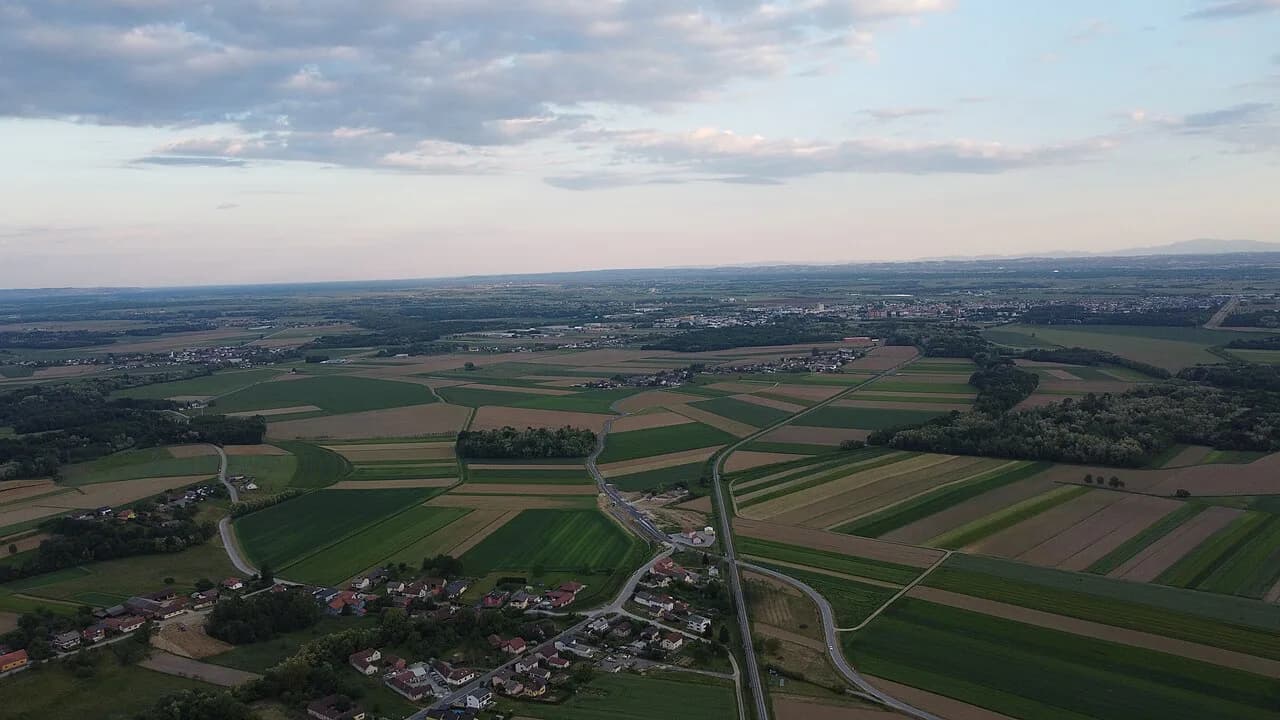
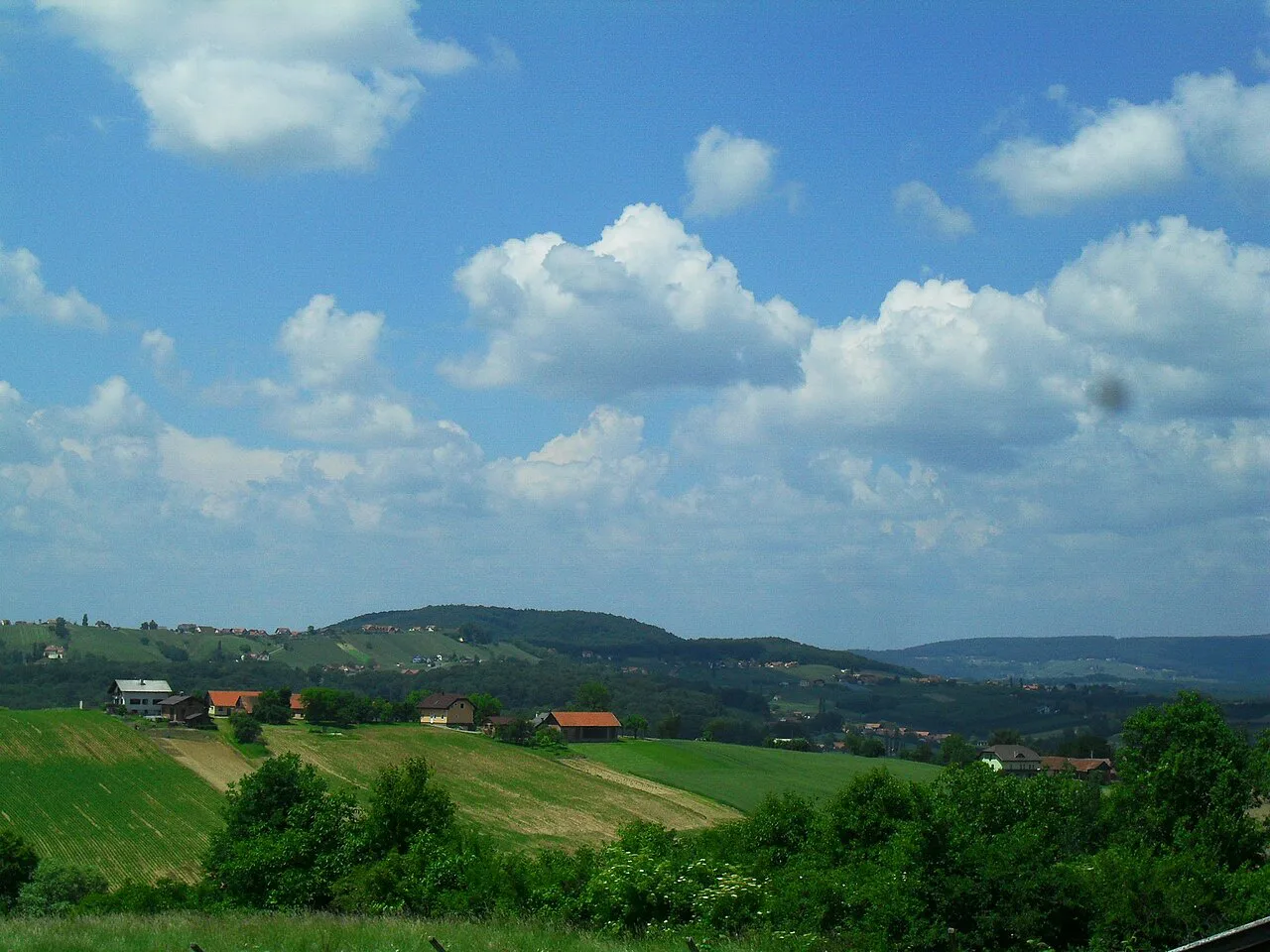
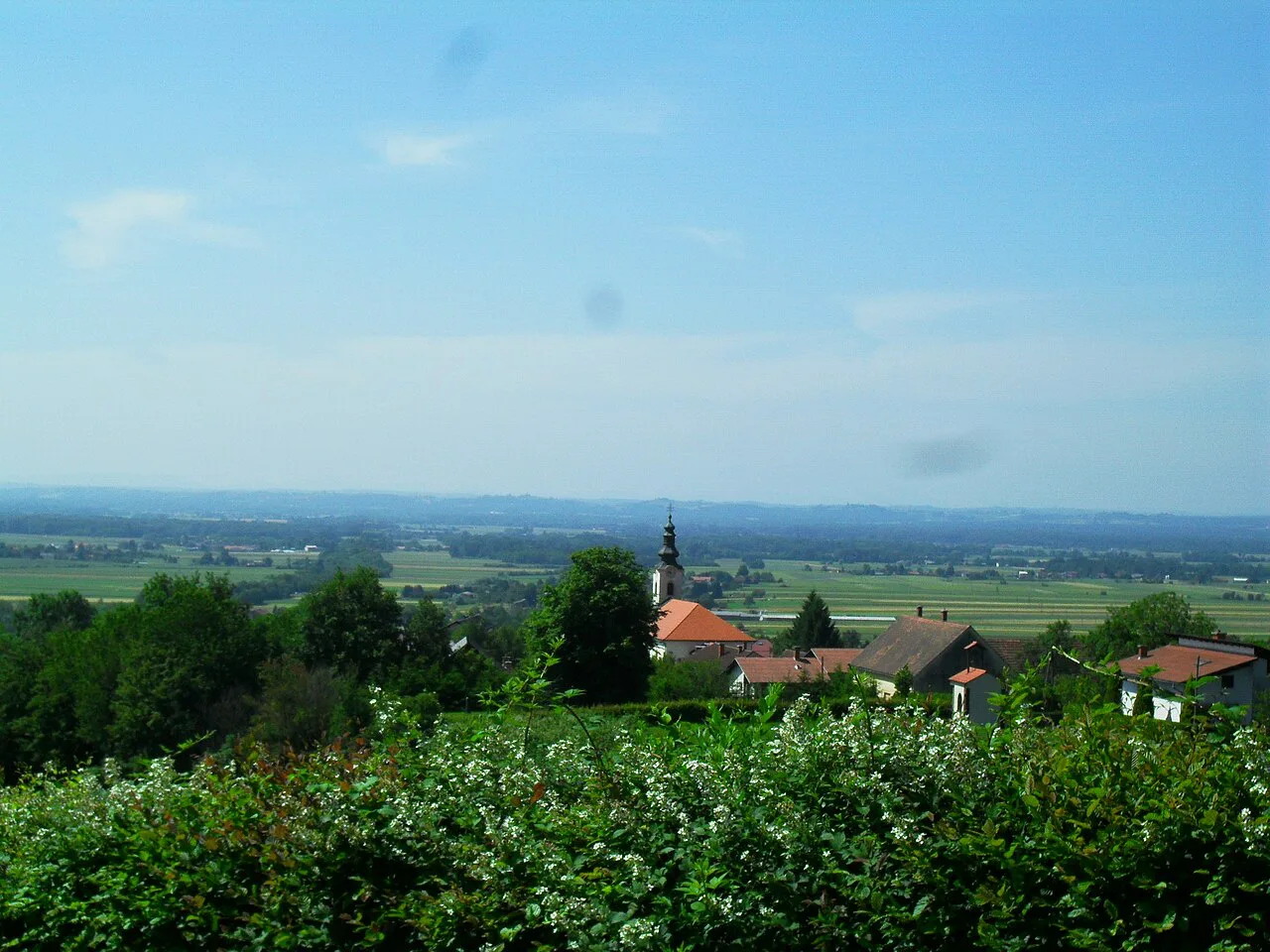
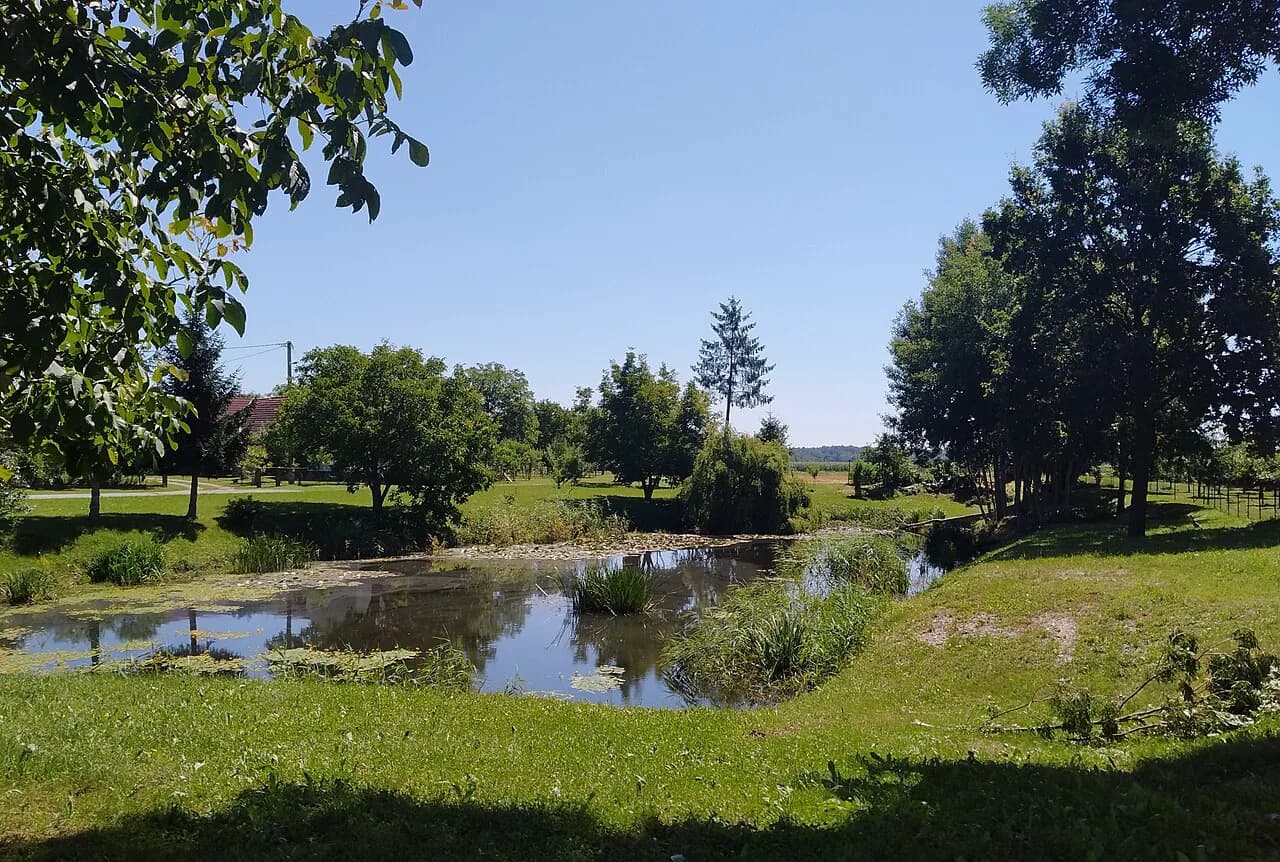
Goričko occupies the hills of the Pomurska region, rising above the flat farmland around Murska Sobota and running up to the borders with Austria and Hungary. The landscape is a mosaic of meadows, fields, orchards, vineyards and small woods wrapped around farms and hamlets, which is why it reads as countryside rather than as a reserve with an entrance.
The park is a three-country story: the castle at Grad is described as the center of a protected area shared by Slovenia, Hungary and Austria. If you are linking Goričko to other stops, treat it as the northern edge of a route that can continue to the Mura River lowlands or across the border.
The size and protected status of the park
The park covers 46,200 hectares and was founded in 2003 by the Republic of Slovenia, with the Public Institute of Goričko Landscape Park as its administrator. Within that area the park records 47 natural values, and the whole landscape is recognized as ecologically important.
It is also a Natura 2000 area: a special protection area for 11 bird species and a site of community importance for 18 animal species and 7 habitat types. For a visitor that translates into hedgerows, old fruit trees, ponds and unsprayed margins worth slowing down for, especially early in the day when birds are active.
Grad Castle as the park's visitor center
Grad Castle, or Grad na Goričkem, is the park's anchor sight and its administrative heart, standing in the village of Grad where the park institute has its office. The castle lists exhibitions including Pot na Goričko, and the castle site keeps admission prices, opening hours and a visitor-center section on separate pages rather than stating them on the front page.
Check the castle site before you drive out, because access is not constant: a notice on the castle website announced that the castle is open to visitors in October 2026. Treat that notice as the current word on access rather than assuming the same pattern repeats in other months.
The park's own site keeps a price list and a published opening-hours page, so the castle and the park office are the two places to look before setting a date. Budget an hour or so inside for the exhibitions, then step outside for the view over the surrounding hills.
The landscape: dispersed farms, meadows, orchards, and vineyards on low hills
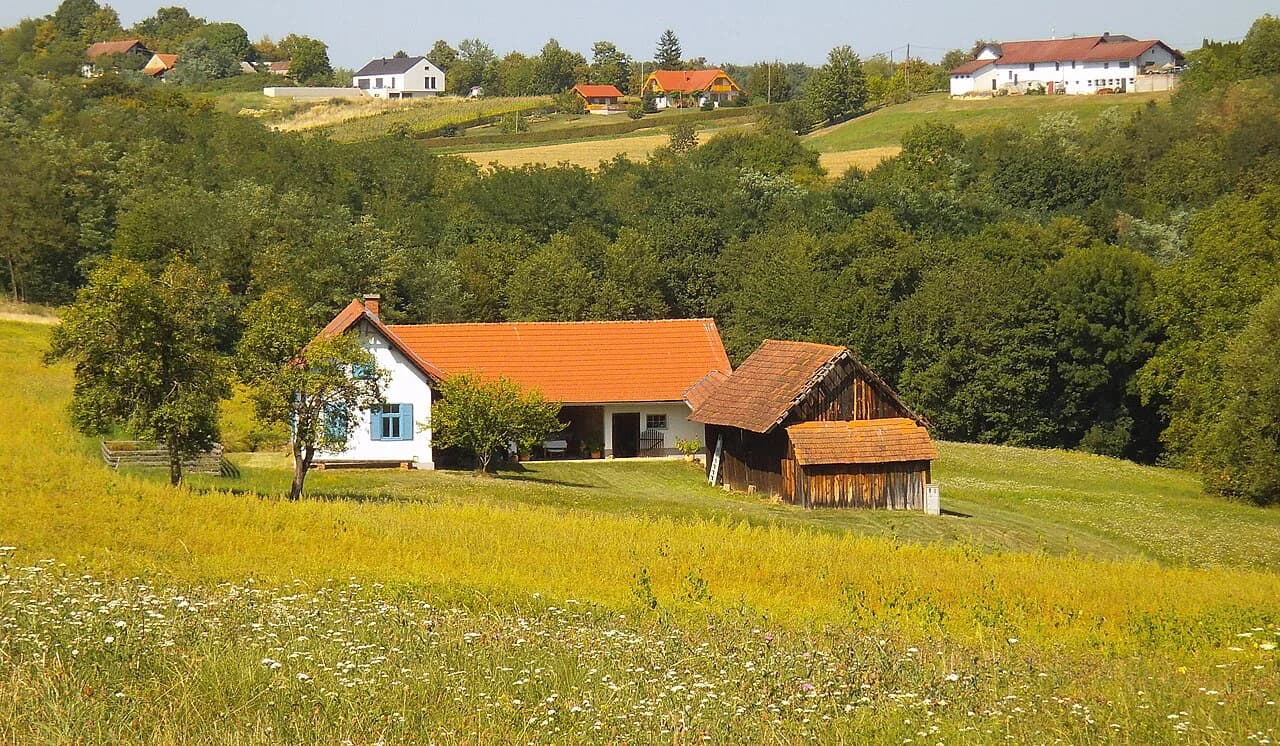
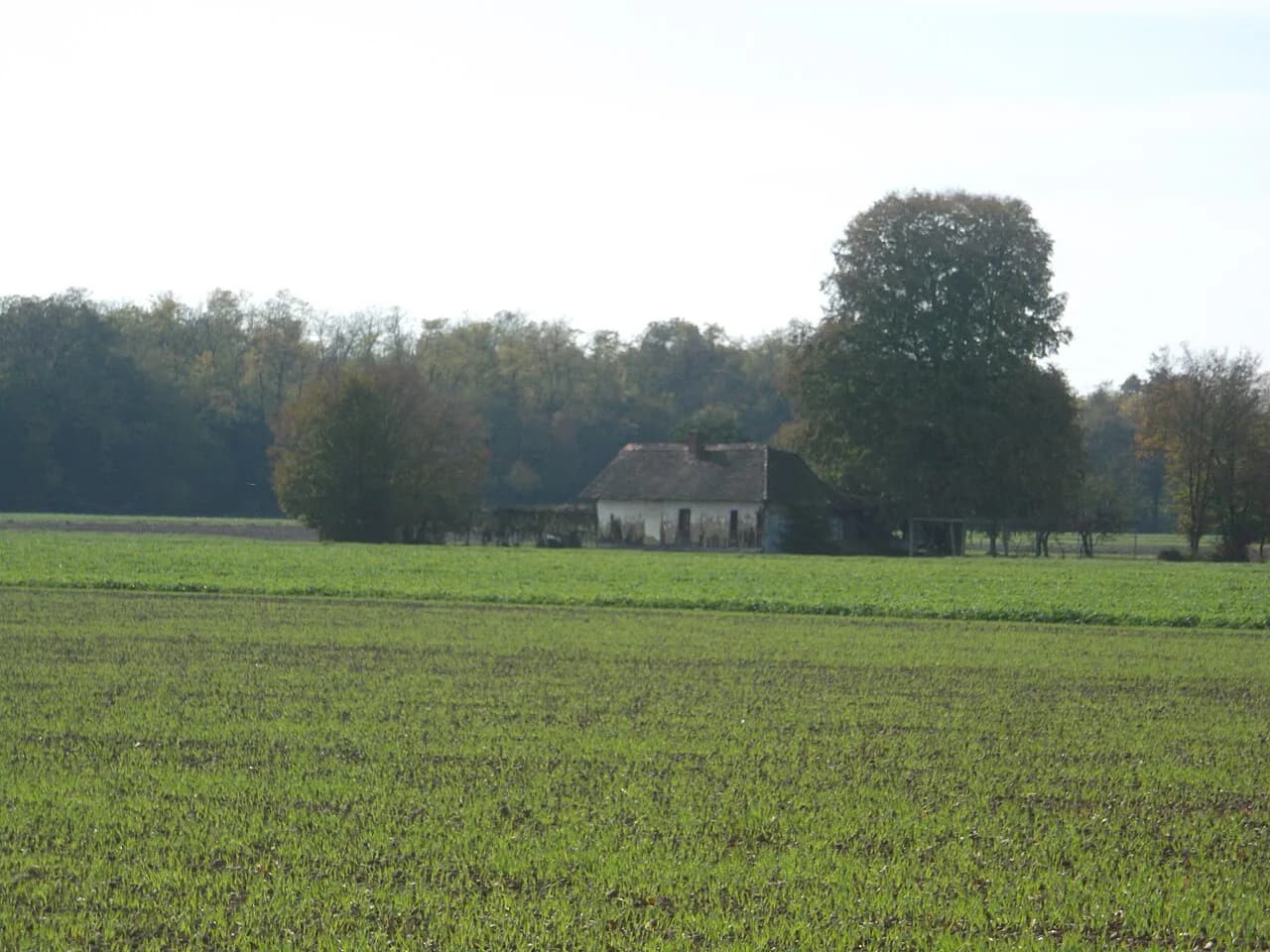
This is a working landscape, not a wilderness. Farms sit apart from one another on the slopes, small vineyards and orchards run along the ridges, and old farm buildings, mills and thatched houses survive in places, so the interest is in the pattern of the land rather than in a single viewpoint.
Because the park is farmland, you spend the day moving between short stops: a ridge road, a church on a rise, a farm track. Keep expectations modest and plan two or three named stops rather than trying to see everything, and respect that fields and yards are private working land.
Villages and churches to look for on a drive
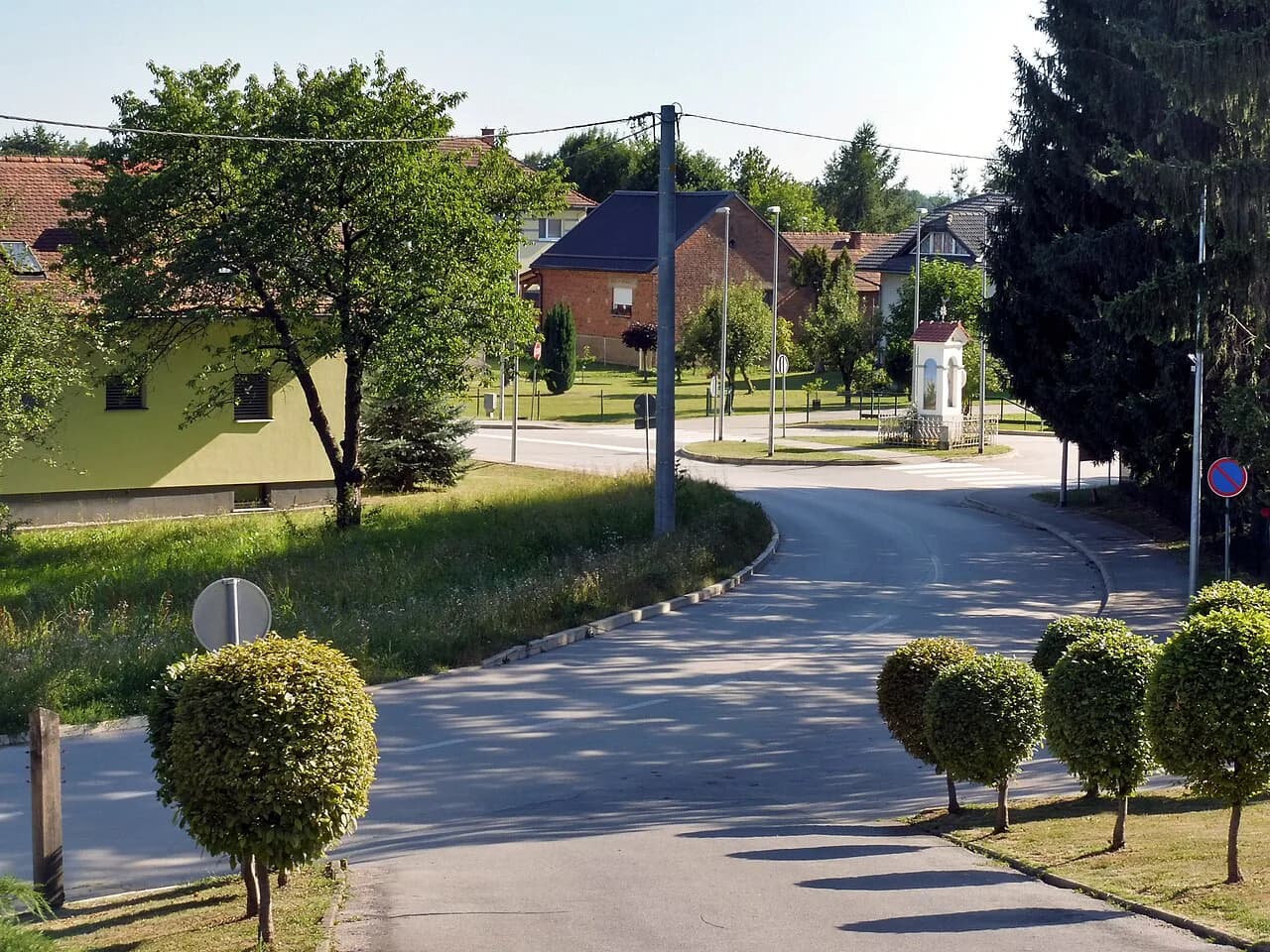
Churches are the most reliable landmarks in this low-density country, and the park's villages include both Protestant and Catholic examples, some of them small and set among trees. The villages themselves are quiet hamlets with a church, a farm or two and often a wooden bell tower or a simple facade rather than a grand square.
A practical loop runs from Grad through the surrounding parishes, pausing wherever a church spire or a cluster of roofs catches your eye. If you want a second built sight with a proper museum behind it, Murska Sobota to the south has the Pomurje Museum, which pairs well with a Goričko morning.
Park boundaries and the municipalities it covers
The park spreads across eleven municipalities: Cankova, Dobrovnik, Gornji Petrovci, Grad, Hodoš, Kobilje, Kuzma, Moravske Toplice, Puconci, Rogašovci and Šalovci. That list is the best mental map of the place, because each name corresponds to a cluster of hamlets and a stretch of hills you will drive through.
Grad sits roughly in the middle, with Hodoš and Kuzma toward the Hungarian border, Kobilje at the eastern edge and Moravske Toplice to the south. Use the municipality names on road signs as your progress markers, and allow for slow going on narrow country roads.
Visiting with limited time: a driving route through the hills
With half a day, start at Grad Castle for the exhibitions and the visitor center, then drive a loop east and north through the outlying villages before curving back south. The point of the drive is the sequence of ridge views, orchards and church towers, so build in time to stop rather than treating the roads as a way from A to B.
The park publishes its own visitor pages covering the castle, food and accommodation and active ways of exploring the area, which is the sensible place to pull together a route before you set off. Signage in the villages is not always dense, so have a paper or offline map as backup.
Practicalities: park information center contacts and current opening details
The park institute can be reached at Grad 191, 9264 Grad, by phone on +386 2 551 88 61, and by email at park.goricko@siol.net. The castle site lists additional phone numbers and a reservations address for guided visits, which is the right channel if you are bringing a group.
A car is the practical way to cover the park, since the municipalities are spread over a large area of hills and the villages sit far apart. Fill up and buy water before you leave the larger towns, and confirm the castle's hours and prices on its website on the day you plan to go.
Is Goričko worth the detour?
Yes, if you want a quiet day of hills, farms and small churches and are willing to drive slowly between them; no, if you need a ticketed attraction to fill the hours. The castle at Grad gives the day a center, and the surrounding municipalities supply the rest.
Explore more Prekmurje guides
Frequently Asked Questions
How do you get to Goričko without a car?
Getting around the park without a car is difficult, because the protected area spreads across eleven municipalities of scattered farms and hamlets. The practical option is to base yourself in a larger town in the region and use a car or a pre-arranged driver for the day, then confirm with the park institute at Grad 191 what guided arrangements it can offer.
Is Grad Castle open year-round?
The castle does not advertise year-round daily access. Its website publishes a separate page for opening hours and admission prices, and has posted notices about specific periods when it was open to visitors, so read the current notice on the castle site before you travel rather than assuming a fixed weekly pattern.
How much is entry to Grad Castle?
The castle and the park institute each publish their own price page, and the castle site keeps admission under a dedicated ticket and opening-hours section. Rather than rely on a figure someone quoted, open that page on the official castle site and the park's price list and check the current amounts before you set out.
Are there marked trails in Goričko Nature Park?
The park promotes active exploration of its hills, villages and natural features, and its website has a section on ways to explore the area. Specific routes and their markings are best taken from the park's own materials, since the network runs across farmland and small roads rather than a single signed loop.
Sources
Notes for your Slovenia trip
Optional updates to our Slovenia place guides.
You might also like
Continue reading
More guides you'll find useful