Moravske Toplice: What to See Beyond the Thermal Pools
Moravske Toplice is a Prekmurje spa town built on black thermal mineral water. Here is what else to see, from Bogojina's white church to Filovci pottery.
On this page
Moravske Toplice is a small spa town in eastern Slovenia's Prekmurje region, built around black thermal mineral water and the Terme 3000 pool complex. Give the town one full day for the pools and a second day for the surrounding villages, because Bogojina, Filovci, Časar's watermill and the Goričko hills sit within a short drive.
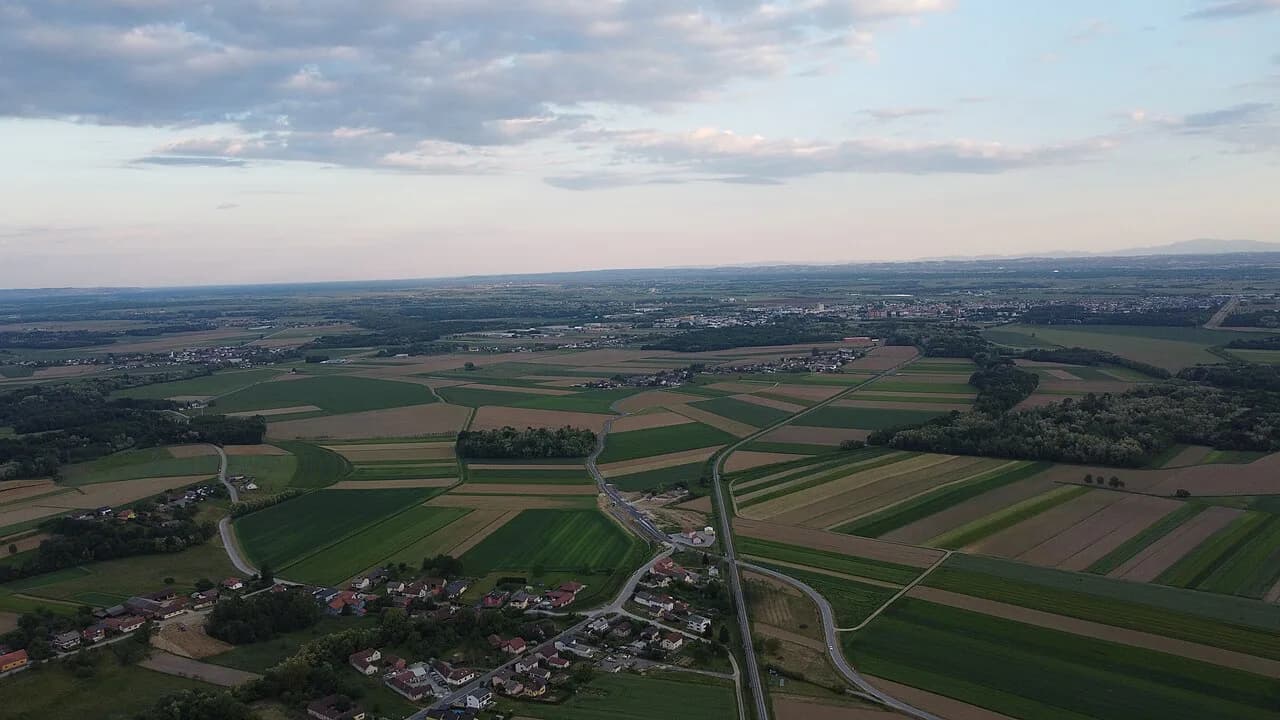
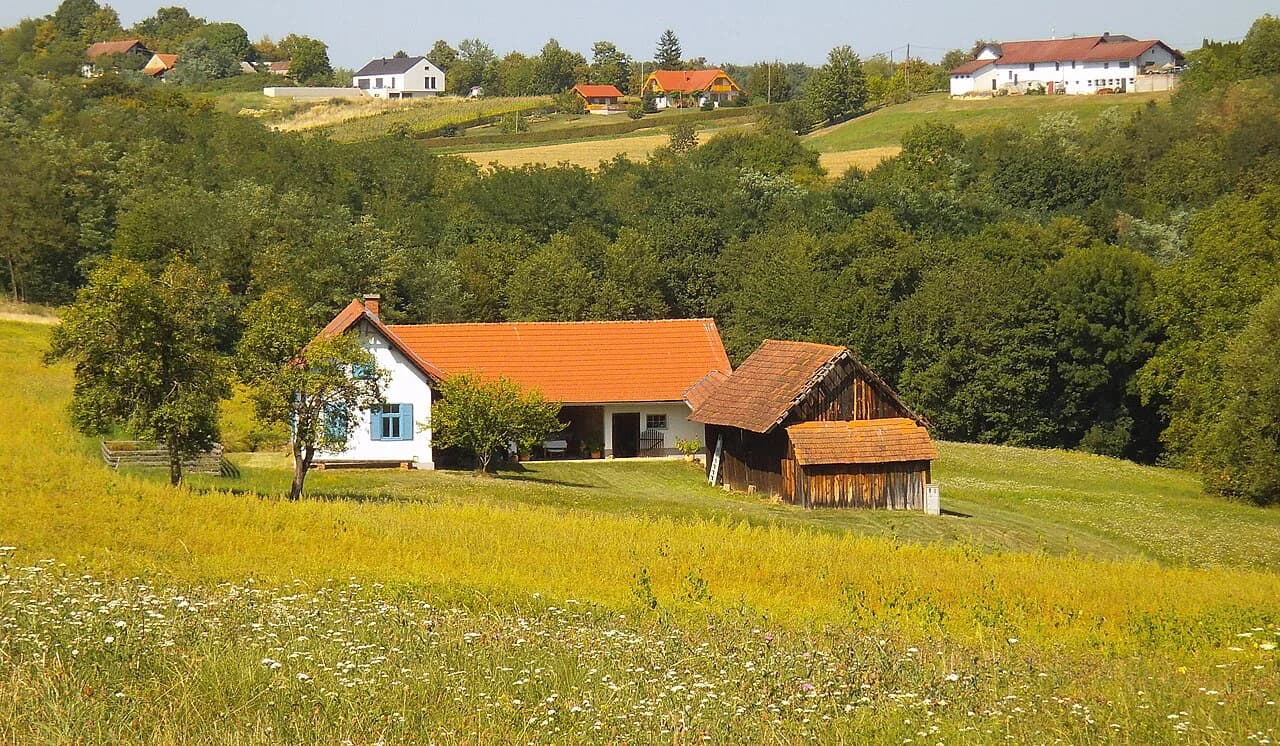
The destination spreads across flat farmland and rises north into the forested Goričko hills, with a network of eleven themed cycling routes and hiking paths threaded through it. That layout matters: the baths are the anchor, but the countryside around them is what fills the rest of your time.
Where Moravske Toplice sits in Prekmurje
Moravske Toplice lies in the far north of Slovenia, in the lowland of Prekmurje, with the Goričko hills rising to the north. The Mura River runs through the region, and the Slovenia Green Pannonian Route, a three-day circular route connecting the green destinations of Pomurje on both banks, passes through the town.
The town makes a practical base for the eastern half of Prekmurje rather than a stand-alone resort. Murska Sobota, the region's main town, is the nearest larger settlement, and the Hungarian border is close by.
Terme 3000 and the black thermal mineral water
Terme 3000 is the spa complex at the center of town, with a water park of indoor and outdoor pools, water slides and hot pools fed with unfiltered black mineral water. Guests staying at the Terme 3000 accommodation have pool entry included in the price of the stay, so it is worth comparing a package against a room elsewhere before you book.
The water is the reason the town exists. Thermal springs here come up from 1,175 to 1,467 meters deep at about 72 °C, dark, cloudy and slightly oily in smell; it is cooled to roughly 36–37 °C before it reaches the pools. Most pools take treated water, but a few hold the raw, unfiltered black water.
The complex grew from an oil search: drilling in 1960 found hot water instead of oil, locals began bathing in it, and a small pool was built in 1962. Terme Vivat is the second bathing complex in town, and both are the sort of place where you set aside a half day rather than an hour.
Ticket prices, pool hours and which slides are running change with the season and are not fixed here. Check the Terme 3000 and Terme Vivat sites directly for the day you plan to swim, and buy or reserve online if you are visiting in high summer.
How long to give the town and its pools
Plan one day for the pools and one day for the villages and hills. That split keeps the bathing day relaxed and leaves time for Bogojina, Filovci and the watermill without rushing, and it works whether you arrive by car or use the town as a stop between larger places.
If you only have an afternoon, pick the baths or the villages, not both. The pools reward a long soak, while the surrounding sights are spread out and each takes a short visit rather than a full one.
Bogojina and Jože Plečnik's white church
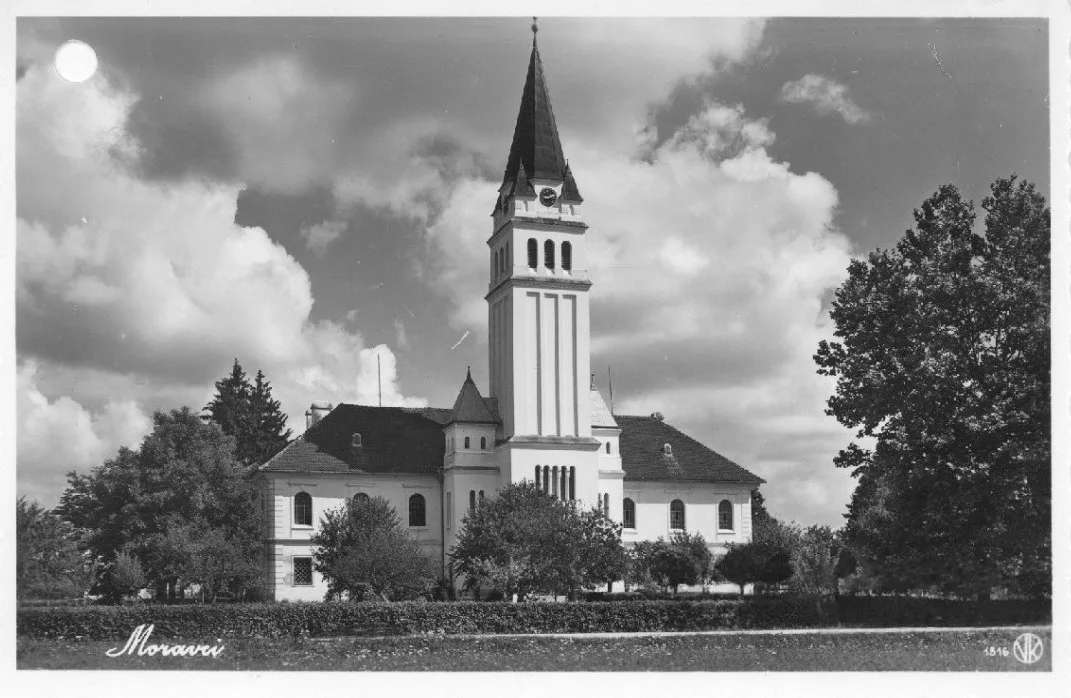
Bogojina, a village near Moravske Toplice, holds a church by the architect Jože Plečnik that locals call the white dove. The snow-white building is the reason architecture-minded travelers detour here, and it pairs naturally with a morning at the baths.
Build the church into a loop with the pottery village and the watermill rather than a separate trip. All three sit in the same flat countryside, so the driving between them is short and the day holds together.
Filovci, the pottery village
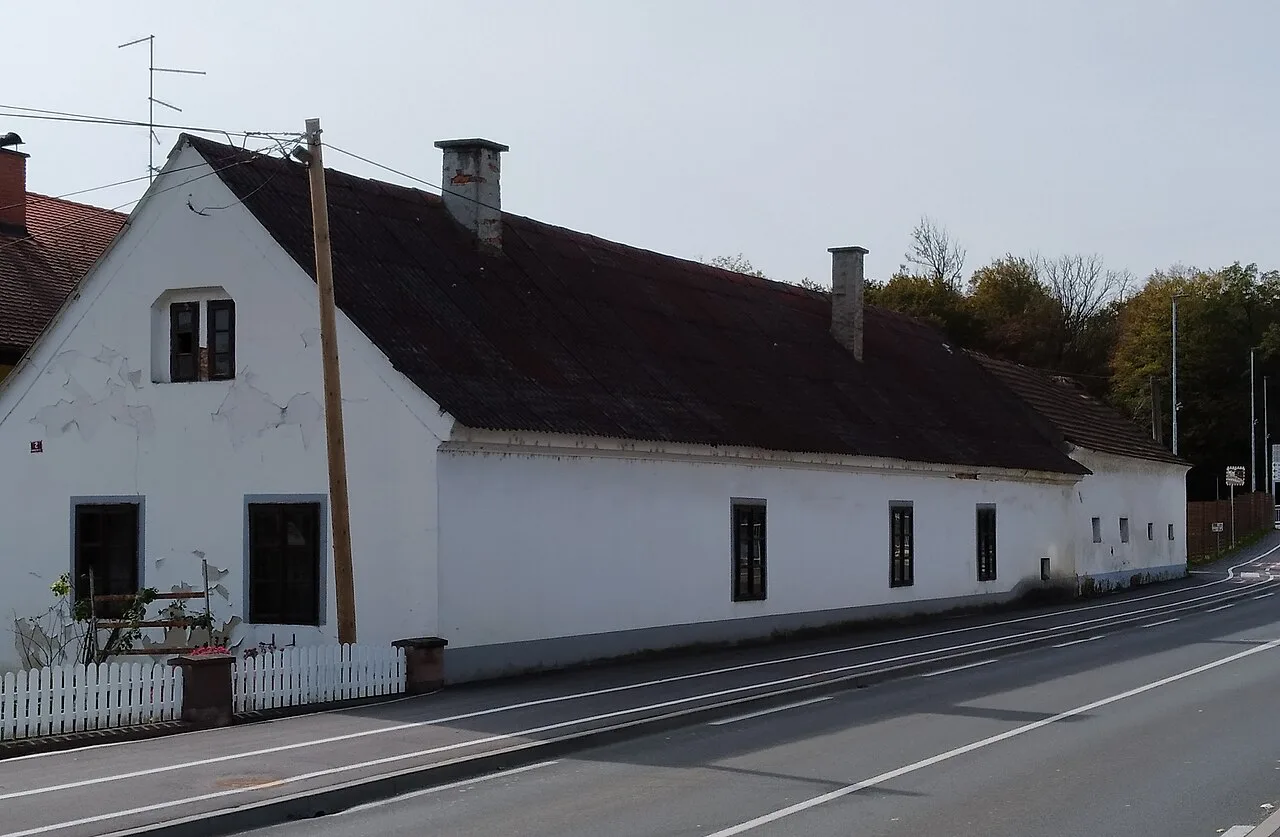
Filovci keeps a living pottery tradition, and you can try the clay yourself rather than only look at finished pieces. That hands-on stop is a good counterweight to a passive day in the pools, especially if you are traveling with people who want to do something rather than soak.
Časar's watermill and the milling tradition
Časar's watermill, with a museum and an ethnographic collection of traditional tools, tells the region's milling story. It is a compact visit that explains how this grain-growing lowland worked, and it fits neatly into a half day that also takes in Filovci and Bogojina.
Goričko hills: the Swamp Trail and the Čreta forest
North of town the land rises into the Goričko hills, where the Swamp Trail at Lončarovci runs along a 400-meter boardwalk through one of the smallest villages in the hills. It is a short, flat walk rather than a hike, so it suits an hour between other stops.
On the edge of the Čreta forest, the Fairytale Park uses characters such as Goldina the Pumpkin and Beti the Beech Tree for educational games aimed at children. Treat it as an add-on to a Goričko drive rather than a destination in itself.
The wooded hills also hold Romanesque church architecture, including the rotunda of St. Nicholas at Selo, which appears among the attractions mapped around town. If you are driving the Goričko lanes anyway, these small churches are worth a stop rather than a detour.
Cycling and walking paths around the lowland
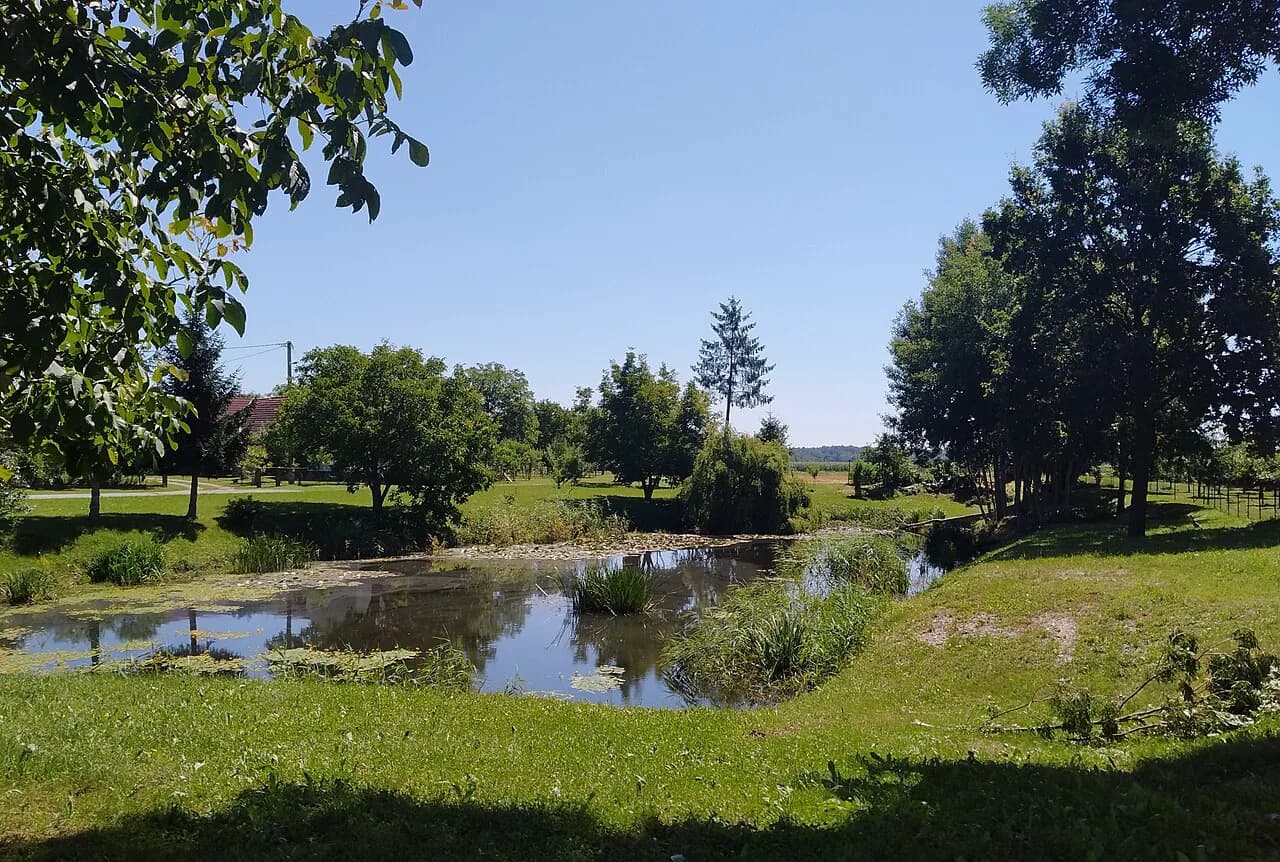
The flat farmland around Moravske Toplice is good for easy cycling, with eleven themed routes and many walking paths linking the villages and the edge of the hills. Distances are short and gradients gentle, so the villages around town are manageable by bike.
A car still makes the most sense for the hills and for anyone based in town for only a night. Buses serve the larger settlements, but the small villages and trailheads are awkward without your own wheels.
What to eat: prekmurska gibanica, bograč and dödöli
Prekmurje cooking is the other reason to stay the night. Prekmurska gibanica, the layered pastry, bograč stew and dödöli potato are the dishes to order, served in the town's restaurants and at farm stays around the lowland.
A farm stay table is the better setting for these dishes than a poolside snack bar, so plan at least one meal away from the baths. Farm stays and restaurants around the lowland serve them; for something quicker, the town center has eateries within walking distance of the baths.
Getting to Moravske Toplice from the Hungarian border
The town sits close to the Hungarian border, which makes it a natural first or last stop on a Prekmurje loop. From the Zala side, the Rédics crossing is about 20 km away, and the border station near Magyarszombatfa is about 15 km from the baths.
Travelers coming from elsewhere in Slovenia usually reach the region through Murska Sobota, the hub for the area, and continue on local roads. Check current cross-border rules and road conditions before relying on a particular crossing, since border arrangements change.
Public transport in Prekmurje is thin outside the main towns, so most visitors drive. If you are coming from Lendava or the east, the roads are quiet and the distances short, which makes a car the least frustrating option.
Where Moravske Toplice fits with Maribor and Ptuj
Maribor and Ptuj anchor the western side of eastern Slovenia, and Moravske Toplice sits at the far northeastern corner near the Mura River. That geography makes it a logical extension of a Maribor or Ptuj stay rather than a substitute for either, and it pairs well with Murska Sobota on the way through.
If your trip is short, treat Moravske Toplice as an overnight with a pool afternoon and a village morning. Travelers working through eastern Slovenia in one sweep usually get more from two nights here than from a rushed day trip.
Should you stay the night in Moravske Toplice?
Stay the night if you want the black thermal water and the villages in one trip. The baths reward a slow half day, and Bogojina, Filovci, Časar's watermill and the Goričko lanes are far easier to reach from a base in town than from Maribor.
Skip the overnight and come for the day if you are mainly passing through Prekmurje toward the Hungarian border. Either way, confirm pool hours, ticket prices and any seasonal opening for the Fairytale Park before you commit the day.
Frequently Asked Questions
Do you need a car to get around Moravske Toplice and the villages?
A car is the practical choice. The town itself is walkable and the flat lowland is good cycling, but the small villages, the watermill and the Goričko trailheads are awkward to reach by bus.
Are the thermal pools open year-round?
The Terme 3000 complex is described as a four-season water park, with most slides indoors and semi-covered pools heated by the thermal water. Confirm current opening hours and any seasonal closures with the spa before you travel.
Is Moravske Toplice close to the Hungarian border?
Yes. The town lies in the far north of Slovenia near the Hungarian border, with crossings a short drive away, which makes it a convenient first or last stop on a Prekmurje route.
Sources
Notes for your Slovenia trip
Optional updates to our Slovenia place guides.
You might also like
Continue reading
More guides you'll find useful