Kranjska Gora in Summer: Lake Jasna, Vršič Pass and What's Open
Plan summer in Kranjska Gora: Lake Jasna, the Vršič Pass road, Planica and the Vitranc 2 chairlift, plus how long to stay and how to arrive without a car.
On this page
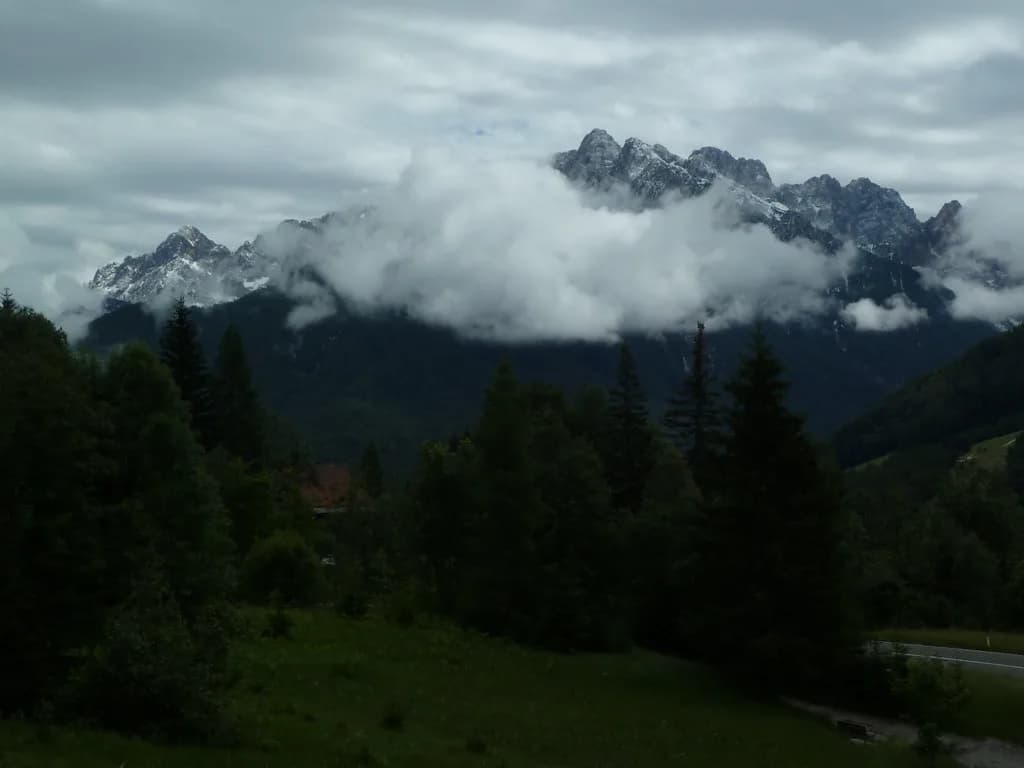
Kranjska Gora works well as a summer base for two or three nights, and a single full day covers Lake Jasna, the town center and one longer outing such as the Vršič Pass road or the Planica valley. The town sits in the far northwest of Slovenia, in the Upper Sava Valley between the Karavanke and the Julian Alps, with Austria and Italy both within a short drive. This guide explains how the place is laid out, how long to give it, how to get there without a car, and which activities are summer operations rather than winter ones.
The main practical point is that the Vršič Pass road goes through Kranjska Gora rather than being a separate side trip, so anyone driving between Bled and the Soča Valley passes through town anyway. That makes the village an easy stop even on a tight itinerary, though a stop of a few hours shows you far less than an overnight stay.
What Kranjska Gora Is and Where It Sits
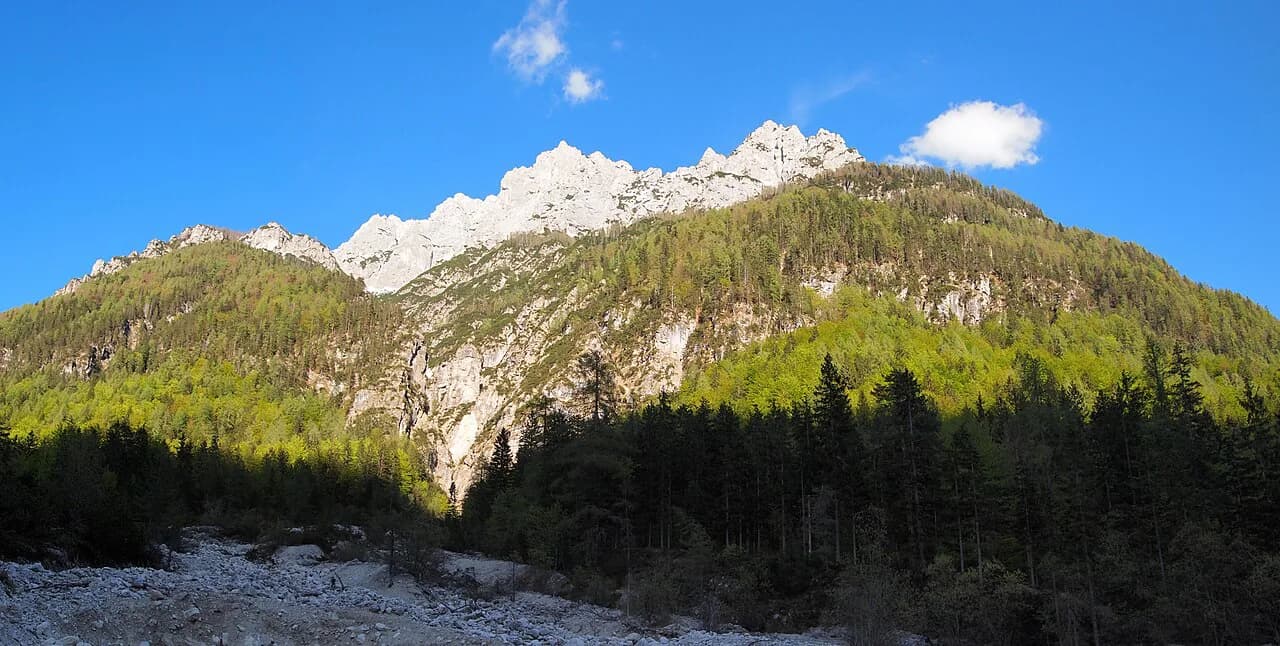
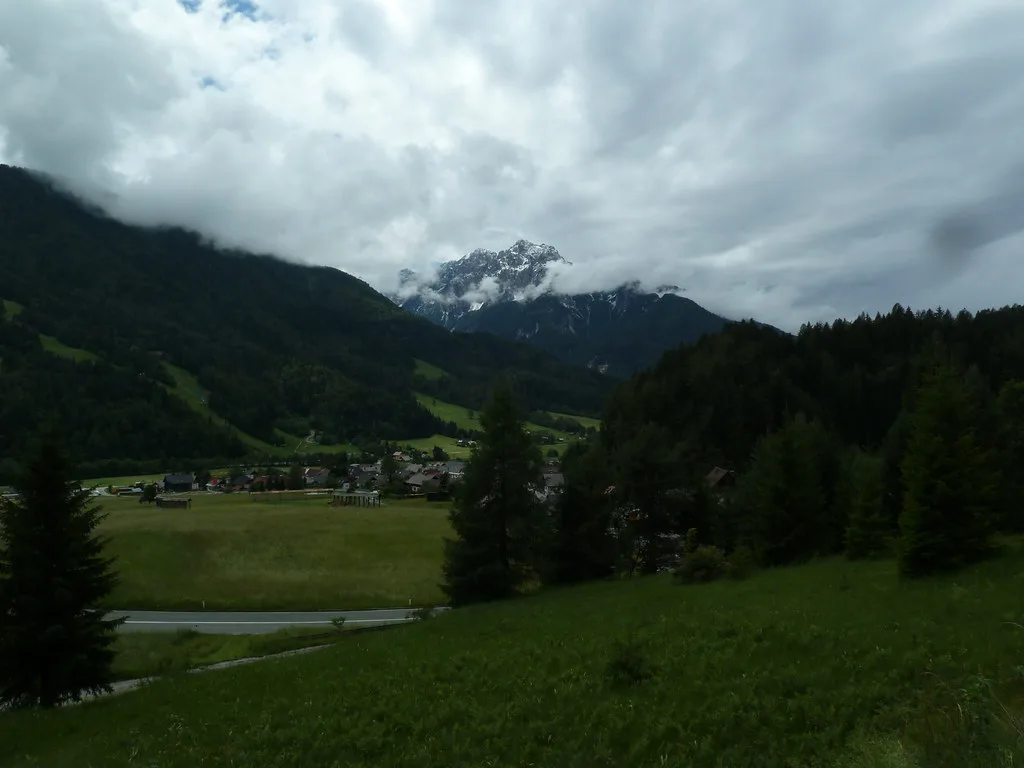
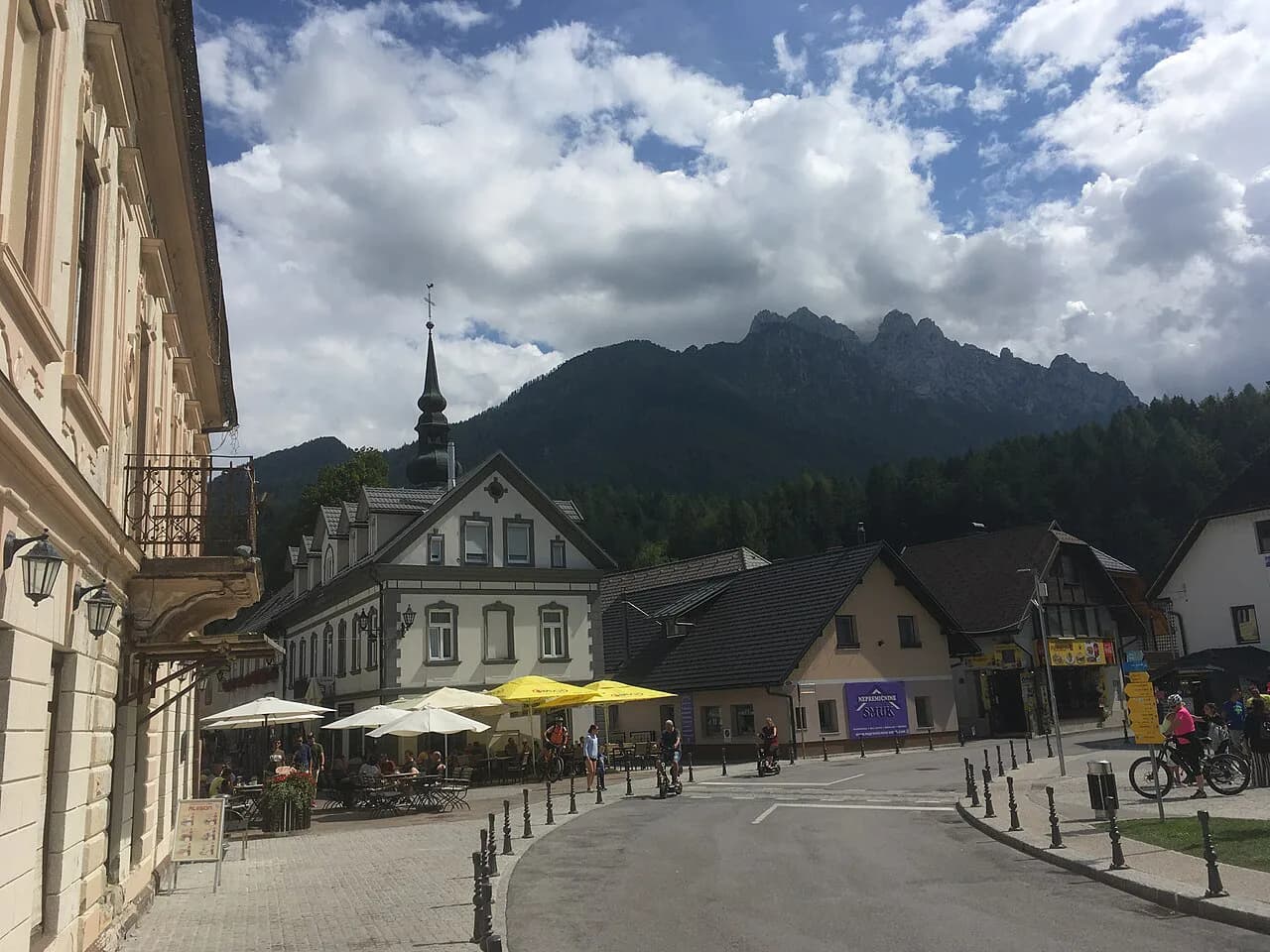
Kranjska Gora is a small alpine town of almost 1,500 residents in the very northwest of Slovenia, right at the border with Austria and Italy, around 80 km from Ljubljana. It sits between the Karavanke mountains and the Julian Alps, close to the triple border point where the three countries meet. The surrounding villages of Podkoren, Rateče, Mojstrana and Dovje are strung along the same valley and are part of the same destination area.
The layout is simple: one compact center with the sports park, shops and eating places, Lake Jasna a short walk to the south, and the road toward Rateče and the Vršič Pass heading west out of town. Planica sits a few kilometers beyond Rateče, which is why some bus services run past the town to Rateče instead of stopping in the center. For a meal in town, see our Kranjska Gora Restaurants guide.
Summer is the season for walking and cycling here, and the town publishes marked walking trails of varying difficulty plus more than 200 km of cycling routes around the destination. Winter brings the World Cup skiing and ski jumping events, which are a separate reason to come and not part of a summer trip.
How Long You Need in Kranjska Gora
One day is enough to walk around Lake Jasna, see the center and drive or ride up to the Vršič Pass road, but it leaves no time for the Planica valley or Zelenci. A two-night stay lets you add a half day at Planica with the Nadiža waterfall walk, or a longer loop such as the Srednji Vrh trail.
The Srednji Vrh loop starts on Čičare street in Kranjska Gora, runs 11.4 km and takes four to five hours at an easy rating, with wide paths and alpine meadows rather than a summit climb. Treat it as a half-day commitment and keep the rest of the day light.
If you only have an afternoon, skip the hiking and concentrate on Lake Jasna and the town itself, since the lake is right beside the road and needs no planning. Staying overnight gives you the quieter early morning hours at the lakes before day-trippers arrive.
Getting There: Bus from Ljubljana, Train to Jesenice, and the Car Option
Direct buses run from Ljubljana to Kranjska Gora roughly hourly, with a few gaps, between about 5:30 and 18:30, and the trip takes around two hours. Many of these services continue to Rateče, about 4 km further on and closer to Planica, so check the destination board before boarding if the Nordic center is your goal. Fares change, so confirm the current ticket price with the operator when you buy.
By train, the nearest station is Jesenice, and from there you need a taxi or a connecting bus for the final stretch into town. Travelers arriving from Austria by rail should also route through Jesenice rather than expecting a station in Kranjska Gora itself.
The awkward connection is from Bled: there is one direct bus between the two towns and it runs only in summer, so outside that window you change at Lesce. A car removes all of this friction and lets you reach Lake Jasna, Planica and Zelenci on your own schedule, which is the trade-off against the cheap bus fare.
Lake Jasna: Two Connected Lakes at the Edge of Town
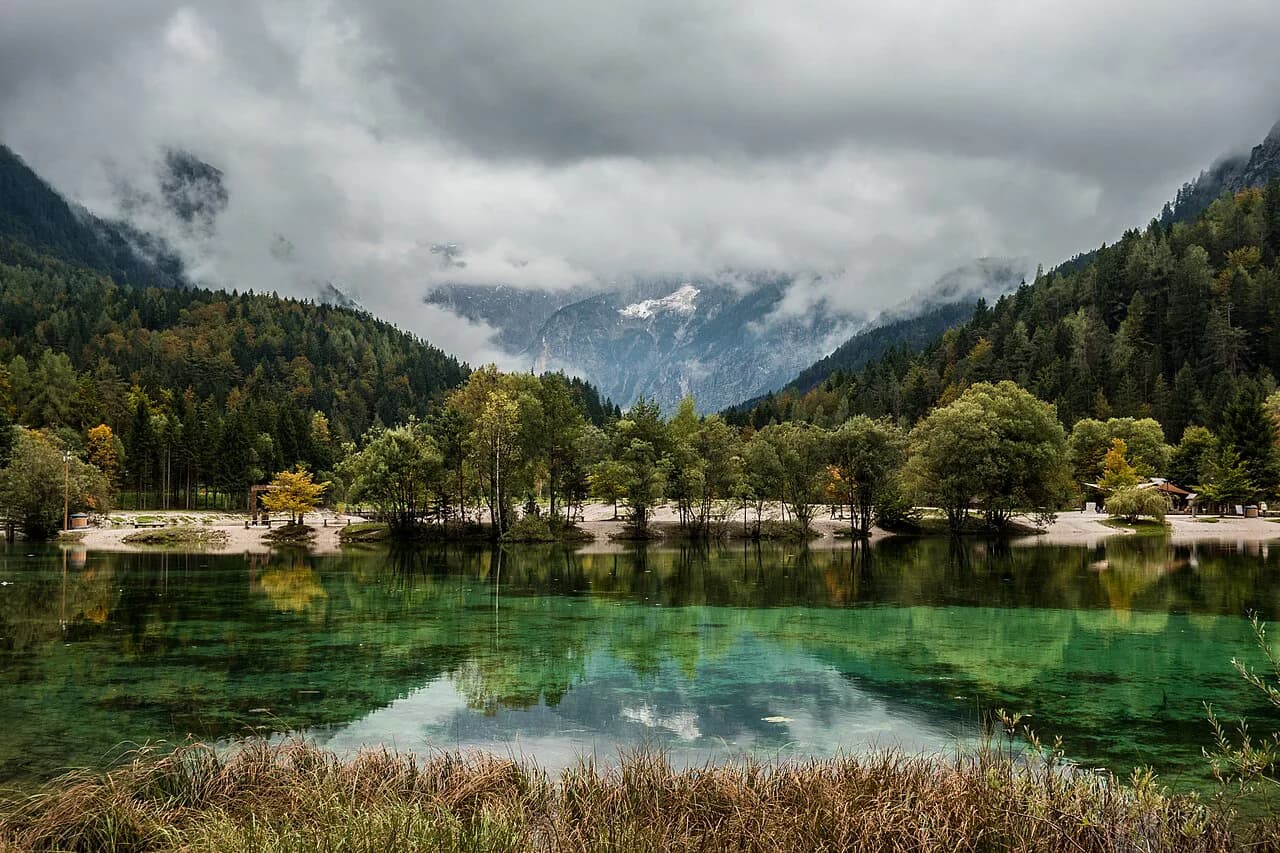
Lake Jasna is two connected artificial lakes where the Velika Pišnica and Mala Pišnica streams meet, sitting right beside the road at the southern edge of town. Several small parking lots serve the lakes and parking is free, which is unusual enough in the Alps to be worth planning around: arrive early in summer before the lots fill.
The two lakes differ in temperature: the southern lake averages around 17°C in summer, while the northern one can warm to around 25°C. Those are typical seasonal averages rather than a forecast, so treat swimming as a bonus on a warm day rather than a guaranteed part of the trip. A Zlatorog statue stands on the shore.
A walking path circles the lakes, and the reflections of the surrounding peaks are best in the morning before the wind picks up. This is the one sight in Kranjska Gora that takes almost no effort, so save it for a tired arrival day or a gap before dinner.
The Vršič Pass Road and What the Drive Involves
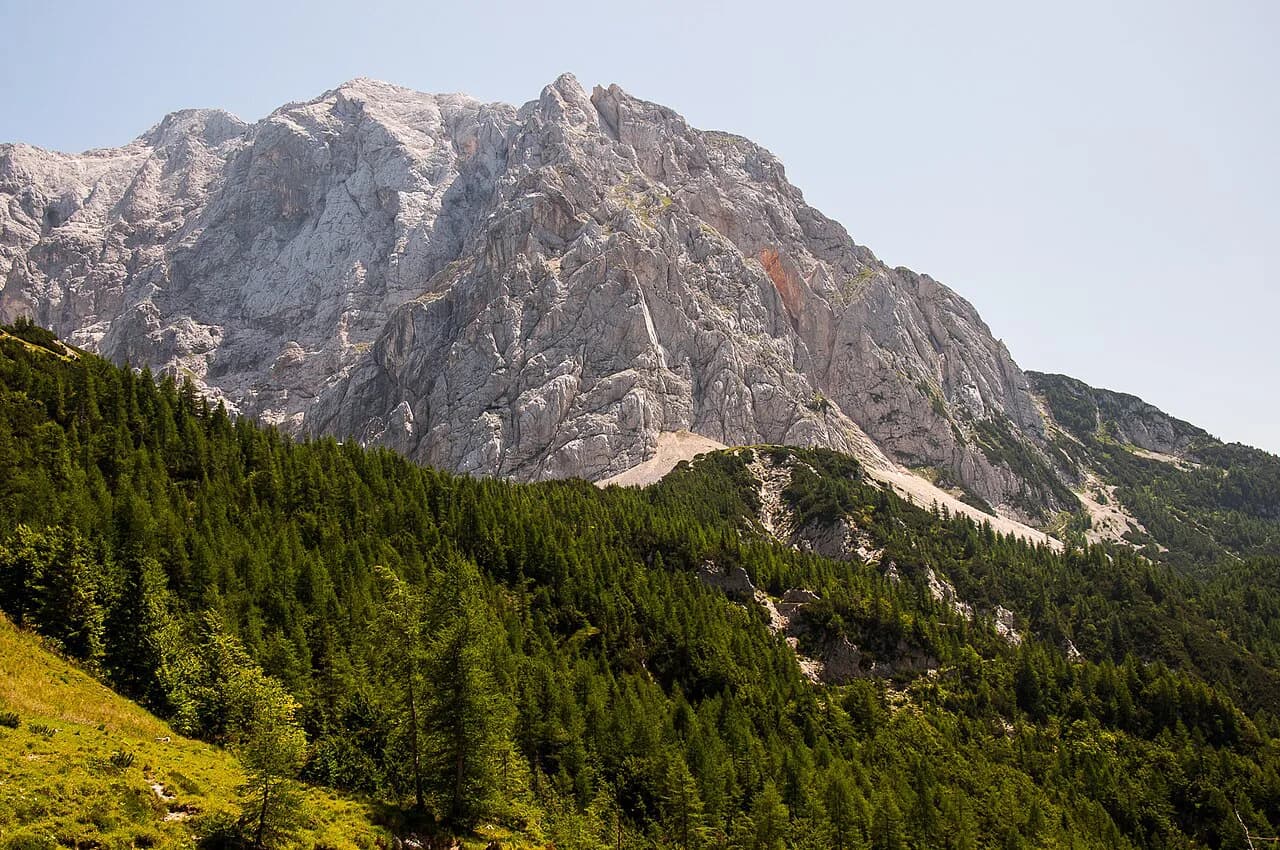
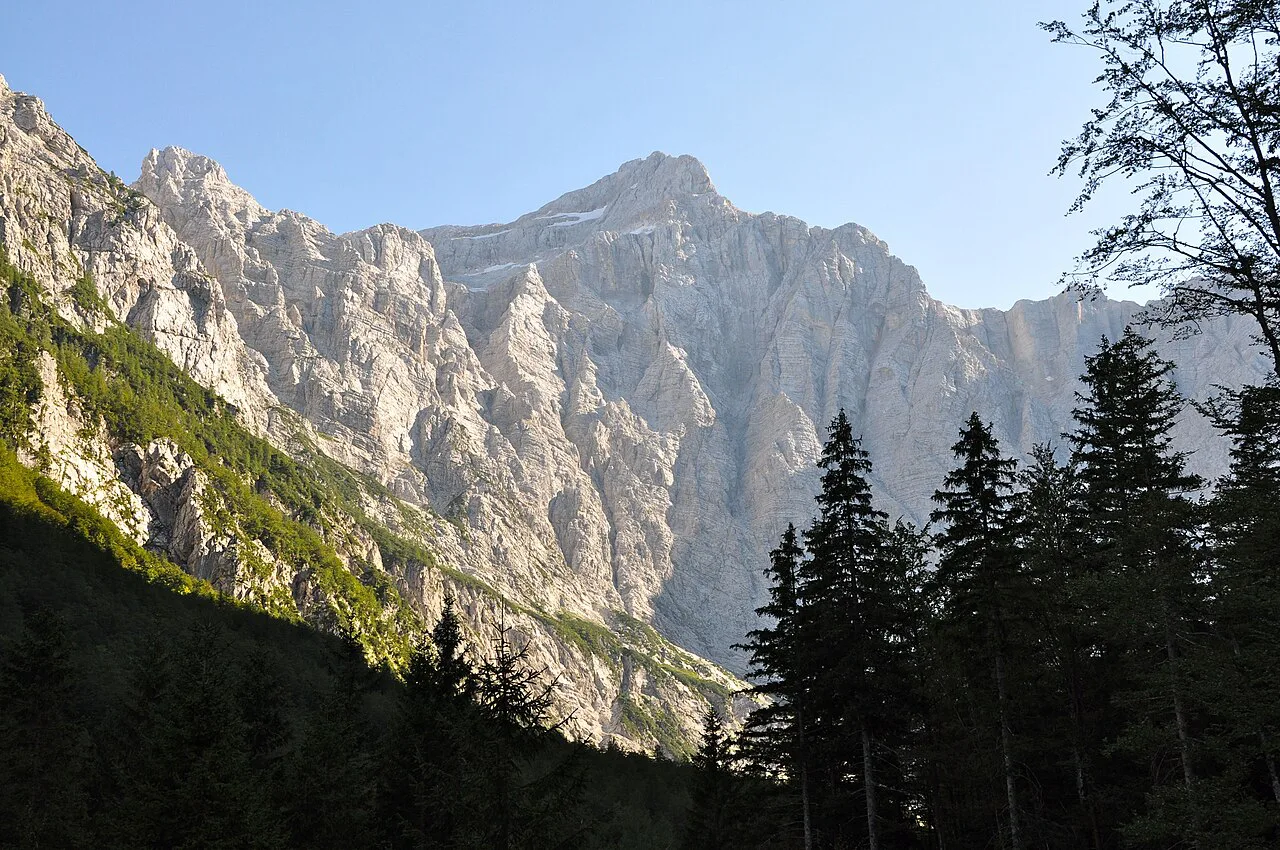
The Vršič Pass road runs through Kranjska Gora on its way into Triglav National Park and down toward the Soča Valley, so the drive is part of the town's geography rather than a separate excursion. Driving it means committing to a mountain road with many hairpin turns, and the pass itself is high enough that conditions can differ from the valley floor.
If you are heading onward to Bovec or Kobarid, the pass is the direct route and saves a long detour; if you are only in town for a night, driving partway up and turning back gives you the views without a full day in the car. Check road conditions locally before setting out, since the high sections can be affected outside the warmest months.
Planica and the Nadiža Waterfall Walk
Planica, a few kilometers from Kranjska Gora, is the Nordic center known for its ski flying hill and World Cup events, and in summer it serves as a trailhead. From the parking lot just after the Planica Nordic Center, the Nadiža waterfall is about a two-hour walk each way.
The first section through the Planica valley is relatively easy, but the final climb to the waterfall is steep and slippery, so it suits walkers with decent footwear rather than a casual stroll. The waterfall drops about 10 meters on a rushing mountain river just below its spring.
Planica's headline events belong to winter, so a summer visit is about the valley walk and the scale of the hill rather than competition atmosphere. Combine it with a stop in Rateče, which is closer to Planica than the Kranjska Gora center is.
Zelenci Nature Reserve
Zelenci Nature Reserve is a spring-fed wetland near the Rateče end of the valley, with boardwalks over unusually colored water, and it pairs naturally with a Planica or Rateče outing. It is a short stop rather than a half day, best slotted between Lake Jasna and the drive toward the pass.
Because it sits close to the road and involves minimal walking, Zelenci suits travelers with limited time or mixed abilities in the group. Bring insect repellent in high summer, when standing water and warm evenings make the reserve the least comfortable part of an otherwise breezy day.
The Vitranc 2 Chairlift and Other Summer Lifts
The Vitranc 2 chairlift carries visitors up to the summit of Vitranc, where the view takes in the Julian Alps, the Karawanks and the borders with Austria and Italy. The lift is a seasonal operation, and the operator publishes which activities are currently running on a dedicated status page, so check that before building a day around a ride.
The same operator runs a bike park, a summer toboggan called Besna Pehta and the Easyloop Brsnina trail, all listed as summer products with published price lists. Lift tickets and toboggan rides are priced separately, so look up the current list rather than assuming one pass covers everything.
Do not assume these operate year-round: the operator marks the summer season as finished once autumn arrives and posts winter ski pass presales separately. In practice that means a late-October visit may find the chairlift idle while the walking trails remain open.
Cycling: More Than 200 km of Trails and the Bike Park
Kranjska Gora publishes more than 200 km of cycling trails around the destination, ranging from valley paths to demanding climbs. Named routes include the Krma valley trail, the Jurež pasture and Vošca loop, the climb to Dovška Rožca, the Dovje–Jesenice path and the ride to Tromeja via Rateče.
The climb to Srednji Vrh is a steep cycling route with views of the Martuljek group and the Jerman stream waterfalls, and it is a different undertaking from the easy walking loop of the same name. Match the route to your fitness rather than to the name alone.
For downhill riders, the bike park is a paid summer operation with its own price list and contact line, separate from the cross-country trails. Families with children often find the flat valley paths and the Easyloop Brsnina circuit easier to manage than the mountain routes.
Rainy-Day and Low-Effort Alternatives
When the weather turns, the town's own activity list is the place to look, since it covers indoor and family options alongside the outdoor ones, including the sports park and the Kekec Land area for younger children. Plan a wet-day backup before you arrive rather than improvising in the car.
Low-effort days work well here: a morning at Lake Jasna, lunch in the center and a short drive to Zelenci need no tickets and no early start. The trade-off is that the town center is small, so a full rainy day is better spent on a longer outing elsewhere in the valley.
Where Kranjska Gora Fits With Bled, Bohinj and the Soča Valley
Kranjska Gora slots naturally between Bled and the Soča Valley on a loop through the Julian Alps, and the Vršič road makes that route direct rather than a backtrack. Travelers coming from Bled should note the thin public transport link and plan either the summer-only direct bus or a change at Lesce.
Coming from the coast or Ljubljana, the drive via Kranj and Jesenice brings you in from the southeast, with Bled and Bohinj as easy detours along the way. Treat the town as a two-night anchor rather than a lunch stop if you want Planica, the lakes and the pass without rushing.
What to Know Before You Go: Parking, Water Temperatures and Seasonal Operations
Parking at Lake Jasna is free across several small lots, which fills up quickly on warm summer weekends, so an early arrival is the practical fix. Elsewhere in town, use marked lots and expect the center to be busiest in the middle of the day.
Lake temperatures average around 17°C in the southern lake and up to about 25°C in the northern one during summer, so swimming is pleasant on some days and bracing on others. Pack accordingly rather than counting on a warm dip.
Lifts, the bike park and the toboggan run are seasonal, with published operating status and price lists, and the same operator suspends summer operations once the season ends. Confirm which of these are running before you commit a day to them, and keep walking plans as the reliable fallback.
Should You Base Yourself in Kranjska Gora?
Base yourself in Kranjska Gora for two nights if you want Lake Jasna at its quietest, a Planica valley walk and a drive up the Vršič road without racing a day trip. Choose a single day if your route already passes through town on the way to the Soča Valley and you only need the lakes and the center.
Sort transport first: hourly buses from Ljubljana work, the Bled link is summer-only, and the Jesenice train station needs a taxi at the end. Then check which lifts and summer activities are running, and build the rest of the day around Lake Jasna and walking.
Explore more Kranjska Gora guides
Frequently Asked Questions
Is Kranjska Gora worth visiting in summer?
Yes, if you want alpine walking without the crowds of Bled. Lake Jasna sits at the edge of town, the Vršič Pass road runs through it, and Planica, Zelenci and the Srednji Vrh loop are all within a short drive or walk. The catch is that lifts and the bike park are seasonal and some bus links are thin, so check what is running before you book.
How do you get to Kranjska Gora without a car?
Take a direct bus from Ljubljana, which runs roughly hourly through the day and takes about two hours, or take the train to Jesenice and continue by taxi or connecting bus. From Bled there is one direct bus and it operates in summer only; otherwise change at Lesce.
Sources
Notes for your Slovenia trip
Optional updates to our Slovenia place guides.
You might also like
Continue reading
More guides you'll find useful