Potica: Slovenia's Rolled Nut Cake and Its Fillings
Potica is a rolled Slovenian cake of leavened dough filled with walnuts, tarragon or poppy seeds, baked for holidays and family gatherings at home.
On this page
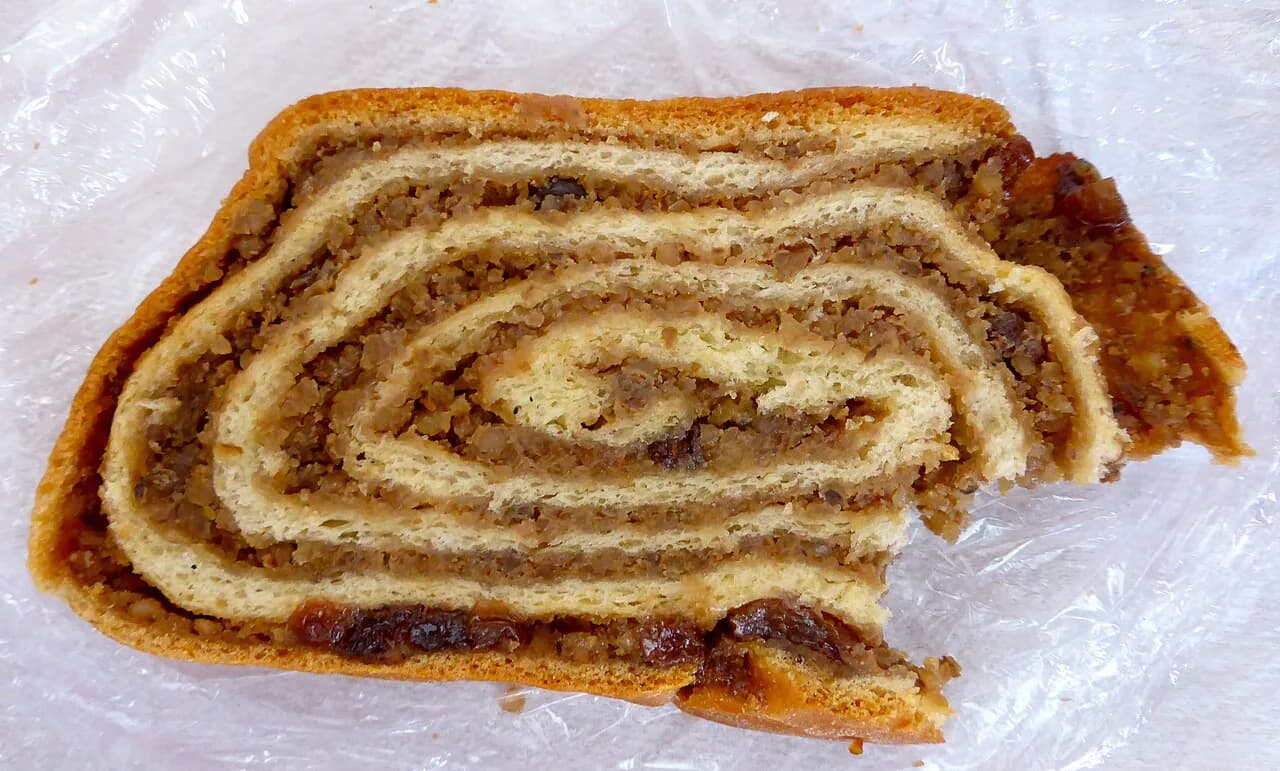
Potica is a rolled Slovenian cake: a sheet of leavened dough spread with a sweet filling, rolled up, and baked in a ring-shaped mold. Walnut is the version you will meet first, and no Christmas or Easter table in Slovenia is complete without one. This guide covers the fillings, the occasions, the vocabulary and the baking steps, from mixing the dough to slicing the cooled roll.
Baking it at home is manageable but not quick. Expect roughly an hour for the first rise, half an hour for the second, and about an hour in a 180 C (360 F) oven, with foil laid over the top after 30 minutes so it does not brown too far. The steps below follow two published recipes closely.
What potica is and why walnut comes first
Potica is leavened dough, made with white or buckwheat flour, rolled around a filling and baked in a mold with a central cone that leaves a hole down the middle. The walnut version is the standard, the one served at Christmas, Easter, weddings and funerals and on major family and national holidays.
Think of it as a filled bread rather than a sponge cake. The dough carries the flavor lightly, the filling does the work, and a single roll serves a crowd because it is sliced thin. That structure is also why potica travels well and why Slovene families abroad kept baking it.
The fillings you will see
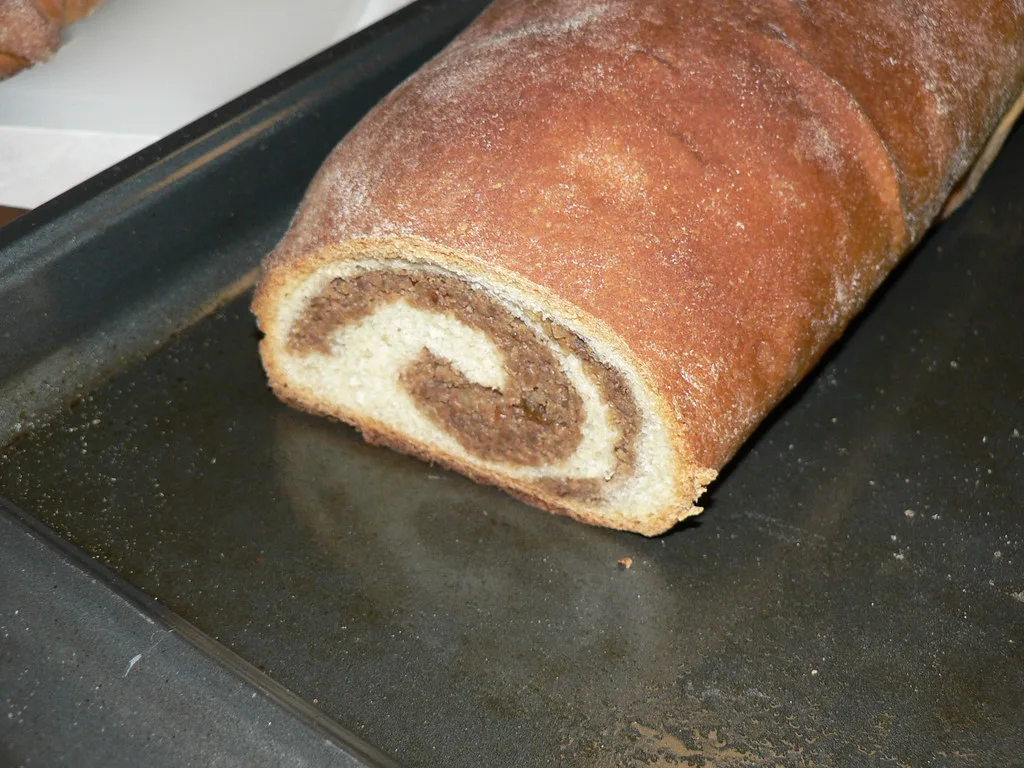
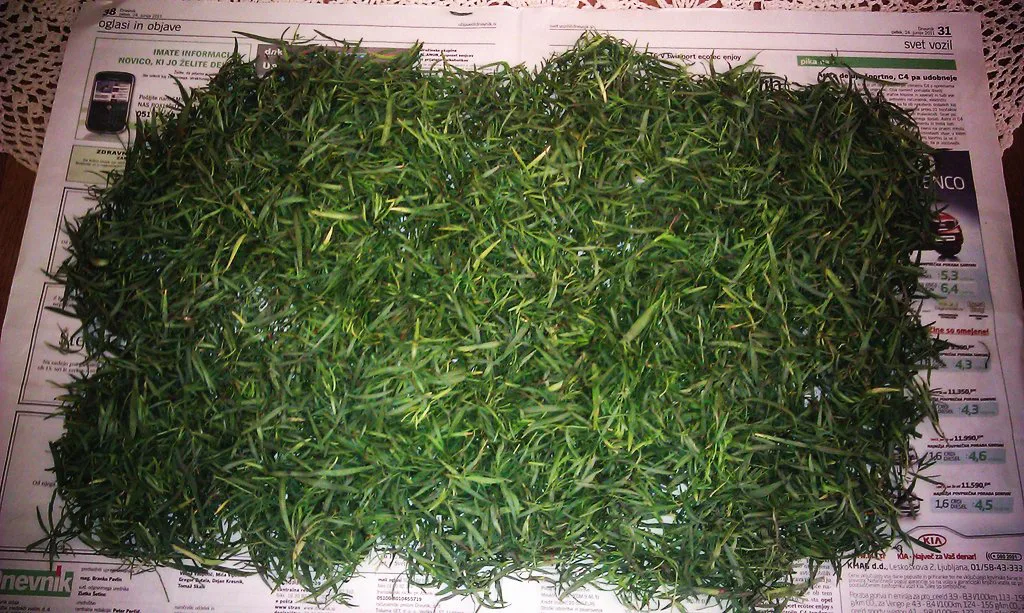
Walnut leads, but the range is wide: tarragon, crackling, bacon, carob, poppy seed, hazelnut and chocolate all appear, and Slovenia's Gastronomic Strategy places tarragon potica at the top of its culinary pyramid. Regional versions exist as well, so the same name can mean a different filling in a different valley.
How is potica pronounced? The word is Slovene. The older form povitica is recorded by Primož Trubar in his 1575 Catechism, and the modern name is simply potica.
What does the word povitica mean? Povitica is the older form of the name, recorded by Primož Trubar in 1575. The cake it names is the rolled, filled sweet bread that Slovenians serve at Christmas, Easter, weddings, funerals and major holidays.
Buckwheat dough turns up in some potica recipes, and the cake is baked in miniature as well as full size. If you are choosing one filling for a first bake, walnut is the safest bet because the method is well documented and the result is what most Slovenians expect on the table.
When Slovenians eat potica
Potica belongs to holidays and milestones rather than everyday snacking. It appears at Christmas and Easter, at weddings and funerals, and at major family and national holidays, and it has moved into state protocol and the tourist table as well. Sliced thin and shared, it marks an occasion.
For a dessert course at home, it sits comfortably alongside other Slovene sweets. If you are building a Slovenian dessert table, potica and a cream cake such as kremsnita cover very different moods: one is a sliceable bread, the other is cold pastry and custard, and the pair works for a celebration with a large guest list.
The word and how it spread
Among the earliest recorded uses of the word is Primož Trubar's form povitica in his 1575 Catechism, and Janez Vajkard Valvasor later described the cake in The Glory of the Duchy of Carniola as part of Christmas pastries. Related cakes under other names exist across the region, from gubana in Friuli to putizza in Trieste, which is a reminder that the rolled filled dough idea is wider than Slovenia.
Slovene communities abroad did much of the spreading. Walnut potica became part of ethnic identity in the United States alongside Kranjska klobasa sausage, and expatriate cookbooks such as Ivanka Zakrajšek's Slovene-American Cookbook in 1945 and a 1953 volume from the Slovenian Women's Union of America carried recipes with them.
For an American reader, the practical point is that potica has a firm place in Slovene-American identity: walnut potica traveled with emigrants, appears in expatriate cookbooks, and is even made by some US companies today.
What the dough is made of
The dough is a soft, enriched yeast dough: flour, instant yeast, butter, sugar, egg yolks, milk and a pinch of salt, kneaded for about 15 minutes until it is elastic and stops sticking to your hands. A coconut version adds cocoa powder to the dough, which gives it a dark color and a firmer texture than the standard potica dough; the recipe notes that this is expected, not a mistake.
That firmness matters when you start rolling. A softer dough stretches more easily but tears; a stiffer one holds a heavy filling. If your first attempt feels tight compared with other sweet breads, work it a little longer rather than adding liquid.
The potičnik mold and the water trick
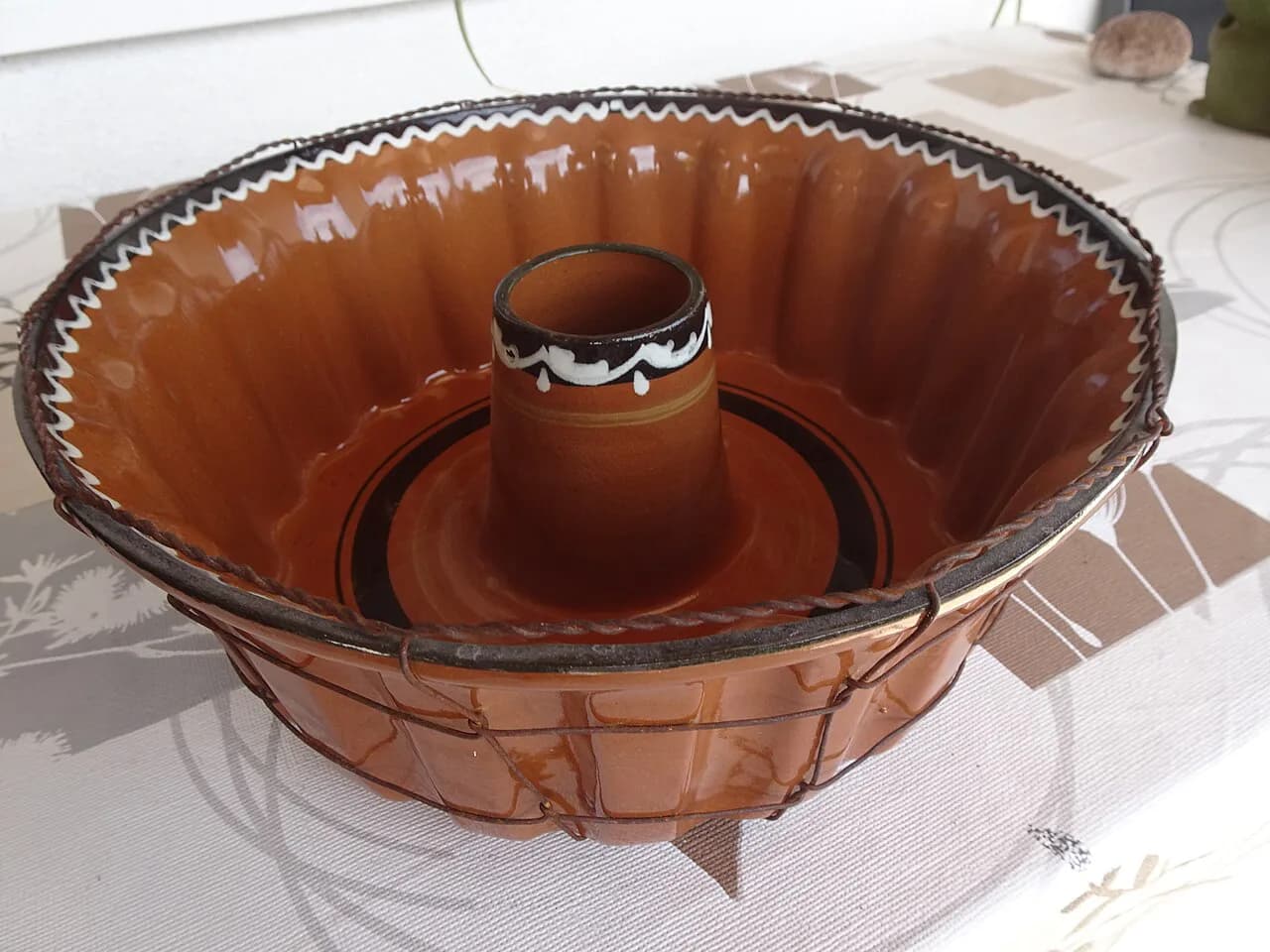
Traditionally potica is baked in a ceramic pan called a potičnica or potičnik, with a fluted central cone; the characteristic mold dates to the early 19th century. If you have one, the recipe suggests filling it with water and putting it in the oven until the water boils, so the cake does not dry out during baking.
Without a potičnik, a standard bundt pan is the substitute, buttered well. The trade-off is honest: you get the ring shape and the even bake, but not the fluted pattern or the ceramic's slow, moist heat. Either way, butter the pan generously, because a stuck potica is hard to rescue.
Rolling the dough and sealing the ends
Dust the work surface with flour, or roll the dough out on a tablecloth so it does not cool too much, and shape it into a rectangle about 0.5 cm thick: roughly 90 cm by 35 cm for the coconut recipe's large potičnik, or 40 cm by 35 cm for the poppy seed recipe's smaller pan. Spread the filling in an even layer, then roll it up by hand, stretching slightly with each turn.
Seal the ends by gently pulling the dough down to cover them, then set the roll in the pan with the seam facing up so it disappears once the cake is turned out. Prick the surface with a toothpick to release air pockets and let it rise about 30 minutes before brushing with egg wash.
Poppy seed potica and its cooked filling
Poppy seed is one of the most popular potica fillings in Slovenia, and poppy is especially notable in the Prekmurje region, where it is an integral ingredient in prekmurska gibanica. The filling is cooked on the stove, not just stirred: poppy seeds, sugar, milk and butter simmer about 30 minutes until thick, then vanilla goes in, and once cooled the yolk is mixed in and the whipped whites are folded through.
If the filling turns out too runny to spread, the fix is bread crumbs or, better, cookie crumbs stirred in to thicken it. Stop adding whipped whites once it looks loose. Raisins soaked in rum are optional and sprinkled over the filling before rolling.
Coconut potica and the case for baking two
Coconut potica is a newer addition to the family and a popular one, made with a dark cocoa dough and a filling of desiccated coconut, cream, sugar, vanilla and eggs. The standard advice is to bake it alongside a walnut potica: the walnut gives you the pale yellowish dough, the coconut gives you the dark one, and the two rolls make a striking pair on a plate.
One practical note from the recipe: shredded coconut sold in the US can be quite moist depending on the brand, so adjust the filling so it does not turn runny. If you are baking for a holiday table, the contrast of the two rolls is easier to manage than making a single perfect one.
Timing the bake
Both recipes use the same rhythm: mix and knead, let the dough double in a warm place for about an hour, roll and fill, then a second rise of about 30 minutes in the pan. Bake at 180 C (360 F) for about an hour, covering the top with aluminum foil after 30 minutes so it does not brown too much. Brush with egg wash before it goes in.
Leave the potica in the mold until it cools before turning it out; a warm cake is more likely to break. Only then dust with powdered sugar, slice and serve. The wait is the part most first-time bakers rush, and it is the step that decides whether the roll stays intact.
Serving potica with other Slovene sweets
Potica is served sliced, dusted with sugar, usually with coffee or a glass of milk rather than as a plated dessert. On a wider Slovene table it shares space with štruklji, the rolled dumplings that can be sweet or savory; the two are often confused because both are rolled, but they are different preparations.
If you want to build a fuller dessert spread, small cookies fill the gaps and suit the same coffee table. None of this needs to be complicated; a single good potica and a plate of cookies is a credible Slovene dessert course.
What to bake first
Start with walnut potica in a buttered potičnik, or a bundt pan if that is what you have, and follow the timing closely: an hour for the first rise, 30 minutes in the pan, one hour in a 180 C (360 F) oven with foil after 30 minutes. Cool it fully before turning it out, then dust and slice.
Once that works, add a cocoa-dough coconut potica for contrast, or move to poppy seed if you want the cooked filling. For more Slovene sweets to round out the table, see the wider collection of Slovenian Desserts. For the practical details, see our Kremsnita guide.
Explore more Slovenia guides
Frequently Asked Questions
How is potica pronounced?
The word is Slovene. The older form povitica is recorded by Primož Trubar in his 1575 Catechism, and the modern name is simply potica. Slovene pronunciation is not intuitive from the spelling, so listen to a recording or a Slovene speaker rather than guessing from English sounds.
What does the word povitica mean?
Povitica is the older form of the name, recorded by Primož Trubar in 1575. The cake it names is the rolled, filled sweet bread that Slovenians serve at Christmas, Easter, weddings, funerals and major holidays.
Sources
Notes for your Slovenia trip
Optional updates to our Slovenia place guides.
You might also like


Continue reading
More guides you'll find useful