Vrata Valley: Peričnik Waterfall, Aljažev Dom and the Triglav North Face
Vrata Valley near Mojstrana runs below Triglav's north face. Plan the drive, the three car parks and the walk to Peričnik Waterfall and Aljažev Dom.
On this page
The Vrata Valley is a narrow glacial trough that runs about 15 km south from Mojstrana into the Julian Alps, ending beneath the north face of Triglav at the Aljažev Dom hut. Almost everyone comes for one thing on the way in: Peričnik Waterfall, a 52-meter lower fall with a path that passes behind the curtain of water. This guide sets out the order of the valley, where to park, how long the waterfall walk takes and how much extra time the valley head adds.
How the Vrata Valley is laid out from Mojstrana to the head
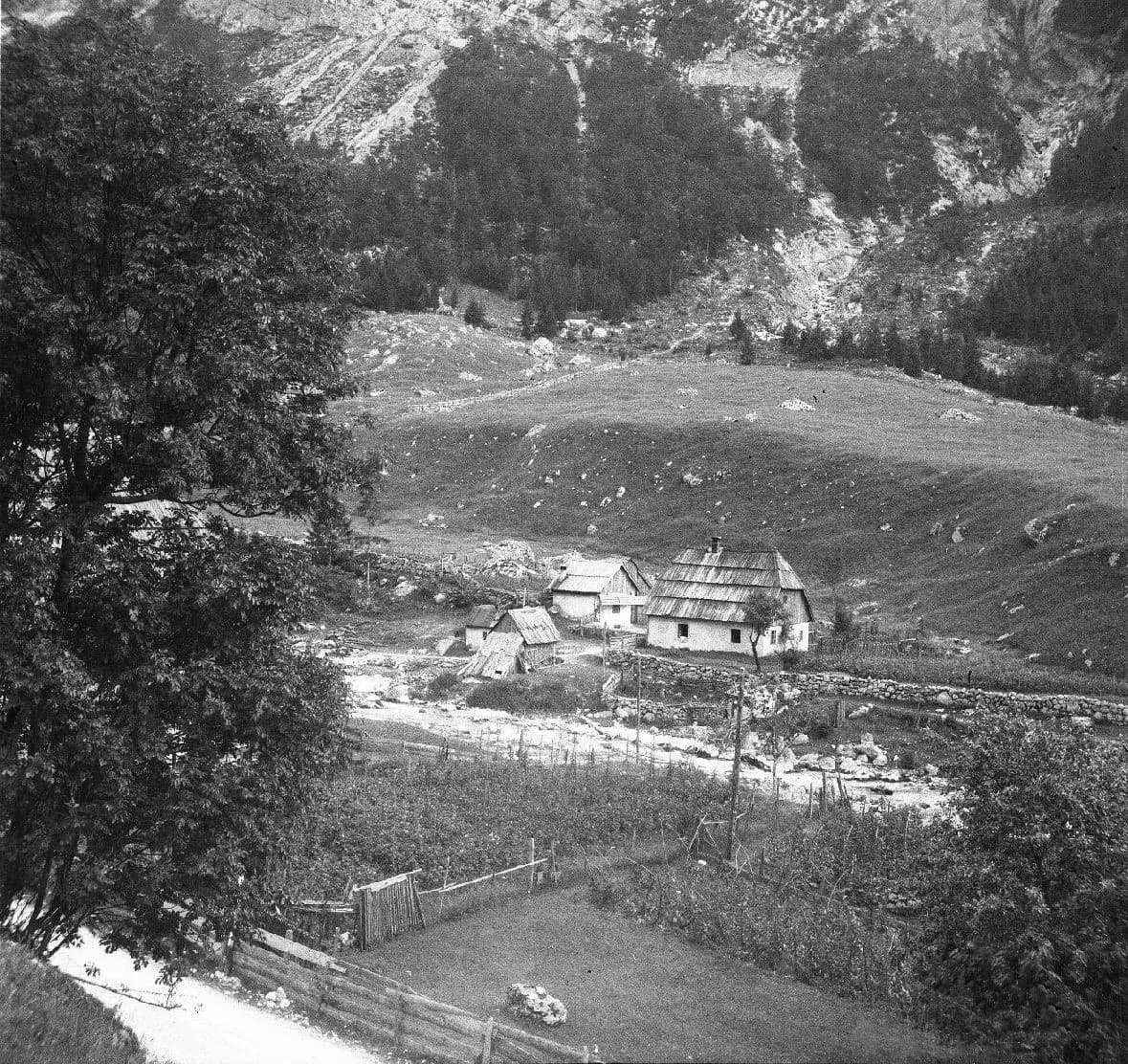
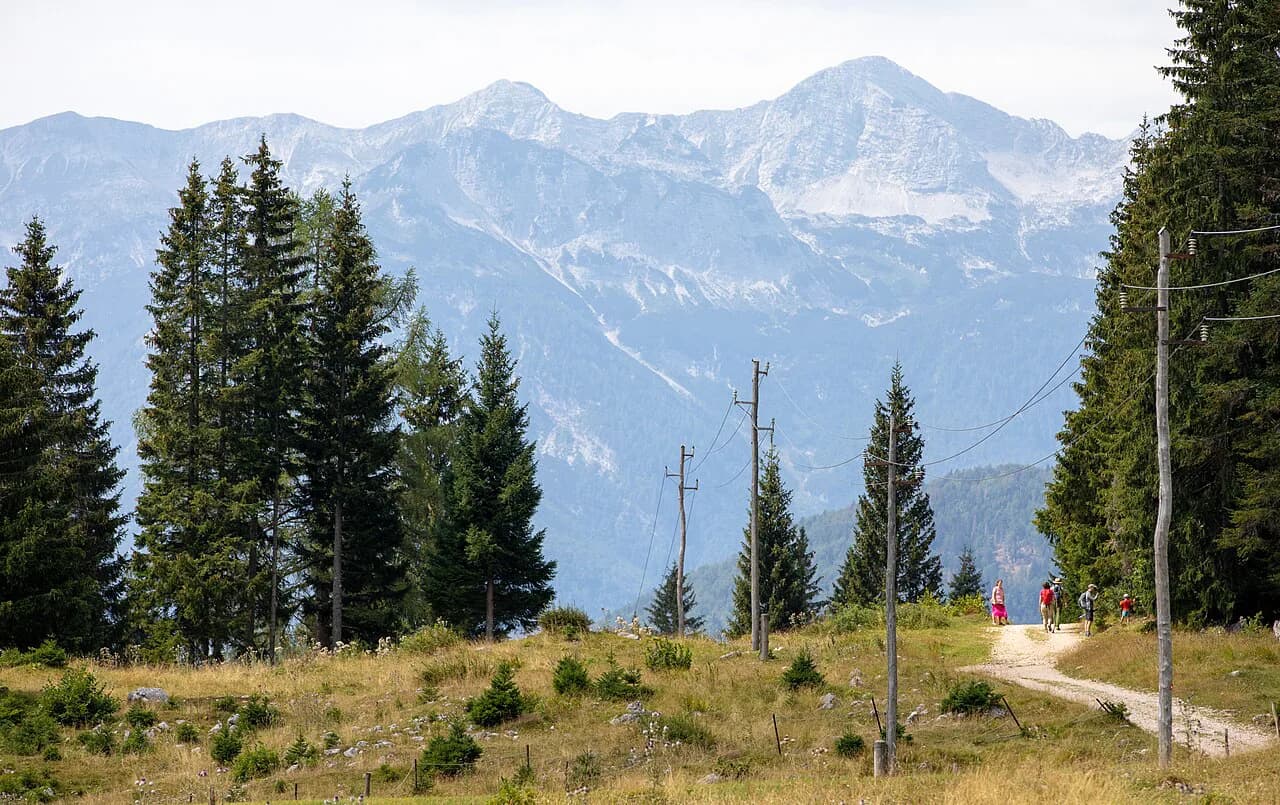
Think of the valley in three stages rather than as one stop. From the entrance near Mojstrana, the road continues about 4 km to the Aljažev Dom hut area, where the valley floor sits at 1,015 m, and the Peričnik car park comes before it at roughly 3.5 km in, signed from the main valley road. Between the entrance and the hut the floor is flat, the forest is dense mixed beech and fir, and on clear days the north wall of Triglav rises about 1,800 m above you at the upper end.
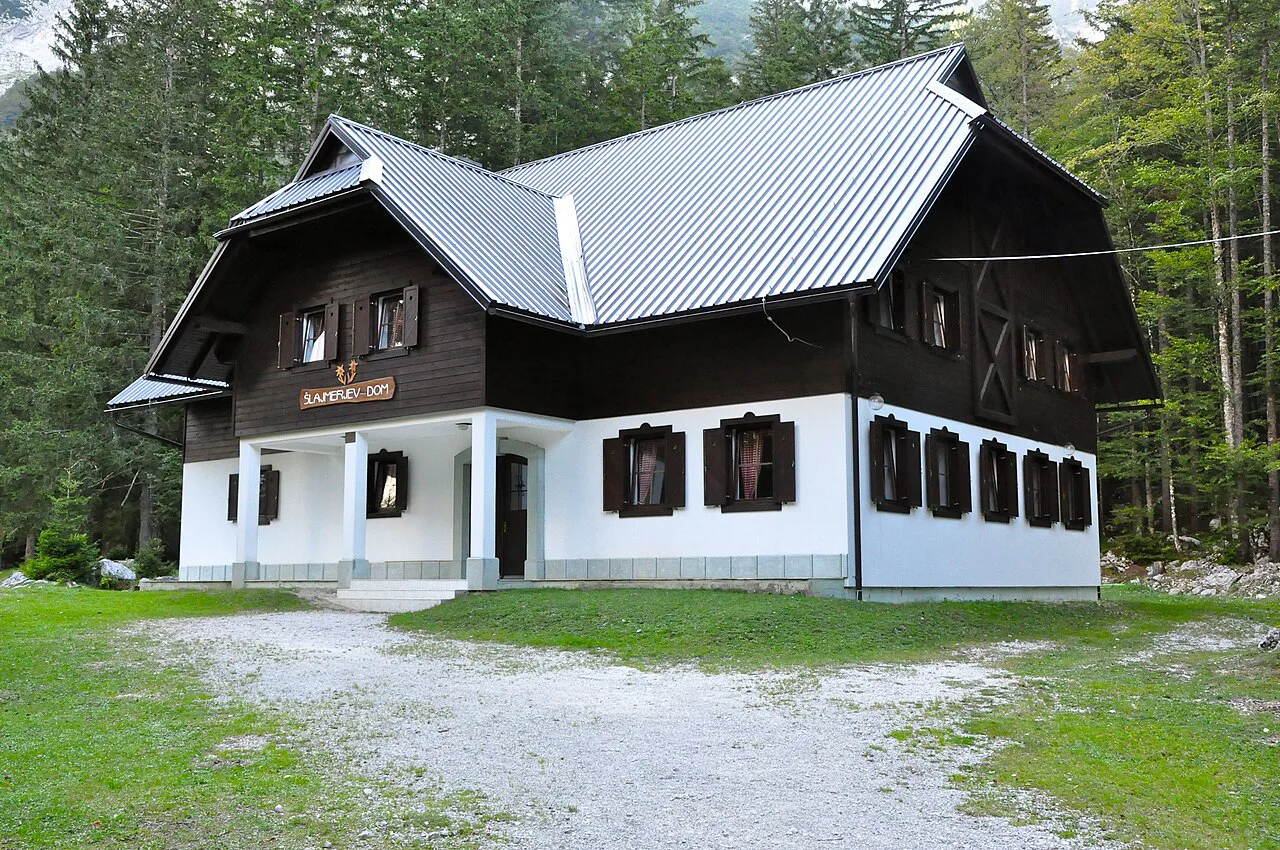
The waterfall sits in the lower-middle section of the valley, about 4 km from the entrance, which is why the Peričnik lot is the one to aim for if the falls are your goal. The Aljažev Dom hut and Slajmerjev dom both stand at 1,015 m near the head, and the hut is the natural turnaround point for a valley visit that does not involve going up.
Driving in: the road, the parking and where to leave the car
A car is the practical way in, and the waterfall is served by a signed Peričnik car park roughly 3.5 km from the valley entrance, with further lots near the entrance at Mojstrana and at the Aljažev Dom hut area 4 km in. If you are coming from Bled or Kranjska Gora without a car, a taxi is the realistic option rather than a scheduled service.
Mojstrana is where the valley begins, so it makes sense to top up supplies there before the road narrows into the forest. If you want the wider context for the protected area the valley sits inside, the Triglav National Park guide covers the other entrances, and the Triglav National Park map helps you see how Mojstrana, Kranjska Gora and the Vrata road sit relative to each other.
Peričnik Waterfall: the lower and upper falls
The lower fall, Spodnji Peričnik, drops 52 m in a single free-fall into a deep pool below an overhanging limestone cliff. That overhang is the whole point: the rock has eroded horizontally along bedding planes to leave a broad cave-like recess, so the path can continue behind the falling water on a narrow ledge above the pool, with the valley showing through the white curtain. The upper fall, Zgornji Peričnik, is a smaller 16 m drop set in a tighter rocky bowl 15 minutes further up, far less visited and more enclosed.
Waterproofs earn their place here. In spring and early summer the volume of water makes the behind-the-falls ledge very wet, while by late summer the flow is lighter and easier to stand under without a soaking; spring also brings the heaviest flow off the surrounding snowmelt. The mist keeps a strip of rock and vegetation permanently wet, so the surfaces you brush past are mossy, ferny and slick rather than dry.
Walking to Peričnik from the nearest car park
From the Peričnik car park the path descends slightly to the valley floor and follows the Vrata stream, reaching the lower fall after about 15 minutes. The path is wide, clear and flat, suitable for a stroller in dry conditions, though the final section down to the base of the fall involves some steps that end that convenience.
If you would rather walk in from the Aljažev Dom hut side, the return from the hut to the car park is 4 km of flat valley floor taking about 45 minutes. That makes the hut a sensible place to finish a there-and-back walk to the falls, with a coffee at the head before you drive out.
The Aljažev Dom hut and the end of the valley
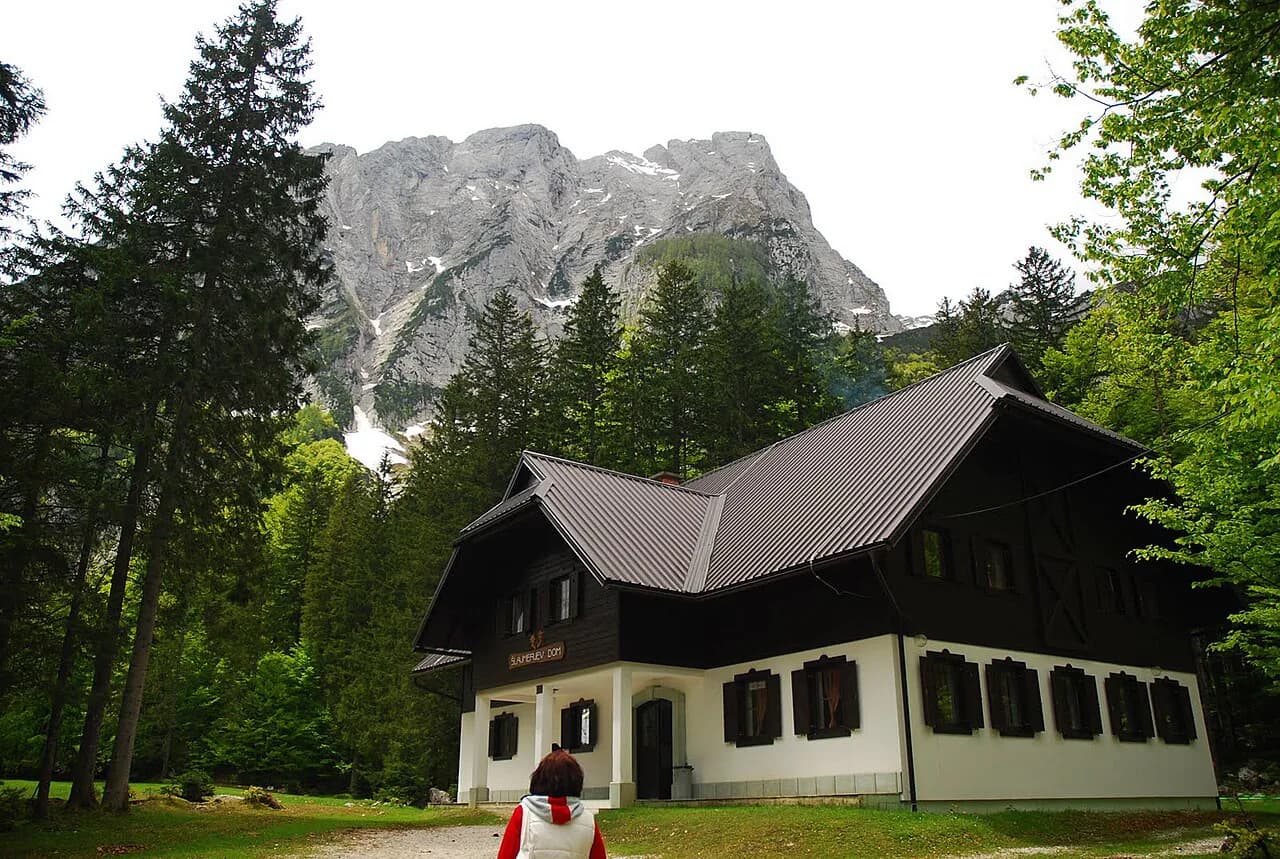
The Aljažev Dom at 1,015 m is the last stop before the ground tilts upward, and the setting at the valley head sits directly beneath the north wall of Triglav. This is the approach valley for the standard north-face routes, which means the parking area draws climbers and alpine walkers rather than only waterfall visitors.
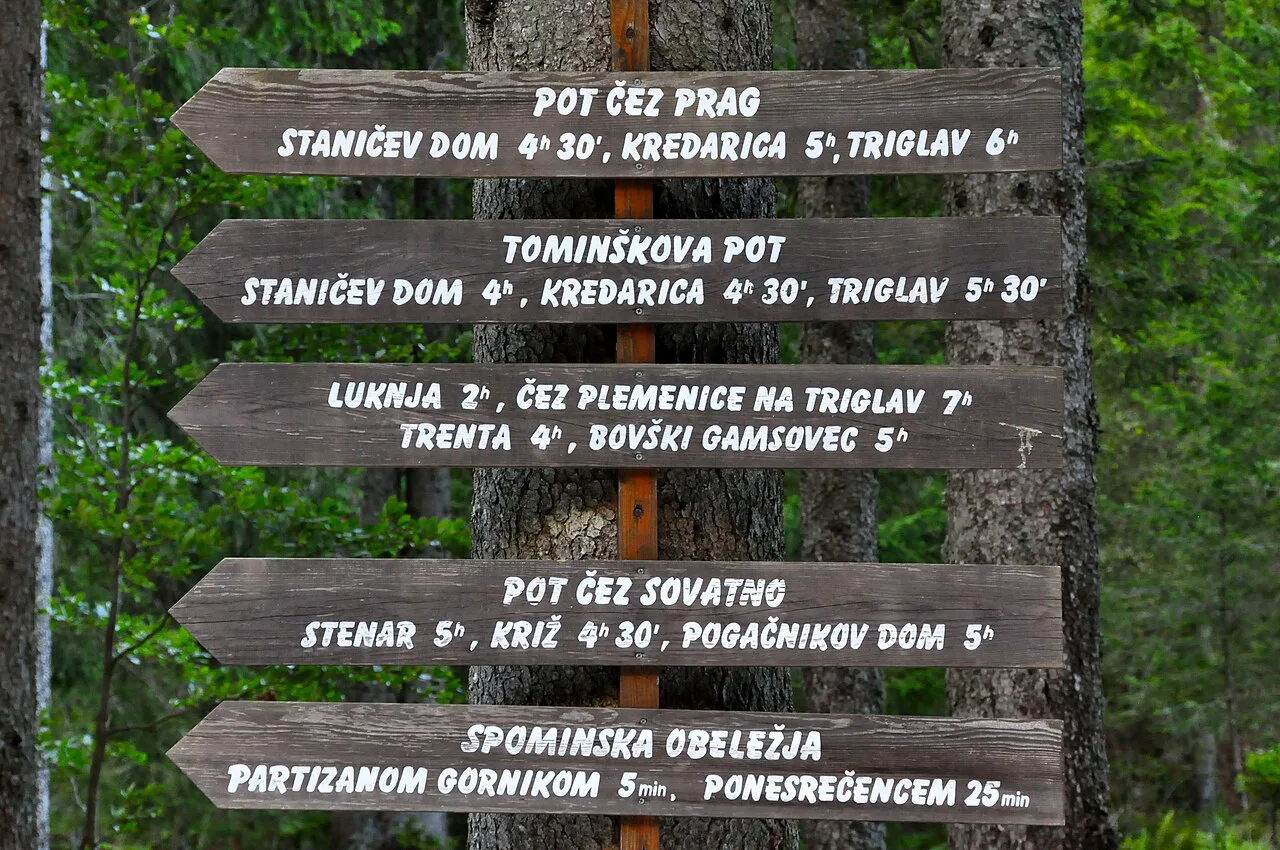
For travelers who want the mountain rather than the walk beneath it, the Mount Triglav page covers the summit itself; the Vrata Valley is the place you look up at it from the valley floor. Climbers heading higher from Aljažev Dom use the Tominškova Pot route toward Triglav, a demanding line with significant elevation that takes the better part of a day.
How long the valley needs
Budget 1.5 to 2 hours for both falls and the path between them, and 3 to 4 hours if you add the walk to the Aljažev Dom hut and back. Those figures assume a steady pace with time spent behind the lower fall, which is the part most people linger over.
A short, focused visit works like this: park at Peričnik, walk down to the lower fall, take the 15 minutes up to the upper fall, and return the same way, which keeps the whole outing under two hours. Stretching it to the hut is a separate decision, because the flat 4 km along the valley floor is easy walking but adds real time to the day.
Season and conditions at the falls
The character of the visit shifts with the season. Spring snowmelt pushes the falls to maximum volume and can make the ledge behind the lower fall very wet, the forest turns vivid green and the valley meadows are at their best. Summer is the most comfortable window for most visitors, with the volume easing by August while the falls still carry enough water to be worth the stop.
The falls and the valley road sit within the protected area, so treat the guidance for the Triglav National Park as applying here too. If you want a quieter plateau day away from the valley traffic, the Pokljuka Plateau guide covers the forested plateau above Bled and Bohinj, a different kind of alpine day entirely.
Downstream in the Soča valley, the Dom Trenta and its surroundings make a natural second alpine stop if you are stringing together several days in the Julian Alps.
What to wear and expect behind the lower fall
The ten minutes or so spent standing behind the falling water is the memory most visitors take home, and it is also the wettest part of the day. Wear a waterproof shell or bring a change of top, and expect spray on your camera if you hold it out toward the curtain.
The path down from the car park is flat and easy, but the steps at the fall base and the wet rock on the ledge ask for shoes with grip rather than smooth soles. The route is within reach of most fitness levels, including families with children of roughly five and up, which is why the falls work as a half-day rather than a full expedition.
Vrata Valley in a wider Slovenia trip
The valley pairs naturally with Kranjska Gora, about 14 km east of Mojstrana, and with Bled, which sits on the other side of the massif and supplies much of the taxi traffic into the valley. A common shape is a morning at the falls, an afternoon in Kranjska Gora, and a separate day for the higher alpine country.
If your trip continues toward Bohinj, the Lake Bohinj page and the Pokljuka Plateau Guide help you plan the next stop without doubling back. The valley is small enough that it slots into a driving day rather than requiring one of its own.
For travelers weighing the valley against the organized alpine options, guided trips in the region have historically been sold per person from set prices for fixed itineraries; check what a current operator quotes rather than relying on older listings.
Is the waterfall detour worth the drive?
Yes, if you have a car and a spare half-day: the walk to Peričnik is short, the path behind the lower fall is the reason to come, and the valley head at Aljažev Dom gives the outing a proper finish. Skip it if you are relying on public transport, because the valley rewards a vehicle and a flexible schedule.
Check road and weather conditions before you set out, since spring flow and wet rock change the experience at the ledge. Build the stop into a Kranjska Gora or Bled day rather than making it the whole trip.
Frequently Asked Questions
Is there a bus to the Vrata Valley?
No scheduled bus serves the valley; a car is the practical way in, and a taxi from Bled or Kranjska Gora is the alternative if you are without a vehicle.
Do you need a guide to visit the Vrata Valley?
No. The drive in and the walk to Peričnik Waterfall are done independently by most visitors; guides come into play for the higher routes above Aljažev Dom.
Sources
Notes for your Slovenia trip
Optional updates to our Slovenia place guides.
You might also like
Continue reading
More guides you'll find useful