Triglav National Park: What the Park Covers and How to Get Around
Triglav National Park covers most of Slovenia's Julian Alps. Here is what the park includes, which valleys and lakes you reach by road, and the rules that apply.
On this page
Triglav National Park is Slovenia's only national park and covers most of the Julian Alps inside the country, an area of 836 square kilometers, or roughly 4 percent of Slovenia. It is named for Mount Triglav, the peak that sits near its center, and two major rivers, the Soča and the Sava, rise in the park's mountains. This guide treats the park as a geography problem: which valley or lake you base yourself in decides what you actually see in a short trip.
You do not need to climb anything to get a good look at the park. Lake Bohinj and its village Ribčev Laz, the Vrata and Trenta valleys, the Pokljuka Plateau and the Soča side around Bovec, Kobarid and Tolmin are all reached by road. Mount Triglav and the higher summits are the mountaineering end of the park, and this page covers access, park rules and timing rather than routes.
What Triglav National Park is and how much of the Julian Alps it covers
The park covers 836 square kilometers in the northwestern corner of Slovenia, where the country meets Italy to the west and Austria to the north. Most of Slovenia's peaks above 2,000 meters lie inside it, including Špik, Mangart, Jalovec and Prisojnik, and forests cover about 70 percent of the park's surface. Mount Triglav, the park's namesake, stands at 2,864 meters.
The park's protected status shapes what you can do there. It was established in its modern form in 1981 and lies in the southeastern part of the Alpine massif, with Mount Triglav almost in the middle and valleys spreading out radially from it. The Soča drains toward the Adriatic and the Sava toward the Black Sea, which is why the park has two very different sides to plan around.
In practice, the park stretches over more than 840 square kilometers, with sharp peaks, high karst plateaus and glacier-made valleys, and it hosts over 7,000 animal species and 1,600 types of plants. Its highlights include Lake Bohinj, the Triglav Lakes Valley, Peričnik Waterfall, the Pokljuka Plateau, the Soča River and the Tolmin Gorge. For a visitor with a car, these names are the practical shortlist of what the park contains.
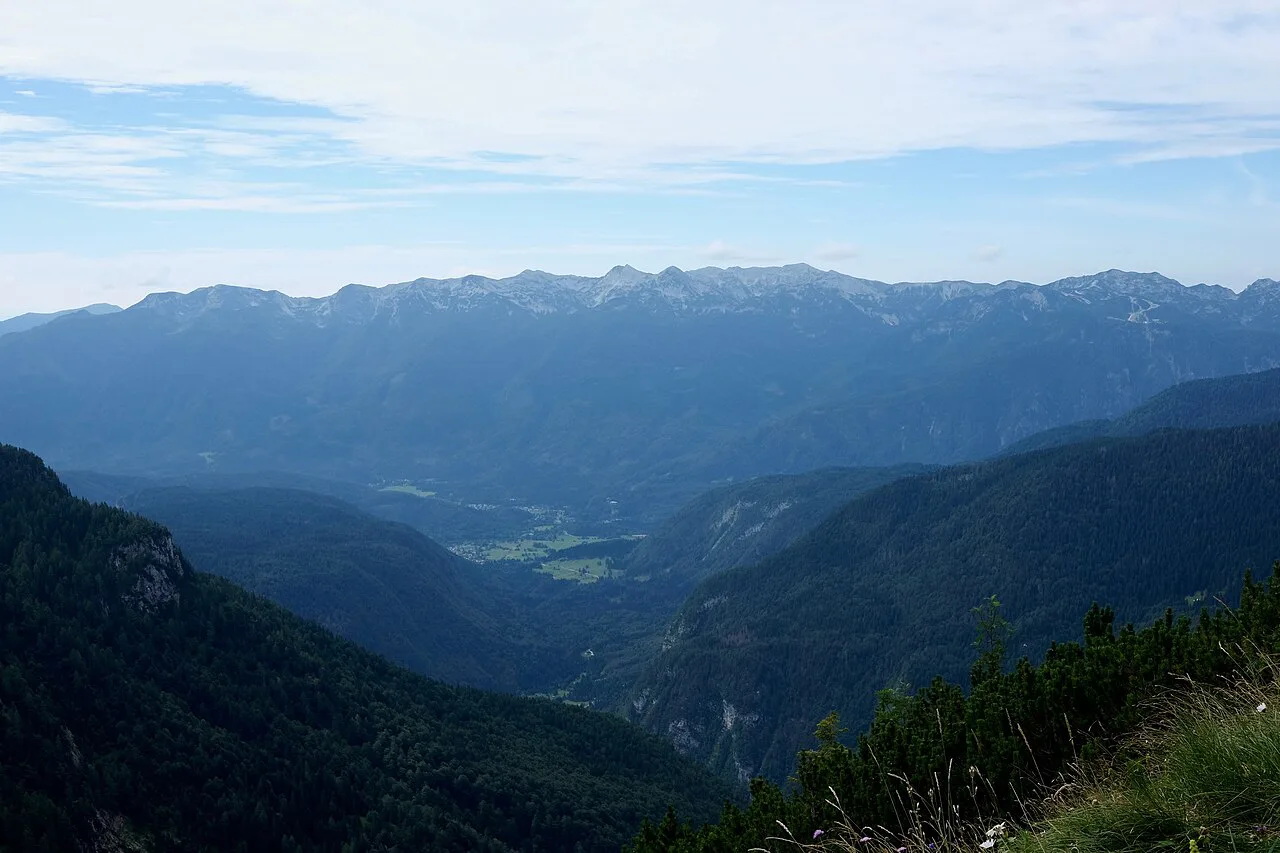
Where the park sits and which towns sit at its edges
The park has no single entrance gate. Towns and villages at its edges work as gateways: Ribčev Laz on Lake Bohinj inside the park, Bovec, Kobarid and Tolmin on the Soča side, and Kranjska Gora to the northeast. The park's resident population is about 2,500, most of them living in Ribčev Laz, so services concentrate there and thin out quickly once you leave the lake shore.
Bovec, Kranjska Gora and Kobarid supply sports activities, accommodations of every type, restaurants and museums, which makes them sensible bases for the park's northern and western sides. A car lets you pick one base and still reach the other side over the Vršič Pass road, which cuts through the park and connects the Kranjska Gora side to Bovec. Travelers without a car should pick their base and stay put rather than trying to circle the park in a day.
The main areas you reach by road: Lake Bohinj, the Vrata valley, Trenta and Pokljuka
Lake Bohinj is the park's largest natural lake and the anchor of its eastern side, with a marked trail around the shore and villages at either end. From the Bohinj basin, the Vrata valley road runs south toward the foot of Triglav's north face, passing Peričnik Waterfall on the way; the falls are among the park's most popular. Both are day trips from a Bohinj base rather than separate stops on a loop, and planning them is easier with a look at things to do in Bohinj beyond the shore path.
The Pokljuka Plateau sits above the Bohinj and Bled side, reached by road and useful as a cooler, quieter base for the park's edge. A 2018 visitor account describes a summer Hop-On Hop-Off route linking Bohinj and Pokljuka without charge, so treat any such service as seasonal and confirm the current timetable before relying on it. Driving up gives you the most flexibility, and the plateau roads are the gentlest introduction to the park's higher ground.
On the western side, the Soča valley runs through the park toward Bovec, with the Kluže Fortress above the Koritnica gorge and the river's clear upper reaches. The Tolmin Gorge lies further south on the Tolmin side. These are road-accessible valley stops, not trailheads to commit to, which is why the Soča side suits travelers who want scenery without a full day on foot.
Lake Bohinj and Ribčev Laz: the church, the shore and the Vogel cable car
Ribčev Laz sits at the eastern end of Lake Bohinj and holds the Church of St. John the Baptist, a small building from the early 13th century with frescoes painted by the Master of Bohinj. The village is also the park's main settlement and where most visitor services cluster. Plan to park once in Ribčev Laz and walk the shore from there.
The Vogel cable car rises from the lake's southern shore and gives views over Lake Bohinj and the surrounding mountains, including Mount Triglav. It is a separate paid extra rather than a park facility, and Sloterips lists the Vogel cable car ticket among the exclusions from its hiking packages, meaning guests pay it themselves. Cable car operation is seasonal, so confirm the current schedule before you build a day around it.
For orientation before you drive, a Triglav National Park map is worth having on paper as well as on your phone. If you are coming from the east, Bled is the last town of any size before the park, so fill up and stock up there. Bled Attractions: 4 Visitor Guides is a useful stop for anyone tacking the lake onto a park day.
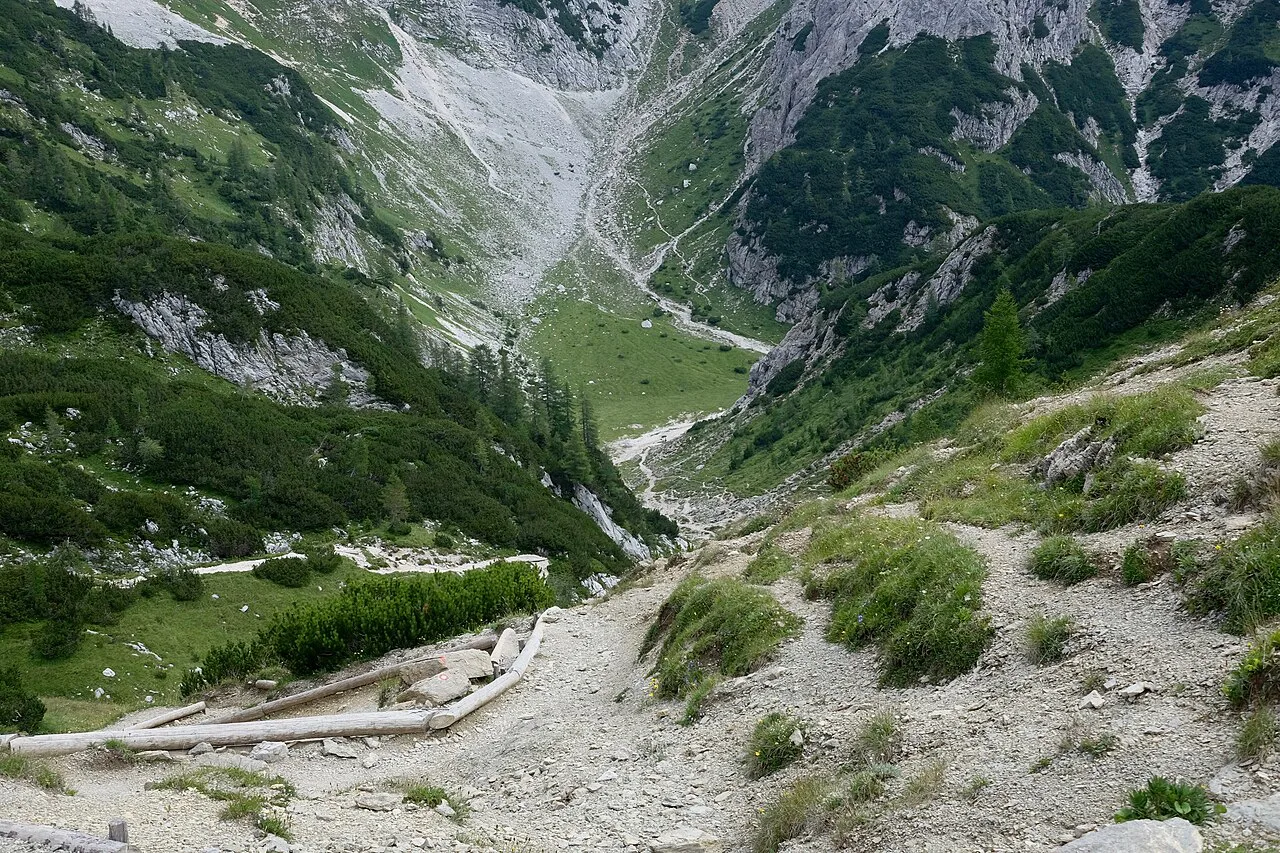
Savica Waterfall and the walk up from the Koča pri Savici parking area
Savica Waterfall (Slap Savica) is reached from a parking area near Koča pri Savici and Planinski dom Savica at the western end of Lake Bohinj. From the lot, a stepped path of several hundred stairs climbs about 1.6 kilometers with roughly 126 meters of elevation gain, taking most people 40 to 45 minutes round trip. The final viewing platform is often wet, so shoes with grip matter more than hiking boots.
Because it is short and close to the road, Savica draws crowds through the middle of the summer day; going first thing in the morning is the practical fix. Treat the falls as a separate outing from the lake, since the climb and the parking sit at the far end of the basin. Entrance charges are set at the site, so confirm the current fee when you arrive rather than relying on an older figure.
The Soča valley side: Bovec, Kobarid, Tolmin and the Tolmin Gorge
The Soča River rises in the park's mountains and flows through gorges and green valleys, with most of the park's waterfalls lying in the valleys it cuts. The river's upper course around Bovec and Kobarid is the western counterpart to Bohinj, and the Tolmin Gorge gives you a short, road-close look at the same limestone landscape. Base in Bovec for the northern Soča, Kobarid for the middle reaches, or Tolmin for the gorge.
The Dom Trenta information center in the Trenta valley is the natural first stop on this side of the park. It sits on the road that follows the Soča toward its source, which makes it a sensible place to pick up local guidance before heading further up the valley. Plan the Soča side as its own day, because the drive from Bohinj over the Vršič Pass is slow rather than long.
Mountain huts and the Seven Triglav Lakes Valley: what an overnight involves
The Seven Triglav Lakes Valley sits high in the park, and reaching it means walking in and staying in mountain huts rather than driving to a viewpoint. The hut-to-hut model is standard: Sloterips runs a four-day self-guided traverse from Lake Bohinj with three nights in mountain huts, breakfast and dinner included, using shared bathrooms and the smallest available rooms. Its daily stages run roughly 8 to 14 kilometers with several hundred meters of climbing each day.
That structure tells you what to expect from any hut-based plan. You carry what you need for the day, sleep in shared facilities, and eat at the huts, and the operator's package excludes lunches, drinks beyond those specified, travel insurance and the Vogel cable car ticket, with a single-traveler supplement of 140 euros and a guided Triglav climb at 460 euros per trip for one to four hikers. If you want the lakes valley without that commitment, plan it as a long day on foot from a Bohinj or Pokljuka base instead.
Driving in the park: narrow roads, Vršič Pass and where to leave the car
Driving is allowed in the park, and the main routes lead to Lake Bohinj, around the park's eastern border, and over the Vršič Pass to Bovec. Some stretches are unpaved, narrow and steep without guardrails, so check your tires and drive cautiously rather than treating the pass as a shortcut. The pass is a seasonal mountain road, and conditions at the top can differ sharply from the valleys.
Park only in designated car parks, which the park lists among its rules of conduct, and expect the roadside near the lake and the falls to be signed rather than open. From Ljubljana, the drive to Lake Bohinj takes about 1 hour 20 minutes and passes through Bled, which can be badly congested in summer. Leaving early buys you a parking spot more reliably than any other tactic.
Getting to the park without a car: buses and transfers
Buses run from towns around Slovenia to various points in and around the park, so a car-free trip is possible if you pick one base and accept slower days. The realistic pattern is a bus to Bohinj or to the Soča valley and local walking from there, not a loop of the whole park. Check the timetable and fares with the operator for the season you are traveling, since services thin out outside summer.
Package operators can also solve the transport problem for you: the Sloterips traverse begins at Lake Bohinj with a transfer to the trailhead and a return transfer from the finishing point, and the company will arrange a transfer to your next location if you ask. That is the simplest car-free option if you are walking hut to hut. For a valley-based trip, ask your accommodation about local shuttles before assuming a public bus will fit your schedule.
Park rules that affect a normal visit
The park's rules of conduct are short and they catch visitors out. Park in designated car parks, stay on marked trails, keep noise down, and keep dogs on a leash. Do not pick flowers or plants, and carry your trash out with you. Camping or bivouacking outside designated areas is forbidden, so a van parked for the night in a meadow is a rule violation, not a frugal choice.
Two more rules matter for photographers and swimmers. Flying drones in the park is prohibited, and swimming or other recreational activity in the Alpine lakes is not allowed according to a 2018 guide; confirm both on park signage because rules and enforcement change. Wild camping is illegal and picking wild flowers is prohibited. If your plan depends on any of these, check the current rule at a park information point before you commit to it.
When the season runs and what shuts outside it
The usable season for high ground and hut-based trips is narrow. The Sloterips traverse runs from July to September, which reflects when the high routes and huts are practical rather than a marketing choice. Outside that window, expect the valleys to stay reachable by road while the passes, cable cars and mountain services wind down.
For road-based sightseeing, late spring through early autumn gives you the most options, and the Vršič Pass is the first thing to check because it links the two sides of the park. The Vogel cable car is also seasonal, so a November plan built around the lake and the falls may work while one built around the cable car may not. Build a wet-weather alternative into any day that depends on an altitude road.
How much time the park needs depending on where you base
With two nights based in Bohinj, you can cover the lake shore and Ribčev Laz, drive up to Savica, and spend a morning in the Vrata valley without rushing. Add a third or fourth night to reach the Seven Triglav Lakes Valley on foot or to ride the Vogel cable car. A day trip from Bled or Ljubljana gets you the lake and Savica and nothing more, because the driving eats the middle of the day.
Basing on the Soča side is a separate trip rather than an add-on. Bovec, Kobarid and Tolmin each need a half day at minimum, and crossing the park over the Vršič Pass to link the two sides takes a slow morning even in good weather. If you have only three or four days in Slovenia outside Ljubljana, choose Bohinj or the Soča and save the other side for a return visit.
Which side of the park should you base on?
Base on Bohinj if you want the lake, a village with services, Savica and the Vrata valley close by, with the Pokljuka Plateau and the Seven Triglav Lakes Valley as stretch options. Base on the Soča side around Bovec, Kobarid or Tolmin if gorges, river scenery and a quieter road trip matter more than the lake. The Vršič Pass links the two, but treat the crossing as its own half day rather than a quick hop.
Whichever side you pick, build the trip around one base, park in designated areas, and keep water and high routes out of the plan unless you have the gear and time for them. That single decision removes most of the friction from a park that rewards slower travel rather than a circuit of its viewpoints.
Explore more Triglav National Park guides
Frequently Asked Questions
How do I get to Triglav National Park from Bled?
Drive southwest through Bohinj; the drive from Ljubljana, which passes through Bled, takes roughly 1 hour 20 minutes to Lake Bohinj. From Bled itself it is shorter. Buses run to various points in and around the park, and a 2018 account describes a summer Hop-On Hop-Off route linking Bohinj and Pokljuka without charge, so confirm current seasonal service with the operator before relying on it.
Is climbing Mount Triglav hard?
The summit section is technical terrain that operators tackle with an IFMGA mountain guide and via ferrata equipment, and the approach usually involves an overnight in a mountain hut. Sloterips lists a guided Triglav climb as an optional add-on and includes its price with the trip details. Anyone without scrambling experience should go with a guide rather than attempt it independently.
Can you visit Triglav National Park without hiking?
Yes. Lake Bohinj, Ribčev Laz, the Vrata and Trenta valleys, the Pokljuka Plateau and the Soča side around Bovec, Kobarid and Tolmin are all reached by road, and the Vogel cable car adds a view without a climb. The Seven Triglav Lakes Valley and the summits are the walking end of the park and are not day-drive stops.
Do you need a ticket for Triglav National Park?
There is no park-wide admission ticket described; costs are site-specific, such as the Vogel cable car ticket and whatever the Savica Waterfall parking area charges. A hut-to-hut package covers lodging and meals rather than park entry. Check prices at each site on arrival.
Sources
Notes for your Slovenia trip
Optional updates to our Slovenia place guides.
You might also like
Continue reading
More guides you'll find useful