Grad Castle in Goričko, Slovenia: What to Know Before You Go
Grad Castle in Goričko, Prekmurje, is the biggest castle complex in Slovenia, with over 365 rooms and roots back to 1208.
On this page
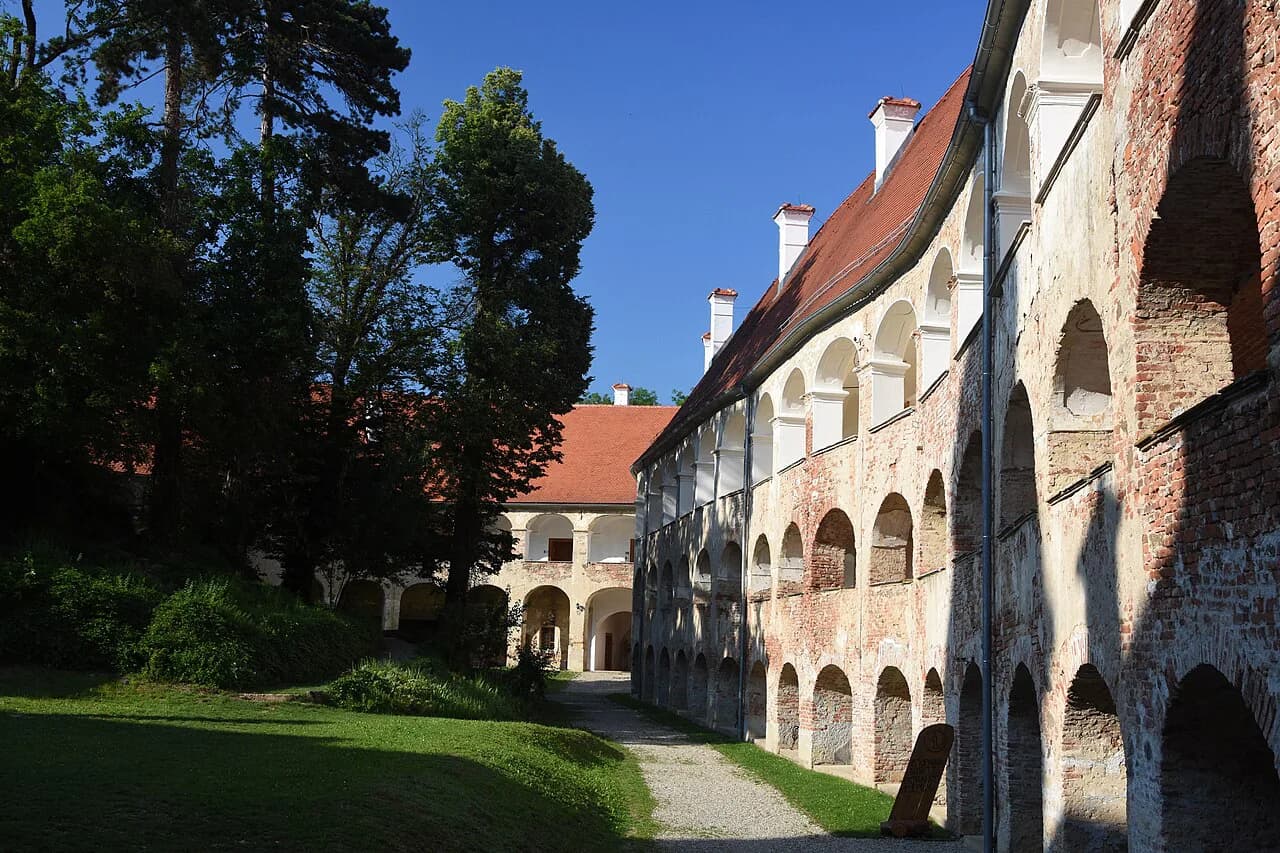
Grad Castle, known in Slovenian as Grad na Goričkem, is the biggest castle complex in Slovenia, with more than 365 rooms and a history that goes back to 1208. It sits in the Goričko hills of Prekmurje, in the far northeast of the country, which makes it a very different outing from the cliff-hung Predjama Castle most visitors picture. This guide covers where the castle stands, why the room count changes how long you should stay, and how to fold it into a day in the Goričko hills.
What Grad Castle in Goričko is, and why it stands apart from Predjama Castle
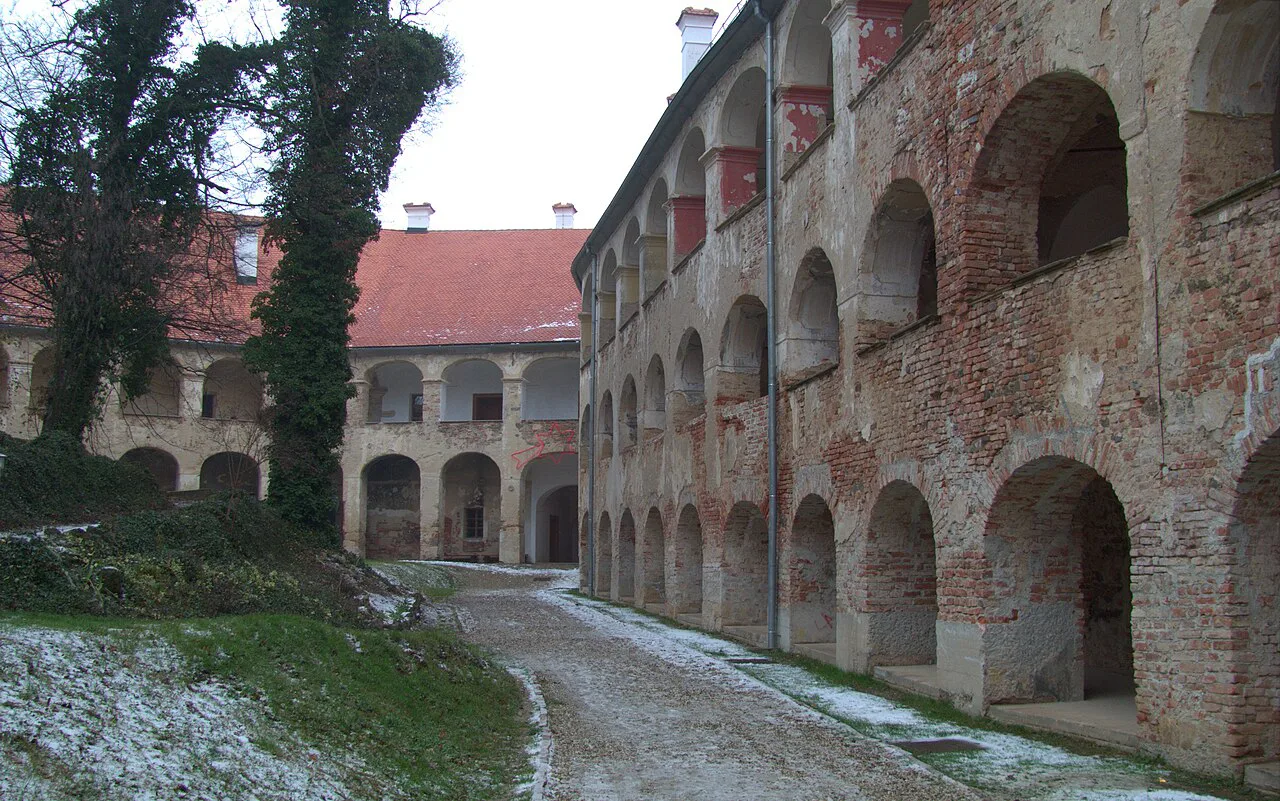
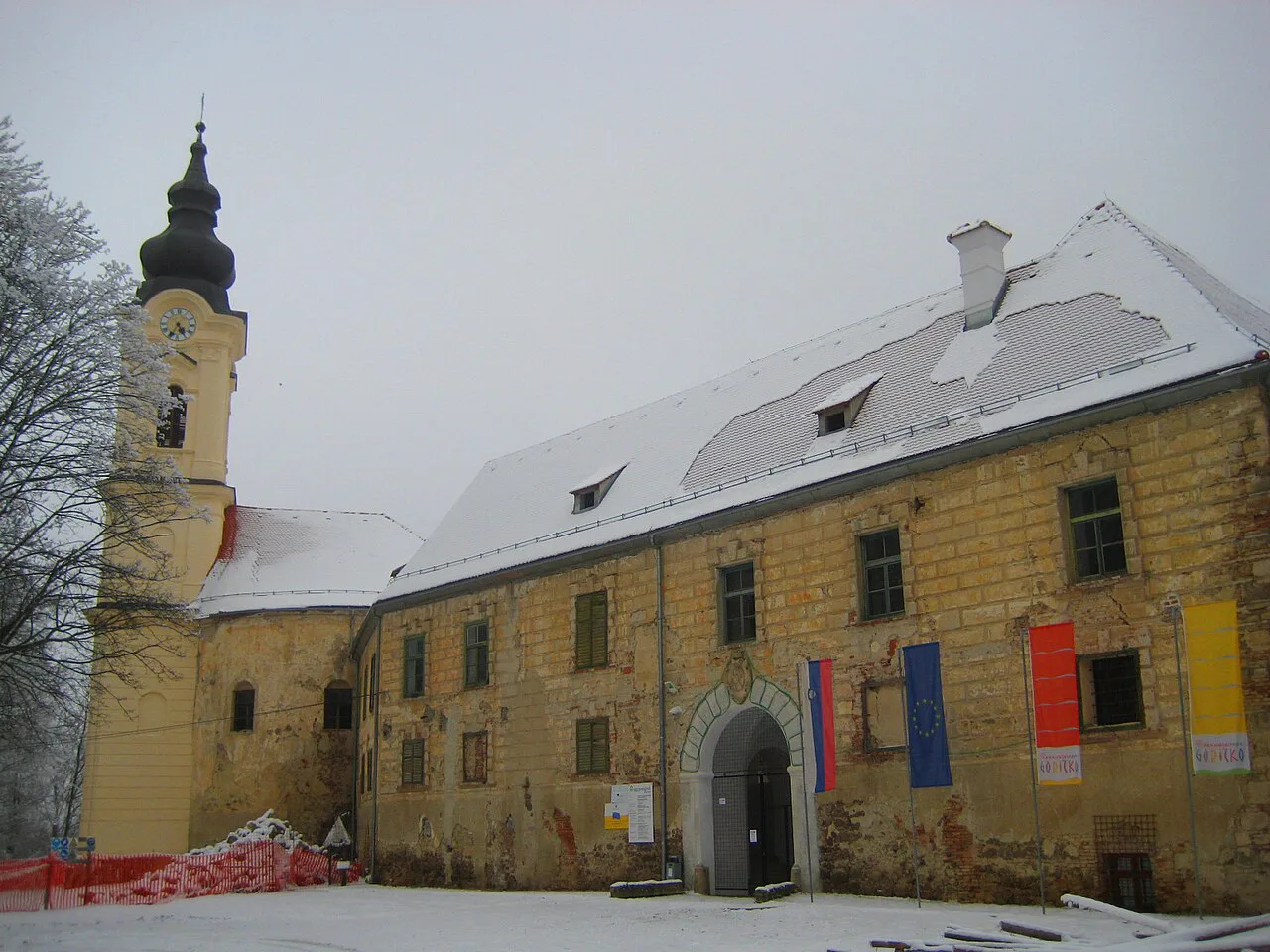
Grad na Goričkem is a sprawling manor complex rather than a single dramatic silhouette. More than 365 rooms are recorded here, which is why it reads as a small self-contained world of wings, corridors and service buildings rather than one photogenic facade. If you are searching "grad castle Slovenia," the word grad simply means castle in Slovenian, so you are looking at a place name, not a separate category.
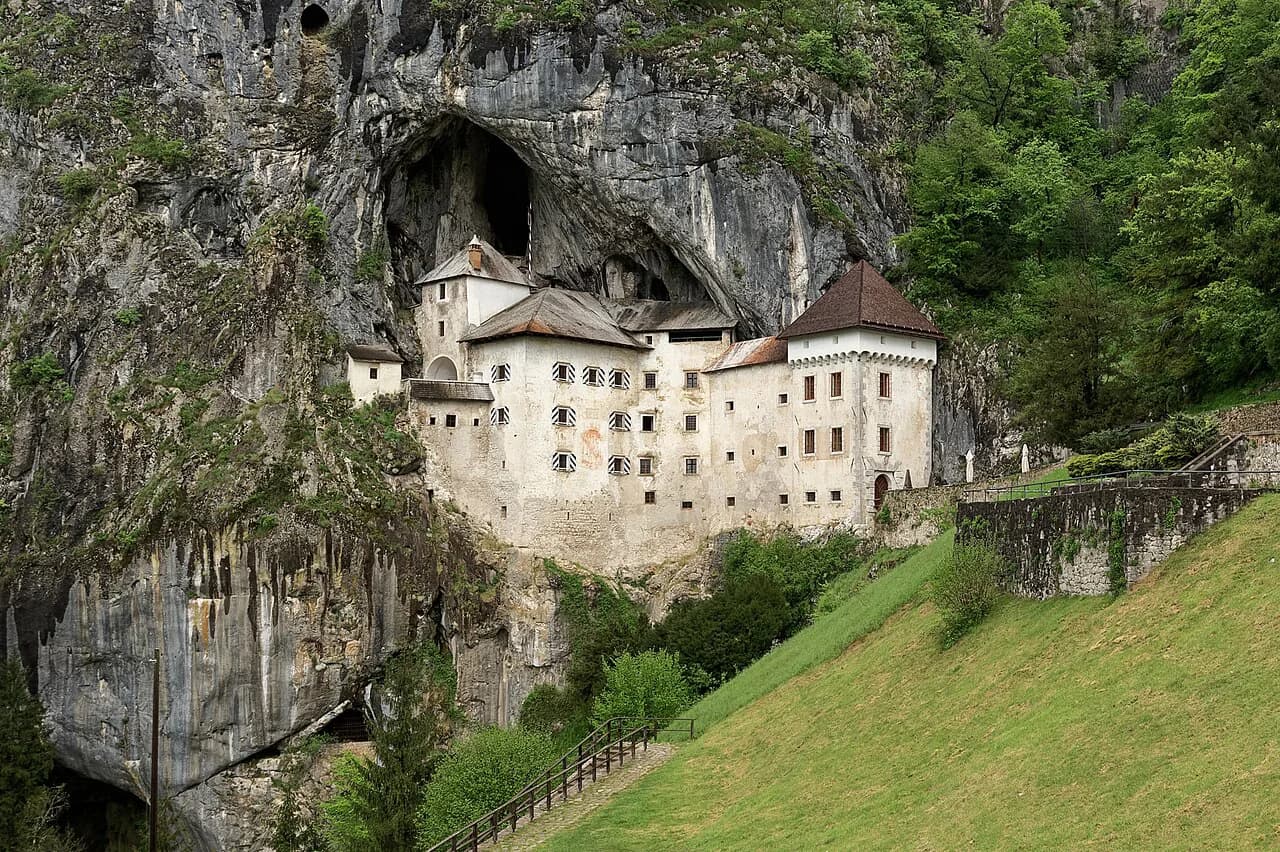
The contrast with Predjama Castle is worth understanding before you commit a day. Predjama is built into a limestone cliff above a village near Postojna, and that cliff-and-cave setting is what draws international attention rather than a long list of state rooms. Grad Castle has no cliff and no cave, so travelers expecting a stunt of architecture will be surprised by a rambling estate.
If your trip leans toward cave castles and karst scenery, Predjama belongs in the plan rather than Grad. The cliff-and-cave position defines that visit, while Grad rewards travelers who want scale, quiet Prekmurje countryside and a slower half day. Read the overview of castles in Slovenia before locking either into your itinerary.
Where Grad na Goričkem sits in Prekmurje and how it fits a Goričko day
Grad is a place in the Goričko region of Prekmurje, the rolling northeastern corner of Slovenia that borders Austria and Hungary. Treat the visit as one stop on a countryside loop rather than a target you drive to and leave. Distances between villages here are short, but the roads wind through hills and farmland, so plan fewer stops than you would in a dense city.
Prekmurje is often left off short Slovenia itineraries that concentrate on Lake Bled, Ljubljana and the coast, which is exactly why it stays calm. If you are coming from the coast or the Julian Alps, treat Prekmurje as a separate leg with an overnight nearby rather than a detour squeezed between two other regions.
Other Slovenian castles make useful anchors for comparing regions. Bogenšperk Castle sits in central Slovenia and offers a compact castle visit with a different regional setting from Grad's sprawling Prekmurje estate. Grad offers a different appeal: a large aristocratic estate embedded in an agricultural landscape rather than a compact showpiece.
The castle's history from 1208 and the long run of changing owners
The documented history of Grad Castle reaches back to 1208, and ownership changed hands frequently over the centuries that followed. That churn helps explain why the complex reads as a large, layered estate rather than a single clean architectural statement. For a visitor, expect to move through several periods in one place rather than a single frozen moment.
Frequent changes of owner also explain why the estate grew into such a large complex. Each generation of residents needed space for households, storage, stables and administration, and additions accumulated instead of replacing what came before. Keep that in mind when you move between wings, because the differences in ceiling heights, window shapes and room proportions are the story, not clutter between showpieces.
If you enjoy tracing families and estates across Slovenian castles, the pattern repeats elsewhere. Turjak castle, southeast of Ljubljana, is another noble estate worth reading up on before you go. Seeing how aristocratic holdings recur across buildings helps make sense of the constant transfers of property at Grad.
What to expect from a complex of more than 365 rooms
A room count above 365 tells you to plan for breadth. Rather than trying to see every space, pick a couple of threads and follow them: how a household this size was organized, and how the estate presents its long history today. Pay attention to floor plans and room labels where they are provided, because they help more here than at a compact castle.
Scale also means uneven conditions. In a building of this age and size, some wings and rooms may not be part of a visitor route, so do not assume every door is open. That is a normal feature of a large estate rather than a reason to skip it; plan on the rooms and spaces you can reach and enjoy the grounds as well.
Allow more time than you would for a small manor. Give the castle itself a solid block of time and then add the park around it separately, rather than assuming the building will take twenty minutes. Groups with different interests can split: one person takes the interiors, another walks the grounds, and you meet at the entrance.
How much time to give the castle and the surrounding area
Budget the better part of a day for the castle and Goričko together. The complex is large enough that a rushed lap misses the point, and the surrounding countryside rewards a slow pace. If you have only an afternoon, choose either the castle or a drive through the hills, not both.
The surrounding area is farmland, meadows, woods and small villages, so the pleasure is in short stops: a viewpoint, a village church, a roadside stand. Carry water and snacks, because services thin out quickly once you leave the larger settlements. Driving is the practical way to link the castle with the rest of Goričko, and a car lets you stop when something looks interesting.
If your Slovenia itinerary also passes the southeast, Sevnica castle above the Sava River makes a natural comparison, since that region is wine country along a major river. Grad is a rural estate in a borderland of hills, which gives you two very different pictures of provincial castle life.
Practical notes on visiting Grad Castle
Opening times, admission prices and any guided-tour details are the sort of thing that changes with the season, so confirm them with the castle for the day you plan to arrive rather than relying on a guide written months earlier. A quick check before you set out is the surest way to avoid a wasted drive into the hills.
Getting there means driving. Grad sits in a rural corner of Prekmurje, well away from the main rail corridors, so a car is the realistic option for most visitors. Fill up in a larger town before heading into the hills, and download an offline map, since mobile coverage in the valleys can be patchy. If you are relying on buses, confirm routes and times locally rather than assuming a connection.
The same practical logic applies to other rural castles in Slovenia. Rihemberk Castle at Branik, in the Vipava Valley area, is another estate where the setting and the drive are part of the visit. Treat these places as half-day countryside outings with a fixed plan B for wet weather, rather than city-style attractions you can drop into between other stops.
Is Grad Castle worth the drive to Prekmurje?
Yes, if you are already giving Prekmurje and Goričko real time on your trip. The castle's scale, more than 365 rooms, and its documented history from 1208 reward a slow visit, and the surrounding hills are the reason to come this far northeast. Travelers with only a few days in Slovenia should put Predjama and the karst ahead of it, because the cliff-and-cave setting is easier to fit into a short route.
Build the day around the castle, add a loop through the Goričko hills, and confirm the current visiting arrangements with the castle before you leave your base. That way the drive pays off whether the castle interiors are your main interest or the countryside is.
Explore more Slovenia guides
Frequently Asked Questions
How many castles does Slovenia have?
The castle count in Slovenia is often put at well over 500 across the country, which is why a single trip can only cover a fraction of them. Grad Castle in Prekmurje is the biggest castle complex by room count, with more than 365 rooms, while Predjama Castle near Postojna is the one built into a cliff.
Sources
Notes for your Slovenia trip
Optional updates to our Slovenia place guides.
You might also like
Continue reading
More guides you'll find useful